BNI Wheat: Can the Crop Help Manage Its Own Nitrogen?

BNI wheat uses a natural root trait to slow nitrification, helping keep nitrogen in the root zone longer and potentially improving nitrogen-use efficiency in organic farming systems.

Nitrogen is one of the most important nutrients in crop production, but it is also one of the hardest to manage well. In organic agriculture, that challenge is even greater because we do not use synthetic nitrogen fertilizers. We depend on legumes, manure, compost, crop rotations, soil organic matter, and biological activity to supply nitrogen over time.

That makes nitrogen efficiency extremely important. Every pound of nitrogen released from manure, compost, legumes, or soil organic matter needs to be captured by the crop as effectively as possible. When nitrogen is lost, the farmer may lose yield potential, grain protein, forage value, and money. The environment can also lose because nitrogen may move into water or escape from the soil as nitrogen gases. This is why a concept called Biological Nitrification Inhibition, or BNI, has great potential and why we are looking at it in our wheat breeding programs.
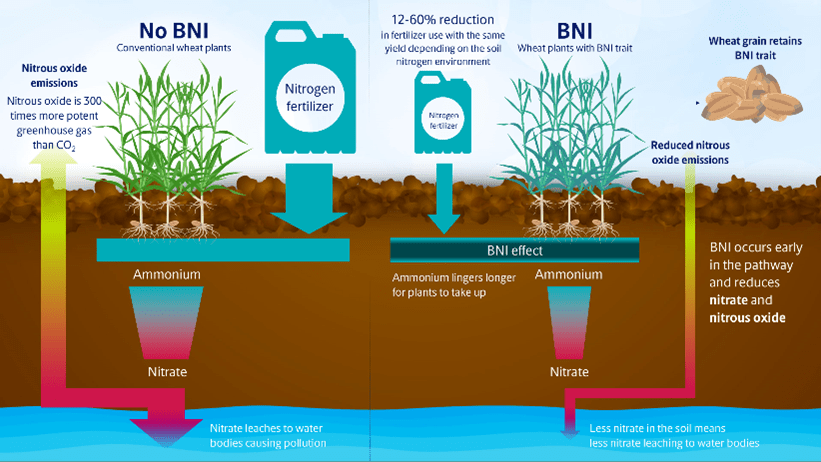
Comparative diagram illustrating the effects of BNI (Biological Nitrogen Increase) in wheat plants versus traditional methods, highlighting nitrogen fertilizer usage, nitrous oxide emissions, and nitrate leaching into water bodies.

Figure description: BNI wheat slows the conversion of ammonium to nitrate in the soil. This keeps nitrogen in a form that is less prone to leaching, can reduce nitrous oxide emissions, and may allow the crop to use fertilizer nitrogen more efficiently.

Table of Contents

What Is BNI?

BNI is a natural plant trait where roots release compounds that slow down nitrification, the microbial process that converts ammonium nitrogen into nitrate nitrogen.

That matters because ammonium nitrogen, written as NH₄⁺, tends to stay attached to soil particles. Nitrate nitrogen, written as NO₃⁻, is much more mobile and can move with water below the root zone. Nitrate can also be involved in soil processes that produce nitrous oxide, a greenhouse gas.

In simple terms, BNI may help the crop slow the leak in the nitrogen bucket.

BNI does not stop nitrogen cycling. It does not sterilize the soil. It simply slows one part of the nitrogen cycle near the root so more nitrogen may remain available to the crop longer. Researchers describe BNI as root exudates suppressing ammonia-oxidizing bacteria and archaea, which are microbes involved in the first major step of nitrification (Coskun et al., 2017; Subbarao et al., 2013; Subbarao et al., 2021).

Why This Matters in Organic Farming

Organic farmers already work hard to build nitrogen through biology. Legume cover crops, compost, manure, crop residues, and soil organic matter all release nitrogen through natural processes. The challenge is timing. The crop needs nitrogen at certain growth stages, but the soil releases nitrogen according to moisture, temperature, microbial activity, and residue quality.

If nitrogen becomes nitrate too early, it may be lost before the crop can use it. BNI wheat may help by keeping more nitrogen in the ammonium form near the root system.

That does not replace good organic management. BNI wheat would still need good rotations, fertility planning, soil health, weed control, and adapted varieties. But if the crop can help hold nitrogen in the root zone longer, it may improve nitrogen-use efficiency in systems where nitrogen is often expensive, limited, or difficult to time correctly.
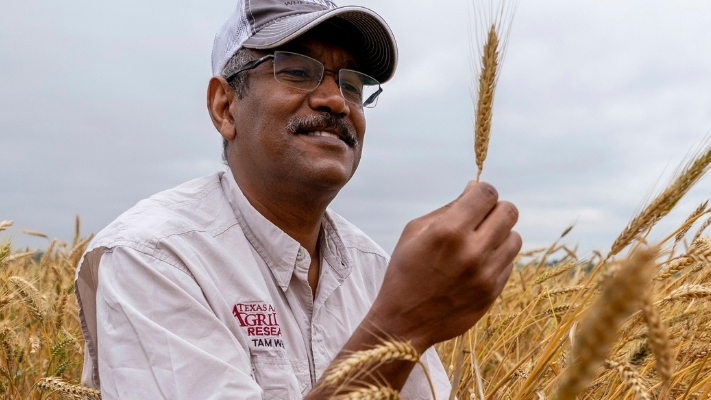
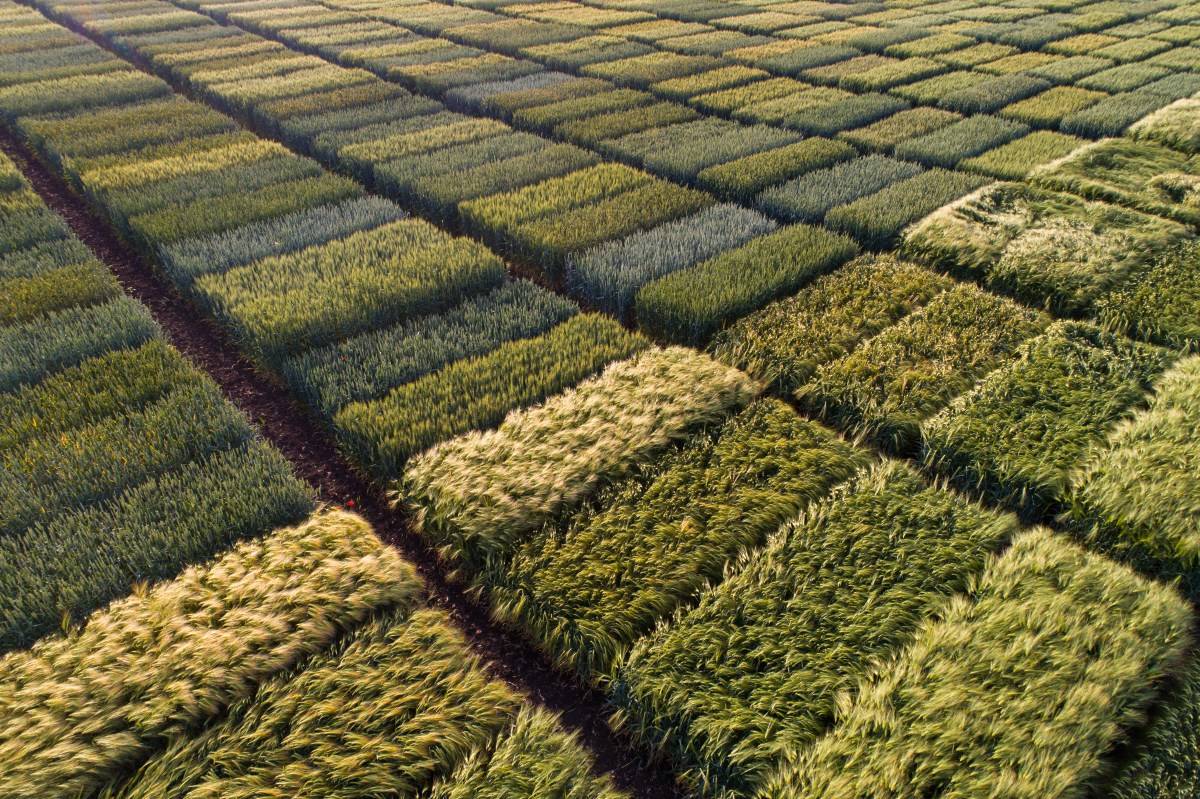
Texas A&M AgriLife wheat research plots in the field.

Wheat research conducted by Texas A&M AgriLife Research. Photo courtesy of Dr. Amir Ibrahim, Texas A&M AgriLife Research.

Why Wheat?

Wheat is one of the most flexible crops in American agriculture. It can be harvested for grain, cut for silage, grazed as forage, used in dual-purpose systems, or grown as a cover crop. That makes wheat especially important in organic systems. In Texas, wheat is often part of livestock systems and row-crop rotations. For organic dairy, beef, grain, and cover crop systems, a more nitrogen-efficient wheat could have value across the whole farm.

Is BNI Wheat Genetically Engineered?

No! The BNI wheat being discussed in current research is developed through conventional plant breeding methods, not genetic engineering. Researchers identified a strong BNI capacity in a wild relative of wheat called Leymus racemosus. The BNI-associated chromosome segment from that wild relative was transferred into wheat, and researchers have since developed BNI-enabled wheat lines such as MUNAL-BNI and ROELFS-BNI (Subbarao et al., 2021; Bozal-Leorri et al., 2022).

This work uses crossing, backcrossing, marker-assisted selection, root exudate testing, and field evaluation. These are conventional breeding tools, even though some are advanced. Marker-assisted selection simply helps breeders identify which plants inherited the desired chromosome segment. It does not create a genetically engineered plant. That distinction matters for organic agriculture because BNI wheat fits within the conventional plant breeding pathway.

What Do We Know So Far?

The science is still developing, but the early evidence is encouraging. Research has shown that BNI capacity exists in wild relatives of wheat and in some wheat landraces. One study found significant BNI activity in several wheat landraces, showing that BNI is not limited only to wild species (O’Sullivan et al., 2016). More recent work shows that wheat genotypes vary in root exudate chemistry and BNI activity, which means breeders may have useful natural variation to work with (Ghatak et al., 2025).

Studies with BNI-enabled wheat lines have reported reduced ammonia-oxidizing bacteria, lower nitrification potential, lower nitrate levels, greater ammonium retention, improved nitrogen uptake, and no yield penalty in many cases (Subbarao et al., 2021; Bozal-Leorri et al., 2022; Karwat et al., 2025).

That does not mean every question is answered. Soil type, pH, temperature, nitrogen source, crop stage, and variety background can all affect how well BNI works. But the evidence is strong enough to justify serious breeding, field testing, and organic systems research.
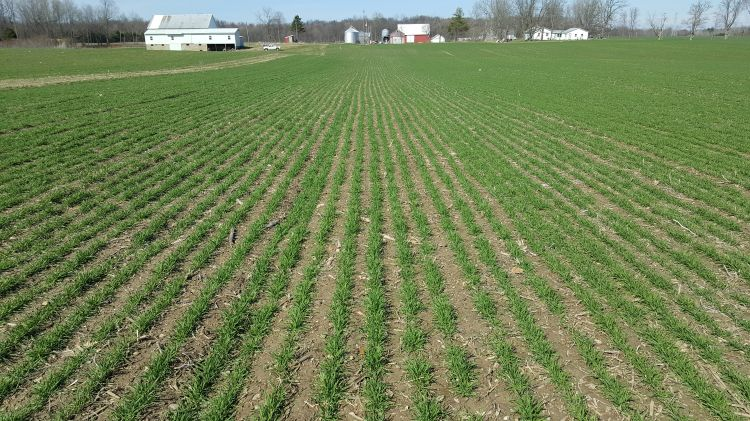
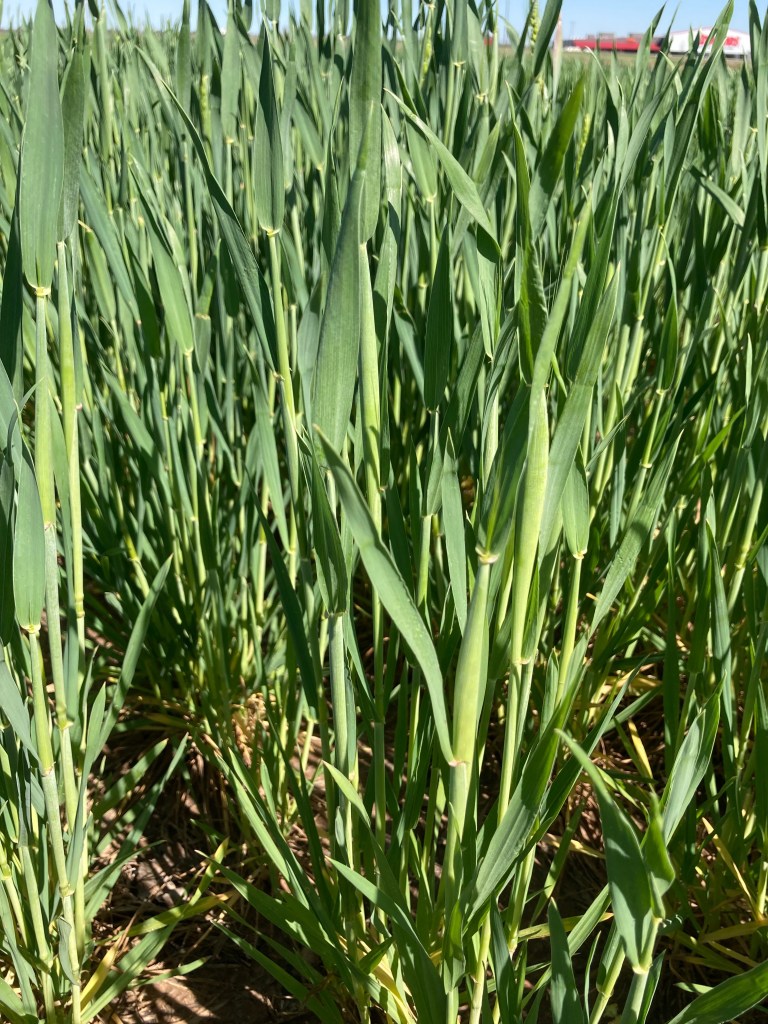
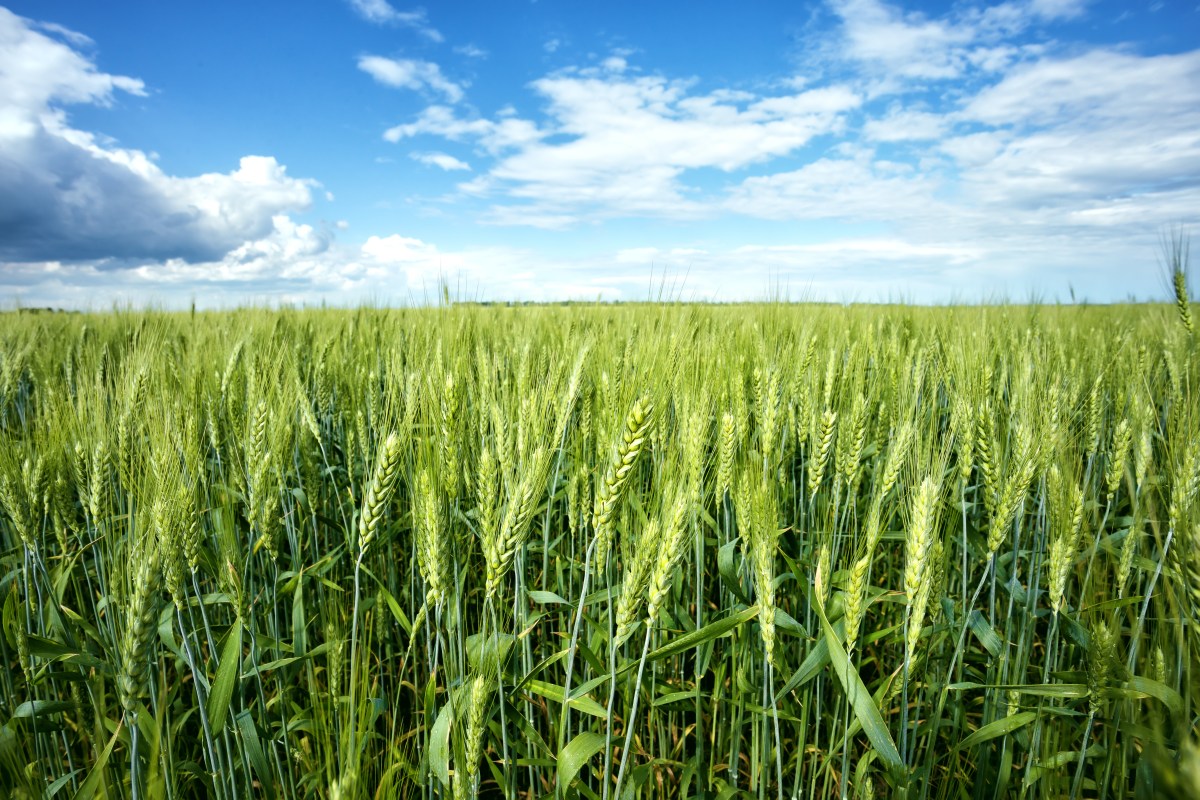
Wheat field with mature wheat plants.

Wheat field representing commercial wheat production. Photo: Adobe Stock.

What Could BNI Wheat Mean for Farmers?

For organic grain farmers, better nitrogen-use efficiency could help with both yield and grain protein. Protein is especially important in bread wheat markets, and nitrogen availability is one of the major drivers of protein.

For organic dairy and livestock producers, BNI wheat could have value as forage, silage, grazing, or feed grain. If wheat can use nitrogen more efficiently, it may improve the economics of growing organic feed locally.

For organic crop rotations, BNI wheat could become another tool to help stabilize fertility. It will not replace legumes, compost, manure, or cover crops, but it may help the crop use those biological nitrogen sources more efficiently.

For the environment, BNI wheat may reduce nitrate leaching and nitrous oxide emissions. Reviews of BNI research suggest that BNI crops can improve nitrogen-use efficiency and reduce nitrogen losses, although field performance will depend on soil, climate, crop genetics, and management (Coskun et al., 2017; Subbarao et al., 2013; Saud et al., 2022; Wang et al., 2021).

References and Further Reading

Bozal-Leorri, A., Subbarao, G., Kishii, M., Urmeneta, L., Kommerell, V., Karwat, H., Braun, H., Aparicio-Tejo, P., Ortiz-Monasterio, I., González-Murua, C., & González-Moro, M. (2022). Biological nitrification inhibitor-trait enhances nitrogen uptake by suppressing nitrifier activity and improves ammonium assimilation in two elite wheat varieties. Frontiers in Plant Science, 13. https://doi.org/10.3389/fpls.2022.1034219

Coskun, D., Britto, D., Shi, W., & Kronzucker, H. (2017). Nitrogen transformations in modern agriculture and the role of biological nitrification inhibition. Nature Plants, 3. https://doi.org/10.1038/nplants.2017.74

Ghatak, A., et al. (2025). Natural variation of the wheat root exudate metabolome and its influence on biological nitrification inhibition activity. Plant Biotechnology Journal, 23, 4755–4772. https://doi.org/10.1111/pbi.70248

Karwat, H., et al. (2025). Nitrogen dynamics and yield performance of an elite bread wheat line with BNI capacity expressed in an alkaline soil. bioRxiv. https://doi.org/10.1101/2025.07.29.667244

O’Sullivan, C., Fillery, I., Roper, M., & Richards, R. (2016). Identification of several wheat landraces with biological nitrification inhibition capacity. Plant and Soil, 404, 61–74. https://doi.org/10.1007/s11104-016-2822-4

Subbarao, G. V., et al. (2021). Enlisting wild grass genes to combat nitrification in wheat farming: A nature-based solution. Proceedings of the National Academy of Sciences, 118. https://doi.org/10.1073/pnas.2106595118

Subbarao, G. V., et al. (2013). A paradigm shift towards low-nitrifying production systems: The role of biological nitrification inhibition (BNI). Annals of Botany, 112(2), 297–316. https://doi.org/10.1093/aob/mcs230

Wang, X., et al. (2021). Effects of biological nitrification inhibitors on nitrogen use efficiency and greenhouse gas emissions in agricultural soils: A review. Ecotoxicology and Environmental Safety, 220, 112338. https://doi.org/10.1016/j.ecoenv.2021.112338

Text from the United States Department of Agriculture, including the Agricultural Marketing Service, National Organic Program, and Transition to Organic Partnership Program. Features the USDA Organic logo.

Flame Weeding, Soil Biology, and Organic Farming: Questions Worth Asking

Flame weeding can suppress difficult weeds without deeply heating the soil, but its value in organic farming depends on how it fits within the larger biological and agronomic system.

One of the interesting things about organic agriculture is that it constantly forces us to balance competing biological, ecological, and practical realities. Recently, I posted a short video showing a farmer using a propane flame weeder to suppress field bindweed, and it generated a spirited discussion about soil biology, climate impacts, and whether flame weeding even belongs in organic systems.1

Suppression of field bindweed in advance of crop planting. Video courtesy of a Texas organic farmer.

Rather than turning that discussion into “who won the argument,” I think it raises some important questions that many farmers, gardeners, and consumers are already asking.

Field bindweed itself is a good example of why these conversations matter. Field bindweed is one of the most difficult perennial weeds in organic farming. It spreads aggressively through deep underground roots and rhizomes, and tillage can actually make infestations worse by cutting and moving living root fragments throughout the field.

Table of Contents

Does Flame Weeding Sterilize the Soil?

This is probably the biggest concern people have when they first see flame weeding. The answer is no — not in the way many imagine.

Flame weeding is a very shallow, fast exposure of heat. The objective is usually not to incinerate the plant but to rupture plant cells in the foliage. Most flame weeding systems move rapidly across the soil surface, and soil itself is actually a very effective insulator.

Research has shown that the heat impact declines dramatically within just a few millimeters of soil depth. Surface microorganisms may certainly be affected, especially some bacteria very near the soil surface, but the overwhelming majority of the soil microbial ecosystem remains protected below that thin layer.2

That distinction matters because soil microbial communities are not static. Bacterial populations can rebound extremely quickly under favorable conditions. Fungi, spores, protected aggregates, organic matter, and deeper microbial habitats often remain largely intact.

A useful comparison is prescribed burning in rangelands and forests. Fire can temporarily suppress some organisms near the surface while simultaneously stimulating nutrient cycling, changing plant competition, reducing excess residue, and shifting ecological balance. The outcome depends heavily on intensity, duration, frequency, and what happens afterward.

Why would an organic farmer use flame weeding at all?

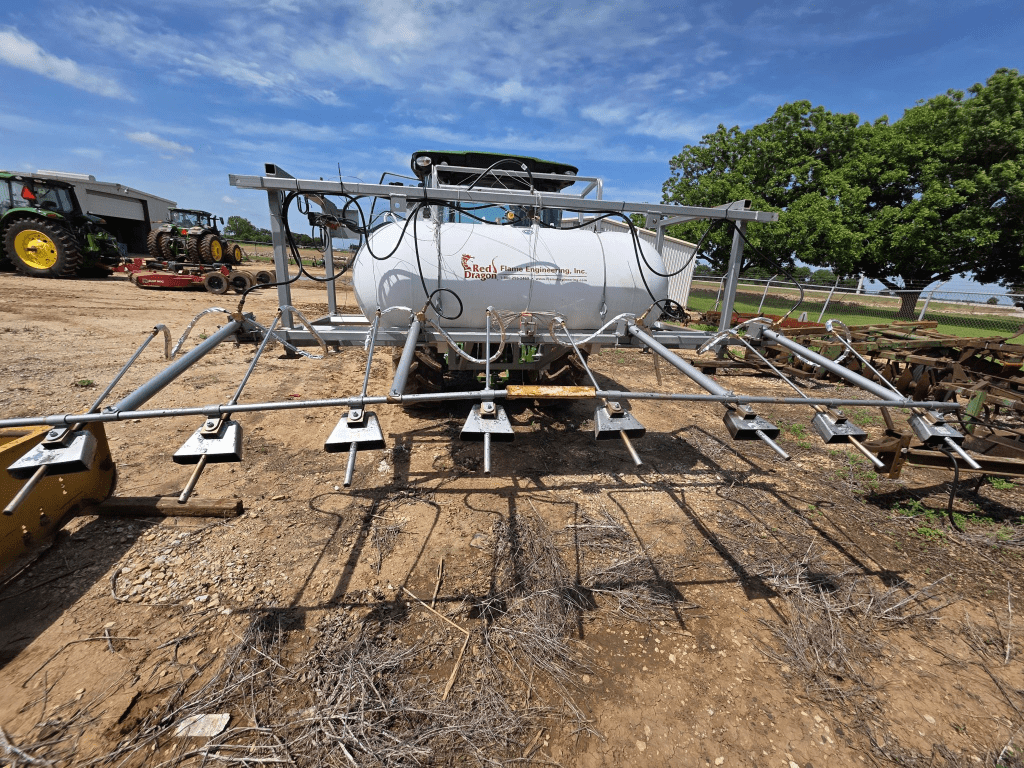
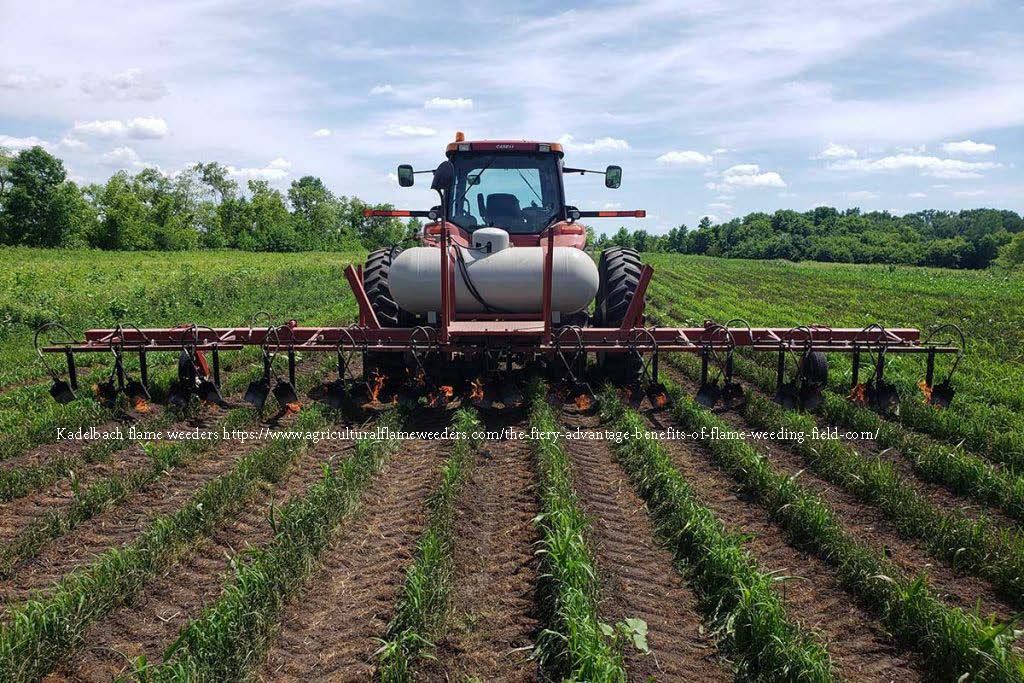
A farming implement with a large tank and metal arms, used for agricultural purposes, set in a rural field with tractors visible in the background.

Texas A&M AgriLife weed research just got the new Red Dragon Engineering flaming attachment setup to allow for burndown as well as in-row applications. Hopefully, this will be another useful tool in the toolbox. The “weed team” will be testing it in organic cotton and sorghum this summer.

Organic farming is not simply “avoiding chemicals.” It is a management system focused on biological function, long-term productivity, and ecological balance. But organic farmers still have to manage weeds. Perennial weeds create especially difficult problems because many standard control methods can worsen the issue. With bindweed, repeated tillage often spreads the infestation. Herbicides are not available in certified organic systems. Hand labor is expensive and often impractical at field scale. In the case from the video, the farmer was not trying to permanently kill bindweed with a single flame pass. That would be unrealistic but instead, the goal was suppression.

The farmer was temporarily weakening the bindweed canopy until soil temperatures became warm enough to plant a highly competitive sorghum forage crop. Sorghum can become an extremely aggressive shading crop that competes strongly against bindweed while simultaneously contributing large amounts of root biomass and crop residue back into the soil.

Why do grasses like sorghum often stimulate bacterial activity?

Grass crops such as sorghum, corn, wheat, and other cereals typically produce extensive fibrous root systems. Those roots release large amounts of carbon compounds — called root exudates — into the rhizosphere, which is the narrow zone of soil surrounding roots. These exudates feed bacteria and other microorganisms.

Many soil biology tests, including PLFA (phospholipid fatty acid analysis) and Haney soil testing approaches, often show strong bacterial responses following vigorous grass growth. That does not mean fungi are unimportant. In fact, healthy soils need both fungal and bacterial communities. But grasses frequently shift the system toward greater bacterial dominance compared to some perennial or woody systems. The important point is that soil biology is dynamic. A single management event does not define the entire biological trajectory of a field.

What about climate concerns from propane?

That is also a fair question. Propane is a fossil fuel. There is no reason to pretend otherwise. But agricultural systems are rarely evaluated honestly if we isolate one input without comparing alternatives.

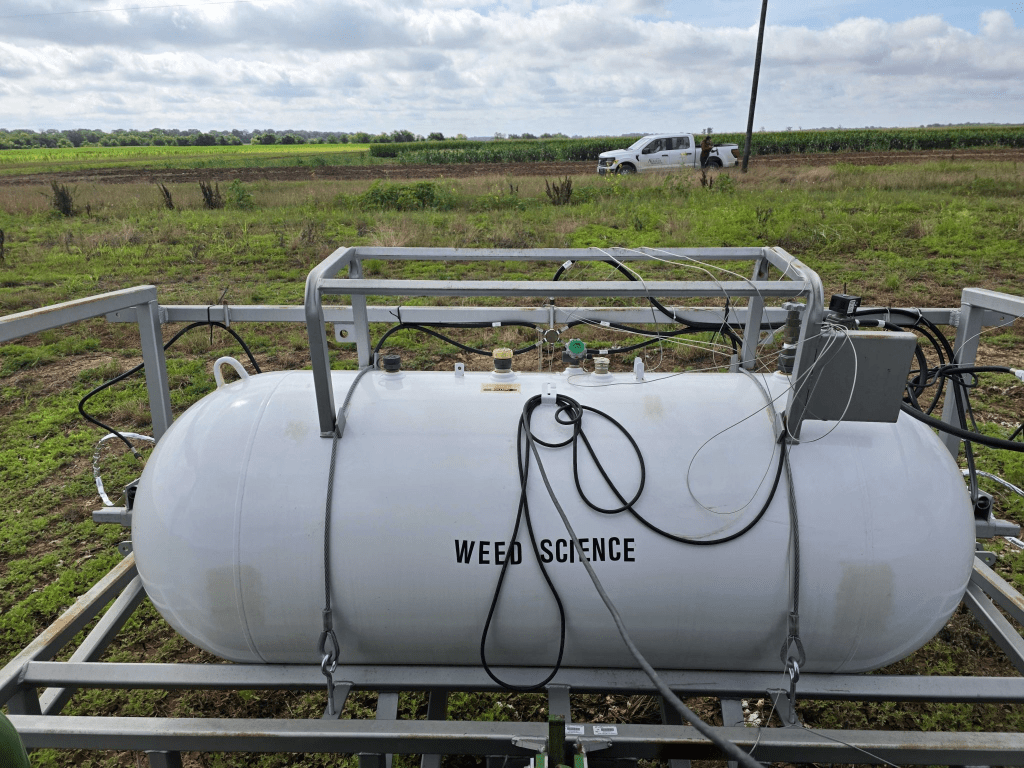
A large white tank labeled 'WEED SCIENCE' on a farm, surrounded by a field and a pickup truck in the background under a cloudy sky.

The comparison is not “flame weeding versus doing nothing.” The comparison is usually:

  • repeated tillage passes,
  • additional tractor operations,
  • cultivation,
  • soil disturbance,
  • diesel fuel use,
  • erosion risk,
  • moisture loss,
  • or long-term perennial weed spread.

In some situations, a targeted flame treatment may actually reduce total disturbance compared to aggressive tillage programs. Organic agriculture often involves choosing between imperfect tools while trying to move the system toward better long-term outcomes.

Can flame weeding be overused?

Absolutely! If someone used intense flame applications repeatedly with no larger biological or agronomic strategy, there could certainly be negative consequences. Like tillage, grazing, cover crops, fertilizers, or irrigation, the effect depends on how the tool is used. Flame weeding should generally be viewed as a targeted management tool, not the foundation of the farming system.

A biologically focused farmer should still prioritize:

  • living roots,
  • residue cover,
  • diverse rotations,
  • microbial habitat,
  • reduced disturbance,
  • carbon cycling,
  • and competitive crop canopies.

Organic farming is often about tradeoffs, not perfection

One challenge in discussing organic agriculture publicly is that people sometimes assume every organic practice must have zero environmental cost. Real farming does not work that way. Organic farming is a systems approach. Farmers constantly balance weed pressure, economics, soil biology, labor, fuel use, crop competition, erosion risk, and long-term field productivity.

The more useful question is usually not:
“Is this tool perfect?”

But rather:
“Does this tool move the overall system in a healthier direction over time?”

For difficult perennial weeds like bindweed, many organic farmers would argue that temporary suppression combined with competitive crops, biological improvement, and reduced tillage may be preferable to aggressive cultivation that spreads the weed even further. That does not end the discussion, but it does make the conversation more nuanced than simply saying “fire is bad for soil biology.”

References

  1. https://www.ecfr.gov/current/title-7/part-205#p-205.206(c)(5) ↩︎
  2. Rahkonen, J., Pietikäinen, J., & Jokela, H. (1999). The Effects of Flame Weeding on Soil Microbial Biomass. Biological Agriculture & Horticulture, 16, 363-368. https://doi.org/10.1080/01448765.1999.9755239. ↩︎

Additional Resources

Text display of the USDA logo and programs related to organic farming, including the National Organic Program and Transition to Organic Partnership Program.

GOTS Version 8.0 – What It Means for Texas Organic Cotton

GOTS Version 8.0 strengthens traceability, due diligence, GMO testing expectations, and gin-level controls for organic cotton moving through the textile supply chain.

Technical content reviewed September 2026. GOTS Version 8.0 becomes effective March 1, 2027.

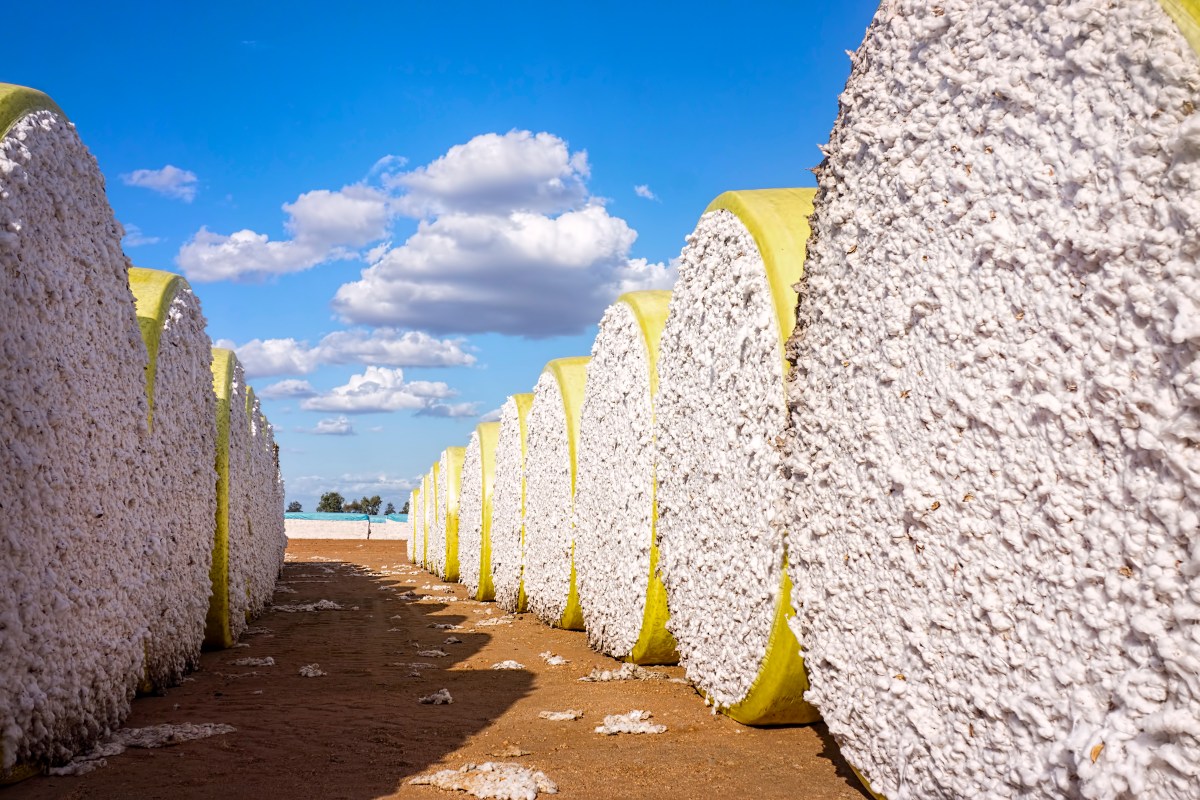
The Global Organic Textile Standard (GOTS) is the primary certification used to verify organic cotton as it moves from the farm through the gin and into textile markets. While USDA organic certification covers production, GOTS governs how that cotton is handled, processed, and sold as organic in the textile supply chain.

GOTS released Version 8.0 this spring (effective March 1, 2027), and while most of the discussion centers around global textile supply chains, there are several changes that matter directly to organic cotton producers and gins here in Texas. From my perspective, this update is less about changing how we grow cotton and more about tightening how the system verifies and documents what we are already doing. None of us welcome more paperwork, but organic cotton operates in a global market where documentation and traceability increasingly determine market access.

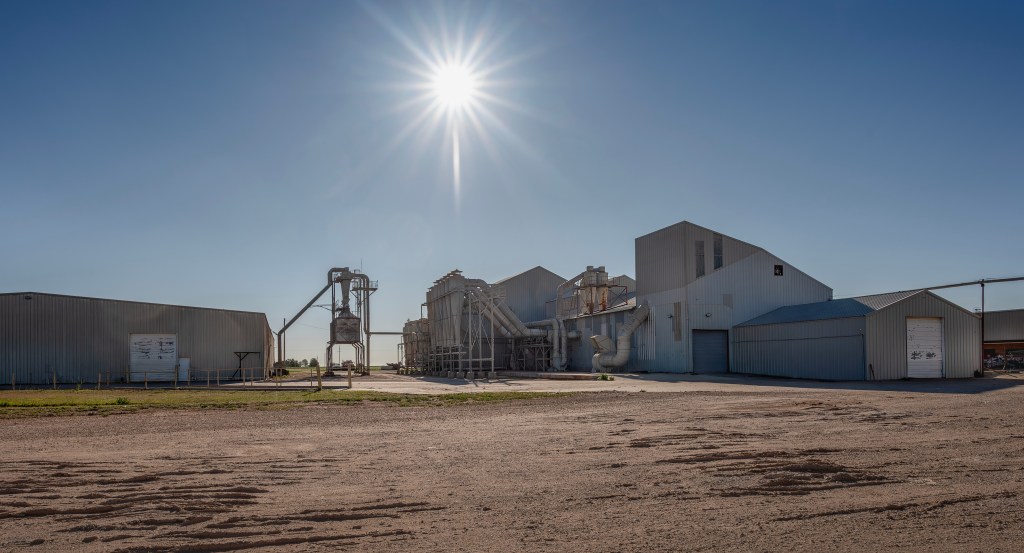
One of the clearest shifts in Version 8.0 is the increased focus on the gin as the first control point in the organic textile chain. GOTS continues to define the gin as the “first processor,” but now places more emphasis on what happens at that stage—especially around segregation, documentation, and traceability. In practical terms, this means the gin is no longer just moving cotton through the system; it is playing a key role in protecting and verifying organic integrity.

Another area that will get attention is GMO testing at the gin level. GOTS 8.0 reinforces the requirement for testing, but it is important to understand what did not change. There is still no numeric GMO threshold written into the standard. Instead, certification decisions continue to be based on whether the farmer followed approved organic practices and whether the certifier can verify compliance. In other words, a test result by itself does not determine the outcome—the system and the documentation behind it still matter most.

The biggest structural change in GOTS 8.0 is the introduction of a more formal due diligence approach. That is a technical way of saying that every part of the supply chain—from farm to gin to buyer—is now expected to identify risks, document them, and show how they are being managed. For organic cotton, this puts more focus on real-world issues we already deal with, such as neighboring GMO crops, harvest handling, and maintaining clean separation through the gin.

Traceability also continues to tighten. GOTS has always relied on Scope Certificates and Transaction Certificates, but Version 8.0 reinforces that every step in the chain must be documented clearly and consistently. Clean paperwork and clear records are becoming just as important as clean cotton.

Finally, GOTS 8.0 continues to reinforce a rule that is especially important in Texas: no blending of conventional cotton into organic textile streams. With organic and conventional production often side by side, this keeps pressure on gins to maintain strict separation and handling practices.

What This Means on the Ground

From a practical standpoint, most organic farmers will not need to change what they are doing in the field. The fundamentals remain the same—approved seed, buffers, and a solid organic system plan. Where things are changing is in how well that system must be documented and verified after harvest.

For gins, the role is becoming more critical. There will be increased expectations around segregation, documentation, and participation in the verification process. The gin is now clearly a key link in maintaining organic integrity.

Bottom Line

GOTS 8.0 is not about rewriting organic production—it is about proving that the system worked all the way through the supply chain. That means more attention to testing, documentation, and traceability, but the foundation remains the same: organic certification is based on process and compliance, not just a single test result.

References

GOTS Version 8.0 released: Advanced supply chain accountability, from fiber to finished product

Building Local Hybrid Seed for Organic Farms (A Project to Watch)

One of the biggest limitations I continue to see in organic grain and dairy systems—especially here in Texas and across the southern region—is not just fertility or weed control. It is genetics. We simply do not have corn hybrids that are truly adapted to our heat, drought, and water-limited environments.

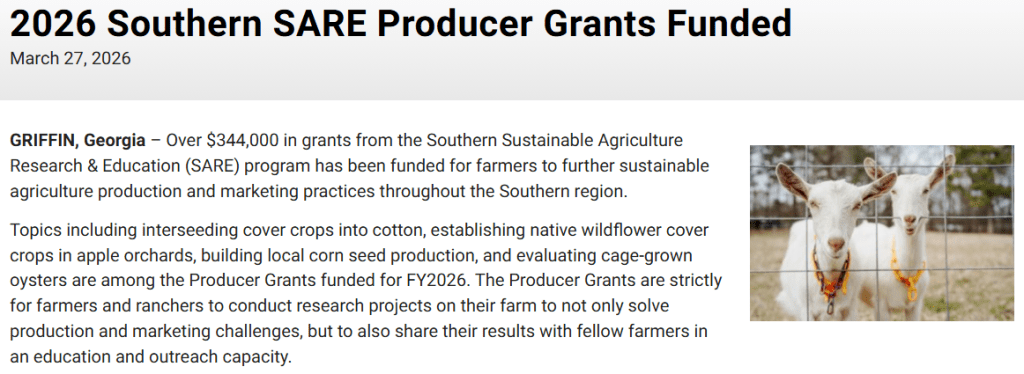
A new on-farm project as part of a Southern SARE grant is being led by Seth Fortenberry (New Deal Grain) is working directly on that problem. This work is supported through the Southern SARE program, which is designed to fund practical, on-farm research that can be quickly adopted by other farmers—making it a strong fit for advancing organic systems in our region.

What This Project Is About

This on-farm project is focused on building local hybrid corn seed production for organic systems. Instead of relying on seed developed and produced in the Midwest, the goal is to produce non-GMO hybrid seed right here in the South, under the same conditions farmers actually face.

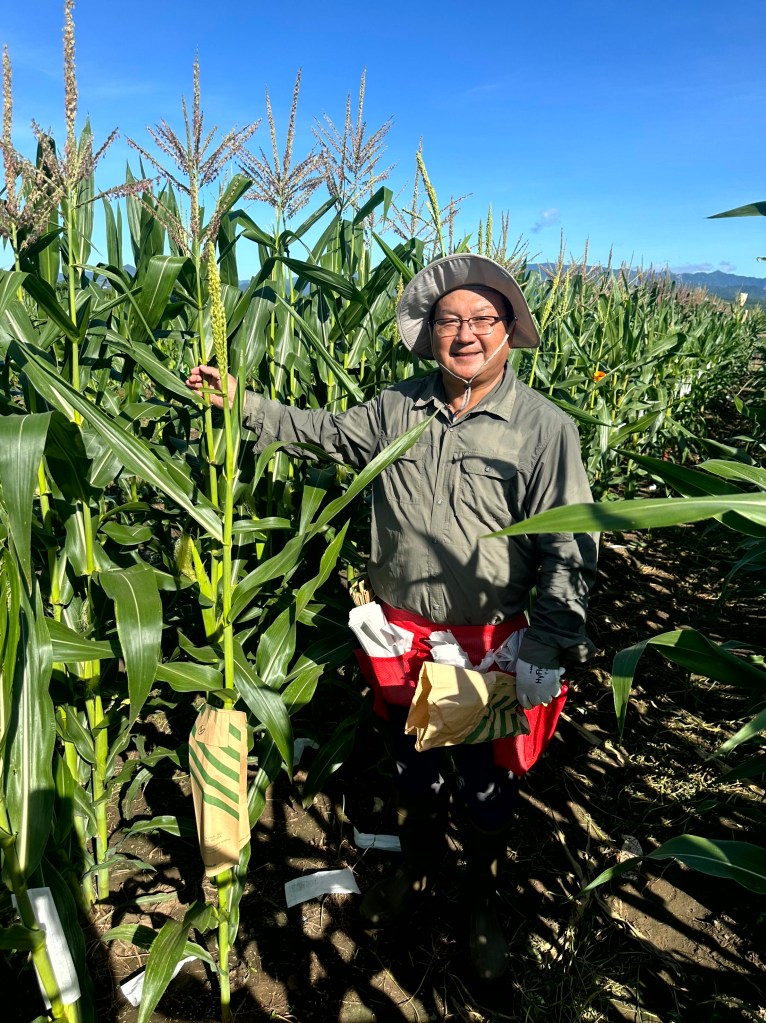
A key part of this project—and one I think is worth highlighting—is the direct connection to public plant breeding. The hybrids being used in this work, including TAMZ106 and TAMZ107, were developed by Dr. Wenwei Xu, Texas A&M AgriLife Research corn breeder in Lubbock. His program has focused heavily on stress tolerance—heat, drought, and disease—which is exactly what our organic systems require in this region.

Why This Matters to Organic Farmers

From my perspective, this is where things get interesting.

  • Better adaptation – Hybrids developed by Dr. Xu are bred under Texas High Plains conditions, not Midwest environments
  • Improved water use – Critical for anyone pulling from the Ogallala
  • Stronger performance under stress – Organic systems don’t have “rescue tools,” so genetics matter more
  • Public breeding impact – This project creates a direct pathway for AgriLife-developed genetics to reach organic farmers
  • Local seed supply – Keeps value in our region and reduces dependence on outside companies

In simple terms, this project is trying to align genetics (G) with management (M) and environment (E)—something we know makes a big difference in organic systems.

What to Expect Moving Forward

This project is just getting started, but over the next two years we will be:

  • Producing parent lines and hybrid seed under organic conditions
  • Testing hybrids on working organic farms
  • Hosting field days and sharing results
  • Building toward a reliable regional seed supply

I will be involved on the Extension side—helping get information out, organizing field days, and making sure growers can see and evaluate this work in real conditions.

Final Thought

If we are serious about growing organic production in Texas and the southern region, we have to address seed. This project is a practical step in that direction—connecting public breeding with real-world organic production.

And I would add this—projects like this only work because of long-term investment in breeding programs like Dr. Xu’s. Without that foundation, we would not have the genetics to even begin this conversation.

More to come as we get into the field this season.

Small Grains at the Crossroads: Choosing the Best Path for Your Crop

Every year, I am usually out checking small grain fields across Texas this time of year—from the High Plains down to South Texas—and one thing is always clear:

We are not all at the same stage, but we are usually at some sort of decision point.

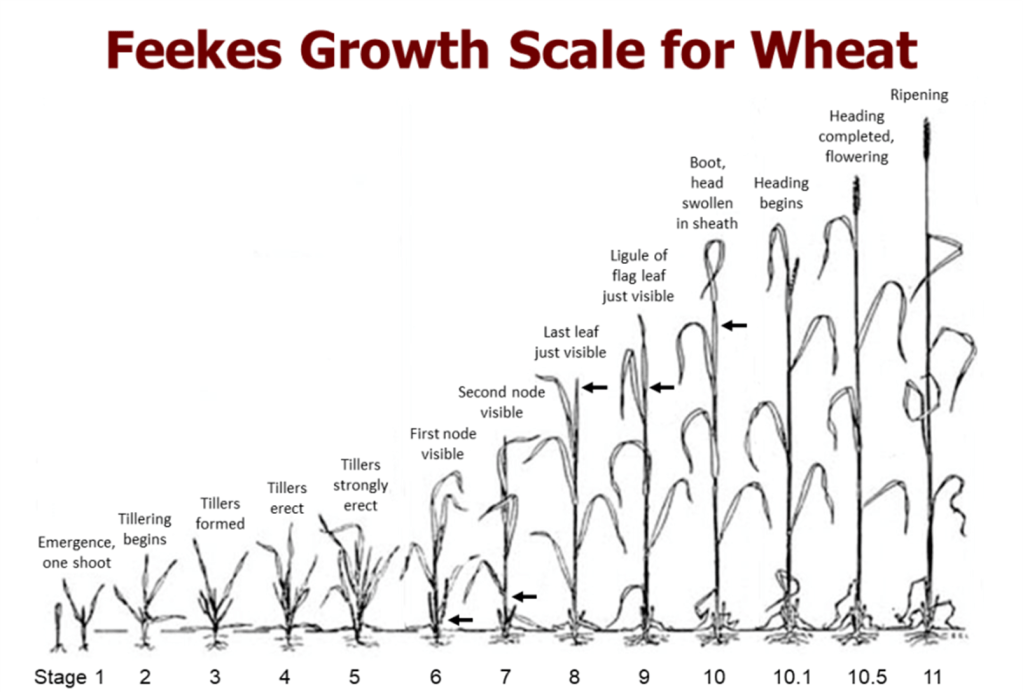
In the Upper Panhandle, small grains may just be reaching Feekes 5–6 (green-up to jointing).
In Central Texas, crops are often at Feekes 10 or boot to heading.
And in South Texas, many fields are already at pollination (Feekes 10.5 or even moving toward grain fill (Feekes 11).

Even with those differences, the key question remains the same:

What is the best use of this crop from here forward?

Why Growth Stage Still Matters—Even Across Regions

The decisions you make now are still tied closely to crop development, but the options available to you depend on where your crop sits today.

Here is how I think about it across Texas:

  • Feekes 4–6 (Panhandle / later-planted wheat)
    • Full flexibility: grazing, silage, grain, or cover crop
    • Nitrogen decisions still influence yield potential
  • Boot to Heading (Central Texas)
    • Strong window for silage or grazing
    • Grain is still viable, but management decisions are mostly set
  • Pollination to Grain Fill (South Texas)
    • Primary option becomes grain harvest
    • Some late silage possible, but quality declines quickly and silage may not be possible after soft dough!

This variation is not a problem—it’s actually an opportunity. It means across Texas, producers can match their crop stage to the best economic use for their situation.

A More Useful Way to Think About It

Instead of asking:

“What stage is my wheat at?”

You should ask:

“Given where my crop is today, what are my realistic options—and what gives me the best return?”

Option 1: Keep It as a Cover Crop

In organic systems, soil is the driver of fertility. A small grain cover crop is one of the best tools we have to build or amend soil, add fertility and support microbe life.

What You Gain

  • Soil protection from wind and rain
  • Improved water infiltration through root channels
  • Increased soil biology and organic matter
  • Reduced weed pressure

Even moderate biomass (3,000 lb/acre) delivers measurable benefits:

Cover Crop BiomassModerate GrowthHeavy Growth
Dry Matter Produced3,000 lb/acreReturn/Acre6,000 lb/acreReturn/Acre
Nitrogen Returned45–75 lb N$28.80 – $48.0090–150 lb N$57.60 – $96.00
Phosphorus Returned9–15 lb P₂O₅$8.37 – $13.9518–30 lb P₂O₅$16.74 – $27.90
Potassium Returned45–75 lb K₂O$21.15 – $35.2590–150 lb K₂O$42.30 – $70.50
Total Nutrient Value$58 – $97$117 – $194

Heavy biomass can double that value to $117–$194 per acre.

Why This Matters

Think of this like putting money into a soil “savings account.” You may not cash it out immediately, but:

  • Your next crop establishes better
  • Water is used more efficiently
  • Nutrient cycling improves

Over time, that compounds into more stable yields and lower input needs.

Option 2: Cut It for Silage

I see this becoming more important, especially with organic dairies looking for feed alternatives.

Timing Is Everything

  • Boot to early head: ~15% crude protein
  • Soft dough: higher yield, lower quality

But here’s the tradeoff:

  • You give up 1/3 to 1/2 of total grain yield potential

Yield and Value

  • Boot stage: 1.7–2.7 tons DM/acre
  • Soft dough: 4.2–5.9 tons DM/acre
  • Price: $40–$65/ton (32% DM basis)

Why It Can Work

  • Generates cash flow earlier
  • Saves soil moisture compared to full-season grain
  • Opens the door for a second crop

I often think of silage as a “system decision” rather than a crop decision—it’s about fitting into a rotation.

Option 3: Graze It

In many cases, grazing is the most profitable use of small grains.

Typical Returns

  • 40¢–70¢ per lb of gain
  • $18–$25 per head per month

Why It Works

You are converting forage directly into animal weight without:

  • Harvest costs
  • Hauling
  • Storage losses

Key Considerations

  • Stocking rate and timing
  • Moisture and regrowth potential
  • Whether you still want grain afterward

If you have livestock or access to them, this option deserves serious consideration. It often produces steady income with lower risk than grain.


Option 4: Take It to Grain

There is renewed interest in:

  • Organic wheat
  • Ancient grains
  • Barley, rye, and specialty markets
  • High-nutrient or functional grains (like high anthocyanin lines)

What Buyers Are Looking For

  • High protein
  • Strong gluten (for baking)
  • Low DON (vomitoxin)
  • Consistent quality

There is also growing consumer interest in:

  • Whole grain products
  • Local milling
  • Health-driven foods

Why This Matters

Grain gives you:

  • The highest potential gross return
  • Access to premium markets

But also:

  • The highest risk
  • The longest time to cash flow
  • The greatest dependence on weather

Putting It All Together: How I Think Through the Decision

When I am in a producer field at any stage of growth, I usually think through these questions:

1. What is my moisture situation?

  • Limited moisture → lean toward grazing or silage
  • Good moisture → grain becomes more attractive

2. What markets do I have access to?

  • Dairy nearby → silage
  • Livestock → grazing
  • Strong organic grain buyer → grain

3. What does my next crop need?

  • Need soil improvement → cover crop
  • Need time for planting → silage
  • Need moisture conservation → cover crop or grazing

4. What have I already invested?

  • High fertility investment → grain may justify it
  • Low input system → cover crop or grazing may be better

Organic Trends in 2026

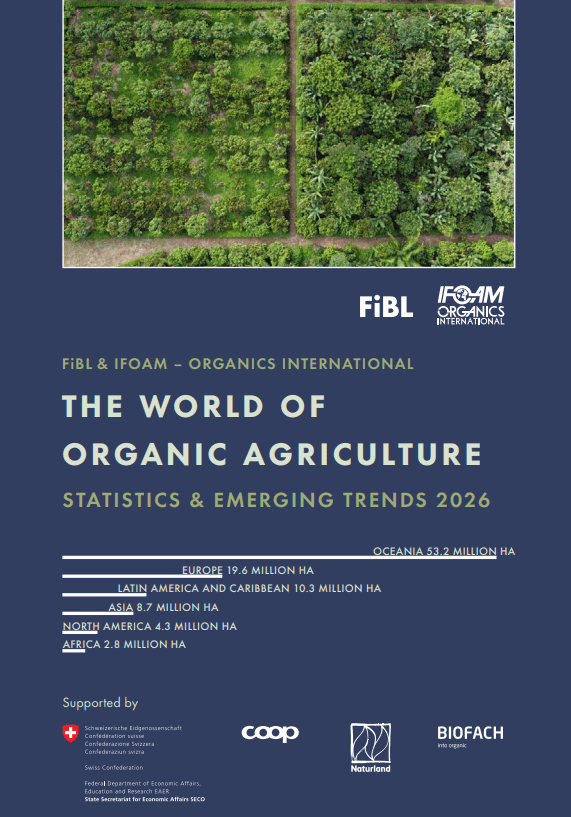
This publication was recently published by both FiBL which is The Research Institute of Organic Agriculture and IFOAM Organics International which is the 100-country membership organization for organic agriculture. These two organizations came together to publish this look at statistics for world agriculture but also to give us all some insights into some of the trends.

Just click the picture to be able to download your copy!

I was particularly interested in the special section on Peanuts. This is a “special” section because there is so little production in the world but there is an increasing demand. I am hopeful we can maybe find a way into this market!

Despite their visible presence in European retail – from organic peanut butter to snack products – organic peanuts remain one of the rarest crops in global organic agriculture. Based on available data, organic peanuts account for around 0.1 percent of global peanut area. Even allowing for data gaps in some producing countries, the conclusion is clear: organic peanut production is exceptionally limited.

Biological and agronomic constraints

Peanuts are a legume crop grown in warm climates. The primary organic production regions include Asia (mainly China), Latin America, the United States (particularly the Southeast and Texas), and several African countries, with Egypt being a major producer that relies heavily on intensive irrigation. Peanut cultivation is best suited to sandy soils and is characterized by relatively high-water requirements. While some organic pilot initiatives exist in Europe (notably in Austria and France), climatic constraints remain significant: temperatures are often limited, and wet conditions during autumn harvest can critically compromise crop quality.

The peanut pods develop underground, making the crop highly sensitive to fungal diseases, especially under humid conditions. In conventional systems, these risks are managed with repeated applications of fungicides (mainly systemic), starting with seed treatment at planting time. In organic farming, no comparable solutions are available, resulting in significantly higher yield variability and crop failure risk.

A further major constraint is the risk of aflatoxin contamination. Peanuts are among the crops most exposed to aflatoxins, toxic substances produced by fungi of the Aspergillus genus. These toxins are strictly regulated in the European Union and in the United States, and exceeding the legal limits makes entire lots unmarketable.

Aflatoxin contamination usually occurs at the end of the growing cycle, but it can also develop very rapidly after harvest if storage conditions are poor. For organic producers and traders, the risk is higher, as organic lots cannot be blended or downgraded into conventional markets. One unfavorable season or inadequate post-harvest handling can therefore wipe out the entire economic return. A less visible consequence is that heavily contaminated lots (mainly in less developed countries) may be sold at lower prices on local markets, creating food safety.

Economic disincentives and weak infrastructure

From an economic perspective, organic peanuts combine high production risk with limited market incentives. Organic yields are generally lower, labor and monitoring costs are higher, and crop losses can be total. In addition, compared with other open field arable crops, peanut production requires highly specific harvesting equipment, as well as dedicated sorting and shelling infrastructure that is not compatible with other crops. These technical constraints imply substantial fixed investments, making entry into organic peanut production particularly costly for large-scale organic arable farms.
At the same time, consumer willingness to pay organic premiums is more limited than for other nuts such as almonds or cashews. As a result, many farmers prefer alternative organic crops with more predictable returns.
In addition, many major peanut-producing regions lack well-developed organic infrastructure. Advisory services, organic breeding programs, and segregated post-harvest facilities are often missing. Consequently, only a small number of highly specialized projects are able to supply organic peanuts reliably for export markets.

Conclusion

Organic peanuts illustrate the limits of organic expansion in crops with high biological and food safety risks. Their extremely low share of global organic area reflects fundamental agronomic and economic constraints rather than a lack of consumer interest. The EU import collapse of 2022–2023 was driven by a combination of climatic shocks, aflatoxin risk, regulatory transition and market conditions, followed by a partial normalization in 2024. Organic peanuts are therefore likely to remain a small but strategically important niche within global organic supply chains.

Statistics on world-wide organic peanuts
Organic peanuts remain a niche crop globally (estimated 0.1 percent of total peanut area), but the recorded global organic peanut area increased from 11,101 hectares (2016) to 41,972 hectares (103,717 acres) in 2024 according to the FiBL survey on organic agriculture worldwide. The strong jump in 2024 should be interpreted with care, because it was driven largely by a new data source for the United States, which reported a much larger organic peanut area than the source used previously.
In 2024, the top three countries by organic peanut area were the United States (18,990 hectares (46,925 acres); almost half of the reported global organic peanut area), China (12,238 hectares; ~30 percent), and Mexico (4,116 hectares; ~10 percent).

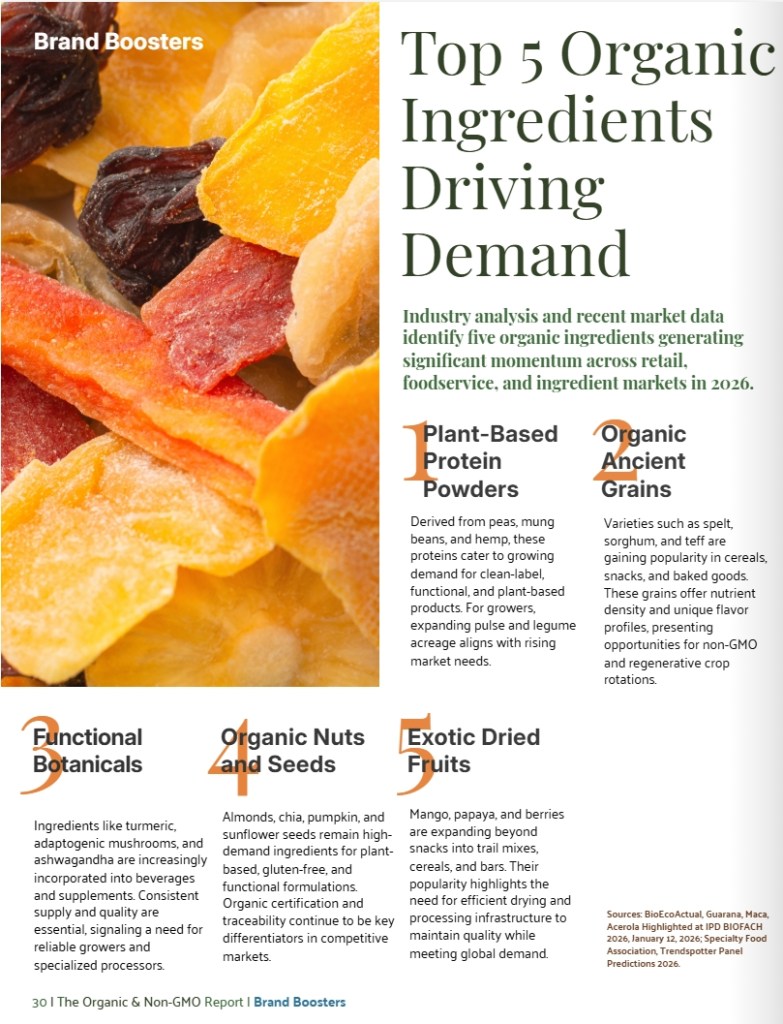
Wintertime is the time for meetings, and both Organic organizations and Organic companies are hosting meetings all over the world to discuss and plan for market programs over the 2026 market year and beyond. This article appeared in the February edition of The Organic and Non-GMO Report which I subscribe to. This is one of my favorite magazines with great articles and good market information. I have seen some similar information from other sources but for sure numbers 1, 2 and 4 fit Texas Organic and fit us well. A big thanks to The Organic & Non-GMO Report for calling our attention to this huge market!