These articles are a constant source of new organic program information. Also go to the Resources page to see these articles and many more by category.
If you still have a question, give me a call. Bob Whitney, 254.974.9442
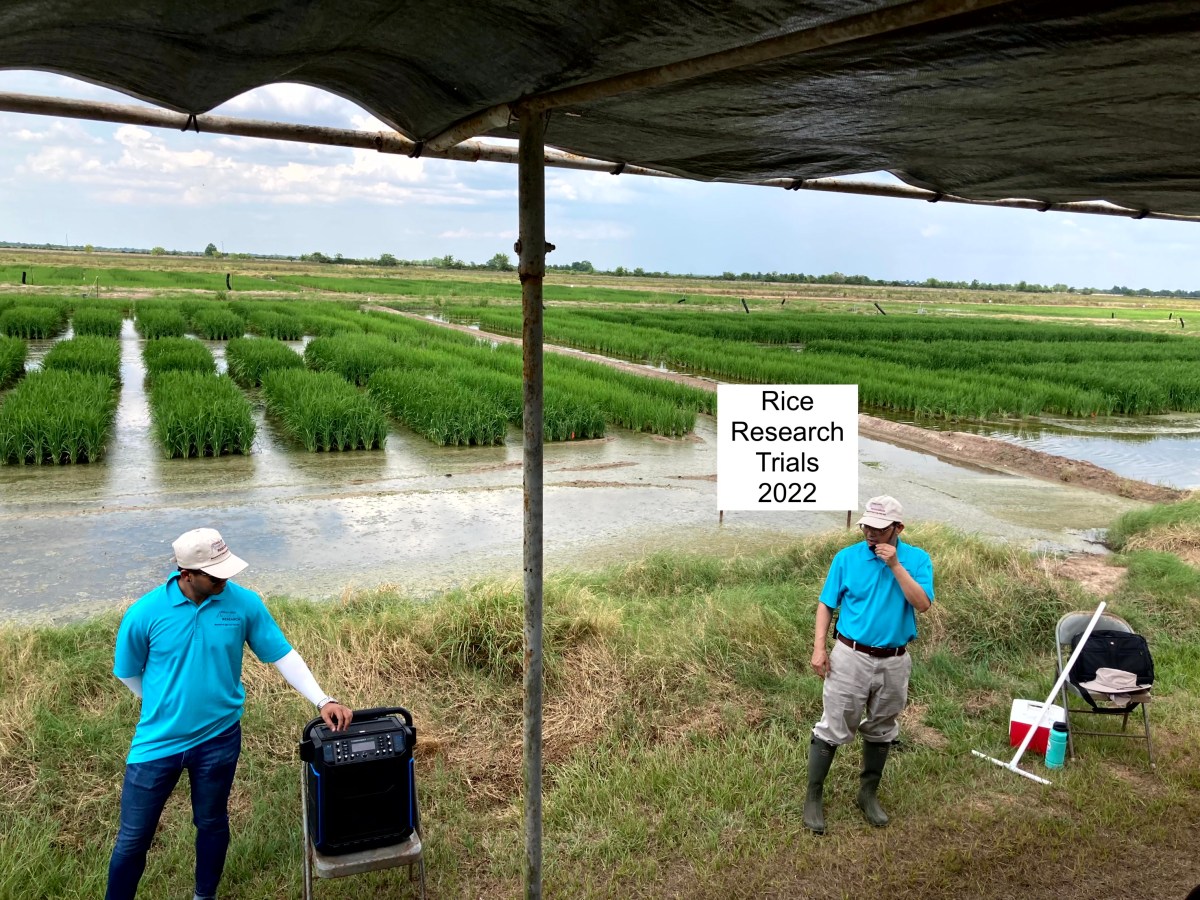
USDA OREI Grants: Turning Organic Producer Needs into Research, Extension, and Better Farming Tools
USDA’s Organic Agriculture Research and Extension Initiative connects researchers, Extension specialists, farmers, and industry to solve real organic production problems. Three proposed major OREI projects involving Texas A&M AgriLife could bring new research in organic wheat, cowpea, and specialty rice to Texas producers.
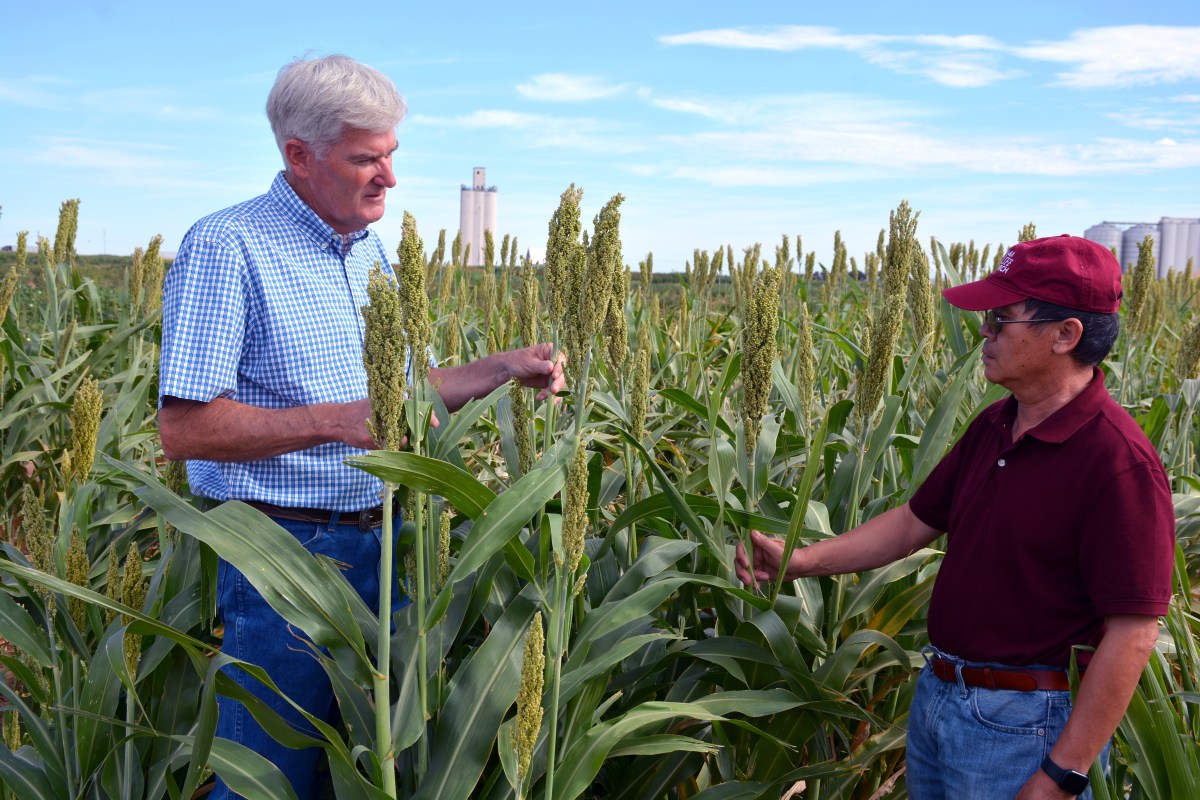
Organic Sorghum Seed Systems: From Plant Breeding to the Organic Farm
Organic sorghum begins long before planting. This publication looks at how plant breeding, seed quality, soil biology, organic production, and farmer testing work together to move better sorghum genetics from the breeding program to the organic farm.
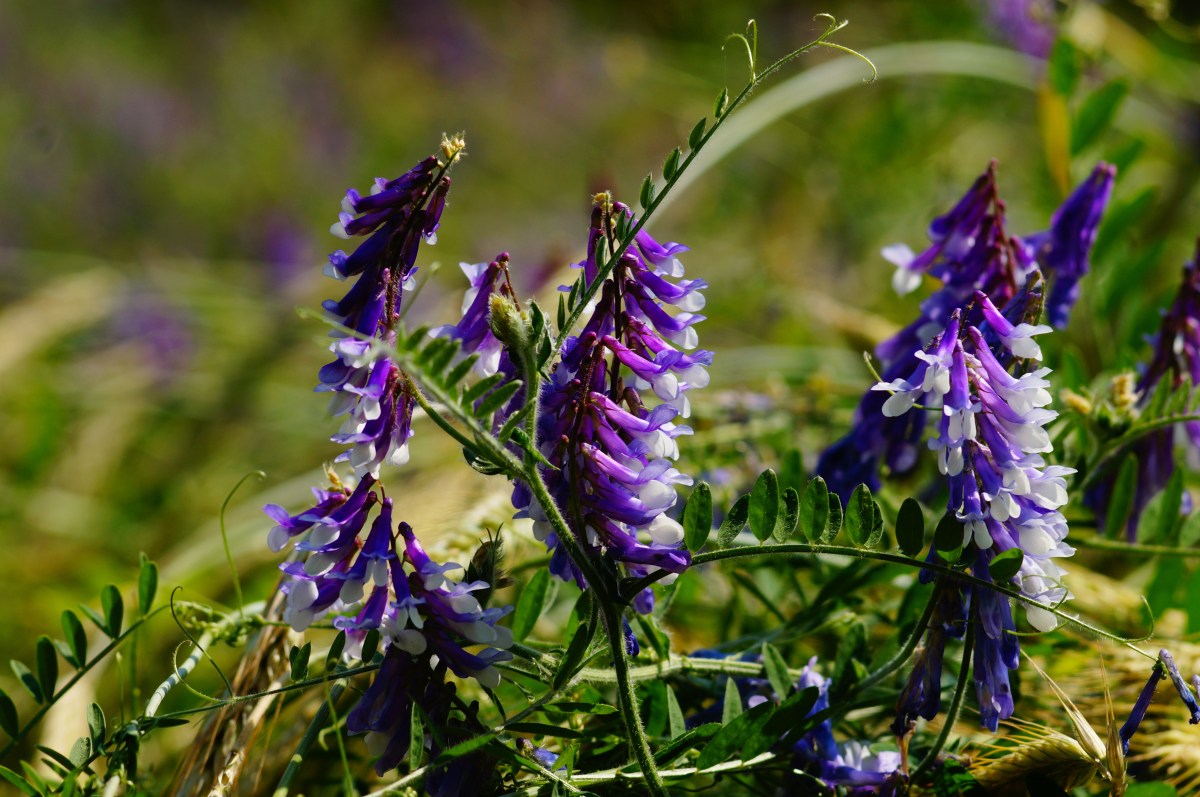
Cereal Rye and Hairy Vetch: A Reliable Winter Cover Crop Combination for Texas Organic Farms
Cereal rye and hairy vetch are two of my favorite winter cover crops for Texas organic farms. Rye suppresses weeds while hairy vetch fixes nitrogen, making them a productive combination for protecting soil and preparing fields for spring planting.
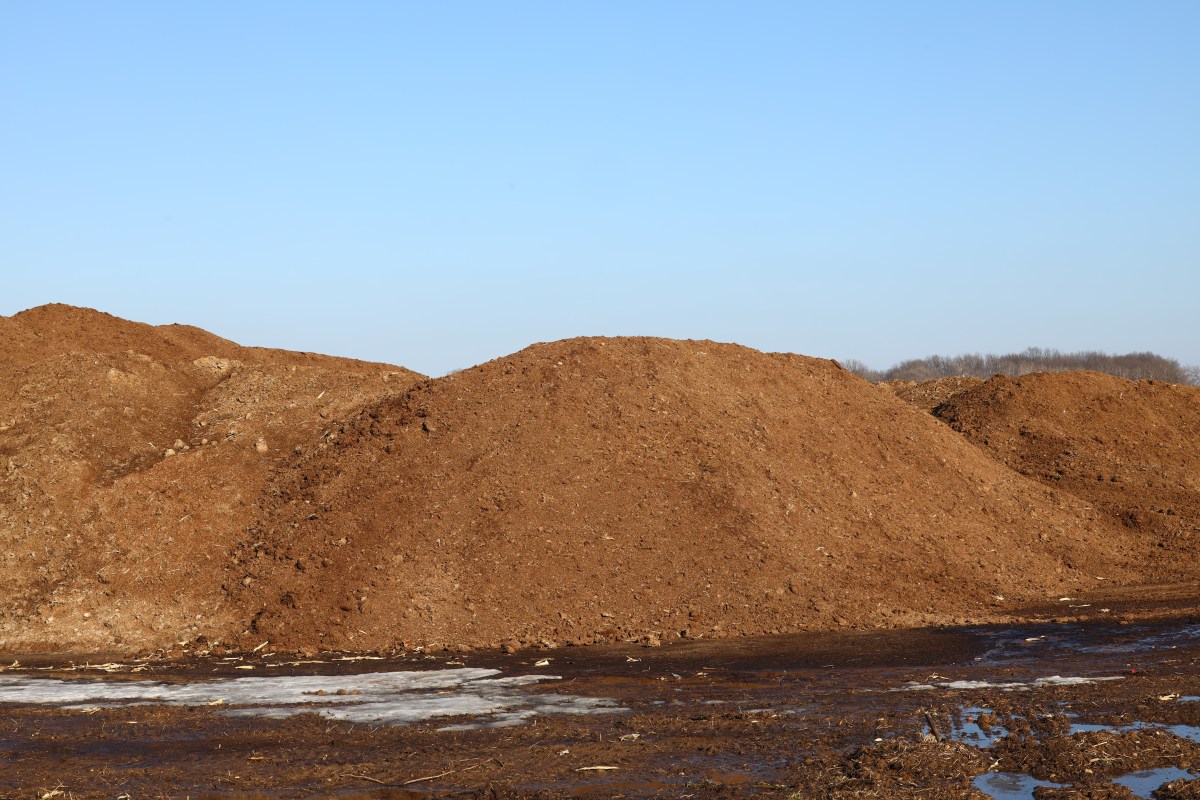
Organic Farmers Should Secure Manure and Compost Early for 2027
Rising commercial fertilizer prices could increase competition for manure, compost, and other organic fertility inputs. Organic farmers may want to contact suppliers now and begin securing the nutrients they will need for the 2027 crop.
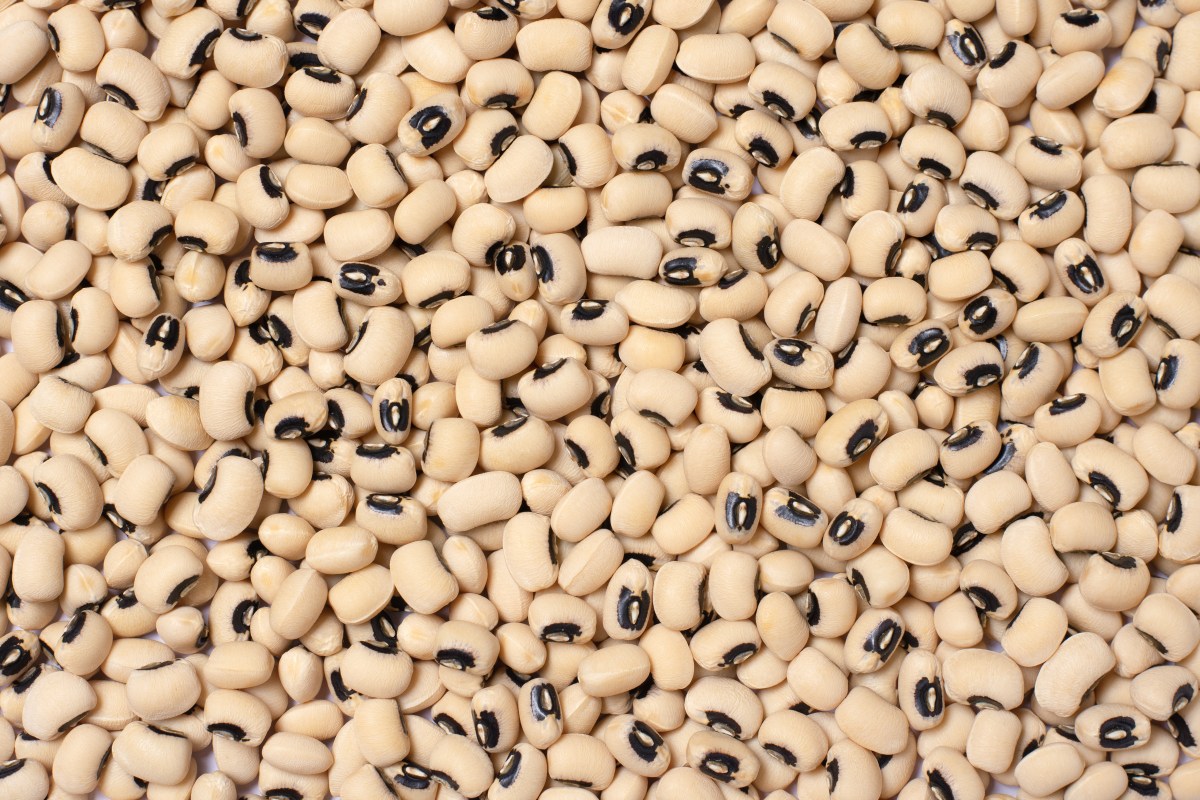
Organic Cowpea Production in Texas
Texas guide to organic cowpea production, including varieties, planting, inoculation, fertility, weed control, pests, irrigation, harvest, markets, and seed sources.
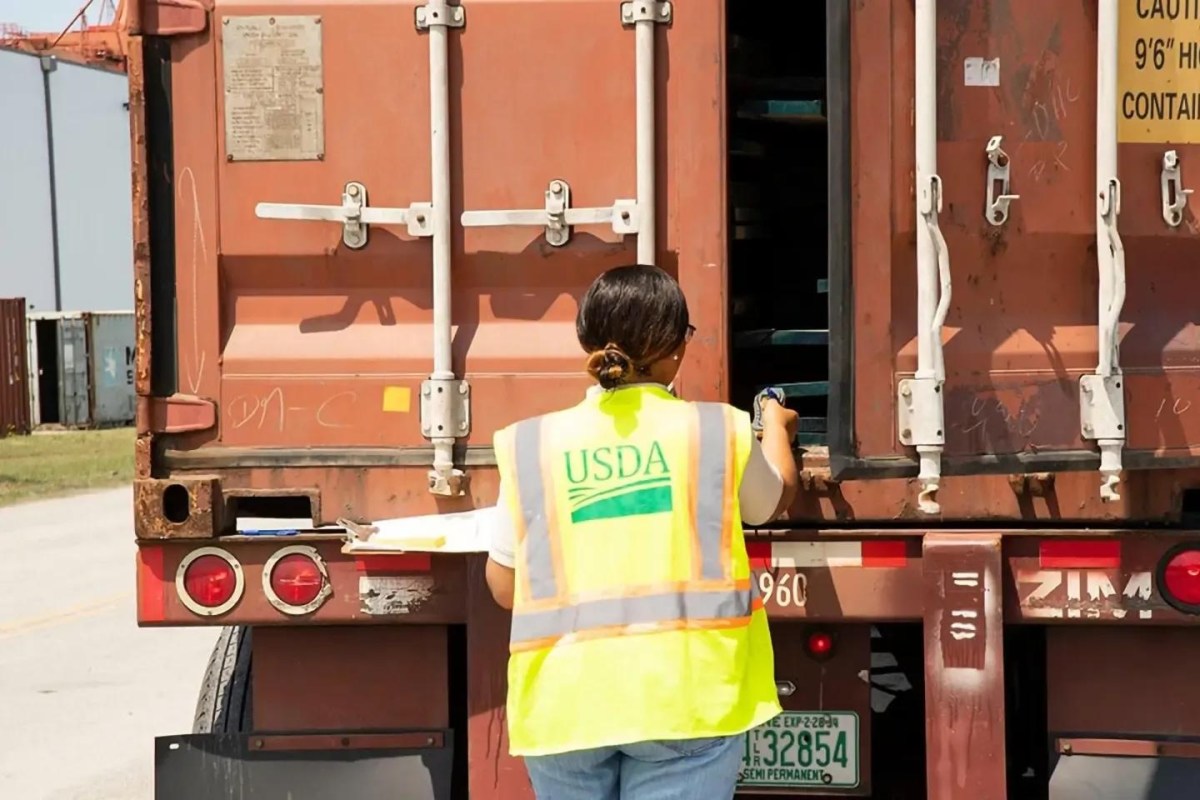
USDA Steps Up Enforcement of Organic Imports at U.S. Ports
USDA is increasing oversight of organic imports using electronic NOP Import Certificates, Customs data, targeted sampling and enforcement to identify questionable shipments before they enter the U.S. organic marketplace.
New Organic Import Codes: Why Better Trade Data Matters to Organic Farmers
New organic-specific import codes will improve tracking of organic products entering the United States, giving farmers, handlers and policymakers better information about trade volumes, origins and market competition.
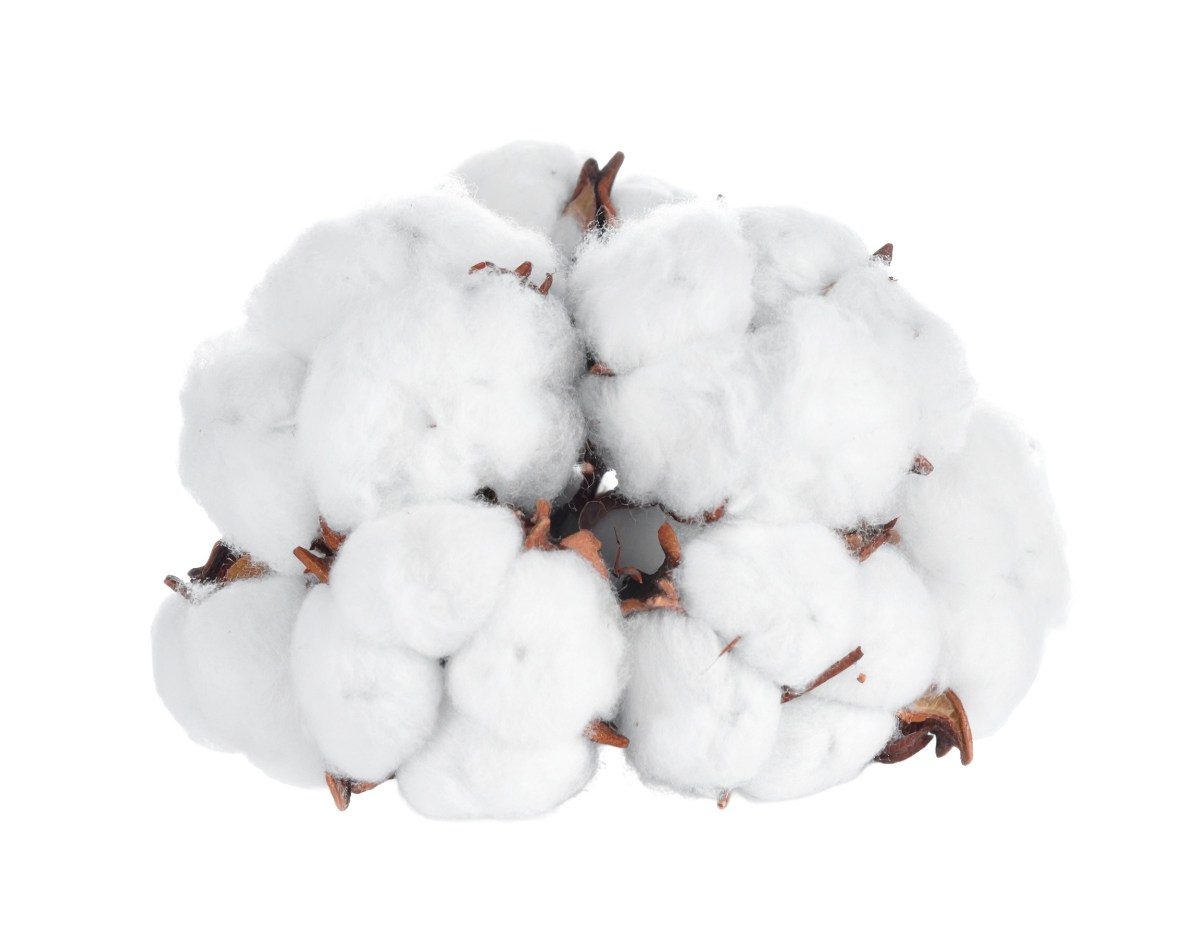
2026 Organic Cotton Market Summary
U.S. organic cotton production held nearly steady in 2025, while stronger Pima opportunities, lighter demand and global competition are beginning to reshape planting decisions for Texas growers.
Texas Organic Experience Comes to the National Organic Standards Board
Texas organic grower and produce-industry leader Jed Murray has been appointed to the National Organic Standards Board, bringing practical experience in organic production, marketing and policy to the national organic program.
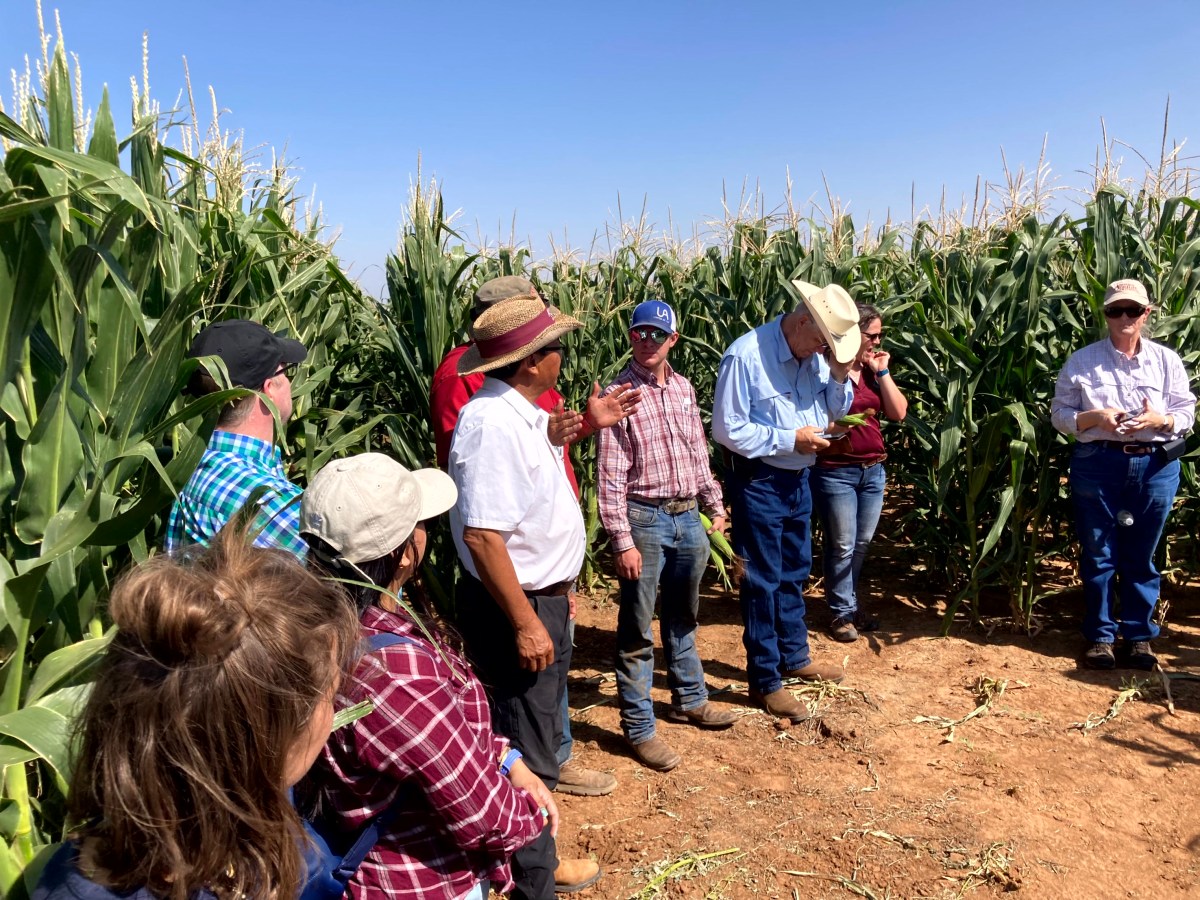
Organic Variety Production Tour – Thursday, September 3rd
New Deal, Texas | Registration begins at 9:30 a.m. | No registration fee One of the continuing challenges for organic crop producers is finding seed varieties developed for the conditions in which we actually farm. This is especially true in the Texas High Plains, where crops must perform under heat, limited rainfall, declining irrigation capacity,…
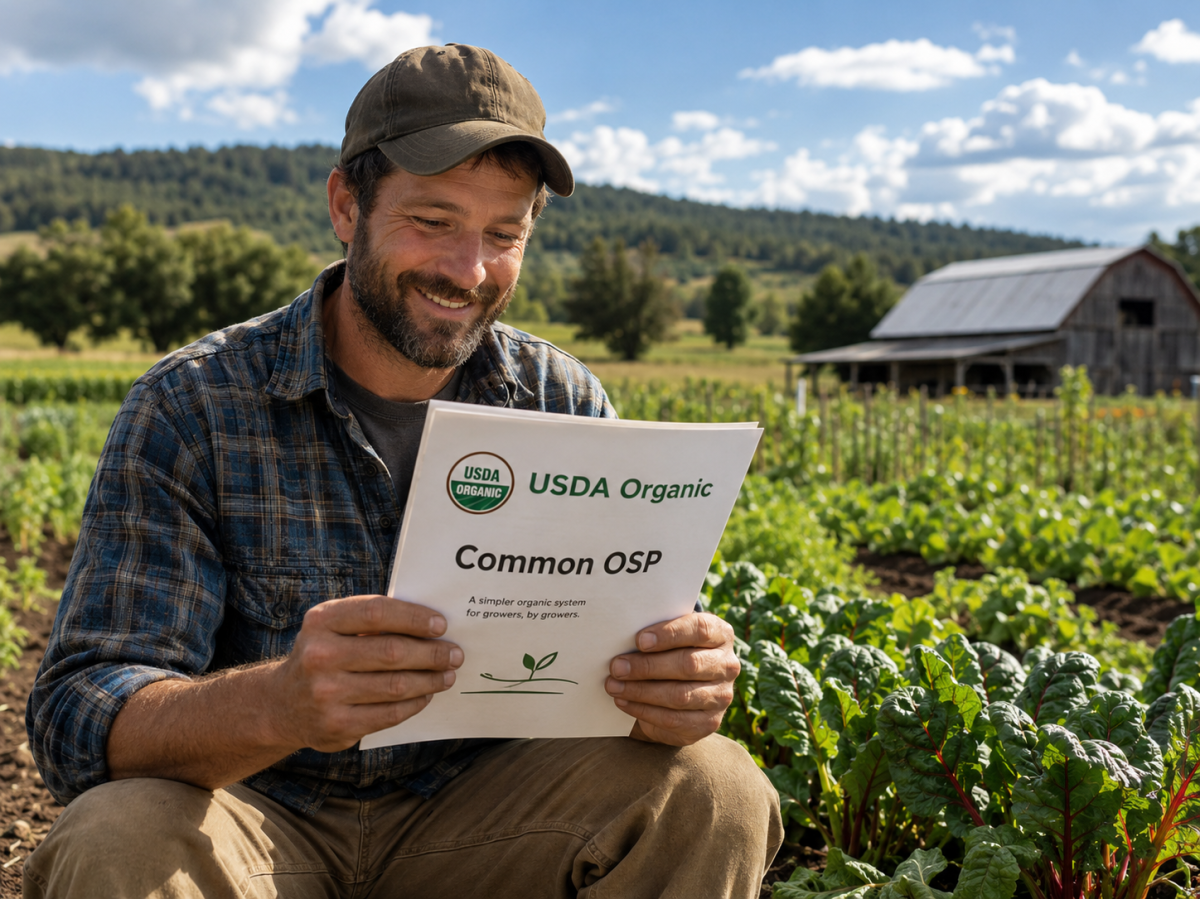
One Common Organic System Plan for Everyone – Maybe?
USDA’s new Common Organic System Plan could make organic certification more consistent and portable, but its usefulness will depend on how widely certifiers accept and implement it.
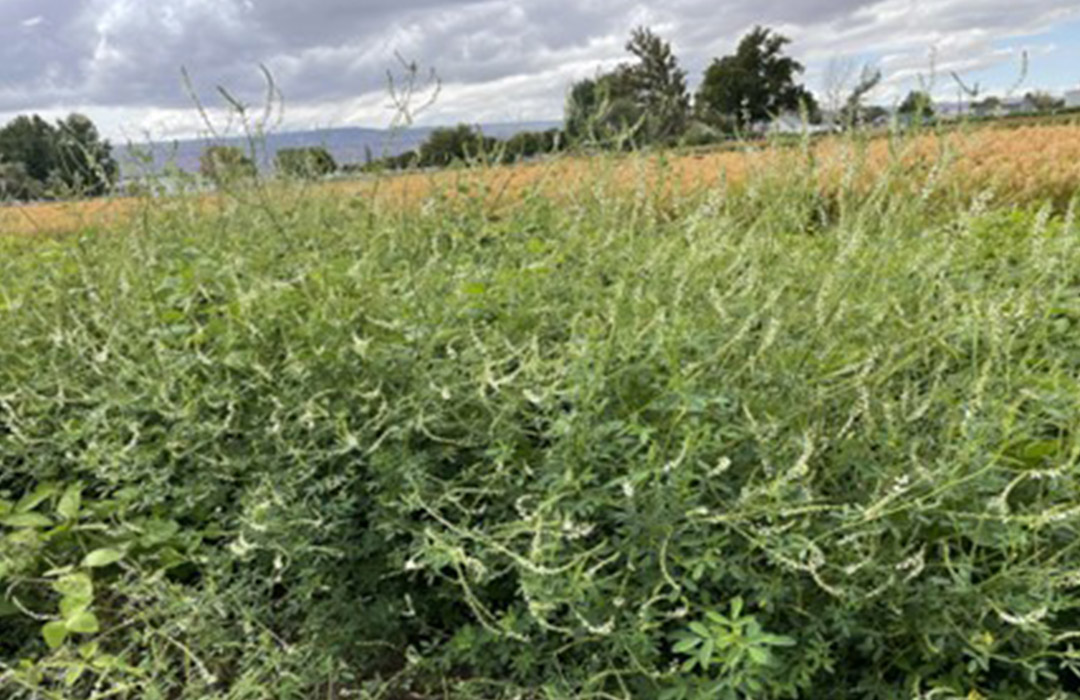
Can You Grow a Sweetclover in Far West Texas?
Far West Texas organic growers are evaluating Hubam sweetclover for forage, soil improvement and nitrogen fixation under challenging alkaline, saline and sodium-affected soil and water conditions.
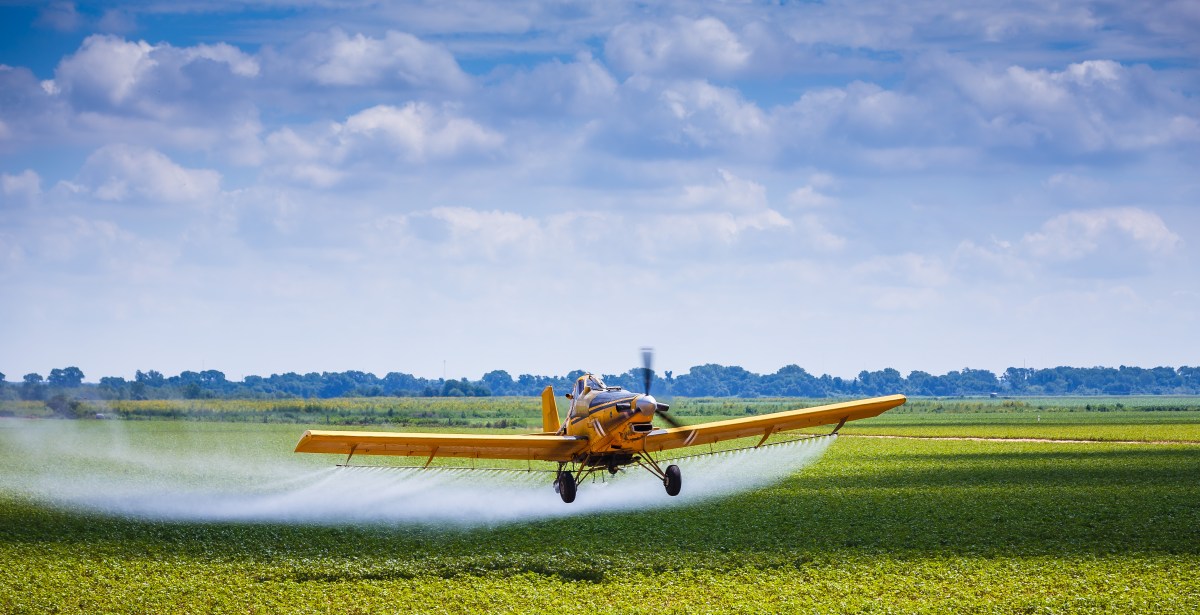
A Pesticide Was Detected—What Does That Mean for My Organic Crop?
A pesticide residue detected on an organic crop does not automatically mean loss of certification. The pesticide, residue level, crop, possible source and production records all determine what happens next.
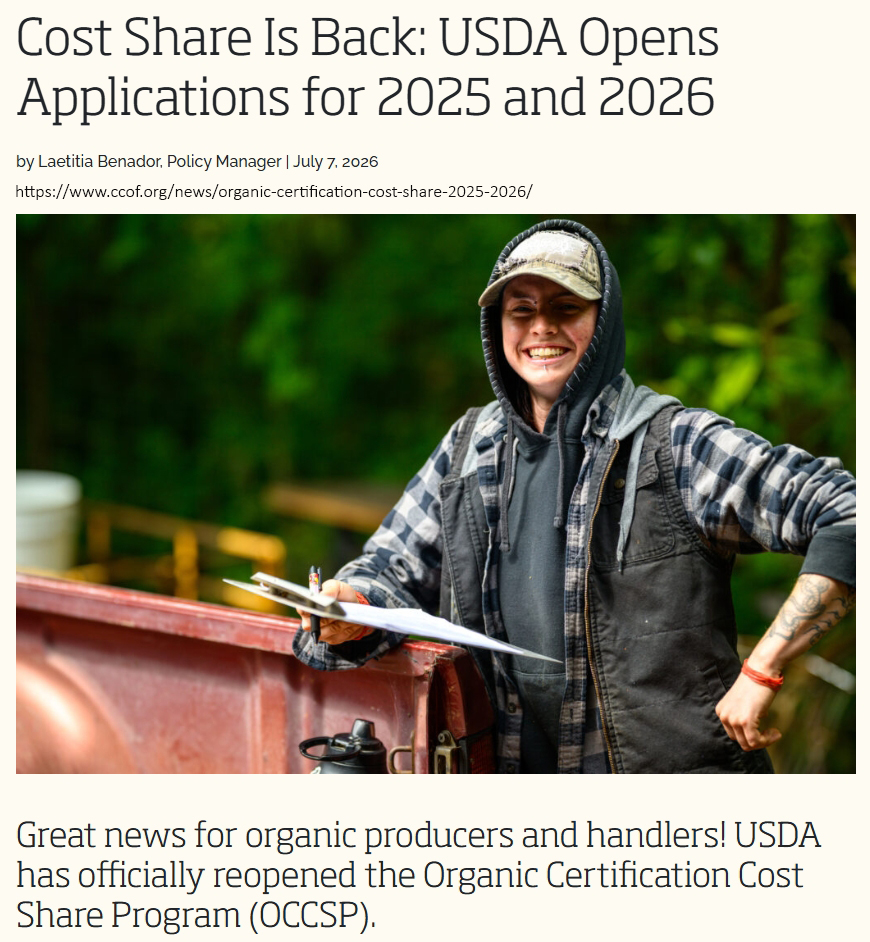
Organic Certification Cost Share Program (OCCSP)
The Organic Certification Cost Share Program can reimburse certified organic producers and handlers for eligible certification expenses. For 2026, OCCSP provides up to $750 per certification scope, including crops, livestock, wild crops, processing/handling, and state organic program fees.
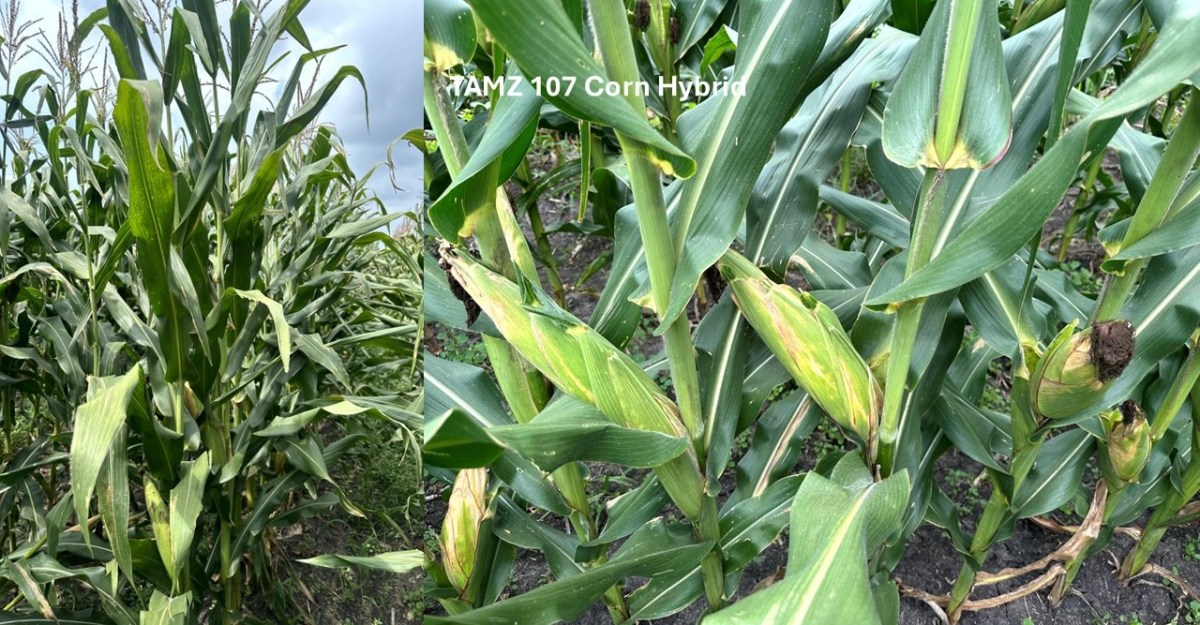
TAMZ107 Stands Out in a Wet Year for Corn Ear Rots
A wet 2026 Texas corn trial highlighted TAMZ107’s strong ear-rot resistance, showing how years of public plant breeding can deliver disease protection directly through the seed.
Something went wrong. Please refresh the page and/or try again.

