Revision Note – November 2026: This publication has been substantially revised and expanded to provide updated guidance on soil sampling, interpreting routine soil fertility tests, and evaluating soil health. The revision clarifies the differences between soil fertility and soil health, expands information on the Haney Soil Health Test and aggregate stability, and emphasizes the importance of consistent sampling, laboratory methods, and long-term soil testing records. Additional information on soil biological activity, carbon measurements, and soil testing laboratories has also been updated to help producers make more informed soil management decisions.
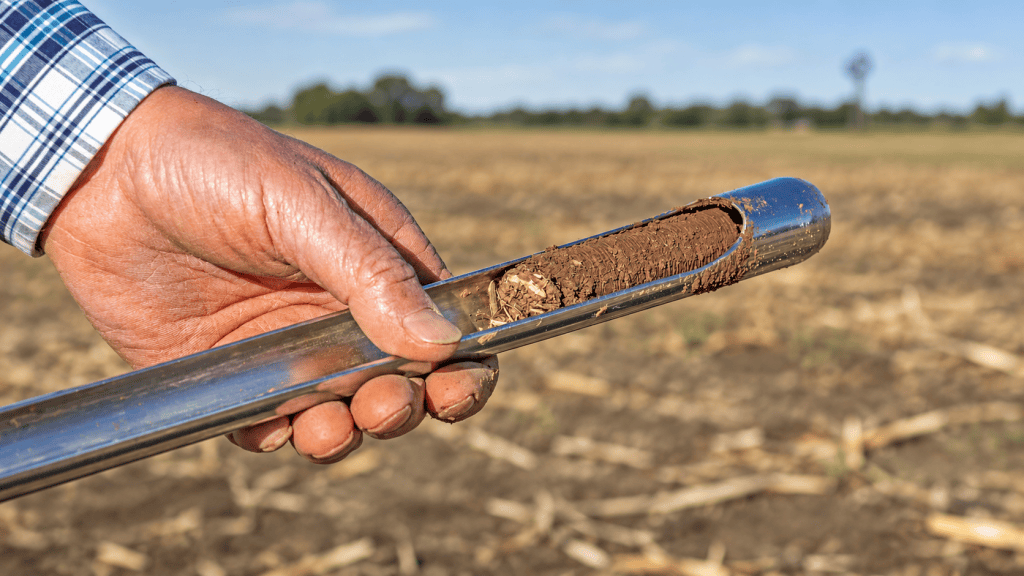
Table of Contents
Why Test Soil?
I have taken thousands of soil samples over the years, and one thing I have learned is that a single soil test rarely tells the whole story.
A soil test is a snapshot of what was happening in that soil when the sample was collected. It can tell us a great deal about soil fertility, pH, salinity and other properties, but its value increases tremendously when we sample the same field consistently over time. Then we can begin to see trends. Is phosphorus accumulating? Is soil pH declining? Is salinity becoming a problem? Is soil organic carbon increasing? Are our management practices actually changing the soil?
That is why I encourage producers to think of soil testing as a long-term record rather than simply a fertilizer recommendation.
We also need to distinguish between a routine soil fertility test and the growing number of soil-health tests available today. They answer different questions. A conventional soil test remains the foundation for making nutrient and amendment decisions. Soil-health measurements can add information about soil structure, carbon cycling and biological activity, but they do not replace the basic soil test.
In this publication I will look at how to collect a good soil sample, what common soil tests actually measure, several soil-health tests now available, and some laboratories that producers may want to consider.
Taking a Representative Soil Sample
A soil test is only as good as the sample that goes to the laboratory. The laboratory may analyze the sample very precisely, but it cannot correct for a poor or unrepresentative sample collected in the field.
The first step is to divide the field into areas that are reasonably uniform. Differences in soil type, slope, drainage, cropping history, irrigation, manure application, or management may justify separate samples. Avoid mixing obviously different areas into one composite sample.

Above is a standard soil probe that will last you for years – well worth the cost.
Within each sampling area, collect multiple soil cores and combine them into one composite sample. The goal is to represent the field or management zone rather than one particular spot. Avoid unusual areas such as field entrances, old fence rows, livestock concentration areas, fertilizer spills, wet spots, or locations close to roads unless those areas are being sampled separately for a specific reason.
Sampling Depth Matters
Use the sampling depth recommended by the laboratory and by the soil-test calibration used for fertilizer recommendations. For many annual crops, routine surface soil samples are commonly collected from approximately the upper 6 inches of soil, although recommended depths vary by crop, region, and laboratory.
Consistency is especially important when comparing results over time. Changing from a 6-inch sample one year to an 8-inch sample the next can change nutrient concentrations simply because a different volume of soil was sampled.
Some nutrients require deeper sampling. Nitrate-nitrogen, for example, can move below the surface soil, so profile sampling may be needed when residual soil nitrate is important for fertilizer recommendations.
Sample Consistently Over Time
If the goal is to monitor changes in the soil, try to sample at approximately the same time of year, at the same depth, and under similar field conditions each time.
This becomes even more important when measuring soil health indicators such as respiration or other biological properties because soil moisture and temperature can strongly influence the results.
Where practical, record sampling locations with GPS or consistently sample the same management zones. Good records make it much easier to determine whether a change in a soil-test result reflects management or simply a change in where the sample was collected.
Use Clean Sampling Equipment
A soil probe or auger usually provides the most consistent sample, but a clean shovel can also be used when necessary. Use clean equipment and a clean plastic bucket for mixing composite samples.
Avoid introducing oils, fertilizers, manure, dust, or other materials that might contaminate the sample. This is particularly important when samples will be analyzed for carbon, micronutrients, biological activity, or contaminants.
Handling the Sample
After the cores are mixed thoroughly, place the amount requested by the laboratory into the appropriate sample container and label it clearly.
Follow the receiving laboratory’s instructions for drying, refrigeration, shipping, and sample preparation. Routine fertility samples and biological soil-health samples may require different handling procedures, so one method should not automatically be used for every type of analysis.
Good soil sampling is not complicated, but consistency matters. If I want to know whether a field is changing over time, I need to make sure I am comparing similar samples collected in similar ways.
What Does a Routine Soil Test Tell Me?
A routine agricultural soil test is designed primarily to help us evaluate soil fertility and identify chemical conditions that may limit crop growth. It does not measure every aspect of soil health, but it remains one of the most useful and economical management tools available to farmers.
Depending on the laboratory and the analyses requested, a routine soil test may include soil pH, salinity or electrical conductivity (EC), nitrate-nitrogen, phosphorus, potassium, calcium, magnesium, sulfur, and selected micronutrients. Some laboratories also offer soil organic matter, texture, cation exchange capacity (CEC), or lime requirement as part of the basic package or as optional analyses.
Soil pH
Soil pH tells us how acidic or alkaline the soil is. This matters because pH strongly influences nutrient availability, microbial activity, and the effectiveness of some soil amendments.
An unexpected pH result deserves attention because correcting soil pH across an entire field can be expensive. If a result does not fit the field history or previous soil tests, I would rather verify it with another sample before making a major lime or amendment decision.
Salinity and Electrical Conductivity
Electrical conductivity is an indirect measure of soluble salts in the soil. Elevated salinity can reduce water uptake, interfere with nutrient availability, and injure sensitive crops.
In irrigated areas, greenhouses, high tunnels, dairies, and fields receiving repeated manure or compost applications, salinity deserves particular attention.
Nitrogen
Routine soil tests may measure nitrate-nitrogen, but nitrate is mobile and can change rapidly with rainfall, irrigation, crop uptake, and microbial activity. For this reason, nitrate testing is especially dependent on sampling depth and timing.
Where residual nitrate is important for fertilizer decisions, deeper profile sampling may be more informative than a surface sample alone.
Phosphorus and Potassium
Soil-test phosphorus and potassium are among the most common measurements used to guide fertilizer recommendations.
These tests do not measure all of the phosphorus or potassium present in the soil. Instead, laboratories use specific chemical extractants that have been calibrated against crop response to estimate the portion that is related to plant availability.
This is one reason it is important to know which laboratory and analytical method were used when comparing soil-test results over time.
Secondary Nutrients and Micronutrients
Calcium, magnesium, sulfur, zinc, iron, manganese, copper, boron, and other nutrients may be measured when needed.
Micronutrient results require careful interpretation because soil pH, organic matter, drainage, and crop species can strongly affect whether a measured nutrient is actually available to the plant.
Soil Organic Matter
Many laboratories report soil organic matter, and it can be useful for monitoring long-term changes in soil condition. Organic matter contributes to nutrient cycling, water-holding capacity, aggregation, and biological activity.
However, soil organic matter is not the same thing as soil organic carbon, and the two measurements should not be used interchangeably without understanding how the laboratory determined them.
The Value of Consistency
When I am tracking a field over time, I prefer to use the same laboratory, the same sampling depth, and the same analytical methods whenever possible.
Different laboratories may use different extractants, instruments, reporting units, or interpretation systems. If I switch laboratories, an apparent change in phosphorus, organic matter, or another measurement may reflect a change in method rather than a real change in the field.
The purpose of a routine soil test is not simply to generate numbers. It is to provide information that can guide nutrient management, identify developing problems, and help us make better decisions over time.
Of course, a normal soil test or what you might call a Regular Soil Test discussed above is a must. These are not usually expensive, +/- $15 or more with micronutrients. This test is of less value to me unless I have previous year’s results to see what is going on. I have taken literally thousands of soil samples and often I will see something show up that is off the charts. I am not known to panic when I see a problem because I am not going to react to that test unless I know it has steadily been a problem that is just getting worse. For instance, we can see pH swings in sand from one year to the next. Before I lime a soil, I may take a second sample just to verify I need lime. $15 soil test is cheaper than $60 per acre lime application.
Soil Fertility Is Not the Same as Soil Health
Soil fertility and soil health are closely related, but they are not the same thing.
Soil fertility focuses mainly on whether the soil can supply the nutrients a crop needs and whether chemical conditions such as pH or salinity may limit growth. A routine soil test is designed primarily to answer these questions.
Soil health is broader. It considers how well the soil functions as a living system. That includes physical properties such as aggregation, compaction, and water movement; chemical properties such as pH, salinity, and nutrient availability; and biological processes such as microbial activity, decomposition, and nutrient cycling.
A soil can be fertile without functioning particularly well as a soil ecosystem. For example, a field may test adequately for phosphorus and potassium but still have poor aggregation, surface crusting, restricted infiltration, or low biological activity. The opposite can also occur: a soil may have active biology and good structure but still have a nutrient deficiency or an unsuitable pH.
That is why I do not view soil health testing as a replacement for routine soil testing. Instead, the two approaches complement each other.
A routine soil test helps answer:
“Do I have the nutrients and chemical conditions needed to grow this crop?”
Soil health measurements help answer:
“How well is this soil functioning, and is that function improving or declining over time?”
As interest in soil health has increased, laboratories have developed many additional measurements, including soil respiration, soil organic carbon, aggregate stability, active or labile carbon, biologically available nitrogen, phospholipid fatty acid analysis (PLFA), and DNA-based microbial testing.

These tests can provide useful information, but they do not all measure the same thing. Understanding what each test actually measures is more important than simply ordering a large soil health package and receiving a single score.
The next sections look at several of these measurements and how they can fit alongside a routine soil fertility test.
Where Does the Haney Soil Health Test Fit?
The Haney Soil Health Test was developed to provide additional information about biologically active carbon and nitrogen pools and microbial activity in soil. It does not replace a conventional soil fertility test; instead, it helps answer some different questions about how carbon and nutrients are cycling through the soil.
One of the best-known measurements associated with the Haney approach is soil respiration. A dried soil sample is rewetted and the carbon dioxide released during a defined incubation period is measured. This CO₂ release reflects microbial activity as soil organisms begin using available carbon after rewetting.
The Haney approach also measures water-extractable organic carbon (WEOC) and water-extractable organic nitrogen (WEON). These represent relatively soluble portions of the soil organic carbon and nitrogen pools that can participate in biological cycling.
Understanding a Haney Soil Health Test Report
A Haney Soil Health Test report provides several measurements related to soil biological activity, carbon and nitrogen cycling, and nutrient availability. The exact information reported depends on the laboratory and the analytical package selected.
Three measurements are particularly important:
- Soil respiration (CO₂-C burst): Estimates potential microbial activity following rewetting and incubation.
- Water-extractable organic carbon (WEOC): Measures a soluble carbon pool that may provide energy for soil microorganisms.
- Water-extractable organic nitrogen (WEON): Measures water-extractable organic nitrogen that may participate in microbial nitrogen cycling and subsequent mineralization.
These three measurements are also used to calculate the Haney Soil Health Score. The score summarizes selected biological indicators, but it should not be interpreted as a complete measurement of soil health. Soil structure, water infiltration, compaction, and other important soil properties are not directly included.1
Depending on the laboratory, a Haney report may also provide pH, electrical conductivity, nitrate and ammonium nitrogen, extractable phosphorus and potassium, other nutrients, and estimates of potentially mineralizable nitrogen. Some laboratories provide additional conventional analyses or fertilizer recommendations.
An important distinction is that the Haney test uses water extractions and the H3A extractant for certain nutrient measurements. These results are not necessarily equivalent to those obtained using conventional soil-test methods calibrated for fertilizer recommendations.
**For making fertilizer decisions, I prefer to use regionally calibrated soil fertility recommendations while treating Haney measurements as additional information about soil carbon and nitrogen cycling.**2

Example of a Haney Soil Health Test report showing biological activity, water-extractable carbon and nitrogen, and other soil measurements. Report components and interpretations may vary among laboratories.
I encourage producers to examine the individual measurements rather than concentrating only on the Soil Health Score. Consistent sampling, comparable laboratory methods, and results collected over several years are more useful for evaluating management changes than a single report.
It is important not to confuse these measurements with the conventional nutrient extractions used for fertilizer recommendations. A routine soil test and a Haney-type test are measuring different soil pools and answering different management questions.
The Haney measurements can be particularly useful when I want to monitor changes associated with practices such as cover crops, reduced tillage, manure or compost applications, crop rotations, or other practices intended to increase biological activity and carbon cycling.
However, a single Haney Soil Health Score should not be treated as a complete description of soil health. Soil texture, climate, cropping system, sampling conditions, and inherent soil properties all influence biological measurements. I place more value on the individual measurements and how they change over time than on comparing one overall score among very different soils.
The Haney approach has also become more closely connected with current USDA soil-health testing. NRCS now recognizes water-extractable organic carbon as an alternative method for measuring labile carbon and water-extractable organic nitrogen as an alternative method for measuring bioavailable nitrogen under its CEMA 216 Soil Health Testing framework.3
That does not mean the Haney test measures everything we need to know about soil health. It does mean that several of its measurements provide useful information about important biological processes when they are interpreted alongside routine soil fertility tests and other physical and biological indicators.
Aggregate Stability: Will the Soil Stay Together?
One of the most useful physical measurements of soil health is aggregate stability.
Soil particles naturally bind together into groups called aggregates. These aggregates create pore spaces that allow water and air to move through the soil and provide pathways for roots. Good aggregation is one reason a well-structured soil can absorb rainfall rather than sealing over and producing runoff.
Aggregate stability measures how well those soil aggregates resist breaking apart when they are exposed to water or other physical forces.4
This matters because unstable aggregates can break down during rainfall or irrigation. Fine particles may then clog surface pores, form a crust, reduce infiltration, and increase runoff and erosion. A soil may contain adequate nutrients and still perform poorly if its physical structure has deteriorated.
What Helps Build Stable Aggregates?
Aggregate stability develops through a combination of physical, chemical, and biological processes.
Plant roots help bind soil particles and create channels through the soil. Fungal hyphae can physically connect particles, while bacteria and other microorganisms produce compounds that help bind particles together. Organic matter also plays an important role in forming and stabilizing aggregates.
Management practices can therefore influence aggregate stability. Crop rotations, cover crops, living roots, organic amendments, and reduced soil disturbance may help improve aggregation over time. Intensive tillage, low residue return, erosion, and other disturbances can weaken soil structure.
Soil type also matters. A sandy soil naturally behaves very differently from a clay soil, so aggregate stability should not be interpreted without considering texture, mineralogy, climate, and management history.
How Is Aggregate Stability Measured?
There are several ways to measure how well soil aggregates resist breaking apart when exposed to water. Some methods are simple enough for farmers to use themselves, while others require specialized laboratory equipment. The methods differ in how water is applied and how aggregate breakdown is measured, so their results are not necessarily interchangeable.
Slaking Image Analysis — The SLAKES Smartphone App

One of the easiest methods for farmers to use is the free SLAKES smartphone application developed by the Soil Health Institute.
The procedure involves placing three dry soil aggregates into water and using a smartphone camera to photograph how they change over a 10-minute period. The application analyzes the images and calculates an aggregate stability index.
I particularly like this approach because farmers can use it themselves without expensive laboratory equipment. It provides a practical way to compare soil from different fields, management practices, or locations within a field, although soil type and sample preparation must be considered when interpreting the results.
The application also makes an excellent teaching tool. Farmers can actually watch soil aggregates break apart or remain intact when exposed to water.
Soil Health Institute: How to Use the SLAKES Smartphone App
Cornell Rainfall Simulation Method
The Cornell Soil Health Laboratory uses a rainfall simulation approach to evaluate wet aggregate stability. A known quantity of soil aggregates is placed on a sieve and exposed to water droplets from a rainfall simulator.
Aggregates that break apart pass through the sieve, while the material remaining is used to calculate the percentage of water-stable aggregates.
This approach is especially useful because it simulates the impact of raindrops on soil aggregates, one of the processes contributing to surface sealing, crusting, and erosion.
Wet Sieving Procedure
Wet sieving is a widely used laboratory approach for measuring aggregate stability. Soil aggregates are placed on sieves and exposed to water, often with controlled movement of the sieves.
The amount and size distribution of aggregates remaining after the procedure are used to evaluate stability.
Wet sieving can provide quantitative measurements for comparing treatments and tracking changes over time. However, the results depend on details such as sample preparation, sieve sizes, wetting procedures, and agitation, making consistent methods particularly important.
Mean Weight Diameter (MWD)
Mean weight diameter is not a separate testing procedure but a calculated measurement commonly obtained from aggregate size distribution following wet sieving.
It represents the weighted average diameter of the aggregate fractions remaining after testing. A larger MWD generally indicates that larger aggregates have remained intact, although interpretation depends on the soil and testing method.
MWD is frequently used in soil research to compare management practices and evaluate changes in soil structure.
Which Method Should Farmers Use?
For farmers interested in learning about aggregate stability without sending samples to a laboratory, I would begin with the SLAKES application. It is inexpensive, relatively easy to use, and provides a way to observe the physical behavior of soil aggregates.
For research trials or long-term monitoring programs requiring standardized quantitative measurements, laboratory methods may be more appropriate.
Regardless of the method, I would emphasize collecting comparable samples, following the same procedure each time, and interpreting results in the context of soil texture and management history.
Why I Like This Measurement
Aggregate stability tells us something that a conventional nutrient test cannot.
A routine soil test may tell me that phosphorus, potassium, and pH are all within acceptable ranges. Aggregate stability helps tell me whether the soil itself has the physical structure needed to accept water, resist erosion, and support roots.
For that reason, I think aggregate stability is one of the more practical soil-health measurements available. It connects a laboratory number with something farmers can often see in the field after a hard rain: does water enter the soil, or does the surface seal and the water run off?
Like most soil-health measurements, aggregate stability is most useful when it is followed over time and compared with similar soils under similar conditions.
Soil Organic Carbon: A Long-Term Measure of Soil Health
Soil organic carbon (SOC) is one of the most important measurements we can use to evaluate long-term changes in soil health. Carbon enters the soil primarily through plant roots, crop residues, cover crops, and organic amendments such as manure and compost. Some of that carbon is rapidly decomposed by soil organisms, while other portions can remain in the soil for years or even decades.5
Soil organic carbon is closely associated with many of the functions we want from a healthy soil.6 It contributes to aggregate formation and stability, supports microbial activity and nutrient cycling, and can improve water-holding capacity. Increasing soil carbon is often an important goal of regenerative and organic production systems.
Soil Organic Carbon Is Not the Same as Soil Organic Matter
Many farmers are familiar with soil organic matter (SOM) because it has been reported on soil tests for decades. However, soil organic matter and soil organic carbon are not the same measurement.
Soil organic matter includes carbon along with oxygen, hydrogen, nitrogen, sulfur, and other elements found in decomposed plant and animal materials. Soil organic carbon measures only the carbon portion of that organic material.
Historically, soil organic matter has often been estimated by multiplying soil organic carbon by 1.724, based on the assumption that organic matter contains approximately 58% carbon.7 However, the carbon content of soil organic matter varies among soils, so this conversion is only an approximation.
When monitoring changes through time, it is important to know whether the laboratory reports measured organic carbon, measured organic matter, or a value calculated from another measurement.
How Is Soil Organic Carbon Measured?
Dry combustion is a widely accepted method for measuring soil carbon. However, the laboratory must distinguish organic carbon from inorganic carbon, particularly in calcareous soils containing calcium carbonate. Depending on the analytical procedure, this may involve removing or separately determining inorganic carbon.8
For this reason, I want to know whether my laboratory is reporting total carbon or specifically soil organic carbon, particularly when working with calcareous soils.
Why Soil Organic Carbon Changes Slowly
Unlike soil nitrate or microbial respiration, soil organic carbon generally changes slowly. Even when management practices improve soil carbon storage, detecting those changes through routine soil sampling can be difficult. Research by Wuest and Durfee (2024) demonstrated substantial variation in soil organic carbon measurements between sampling dates, emphasizing that small differences between individual soil tests may not represent meaningful changes in soil carbon.9 For this reason, I place greater confidence in carefully collected measurements over several years than in comparisons between just two sampling dates.
In many agricultural fields, measurable changes may require several years or longer. Small differences between annual soil tests may reflect normal sampling and laboratory variability rather than a real change in soil carbon.
For that reason, I generally view soil organic carbon as a long-term measurement rather than something that needs to be tested every year. Establishing a reliable baseline and repeating the measurement at consistent intervals, perhaps every three to five years, may be more useful for many producers.
Carbon Concentration Versus Carbon Storage
There is another important distinction. A laboratory usually reports soil organic carbon as a concentration, often expressed as a percentage of the dry soil.
That percentage is not the same as the total amount of carbon stored in a field.
To estimate carbon storage per acre, we also need to know the soil depth and bulk density, which describes the mass of dry soil within a given volume. This distinction becomes especially important when comparing tilled and no-till soils because changes in soil density can affect carbon storage calculations.10
What I Want Farmers to Remember
I would not judge the success of a soil management program by whether soil organic carbon increased a small amount in a single year. I would look for a consistent trend over time, supported by other measurements such as aggregate stability, infiltration, and biological activity.11
Soil organic carbon is an important indicator of soil condition, but it is not a complete soil-health measurement by itself. A field may have relatively low organic carbon because of its texture and climate yet still be functioning well for that particular soil.
The goal is to understand the soil we have, measure it consistently, and determine whether our management is improving its ability to support productive agriculture over time.
Soil Respiration: Measuring Biological Activity
Soil is a living system, and the organisms living in it are constantly using carbon as an energy source. As microorganisms decompose crop residues, roots, and soil organic matter, they release carbon dioxide (CO₂) through respiration. Plant roots and soil animals also contribute to total soil respiration.
Measuring soil respiration provides information about biological activity and the decomposition processes involved in nutrient cycling. Unlike soil organic carbon, which measures a relatively large pool of carbon stored in the soil, respiration measures carbon being released through biological processes.12
How Is Soil Respiration Measured?
Several methods are used to measure soil respiration. Some measure CO₂ released directly from soil in the field, while others use soil samples incubated under controlled laboratory conditions.13
One commonly used laboratory method is the 24-hour CO₂ burst test, which is associated with the Haney Soil Health Test. A soil sample is dried, rewetted, and incubated under controlled conditions. The CO₂ released during the following 24 hours is measured as an indicator of potential microbial activity.
Rewetting dry soil often produces a rapid increase in microbial respiration as microorganisms respond to the availability of water and organic substrates. Research has demonstrated that this CO₂ flush is related to biologically active soil organic matter and other indicators of soil microbial activity.14
Other laboratory methods use longer incubation periods, such as three or four days. Because incubation time, temperature, moisture, and measurement procedures can influence the results, values obtained using different methods should not be assumed to be directly comparable.15
Does Higher Respiration Mean Healthier Soil?
Not necessarily.
Higher respiration under standardized laboratory conditions often indicates greater potential microbial activity or more readily decomposable organic material. However, respiration also represents carbon being released from the soil as CO₂.
For example, tillage can temporarily stimulate microbial activity by exposing previously protected organic matter to decomposition. The resulting increase in respiration does not necessarily mean that soil health has improved.
Likewise, low respiration may reflect limited organic material, but it can also result from unfavorable conditions such as drought, excessive moisture, or low temperatures.
I would be cautious about assigning universal ratings of good or poor soil health based on a single respiration measurement. Soil texture, carbon content, management history, and analytical methods all affect the results.16
Why I Find Respiration Useful
Soil respiration provides information that a conventional fertility test cannot. It helps us understand how actively microorganisms are processing organic material and participating in carbon and nutrient cycling.
For organic and regenerative producers, respiration measurements may be useful for monitoring changes associated with cover crops, crop rotations, organic amendments, and reduced tillage.
However, I would not use respiration alone to judge whether a management practice is improving soil health. I would interpret it alongside soil organic carbon, aggregate stability, routine fertility measurements, and the history of the field.
Soil organic carbon tells us something about the carbon stored in the soil. Soil respiration tells us something about the biological activity using that carbon. Both measurements are useful, but neither tells the complete story.
As with other soil-health indicators, the greatest value comes from consistent sampling, comparable laboratory methods, and measurements collected over time.
Advanced Soil Biological Testing: PLFA and DNA Analysis
Soil microorganisms play essential roles in decomposing organic matter, cycling nutrients, forming soil aggregates, and interacting with plant roots. While soil respiration provides a general measurement of biological activity, other laboratory tests can provide information about the size and composition of soil microbial communities.
Two approaches used in soil research and commercial soil testing are phospholipid fatty acid (PLFA) analysis and DNA-based microbial testing. These methods provide different types of information, and neither should be considered a complete measurement of soil health.
Phospholipid Fatty Acid (PLFA) Analysis
Phospholipid fatty acids are important components of microbial cell membranes. Different microbial groups contain characteristic fatty acids, and laboratory analysis of these compounds can provide estimates of microbial biomass and broad differences in community composition.
PLFA analysis generally involves extracting lipids from a soil sample, separating the fatty acids, and measuring them using specialized laboratory instruments.
Because phospholipids break down relatively quickly after microorganisms die, PLFA analysis is commonly used as an indicator of the living microbial community rather than the total microbial material present in soil.17
What Can PLFA Tell Us?
PLFA results may include estimates of total microbial biomass, bacterial and fungal biomass, and the relative abundance of broad microbial groups.18
These measurements can help researchers evaluate how soil microbial communities respond to crop rotations, cover crops, tillage, organic amendments, and other management practices.
For example, a long-term cropping experiment might use PLFA to determine whether microbial biomass or community composition changes following the introduction of cover crops or reduced tillage.
Some laboratories also report a fungal-to-bacterial ratio. While changes in this ratio may reflect differences in soil conditions or management, there is no universal ratio that defines a healthy agricultural soil.
PLFA does not ordinarily identify individual microbial species, and it does not directly measure whether microorganisms are actively performing particular functions such as nitrogen fixation or phosphorus mineralization.19
Limitations of PLFA Testing
Microbial communities respond rapidly to environmental conditions, including soil moisture, temperature, plant growth, and recent management activities.
For this reason, PLFA measurements can vary considerably between sampling dates. Sample handling and storage are also particularly important because microbial lipids can change or degrade after collection.
PLFA is useful for research and for monitoring changes in microbial communities under controlled sampling conditions. However, I would not recommend it as a routine replacement for conventional soil testing or the more established soil-health indicators.
For most producers, the additional cost and difficulty of interpreting the results should be considered before ordering this analysis.
DNA-Based Soil Microbial Testing
DNA-based soil testing uses genetic information extracted from soil to characterize microorganisms and, depending on the analytical method, identify particular organisms or genes associated with biological functions.
Unlike PLFA, which characterizes broad microbial groups through cell-membrane lipids, DNA sequencing can provide much greater detail about the organisms represented in a soil sample.
Some commercial services use this technology to assess microbial communities, detect genetic signatures associated with plant pathogens, or evaluate genes involved in nutrient cycling.
One example is Trace Genomics, whose technology and products were acquired by Miraterra in July 2025. The company has developed soil analysis services combining genomic information with conventional soil chemistry and agronomic interpretation.20
What Can DNA Testing Actually Tell Farmers?
DNA testing can be especially useful when there is a specific question, such as whether a soil contains genetic evidence of a particular plant pathogen or whether management practices are associated with changes in microbial community composition.
However, detecting an organism or a gene does not necessarily mean that the organism is alive, actively performing that function, or affecting crop growth under current field conditions.
For example, detecting genes associated with phosphorus solubilization indicates biological potential, but it does not establish how much phosphorus is actually being released and made available to a growing crop.
Similarly, detecting DNA from a plant pathogen does not necessarily mean that disease will develop. Disease depends on a susceptible host, a capable pathogen, and environmental conditions favorable for infection.
These technologies are advancing rapidly, but interpretation remains challenging. For most producers, DNA-based analyses are likely to be most useful when addressing a specific management or plant-health question rather than as a routine annual soil-health measurement.21
Which Biological Test Should I Use?
I encourage farmers to begin with the question they are trying to answer.
If I want to know whether biological carbon cycling is changing, soil respiration may be a useful starting point.
If I want to study changes in microbial biomass or broad community composition, PLFA may provide additional information.
If I am investigating particular microorganisms, soilborne pathogens, or microbial genes, DNA-based testing may be more appropriate.
The most expensive or technologically advanced test is not necessarily the most useful. The value of any soil test depends on whether its results help us understand the soil and make better management decisions.
Great publication you can read on understanding these Soil Health Tests. Just click the link below:
How to Understand and Interpret Soil Health Tests
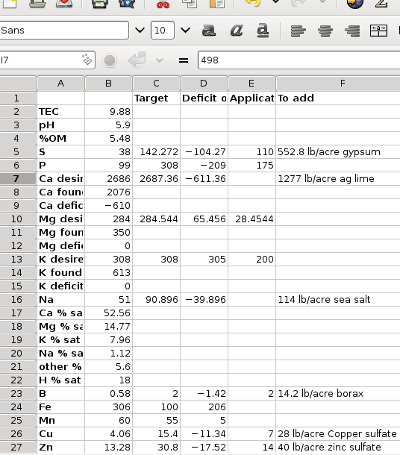
The “take home” message is not soil testing only, but records of soil tests you can see over time!
Putting Soil Testing to Work
After years of collecting soil samples and working with producers, I have come to appreciate that the value of soil testing is not simply the number of measurements we can obtain. It is understanding what those measurements tell us and how we can use them to make better management decisions.
For most producers, I would begin with a good routine soil fertility test. If I want to understand changes in soil health, I might add measurements such as soil organic carbon, aggregate stability, or biological activity. More specialized tests, including PLFA and DNA analysis, may be useful when there is a specific question about the soil microbial community.
Regardless of the tests selected, consistent sampling and good records are essential. A single soil test provides useful information, but a series of comparable tests can help us recognize trends, evaluate management practices, and identify developing problems.
The goal is not to collect more soil-test numbers. The goal is to understand our soil well enough to manage it better.
Soil Testing Laboratories: Options for Producers
- Texas A&M Soil and Water Testing
- https://soiltesting.tamu.edu/
- 2610 F&B Road
- College Station, TX 77845
- 979-321-5960
- Ward Laboratories, Inc.
- www.wardlab.com
- 4007 Cherry Ave, Kearney, NE 68847
- (800) 887-7645
- Regen Ag Lab
- www.regenaglab.com
- 31740 Highway 10, Pleasanton, NE 68866
- (308) 627-0065
- TPS Lab
- www.tpslab.com
- Joe Pedroza, Business Development Manager
- 4915 W. Monte Cristo Rd, Edinburg, TX 78541
- Office: (956) 383-0739
- Cell: (956) 867-7480
- Waypoint Analytical
- waypointanalytical.com
- 2790 Whitten Rd, Memphis, TN 38133
- (901) 213-2400
- Midwest Laboratories
- https://midwestlabs.com/
- 13611 B Street, Omaha, Nebraska 68144
- contactus@midwestlabs.com
- Office: (402) 334-7770
- Fax: (402) 334-9121
References
- Bellows, B., Morris, M., & Mitchell, C. (2020). Soil Health Indicators and Tests. ATTRA Sustainable Agriculture, Publication IP603. National Center for Appropriate Technology. ↩︎
- Stahl, L. A. B., Fernández, F. G., & Kaiser, D. E. (2018). Can soil health tests determine fertilizer needs? University of Minnesota Extension. ↩︎
- USDA Natural Resources Conservation Service. (2026). Soil Health Testing. Conservation Evaluation and Monitoring Activity (CEMA) 216, January 2026R. U.S. Department of Agriculture. ↩︎
- USDA Natural Resources Conservation Service. (2026). Soil Health Testing. Conservation Evaluation and Monitoring Activity (CEMA) 216, January 2026R. U.S. Department of Agriculture. ↩︎
- USDA Natural Resources Conservation Service. (2025). Soil Health Testing to Support Conservation Planning. Soil Health Technical Note No. 470-16. U.S. Department of Agriculture. ↩︎
- USDA Natural Resources Conservation Service. (2026). Soil Health Testing. Conservation Evaluation and Monitoring Activity (CEMA) 216, January 2026R. U.S. Department of Agriculture. ↩︎
- Pribyl, D. W. (2010). A critical review of the conventional SOC to SOM conversion factor. Geoderma, 156(3–4), 75–83. ↩︎
- Texas A&M AgriLife Extension — Soil, Water and Forage Testing Laboratory Methods. ↩︎
- Wuest, S. B., & Durfee, N. (2024). Temporal variability is a major source of uncertainty in soil carbon measurements. Soil Science Society of America Journal, 88(3), 830–845. ↩︎
- USDA NRCS — Soil Organic Carbon Stock Monitoring, CEMA 221 ↩︎
- Zuber, S. M., Veum, K. S., Myers, R. L., Kitchen, N. R., & Anderson, S. H. (2020). Role of inherent soil characteristics in assessing soil health across Missouri. Agricultural & Environmental Letters, 5(1), e20021. ↩︎
- USDA Natural Resources Conservation Service. (n.d.). Soil Health Assessment. U.S. Department of Agriculture. ↩︎
- USDA Natural Resources Conservation Service. (2026). Soil Health Testing. Conservation Evaluation and Monitoring Activity (CEMA) 216, January 2026R. U.S. Department of Agriculture. ↩︎
- Franzluebbers, A. J., Haney, R. L., Honeycutt, C. W., Schomberg, H. H., & Hons, F. M. (2000). Flush of carbon dioxide following rewetting of dried soil relates to active organic pools. Soil Science Society of America Journal, 64(2), 613–623. ↩︎
- Franzluebbers, A. J., & Veum, K. S. (2020). Comparison of two alkali trap methods for measuring the flush of CO₂. Agronomy Journal, 112(2), 1279–1286. ↩︎
- USDA Natural Resources Conservation Service. (n.d.). Soil Health Assessment. U.S. Department of Agriculture. ↩︎
- Frostegård, Å., Tunlid, A., & Bååth, E. (2011). Use and misuse of PLFA measurements in soils. Soil Biology and Biochemistry, 43(8), 1621–1625. ↩︎
- USDA Natural Resources Conservation Service. (2026). Soil Health Testing. Conservation Evaluation and Monitoring Activity (CEMA) 216, January 2026R. U.S. Department of Agriculture. ↩︎
- USDA Natural Resources Conservation Service. (2019). Recommended Soil Health Indicators and Associated Laboratory Procedures. Soil Health Technical Note No. 450-03. U.S. Department of Agriculture. ↩︎
- Miraterra Technologies Corporation. (2025, July 7). Miraterra acquires Trace Genomics technology and products to unlock measurement and insights across soil, plants, and food. ↩︎
- Fierer, N., Wood, S. A., & Bueno de Mesquita, C. P. (2021). How microbes can, and cannot, be used to assess soil health. Soil Biology and Biochemistry, 153, Article 108111. ↩︎
Other Resources:
- Farming with Soil Life
- Building Soils for Better Health
- A Minimum Suite of Soil Health Indicators for North American Agriculture
- Managing Soil Biology for Organic Farming
- Soil Balancing Basics for Organic Farming
- The Economics of Transitioning to Certified Organic Farming

Discover more from Texas A&M AgriLife Organic
Subscribe to get the latest posts sent to your email.


Is it still best practice to use WD-40 versus a cooking oil spray (e.g. pam) for lubricating the soil probe?
LikeLike
yes, we still use it
LikeLike