New Deal, Texas | Registration begins at 9:30 a.m. | No registration fee
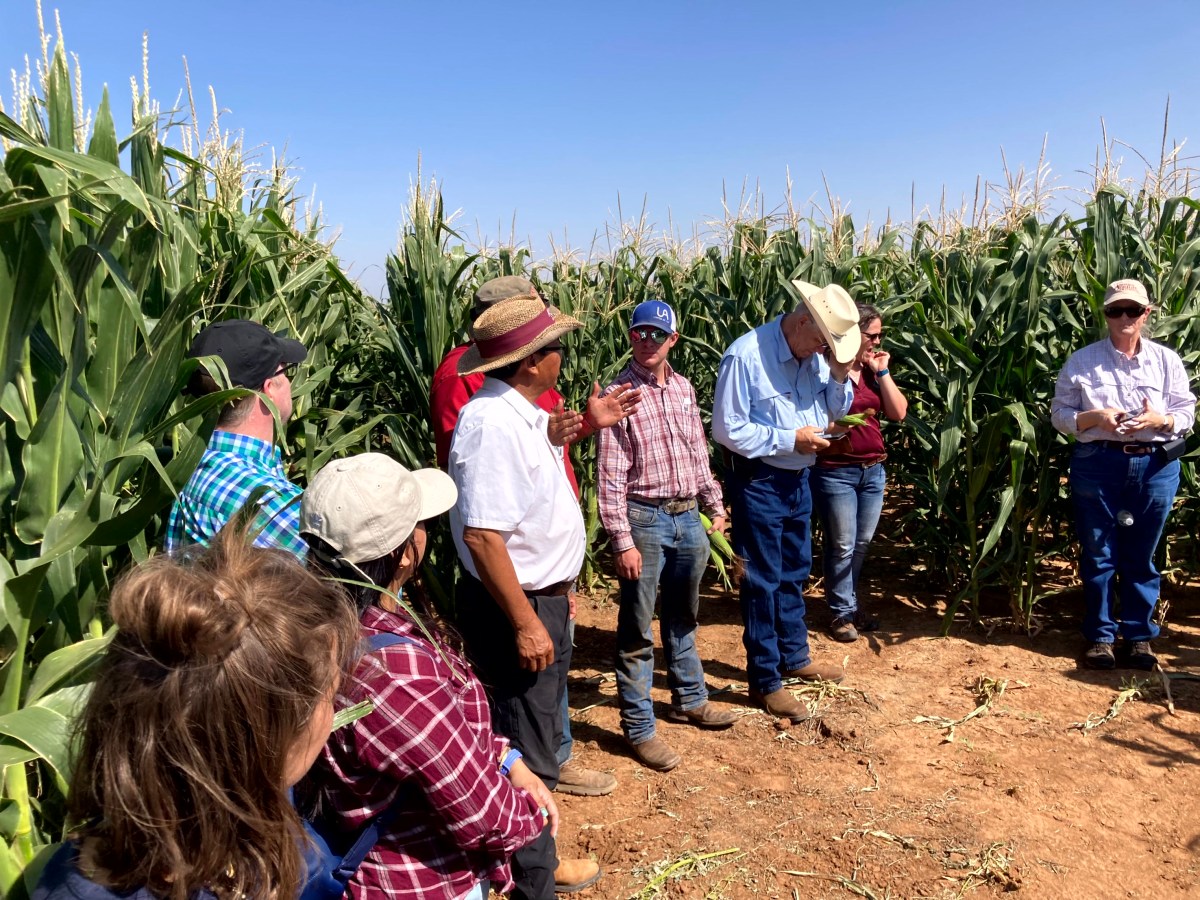
One of the continuing challenges for organic crop producers is finding seed varieties developed for the conditions in which we actually farm. This is especially true in the Texas High Plains, where crops must perform under heat, limited rainfall, declining irrigation capacity, organic fertility programs, and significant insect and disease pressure.
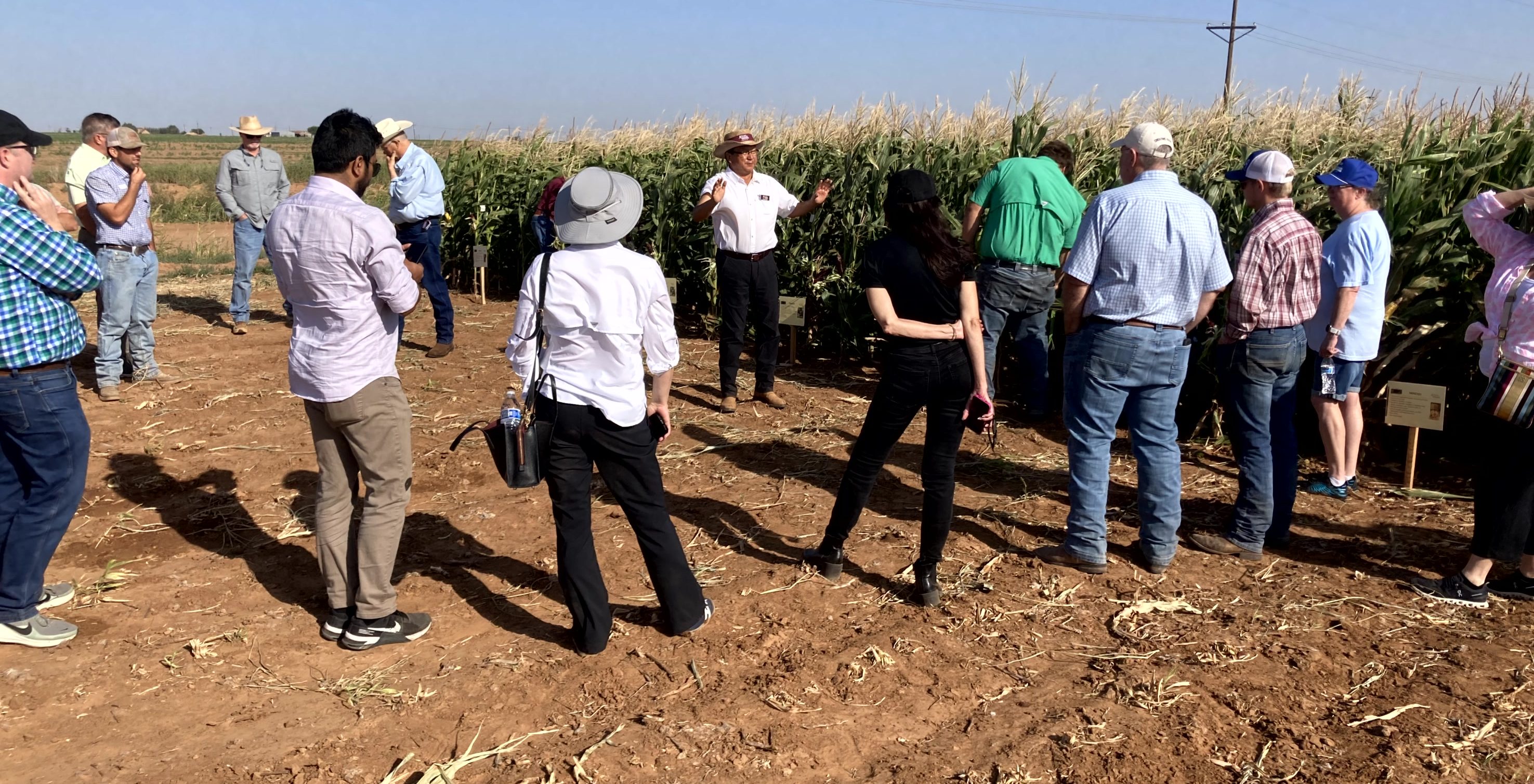
On Thursday, September 3, we will hold an Organic Variety Production Tour in the New Deal–Lubbock area to look at efforts underway to address that problem. This tour is built around a Southern SARE Producer Grant led by Seth Fortenberry of New Deal Grain that is helping develop local capacity to produce and supply non-GMO hybrid corn seed for organic and water-limited cropping systems.
Seth farms organic crops in the Texas High Plains and operates New Deal Grain, an organic grain and seed business. One of the problems he and other organic growers continue to face is the limited availability of non-GMO corn hybrids adapted to the hot, dry conditions of our region. Most corn seed production and much of the breeding work supplying non-GMO hybrids has historically been centered in the Midwest. The goal of this project is to begin closing that gap by taking regionally adapted genetics, producing the seed locally, and ultimately making those hybrids available to organic farmers.
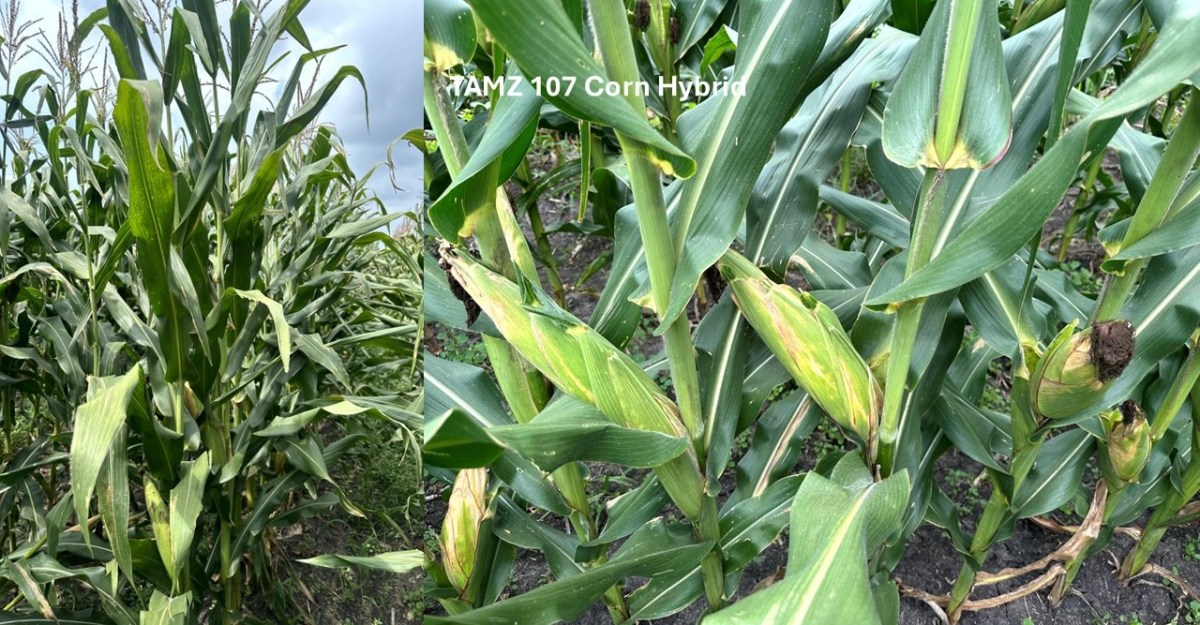
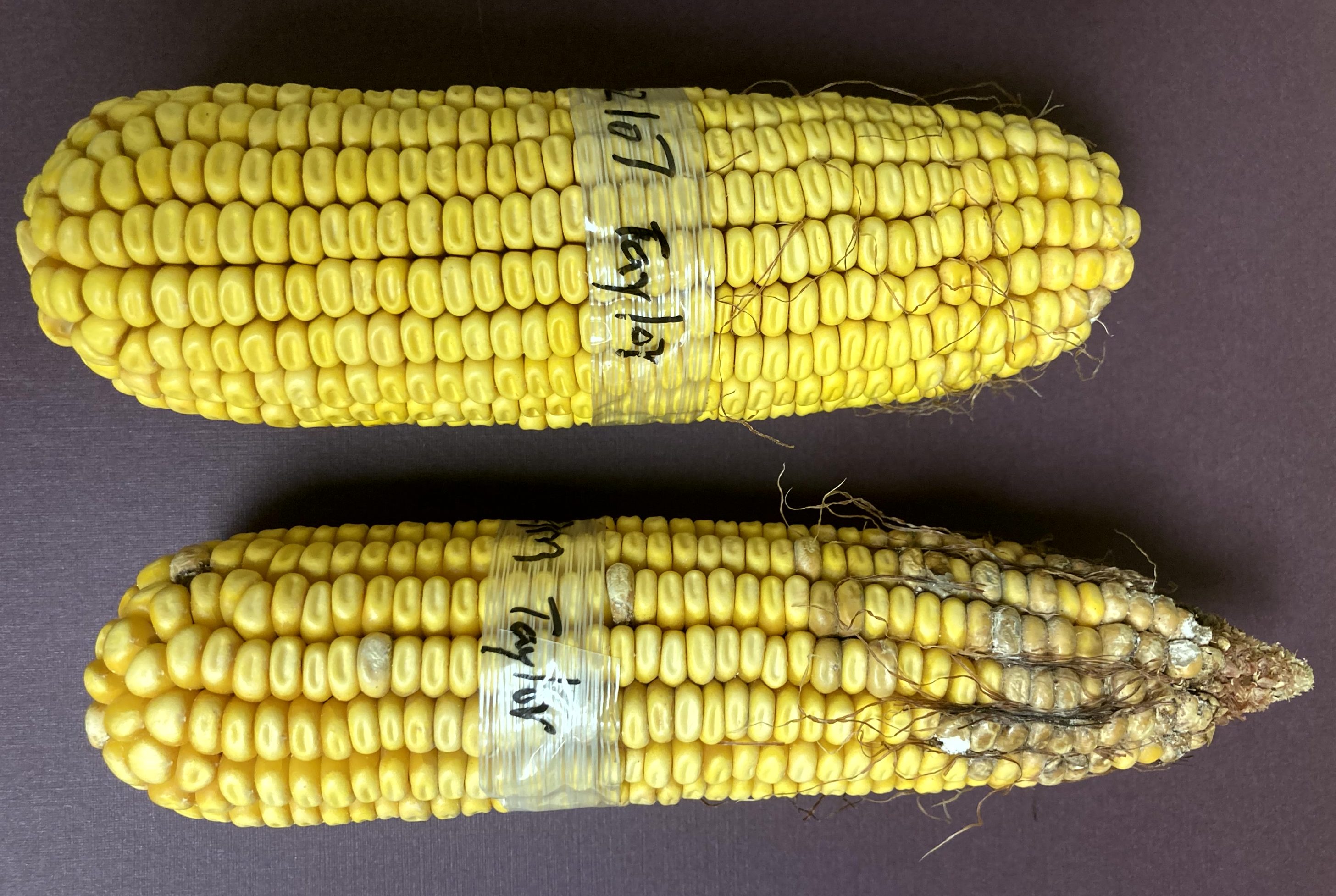
New Deal Grain has licensed TAMZ106B and TAMZ107, two non-GMO corn hybrids developed through the Texas A&M AgriLife corn breeding program. The SARE project is helping Seth build the specialized knowledge and infrastructure needed to increase parent seed, produce hybrid seed, maintain genetic purity, process and condition the harvested seed, and move that seed into commercial production. The project also includes testing these hybrids on certified organic farms and comparing their performance under actual production conditions.
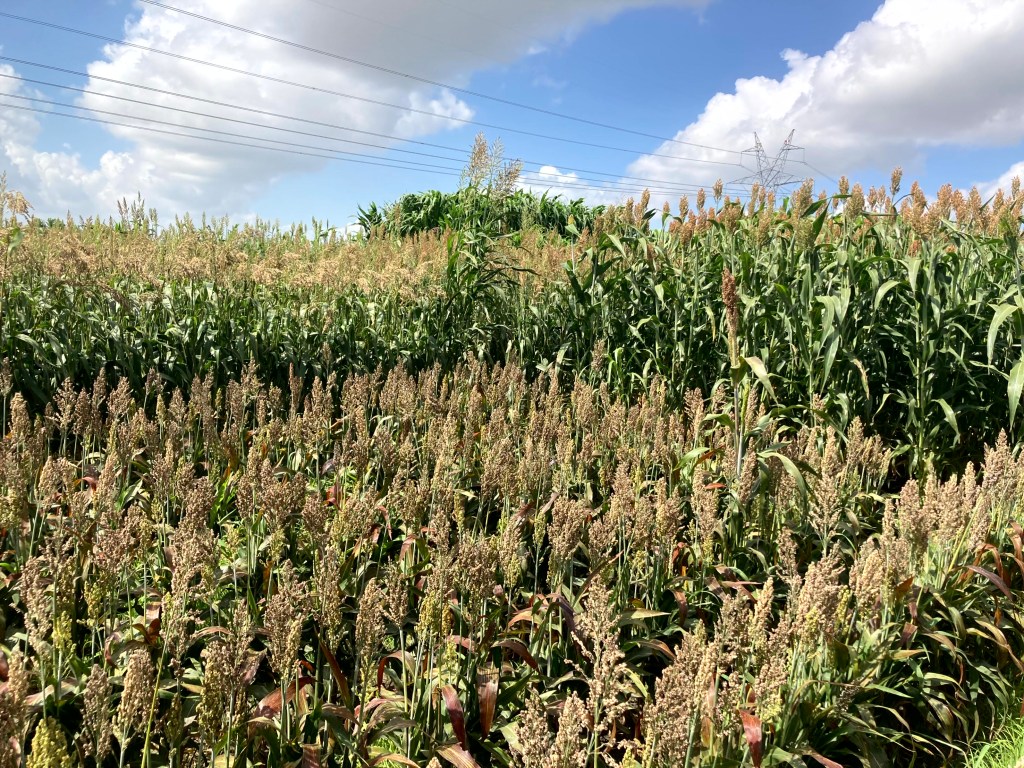
The September tour will use that corn seed project as a starting point, but the discussion will be broader. We will look at corn, sorghum, cowpea and guar plots and talk about what characteristics we need when selecting and developing varieties for organic agriculture. That may include yield, drought and heat tolerance, disease and insect resistance, weed competitiveness, forage quality, food quality, seed production characteristics, and opportunities for alternative markets.
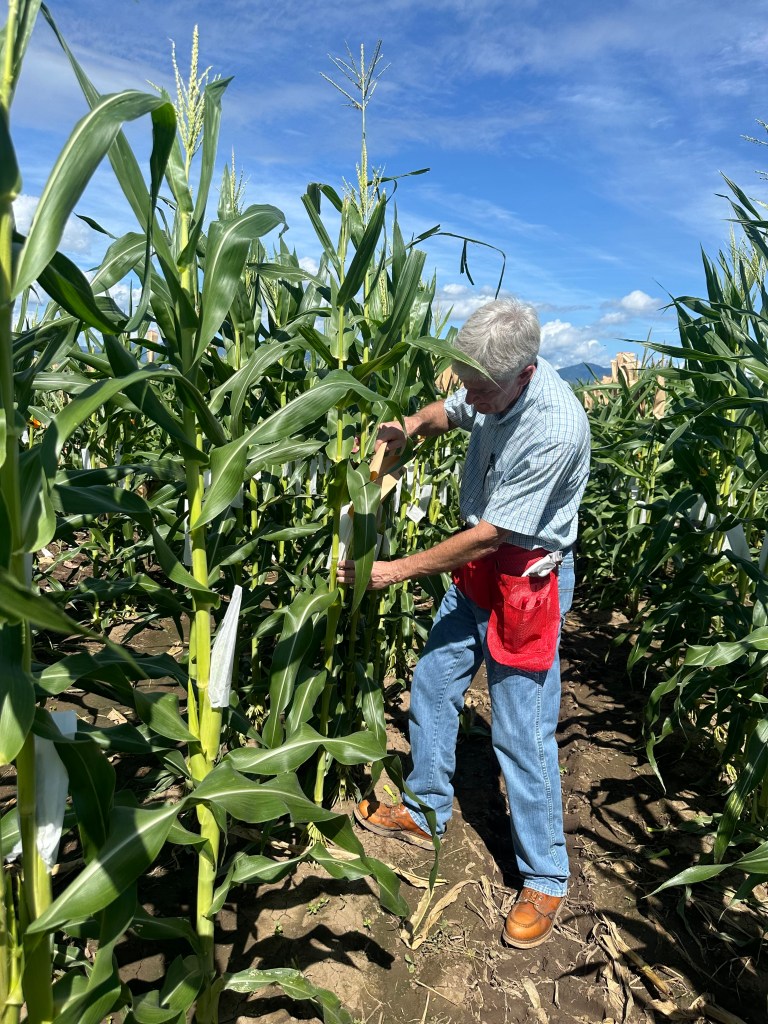
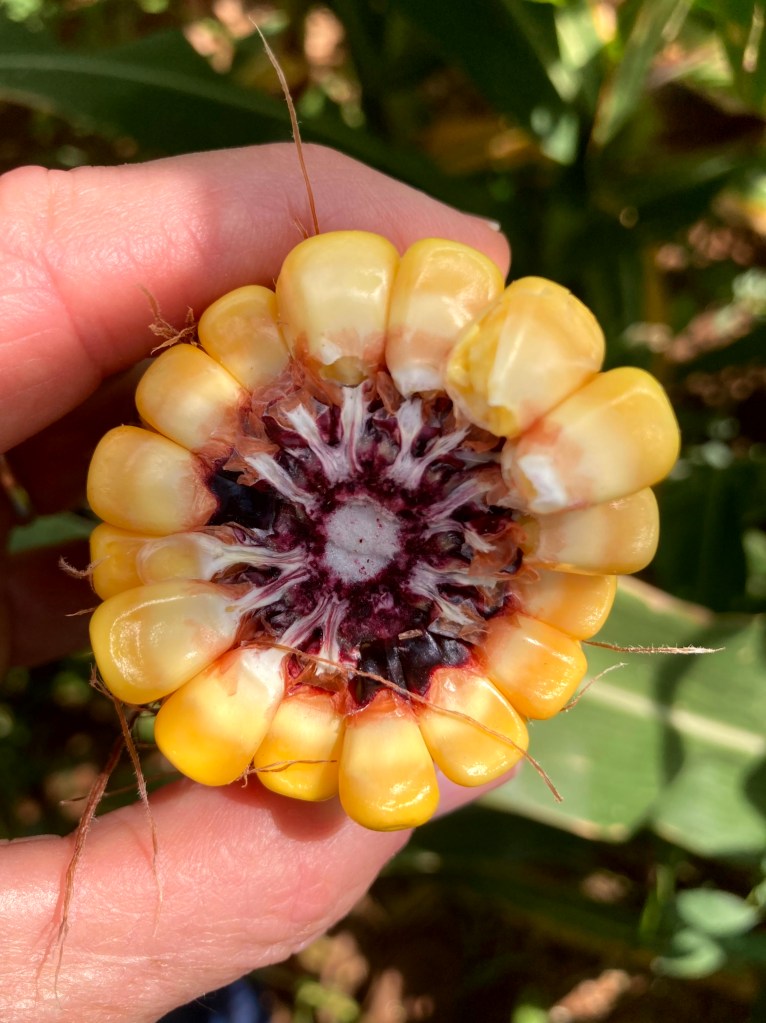
At the Texas Tech corn plots, we will discuss corn breeding, promising crosses, commercial possibilities, and high-anthocyanin or High-A corn being developed for specialty food and health-oriented markets. We will then move to cowpea and guar plots to discuss their potential as cover crops, forage crops, protein crops, and alternative cash crops. The final field discussion will focus on organic sorghum, including variety needs, seed availability, and where we see opportunities for the organic sorghum industry.
This is really a tour about connecting plant breeding, seed production, and farmer needs. Developing a good variety is only the first step. Farmers also need enough high-quality seed, produced and conditioned correctly, at a price and quantity that allows them to actually plant it. Building that connection from the breeder’s plot to the farmer’s planter is one of the important long-term goals of this work.
Tentative Tour Agenda
9:30–10:00 a.m. – Registration, Introductions and Tour Overview at
New Deal Grain – Bob Whitney, Extension Organic Specialist and Seth Fortenberry, New Deal Grain
10:00 a.m. – Depart for Texas Tech Farm – Corn Plots
10:15 a.m. – Corn Breeding and Variety Development
Overview of the corn breeding program, varieties and crosses, potential industry uses, and High-A corn. Andrew Sellers, Texas A&M AgriLife Research Corn Breeding Technician and Bob Whitney
10:45 a.m. – Depart for Sorghum, Cowpea and Guar Plots
10:55 a.m. – Field Overview – Seth Fortenberry
11:00 a.m. – Organic Cowpea and Guar
Discussion of the plots and their potential as cover crops, protein crops, forage crops, and alternative crops for organic production – Dr. Waltram Ravelombola, Assistant Professor, Organic & Specialty Crop Breeding
11:25 a.m. – Organic Sorghum
Sorghum plot discussion, organic sorghum production and variety development, seed needs, and the future of organic sorghum – Dr. Bill Rooney, Professor, Sorghum Crop Breeder and Nick Porter, Senior Research Associate, Sorghum Breeding
12:00 noon – Depart for Lunch at the Texas A&M AgriLife Research and Extension Center at Lubbock
Lunch provided by Orlando’s
12:45 p.m. – Wrap-Up
Registration
There is no cost to attend the tour or lunch, but we need an accurate meal count.
Please contact Bob Whitney at 979-571-2086 to register.
Registration begins at 9:30 a.m. at New Deal Grain in New Deal, Texas, and we will leave for the field tour promptly at 10:00 a.m.