New Deal, Texas | Registration begins at 9:30 a.m. | No registration fee
One of the continuing challenges for organic crop producers is finding seed varieties developed for the conditions in which we actually farm. This is especially true in the Texas High Plains, where crops must perform under heat, limited rainfall, declining irrigation capacity, organic fertility programs, and significant insect and disease pressure.
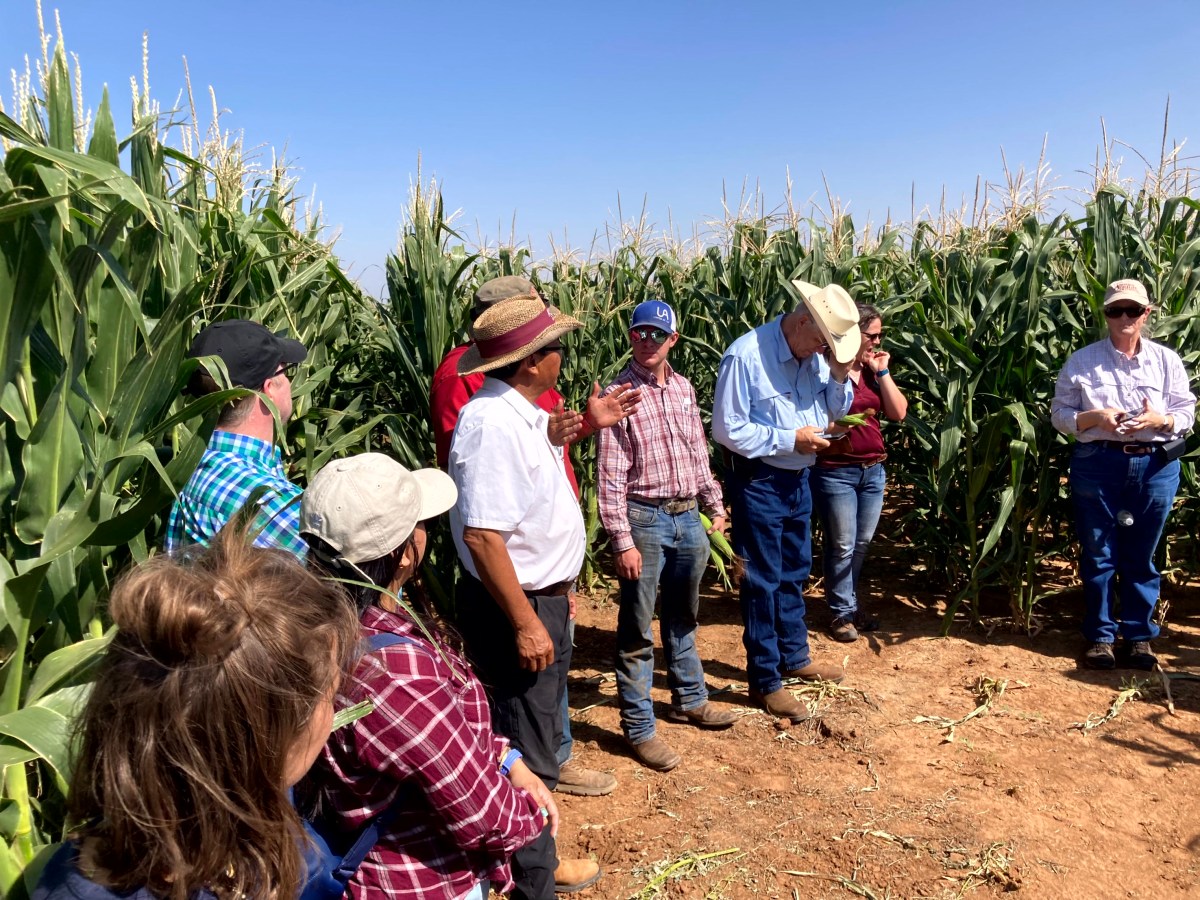
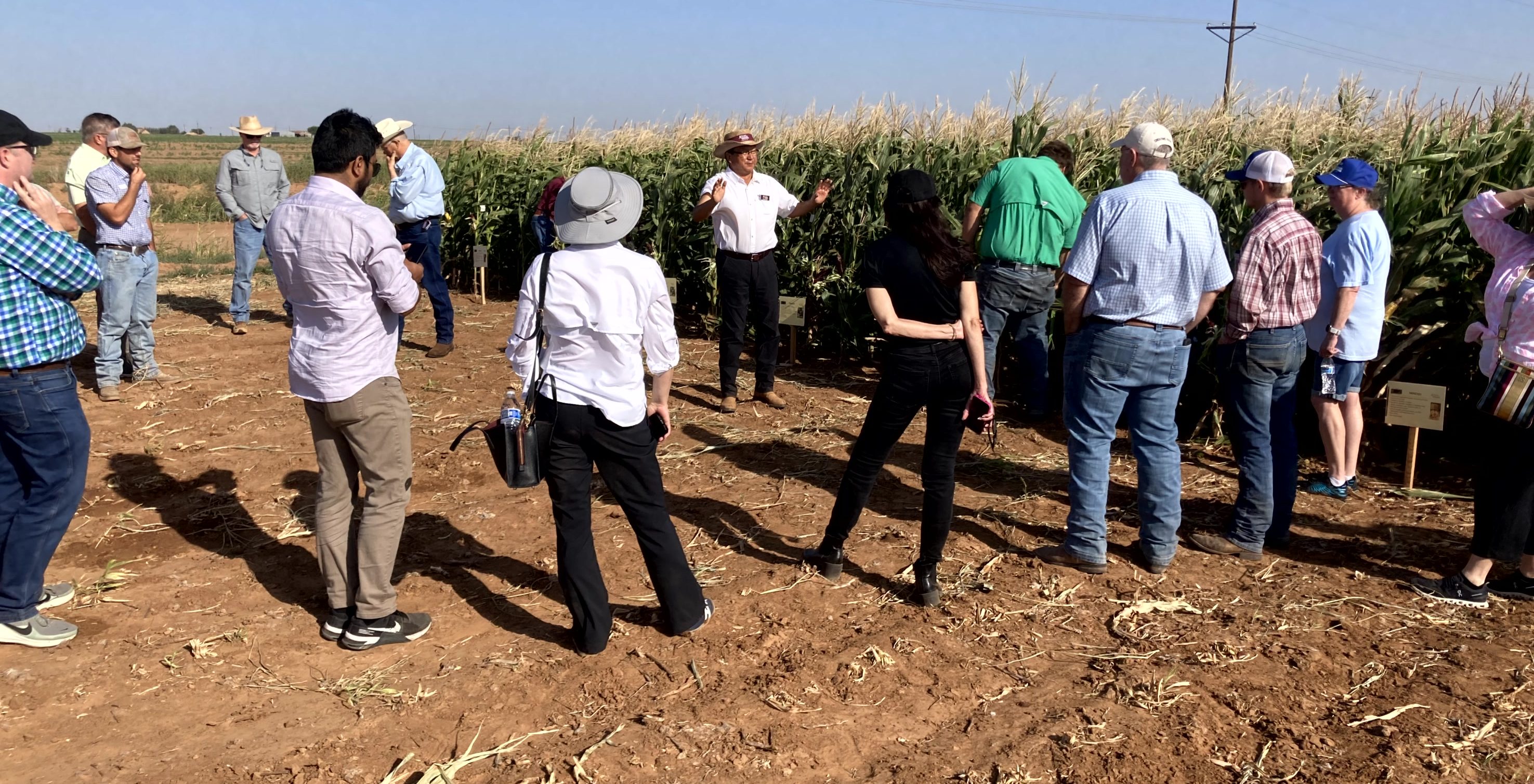
On Thursday, September 3, we will hold an Organic Variety Production Tour in the New Deal–Lubbock area to look at efforts underway to address that problem. This tour is built around a Southern SARE Producer Grant led by Seth Fortenberry of New Deal Grain that is helping develop local capacity to produce and supply non-GMO hybrid corn seed for organic and water-limited cropping systems.
Seth farms organic crops in the Texas High Plains and operates New Deal Grain, an organic grain and seed business. One of the problems he and other organic growers continue to face is the limited availability of non-GMO corn hybrids adapted to the hot, dry conditions of our region. Most corn seed production and much of the breeding work supplying non-GMO hybrids has historically been centered in the Midwest. The goal of this project is to begin closing that gap by taking regionally adapted genetics, producing the seed locally, and ultimately making those hybrids available to organic farmers.
New Deal Grain has licensed TAMZ106B and TAMZ107, two non-GMO corn hybrids developed through the Texas A&M AgriLife corn breeding program. The SARE project is helping Seth build the specialized knowledge and infrastructure needed to increase parent seed, produce hybrid seed, maintain genetic purity, process and condition the harvested seed, and move that seed into commercial production. The project also includes testing these hybrids on certified organic farms and comparing their performance under actual production conditions.
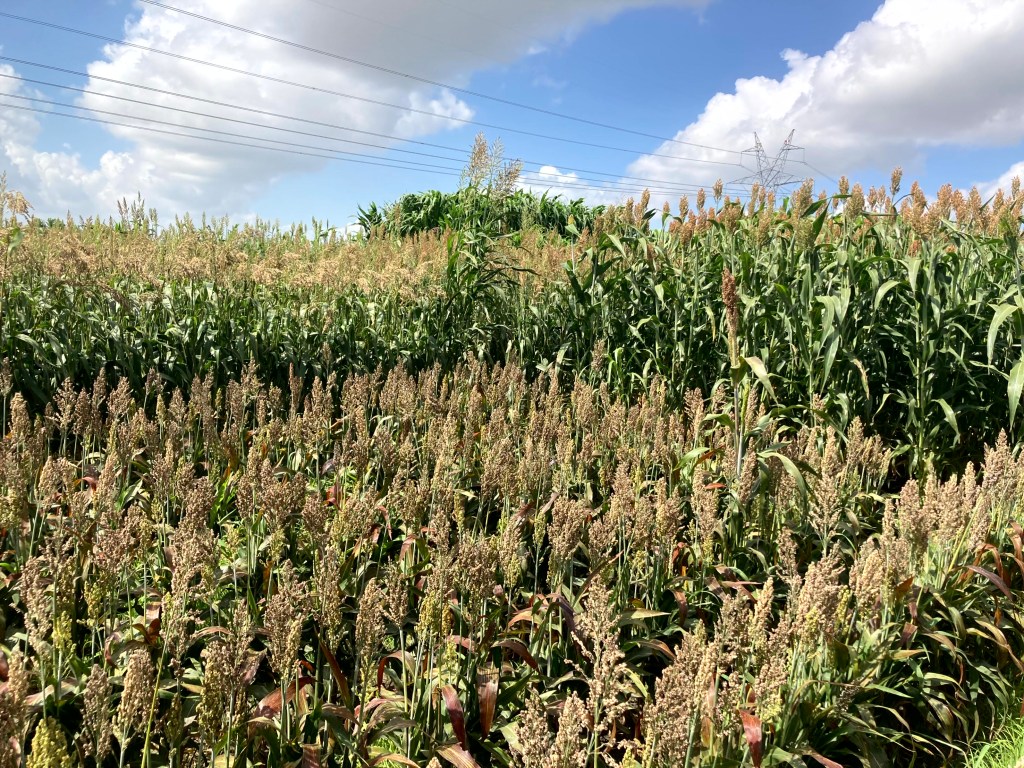
The September tour will use that corn seed project as a starting point, but the discussion will be broader. We will look at corn, sorghum, cowpea and guar plots and talk about what characteristics we need when selecting and developing varieties for organic agriculture. That may include yield, drought and heat tolerance, disease and insect resistance, weed competitiveness, forage quality, food quality, seed production characteristics, and opportunities for alternative markets.
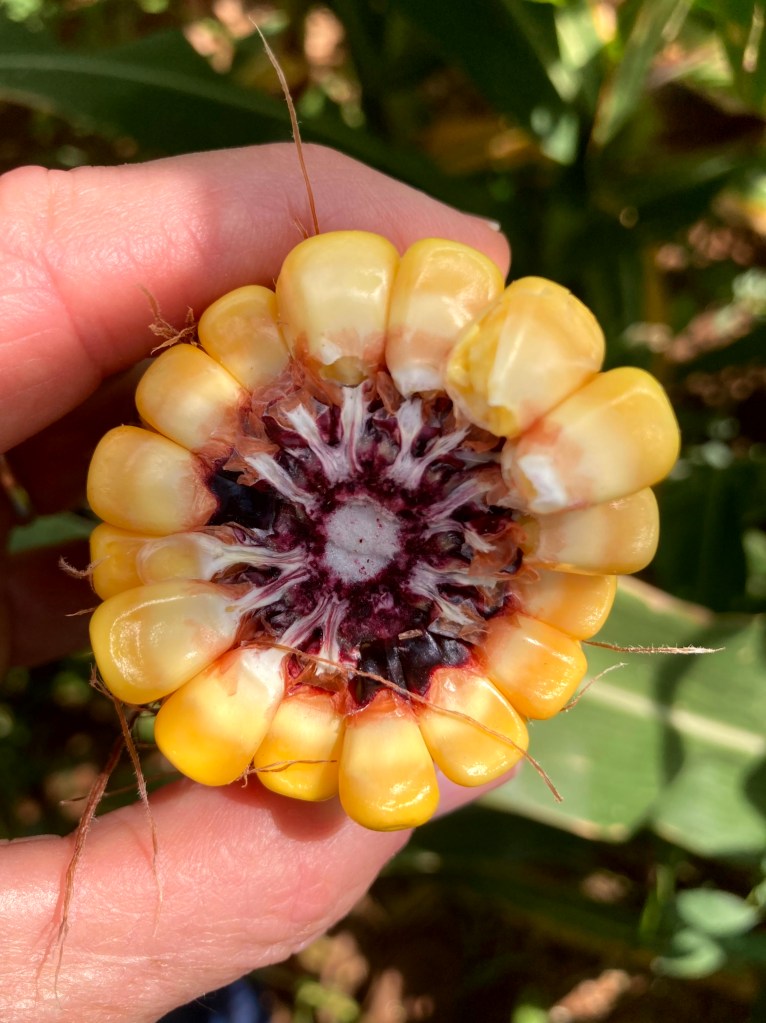
At the Texas Tech corn plots, we will discuss corn breeding, promising crosses, commercial possibilities, and high-anthocyanin or High-A corn being developed for specialty food and health-oriented markets. We will then move to cowpea and guar plots to discuss their potential as cover crops, forage crops, protein crops, and alternative cash crops. The final field discussion will focus on organic sorghum, including variety needs, seed availability, and where we see opportunities for the organic sorghum industry.
This is really a tour about connecting plant breeding, seed production, and farmer needs. Developing a good variety is only the first step. Farmers also need enough high-quality seed, produced and conditioned correctly, at a price and quantity that allows them to actually plant it. Building that connection from the breeder’s plot to the farmer’s planter is one of the important long-term goals of this work.
9:30–10:00 a.m. – Registration, Introductions and Tour Overview at New Deal Grain – Bob Whitney, Extension Organic Specialist and Seth Fortenberry, New Deal Grain
10:15 a.m. – Corn Breeding and Variety Development Overview of the corn breeding program, varieties and crosses, potential industry uses, and High-A corn. Andrew Sellers, Texas A&M AgriLife Research Corn Breeding Technician and Bob Whitney
10:45 a.m. – Depart for Sorghum, Cowpea and Guar Plots
10:55 a.m. – Field Overview – Seth Fortenberry
11:00 a.m. – Organic Cowpea and Guar Discussion of the plots and their potential as cover crops, protein crops, forage crops, and alternative crops for organic production – Dr. Waltram Ravelombola, Assistant Professor, Organic & Specialty Crop Breeding
11:25 a.m. – Organic Sorghum Sorghum plot discussion, organic sorghum production and variety development, seed needs, and the future of organic sorghum – Dr. Bill Rooney, Professor, Sorghum Crop Breeder and Nick Porter, Senior Research Associate, Sorghum Breeding
12:00 noon – Depart for Lunch at the Texas A&M AgriLife Research and Extension Center at Lubbock Lunch provided by Orlando’s
12:45 p.m. – Wrap-Up
Registration
There is no cost to attend the tour or lunch, but we need an accurate meal count.
Please contact Bob Whitney at 979-571-2086 to register.
Registration begins at 9:30 a.m. at New Deal Grain in New Deal, Texas, and we will leave for the field tour promptly at 10:00 a.m.
A pesticide residue detected on an organic crop does not automatically mean loss of certification. The pesticide, residue level, crop, possible source and production records all determine what happens next.
We are right in the middle of the growing season, which also means that many certified organic farmers are receiving their annual organic inspection. During some inspections, the inspector may collect plant tissue, harvested grain, fruit, vegetables, soil, water or another sample and send it to a laboratory for pesticide residue testing.
Then the farmer receives a message saying, “A pesticide residue was detected.”
Those words can create some immediate panic! However, a pesticide detection does not automatically mean that your farm has lost organic certification or that you intentionally applied a prohibited pesticide. There is a process that the organic certifier must follow to determine what was detected, how much was found and where it may have come from.
Use Only Products Approved by Your Certifier
Let me start with the most important reminder: every material used on a certified organic farm should be approved by your certifier before it is applied. This includes pesticides, fertilizers, seed treatments, biological products, soil amendments, adjuvants, surfactants and even products used to clean equipment that may contact an organic crop. An OMRI listing is very helpful, but an OMRI-listed product should still be submitted to your certifier and included in your Organic System Plan before use. USDA states that all substances used on an organic operation must be approved by the operation’s certifying agent before use.
There are several reasons for this:
The product may only be allowed for certain uses.
The label formulation may have changed.
A product with a similar name may not be the same formulation.
The certifier may need to verify active and inactive ingredients.
Some allowed pesticides can only be used after preventive, cultural and biological controls have been documented.
My advice is simple: do not depend only on the OMRI logo on the container. Send the complete product label to your certifier and get written approval before application.
Why Are Organic Farms Tested?
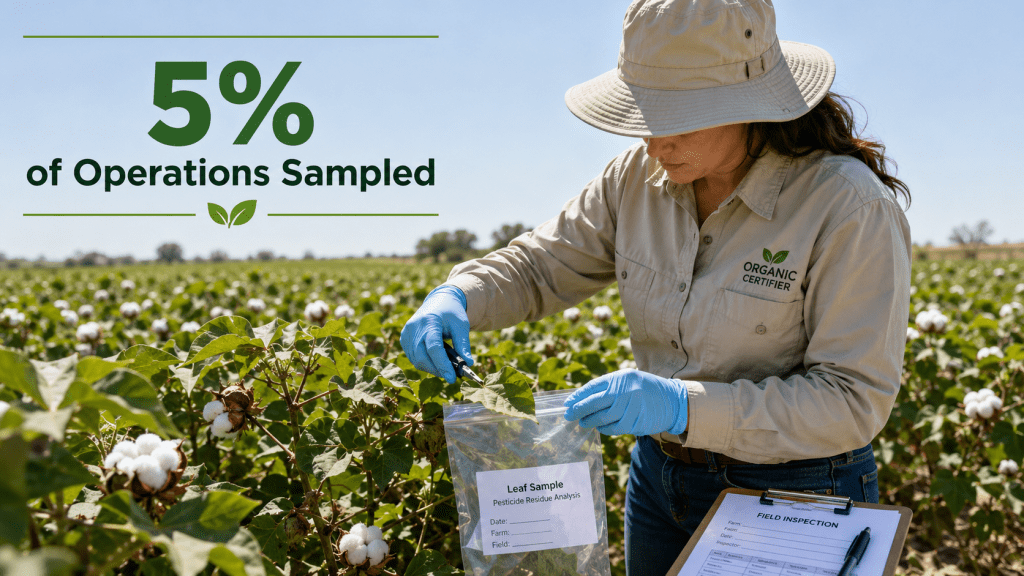
USDA requires organic certifiers to sample and test products from at least 5 percent of the operations they certify each year. A certifier with fewer than 30 certified operations must test at least one operation annually.
The certifier may select farms:
randomly;
because they produce a large volume of organic products;
because the crop or location presents a higher contamination risk;
because of a complaint or suspected problem; or
as part of an investigation.
Being selected for testing does not mean that the farmer is accused of wrongdoing. Testing is a normal part of protecting the integrity of the organic label. The certifier pays for this required periodic testing, and the sample must be collected by an authorized inspector, maintained under a proper chain of custody and analyzed by an accredited laboratory.
What Happens When Nothing Is Detected?
The easiest result is “not detected.” This means that the laboratory did not find any of the pesticides included in the laboratory screen above the method’s reporting limit. Remember that “not detected” does not necessarily mean that absolutely zero molecules were present. It means that the laboratory did not detect the pesticide at or above the level the test could reliably identify and report. A report may show glyphosate at >0.01 ppm which means it is there and detectable but at very low levels.
What Happens When a Pesticide Is Detected?
Remember you are in a farming area and pesticide residues can sometimes come from:
spray drift from a neighboring field;
contaminated irrigation water (especially in rice country);
contaminated harvest or transportation equipment;
inadequate cleanout of storage bins;
commingling during handling;
residues remaining from earlier land use; or
an input that contained an ingredient not disclosed on the label.
The certifier must consider the pesticide, the amount detected, the crop tested and the available production records.
The 0.01 ppm—or 10 Parts per Billion—Decision Point
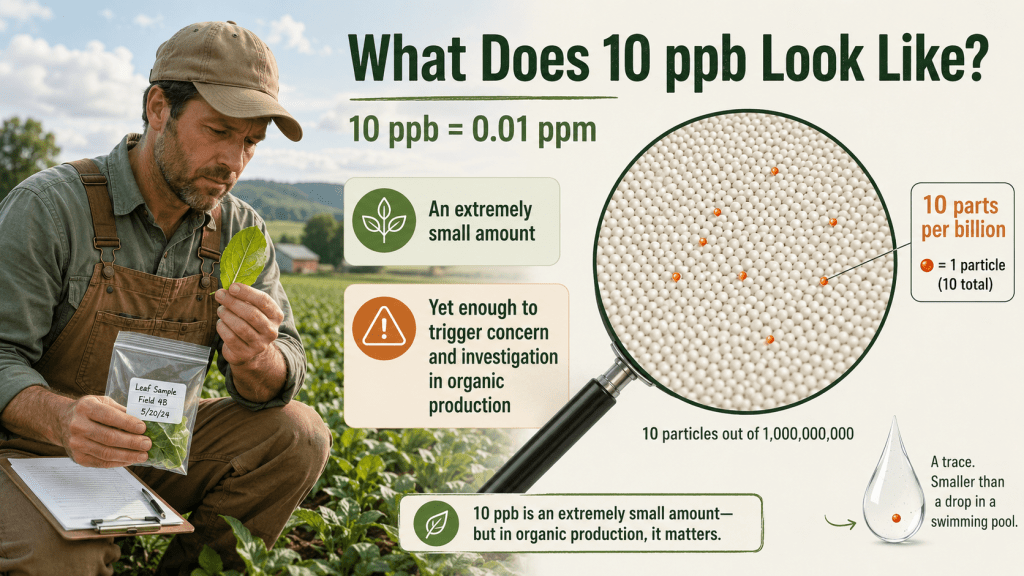
NOP guidance identifies 0.01 parts per million, or 10 parts per billion, as an important decision point. A concentration of 0.01 ppm is extremely small. It is roughly comparable to one second in a little more than three years. Modern laboratories can detect some pesticides at very low concentrations, which is why a laboratory may find a residue even when the farmer did not intentionally apply that pesticide.
When a prohibited pesticide is detected at or above 0.01 ppm, the certifier first determines whether EPA has established a legal tolerance for that pesticide on the particular crop or commodity tested.
That crop-specific detail is important. A pesticide may have:
one tolerance on cottonseed;
a different tolerance on corn;
another tolerance on vegetables; or
no legal tolerance at all on a particular crop (a pesticide is detected but one that is not for the crop being tested. I had an organic hay producer with a detected potato fungicide on the crop. Where did that come from?).
What Is an EPA Pesticide Tolerance?
An EPA tolerance is the maximum amount of a pesticide residue that may legally remain in or on a food or agricultural commodity. This is primarily a conventional pesticide and food-safety standard. It is not an organic pesticide allowance. The organic regulations use 5 percent of the EPA tolerance as the level at which an affected product must be excluded from organic sale.
For example, suppose EPA has established a tolerance of 1.0 ppm for a particular pesticide on a particular crop.
Five percent of that tolerance would be: 1.0 ppm times 0.05 = 0.05 ppm
The organic exclusion threshold would therefore be 0.05 ppm, or 50 parts per billion. This example means that if a residue is found in testing your crop that is greater than 0.05 ppm your crop cannot be sold as organic and you will get a notice of noncompliance.
Below 5 Percent of the EPA Tolerance
When the residue is at or below 5 percent of the EPA tolerance, the crop is not automatically excluded from organic sale solely because of the residue level.
However, the certifier may still investigate:
whether the farmer applied the pesticide;
whether spray drift occurred;
whether buffers were adequate;
whether shared equipment was properly cleaned;
whether storage and transportation protected the organic crop; and
whether the farmer followed the approved Organic System Plan.
If the farmer did not apply the pesticide and had reasonable preventive practices in place, the result may represent unavoidable contamination rather than a violation by the farmer. The certifier may still require corrective action. For example, the farmer may need to increase a buffer, improve equipment-cleaning records, communicate with a neighboring applicator or change how the harvested crop is stored.
Above 5 Percent of the EPA Tolerance
When testing detects a prohibited pesticide at a level greater than 5 percent of EPA’s tolerance for that pesticide on that commodity, the affected agricultural product cannot be sold, labeled or represented as organic. This does not necessarily mean that the entire farm immediately loses certification.
The certifier must determine what product the sample represents. Depending on the circumstances, the affected product could be:
one field;
one harvest lot;
one bin;
one truckload;
one storage unit; or
a larger quantity that was commingled.
Good field, harvest and storage records become extremely important. If a farmer can clearly show which field supplied each lot or bin, the certifier may be able to limit the problem to the affected product. When records are incomplete and several fields or loads have been mixed together, it may be difficult to separate the contaminated product from the rest of the crop.
What if There Is No EPA Tolerance?
Sometimes a laboratory detects a pesticide for which EPA has not established a tolerance on the tested crop. If there is no EPA tolerance and no applicable FDA action level, NOP guidance says that a prohibited pesticide residue above 0.01 ppm generally results in the affected product being excluded from organic sale. The certifier must also determine whether the result should be reported to EPA, FDA or the appropriate state agency. This is one reason that the name of the pesticide and the crop tested are just as important as the amount detected.
What if the Farmer Applied the Pesticide?
The 5-percent threshold does not create permission to use a prohibited pesticide. If an investigation shows that a prohibited pesticide was intentionally applied, the farmer may be out of compliance even when the residue detected is very low.
The certifier may consider:
exclusion of the affected crop from organic sale;
a notice of noncompliance;
suspension or revocation of certification; and
whether the field must complete a new 36-month transition period.
The basic organic requirement remains that prohibited substances cannot be applied to land during the 36 months before harvesting an organic crop. The residue level helps determine what happens to the product, but the investigation determines whether prohibited use occurred.
What Should a Farmer Do After Receiving a Positive Result?
First, do not panic—but do respond promptly.
I would recommend that the farmer:
Ask for the complete laboratory report.
Confirm the pesticide that was detected.
Confirm the concentration in ppm or ppb.
Ask whether EPA has a tolerance for that pesticide on the tested crop.
Review all input and application records.
Review neighboring pesticide applications and any drift concerns.
Review equipment cleanout, harvest, storage and transportation records.
Identify exactly which field, lot, bin or load the sample represents.
Provide the certifier with any information that could help identify the source.
Document corrective actions that may prevent another occurrence.
Do not immediately assume that a neighboring farmer caused the detection. The location of the sample, pesticide chemistry, timing of nearby applications, weather, field pattern and other evidence should be considered before reaching that conclusion.
Finally, a positive test may begin an investigation, but good practices and good records help tell the complete story.
More Resources
USDA Memo to Certifiers: Periodic Residue Testing of Organic Products. (AMS)
USDA NOP 2613: Responding to Results from Pesticide Residue Testing. (AMS)
Organic sales continue to outpace the broader food market, but growth is increasingly concentrated in protein, nutrient-dense foods, trusted certification, and categories where imports are filling supply gaps.
The organic market continues to show steady growth, even under the same economic pressures affecting all of agriculture.
Table of Contents
Organic Growth vs. Conventional
According to a recent report by the Organic Trade Association1, U.S. organic sales reached $76.6 billion in 2025, increasing by 6.8%, while the overall food market grew at approximately 3.4% . Organic food alone grew even faster, at 6.9% compared to 2.3% for total food sales . This marks another year in which organic has outperformed the broader marketplace.
This pattern is important. Organic growth is not limited to a single year or driven by short-term factors. It reflects a sustained trend of consumer demand that has continued through inflationary periods, supply chain disruptions, and broader uncertainty in food markets.
At the same time, organic has reached a level of maturity within the food system. With more than 6% penetration into total U.S. food sales, organic products are no longer confined to specialty markets. They are now part of routine purchasing behavior for a significant portion of consumers.
This combination—continued growth alongside market maturity—creates a different type of market environment than in earlier years of organic expansion. Growth is still occurring, but it is not evenly distributed. Demand is increasing at the consumer level, while returns at the farm level do not always reflect that increase.
This disconnect suggests that the primary constraint is not whether consumers are purchasing organic products, but how effectively production is aligned with growing categories, functional supply chains, and market channels that return value to the producer.
Another important consideration is that organic products now compete directly with conventional products within the same retail space. Despite this competition—and despite typically higher prices—organic continues to grow at a faster rate. This indicates that consumer purchasing decisions are being driven by factors beyond price alone, including perceived health benefits, ingredient transparency, and trust in certification.
One of the clearest shifts in the organic market is not just how much consumers are buying, but why they are buying it. Organic is no longer functioning only as a production label. It is increasingly being interpreted by consumers as a health-related choice2. Across recent data, consumers consistently prioritize attributes such as absence of synthetic chemicals, no added hormones or antibiotics, fewer additives and more recognizable ingredients. These are often referred to as “free-from” characteristics. While these attributes are not unique to organic certification, organic is still the most comprehensive and trusted system that delivers all of them under one standard.
At the same time, consumers continue to demonstrate a willingness to pay a premium for organic products, particularly in the United States. That willingness is not being driven simply by branding or marketing. It is tied to a broader shift in how food is viewed. The concept of “food as medicine” has moved from niche discussion into mainstream thinking. Consumers are increasingly making purchasing decisions based on perceived impacts to personal health, long-term wellness, and dietary quality. Organic is no longer competing solely as a production system. It is competing within a broader set of health-related claims, including non-GMO, antibiotic-free, hormone-free, natural, and regenerative.
In this environment, organic retains an advantage because it encompasses many of these attributes within a single certification. However, it also faces increased competition from more narrowly defined claims that may be easier for consumers to interpret. As a result, organic’s value is increasingly tied to how well it is understood and communicated as a complete system, rather than just one attribute among many.
One of the more consistent signals in the organic market right now is where growth is actually occurring. It is not evenly spread across all categories. Instead, it is concentrated in products that are closely tied to protein and nutrient density.
Several of the fastest-growing categories reflect this clearly:
Eggs increased by 22.4%
Meat, poultry, and seafood increased by 22.5%
Yogurt increased by 16.6%
These are not minor categories. These are core food groups, and their growth suggests a shift in how consumers are thinking about food overall.
What Is Driving This Shift: This trend aligns with broader changes in consumer behavior. There is increasing emphasis on:
foods that are nutrient-dense rather than calorie-dense
This shift also connects to the growth of what are often called functional foods—products that offer added benefits beyond basic nutrition.
Yogurt (16.6% increase) is a good example, where growth is tied not only to protein, but also to digestive health. Similar trends are showing up in beverages and snacks that are positioned around energy, recovery, or overall wellness.
Implications for Texas Agriculture:
This focus on protein and nutrition connects directly to several production systems in Texas. Organic sorghum plays a role through dairy feed, linking grain production to milk and yogurt markets. Organic peanuts and other legumes fit into plant-based protein demand, especially as consumers shift toward simpler, whole foods. At the same time, organic beef demand is growing rapidly, but a significant portion is being supplied through imports . This suggests strong demand, but limited domestic supply.
Another shift worth noting is how the plant-based category itself is evolving.
Some of the earlier growth in plant-based foods was driven by highly processed alternatives. That segment is now slowing, with products like meat substitutes declining by about –5.5%. At the same time, simpler foods such as dried beans, fruits, and vegetables are increasing, with dried products growing by 13.6% .
This is a meaningful change. Consumers are not moving away from plant-based foods—they are moving toward foods that are less processed and more recognizable.
Implications for Texas: This aligns well with crops that are already adapted to Texas systems. Cowpeas, fava beans, dry beans, peanuts, and even some of the ancient grains fit naturally into this trend. These crops have traditionally been viewed as secondary or rotational options, but they may begin to carry more direct market value as demand shifts toward whole-food protein sources.
Imports Are Filling Key Gaps (Hidden but Critical Story)
One of the more important signals in the current organic market is not just what is growing, but where that growth is being supplied from. Organic beef, for example, showed very strong growth in 2025 3, but much of that increase is being supported by imports rather than domestic production . This points to a structural issue within organic and certainly within Texas organic. Demand is growing but domestic supply has not kept pace.
What This Suggests: When imports are filling a growing category, it typically means one or more of the following production is limited or slow to expand, processing or infrastructure is limited or non-existent, supply chains are better developed elsewhere in the world, or in this case, it is likely a combination of all three.
Implications for Texas: For Texas producers, this raises a practical question. If the market is growing, but imports are filling that growth, where is the opportunity being missed locally?
Texas has land resources, livestock systems, and experience in beef production. But capturing organic market share requires more than production alone. It depends on finishing systems, certified processing, and consistent market access. (There is work in progress, just click here to read what!)
As more labels and claims enter the marketplace, one of the consistent findings is that organic certification remains one of the most trusted standards available. In the United States, about 74% of consumers report trust in the USDA Organic label . That level of trust is higher than most individual claims such as “natural,” “non-GMO,” or “antibiotic-free,” which tend to address only one aspect of production. At the same time, the number of competing claims has increased significantly. Consumers are now faced with a wide range of labels that emphasize single attributes (e.g., non-GMO) or specific practices (No Additives) or marketing-driven terms (Natural). This creates confusion!
This creates a situation where organic competes against simpler messages while offering a more comprehensive value. If that value is not clearly communicated, organic can be treated as just one option among many, rather than the most complete standard. Organic continues to hold the strongest position as a trusted standard, but its value depends on how clearly that standard is understood and communicated in the marketplace.
Another consistent trend in the organic market is who is making the purchasing decisions. Millennials remain the primary drivers of organic purchases, with strong influence also coming from Gen Z consumers . These groups are not only buying organic—they are shaping how food is evaluated more broadly.
What This Suggests: These younger consumers tend to place higher value on sustainability, transparency in production (they might even like to know how you farm), and alignment with personal values. They are also more likely to seek out information, compare products, and respond to how a product is presented—not just what it is. This changes how products compete in the marketplace.
These trends point to a consistent conclusion. Organic demand is present and continuing to grow, but that growth is becoming more selective. It is increasingly tied to health, nutrition, and clearly defined value in the marketplace.
For Texas producers, the opportunity remains strong, but capturing that opportunity will depend on how production aligns with these shifting demands and how effectively products move through the system from field to consumer.
Organic Trade Association (OTA). 2026. Consumer Perception of USDA Organic and Competing Label Claims in North America. Organic Trade Association, Washington, DC.
Organic Trade Association. 2025. U.S. Organic Marketplace Achieved Significant Growth in 2025 (Press Release). https://ota.com/news/press-releases
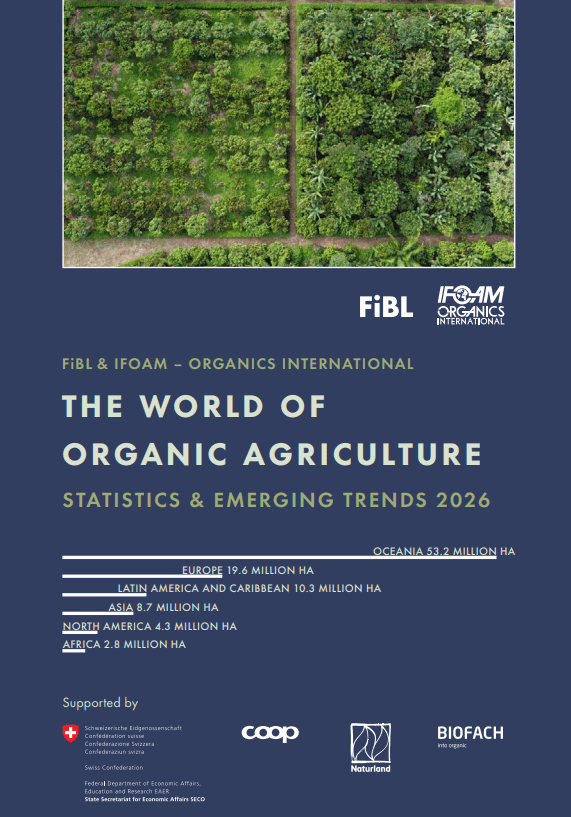
This publication was recently published by both FiBL which is The Research Institute of Organic Agriculture and IFOAM Organics International which is the 100-country membership organization for organic agriculture. These two organizations came together to publish this look at statistics for world agriculture but also to give us all some insights into some of the trends.
Just click the picture to be able to download your copy!
I was particularly interested in the special section on Peanuts. This is a “special” section because there is so little production in the world but there is an increasing demand. I am hopeful we can maybe find a way into this market!
Here are the lead paragraphs by Nicolas Lefebvre with FiBL.
Despite their visible presence in European retail – from organic peanut butter to snack products – organic peanuts remain one of the rarest crops in global organic agriculture. Based on available data, organic peanuts account for around 0.1 percent of global peanut area. Even allowing for data gaps in some producing countries, the conclusion is clear: organic peanut production is exceptionally limited.
Biological and agronomic constraints
Peanuts are a legume crop grown in warm climates. The primary organic production regions include Asia (mainly China), Latin America, the United States (particularly the Southeast and Texas), and several African countries, with Egypt being a major producer that relies heavily on intensive irrigation. Peanut cultivation is best suited to sandy soils and is characterized by relatively high-water requirements. While some organic pilot initiatives exist in Europe (notably in Austria and France), climatic constraints remain significant: temperatures are often limited, and wet conditions during autumn harvest can critically compromise crop quality.
The peanut pods develop underground, making the crop highly sensitive to fungal diseases, especially under humid conditions. In conventional systems, these risks are managed with repeated applications of fungicides (mainly systemic), starting with seed treatment at planting time. In organic farming, no comparable solutions are available, resulting in significantly higher yield variability and crop failure risk.
A further major constraint is the risk of aflatoxin contamination. Peanuts are among the crops most exposed to aflatoxins, toxic substances produced by fungi of the Aspergillus genus. These toxins are strictly regulated in the European Union and in the United States, and exceeding the legal limits makes entire lots unmarketable.
Aflatoxin contamination usually occurs at the end of the growing cycle, but it can also develop very rapidly after harvest if storage conditions are poor. For organic producers and traders, the risk is higher, as organic lots cannot be blended or downgraded into conventional markets. One unfavorable season or inadequate post-harvest handling can therefore wipe out the entire economic return. A less visible consequence is that heavily contaminated lots (mainly in less developed countries) may be sold at lower prices on local markets, creating food safety.
This intro to worldwide organic peanut production makes it plain that we have very little competition, but the next section makes it clear that we are the world’s primary producer, and I think the world’s best and cleanest producer!
Economic disincentives and weak infrastructure
From an economic perspective, organic peanuts combine high production risk with limited market incentives. Organic yields are generally lower, labor and monitoring costs are higher, and crop losses can be total. In addition, compared with other open field arable crops, peanut production requires highly specific harvesting equipment, as well as dedicated sorting and shelling infrastructure that is not compatible with other crops. These technical constraints imply substantial fixed investments, making entry into organic peanut production particularly costly for large-scale organic arable farms. At the same time, consumer willingness to pay organic premiums is more limited than for other nuts such as almonds or cashews. As a result, many farmers prefer alternative organic crops with more predictable returns. In addition, many major peanut-producing regions lack well-developed organic infrastructure. Advisory services, organic breeding programs, and segregated post-harvest facilities are often missing. Consequently, only a small number of highly specialized projects are able to supply organic peanuts reliably for export markets.
The article concluded with this paragraph below and it highlights our lack of US Organic Peanut penetration into the European Market
Conclusion
Organic peanuts illustrate the limits of organic expansion in crops with high biological and food safety risks. Their extremely low share of global organic area reflects fundamental agronomic and economic constraints rather than a lack of consumer interest. The EU import collapse of 2022–2023 was driven by a combination of climatic shocks, aflatoxin risk, regulatory transition and market conditions, followed by a partial normalization in 2024. Organic peanuts are therefore likely to remain a small but strategically important niche within global organic supply chains.
Lastly they provide some numbers of organic peanut production.
Statistics on world-wide organic peanuts Organic peanuts remain a niche crop globally (estimated 0.1 percent of total peanut area), but the recorded global organic peanut area increased from 11,101 hectares (2016) to 41,972 hectares (103,717 acres) in 2024 according to the FiBL survey on organic agriculture worldwide. The strong jump in 2024 should be interpreted with care, because it was driven largely by a new data source for the United States, which reported a much larger organic peanut area than the source used previously. In 2024, the top three countries by organic peanut area were the United States (18,990 hectares (46,925 acres); almost half of the reported global organic peanut area), China (12,238 hectares; ~30 percent), and Mexico (4,116 hectares; ~10 percent).
More Good Market News!
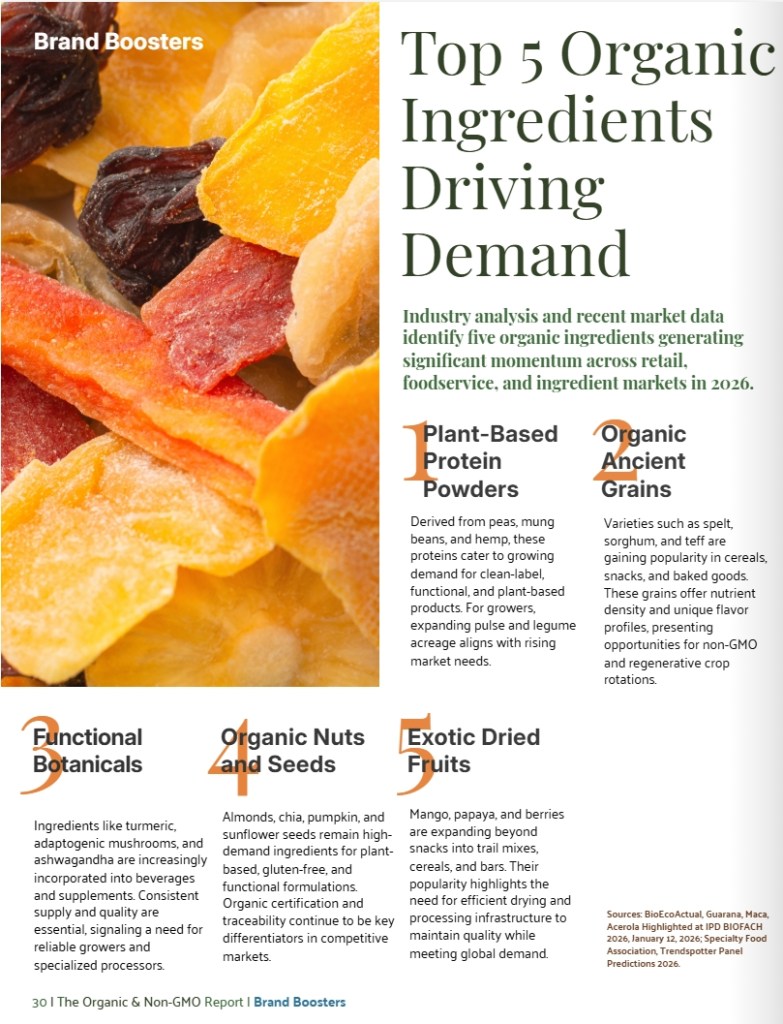
Wintertime is the time for meetings, and both Organic organizations and Organic companies are hosting meetings all over the world to discuss and plan for market programs over the 2026 market year and beyond. This article appeared in the February edition of The Organic and Non-GMO Report which I subscribe to. This is one of my favorite magazines with great articles and good market information. I have seen some similar information from other sources but for sure numbers 1, 2 and 4 fit Texas Organic and fit us well. A big thanks to The Organic & Non-GMO Report for calling our attention to this huge market!
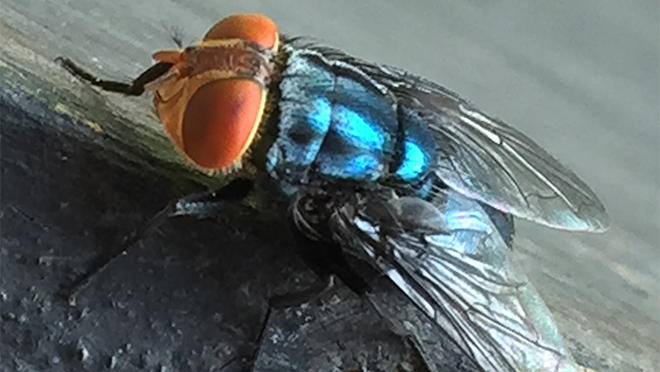
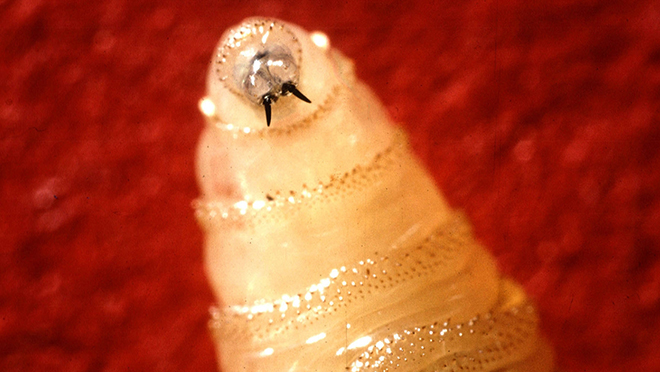
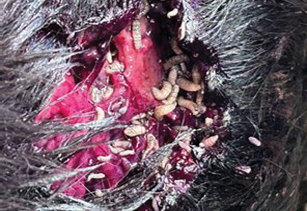
New World Screwworm (NWS, Cochliomyia hominivorax) is recognized as a highly destructive pest.¹,² NWS fly larvae, also known as maggots, invade the tissue of living animals, resulting in severe and often fatal injuries. This species can infest warm-blooded hosts, including livestock, pets, wildlife, humans, and even birds.²
Top and middle photos courtesy of CDC, bottom photo Marcy Ward, New Mexico State University.
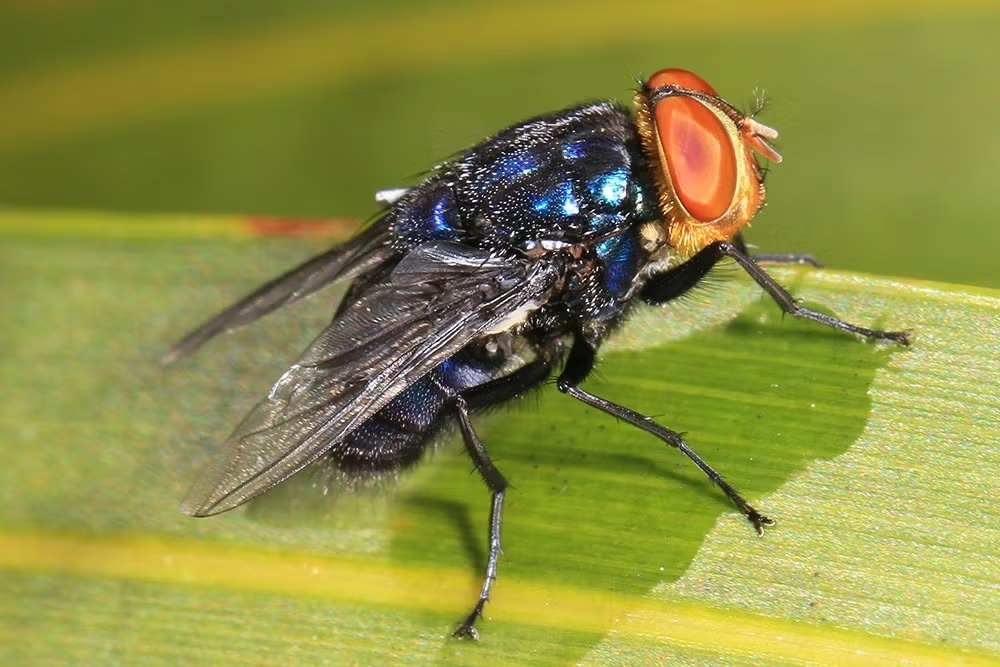
The term “screwworm” is derived from the larvae’s characteristic feeding behavior, where they burrow into wounds in a manner like a screw penetrating wood.¹ Maggots inflict significant harm by tearing at host tissue with their sharp mouth hooks; consequently, the wound may enlarge and deepen as additional larvae hatch and feed on viable tissue.² The impact of NWS infestations can be substantial, frequently leading to life-threatening conditions for affected animals. Adult screwworm flies are comparable in size to common houseflies or slightly larger and are distinguished by orange eyes, metallic blue or green bodies, and three dark stripes along their backs.¹
Historically, screwworm caused severe economic losses in U.S. livestock production prior to eradication efforts, with annual losses estimated in the hundreds of millions of dollars (mid-20th century values).⁴
USDA Strategy and Sterile Insect Technique
Central to eradication efforts is the sterile insect technique (SIT), a scientifically validated area-wide pest control method.⁵
Female NWS flies mate only once, so mating with a sterile male prevents reproduction and collapses the population over time.³,⁵ Sterile flies are released by air or ground, with aerial dispersal preferred for covering large areas. USDA produces sterile flies at the COPEG facility in Panama and is expanding domestic capacity at the Rio Grande Valley in Texas.¹
The sterile insect technique has been credited with the successful eradication of screwworm from the United States and much of Central America.³
Organic Considerations
For organic producers, livestock health care practices are governed under 7 CFR §205.238 of the National Organic Program regulations, which require preventive health care and prompt treatment of illness or injury.⁶
While APHIS provides guidance for detection and reporting,¹ there is very limited organic-specific direction currently available. Organic Materials Review Institute (OMRI) listings can be consulted to determine compliance of specific insecticides. ⁷ Typical insecticide suppression of New World screwworm is not highly effective because larvae can infest wounds in wildlife hosts, so control relies primarily on detection, surveillance, and sterile male release rather than routine spray applications. ⁴
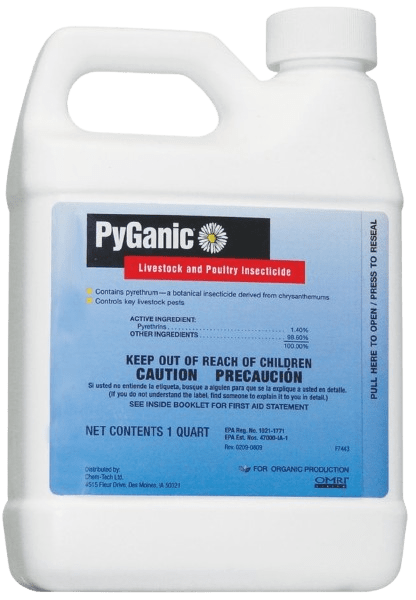
PyGanic is the only organic product labeled for livestock to kill adult flies, in particular blow flies. There are some other products for livestock but labeled as repellants. It is a natural pyrethrum product and falls within the same broad insecticide class referenced in federal guidance for adult fly control.8 However, there is currently no published data evaluating PyGanic specifically against New World Screwworm adults or larvae. Therefore, its potential role would be limited to adult fly suppression rather than eradication, and it should be considered as part of a broader management response rather than a stand-alone solution.
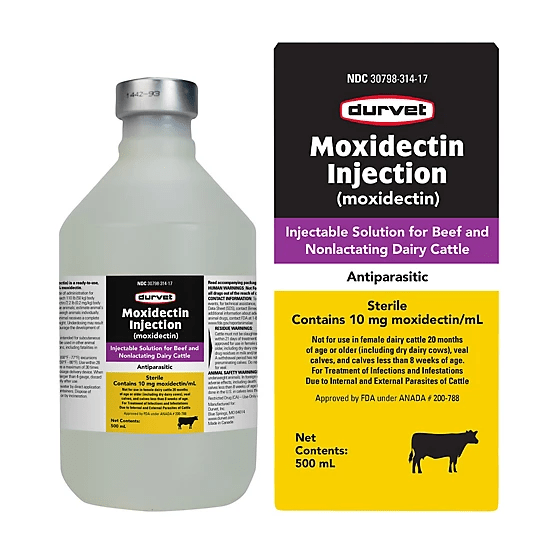
Moxidectin Use in Organic Livestock
Example of Moxidectin Injection which is sold in stores and online. Be sure to check with your certifier before using any product in your operation and especially moxidectin since it is only allowed in severe parasitism. The current treatment for NWS is “Dectomax” which means your animal would be removed from organic certification.
Organic livestock producers may be familiar with moxidectin because it is permitted under USDA National Organic Program (NOP) regulations for the treatment of severe parasitism when preventive organic management practices are not adequate. Questions have recently arisen regarding whether moxidectin could play a role in managing New World Screwworm (NWS) infestations. While FDA recommendations for NWS treatment in cattle currently focus on approved products containing doramectin (Dectomax), research conducted with Old World Screwworm (OWS) has shown that injectable moxidectin can provide substantial protection against myiasis and reinfestation in cattle of OWS.9 However, these studies involved OWS rather than NWS, and there is currently limited information available regarding the effectiveness of moxidectin against New World screwworm. As a result, any expectations regarding NWS control should be considered preliminary until additional research becomes available. At present, moxidectin should be viewed as a potential area for future investigation rather than a proven NWS treatment option.
Producer Prevention and Reporting
Producers should:
Monitor livestock closely for wounds or signs of infestation.¹
Minimize injury risks by inspecting facilities and equipment.
Treat livestock and potential wounds promptly with approved products. If wounds are infected with NWS then report and treat with approved products.
Prevent introduction by controlling animal movement.
If screwworm is suspected, it must be reported immediately to State animal health officials and APHIS to enable rapid containment.¹
² University of Florida Institute of Food and Agricultural Sciences. (2025). New World screwworm: Cochliomyia hominivorax (Primary screwworm). EDIS Publication IN1146. https://edis.ifas.ufl.edu/publication/IN1146
³ Krafsur, E. S., Whitten, C. J., & Novy, J. E. (1987). Screwworm eradication in North and Central America. Parasitology Today, 3(5), 131–137. https://pubmed.ncbi.nlm.nih.gov/15462936/
⁵ Sterile Insect Technique (Scientific Foundation) Vreysen, M. J. B., Robinson, A. S., & Hendrichs, J. (Eds.). (2007). Area-wide control of insect pests: From research to field implementation. Springer. https://www.iaea.org/topics/sterile-insect-technique
9Hassan, E., Al-Karogholli, A. Y., Hassan, A., & Al-Ani, M. (2005). Comparative efficacy of Moxidectin and Ivermectin in cattle naturally infected with old world screw worm larvae. https://doi.org/10.33899/ijvs.2005.46740
Published in the OMRI Materials Review quarterly newsletter and reprinted with permission. omri.org/ I thought this was a great article and I learned some things about early organic organization I had not heard before. A big thanks to OMRI and Dr. Baker for allowing me to share this article. Bob Whitney
Organic standards in the United States differ from those in other parts of the world in many ways. One significant difference between the USDA’s National Organic Program (NOP) standard and other international standards is the way that inputs are evaluated and approved for use in organic production and handling. In general, the United States’ Organic Foods Production Act of 1990 ( OFPA) legally defined an agricultural production system based on sustainable production methods that rely primarily on natural materials. The OFPA authorizes the USDA to establish organic standards. These standards allow only synthetic materials that appear on the National List. The OFPA also gives the USDA the authority to prohibit non-synthetic substances deemed to be harmful to human health and the environment. Anyone can submit a petition to the NOP to add a substance to the National List. The USDA cannot add any synthetic substance to the National List without a National Organic Standards Board (NOSB) recommendation from a supermajority vote, after considering criteria in the OFPA related to the substance’s necessity and impact on health, the environment, and sustainability. All substances on the National List are required to be re-reviewed every five years and reaffirmed through a legislative sunset process. This unique process was established 35 years ago and has been in effect since 2002.
Why did the U.S. adopt an approach that was so heavily oriented toward the source, origin, and manufacturing process of inputs?
Private and State Standards
The roots of the natural/synthetic framework for agricultural inputs trace back to the first organic certification program in the U.S., conducted by the Rodale Press’ Organic Gardening and Farming magazine in the early 1970s, which defined organically grown food as: “Food grown without pesticides; grown without artificial fertilizers; grown in soil whose humus content is increased by the additions of organic matter; grown in soil whose mineral content is increased with applications of natural mineral fertilizers; and has not been treated with preservatives, hormones, antibiotics, etc.”
Rodale ceased their certification program and spun it off to various organic farmers’ organizations, including California Certified Organic Farmers, the Maine Organic Farmers and Gardeners Association (MOFGA), and Northwest Tilth, later to become Oregon Tilth and Washington Tilth. These grassroots organizations based their standards and procedures on Rodale’s model but modified them to meet local conditions.
The original certification standards were brief and subject to interpretation. Prior to federal regulation, the USDA’s Report and Recommendation on Organic Farming found that the organic farming movement covered a broad spectrum. Some organic farmers took a purist approach and used no synthetic inputs. Other organic farmers applied various synthetic fertilizers and/or pesticides selectively and sparingly. Many of the organic farmers that belonged to the organizations that set standards and conducted certification recognized the need to use some synthetic inputs to be economically viable and to grow high quality crops, but only a few that they considered necessary. These exceptions varied by region.
While most standards were set and enforced by the private sector, organic farmers were able to get some state legislatures to pass laws to protect the organic label. Oregon and Maine passed statutes to set organic standards in 1973. In 1979, California passed the California Organic Foods Act, which codified into law the paradigm that synthetic inputs are prohibited and nonsynthetic inputs are allowed, with a limited list of synthetic substances listed as exceptions in the statute. Because California was the state that both produced and purchased the most organic food, the California Organic Foods Act became the most recognized U.S. organic standard. However, it was not the only one. Private certifiers, particularly in the Midwest, were certifying organic products for export to Europe. These certifiers relied on the standards consistent with those set by the International Federation of Organic Agriculture Movements (IFOAM). The IFOAM standards were more practice oriented, with inputs less important than methods. IFOAM established a closed positive list of inputs permitted for use in organic production and handling that was less open-ended than the California law. It also allowed several synthetic sources of naturally occurring substances, like potassium sulfate, and omitted several nonsynthetic substances, most notably sodium nitrate. The IFOAM standards became the basis for the European Union regulation on organic food and farming that passed in 1991. Various state laws governing organic food production also used a positive list approach to regulating inputs.
Organic Becomes a Federal Matter
In 1989, the CBS television show 60 Minutes reported on a study conducted by the Natural Resources Defense Council that the U.S. Environmental Protection Agency knowingly allowed residues of a cancer-causing chemical to be present on certain foods. The pesticide implicated was a plant growth regulator used in apple production called Alar (daminozide).
Organic sales skyrocketed immediately after the episode was aired. However, fraud in the organic market was already rampant. Growing demand outstripped the supply of legitimate organic food, which spurred greater fraud. Various states enacted new organic food legislation. Those with existing laws significantly strengthened their standards. By the 1990s, over 20 states had laws on the books that regulated organic food, and each one was different.
The use of pesticides in organic production was hotly debated. Environmental and consumer groups, along with some long-time organic farmers, called on Congress to categorically ban all pesticides in organic production – even natural ones like rotenone and pyrethrum. Most organic farmers’ organizations, processors, and input suppliers lobbied for a bill that allowed some synthetic inputs, including a few pesticides.
The organic community presented Congress with three alternative approaches to address pesticides and other inputs. In addition to the natural/synthetic approach taken by California, and the closed positive list approach taken by many states and domestic private organizations, as well as IFOAM and the EU, another alternative considered was “agronomic responsibility.” That approach proposed organic standards that would permit any input allowed in organic production under limited specific circumstances, with metrics for improving soil. However, the agronomic responsibility model was opposed by certification bodies, environmental groups, and consumer advocates. That narrowed the debate to either the IFOAM/EU model or the California model.
Meanwhile, USDA officials testified against OFPA before Congress. If Congress mandated a closed positive list, USDA officials indicated that they would allow all inputs that were legal to use in conventional production for organic production as well, regardless of origin and without any additional limitations beyond current regulations. Those who promoted a closed, positive list realized that they could not reconcile growing differences between the various state and private standards before the 1990 Farm Bill. The factions of the organic movement worked out a consensus with Senate Agriculture Committee staffer, Kathleen Merrigan, that drew from all three model standards and convinced Congress to pass a bill that took a procedural approach to guide rulemaking.
The Senate Report on the OFPA explained the rationale for this approach: “Most consumers believe that absolutely no synthetic substances are used in organic production. For the most part, they are correct and this is the basic tenet of this legislation. But there are a few limited exceptions to the no-synthetic rule, and the National List is designed to handle these exceptions.”
The OFPA set a high bar for the USDA to make exceptions to the synthetic/nonsynthetic rule. It required an open, transparent process involving stakeholders to review and recommend those exceptions. Congress also recognized that some natural substances pose environmental or human health hazards and should be prohibited for organic production and handling. The National List includes nonsynthetic substances prohibited for organic production to address this anomaly. Congress explicitly mentioned arsenic and botanical insecticides as specific concerns.
Where We Are Today
Today’s National List evolved from organic food standards established prior to OFPA. The synthetic/nonsynthetic foundation of the law comes from tradition and consumer expectations that still hold true today. Exceptions are rarely made. Those few exceptions require a rigorous technical evaluation and a broad consensus of the organic community. The National List process takes a precautionary approach that protects human health and the environment. That approach provides an incentive for innovation that benefits all agriculture.
— End of reprinted article —
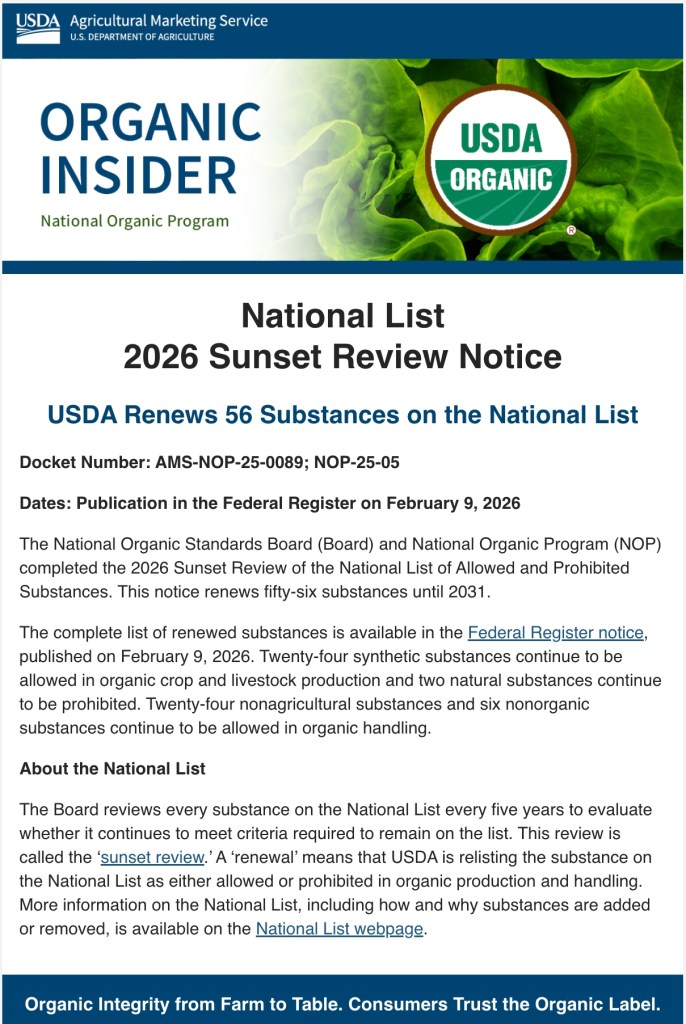
Periodically USDA NOP approved inputs are reviewed and either allowed or prohibited to continue to be used in certified organic system plans.This Sunset Review process involves the NOSB and National Organic Program.