Organic Beef Demand is on the rise!

Organic Beef is Booming: Why Texas Ranchers Should Take Notice

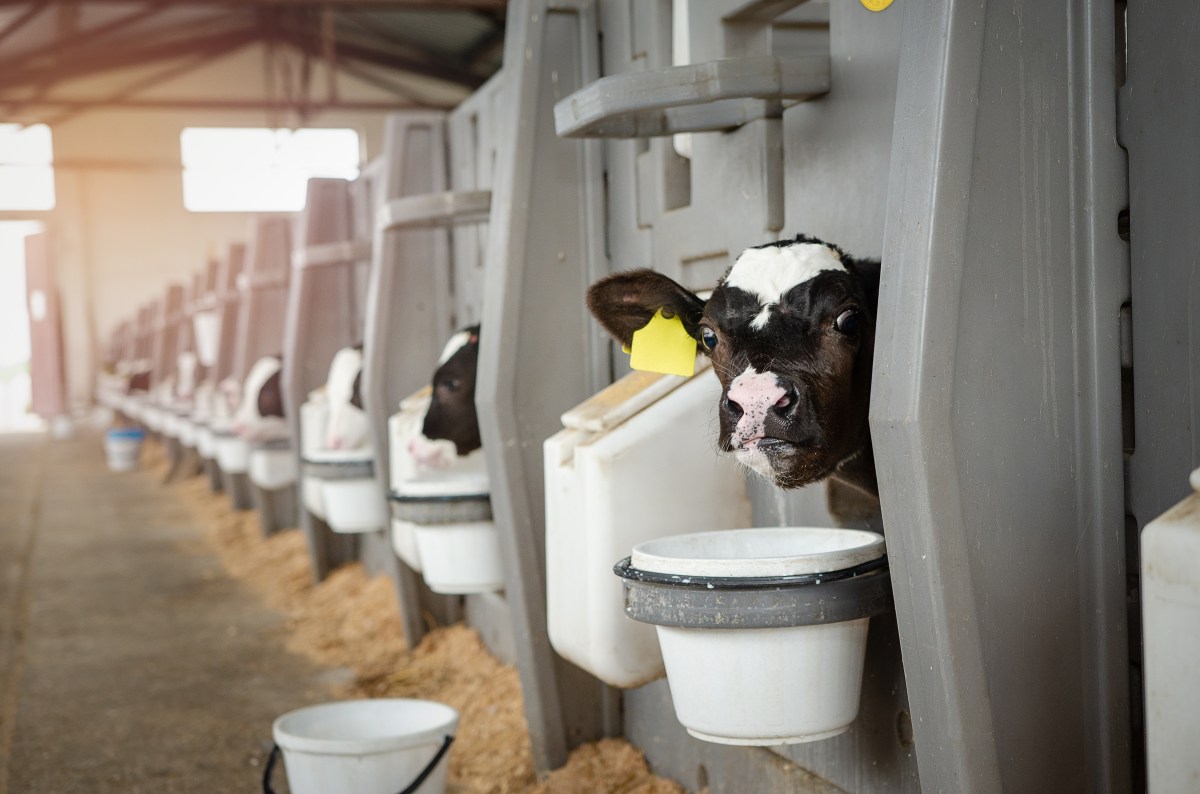
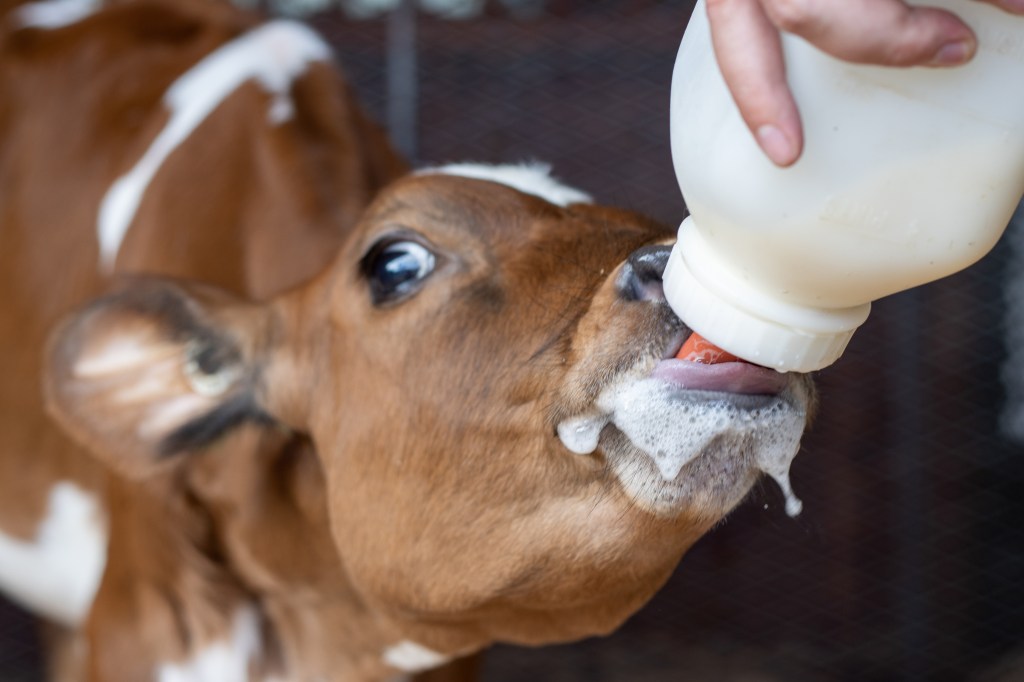
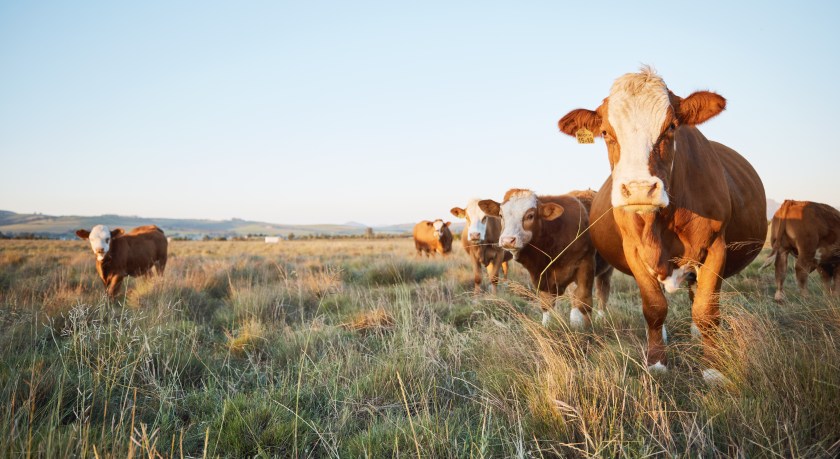
Organic beef is no longer a niche product—it’s a fast-growing category with powerful momentum. According to the Organic Trade Association’s 2024–2025 Organic Market Report, organic beef sales surged 36.7% last year. That’s the highest growth rate of any food category—and the most significant gain in the organic beef market in 20 years.

This demand is fueled by consumers looking for:

  • Clean, hormone- and antibiotic-free protein
  • Animal welfare
  • Environmental stewardship

However, much of this market is currently being supplied by imports—primarily from Australia and Uruguay. That’s where Texas ranchers come in.

Texas Has the Cattle—Now It Has more Processors

Texas leads the nation in cattle production, yet very few certified organic beef operations have emerged in the state. The reason? Lack of access to certified organic meat processing facilities.

That’s now changing.

Two Texas processors are leading the way:

  • All Hale Meats near Wolfforth, close to Lubbock
  • Huse’s Country Meats in Malone, TX (east of Hillsboro)

Huse’s, a long-standing family-owned processor known for quality smoked meats, has recently become certified organic, thanks in part to rancher Larry Widman of Leafy Creek Farm. Larry helped initiate and complete the certification process so he could market his own beef—and he continues to assist other ranchers with organic slaughter scheduling.

To schedule your organic cattle for processing:
📧 widman@leafycreekfarm.com
📱 325-330-2170

Modeling Success: Open Range Beef in Nebraska

Texas ranchers can look to Open Range Beef in Nebraska as a blueprint. Run by Tim Goodnight, this company processes and markets organic beef across multiple channels—from retail and foodservice to private label and club stores. Their success proves that domestic supply chains can work—when producers and processors are aligned.

Contact Tim Goodnight 🌐 openrangebeef.com

Why Texas Is Ideal for Organic Beef

Texas has a unique opportunity:

  • Abundant native rangeland well-suited to low-input, organic grazing
  • Proximity to two certified organic processors
  • A central location to serve local, regional, and statewide markets

With the infrastructure in place, ranchers can now tap into the fastest-growing sector in organic food.

One potential outlet is Pederson’s Natural Farms in Hamilton, TX, known for high-quality natural meats. As supply increases, retailers like Pederson’s—and others—can become key distribution points for Texas-grown organic beef.


Could Tariffs and Trade Changes Open the Door Further?

While Australia and Uruguay currently supply a large share of organic beef imports, this supply chain is vulnerable to:

  • Global trade shifts
  • Export restrictions
  • Increased transportation costs
  • Potential U.S. tariffs on imported meat

As U.S. policymakers and trade organizations review food security and prioritize resilient domestic supply chains, we may see fewer imports and greater opportunities for U.S.-based production. That’s good news for ranchers with the capacity to go organic—and for consumers looking for American-grown, organic, and ethically raised meat.


Next Steps for Ranchers

If you’re in Texas and run a cow-calf, grass-fed, or finished beef operation, now is the time to:

  1. Explore organic certification of your pastures and practices.
  2. Connect with a certified processor like Huse’s or All Hale Meats.
  3. Develop local markets—co-ops, farm stores, health food outlets, and online direct-to-consumer sales.

This isn’t just about beef—it’s about building a more local, more ethical, and more profitable Texas-based food system.

Corn Breeding – Not an Easy Process

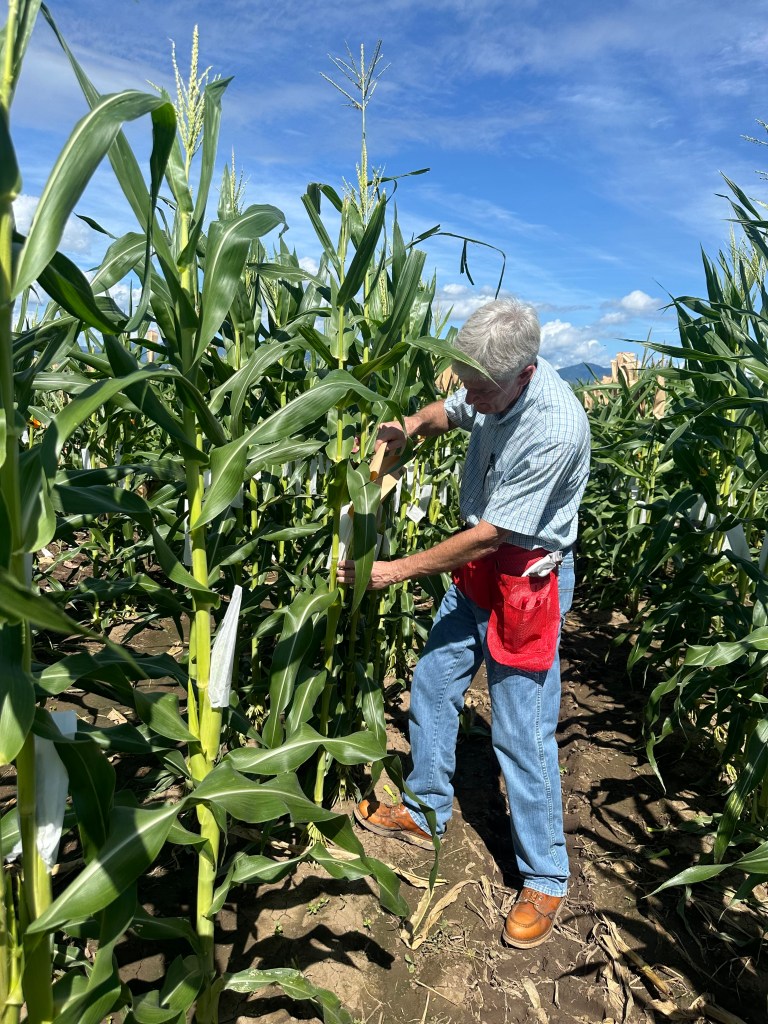
In the world of organic agriculture, the continuous development of improved corn varieties is crucial for addressing the evolving challenges faced by farmers. This November, Dr. Wenwei Xu, a TAMU Research Corn Breeder from Lubbock, and I traveled to work in the Winter Corn Nursery in Ponce, Puerto Rico. Our mission involved carefully collecting pollen from specific corn varieties and crossing them onto the silks of other varieties to produce hybrids for future variety production.

The Winter Corn Nursery plays a vital role in accelerating the breeding process by allowing researchers to conduct additional growing cycles during the off-season. This enables breeders to make faster progress in developing new varieties with desirable traits such as brown mid-rib, improved leaf structure for weed suppression, drought tolerance, high antioxidant production, and enhanced silage production capability. By utilizing winter nurseries, breeders can significantly reduce the time required to bring new, improved varieties to market, ultimately benefiting organic farmers and the agricultural industry as a whole.

The work of corn breeders is essential for advancing organic agriculture and addressing the unique challenges faced by organic farmers. Through careful selection and crossing of varieties with known traits, breeders aim to develop new hybrids that combine multiple desirable characteristics. These efforts result in corn varieties that are better adapted to organic growing conditions, more resilient to pests and diseases, and capable of producing higher yields with improved nutritional profiles. By continually refining and enhancing corn genetics, breeders contribute to the sustainability and productivity of organic farming systems, helping to meet the growing demand for organic products while supporting the long-term viability of organic agriculture.

The Struggle for Organic Integrity: Fraud in Organic Imports Exposed

Photo: GHY International

In recent years, the organic food industry has undergone dramatic growth, becoming a nearly $200 billion global market and projected to exceed $500 billion by 2032. This explosive growth has brought significant benefits but also intensified the challenges of maintaining organic integrity across international borders. With increasing incidents of organic fraud, particularly involving imports, the USDA has introduced stringent new regulations to combat these threats. However, these changes have had significant consequences—both intended and unintended—affecting organic farmers, importers, and ultimately the consumers who rely on the organic label.

Organic Fraud and the Need for Regulatory Change

As the organic industry expanded, so did the instances of fraud. Products labeled as organic but failing to meet standards, such as genetically modified (GM) contamination or falsely certified imports, began to compromise the integrity of the organic market. Reports of fraudulent organic certifications from regions like the Black Sea and India have been on the rise, drawing concern from both regulatory bodies and farmers who follow rigorous organic practices (Dieterle, 2024).

One recent case highlighted these challenges: a consignment of Pakistani organic Basmati rice was found to contain traces of GM elements, a discovery that could be traced back to hybrid seeds imported from China. This contamination threatened consumer confidence, particularly in the European market, where expectations for organic integrity are stringent (The Hindu Businessline, 2024). For U.S. farmers who work tirelessly to uphold organic standards, such incidents cast a shadow over the entire industry, making it crucial for regulators to act.

USDA’s Strengthening Organic Enforcement (SOE) Rules

To address these growing concerns, the USDA implemented the Strengthening Organic Enforcement (SOE) rules in 2023, which took effect in March 2024. These rules are designed to enhance traceability and certification requirements across the organic supply chain. Unlike the previous system, which focused mainly on organic producers and farms, the SOE rules mandate certification for every entity that handles organic products—from farms to distributors, importers, and even transporters (Dieterle, 2024).

The SOE rules have already begun to make an impact. According to the Organic and Non-GMO Report, six months into enforcement, 85% of imported organic goods were compliant with new certification standards. This has helped weed out fraudulent products, particularly those originating from China that were previously imported under false certificates. Companies like Axiom Foods, which specializes in organic rice protein, have seen fraudulent competitors exit the market due to their inability to meet the new standards (Organic and Non-GMO Report, 2024).

The Impact on Wine Importers

While the intention behind the SOE rules is to strengthen the organic supply chain, it has also created significant challenges for certain sectors. The global wine industry, for instance, has faced a compliance crisis under the new rules. Not only must the grapes and the wine itself be certified organic, but now importers and any logistics companies involved must also acquire organic certification. This expansion of certification requirements has caused confusion and increased administrative burdens, particularly for smaller importers who lack the resources to quickly adapt to the new regulations (Dieterle, 2024).

For many wine importers, the lack of direct communication from the USDA about these new requirements added to the confusion. Many only learned of the new rules through frantic messages from their partners or logistics companies. Despite these difficulties, the USDA has made it clear that non-compliance could result in significant fines, pushing smaller players to either comply, pull products off shelves, or drop the organic label—even if the wine was legitimately produced according to organic standards (Dieterle, 2024). Texas organic grape growers can only benefit from these issues and hopefully gain new, long lasting market agreements for their grapes.

Market Shifts and Organic Farmer Concerns

For U.S. organic farmers, the influx of imports—many of which have been under scrutiny for failing to meet proper organic standards—poses a direct threat to their livelihood. Fraudulent organic imports not only dilute the market but can also drive down prices, making it harder for genuinely organic products to compete. With the introduction of the SOE rules, the USDA aims to bring greater transparency to the organic supply chain, restoring confidence in the organic label and, ideally, leveling the playing field for farmers who adhere to the high standards required for certification.

Axiom Foods, for example, saw increased demand for their organic rice protein as a result of stricter enforcement. Food and beverage manufacturers now need to be more diligent in sourcing certified organic ingredients, which has created new opportunities for compliant suppliers from Texas or elsewhere (Organic and Non-GMO Report, 2024).

US Farmers Hope SOE Will Stem the Tide of Cheap Organic Imports

While the SOE rules are making strides in preventing fraud and restoring consumer trust, the implementation challenges highlight the difficulties of regulating a rapidly growing industry that crosses international borders. For now, U.S. organic farmers hope that the strengthened regulations will ultimately reduce fraudulent imports, allowing their genuine products to stand out in an increasingly crowded market.

For the farmers who uphold organic principles, these efforts represent both a challenge and an opportunity. The challenge lies in navigating a complex global marketplace, but the opportunity exists to set a higher standard for organic integrity, benefiting both producers and consumers. As we look ahead, finding ways to support smaller players in the organic market while ensuring compliance remains a critical issue for policymakers and industry leaders alike.

Sources:

  • The Hindu Businessline. (2024). China may have been the source of GMO rice in Pakistan organic Basmati consignment.
  • Dieterle, C. J. (2024). New USDA Organic Rules Put Wine Importers in a Bind. Reason.com.
  • Organic and Non-GMO Report. (2024). New USDA organic fraud rules are working, says organic rice protein supplier. October 2024.

Who Grows Organic Peanuts in the World

Ever wondered where organic peanuts are produced? Examining the global map of certified organic peanut farms reveals some interesting patterns. Countries like China, India, Brazil, Argentina, and Togo are major players in organic peanut production, and the United States also makes significant contributions.

Here’s a breakdown of the acreage dedicated to organic production with an emphasis on peanuts in some important countries:

  • China: Approximately 152,860 acres, with companies like Jilin Jinya Nut Processing Co., Ltd. contributing significantly.
  • India: Various Organic Grower Groups collectively manage over 103,686 acres of organic peanut farms, demonstrating the effectiveness of cooperative farming.
  • Brazil: Around 60,592 acres, with Sambazon do Brasil Agroindustrial Ltda contributing a substantial 60,573 acres.
  • Argentina: About 36,636 acres, with companies like Campos Verdes Argentinos SA and Conosur Foods Argentina SA being key contributors.
  • Togo: 53,325 acres managed by SOYCAIN TRADING SARL U, making it a significant player in West Africa.
  • United States: Numerous family-owned farms collectively contribute over 100,000 acres to organic peanut production, with notable producers one in West Texas managing 9,355 acres.

China’s Contribution

China leads with over 152,000 acres dedicated to organic peanut farming. Companies such as Jilin Jinya Nut Processing Co., Ltd. and Wuqiang County Jiyuan Oil Crop Planting Professional Cooperative are significant contributors. Different regions within China add to this market, but China consumes most of what it produces.

India’s Cooperative Farming

In India, numerous Organic Grower Groups (which have group certification) collectively manage over 103,000 acres. These groups demonstrate how small farmers work together to make a significant impact, collaborating to drive success in organic agriculture while keeping costs down.

Brazil’s Organic Production

In Brazil, Sambazon do Brasil Agroindustrial Ltda has 60,573 acres dedicated to organic production, including a substantial amount of peanuts. This company is not only a leader in Brazil but also one of the largest certified organic producers in the world.

Argentina’s Key Players

Companies like Campos Verdes Argentinos SA and Conosur Foods Argentina SA are significant contributors in Argentina, with combined acreage reaching around 36,000 acres. These farms focus on cotton and peanuts, concentrating in regions suitable for these crops.

Togo’s Role in West Africa

In Togo, SOYCAIN TRADING SARL U manages 53,325 acres, contributing significantly to the global peanut supply from West Africa. It raises questions about how much they export!

Family Farms in the USA

Now, let’s consider the United States. While we may not have single operations as large as those in China or Brazil, the U.S. has a network of family-owned farms that collectively contribute over 100,000 acres to organic production. For example, one Texas farmer manages 9,355 acres, making him one of the prominent certified organic peanut producers in the country.

These farms often represent family legacies in organic agriculture, with names appearing across multiple farms in Texas and elsewhere. This reflects the enduring nature of family farming traditions contributing to the organic peanut industry.

Acknowledging Other Contributors

We might have missed highlighting some of the smaller but important players in the organic peanut industry:

  • Paraguay: Companies like Indugrapa SA and Alemán Paraguayo Canadiense S.A. contribute over 10,760 acres to global organic peanut production.
  • Bolivia: Finca San Carlos manages 3,118 acres, adding to South America’s contribution.
  • Vietnam: Companies like FG Products Company Limited and Hebes Company Limited collectively manage over 8,600 acres.

These contributions, while smaller, are vital to the diversity and resilience of the global organic peanut supply chain.

Bringing It All Together

These peanut producers are essential links in the chain that brings organic products from the farm to your table. Organic begins on the farm and remains so until it is packaged.

Most people don’t consider where their peanuts come from or the journey they take. The majority of these farms are committed to sustainable practices, ensuring that organic integrity is maintained every step of the way. With the recent implementation of Strengthening Organic Enforcement (SOE) rules, the entire value chain—including brokers and even transporters—is now certified to ensure accountability.

Organic Rice Resources

  1. Variety Selection in Organic Rice Production
  2. Importance of Seedling Vigor
  3. Updated Considerations
  4. Rice Variety Research
  5. More Rice Variety Information
  6. Ratoon Rice?
  7. Seed Rice Varieties
  8. Where to Buy Seed Rice
  9. Companies In the Organic Rice Milling Business
  10. Other Resources

In organic production systems, the challenges to producing an economically successful crop are quite different than in conventional systems. Research has shown that the choice of cultivar is one of the most important decisions in determining performance under organic management.

There are many different target markets for rice, including:

  • Standard Milled Long or Medium Grain Rice: Commonly used in everyday cooking.
  • Brown Rice: Retains the bran layer and is considered healthier due to higher fiber content.
  • Aromatic Rice: Varieties such as jasmine and basmati that are valued for their distinctive fragrances. These are being developed by TAMU Rice Researchers and should be available soon.
  • Special Purpose Rice: Includes rice for flour production or colored bran rice, which can be marketed for its unique nutritional or aesthetic qualities.

Understanding the preferences of these markets and identifying outlets for specific types of rice may offer added economic opportunities for growers. For example, there is a growing market for aromatic and colored bran rice due to increasing consumer interest in unique and healthful food options.

In organic production, the use of many conventional seed treatments is prohibited. Therefore, selecting varieties with excellent seedling vigor and seedling quality is crucial. Seedling vigor refers to the ability of seeds to germinate and grow rapidly under field conditions, leading to strong early stand establishment. This is particularly important in organic systems for several reasons:

  • Early Flooding: Strong early growth allows for an early flood, which is a key practice for weed control in rice fields.
  • Weed Competition: Vigorous seedlings can outcompete weeds, reducing the need for mechanical or manual weeding.
  • Disease Resistance: Early and healthy growth can help seedlings better withstand diseases and pest attacks.

Recent advancements and trends in organic rice production emphasize several additional factors:

  • Adaptability to Organic Inputs: Varieties should perform well with organic fertilizers and soil amendments, which release nutrients more slowly than synthetic fertilizers. Varieties developed in organic systems develop beneficial relationships with the microbiome.
  • Disease and Pest Resistance: With fewer pest control options available, selecting varieties that are resistant to common diseases and insects in the 2 rice growing regions is more critical.
  • Environmental Resilience: Varieties that can tolerate local environmental stresses such as drought, salinity, or extreme temperatures are preferred.

By focusing on these updated considerations, organic rice growers can better navigate the unique challenges of organic production and tap into diverse market opportunities, ultimately leading to more successful and sustainable farming operations.

Rice varieties have different yield potentials under organic versus commercial production systems. Cultivars such as Tesanai 2, Rondo, and hybrids have
high yield potential, as demonstrated in a research plot trial conducted in Texas (see picture below). Based on a 5-year (2015 through 2019) organic commercial production survey, the average yield of XL723 (a popular hybrid variety in Texas, used in organic production) was 4,094 pounds per acre, while Presidio’s yield (a popular inbred variety) was only 2,452 pounds per acre. The selection of high yielding rice varieties with tolerance to weeds and diseases is the key to successful organic rice production.

This is the yield performance of 19 rice varieties and germplasm lines grown organically in Beaumont, Texas in 2015 and 2016 at the Rice Research Center.

This rice variety test below was conducted by RiceTec in 2023 on the Chriss Schiurring Farm near Garwood.

The measurements provided (bushels and barrels) are generally for rough rice, which includes the hulls and is the form in which rice is typically harvested and initially processed.

  • Bushel of Rice: A bushel of rough rice typically weighs 45 pounds.
  • Barrel of Rice: A barrel of rough rice is typically defined as weighing 162 pounds.

Ratoon rice production involves harvesting a primary rice crop and then allowing the stubble left in the field to regrow and produce a second crop, known as the ratoon crop. This method leverages the remaining growth potential of the plant to produce an additional harvest without replanting, thereby saving time, labor, and resources. Ratoon cropping can increase overall yield and efficiency, although it typically produces a lower yield than the primary crop.

The average yield of a ratoon rice crop is typically about 50-70% of the main crop’s yield. This reduced yield is due to the limited growth potential and shorter growing period of the ratoon crop compared to the main crop. However, ratoon cropping can still be economically beneficial due to the reduced input costs and labor requirements. In many organic rice production fields, the ratoon crop is the profit crop and makes or breaks the farms success!

Hybrid Rice Varieties

Hybrid rice is produced by crossbreeding two distinct rice plants with the goal of: higher yields, better disease resistance, and greater environmental stress tolerance compared to conventional varieties. Unlike conventional rice, hybrid rice seeds need to be purchased each planting season, as the hybrid traits do not persist in subsequent generations. Additionally, hybrid rice typically requires a lower planting rate (13-22 lbs. per acre or sometimes more in organic systems) due to its vigorous growth and higher productivity. To read more about how hybrid rice is produced click this link: Hybrid Rice Breeding

RiceTec XL723

For a decade now, XL723 has delivered unsurpassed value through its combination of high yield and outstanding milling yields. Long grain rice. XL723 should be harvested at 18%-20% moisture at first drydown to help maximize grain quality and grain retention.

  • Superior milling yield
  • Ideal for straighthead-prone soils
  • Excellent ratoon potential
  • Great fit for organic cultivation

RiceTec XP753

Up until 2023, XP753 was the highest-yielding long-grain rice available, providing the greatest net income potential of any competitive rice product. XP753 should be harvested at 18%-20% moisture at first drydown to help maximize grain quality and grain retention.

  • Protected by RiceTec’s superior disease package
  • Improved grain retention
  • Excellent ratoon potential

RiceTec RT7301

Introduced in 2020, RT7301 represents an evolution of RiceTec traditional rice products, capturing the best attributes of XP753 a long grain rice. RT7301 should be harvested at 18%-20% moisture at first drydown to help maximize grain quality and grain retention.

  • Very high yield potential
  • Protected by RiceTec’s superior disease package
  • Improved grain retention

RiceTec RT7302

New in 2023, RT7302 represents the next breeding evolution of RiceTec traditional rice products, capturing the best in yield and grain quality. RT7302 will raise the bar for yield among the RiceTec portfolio of long grain rice. RT7302 be harvested at 18%-20% moisture at first drydown to help maximize grain quality and grain retention.

  • high yield potential
  • Protected by RiceTec’s superior disease package
  • high grain quality
  • 25% amylose content* for a more separate cooked product

*Amylose content in rice refers to the amount of amylose, a type of starch, present in the grains. Rice with intermediate amylose content (typically 20-25%) tends to have a balanced texture—neither too sticky nor too dry. This makes it versatile for a variety of culinary uses, providing a satisfactory chewiness without being overly firm or sticky.

RiceTec RT3202

RT3202 is a medium grain rice.

  • Early maturity (110 days)
  • High yield hybrid potential
  • Average ratoon potential

Conventional and/or Inbred Rice Varieties (non-hybrid)

Conventional rice varieties are traditional types of rice that are open-pollinated and can be replanted each season from harvested seeds (there are laws regulating saving some seed varieties, click to read more). They are important for maintaining genetic diversity, which helps ensure crop resilience against diseases and pests. Additionally, they often have unique flavors and qualities prized in local cuisines and cultural practices. Planting rates are in the range of 60-80 or even to 120 lbs. per acre. Check with your sales representative or agronomist. Organic seeding rates can be up to 1.5 times more.

You may see the term “inbred.” Inbred rice varieties are those developed through self-pollination over multiple generations to achieve a stable, uniform genetic makeup. Unlike hybrid varieties, which are produced by crossbreeding different parent lines, inbred varieties maintain consistent traits across generations when their seeds are replanted. They are often valued for their stability, specific traits, and adaptability to local growing conditions.

Dyna-Gro DG245L

Semi-dwarf, early maturing, long-grain variety with exceptional milling yields and grain quality. Medium plant height of 36 inches and great stalk strength for lodging resistance and storm tolerance. Very stable yields in five years of research with excellent ratoon crop potential. Intermediate gel temperature* and intermediate amylose content.

*Gel temperature refers to the temperature at which the rice starch granules gelatinize or become sticky during cooking. Rice varieties with intermediate gel temperature generally produce grains that are soft but not mushy when cooked, offering a desirable texture that balances between firmness and tenderness.

Dyna-Gro DG263L

High yielding long grain variety with excellent quality with excellent disease package including blast and smuts. Plant height and stalk strength for lodging resistance and storm tolerance with a proven field performance. Uniform grain size and very good miller (58/69). Lower seeding rates than most varieties (45-65 lbs. per acre).

Dyna-Gro DG353M

High yielding medium grain variety with excellent quality with uniform grain size and a very good miller (60/70). Great standability and favorable plant height (36 inches). Very stable yields in four years of research. Lower seeding rate (50-75 lbs. per acre) than other conventional medium grain inbreds.

Horizon Ag CL153

CL153 is an early, semi-dwarf, long-grain Clearfield rice variety developed by the LSU AgCenter H. Rouse Caffey Rice Research Station. Known for its excellent yield potential and high head rice yields with minimal chalkiness, CL153 offers several agronomic advantages. It has a yield potential comparable to or slightly below that of CL151 but with better lodging resistance. The variety also features excellent grain length, translucency, and whole milled rice output, meeting industry standards.

In terms of disease resistance, CL153 is moderately susceptible to blast, Cercospora, bacterial panicle blight, and straighthead, but it is susceptible to sheath blight. It carries the Pita gene, providing broad-spectrum resistance to common blast races in the southern USA. This makes it a robust choice for growers seeking a variety with good disease management traits.

Horizon Ag CLL16

CLL16 is a long-grain, conventional height, Clearfield rice variety developed by the University of Arkansas System Division of Agriculture. It boasts excellent yield potential and stability, maintaining strong yields even with later planting dates. The variety has excellent seedling vigor and is a few inches taller than typical Louisiana Clearfield varieties, but it is moderately resistant to lodging.

CLL16 features the Pita gene (not a GMO), providing strong resistance to blast, and the CRSP2.1 gene (not a GMO), offering resistance to narrow brown leaf spot. It is moderately susceptible to Cercospora infection on the stem, sheath blight, and bacterial panicle blight. However, milling yields and ratoon potential are observed to be lower than other some other varieties.

Organic rice farmers looking for a reliable variety will find CLL16 to be a strong contender due to its consistent performance, high milling quality, and industry-leading blast resistance. In university tests, CLL16 has shown good rough rice yields, averaging higher than the Diamond variety, making it a comprehensive choice for rice farmers.

Horizon Ag CLL18

CLL18 is a long-grain, conventional height Clearfield rice variety developed by the University of Arkansas System Division of Agriculture. It boasts excellent yield potential and stability, maintaining strong yields even with later planting dates. With excellent seedling vigor, CLL18 is slightly taller than typical Louisiana Clearfield varieties but is moderately resistant to lodging. However, its milling yields are observed to be lower than other Clearfield varieties.

CLL18 does not contain the Pita blast resistance gene and is moderately susceptible to blast, making it less suitable for areas prone to this disease. It does contain the CRSP2.1 gene, providing resistance to narrow brown leaf spot, but is moderately susceptible to Cercospora infection on the stem, sheath blight, and bacterial panicle blight. Despite these susceptibilities, CLL18 has consistently outyielded CLL16 by about 5% in Arkansas trials. Its earlier maturity makes it a good planting partner with CLL16, allowing farmers to stagger their harvests effectively.

Stratton Jupiter

A short-season, semi-dwarf, medium grain with excellent yield potential and milling quality. It is a small grain size but has moderate resistance to bacterial panicle blight.

Stratton Titan

Titan is a very early, short-stature, medium-grain rice variety known for its excellent yield potential, often comparable to or better than Jupiter. It matures about a week earlier than Jupiter and is similar in height. Titan has a preferred large grain size but is moderately susceptible to blast and bacterial panicle blight. It is important to harvest Titan at the correct moisture level, as milling yields drop off significantly when harvested at lower moisture. This short-season variety is valued for its robust performance and high yield potential.

Stratton Cheniere

A short-season, semi-dwarf long grain with excellent yield potential and milling quality comparable to Cypress. An early, high-yielding, high-quality, rice variety with, good lodging resistance and moderate resistance to straighthead. It is moderately susceptible to blast and bacterial panicle blight and susceptible to sheath blight and Cercospora. The variety displays excellent grain quality characteristics, has a higher amylose content and cooks less sticky than typical U.S. long grains.

Stratton Jewel

A mid-season long grain variety with good yield potential and milling yield. Susceptible to straighthead. Moderately susceptible to sheath blight, blast, Cercospora, false smut and lodging. Moderately resistant to bacterial panicle blight.

Stratton Diamond

A mid-season, long-grain variety with excellent yield potential and good milling quality. Very good straw strength. Susceptible to blast and sheath blight, moderately susceptible to bacterial panicle blight. Very susceptible to false smut

RiceTec Seed

  • https://www.ricetec.com/
  • PO Box 1305, Alvin, TX 77512
  • Office: 281.756.3300
  • Fax: 281.393.3532
  • Email: CustomerService@ricetec.com
  • Joe Pankey, Regional Business Innovation Agronomist
  • Cell: 318.381.3280
  • Email: jpankey@ricetec.com
  • Derrol Grymes, Region 15 Sales
  • Cell: 281.381.9371
  • Email: dgrymes@ricetec.com
  • Craig Hamm, Region 14 Sales
  • Cell: 281.387.7247
  • Jeff Mosley, Regional Sales
  • Cell: 662.719.1034

Dyna-Gro Seed

  • https://dynagroseed.com/
  • Nutrien Ag Solutions, El Campo
  • 676 Country Road 324, El Campo
  • Dr. Qiming Shao, Rice Breeder
  • Office: 979.541.3912
  • Nutrien Ag Solutions, Wharton
  • 1015 Nelson Lane, Wharton
  • Office: 979.532.2371

Horizon Ag Seed

  • https://www.horizonseed.com/
  • 8275 Tournament Dr., Suite 255, Memphis, TN 38125
  • Office: (866) 237-6167
  • Office: (901) 818-3070
  • Fax: (901) 818-3117
  • Email: info@horizonseed.com
  • Hunter Brown, District Field Representative
  • Email: hbrown@horizonseed.com
  • Cell: 337.546.7288

Stratton Seed

  • https://gostrattonseed.com/
  • 1530 HWY 79 South, Stuttgart, AR 72160
  • Office: 800.264.4433
  • Keith Hammer, Sales Manager – Arkansas, Texas, Oklahoma
  • Cell: 501-326-3845
  • Email: khammer@strattonseed.com

Doguet’s Rice Milling

  • https://www.doguets.com/
  • 795 S. Major Drive, Beaumont, Texas 77707
  • Email: doguets@doguets.com
  • Office: 409.866.2297
  • Fax: 409.866.1646

Gulf Pacific Rice Milling

  • http://gulfpac.com/
  • 12010 Taylor Road, Houston, Texas 77041
  • Office: 713.464.0606
  • Fax: 713.467.0325
  • Email: gpsales@gulfpac.com

McKaskle Family Farm

Harvest Grain Mills

The Future of Organic Viticulture: Embracing Fungus Resistant Grape Varieties in Texas

The global wine industry is witnessing a pivotal shift towards organic practices, a trend strongly reflected in the Lone Star State. Although Texas’s organic grape production is currently led by only 3 farmers cultivating over 200 acres, this growing segment is set to change the Texas wine landscape. This rise in organic viticulture, coupled with an increasing consumer interest in organic wines over the last decade, sets the stage for a deeper exploration of innovative solutions like Fungus Resistant Grape (FRG) varieties.

Why Organic? The Texas Perspective

In Texas, where the climate varies from the arid conditions of the High Plains to the humid Gulf Coast, viticulturists face a unique set of challenges. Disease pressure, particularly from fungal pathogens, is a significant concern that can compromise grape quality and yield. Herein lies the importance of FRG varieties, which offer hope for organic viticulture in Texas and similar environments. The adoption of these disease-resistant varieties can not only enhance the sustainability of vineyards but also align with the growing consumer demand for wines produced “environmentally friendly.” There is a tremendous amount of evidence that the organic label has a huge and growing recognition with consumers, and they are buying organic at an ever-increasing rate.

The Organic Wine Boom

Nationally and globally, the last decade has seen a marked increase in interest and sales of organic wines. Consumers are increasingly drawn to organic labels, not just for the perceived health benefits but also for their environmental impact. This shifting preference underscores the need for viticulture practices that prioritize ecological balance and sustainability. In Texas, where the wine industry is as dynamic as it is diverse, the integration of FRG varieties into organic viticulture holds the promise of meeting this demand while addressing the agronomic challenges of organic grape production.

Disease Resistance: A Game-Changer for Organic Viticulture

In past research FRG varieties such as Regent and many others have demonstrated remarkable resilience against fungal diseases that commonly afflict vineyards, reducing the reliance on fungicides and thus supporting organic farming principles (Pedneault and Provost, 2016). The most common Fungus-Resistant Grape (FRG) varieties grown and sold today include:

Regent

  1. Regent: Developed in Germany, Regent is popular in cooler wine regions due to its resistance to both downy and powdery mildew. It produces red wines with deep color and robust flavors.
  2. Marechal Foch: An early-ripening variety known for its resistance to several grape diseases, including downy mildew. It is used to make a range of wines from light reds to rich, full-bodied wines with dark fruit flavors.
  3. Seyval Blanc: This variety is resistant to powdery mildew and is versatile in winemaking, used for producing everything from sparkling wines to well-balanced still whites.
  4. Solaris: Bred in Sweden, Solaris is resistant to most fungal diseases and is suitable for organic viticulture. It produces aromatic white wines with high acidity and tropical fruit flavors.
  5. Marquette: A cold-hardy variety developed by the University of Minnesota, Marquette is resistant to downy and powdery mildew and produces medium-bodied red wines with notes of cherry, blackberry, and spices.
  6. Camminare Noir: developed by the University of California, Davis, as part of their breeding program for disease-resistant grapes, is a hybrid cross between a Vitis vinifera wine grape variety (94%) and American species known for their disease resistance. It is highly resistant to Pierces disease (PD), powdery mildew and downy mildew, making it particularly well-suited for regions where these fungal diseases are significant challenges.
  7. Crimson Cabernet: developed by David and Ann Munson in Missouri, USA, is a hybrid of Norton (Vitis aestivalis, native to North America) and Cabernet Sauvignon. Bred specifically for cold climates, it offers excellent resistance to PD and to fungal diseases, including black rot and mildews. Norton contributes exceptional disease resistance and cold hardiness, while Cabernet Sauvignon imparts high wine quality and a recognizable flavor profile.
  8. Paseante Noir: Produces wines similar to Pinot Noir, offering a light to medium body with delicate fruit flavors and good structure. It is resistant to Pierce’s Disease and moderately resistant to fungal diseases like powdery mildew. This variety is ideal for warmer regions with high PD pressure but performs well in less disease-prone areas too.
  9. Errante Noir: Produces full-bodied red wines reminiscent of Syrah, with rich fruit flavors, good tannin structure, and aging potential. It combines strong resistance to Pierce’s Disease with moderate fungal resistance, making it an excellent option for growers in hot climates with heavy PD pressure.
  10. Ambulo Blanc: White variety that resembles Sauvignon Blanc in its crisp acidity, citrus notes, and fresh aromatics. It offers high resistance to Pierce’s Disease and moderate fungal resistance, making it suitable for humid, warm regions where white grape production is challenging.
  11. Caminante Blanc: Produces wines akin to Chardonnay, with balanced acidity and flavors of apple, pear, and subtle oak when barrel aged. It is highly resistant to Pierce’s Disease and moderately resistant to fungal pathogens, thriving in regions with significant PD pressure while supporting premium white wine production.

Regarding the use of FRG varieties in Texas, these varieties could translate to lower production costs, reduced environmental impact, and the potential for higher yields—key factors in the sustainability equation of organic viticulture. However, Texas’s diverse climate and the presence of various grape diseases make the state a potential area for adopting FRG varieties. The interest in sustainable and organic viticulture in Texas, along with the challenges posed by fungal diseases, suggest that FRG varieties could offer valuable solutions for Texan vineyards looking to reduce chemical inputs and manage disease more effectively.

Taste the Difference: The “Organoleptic” Advantage

Beyond the agronomic benefits, the organoleptic qualities (fancy word for a food or wine that stimulates our sense of taste or smell) of wines produced from FRG varieties offer a great argument for their adoption. Initial tastings and analyses reveal that these wines can compete with, if not exceed, the sensory profiles of wines made from traditional grape varieties (ones demanded now because they are considered superior). The promise of rich, complex flavors, coupled with the environmental benefits of organic viticulture, presents a compelling value proposition to consumers and wine “connoisseurs” alike. FRG varieties can change the industry for the better if allowed to by the very industry keeping them out!

Looking Ahead: Organic Viticulture in Texas

The growth of organic grape production in Texas, though in its early stages, is indicative of a broader trend towards sustainable viticulture practices. As the interest in organic wines continues to surge, the role of FRG varieties in enabling eco-friendly and economically viable grape production becomes increasingly significant. For Texas, a state known for its agricultural innovation and resilience, the adoption of FRG varieties and increase in organic viticulture could mean a significant change for the Texas wine industry—one that is sustainable, flavorful, and aligned with the increasing global shift towards organic production.

The trends surrounding Fungus-Resistant Grape (FRG) varieties reflect an intersection of sustainability, consumer preferences, and technological advancements. These trends are shaping the future of viticulture and winemaking, positioning FRG varieties as a pivotal innovation in the industry. Here are some key trends:

1. Increased Adoption in Organic Viticulture

FRG varieties are gaining traction among organic vineyards due to their inherent resistance to common fungal diseases, which reduces the need for synthetic chemical treatments.

2. Consumer Awareness and Acceptance

There’s a growing awareness among consumers about the environmental and health impacts of pesticide use in agriculture. As a result, wines produced from FRG varieties are increasingly seen as a healthier and more sustainable option. However, consumer acceptance varies, with a large segment of the market very cautious about genetically modified organisms (GMOs). FRG varieties are mostly being developed through traditional breeding methods rather than genetic engineering making them attractive to organic growers and consumers.

3. Technological Advancements in Breeding

Advances in breeding technologies, including genetic mapping and marker-assisted selection (these are approved organic practices), have significantly improved the quality and disease resistance of FRG varieties. These technological advancements enable the development of new varieties that retain the desired sensory qualities of traditional Vitis vinifera grapes while incorporating disease resistance from other grape species.

4. Regulatory and Policy Shifts

Changes in regulations and policies are influencing the adoption of FRG varieties. Some European regions are recognizing the benefits of these grapes in reducing chemical inputs and are adjusting regulations to support their use. Additionally, there’s a push for clearer labeling practices to inform consumers about the sustainable attributes of wines made from FRG varieties, especially organically produced FRG varieties!

5. Economic and Environmental Sustainability

The economic benefits of adopting FRG varieties are becoming more apparent to growers, including reduced costs associated with disease management and potential for higher yields due to decreased disease pressure.

6. Focus on Quality and Sensory Profiles

Initially, concerns existed about the sensory qualities of wines made from FRG varieties. However, ongoing research and development efforts focus on breeding FRG varieties that produce high-quality wines, comparable to those made from traditional grape varieties. This includes optimizing viticultural practices and winemaking techniques to enhance the sensory profiles of FRG wines.

7. Collaborative Research and Development

There’s a trend towards collaborative efforts among research institutions, breeders, and the wine industry to develop and promote FRG varieties. These collaborations aim to pool resources and knowledge to address the challenges of climate change, disease pressure, and sustainability in viticulture.

In summary, the trends for FRG varieties are driven by a confluence of sustainability concerns, technological innovations, and evolving consumer preferences. These trends highlight the growing importance of FRG varieties in the future of sustainable winemaking and organic viticulture.

As we witness the expansion of organic viticulture in Texas, the future of wine production appears promising. With each vineyard turning to Fungus Resistant Grape varieties, we edge closer to a wine industry that is not only kinder to the planet but also offers wines of exceptional quality and taste. The path forward for Texas and the wine world at large is clear: embracing organic practices and the innovative potential of FRG varieties is not just a trend, but the future of sustainable viticulture.

Source: Pedneault, K., & Provost, C. (2016). Fungus Resistant Grape Varieties as a Suitable Alternative for Organic Wine Production: Benefits, Limits, and Challenges. Scientia Horticulturae, 208, 57-77.

Here is an article from Florida by way of resistant grape varieties from UC-Davis. It follows along the lines of my blog here.

Disease-resistant wine grapes could be boon for Florida’s viticulture

Resources for Organic (click to view)