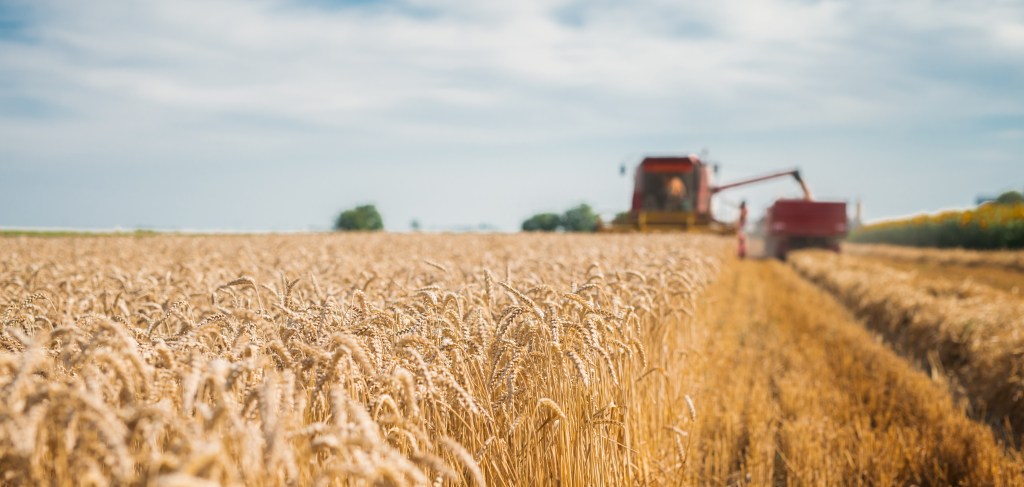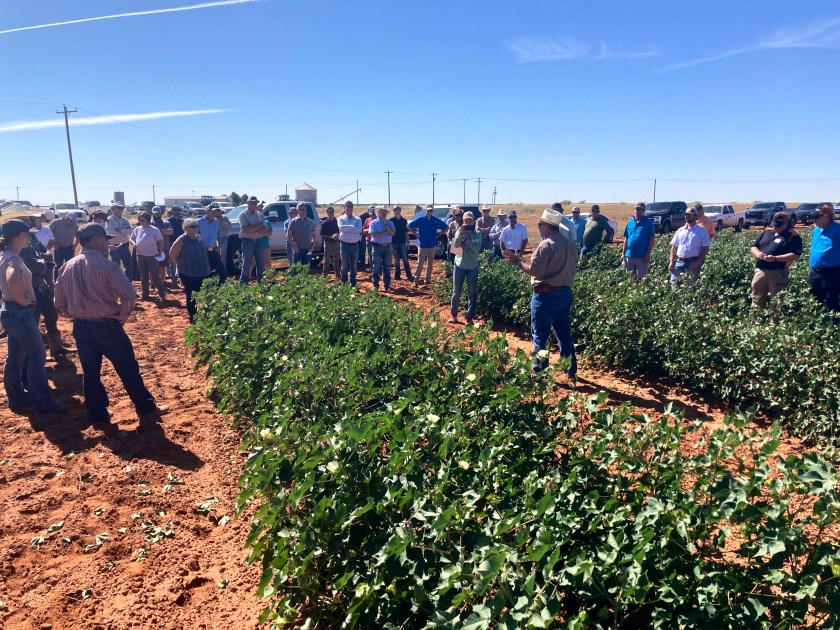
Breeding Better Organic Wheat: Traits That Matter for Organic and Regenerative Farms

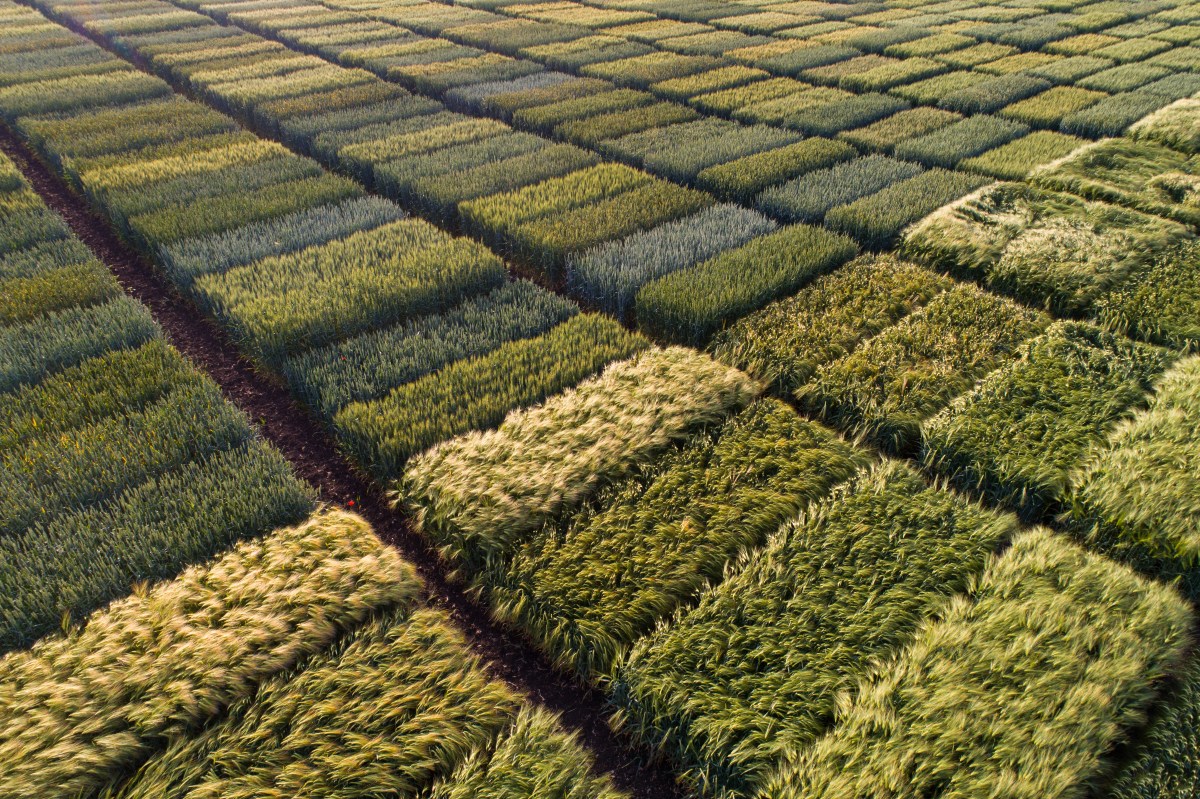
As organic acreage grows across Texas and the U.S., it’s time we ask an important question: What traits do organic and regenerative wheat producers actually need in a variety?

The answer isn’t just about yield—it’s about resilience, efficiency, and the ability to thrive without synthetic inputs. Whether you’re an organic farmer relying on compost and cover crops or a regenerative grower working to build soil carbon and ecological health, wheat varieties bred for conventional systems often fall short. Here’s a breakdown of some critical traits we should prioritize in organic wheat variety development—and why they matter.

1. Strong Coleoptile and Deep Emergence

In dryland and low-input systems, farmers often plant deeper to chase moisture and to enable mechanical weed control like a rotary hoe. That practice demands wheat with a longer, stronger coleoptile—the protective sheath that helps the shoot push through soil. Many modern semi-dwarf wheats can’t make that journey from 2 to 3 inches deep. Instead, we need varieties with alternative dwarfing genes (like Rht8) or taller, lodging-resistant lines that emerge powerfully and uniformly even under crusted or variable moisture conditions.

Why it matters: Deep emergence helps ensure a strong start under tough conditions—especially important in organic systems where chemical seed treatments and quick-acting herbicides aren’t an option.

2. Broad-Spectrum Disease Resistance

Organic growers don’t have many options to clean up a bad wheat infection. That’s why durable, multi-pathogen resistance is a non-negotiable trait in organic wheat breeding. We need lines that can hold up against stripe rust, leaf rust, stem rust, Fusarium head blight, and barley yellow dwarf virus—especially in diverse rotations that include organic corn or sorghum.

Why it matters: Disease pressure isn’t just about yield—it also affects food safety (mycotoxins) and grain marketability. Genetic resistance is the organic grower’s best line of defense.

3. Microbiome-Friendly Roots and Efficient Nutrient Use

One of the quiet revolutions in organic systems is how we manage fertility through biology—not bags of synthetic nitrogen. The root-microbe relationship is central to that. We need wheat that partners well with beneficial microbes like mycorrhizal fungi and plant-growth-promoting rhizobacteria (PGPRs), especially for phosphorus and nitrogen uptake.

Traits like deep, fibrous root systems, high root exudation of sugars, enhanced nitrate transporter activity, and better nitrogen remobilization during grain fill could help wheat thrive in compost- and cover crop-based fertility systems.

Why it matters: Better nutrient use efficiency means stronger growth, better yields, and lower costs—without synthetic inputs.

4. Early Vigor and Weed Suppression

Weeds remain one of the most stubborn and expensive challenges in organic wheat production. Varieties that germinate quickly, tiller early, and develop dense leaf canopies can choke out weeds before they become a problem. Even row spacing and planting patterns can influence early shading and weed pressure.

Why it matters: A wheat variety that can suppress weeds is like adding a layer of insurance to your management strategy. It’s also a cornerstone of regenerative systems that seek to reduce tillage and maintain ground cover.

5. Grain Quality That Meets Market Needs

Organic grain buyers are looking for more than just “certified organic” on the label. They want wheat that meets or exceeds conventional food-grade quality benchmarks: high protein, strong gluten, low DON (vomitoxin) levels, and even enhanced nutritional traits like zinc, selenium, or antioxidant levels.

There’s also room to breed for emerging markets—heritage wheats, lower-gluten lines for sensitive consumers, or varieties with higher polyphenol and mineral content.

Why it matters: Organic wheat that delivers consistent quality keeps buyers coming back—and supports a fair price for growers.

Building a Breeding Program That Serves Organic and Regenerative Agriculture

Organic and regenerative agriculture aren’t “alternative” anymore—they’re growing sectors with distinct needs. Yet most wheat breeding is still tailored to high-input systems. It’s time to run trials under organic conditions, invite organic advisors into the selection process, and actively pursue traits that benefit biologically based systems.

Breeding for organic systems isn’t just good for organic farmers. It’s good for all farmers looking to reduce inputs, build resilient cropping systems, and respond to environmental and consumer demands.

Texas Organic Agriculture Surges Forward with National Recognition

TOPP Impact Report Underscores Texas Leadership in Organic Milk, Cotton, and Peanuts

As national organic food sales soar past $71 billion, Texas is emerging as a dominant force in organic agriculture, bolstered by strategic investment from the USDA’s Transition to Organic Partnership Program (TOPP). According to TOPP’s newly released 2024 Impact Report, over 3,800 new operations have been certified nationwide, and Texas producers are taking the lead in organic innovation, acreage growth, and market share.

Texas is now home to more than 448 certified organic farms and over 611 organic handlers, producing across 580,000 acres in at least 88 counties. The Lone Star State ranks No. 1 nationally in organic milk, cotton, and peanut production — a testament to the state’s diversified and growing organic economy.

In 2019, Texas organic agriculture generated $424 million in sales and nearly $939 million in total economic output. By 2025, projections indicate the sector will contribute more than $1.4 billion in statewide economic output and support nearly 12,500 jobs, with a compound annual growth rate of 7% that mirrors national trends.

“Texas isn’t just keeping up—we’re leading,” said Bob Whitney, Organic Program Specialist with Texas A&M AgriLife Extension. “From dairy and peanuts in the west to vegetables and rice in the south and east, organic producers across Texas are creating real jobs, feeding local communities, and demonstrating what’s possible when farmers get the support they need.”

TOPP, launched in 2022 as part of the USDA Organic Transition Initiative, has helped hundreds of producers nationwide navigate the complex path to organic certification through mentorship, technical assistance, and community networks. Texas producers have benefited through local TOPP training events, bilingual outreach, and one-on-one mentoring that is helping new farmers transition more successfully and more sustainably.

As part of the six-region national framework, TOPP’s Southwest region includes a coalition of regional organizations and universities—including Texas A&M AgriLife Extension—that provide tailored support to Texas producers. Nationally, more than 260,000 acres have been added to certified organic production through the program’s efforts.

Texas’s success stands out even as some regions of the U.S. experience flat or declining organic acreage. Experts credit the state’s focused approach—blending grassroots mentoring, university-led research, and Extension outreach—for enabling sustainable growth.

TOPP’s report also highlights growing consumer demand: 88% of Americans recognize the USDA Organic label, and nearly 60% believe it justifies higher prices, creating strong economic incentives for Texas farmers to meet that demand domestically.

“TOPP is about more than transitioning farms—it’s about building community, restoring soil, and securing food systems,” said Whitney. “And here in Texas, it’s working.”

To learn more:
Full report: https://organictransition.org/impact-report

Organic Beef Demand is on the rise!

Organic Beef is Booming: Why Texas Ranchers Should Take Notice

Organic beef is no longer a niche product—it’s a fast-growing category with powerful momentum. According to the Organic Trade Association’s 2024–2025 Organic Market Report, organic beef sales surged 36.7% last year. That’s the highest growth rate of any food category—and the most significant gain in the organic beef market in 20 years.

This demand is fueled by consumers looking for:

  • Clean, hormone- and antibiotic-free protein
  • Animal welfare
  • Environmental stewardship

However, much of this market is currently being supplied by imports—primarily from Australia and Uruguay. That’s where Texas ranchers come in.

Texas Has the Cattle—Now It Has more Processors

Texas leads the nation in cattle production, yet very few certified organic beef operations have emerged in the state. The reason? Lack of access to certified organic meat processing facilities.

That’s now changing.

Two Texas processors are leading the way:

  • All Hale Meats near Wolfforth, close to Lubbock
  • Huse’s Country Meats in Malone, TX (east of Hillsboro)

Huse’s, a long-standing family-owned processor known for quality smoked meats, has recently become certified organic, thanks in part to rancher Larry Widman of Leafy Creek Farm. Larry helped initiate and complete the certification process so he could market his own beef—and he continues to assist other ranchers with organic slaughter scheduling.

To schedule your organic cattle for processing:
📧 widman@leafycreekfarm.com
📱 325-330-2170

Modeling Success: Open Range Beef in Nebraska

Texas ranchers can look to Open Range Beef in Nebraska as a blueprint. Run by Tim Goodnight, this company processes and markets organic beef across multiple channels—from retail and foodservice to private label and club stores. Their success proves that domestic supply chains can work—when producers and processors are aligned.

Contact Tim Goodnight 🌐 openrangebeef.com

Why Texas Is Ideal for Organic Beef

Texas has a unique opportunity:

  • Abundant native rangeland well-suited to low-input, organic grazing
  • Proximity to two certified organic processors
  • A central location to serve local, regional, and statewide markets

With the infrastructure in place, ranchers can now tap into the fastest-growing sector in organic food.

One potential outlet is Pederson’s Natural Farms in Hamilton, TX, known for high-quality natural meats. As supply increases, retailers like Pederson’s—and others—can become key distribution points for Texas-grown organic beef.


Could Tariffs and Trade Changes Open the Door Further?

While Australia and Uruguay currently supply a large share of organic beef imports, this supply chain is vulnerable to:

  • Global trade shifts
  • Export restrictions
  • Increased transportation costs
  • Potential U.S. tariffs on imported meat

As U.S. policymakers and trade organizations review food security and prioritize resilient domestic supply chains, we may see fewer imports and greater opportunities for U.S.-based production. That’s good news for ranchers with the capacity to go organic—and for consumers looking for American-grown, organic, and ethically raised meat.


Next Steps for Ranchers

If you’re in Texas and run a cow-calf, grass-fed, or finished beef operation, now is the time to:

  1. Explore organic certification of your pastures and practices.
  2. Connect with a certified processor like Huse’s or All Hale Meats.
  3. Develop local markets—co-ops, farm stores, health food outlets, and online direct-to-consumer sales.

This isn’t just about beef—it’s about building a more local, more ethical, and more profitable Texas-based food system.

Corn Breeding – Not an Easy Process

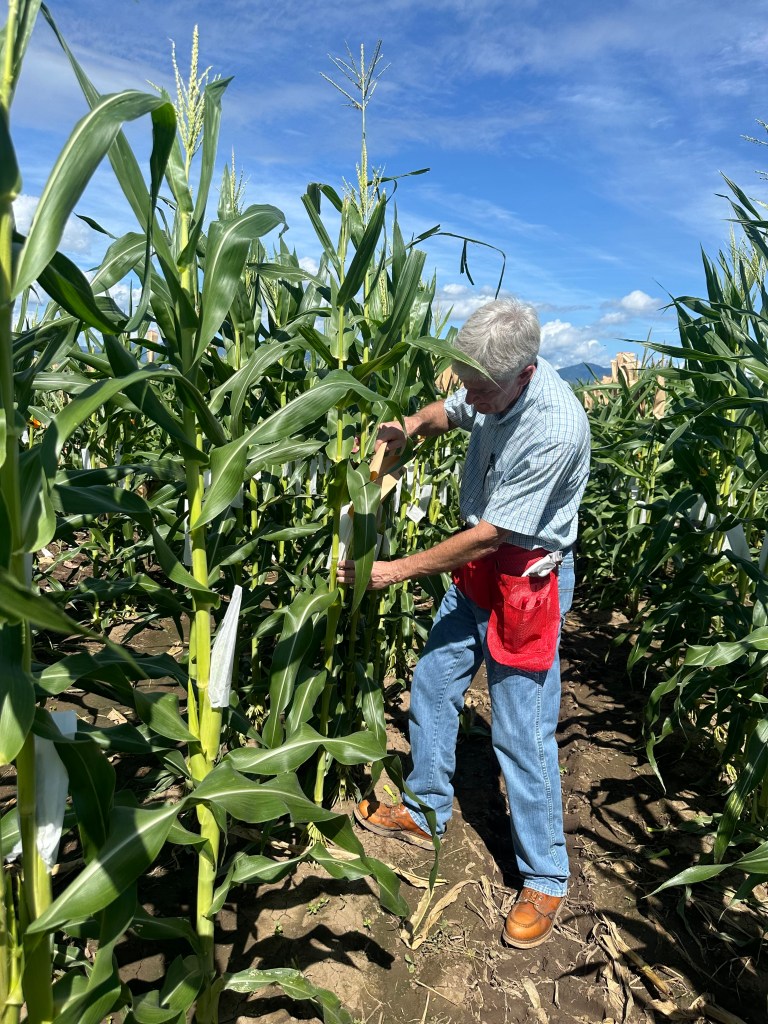
In the world of organic agriculture, the continuous development of improved corn varieties is crucial for addressing the evolving challenges faced by farmers. This November, Dr. Wenwei Xu, a TAMU Research Corn Breeder from Lubbock, and I traveled to work in the Winter Corn Nursery in Ponce, Puerto Rico. Our mission involved carefully collecting pollen from specific corn varieties and crossing them onto the silks of other varieties to produce hybrids for future variety production.

The Winter Corn Nursery plays a vital role in accelerating the breeding process by allowing researchers to conduct additional growing cycles during the off-season. This enables breeders to make faster progress in developing new varieties with desirable traits such as brown mid-rib, improved leaf structure for weed suppression, drought tolerance, high antioxidant production, and enhanced silage production capability. By utilizing winter nurseries, breeders can significantly reduce the time required to bring new, improved varieties to market, ultimately benefiting organic farmers and the agricultural industry as a whole.

The work of corn breeders is essential for advancing organic agriculture and addressing the unique challenges faced by organic farmers. Through careful selection and crossing of varieties with known traits, breeders aim to develop new hybrids that combine multiple desirable characteristics. These efforts result in corn varieties that are better adapted to organic growing conditions, more resilient to pests and diseases, and capable of producing higher yields with improved nutritional profiles. By continually refining and enhancing corn genetics, breeders contribute to the sustainability and productivity of organic farming systems, helping to meet the growing demand for organic products while supporting the long-term viability of organic agriculture.

The Struggle for Organic Integrity: Fraud in Organic Imports Exposed

Photo: GHY International

In recent years, the organic food industry has undergone dramatic growth, becoming a nearly $200 billion global market and projected to exceed $500 billion by 2032. This explosive growth has brought significant benefits but also intensified the challenges of maintaining organic integrity across international borders. With increasing incidents of organic fraud, particularly involving imports, the USDA has introduced stringent new regulations to combat these threats. However, these changes have had significant consequences—both intended and unintended—affecting organic farmers, importers, and ultimately the consumers who rely on the organic label.

Organic Fraud and the Need for Regulatory Change

As the organic industry expanded, so did the instances of fraud. Products labeled as organic but failing to meet standards, such as genetically modified (GM) contamination or falsely certified imports, began to compromise the integrity of the organic market. Reports of fraudulent organic certifications from regions like the Black Sea and India have been on the rise, drawing concern from both regulatory bodies and farmers who follow rigorous organic practices (Dieterle, 2024).

One recent case highlighted these challenges: a consignment of Pakistani organic Basmati rice was found to contain traces of GM elements, a discovery that could be traced back to hybrid seeds imported from China. This contamination threatened consumer confidence, particularly in the European market, where expectations for organic integrity are stringent (The Hindu Businessline, 2024). For U.S. farmers who work tirelessly to uphold organic standards, such incidents cast a shadow over the entire industry, making it crucial for regulators to act.

USDA’s Strengthening Organic Enforcement (SOE) Rules

To address these growing concerns, the USDA implemented the Strengthening Organic Enforcement (SOE) rules in 2023, which took effect in March 2024. These rules are designed to enhance traceability and certification requirements across the organic supply chain. Unlike the previous system, which focused mainly on organic producers and farms, the SOE rules mandate certification for every entity that handles organic products—from farms to distributors, importers, and even transporters (Dieterle, 2024).

The SOE rules have already begun to make an impact. According to the Organic and Non-GMO Report, six months into enforcement, 85% of imported organic goods were compliant with new certification standards. This has helped weed out fraudulent products, particularly those originating from China that were previously imported under false certificates. Companies like Axiom Foods, which specializes in organic rice protein, have seen fraudulent competitors exit the market due to their inability to meet the new standards (Organic and Non-GMO Report, 2024).

The Impact on Wine Importers

While the intention behind the SOE rules is to strengthen the organic supply chain, it has also created significant challenges for certain sectors. The global wine industry, for instance, has faced a compliance crisis under the new rules. Not only must the grapes and the wine itself be certified organic, but now importers and any logistics companies involved must also acquire organic certification. This expansion of certification requirements has caused confusion and increased administrative burdens, particularly for smaller importers who lack the resources to quickly adapt to the new regulations (Dieterle, 2024).

For many wine importers, the lack of direct communication from the USDA about these new requirements added to the confusion. Many only learned of the new rules through frantic messages from their partners or logistics companies. Despite these difficulties, the USDA has made it clear that non-compliance could result in significant fines, pushing smaller players to either comply, pull products off shelves, or drop the organic label—even if the wine was legitimately produced according to organic standards (Dieterle, 2024). Texas organic grape growers can only benefit from these issues and hopefully gain new, long lasting market agreements for their grapes.

Market Shifts and Organic Farmer Concerns

For U.S. organic farmers, the influx of imports—many of which have been under scrutiny for failing to meet proper organic standards—poses a direct threat to their livelihood. Fraudulent organic imports not only dilute the market but can also drive down prices, making it harder for genuinely organic products to compete. With the introduction of the SOE rules, the USDA aims to bring greater transparency to the organic supply chain, restoring confidence in the organic label and, ideally, leveling the playing field for farmers who adhere to the high standards required for certification.

Axiom Foods, for example, saw increased demand for their organic rice protein as a result of stricter enforcement. Food and beverage manufacturers now need to be more diligent in sourcing certified organic ingredients, which has created new opportunities for compliant suppliers from Texas or elsewhere (Organic and Non-GMO Report, 2024).

US Farmers Hope SOE Will Stem the Tide of Cheap Organic Imports

While the SOE rules are making strides in preventing fraud and restoring consumer trust, the implementation challenges highlight the difficulties of regulating a rapidly growing industry that crosses international borders. For now, U.S. organic farmers hope that the strengthened regulations will ultimately reduce fraudulent imports, allowing their genuine products to stand out in an increasingly crowded market.

For the farmers who uphold organic principles, these efforts represent both a challenge and an opportunity. The challenge lies in navigating a complex global marketplace, but the opportunity exists to set a higher standard for organic integrity, benefiting both producers and consumers. As we look ahead, finding ways to support smaller players in the organic market while ensuring compliance remains a critical issue for policymakers and industry leaders alike.

Sources:

  • The Hindu Businessline. (2024). China may have been the source of GMO rice in Pakistan organic Basmati consignment.
  • Dieterle, C. J. (2024). New USDA Organic Rules Put Wine Importers in a Bind. Reason.com.
  • Organic and Non-GMO Report. (2024). New USDA organic fraud rules are working, says organic rice protein supplier. October 2024.

Who Grows Organic Peanuts in the World

Ever wondered where organic peanuts are produced? Examining the global map of certified organic peanut farms reveals some interesting patterns. Countries like China, India, Brazil, Argentina, and Togo are major players in organic peanut production, and the United States also makes significant contributions.

Here’s a breakdown of the acreage dedicated to organic production with an emphasis on peanuts in some important countries:

  • China: Approximately 152,860 acres, with companies like Jilin Jinya Nut Processing Co., Ltd. contributing significantly.
  • India: Various Organic Grower Groups collectively manage over 103,686 acres of organic peanut farms, demonstrating the effectiveness of cooperative farming.
  • Brazil: Around 60,592 acres, with Sambazon do Brasil Agroindustrial Ltda contributing a substantial 60,573 acres.
  • Argentina: About 36,636 acres, with companies like Campos Verdes Argentinos SA and Conosur Foods Argentina SA being key contributors.
  • Togo: 53,325 acres managed by SOYCAIN TRADING SARL U, making it a significant player in West Africa.
  • United States: Numerous family-owned farms collectively contribute over 100,000 acres to organic peanut production, with notable producers one in West Texas managing 9,355 acres.

China’s Contribution

China leads with over 152,000 acres dedicated to organic peanut farming. Companies such as Jilin Jinya Nut Processing Co., Ltd. and Wuqiang County Jiyuan Oil Crop Planting Professional Cooperative are significant contributors. Different regions within China add to this market, but China consumes most of what it produces.

India’s Cooperative Farming

In India, numerous Organic Grower Groups (which have group certification) collectively manage over 103,000 acres. These groups demonstrate how small farmers work together to make a significant impact, collaborating to drive success in organic agriculture while keeping costs down.

Brazil’s Organic Production

In Brazil, Sambazon do Brasil Agroindustrial Ltda has 60,573 acres dedicated to organic production, including a substantial amount of peanuts. This company is not only a leader in Brazil but also one of the largest certified organic producers in the world.

Argentina’s Key Players

Companies like Campos Verdes Argentinos SA and Conosur Foods Argentina SA are significant contributors in Argentina, with combined acreage reaching around 36,000 acres. These farms focus on cotton and peanuts, concentrating in regions suitable for these crops.

Togo’s Role in West Africa

In Togo, SOYCAIN TRADING SARL U manages 53,325 acres, contributing significantly to the global peanut supply from West Africa. It raises questions about how much they export!

Family Farms in the USA

Now, let’s consider the United States. While we may not have single operations as large as those in China or Brazil, the U.S. has a network of family-owned farms that collectively contribute over 100,000 acres to organic production. For example, one Texas farmer manages 9,355 acres, making him one of the prominent certified organic peanut producers in the country.

These farms often represent family legacies in organic agriculture, with names appearing across multiple farms in Texas and elsewhere. This reflects the enduring nature of family farming traditions contributing to the organic peanut industry.

Acknowledging Other Contributors

We might have missed highlighting some of the smaller but important players in the organic peanut industry:

  • Paraguay: Companies like Indugrapa SA and Alemán Paraguayo Canadiense S.A. contribute over 10,760 acres to global organic peanut production.
  • Bolivia: Finca San Carlos manages 3,118 acres, adding to South America’s contribution.
  • Vietnam: Companies like FG Products Company Limited and Hebes Company Limited collectively manage over 8,600 acres.

These contributions, while smaller, are vital to the diversity and resilience of the global organic peanut supply chain.

Bringing It All Together

These peanut producers are essential links in the chain that brings organic products from the farm to your table. Organic begins on the farm and remains so until it is packaged.

Most people don’t consider where their peanuts come from or the journey they take. The majority of these farms are committed to sustainable practices, ensuring that organic integrity is maintained every step of the way. With the recent implementation of Strengthening Organic Enforcement (SOE) rules, the entire value chain—including brokers and even transporters—is now certified to ensure accountability.