Building Local Hybrid Seed for Organic Farms (A Project to Watch)

One of the biggest limitations I continue to see in organic grain and dairy systems—especially here in Texas and across the southern region—is not just fertility or weed control. It is genetics. We simply do not have corn hybrids that are truly adapted to our heat, drought, and water-limited environments.

A new on-farm project as part of a Southern SARE grant is being led by Seth Fortenberry (New Deal Grain) is working directly on that problem. This work is supported through the Southern SARE program, which is designed to fund practical, on-farm research that can be quickly adopted by other farmers—making it a strong fit for advancing organic systems in our region.

What This Project Is About

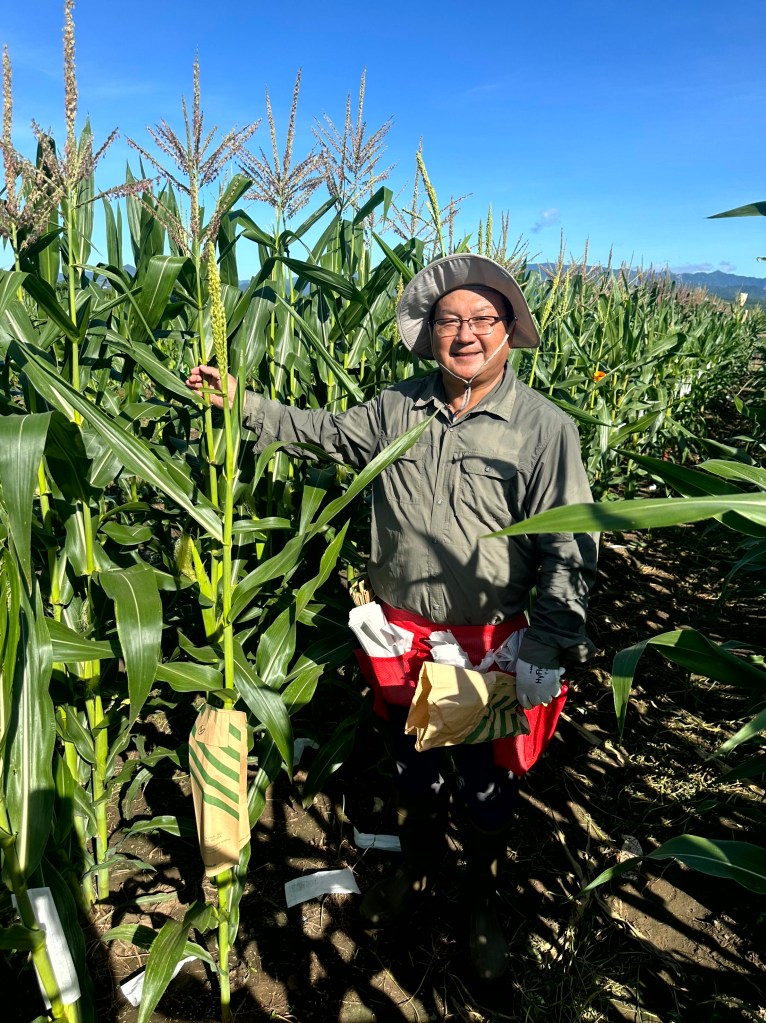
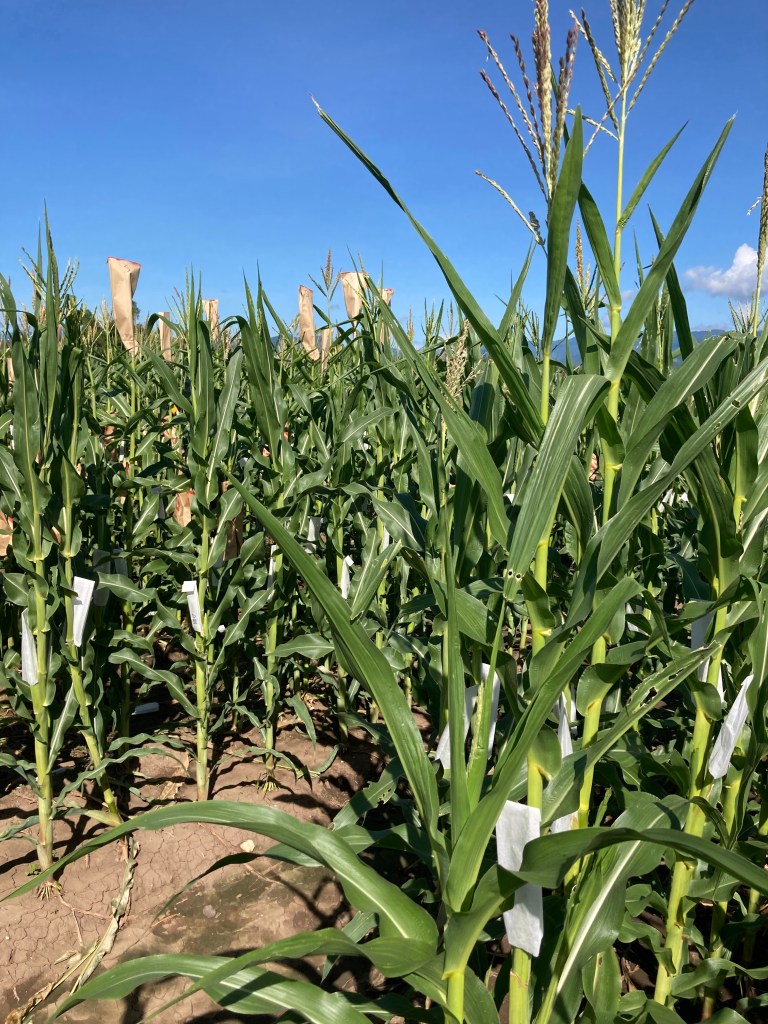
This on-farm project is focused on building local hybrid corn seed production for organic systems. Instead of relying on seed developed and produced in the Midwest, the goal is to produce non-GMO hybrid seed right here in the South, under the same conditions farmers actually face.

A key part of this project—and one I think is worth highlighting—is the direct connection to public plant breeding. The hybrids being used in this work, including TAMZ106 and TAMZ107, were developed by Dr. Wenwei Xu, Texas A&M AgriLife Research corn breeder in Lubbock. His program has focused heavily on stress tolerance—heat, drought, and disease—which is exactly what our organic systems require in this region.

Why This Matters to Organic Farmers

From my perspective, this is where things get interesting.

  • Better adaptation – Hybrids developed by Dr. Xu are bred under Texas High Plains conditions, not Midwest environments
  • Improved water use – Critical for anyone pulling from the Ogallala
  • Stronger performance under stress – Organic systems don’t have “rescue tools,” so genetics matter more
  • Public breeding impact – This project creates a direct pathway for AgriLife-developed genetics to reach organic farmers
  • Local seed supply – Keeps value in our region and reduces dependence on outside companies

In simple terms, this project is trying to align genetics (G) with management (M) and environment (E)—something we know makes a big difference in organic systems.

What to Expect Moving Forward

This project is just getting started, but over the next two years we will be:

  • Producing parent lines and hybrid seed under organic conditions
  • Testing hybrids on working organic farms
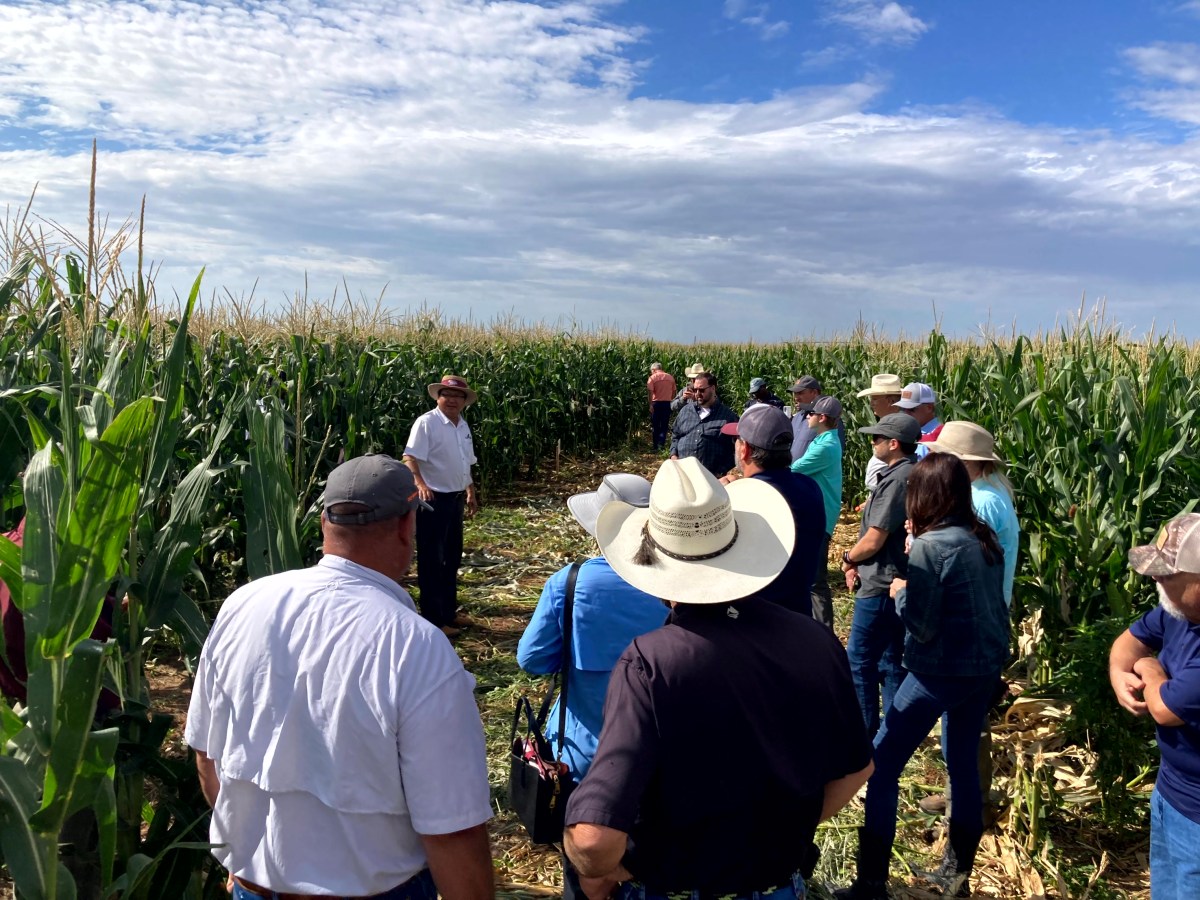
  • Hosting field days and sharing results
  • Building toward a reliable regional seed supply

I will be involved on the Extension side—helping get information out, organizing field days, and making sure growers can see and evaluate this work in real conditions.

Final Thought

If we are serious about growing organic production in Texas and the southern region, we have to address seed. This project is a practical step in that direction—connecting public breeding with real-world organic production.

And I would add this—projects like this only work because of long-term investment in breeding programs like Dr. Xu’s. Without that foundation, we would not have the genetics to even begin this conversation.

More to come as we get into the field this season.

Scaling Organic Agriculture: Why Farm Size and Technology Are Not the Problem

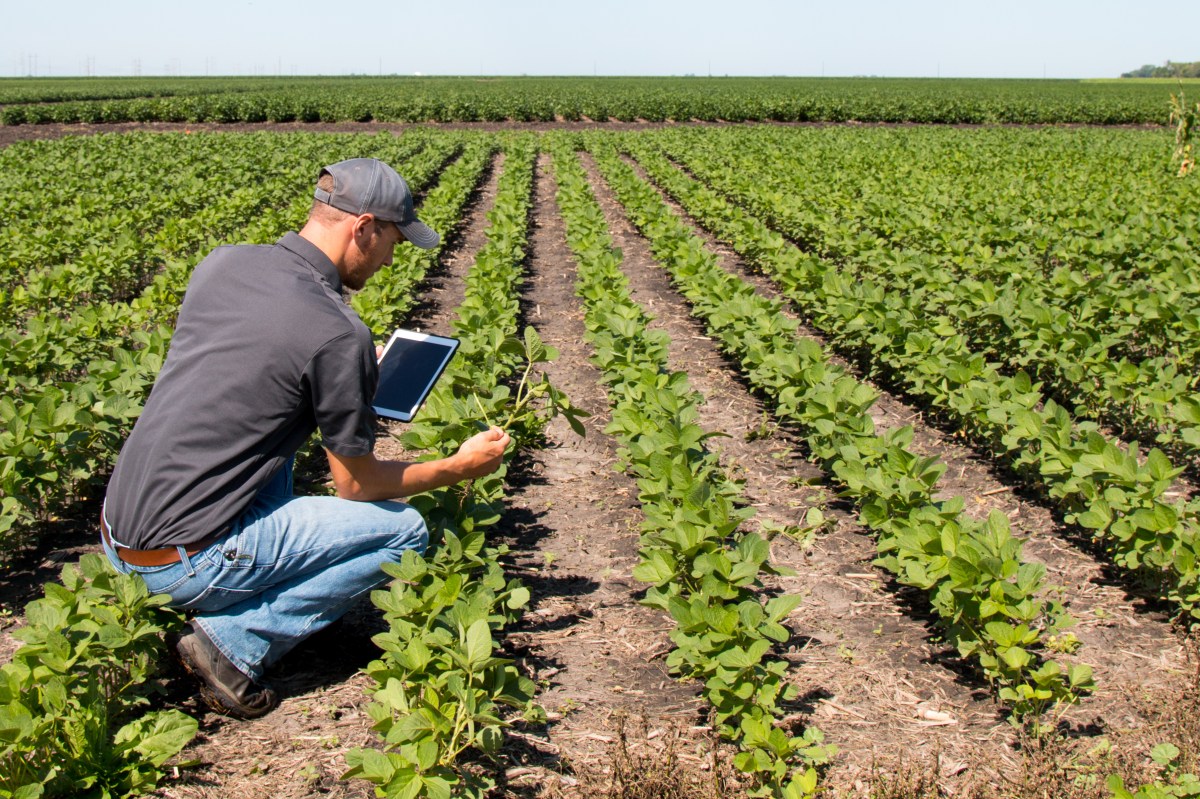
A common critique I hear—often from people who genuinely support organic—is that large-scale organic farms and advanced technology somehow “lose the ideals” associated with organic agriculture. The image many people carry is a small farm with diverse plantings, hedgerows, wildlife habitat, and hands-on management. In contrast, when they see a large organic operation using sensors, software, GPS-guided equipment, and streamlined logistics, they sometimes conclude that it is no longer “true organic.”

I understand where that reaction comes from. But as an Extension Organic Specialist, I also find it deeply frustrating, because it reflects a misunderstanding of what organic agriculture is and what it must become if it is going to have real impact. If we want organic to remain a small niche system, then we can keep it mostly hand-scale. But if we want organic to become mainstream—meaning millions of acres managed under organic standards—then organic will necessarily look like agriculture: mechanized, planned, measured, and managed with modern tools.

Organic is a Production Standard, not a Farm Size

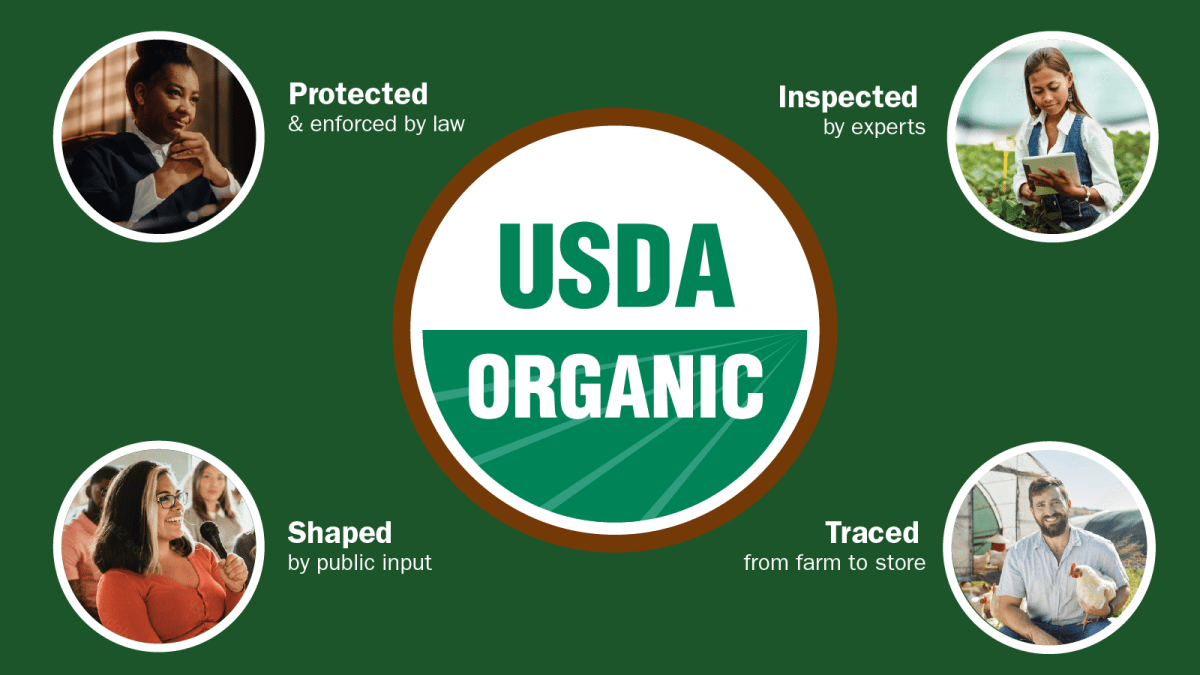
The most important clarification is this: organic is defined by a regulated production and handling standard, not by farm size or “farm aesthetics.” In the United States, organic is governed under the USDA National Organic Program (NOP), which sets requirements for:

  • prohibited and allowed substances
  • soil fertility and crop nutrient management
  • pest, weed, and disease control approaches
  • recordkeeping, traceability, and annual inspection
  • avoidance of excluded methods (including genetic engineering)

A farm can be 20 acres or 20,000 acres and still follow the same legal standard. Scale does not automatically determine whether a farm is ecologically sound, ethically managed, or agronomically competent. I have seen small farms that are poorly managed and large farms that are exceptionally well managed. The reverse is also true. The difference is not the size—it is the management system and the accountability.

Why “Big Organic” Triggers Concern (and Why Some of It is Valid)

Concerns about large-scale organic often fall into a few categories:

  1. Minimum-compliance farming
    Some fear that large operations will do the least required to meet certification rather than aiming for continuous improvement in soil function and ecological resilience.
  2. Simplified landscapes
    Large farms can have fewer field borders, fewer habitat features, and fewer “visible signs” of biodiversity. This is a real risk if the production system is not designed intentionally.
  3. Monoculture and rotation weakness
    Large farms can drift toward narrow crop sequences, especially when markets or processing infrastructure favor a few commodities.
  4. Values and trust
    Organic is a consumer trust program. When consumers associate “corporate” with “profit over stewardship,” they worry the label becomes marketing rather than meaning.

These concerns should not be dismissed. They are worth discussing. But the mistake is assuming that technology or scale automatically causes poor outcomes. Poor outcomes come from poor management decisions, weak incentives, or weak enforcement—not from tractors, sensors, or data.

Technology is Not Anti-Organic: It Can Improve Stewardship

Organic farming is not defined by low technology. It is defined by the intentional avoidance of certain synthetic inputs and the use of systems-based management to support crop productivity and soil health. Technology can support that goal.

1) Sensors and irrigation efficiency

Water management is one of the clearest examples where technology aligns with organic principles. Soil moisture sensors and irrigation scheduling tools can:

  • prevent over-irrigation
  • reduce nutrient leaching and runoff risk
  • improve root health and drought resilience
  • reduce disease pressure associated with prolonged leaf wetness and saturated soils

In real-world farming, “using less water” is not a public relations statement—it is a measurable conservation outcome.

2) Nutrient management and nitrogen efficiency

Organic nitrogen (N) does not usually come from synthetic fertilizers. It comes from:

  • composts and manures
  • cover crops (especially legumes)
  • mineralization of soil organic matter
  • allowed inputs such as certain mined minerals and biological amendments

But organic nitrogen is also less predictable in timing and availability than synthetic N. Precision tools that improve the timing and placement of nutrients can reduce losses and improve crop response. Better nutrient planning is not “industrial.” It is good agronomy.

3) Weed and pest monitoring systems

Organic systems often rely on prevention, competition, timing, and mechanical control. Technology supports this by improving decision-making:

  • mapping weed pressure zones
  • documenting scouting results
  • tracking crop stage and pest thresholds
  • improving spray timing for allowed products that are highly timing-dependent
  • strengthening records for compliance and traceability

Organic does not become less organic when it becomes more measured. In many cases, it becomes more defensible and more reliable.

The Scaling Reality: Organic Cannot Become Mainstream Without Looking Like Agriculture

Here is the contradiction I see repeatedly:

  • People want organic to expand and become a major part of agriculture.
  • But they also want organic to remain small, hand-scale, and “pre-modern.”

Those two goals cannot fully coexist.

If organic expands into a mainstream system, it will require:

  • mechanization and labor efficiency
  • stable supply chains and processing capacity
  • agronomic decision support tools
  • investment in equipment, storage, and logistics
  • advanced recordkeeping and traceability systems

These are not signs that organic has failed. They are signs that organic is being implemented at a scale where it can influence land stewardship and food systems in meaningful ways.

A useful analogy is medicine: we may admire the “natural” remedies of the past, but if we want health outcomes at population scale, we use systems, research, logistics, and quality control. Organic agriculture, if it is to influence millions of acres, will also require systems and quality control.

The Real Question is Not “Small vs Large” — It’s “Well-Managed vs Poorly Managed”

When we focus on scale, we miss the more important scientific questions:

  • Is soil organic matter improving over time?
  • Is aggregate stability improving (meaning the soil holds together better under water impact)?
  • Is infiltration increasing and runoff decreasing?
  • Are nutrients cycling efficiently, or being lost through leaching and erosion?
  • Is biodiversity supported through rotations, habitat, and reduced toxicity risk?
  • Are weeds being managed through integrated strategies rather than emergency reactions?
  • Are pests managed through ecological approaches and targeted interventions?

These are measurable outcomes. They are also where organic systems can succeed or fail, regardless of farm size.

A “Both/And” Vision for Organic

Organic agriculture needs both:

The ecological heart of organic

  • soil building
  • rotations
  • biodiversity
  • prevention-based pest management
  • conservation practices that protect water and habitat

The infrastructure and tools to function at scale

  • organic seed systems and breeding programs
  • equipment and mechanical weed control innovation
  • precision irrigation and nutrient planning
  • traceability systems that protect market integrity
  • research-based decision support tools

If we demand the heart without the infrastructure, organic stays fragile, expensive, and limited.
If we build infrastructure without the heart, organic becomes hollow and purely transactional.

The goal is not to keep organic small. The goal is to keep organic meaningful.

Closing Thought

I want organic to remain grounded in stewardship and biological systems. I also want organic to be agronomically credible, economically viable, and scalable enough to matter. That means I will continue supporting farmers—large and small—who are doing the hard work of growing crops under organic standards while improving soil function and resource efficiency.

Organic should not be judged by whether it “looks old-fashioned.”
Organic should be judged by whether it produces food and fiber with integrity, measurable conservation outcomes, and long-term resilience.

References (U.S. Organic Standards)

USDA National Organic Program Regulations (7 CFR Part 205)
https://www.ecfr.gov/current/title-7/subtitle-B/chapter-I/subchapter-M/part-205

USDA AMS National Organic Program (program overview)
https://www.ams.usda.gov/about-ams/programs-offices/national-organic-program

From the Field: Choosing Wheat for Organic Systems

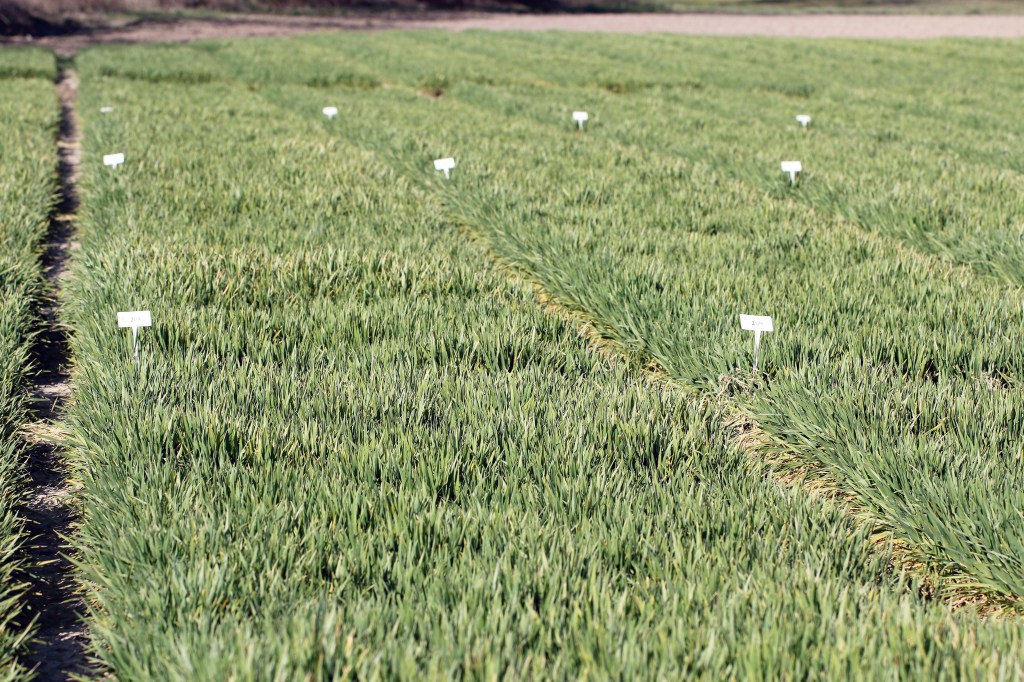
On Thursday, November 13th, Dr. Brandon Gerrish, State Extension Small Grain Specialist planted our first Texas Organic Wheat Variety Trial at Todd Vranac’s certified organic farm in Rule, Texas. This test is an opportunity to evaluate wheat lines under authentic organic production conditions. This irrigated farm, managed organically over many seasons, offers an environment that conventional research plots often cannot replicate.

Wheat trials help us look at agronomic traits of wheat as well as evaluate our production systems in organic!

Each variety in the trial allows us to observe how wheat responds when relying on soil biology for nutrient cycling, competing with weeds without herbicides, and performing under the constraints of organic fertility sources. As organic wheat acreage expands in Texas, field-based evaluations like this are essential for identifying varieties that align with the agronomic realities of organic systems and for improving the recommendations available to growers.

Why Organic Variety Testing Isn’t Optional

One of the most important conversations I’ve had this year was with Dr. Jackie Rudd, Dr. Gerrish and the TAMU wheat breeding team this past August at the Small Grain Breeding Group meeting. We talked about the gap that still exists between conventional breeding and organic production, and why organic growers need data generated in organic fields.

The traits that matter most in organic systems differ from what many conventional trials measure. Organic producers need wheat that can do things like:

1. Emerge from deeper planting depths

Organic growers often plant deeper to reach moisture and to make mechanical weed control possible. With deeper rooting we can use rotary hoes or tine weeders to take our early season weeds and start cleaner. But many modern semi-dwarfs simply don’t have the coleoptile length to handle that depth. Lines with longer coleoptiles or alternative dwarfing genes (like Rht8) stand a better chance of thriving in these conditions.

2. Fight disease with genetics, not chemistry

Stripe rust, leaf rust, stem rust, Fusarium head blight, BYDV—these aren’t just occasional threats in organic wheat. Without fungicides, genetic resistance to disease becomes the primary protection for diseases. Multi-gene and adult-plant resistance are particularly valuable.

3. Use nutrients efficiently through the soil microbiome

Organic wheat depends on soil biology to help acquire nutrients. Varieties with strong root systems, mycorrhizal associations, and efficient nutrient uptake consistently do better in slow-release, biological systems. Traits like enhanced nitrate transporter activity or strong remobilization of nutrients during grain fill make a visible difference in yield.

4. Outcompete weeds

Early vigor, aggressive tillering, and a fast-closing canopy are necessary to yield production. These are the traits that help organic wheat shade out early warm season weeds and other winter annuals long before the weeds become yield-limiting.

5. Deliver high-quality grain for a premium market

Organic buyers want protein, strong gluten, good milling quality, low DON (a mycotoxin), and consistency. They also increasingly look for functional food traits like higher mineral content (iron, zinc, even selenium). The right variety can put an organic grower into a higher-value market.

This Year’s Trial

The trial this year includes a mix of public and private genetics—everything from long-standing varieties like TAM 114 and Smith’s Gold to experimental Oklahoma and Texas lines, plus new materials such as Green Hammer, Paradox, High Cotton, and Guardian. Click the link below to see the trial information.

Wheat Variety Trial in Excel

Organic tests like this will help answer important questions about how “conventional varieties” preform growing under organic conditions:

  • Which varieties take off fast enough to hold back early weeds?
  • Which can take advantage of irrigation while still operating under organic nutrient constraints?
  • Which lines show strong fall vigor and winter hardiness?
  • Which have the disease packages organic growers rely on?
  • Which varieties convert organic fertility into grain yield the most efficiently?

Organic Grower Research is Very Important!

Hosting a trial like this requires commitment, and I’m grateful for Todd Vranac’s willingness to put research into his organic acres. Organic agriculture depends on exactly this kind of farmer-researcher collaboration because:

  • It takes place under the conditions organic growers actually face.
  • Weather, weeds, fertility, and soil biology are real—not simulated.
  • It gives producers confidence that variety recommendations apply to their own operations.
  • It builds a shared knowledge base across the organic community.

As we go through the season I hope to share updates from the trial, including stand counts, disease observations, and eventually yield and quality results. Organic growers across Texas need these answers, and trials like this give us the data to make better variety recommendations year after year.

Testing varieties in organic fields doesn’t just improve one season’s crop. It strengthens the long-term resilience of organic grain production in the Southern Plains. And it helps breeders refine the traits that matter most for growers working in biologically driven systems.

Other Resources:

Texas Organic Agriculture: Expanding from Farm to Market

The Texas organic industry continues to grow on both ends of the supply chain—from the farms that grow organic crops and livestock to the companies that process, package, and distribute them. As of October 2025, the state lists 412 certified organic grower operations, including farms that produce crops, livestock, and wild crops on 512,000 Texas acres. At the same time, the number of certified organic handlers—processors, distributors, and packers—has climbed from 457 in 2023 to 694 in 2025, a 52% increase in just two years.

Who’s Growing Organically in Texas

Organic production in Texas is anchored by key field crops such as cotton (175 farms), peanuts (147), and wheat (132)—mainstays of the High Plains and Rolling Plains, where organic systems are well adapted to semi-arid soils and rotations. Corn (51) and sorghum or milo (49) are part of diversified feed and grain operations, while rice (25) remains strong along the Gulf Coast. Forage crops like alfalfa (25) and grass (40) support both organic livestock and soil health, while vegetable operations (21) range from small local farms near urban markets to large commercial producers serving regional buyers.

Among these 412 operations, 28 are certified for livestock, including 20 cattle and 8 poultry operations. The cattle operations include both grass-fed beef and organic dairy systems, emphasizing rotational grazing and homegrown forage to meet organic standards. The poultry farms focus mainly on pasture-based egg and broiler production, serving local and specialty markets. Together, these farms show how organic agriculture in Texas is evolving into an integrated system linking crops, forages, and livestock within the same ecological and market framework.

A Rapid Rise in Certified Handlers

The sharp increase in certified organic handlers—from 457 to 694—signals strong momentum beyond the farm gate. Much of this growth is tied to the USDA’s Strengthening Organic Enforcement (SOE) rule, implemented in 2023. This rule requires certification for more middle-market entities such as brokers, traders, and distributors who take ownership of organic products. The result is a more transparent and traceable supply chain, but also a measurable expansion in the number of certified businesses operating within it.

Texas’s 694 organic handlers now represent a wide range of activities. The largest sectors include fruits and vegetables (285), beverages (125), grains, flours, and cereals (105), nuts and seeds (111), seasonings and flavorings (102), and oils and oleoresins (71). These categories show that Texas’s organic sector is growing not only in raw production but in value-added processing, product manufacturing, and consumer-ready goods. Additional activity in livestock feed (23), dairy and dairy alternatives (27), meat, poultry, and eggs (35), processed foods (47), and fiber, textiles, and cotton (20) rounds out the picture of a maturing organic industry.

A Strengthening Organic Ecosystem

The combined growth in organic growers and handlers marks a new phase for Texas organic agriculture. Producers are supplying more raw organic commodities, and a growing network of handlers is processing, packaging, and marketing those products—creating a more complete and resilient organic system. The enforcement of SOE has helped formalize this network, ensuring that products remain traceable from farm to table. What was once a scattered mix of farms and processors is now forming into a connected supply chain—one capable of supporting long-term growth in the Texas organic market.

Smart Sensing in Organic Systems: How Drones, Satellites, and Sensors Help Detect Crop Stress Before It Happens

Smart sensing is transforming how we understand plant health in organic systems. By integrating satellite and drone imagery, in-field sensors, and artificial intelligence, we can now detect stress in crops long before symptoms appear. This technology doesn’t replace the farmer’s eye—it strengthens it, helping us protect soil biology, use resources more wisely, and make better management decisions.

Learning from Students and Staying Curious

This past Saturday (October 18), a group of high school students invited me to speak about their project on smart plant monitoring. They were designing a device to track plant health in real time. Their questions—about soil, light, and water—were sharp and curious. It reminded me why I love this field: whether we’re students or seasoned farmers, we’re all learning how to listen to plants a little better.

Their project also made me reflect on how far we’ve come. When I started in Extension, plant monitoring meant walking fields, taking notes, and maybe digging a soil sample. Now, we’re using satellites orbiting hundreds of miles above the earth and sensors no bigger than a pencil eraser to understand how crops respond to their environment.

From Satellites to Soil: The New Eyes of Agriculture

In organic production, timing is everything. A crop under stress can lose days of growth before we even notice it. But RGB drone and satellite imaging now allow us to spot stress early by detecting subtle changes in leaf color, canopy density, or reflectance.

Even more advanced are multispectral and hyperspectral sensors, which measure how plants reflect light across visible and infrared wavelengths. These patterns can reveal water stress, nitrogen deficiency, or disease pressure—well before a plant wilts or yellows.1

Thermal cameras add another layer. Drought-stressed plants reduce transpiration, causing leaf temperature to rise—a change that infrared sensors can detect long before visible damage occurs.2

Once the imagery is captured, we still rely on ground-truthing—walking to the coordinates, checking the crop, soil, and often pulling tissue samples. This blend of technology and touch keeps data meaningful.

Predictive Systems: Seeing Stress Before It Starts

The most exciting progress in recent years has been predictive capability. AI-powered analytics now integrate drone imagery, IoT soil data, and weather patterns to learn what “normal” looks like for a crop. When the system detects deviations—like a drop in chlorophyll fluorescence or a rise in leaf temperature—it flags them early.3

One powerful method is solar-induced chlorophyll fluorescence (SIF), which measures photosynthetic efficiency. Subtle declines in fluorescence intensity can indicate stress from drought, salinity, or nutrient imbalance days before the plant shows visible symptoms.4

Meanwhile, IoT sensor networks are spreading across fields. These small devices monitor soil moisture, pH, canopy temperature, and even sap flow, sending real-time data to cloud dashboards that can automatically adjust irrigation schedules.5

This isn’t just smart—it’s proactive agriculture.

Image acquisition setups using different sensors (i) DJI Matrice 600 Pro with a Sony Alpha 7R II, 42.4-megapixel RGB camera mounted on it(Sapkota, 2021), (ii) A close-range laboratory imaging system with a Micro-Hyperspec VNIR sensor in controlled lighting condition (Dao et al., 2021a), (iii) HyperCam on the tripod, Fluke TiR1, Lci leaf porometer, Infragold as well as dry and wet references targets (Gerhards et al., 2016) (iv) Chamber equipped with two Raspberry Pi 3B + and an ArduCam Noir Camera with a motorized IR-CUT filter and two infrared LEDs (Sakeef et al., 2023).6

Why This Matters for Organic Systems

Organic farming depends on living systems—soil microbes, organic matter, and ecological balance. Unlike conventional systems, we can’t rely on quick chemical fixes. We need to detect stress early enough to respond biologically—through irrigation management, microbial inoculants, or balanced foliar nutrition.

Smart sensing tools help us manage that complexity. When we combine spectral imagery, soil data, and climate information, we begin to see the farm as an interconnected ecosystem rather than a collection of separate fields.

Monitoring also supports stewardship. Water-quality sensors can now detect salinity and bicarbonate buildup that harm roots over time. Linking those readings with AI-derived stress maps helps producers align soil chemistry, water quality, and plant physiology in one continuous feedback system.7

The Human Element Still Matters

Even with all this technology, the farmer’s experience is irreplaceable. Data can tell us something changed, but it takes experience to know why. Was that NDVI dip caused by poor drainage, pests, or a timing issue in irrigation?

Technology should not distance us from the field—it should bring better insight to our decisions. As I often tell growers, just as computers need rebooting, we occasionally need to “reboot” our interpretation—to align the data with what we know from hands-on experience.

A Partnership Between Grower, Plant, and Sensor

When those students asked how technology fits into farming, I told them this: smart monitoring doesn’t make agriculture less human—it makes it more informed.

The future of organic production is a partnership between the grower, the plant, and the sensor. When all three communicate clearly, we grow more than crops—we grow understanding. And in that understanding lies the future of any sustainable agriculture.

Further Reading

References

  1. Dutta, D. et al. (2025). “Hyperspectral Imaging in Agriculture: A Review of Advances and Applications.” Precision Agriculture, 26(3): 445–463. ↩︎
  2. Cendrero-Mateo, M.P. et al. (2025). “Thermal and Spectral Signatures of Plant Stress.” Frontiers in Plant Science, 16:31928. https://doi.org/10.3389/fpls.2025.1631928 ↩︎
  3. Chlingaryan, A. et al. (2025). “Machine Learning for Predictive Stress Detection in Crops.” Computers and Electronics in Agriculture, 218:107546. https://www.sciencedirect.com/science/article/pii/S0168169924011256 ↩︎
  4. Guanter, L. et al. (2024). “Solar-Induced Fluorescence for Assessing Vegetation Photosynthesis.” NASA Earthdata Training Series. https://www.earthdata.nasa.gov/learn/trainings/solar-induced-fluorescence-sif-observations-assessing-vegetation-changes-related ↩︎
  5. Ahmad, L. & Nabi, F. (2024). Agriculture 5.0: Integrating AI, IoT, and Machine Learning in Precision Farming. CRC Press. ↩︎
  6. Chlingaryan, A. et al. (2025). “Machine Learning for Predictive Stress Detection in Crops.” Computers and Electronics in Agriculture, 218:107546. https://www.sciencedirect.com/science/article/pii/S0168169924011256 ↩︎
  7. Gómez-Candón, D. et al. (2025). “Integrating Water Quality Sensors and Remote Sensing for Sustainable Irrigation.” Agricultural Water Management, 298:108072. ↩︎

Milling, Baking, Planting Organic Wheat: What Farmers Need to Know

When organic wheat growers choose a variety, they aren’t just planting seed—they’re planting bread, tortillas, and the reputation of their crop in the marketplace. That’s why milling and baking quality matter as much as yield. Extension Specialists and Wheat Researchers have been digging into an important question for growers: how do milling quality and baking quality fit into variety choice, especially for organic systems? These traits, along with protein and yield, play a direct role in what millers want and what farmers get paid for.

Milling Quality vs. Baking Quality

  • Milling quality is about how efficiently a kernel turns into flour. Seed size, uniformity, and hardness all affect milling yield.
  • Baking quality is about what happens in the bakery—how dough handles, rises, and produces bread or tortillas that buyers want.

Testing happens at several levels. The Cereal Quality Lab at College Station does preliminary evaluations, while the USDA and Wheat Quality Council conduct full baking and milling trials with multiple mills and bakeries. Every TAM variety is rated, and those scores directly influence variety release decisions.

Variety Highlights for Organic Wheat Growers

TAM 114

Mid-season hard red winter wheat prized for excellent milling and baking quality, solid yield potential, and strong adaptability.

  • Strengths: Excellent dough properties, solid straw strength, good grazing ability, drought tolerance, and winterhardiness. Moderately resistant to stripe, leaf, and stem rusts as well as Hessian fly; good acid soil tolerance.
  • Consistently appears on “Pick” lists for irrigated and limited irrigation systems thanks to its stable performance.
TAM 115

A dual-purpose variety offering both grain yield and grazing potential, with enhanced disease and insect resistance.

  • Strengths: Excellent milling and baking quality, large seed, high test weight, strong drought tolerance, and resilience against leaf, stripe, and stem rust, greenbug, and wheat curl mite (which contributes to Wheat Streak Mosaic Virus (WSMV) resistance).
  • Adapted across High Plains, Rolling Plains, Blacklands, and even Western Kansas/Eastern Colorado. Performs well under irrigation and good dryland conditions—but less reliable under severe dryland stress due to lower tillering capacity.
TAM 205

TAM 205 is a newer dual-purpose variety known for its strong milling and baking quality paired with unmatched disease resistance. It is highly adaptable across systems and is a strong option for both grain and forage.
Strengths:

  • Exceptional milling and baking quality
  • Good forage potential
  • Broad resistance (leaf, stripe, stem rust; WSMV; Fusarium head blight)
  • High test weight and large seed
TAM 113

A reliable dryland performer with good grain and forage potential, especially under stress.

  • Strengths: Solid grain yield, decent milling quality, and forage use. Early maturing with strong emergence and tillering – valuable in challenging environments. Offers resistance to stripe, leaf, and stem rusts.
  • Remaining a steady Dryland “Pick” in High Plains trials thanks to its adaptability.

Reminder: Organic farmers need to make seed purchase arrangements early (well before planting season) to ensure they have an adequate supply of untreated seed.

Protein Content vs. Protein Functionality

Farmers often watch protein percent, but researchers emphasize that protein functionality—how protein behaves in dough—is more important. While there’s no easy field test for this, variety choice remains a strong predictor.

When evaluating economics, consider total protein yield (bushels × protein percent). Sometimes a lower-yielding but higher-protein field can be more profitable than a high-yield, low-protein one.

Of course, protein levels don’t appear out of thin air. They’re the result of fertility, management, and soil health—areas where organic systems work a little differently than conventional.

Nitrogen and Organic Systems

One point of clarification: organic wheat does not suffer from a “late-season nitrogen challenge” so much as it requires planning ahead for higher yields. Excellent varieties and management can unlock yield potential, but only if soil fertility is built to support them.

  • Cover crops can provide up to 100 lbs of nitrogen per acre.
  • Manure composts from chicken or dairy sources can supply around 40 lbs of nitrogen per 1,000 lbs applied.
  • These are slow-release, biologically active forms of nitrogen. They need to be managed in advance so nutrients are available as the wheat grows.
  • Liquid organic N sources exist, but they are generally too expensive to justify based on the modest yield increases in wheat.

This means success in organic wheat fertility comes from building the soil and feeding the crop over the long term, not chasing protein with late-season nitrogen shots. The key takeaway is that organic fertility is a long game—cover crops and compost must be planned well in advance to match the yield potential of high-quality varieties like TAM 114 and TAM 205.

TAM Varieties and Seed Saving

Beyond fertility, seed access and seed-saving rights also matter to organic growers when planning for the future. All TAM varieties are public releases and not under Plant Variety Protection. Farmers can legally save and replant TAM seed for their own use. This is especially valuable in organic systems where untreated seed availability can be limited.

Why This Matters

In conventional systems, buyers reward bushels. In organic systems, millers and bakers want quality along with yield. Understanding both milling and baking traits—and managing fertility to match variety potential—helps organic growers capture more value.

As we look ahead, TAM 114 remains a cornerstone for organic production, but TAM 205 is quickly emerging as a variety that combines yield, quality, and resilience. With the right fertility planning and variety choice, Texas organic wheat can continue to meet both market demand and farmer profitability.

By combining resilient TAM varieties with thoughtful organic fertility planning, Texas wheat growers can continue to deliver grain that is profitable on the farm and dependable in the marketplace.

Resources for Growers