Turning Oilfield Wastewater into Agricultural Opportunity

As farmers in the Texas know all too well, water is the lifeblood of our land—and it’s in short supply. But what if one of the most abundant waste streams in our region could be cleaned up and used to grow crops? That’s the question being tested right now in several pilot projects across Texas, where treated oilfield wastewater, called produced water, is being evaluated for agricultural use.

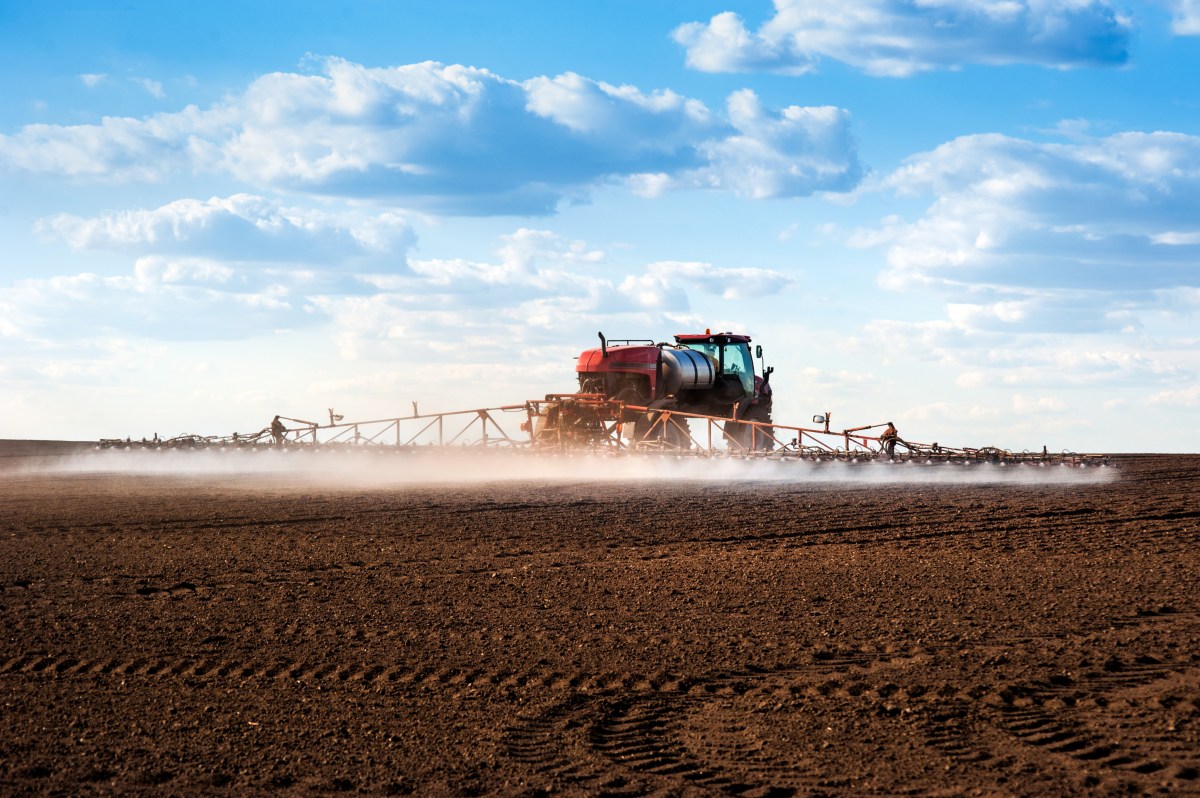
WaterTectonics at a site in Midland treating Produced Water for reuse in a fracking operation. Similar to what might be done in agriculture. Picture from https://www.watertectonics.com/project/texas-produced-water-reuse-treatment/

What is Produced Water?

Produced water is the salty, chemical-laden byproduct that comes up with oil and gas during drilling operations. The Permian Basin alone generates around 24 million barrels of this water every day—that’s equivalent to roughly 1 billion gallons, about 37,196 acre-inches, or over 3,100 acre-feet daily. Historically, this water has been disposed of underground, but with growing water needs and improving treatment technologies, many are asking: can we make this water safe and useful for agriculture??

New Pilot Projects in Texas Agriculture

Thanks to recent legislation (notably SB 1145, effective Sept. 1, 2025), Texas is laying the groundwork for farmers to eventually use treated produced water. But for now, only pilot projects are permitted—and here are some of the most important ones:

OrganizationPilot ScopeLocationCrops or Focus
Texas Pacific Water Resources (TPWR)Treating water with reverse osmosis; testing 400+ contaminantsMidland and Pecos River areaAlfalfa, native grasses (greenhouse & outdoor)
Deep Blue OperatingIrrigation pilot using up to 27,300 gal/dayMidland CountyCotton, bermuda grass, alfalfa, wheat
Texas Produced Water ConsortiumResearch coordination, data analysisMultiple West Texas sitesSupports 5 pilot sites with varying treatment systems
TETRA & EOG ResourcesDesalination pilot with high recovery ratesPermian BasinRangeland grasses (greenhouse testing)
Aris Water Solutions & GarverMembrane & thermal treatment systemsPermian BasinSystem design; seeking TCEQ irrigation permits
General Land Office & EOG Resources1-acre soil/crop health trialReeves CountyMonitoring nutrient uptake and plant health

These pilot projects are being carefully watched—not only by state regulators but by farmers, environmental scientists, and rural water managers. If successful, they could help shift produced water from being a liability to a resource.

Opportunities for High-Value Ag

For Texas (particularly West Texas) growers, the implications are huge. While piping treated produced water to distant farms is one possible use, its greatest potential may lie right at the source—near oilfields. These areas often have access to electricity, trucking infrastructure, and available land. That makes them ideal for developing high-value production systems where water and logistics are already in place. In this context, treated produced water could potentially support:

  • Alfalfa for hay export or dairy feed
  • Hydroponic cotton in controlled environments—growing cotton without soil in greenhouses using treated produced water. This approach, pioneered in Spain by Magtech and now being explored by researchers in Texas, can increase cotton yield up to 60 times per plant while reducing water use by as much as 70%. With greenhouse infrastructure, electricity, and logistics already in place at oilfield sites, hydroponic cotton may offer a promising high-value use for treated produced water.
  • Small grains for forage or cover crop use—including some hydroponic or germinated forage systems grown in controlled buildings, which allow rapid biomass production using minimal land and continuous water supply
  • New specialty crops on reclaimed or marginal land—such as tomatoes, cut flowers, ornamentals, and guayule—offering high-value returns in controlled or niche markets
  • Controlled Environment Agriculture (CEA) in Containers/Buildings — Treating produced water and using it in hydroponic or aeroponic systems within shipping containers or retrofitted buildings.

However, it’s not without concern. Produced water contains salts, heavy metals, even traces of radioactive materials and PFAS (so-called “forever chemicals”). These pilot projects are focused on whether new treatment technologies can remove or neutralize those contaminants. No broad use is permitted yet—only tightly monitored experiments.

What Happens Next?

Texas regulators (RRC and TCEQ) are developing rules for future land application. Meanwhile, the Texas Produced Water Consortium at Texas Tech is coordinating research and setting potential standards. Full-scale use in agriculture will depend on:

  • Successful pilot results
  • Clear treatment and monitoring rules
  • Economic viability for farmers
  • Long-term environmental and crop safety

Bottom Line for Farmers

This is not ready for prime time—but it’s getting closer. If you’re farming in Texas near where there is Produced Water and facing water stress, this is an idea worth watching. You may soon have access to a new, local water source that was once just oilfield waste.

A New Organic Tool Against H5N1 in Calves: Citric Acid in Waste Milk

As organic dairy producers, you do a lot with less—less antibiotics, less synthetic inputs, and often less infrastructure than our conventional neighbors. But you are no less committed to calf health and biosecurity. And now, with the emergence of the H5N1 avian influenza strain in dairy cattle, we all are facing a new challenge that demands creative, organic-compliant solutions.

I read about a possible treatment for organic dairy producers in an article written by Maureen Hanson in the May/June Bovine Veterinarian1. A very practical tool we have at our disposal is citric acid powder—an affordable, National Organic Program (NOP)-allowed substance that can be used to acidify waste milk and protect our calves from pathogens, including the H5N1 virus.

The Problem: Infected Milk Transmits H5N1

USDA researchers have confirmed that H5N1 is shed in the milk of infected cows—even up to two weeks before those cows show any signs of illness. In a controlled study, Holstein calves fed raw milk from infected cows contracted the virus within days. Although symptoms were mild—fever, nasal discharge, lethargy—the virus was confirmed in lung, lymph, and tonsil tissue. All calves had to be euthanized for analysis.

What does this mean for organic dairy farmers? If we’re feeding raw, unpasteurized waste milk—especially from cows not yet showing symptoms—we may be unknowingly exposing our calves to a highly contagious virus.

The Challenge: Most Organic Farms Don’t Pasteurize Waste Milk

Pasteurizers are expensive, and many small to mid-sized organic dairies don’t have them. In fact, even fewer than 50% of large-scale dairies pasteurize their waste milk. So what’s the alternative?

The Solution: Citric Acid Powder – Affordable, Organic, and Proven

Researchers at UC Davis have confirmed that acidifying waste milk with citric acid to a pH of 4.1–4.2 completely inactivated the H5N1 virus—and it did so within six hours in controlled lab trials2. This method worked not just on typical waste milk, but also on colostrum and milk from treated cows—broadening its relevance for real-world dairy operations.

For organic producers without access to pasteurization equipment, this presents an ideal alternative:

  • Application Rate: 6 grams of food-grade citric acid per liter of milk (be sure to test milk pH after adding)
  • Target pH: 4.1
  • Effectiveness: Deactivates H5N1 and reduces other pathogens (see below)
  • Cost: ~10 cents per liter (this depends on the rate and cost to purchase)
  • Time Required: Six hours contact time before feeding

Citric acid is approved under the USDA National Organic Program and is easy to source, store, and apply. It requires no heat, no specialized equipment, and is safe for both calves and farm workers.

Citric acid powder sometimes called “lemon salt”

UC Davis researchers concluded that acidification is a practical, sustainable, and accessible tool to prevent the spread of H5N1 and other harmful microbes in preweaned calves. Compared to more complex systems like lactoperoxidase activation, citric acid stood out as the most straightforward and consistently effective method. UC Davis researchers are planning to conduct more tests but so far this treatment looks to be a way to prevent future infections.

Why This Works for Organic Producers

Citric acid is permitted under the USDA National Organic Program for this kind of use. It’s also widely available, easy to store, and can be scaled up or down depending on how much milk you’re feeding.

In organic systems, where animal health starts with prevention and careful management, this method offers a simple and economically viable tool for protecting calf health and stopping the spread of disease without compromising organic integrity. Be sure to source “feed grade” or “food grade” with the organic seal to ensure it is the right product and can be used in organic feeds.

Beyond H5N1: Broader Pathogen Control

Acidifying milk doesn’t just stop H5N1. It helps reduce bacterial loads in general—particularly Salmonella, E. coli, and Mycoplasma—which can all challenge young calves. In other words, citric acid is a broad-spectrum line of defense, not just a response to a single threat for waste milk fed to calves.

Final Thought: Protecting Calves in Beef-on-Dairy Programs

In today’s dairy world—organic or not—many producers are using sexed semen to retain replacement heifers and breeding the rest of the herd to beef sires. The resulting calves often leave the dairy within a few days as part of beef-on-dairy programs, where they are raised off-site for beef markets.

That means the responsibility for disease prevention starts on the dairy, even if the calf doesn’t stay there long. If calves receive waste milk contaminated with H5N1 in those first critical days, they could carry the virus into the next phase of production—putting entire systems at risk.

By acidifying your waste milk with citric acid, you can cost-effectively reduce that risk from day one. It’s a low-cost, NOP-compliant biosecurity step that protects animal health, supports the beef-on-dairy market, and upholds the integrity of your organic operation.

As always, I need to remind certified organic producers to check with their certifiers before making any changes to their Organic System Plan and check with your veterinarian who develops your herd health plan.

We have the tools. Let’s use them wisely.


  1. Inspired by: “Calf Milk Poses H5N1 Risk, Too” by Maureen Hanson – Bovine Veterinarian, May/June 2025
    https://www.bovinevetonline.com ↩︎
  2. Crossley, B.M., Pereira, R.V., Rejmanek, D., Miramontes, C., & Gallardo, R.A. (2025). Acidification of raw waste milk with citric acid inactivates highly pathogenic avian influenza virus (H5N1): An alternative to pasteurization for dairy calves. Journal of Dairy Science, 108(5), 3456–3465. doi:10.3168/jds.2025-00051 https://www.ucdavis.edu/news/killing-h5n1-waste-milk-alternative-pasteurization ↩︎

Breeding Better Organic Wheat: Traits That Matter for Organic and Regenerative Farms

As organic acreage grows across Texas and the U.S., it’s time we ask an important question: What traits do organic and regenerative wheat producers actually need in a variety?

The answer isn’t just about yield—it’s about resilience, efficiency, and the ability to thrive without synthetic inputs. Whether you’re an organic farmer relying on compost and cover crops or a regenerative grower working to build soil carbon and ecological health, wheat varieties bred for conventional systems often fall short. Here’s a breakdown of some critical traits we should prioritize in organic wheat variety development—and why they matter.

1. Strong Coleoptile and Deep Emergence

In dryland and low-input systems, farmers often plant deeper to chase moisture and to enable mechanical weed control like a rotary hoe. That practice demands wheat with a longer, stronger coleoptile—the protective sheath that helps the shoot push through soil. Many modern semi-dwarf wheats can’t make that journey from 2 to 3 inches deep. Instead, we need varieties with alternative dwarfing genes (like Rht8) or taller, lodging-resistant lines that emerge powerfully and uniformly even under crusted or variable moisture conditions.

Why it matters: Deep emergence helps ensure a strong start under tough conditions—especially important in organic systems where chemical seed treatments and quick-acting herbicides aren’t an option.

2. Broad-Spectrum Disease Resistance

Organic growers don’t have many options to clean up a bad wheat infection. That’s why durable, multi-pathogen resistance is a non-negotiable trait in organic wheat breeding. We need lines that can hold up against stripe rust, leaf rust, stem rust, Fusarium head blight, and barley yellow dwarf virus—especially in diverse rotations that include organic corn or sorghum.

Why it matters: Disease pressure isn’t just about yield—it also affects food safety (mycotoxins) and grain marketability. Genetic resistance is the organic grower’s best line of defense.

3. Microbiome-Friendly Roots and Efficient Nutrient Use

One of the quiet revolutions in organic systems is how we manage fertility through biology—not bags of synthetic nitrogen. The root-microbe relationship is central to that. We need wheat that partners well with beneficial microbes like mycorrhizal fungi and plant-growth-promoting rhizobacteria (PGPRs), especially for phosphorus and nitrogen uptake.

Traits like deep, fibrous root systems, high root exudation of sugars, enhanced nitrate transporter activity, and better nitrogen remobilization during grain fill could help wheat thrive in compost- and cover crop-based fertility systems.

Why it matters: Better nutrient use efficiency means stronger growth, better yields, and lower costs—without synthetic inputs.

4. Early Vigor and Weed Suppression

Weeds remain one of the most stubborn and expensive challenges in organic wheat production. Varieties that germinate quickly, tiller early, and develop dense leaf canopies can choke out weeds before they become a problem. Even row spacing and planting patterns can influence early shading and weed pressure.

Why it matters: A wheat variety that can suppress weeds is like adding a layer of insurance to your management strategy. It’s also a cornerstone of regenerative systems that seek to reduce tillage and maintain ground cover.

5. Grain Quality That Meets Market Needs

Organic grain buyers are looking for more than just “certified organic” on the label. They want wheat that meets or exceeds conventional food-grade quality benchmarks: high protein, strong gluten, low DON (vomitoxin) levels, and even enhanced nutritional traits like zinc, selenium, or antioxidant levels.

There’s also room to breed for emerging markets—heritage wheats, lower-gluten lines for sensitive consumers, or varieties with higher polyphenol and mineral content.

Why it matters: Organic wheat that delivers consistent quality keeps buyers coming back—and supports a fair price for growers.

Building a Breeding Program That Serves Organic and Regenerative Agriculture

Organic and regenerative agriculture aren’t “alternative” anymore—they’re growing sectors with distinct needs. Yet most wheat breeding is still tailored to high-input systems. It’s time to run trials under organic conditions, invite organic advisors into the selection process, and actively pursue traits that benefit biologically based systems.

Breeding for organic systems isn’t just good for organic farmers. It’s good for all farmers looking to reduce inputs, build resilient cropping systems, and respond to environmental and consumer demands.

Launching a New Chapter in Alfalfa Water Research

Yme Bosma 55-acre alfalfa field near Rising Star, Texas

In the heart of Central Texas, just outside May, we’ve begun an exciting research collaboration with Yme Bosma Dairy—a family-run dairy that relies on homegrown forage to feed their high-producing herd. This project centers on a 55-acre alfalfa field managed under a center pivot irrigation system, and our goal is straightforward but critical: improve the way we grow and water alfalfa in drought-prone environments like ours.

Why Focus on Alfalfa and Water?

Alfalfa is a high-value, nutrient-rich forage crop widely used in dairy systems, especially organic dairies. But it’s also water-intensive, and in regions like Central Texas or even Texas in general, where every drop counts, managing water wisely isn’t optional—it’s essential.

We’re not just asking “How much water is used?”—we’re digging deeper:

  • Can we grow more forage with less water?
  • Can we use in-field sensors and aerial data to guide irrigation decisions?
  • Can we improve the crop coefficient (Kc) used in scheduling tools, making them more accurate for this region?

Field Setup: A Unique Design for Real-World Impact

Pierce Center Pivot with app-based control

The project field is irrigated by a Pierce center pivot, managed by Dyson Irrigation using app-based controls. What makes this setup unique is how we’ve divided the field. Rather than square or rectangular plots, we’ve created 10-degree radial swaths that fan out from the center of the pivot pad—like slices of a pie. Each wedge can be irrigated differently by adjusting the pivot’s speed, allowing us to simulate a range of water conditions all within one field.

These swaths have been geolocated precisely, so we know exactly where each biosample or soil moisture sensor reading comes from. Though the field layout map is a great visual aid, our true experimental plots are mapped in GIS with accurate GPS coordinates for each treatment zone.

This project includes a lot of folks but is coordinated by the Digital Agriculture Group out of the Texas A&M AgriLife Research and Extension Center in Corpus Christi – Digital Agriculture. The group is led by Dr. Mahendra Bhandari and his team of researchers and students, all very hard workers!

Tools and Technology: Ground to Sky

What makes this project especially powerful is the technology behind it. We’ve installed three-foot-long soil moisture sensors (Goanna Ag) in each plot to monitor how deeply water penetrates and how long it stays available to the plant. These in-situ sensors give us real-time feedback at the root zone—a critical layer for alfalfa, especially in hot summer months.

In addition to ground sensors, we’re collecting UAS (drone) imagery every 15–20 days, paired with high-resolution satellite imagery. These tools will help us develop:

A GPS receiver to geolocate the different areas for monitoring.

  • Evapotranspiration maps showing water use across the field
  • Biomass prediction models based on imagery
  • Real-time irrigation scheduling tools using soil moisture and crop stage

All of this data funnels into decision-support models like SEBAL (Surface Energy Balance Algorithm for Land) and artificial neural networks, which help us simulate and optimize irrigation in silage alfalfa production.

Yme Bosma alfalfa ready to cut. The field is cut, wilted for a few hours and then chopped for silage.

What We Hope to Deliver

This is just the beginning. Over the next growing seasons, we aim to provide:

  • A better understanding of alfalfa water use and crop coefficients in Central Texas
  • New irrigation scheduling recommendations tailored for silage production
  • Biomass yield maps and stress indicators derived from aerial data
  • Practical insights for dairies and forage growers seeking to optimize yield while conserving water

This project is part of a broader effort to make alfalfa a more drought-resilient crop, and we’re excited to share what we learn with farmers, agronomists, and researchers across Texas and beyond.

This research is supported by the National Institute of Food and Agriculture, U.S. Department of Agriculture award number 2023-70005-41080 (Drought Resilient Alfalfa Production (D-RAP) Using Digital Agriculture and Machine Learning) with a joint collaboration between Kansas State University and Texas A&M AgriLife Research and Extension.

Stay tuned—we’ll be posting updates after each harvest, including images, early data trends, and insights from the field.

Texas Organic Agriculture Surges Forward with National Recognition

TOPP Impact Report Underscores Texas Leadership in Organic Milk, Cotton, and Peanuts

As national organic food sales soar past $71 billion, Texas is emerging as a dominant force in organic agriculture, bolstered by strategic investment from the USDA’s Transition to Organic Partnership Program (TOPP). According to TOPP’s newly released 2024 Impact Report, over 3,800 new operations have been certified nationwide, and Texas producers are taking the lead in organic innovation, acreage growth, and market share.

Texas is now home to more than 448 certified organic farms and over 611 organic handlers, producing across 580,000 acres in at least 88 counties. The Lone Star State ranks No. 1 nationally in organic milk, cotton, and peanut production — a testament to the state’s diversified and growing organic economy.

In 2019, Texas organic agriculture generated $424 million in sales and nearly $939 million in total economic output. By 2025, projections indicate the sector will contribute more than $1.4 billion in statewide economic output and support nearly 12,500 jobs, with a compound annual growth rate of 7% that mirrors national trends.

“Texas isn’t just keeping up—we’re leading,” said Bob Whitney, Organic Program Specialist with Texas A&M AgriLife Extension. “From dairy and peanuts in the west to vegetables and rice in the south and east, organic producers across Texas are creating real jobs, feeding local communities, and demonstrating what’s possible when farmers get the support they need.”

TOPP, launched in 2022 as part of the USDA Organic Transition Initiative, has helped hundreds of producers nationwide navigate the complex path to organic certification through mentorship, technical assistance, and community networks. Texas producers have benefited through local TOPP training events, bilingual outreach, and one-on-one mentoring that is helping new farmers transition more successfully and more sustainably.

As part of the six-region national framework, TOPP’s Southwest region includes a coalition of regional organizations and universities—including Texas A&M AgriLife Extension—that provide tailored support to Texas producers. Nationally, more than 260,000 acres have been added to certified organic production through the program’s efforts.

Texas’s success stands out even as some regions of the U.S. experience flat or declining organic acreage. Experts credit the state’s focused approach—blending grassroots mentoring, university-led research, and Extension outreach—for enabling sustainable growth.

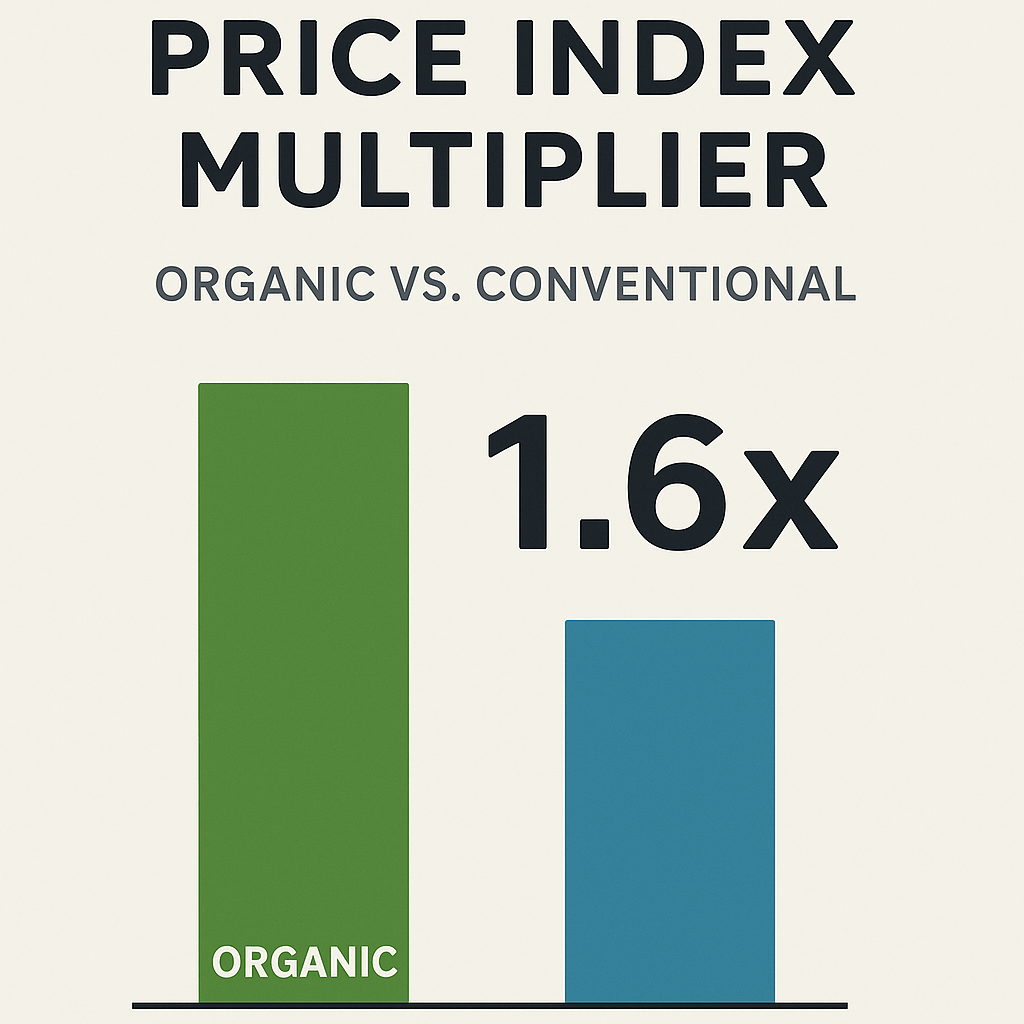
TOPP’s report also highlights growing consumer demand: 88% of Americans recognize the USDA Organic label, and nearly 60% believe it justifies higher prices, creating strong economic incentives for Texas farmers to meet that demand domestically.

“TOPP is about more than transitioning farms—it’s about building community, restoring soil, and securing food systems,” said Whitney. “And here in Texas, it’s working.”

To learn more:
Full report: https://organictransition.org/impact-report

Organic Beef Demand is on the rise!

Organic Beef is Booming: Why Texas Ranchers Should Take Notice

Organic beef is no longer a niche product—it’s a fast-growing category with powerful momentum. According to the Organic Trade Association’s 2024–2025 Organic Market Report, organic beef sales surged 36.7% last year. That’s the highest growth rate of any food category—and the most significant gain in the organic beef market in 20 years.

This demand is fueled by consumers looking for:

  • Clean, hormone- and antibiotic-free protein
  • Animal welfare
  • Environmental stewardship

However, much of this market is currently being supplied by imports—primarily from Australia and Uruguay. That’s where Texas ranchers come in.

Texas Has the Cattle—Now It Has more Processors

Texas leads the nation in cattle production, yet very few certified organic beef operations have emerged in the state. The reason? Lack of access to certified organic meat processing facilities.

That’s now changing.

Two Texas processors are leading the way:

  • All Hale Meats near Wolfforth, close to Lubbock
  • Huse’s Country Meats in Malone, TX (east of Hillsboro)

Huse’s, a long-standing family-owned processor known for quality smoked meats, has recently become certified organic, thanks in part to rancher Larry Widman of Leafy Creek Farm. Larry helped initiate and complete the certification process so he could market his own beef—and he continues to assist other ranchers with organic slaughter scheduling.

To schedule your organic cattle for processing:
📧 widman@leafycreekfarm.com
📱 325-330-2170

Modeling Success: Open Range Beef in Nebraska

Texas ranchers can look to Open Range Beef in Nebraska as a blueprint. Run by Tim Goodnight, this company processes and markets organic beef across multiple channels—from retail and foodservice to private label and club stores. Their success proves that domestic supply chains can work—when producers and processors are aligned.

Contact Tim Goodnight 🌐 openrangebeef.com

Why Texas Is Ideal for Organic Beef

Texas has a unique opportunity:

  • Abundant native rangeland well-suited to low-input, organic grazing
  • Proximity to two certified organic processors
  • A central location to serve local, regional, and statewide markets

With the infrastructure in place, ranchers can now tap into the fastest-growing sector in organic food.

One potential outlet is Pederson’s Natural Farms in Hamilton, TX, known for high-quality natural meats. As supply increases, retailers like Pederson’s—and others—can become key distribution points for Texas-grown organic beef.


Could Tariffs and Trade Changes Open the Door Further?

While Australia and Uruguay currently supply a large share of organic beef imports, this supply chain is vulnerable to:

  • Global trade shifts
  • Export restrictions
  • Increased transportation costs
  • Potential U.S. tariffs on imported meat

As U.S. policymakers and trade organizations review food security and prioritize resilient domestic supply chains, we may see fewer imports and greater opportunities for U.S.-based production. That’s good news for ranchers with the capacity to go organic—and for consumers looking for American-grown, organic, and ethically raised meat.


Next Steps for Ranchers

If you’re in Texas and run a cow-calf, grass-fed, or finished beef operation, now is the time to:

  1. Explore organic certification of your pastures and practices.
  2. Connect with a certified processor like Huse’s or All Hale Meats.
  3. Develop local markets—co-ops, farm stores, health food outlets, and online direct-to-consumer sales.

This isn’t just about beef—it’s about building a more local, more ethical, and more profitable Texas-based food system.