Lessons from a Study on Hay Variability: Insights for Organic Producers

When it comes to hay production, many farmers assume that bales harvested from the same field will contain similar nutrient levels. The differences across fields was evident in a recent article by Michael Reuter in Progressive Forage1. His article and data show us all, the significant differences even among bales from the same field. Understanding and managing these differences can make a big impact, especially for organic farmers who want to optimize livestock nutrition and maintain a consistent quality of forage.

Variability in Nutrient Composition: What the Data Tells Us

The following table from the article1 presents the nutrient composition and analysis of 20 individual bales randomly sampled from an 86-acre hay field, which was managed as a unit and harvested all at the same time:

The analysis of the 20 hay bales showed surprising variability in key nutrients such as Crude Protein (%CP), fiber content (measured as %ADF and %NDF), and essential minerals like Calcium (%CA) and Phosphorus (%P). Summary statistics of the nutrient composition are presented below:

Crude protein, for example, varied from 9.7% to 15.9%. This 6.2 percentage point difference could significantly influence the nutritional value of hay fed to livestock.

Fiber levels also differed substantially. The ranges in Acid Detergent Fiber (%ADF) and Neutral Detergent Fiber (%NDF) directly affect how digestible the hay is and how much livestock will eat. Calcium and phosphorus levels, which are critical for bone health and metabolic functions, also showed noteworthy differences between bales.

Why Does This Variability Happen?

Even in a well-managed hayfield, several factors can contribute to this nutrient variability:

  1. Soil Fertility Differences: Organic amendments like compost or manure may not be evenly spread across the field. Variability in soil nutrients can cause different areas of the field to produce hay with varying nutrient levels.
  2. Crop Rotation and Plant Diversity: Rotating different crops or allowing natural diversity in the field is beneficial for soil health, but it can also lead to differences in how well each crop absorbs nutrients.
  3. Pest, Weed, and Microclimate Effects: Organic fields often have more variability in pest pressure, weed growth, and microclimates. These differences can lead to uneven growth, which in turn affects nutrient content.
Managing Nutrient Variability

To minimize these differences and provide more consistent forage quality, farmers can take several practical steps:

  • Soil Testing: Regularly test soil across different sections of the field. This helps identify nutrient deficiencies or hotspots, allowing targeted amendment application.
  • Even Amendment Application: When applying compost, manure, or other organic fertilizers, try to ensure even distribution across the field. Variability in amendment application is a key factor in nutrient inconsistency.
  • Use Cover Crops: Cover cropping can help improve soil structure and increase nutrient cycling, which leads to more uniform plant growth.
  • Monitor Harvest Stages: Harvesting at a consistent plant maturity stage across the field can help reduce variability. Plants harvested at different growth stages can differ significantly in nutrient content.
  • Matching Regular Soil and Forage Testing: Applying soil nutrients based on soil tests and then testing multiple hay bales gives a clearer picture of the overall nutrient profile from start to finish. Testing hay allows adjustments in livestock feeding to meet nutritional needs effectively and maybe even save money!
Why Managing Nutrient Variability Matters

In organic systems, where synthetic supplements are not allowed, maximizing the natural nutrient content of forages is essential. Variable hay quality can significantly impact livestock health, as inconsistencies in nutrition may lead to reduced growth rates, lower milk production, or other health issues. Moreover, optimizing the quality of on-farm forage can reduce the need for expensive purchased supplements and any organic supplements are not cheap.

Maintaining consistent forage quality also supports animal welfare, which is a core value of organic and sustainable farming. Healthy, well-fed animals are more resistant to disease, aligning with the organic principle of promoting natural immunity and reducing intervention.

Conclusion

Variability is a natural part of farming, but with informed management, we can turn that variability into an opportunity for learning and improvement—ultimately providing better feed for our livestock and keeping our farms resilient.

1.Data Source: October 1, 2024 issue of Progressive Forage written by Michael Reuter, Analytical Services Technical Manager at Dairy One Cooperative Inc. and Equi-Analytical Labs.

The Struggle for Organic Integrity: Fraud in Organic Imports Exposed

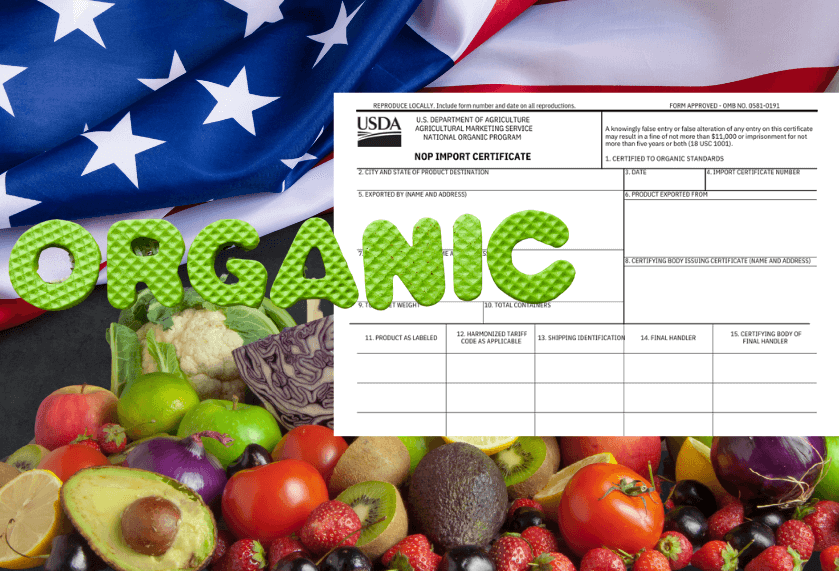
Photo: GHY International

In recent years, the organic food industry has undergone dramatic growth, becoming a nearly $200 billion global market and projected to exceed $500 billion by 2032. This explosive growth has brought significant benefits but also intensified the challenges of maintaining organic integrity across international borders. With increasing incidents of organic fraud, particularly involving imports, the USDA has introduced stringent new regulations to combat these threats. However, these changes have had significant consequences—both intended and unintended—affecting organic farmers, importers, and ultimately the consumers who rely on the organic label.

Organic Fraud and the Need for Regulatory Change

As the organic industry expanded, so did the instances of fraud. Products labeled as organic but failing to meet standards, such as genetically modified (GM) contamination or falsely certified imports, began to compromise the integrity of the organic market. Reports of fraudulent organic certifications from regions like the Black Sea and India have been on the rise, drawing concern from both regulatory bodies and farmers who follow rigorous organic practices (Dieterle, 2024).

One recent case highlighted these challenges: a consignment of Pakistani organic Basmati rice was found to contain traces of GM elements, a discovery that could be traced back to hybrid seeds imported from China. This contamination threatened consumer confidence, particularly in the European market, where expectations for organic integrity are stringent (The Hindu Businessline, 2024). For U.S. farmers who work tirelessly to uphold organic standards, such incidents cast a shadow over the entire industry, making it crucial for regulators to act.

USDA’s Strengthening Organic Enforcement (SOE) Rules

To address these growing concerns, the USDA implemented the Strengthening Organic Enforcement (SOE) rules in 2023, which took effect in March 2024. These rules are designed to enhance traceability and certification requirements across the organic supply chain. Unlike the previous system, which focused mainly on organic producers and farms, the SOE rules mandate certification for every entity that handles organic products—from farms to distributors, importers, and even transporters (Dieterle, 2024).

The SOE rules have already begun to make an impact. According to the Organic and Non-GMO Report, six months into enforcement, 85% of imported organic goods were compliant with new certification standards. This has helped weed out fraudulent products, particularly those originating from China that were previously imported under false certificates. Companies like Axiom Foods, which specializes in organic rice protein, have seen fraudulent competitors exit the market due to their inability to meet the new standards (Organic and Non-GMO Report, 2024).

The Impact on Wine Importers

While the intention behind the SOE rules is to strengthen the organic supply chain, it has also created significant challenges for certain sectors. The global wine industry, for instance, has faced a compliance crisis under the new rules. Not only must the grapes and the wine itself be certified organic, but now importers and any logistics companies involved must also acquire organic certification. This expansion of certification requirements has caused confusion and increased administrative burdens, particularly for smaller importers who lack the resources to quickly adapt to the new regulations (Dieterle, 2024).

For many wine importers, the lack of direct communication from the USDA about these new requirements added to the confusion. Many only learned of the new rules through frantic messages from their partners or logistics companies. Despite these difficulties, the USDA has made it clear that non-compliance could result in significant fines, pushing smaller players to either comply, pull products off shelves, or drop the organic label—even if the wine was legitimately produced according to organic standards (Dieterle, 2024). Texas organic grape growers can only benefit from these issues and hopefully gain new, long lasting market agreements for their grapes.

Market Shifts and Organic Farmer Concerns

For U.S. organic farmers, the influx of imports—many of which have been under scrutiny for failing to meet proper organic standards—poses a direct threat to their livelihood. Fraudulent organic imports not only dilute the market but can also drive down prices, making it harder for genuinely organic products to compete. With the introduction of the SOE rules, the USDA aims to bring greater transparency to the organic supply chain, restoring confidence in the organic label and, ideally, leveling the playing field for farmers who adhere to the high standards required for certification.

Axiom Foods, for example, saw increased demand for their organic rice protein as a result of stricter enforcement. Food and beverage manufacturers now need to be more diligent in sourcing certified organic ingredients, which has created new opportunities for compliant suppliers from Texas or elsewhere (Organic and Non-GMO Report, 2024).

US Farmers Hope SOE Will Stem the Tide of Cheap Organic Imports

While the SOE rules are making strides in preventing fraud and restoring consumer trust, the implementation challenges highlight the difficulties of regulating a rapidly growing industry that crosses international borders. For now, U.S. organic farmers hope that the strengthened regulations will ultimately reduce fraudulent imports, allowing their genuine products to stand out in an increasingly crowded market.

For the farmers who uphold organic principles, these efforts represent both a challenge and an opportunity. The challenge lies in navigating a complex global marketplace, but the opportunity exists to set a higher standard for organic integrity, benefiting both producers and consumers. As we look ahead, finding ways to support smaller players in the organic market while ensuring compliance remains a critical issue for policymakers and industry leaders alike.

Sources:

  • The Hindu Businessline. (2024). China may have been the source of GMO rice in Pakistan organic Basmati consignment.
  • Dieterle, C. J. (2024). New USDA Organic Rules Put Wine Importers in a Bind. Reason.com.
  • Organic and Non-GMO Report. (2024). New USDA organic fraud rules are working, says organic rice protein supplier. October 2024.

Organic Dairy Feeding Trial

Dr. Sushil Paudyal is Assistant Professor of Dairy Science at Texas A&M and an outstanding dairy researcher.  Dr. Paudyal has a great interest in both nutrition and health issues in dairy cows, but he also likes to study these kinds of interactions in organic dairy cows. Sushil and I have been teaming up over the past couple of years on a few projects and we are starting one this fall (October 2024) that is very interesting. 

In partnership with Kent Nutrition Group, we’re conducting a feeding trial involving a Humic Acid Substance, specifically Menefeed MFG 150, with pens of lactating organic dairy cows. We’ll compare a group that receives Menefeed MFG 150 to a non-fed group and then switch the groups for another phase of the study. This “crossover” design will help us better understand how the supplement impacts these animals.

Our focus will be on three main areas:

  1. Milk Yield and Composition: We’ll monitor how Menefeed MFG 150 affects both the quantity of milk produced and its quality, including components like fat and protein content.
  2. Health Status: By analyzing blood serum tests, we aim to understand how this humic acid substance might influence cow health—looking at factors like immune function and overall vitality.
  3. Rumination and Milk Conductivity: Using sensors, we plan to track rumination time and milk conductivity, which can give insights into digestive efficiency and udder health.

Menefeed MFG 150 is OMRI-listed, meaning it meets the requirements for use in organic systems, which is crucial for our organic dairy trial. The humic substances used in Menefeed MFG 150 are derived from Freshwater Reed-Sedge Peat, a mined product that undergoes mechanical processing to become suitable for animal feeding.

What are humic substances?

Humic substances are organic compounds that come from the decomposition of plant and microbial materials. You may already be familiar with humic and fulvic acids from their use in improving soil health or as foliar plant sprays (link to humic and fulvic acid info for crops). These substances have been shown to have many beneficial properties, although their exact mechanisms can sometimes be mysterious. Research has shown mixed results—sometimes they provide a clear benefit, and other times they don’t—but the potential benefits keep us intrigued.

In dairy cows, recent studies suggest that humic substances like Menefeed MFG 150 may improve rumen fermentation, enhance nutrient utilization, and even support the immune system. If these effects prove true, and if we see an increase in milk production, this trial could lead to a win-win situation for organic dairy farmers, helping them achieve greater production while maintaining cow health.

New to Texas Organic?

In case you didn’t know: Texas has impressive diversity in its organic agricultural production. The organic crops grown in Texas encompass staple commodities such as peanuts, cotton, corn, wheat, sorghum, alfalfa, rice, hay, grass, and soybeans. Beyond these staples, Texas farmers cultivate a wide array of vegetables, including lettuce, spinach, onions, tomatoes, peppers, kale, radishes, garlic, and microgreens. The state’s organic fruit production features watermelons, strawberries, blueberries, and various citrus fruits like grapefruits and oranges. Additionally, a variety of herbs such as basil, cilantro, dill, parsley, and other spices are grown organically. Texas also supports the cultivation of flowers, transplants, and specialty crops like mushrooms, aloe vera, and cacti.

Complementing its crop production, Texas’s organic agriculture sector includes a growing livestock industry. Organic farmers in the state produce milk and from milk lots of other dairy products like butter and cheese. There is a growing demand for dairy products nationwide and Texas leads in organic dairy.

Texans also raise organic chickens, turkeys, and cattle, supplying organic beef, poultry, and eggs to consumers. Moreover, Texas organic producers’ market organic beef and dairy replacement livestock, which are sold to organic operations both within the state and across the country. This extensive range of organic crops and livestock products demonstrates Texas’s rich and diverse organic agriculture sector, solidifying its position as a leader in organic farming.

So, what does a typical organic producer in Texas look like? Well this producer is probably located in one of 5 organic “hot spots” in Texas – the High Plains from Amarillo north and doing dairy, grain or silage crops; or maybe the South Plains from Lubbock south to Andrews growing peanuts, cotton or wheat; or possibly in the Central Texas area bounded by Comanche and Waco south to Austin, and growing forage crops for more dairy producers or small acreage vegetables; or maybe in the Gulf Coast area from Beaumont to El Campo growing organic rice; or this organic producer is possibly in the Rio Grande Valley right up against the Mexico border growing citrus and vegetables. With over 576,000 acres certified organic they are scattered across a big state. And they aren’t small either with the average sized organic farm being 1,249 acres. Even the median (right in the middle of the list) acreage at 370 acres is considered large for most states’ organic programs – everything is bigger in Texas!

Who Grows Organic Peanuts in the World

Ever wondered where organic peanuts are produced? Examining the global map of certified organic peanut farms reveals some interesting patterns. Countries like China, India, Brazil, Argentina, and Togo are major players in organic peanut production, and the United States also makes significant contributions.

Here’s a breakdown of the acreage dedicated to organic production with an emphasis on peanuts in some important countries:

  • China: Approximately 152,860 acres, with companies like Jilin Jinya Nut Processing Co., Ltd. contributing significantly.
  • India: Various Organic Grower Groups collectively manage over 103,686 acres of organic peanut farms, demonstrating the effectiveness of cooperative farming.
  • Brazil: Around 60,592 acres, with Sambazon do Brasil Agroindustrial Ltda contributing a substantial 60,573 acres.
  • Argentina: About 36,636 acres, with companies like Campos Verdes Argentinos SA and Conosur Foods Argentina SA being key contributors.
  • Togo: 53,325 acres managed by SOYCAIN TRADING SARL U, making it a significant player in West Africa.
  • United States: Numerous family-owned farms collectively contribute over 100,000 acres to organic peanut production, with notable producers one in West Texas managing 9,355 acres.

China’s Contribution

China leads with over 152,000 acres dedicated to organic peanut farming. Companies such as Jilin Jinya Nut Processing Co., Ltd. and Wuqiang County Jiyuan Oil Crop Planting Professional Cooperative are significant contributors. Different regions within China add to this market, but China consumes most of what it produces.

India’s Cooperative Farming

In India, numerous Organic Grower Groups (which have group certification) collectively manage over 103,000 acres. These groups demonstrate how small farmers work together to make a significant impact, collaborating to drive success in organic agriculture while keeping costs down.

Brazil’s Organic Production

In Brazil, Sambazon do Brasil Agroindustrial Ltda has 60,573 acres dedicated to organic production, including a substantial amount of peanuts. This company is not only a leader in Brazil but also one of the largest certified organic producers in the world.

Argentina’s Key Players

Companies like Campos Verdes Argentinos SA and Conosur Foods Argentina SA are significant contributors in Argentina, with combined acreage reaching around 36,000 acres. These farms focus on cotton and peanuts, concentrating in regions suitable for these crops.

Togo’s Role in West Africa

In Togo, SOYCAIN TRADING SARL U manages 53,325 acres, contributing significantly to the global peanut supply from West Africa. It raises questions about how much they export!

Family Farms in the USA

Now, let’s consider the United States. While we may not have single operations as large as those in China or Brazil, the U.S. has a network of family-owned farms that collectively contribute over 100,000 acres to organic production. For example, one Texas farmer manages 9,355 acres, making him one of the prominent certified organic peanut producers in the country.

These farms often represent family legacies in organic agriculture, with names appearing across multiple farms in Texas and elsewhere. This reflects the enduring nature of family farming traditions contributing to the organic peanut industry.

Acknowledging Other Contributors

We might have missed highlighting some of the smaller but important players in the organic peanut industry:

  • Paraguay: Companies like Indugrapa SA and Alemán Paraguayo Canadiense S.A. contribute over 10,760 acres to global organic peanut production.
  • Bolivia: Finca San Carlos manages 3,118 acres, adding to South America’s contribution.
  • Vietnam: Companies like FG Products Company Limited and Hebes Company Limited collectively manage over 8,600 acres.

These contributions, while smaller, are vital to the diversity and resilience of the global organic peanut supply chain.

Bringing It All Together

These peanut producers are essential links in the chain that brings organic products from the farm to your table. Organic begins on the farm and remains so until it is packaged.

Most people don’t consider where their peanuts come from or the journey they take. The majority of these farms are committed to sustainable practices, ensuring that organic integrity is maintained every step of the way. With the recent implementation of Strengthening Organic Enforcement (SOE) rules, the entire value chain—including brokers and even transporters—is now certified to ensure accountability.

Organic Oat Resources

Click a link below to scroll down!

  1. Oats: The Nutrient-Rich Grain for Food, Forage, and Soil Improvement
  2. Advantages of Growing Oats as Grain
  3. Advantages of Growing Oats for Grazing
  4. Advantages of Growing Oats for Silage
  5. Oat Seed Count and Weight
  6. Planting Rate
  7. Planting Depth
  8. Additional Considerations
  9. Overall Benefits
  10. Seed Companies
  11. Organic Small Grain (wheat, oats, triticale, barley, and rye) Traders
  12. Other Resources

Organic oat production plays a vital role in sustainable agriculture, offering a high-nutrient, low-input crop that supports both human and environmental health. Oats are often grown in organic systems for their ability to improve soil structure, suppress weeds, and add valuable organic matter. They are particularly prized for their high fiber and beta-glucan content, making them a staple in the health food market. Organic oats appeal to consumers looking for pesticide-free, nutrient-dense food options, while their production helps farmers reduce chemical dependencies and maintain ecological balance. By prioritizing organic oat cultivation, producers can tap into a growing market for clean, wholesome grains while promoting regenerative farming practices.

Food Use: Oats are a popular grain used globally in a variety of foods, especially breakfast items like oatmeal, granola, and muesli. They are known for their high nutritional value, being rich in soluble fiber, particularly beta-glucans, which help lower cholesterol levels and regulate blood sugar. Oats also provide a good source of carbohydrates, protein, healthy fats, and essential nutrients such as iron, magnesium, and B vitamins. They are often processed into different forms, including rolled oats, steel-cut oats, and oat flour, which are used in baking, snacks, and health foods.

Animal Feed: Oats are a highly valued feed grain, especially for horses, cattle, and poultry. They are known for their palatability and digestibility, providing a good balance of energy, fiber, and protein. The relatively high fiber content in the hulls of oats makes them a preferred choice for young animals and those with specific dietary needs, such as horses and lactating livestock. Oats are also less likely to cause digestive upsets compared to higher-starch grains like corn, making them a safer feed option for many animals. They can be fed whole, rolled, or ground, depending on the specific requirements of the livestock.

  1. High Nutritional Value: Oats are known for their high nutritional content, including a good balance of protein, carbohydrates, and fats. They are particularly high in soluble fiber, especially beta-glucans, which help lower cholesterol and regulate blood sugar levels. Oats are commonly used in human foods such as oatmeal, breakfast cereals, and baked goods.
  2. Market Demand and Health Benefits: There is a strong market demand for oats due to their recognized health benefits, including heart health, digestive health, and as a gluten-free alternative (though oats can be contaminated with gluten unless specifically grown and processed as gluten-free).
  3. Adaptability to Different Climates: Oats are highly adaptable and can thrive in cool, moist climates. They are well-suited to regions with shorter growing seasons and can perform well on a variety of soils, including those that are less fertile or have higher moisture levels.
  4. Soil Improvement: Oats contribute to soil health by enhancing soil structure, increasing organic matter, and providing ground cover that reduces erosion. Their fibrous root system helps improve soil tilth and water infiltration.
  5. Low Input Requirements: Oats generally require fewer inputs such as fertilizers and pesticides compared to other cereal crops, making them a cost-effective option for farmers, particularly in organic or low-input systems.
  1. High-Quality Forage: Oats provide high-quality forage that is rich in protein and energy, making them an excellent choice for grazing livestock, especially when grazed in the early vegetative stages. This forage is particularly beneficial for young or lactating animals.
  2. Extended Grazing Season: Planting oats in the fall or early spring can extend the grazing season, providing valuable forage when other pastures are not available. This can reduce the need for supplementary feeding.
  3. Rapid Growth and Regrowth: Oats grow quickly and can provide forage within a short period after planting. They can be grazed multiple times if managed correctly, supporting continuous grazing systems and reducing feed costs.
  4. Palatability and Digestibility: Oat forage is highly palatable to livestock, which can improve intake and animal performance. Its high digestibility supports efficient nutrient utilization in grazing animals.
  1. Nutritional Silage: Oat silage offers a good balance of carbohydrates, proteins, and fiber, making it a valuable feed for ruminants such as dairy cows, beef cattle, and sheep. The high energy and digestibility of oat silage contribute to enhanced animal performance, particularly in high-demand situations like lactation.
  2. Early Harvest and Flexibility: Oats can be harvested for silage earlier in the season, which allows for double-cropping or the planting of cover crops afterward. This can maximize land use efficiency and enhance overall farm productivity.
  3. High Biomass Production: Oats produce a substantial amount of biomass, resulting in high yields of silage per acre. This makes it a productive option for livestock feed, particularly in regions where forage supply is critical.
  4. Tolerance to Poor Growing Conditions: Oats are relatively tolerant of poor growing conditions, including cold, wet soils and low fertility, making them a reliable option for silage production in diverse environments.
  • Seeds per Pound: The number of oat seeds per pound generally ranges from 12,000 to 16,000 seeds per pound, depending on the variety and seed size. An average figure is around 14,000 seeds per pound.
  • Typical Planting Rate: The standard seeding rate for oats is typically 80 to 100 pounds per acre. This equates to approximately 1.1 to 1.6 million seeds per acre, depending on seed size and germination rates.
  • Range of Planting Rates:
    • For Grain Production: Rates usually range from 70 to 100 pounds per acre.
    • For Forage or Cover Crop Use: Higher seeding rates, ranging from 100 to 130 pounds per acre, are often used to ensure a dense stand for forage quality or ground cover.
    • Erosion Control or Soil Health: For purposes like erosion control or as a nurse crop, seeding rates might reach up to 130 pounds per acre.
  • Optimal Depth: Oats should be planted at a depth of 1 to 2 inches. Planting depth considerations include:
    • 1 inch is generally adequate under moist conditions and lighter soils.
    • 1.5 to 2 inches may be needed in drier conditions or in heavier soils to ensure good seed-to-soil contact and moisture access.
  • Depth Considerations: Planting too shallow may expose seeds to surface drying or adverse weather, while planting too deep can delay emergence and reduce stand uniformity.
  • Soil Temperature: Oats can germinate at cool soil temperatures, with the optimal range being 50°F to 77°F (10°C to 25°C). They can be planted in early spring or late summer for fall production.
  • Row Spacing: Oats are typically planted with row spacing of 6 to 8 inches for grain, and sometimes closer spacing for forage or cover crop purposes.
  • Uses: Oats are versatile and used for grain, forage, and cover cropping. As a cover crop, oats help improve soil structure, suppress weeds, and capture residual nitrogen.
  • Weed Suppression and Cover Cropping: Oats are effective at suppressing weeds due to their rapid growth and dense canopy. They are also commonly used as a cover crop to improve soil health, prevent erosion, and reduce weed pressure in subsequent crops.
  • Disease Resistance and Pest Management: Oats are generally less susceptible to some of the diseases and pests that affect other cereal grains, reducing the need for chemical interventions and supporting integrated pest management strategies.

Organic farmers are required to purchase organic seed when it is available, but for many crops, organic seed options are limited or unavailable. Many seed companies offer both organic and non-organic seed, and it’s essential for farmers to understand that non-organic seed can be used on certified organic farms as long as it is non-GMO and untreated. Farmers should always verify seed sourcing requirements with their organic certifier to ensure compliance while balancing the need for high-quality planting seed.

Turner Seed Company

Albert Lea Seeds (Organic Varieties)

Trical Superior Forage

Here is a list of potential organic commodity buyers (based on organic certification) who have historically engaged in the organic grain market. While these companies have shown interest in organic commodities, it’s important to note that their purchasing activities can vary based on market conditions, demand, and availability. I encourage you to contact them directly to inquire about their current buying needs and contract opportunities, as their purchasing intentions may change over time.

Barton Springs Mill, Inc.

Pink Rose Organix

Caprock Enterprises LLC

  • Beau Brown
  • 1301 E 5th
  • Plainview, Texas 79072
  • PO Box 53538, Lubbock, Texas 79453
  • 806-798-8900
  • beau@lonestarcom.org

Commodity Brokerage Services LLC

Coyote Creek Organic Feed Mill & Farm

Deaf Smith County Grain

Enger Farms, LLC

Lone Star Commodities, Ltd.

McDowell Feed Source

Muleshoe Specialty Grain, LLC

New Deal Grain Inc

TIERRA MANNA TRADING

Triple Nickel, Inc.

  • Kayla Nickels
  • 808 W 19th St
  • Muleshoe, Texas 79347
  • Triple Nickel East
  • 413 East American Blvd.
  • Muleshoe, TX 79347
  • (806) 272-7500
  • Triple Nickel West
  • 1680 CR 1044
  • Muleshoe, Texas 79347
  • (806) 272-5589
  • kayla@cknickels.com
  • https://cknickels.com/