In recent years, the organic food industry has undergone dramatic growth, becoming a nearly $200 billion global market and projected to exceed $500 billion by 2032. This explosive growth has brought significant benefits but also intensified the challenges of maintaining organic integrity across international borders. With increasing incidents of organic fraud, particularly involving imports, the USDA has introduced stringent new regulations to combat these threats. However, these changes have had significant consequences—both intended and unintended—affecting organic farmers, importers, and ultimately the consumers who rely on the organic label.
Organic Fraud and the Need for Regulatory Change
As the organic industry expanded, so did the instances of fraud. Products labeled as organic but failing to meet standards, such as genetically modified (GM) contamination or falsely certified imports, began to compromise the integrity of the organic market. Reports of fraudulent organic certifications from regions like the Black Sea and India have been on the rise, drawing concern from both regulatory bodies and farmers who follow rigorous organic practices (Dieterle, 2024).
One recent case highlighted these challenges: a consignment of Pakistani organic Basmati rice was found to contain traces of GM elements, a discovery that could be traced back to hybrid seeds imported from China. This contamination threatened consumer confidence, particularly in the European market, where expectations for organic integrity are stringent (The Hindu Businessline, 2024). For U.S. farmers who work tirelessly to uphold organic standards, such incidents cast a shadow over the entire industry, making it crucial for regulators to act.
To address these growing concerns, the USDA implemented the Strengthening Organic Enforcement (SOE) rules in 2023, which took effect in March 2024. These rules are designed to enhance traceability and certification requirements across the organic supply chain. Unlike the previous system, which focused mainly on organic producers and farms, the SOE rules mandate certification for every entity that handles organic products—from farms to distributors, importers, and even transporters (Dieterle, 2024).
The SOE rules have already begun to make an impact. According to the Organic and Non-GMO Report, six months into enforcement, 85% of imported organic goods were compliant with new certification standards. This has helped weed out fraudulent products, particularly those originating from China that were previously imported under false certificates. Companies like Axiom Foods, which specializes in organic rice protein, have seen fraudulent competitors exit the market due to their inability to meet the new standards (Organic and Non-GMO Report, 2024).
The Impact on Wine Importers
While the intention behind the SOE rules is to strengthen the organic supply chain, it has also created significant challenges for certain sectors. The global wine industry, for instance, has faced a compliance crisis under the new rules. Not only must the grapes and the wine itself be certified organic, but now importers and any logistics companies involved must also acquire organic certification. This expansion of certification requirements has caused confusion and increased administrative burdens, particularly for smaller importers who lack the resources to quickly adapt to the new regulations (Dieterle, 2024).
For many wine importers, the lack of direct communication from the USDA about these new requirements added to the confusion. Many only learned of the new rules through frantic messages from their partners or logistics companies. Despite these difficulties, the USDA has made it clear that non-compliance could result in significant fines, pushing smaller players to either comply, pull products off shelves, or drop the organic label—even if the wine was legitimately produced according to organic standards (Dieterle, 2024). Texas organic grape growers can only benefit from these issues and hopefully gain new, long lasting market agreements for their grapes.
Market Shifts and Organic Farmer Concerns
For U.S. organic farmers, the influx of imports—many of which have been under scrutiny for failing to meet proper organic standards—poses a direct threat to their livelihood. Fraudulent organic imports not only dilute the market but can also drive down prices, making it harder for genuinely organic products to compete. With the introduction of the SOE rules, the USDA aims to bring greater transparency to the organic supply chain, restoring confidence in the organic label and, ideally, leveling the playing field for farmers who adhere to the high standards required for certification.
Axiom Foods, for example, saw increased demand for their organic rice protein as a result of stricter enforcement. Food and beverage manufacturers now need to be more diligent in sourcing certified organic ingredients, which has created new opportunities for compliant suppliers from Texas or elsewhere (Organic and Non-GMO Report, 2024).
US Farmers Hope SOE Will Stem the Tide of Cheap Organic Imports
While the SOE rules are making strides in preventing fraud and restoring consumer trust, the implementation challenges highlight the difficulties of regulating a rapidly growing industry that crosses international borders. For now, U.S. organic farmers hope that the strengthened regulations will ultimately reduce fraudulent imports, allowing their genuine products to stand out in an increasingly crowded market.
For the farmers who uphold organic principles, these efforts represent both a challenge and an opportunity. The challenge lies in navigating a complex global marketplace, but the opportunity exists to set a higher standard for organic integrity, benefiting both producers and consumers. As we look ahead, finding ways to support smaller players in the organic market while ensuring compliance remains a critical issue for policymakers and industry leaders alike.
Sources:
The Hindu Businessline. (2024). China may have been the source of GMO rice in Pakistan organic Basmati consignment.
Dieterle, C. J. (2024). New USDA Organic Rules Put Wine Importers in a Bind. Reason.com.
Organic and Non-GMO Report. (2024). New USDA organic fraud rules are working, says organic rice protein supplier. October 2024.
Dr. Sushil Paudyal is Assistant Professor of Dairy Science at Texas A&M and an outstanding dairy researcher. Dr. Paudyal has a great interest in both nutrition and health issues in dairy cows, but he also likes to study these kinds of interactions in organic dairy cows. Sushil and I have been teaming up over the past couple of years on a few projects and we are starting one this fall (October 2024) that is very interesting.
In partnership with Kent Nutrition Group, we’re conducting a feeding trial involving a Humic Acid Substance, specifically Menefeed MFG 150, with pens of lactating organic dairy cows. We’ll compare a group that receives Menefeed MFG 150 to a non-fed group and then switch the groups for another phase of the study. This “crossover” design will help us better understand how the supplement impacts these animals.
Our focus will be on three main areas:
Milk Yield and Composition: We’ll monitor how Menefeed MFG 150 affects both the quantity of milk produced and its quality, including components like fat and protein content.
Health Status: By analyzing blood serum tests, we aim to understand how this humic acid substance might influence cow health—looking at factors like immune function and overall vitality.
Rumination and Milk Conductivity: Using sensors, we plan to track rumination time and milk conductivity, which can give insights into digestive efficiency and udder health.
Menefeed MFG 150 is OMRI-listed, meaning it meets the requirements for use in organic systems, which is crucial for our organic dairy trial. The humic substances used in Menefeed MFG 150 are derived from Freshwater Reed-Sedge Peat, a mined product that undergoes mechanical processing to become suitable for animal feeding.
What are humic substances?
Humic substances are organic compounds that come from the decomposition of plant and microbial materials. You may already be familiar with humic and fulvic acids from their use in improving soil health or as foliar plant sprays (link to humic and fulvic acid info for crops). These substances have been shown to have many beneficial properties, although their exact mechanisms can sometimes be mysterious. Research has shown mixed results—sometimes they provide a clear benefit, and other times they don’t—but the potential benefits keep us intrigued.
In dairy cows, recent studies suggest that humic substances like Menefeed MFG 150 may improve rumen fermentation, enhance nutrient utilization, and even support the immune system. If these effects prove true, and if we see an increase in milk production, this trial could lead to a win-win situation for organic dairy farmers, helping them achieve greater production while maintaining cow health.
In case you didn’t know: Texas has impressive diversity in its organic agricultural production. The organic crops grown in Texas encompass staple commodities such as peanuts, cotton, corn, wheat, sorghum, alfalfa, rice, hay, grass, and soybeans. Beyond these staples, Texas farmers cultivate a wide array of vegetables, including lettuce, spinach, onions, tomatoes, peppers, kale, radishes, garlic, and microgreens. The state’s organic fruit production features watermelons, strawberries, blueberries, and various citrus fruits like grapefruits and oranges. Additionally, a variety of herbs such as basil, cilantro, dill, parsley, and other spices are grown organically. Texas also supports the cultivation of flowers, transplants, and specialty crops like mushrooms, aloe vera, and cacti.
Complementing its crop production, Texas’s organic agriculture sector includes a growing livestock industry. Organic farmers in the state produce milk and from milk lots of other dairy products like butter and cheese. There is a growing demand for dairy products nationwide and Texas leads in organic dairy.
Texans also raise organic chickens, turkeys, and cattle, supplying organic beef, poultry, and eggs to consumers. Moreover, Texas organic producers’ market organic beef and dairy replacement livestock, which are sold to organic operations both within the state and across the country. This extensive range of organic crops and livestock products demonstrates Texas’s rich and diverse organic agriculture sector, solidifying its position as a leader in organic farming.
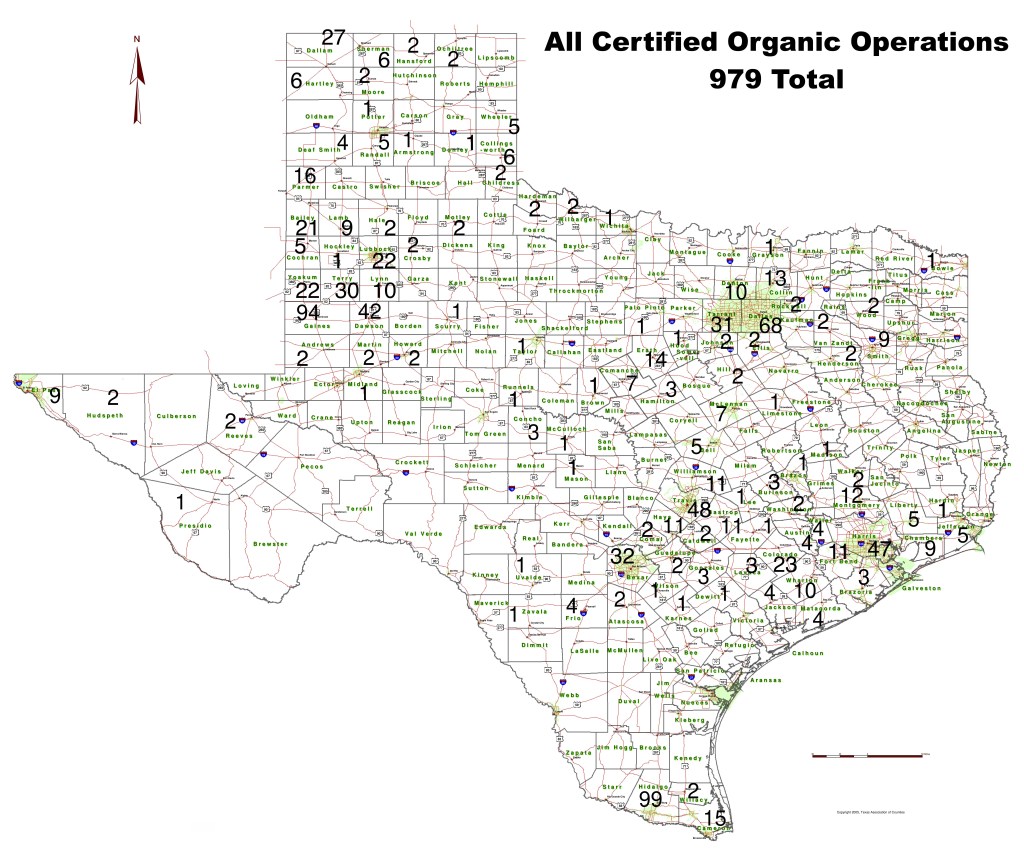
So, what does a typical organic producer in Texas look like? Well this producer is probably located in one of 5 organic “hot spots” in Texas – the High Plains from Amarillo north and doing dairy, grain or silage crops; or maybe the South Plains from Lubbock south to Andrews growing peanuts, cotton or wheat; or possibly in the Central Texas area bounded by Comanche and Waco south to Austin, and growing forage crops for more dairy producers or small acreage vegetables; or maybe in the Gulf Coast area from Beaumont to El Campo growing organic rice; or this organic producer is possibly in the Rio Grande Valley right up against the Mexico border growing citrus and vegetables. With over 576,000 acres certified organic they are scattered across a big state. And they aren’t small either with the average sized organic farm being 1,249 acres. Even the median (right in the middle of the list) acreage at 370 acres is considered large for most states’ organic programs – everything is bigger in Texas!
Wrapping parts of field bindweed plants from the nursery infected with Gall Mites around field bindweed plants in the South Plains. Introducing the beneficial Gall Mite to help control this noxious weed.
Some time back I wrote a blog post about using some biological methods for controlling field bindweed (click here to read). I liked the idea of introducing the Field Bindweed Gall Mite (Aceria malherbae) to areas of field bindweed and hoping they would help to keep this weed from taking over fields. Sounds easy till you try finding the mites!
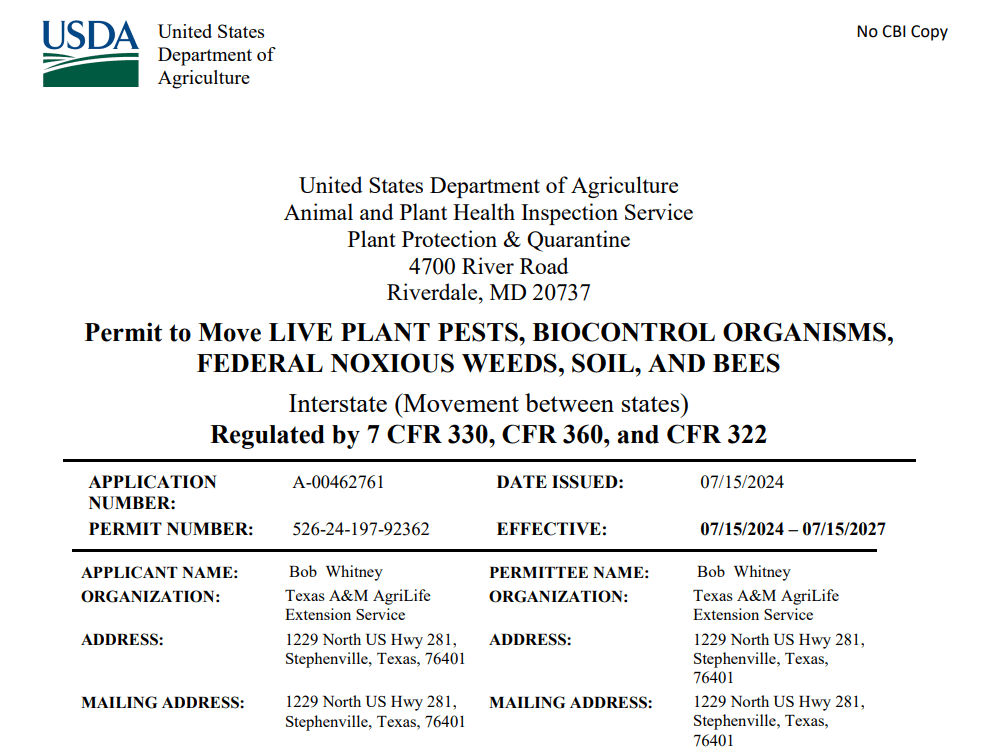
Most of the information pointed me to the State of Colorado and Nina Louden Biocontrol Specialist with the Colorado Department of Agriculture. The first thing Nina asked me, “Do you have a USDA permit to allow us to ship “biological control agents” across state lines?” At that time, I didn’t even know there was a need for a permit, but I soon found out you can apply for one online. There was much in the application process I didn’t understand but overall, it was simple and easy. I got my “permit” as you can see below
USDA Permit to ship and apply Field Bindweed Gall Mites
I sent Nina the USDA permit by email and her response back was we will ship you the Gall Mites on Monday of the next week to arrive by noon on Tuesday. The mites are harvested in Colorado from growing field bindweed by simply cutting off pieces of field bindweed that are infected with the mites and shipping them in a cooler with cold packs. My next call was to Carl Pepper, South Plains Organic Cotton Farmer to see if he was able to help me put out the mites on one of his fields.
Field bindweed with the Gall Mites on the plant are harvested and sent to us for distribution.
Carl and his family had a perfect location next to an organic cotton field. The area between the county road and the field was infested with field bindweed and the weed was growing out in the cotton rows where Carl could not plow it out. We put the gall mites into two 10′ X 10′ squares well marked and will monitor their “survivability” and ultimately measure their spread out from the 10′ X 10′ area to the field.
Carl Pepper is applying the field bindweed pieces to the existing field bindweed plants in his field. We did this by wrapping the pieces around the existing plants. The mites will move from the old plants to the new looking for fresh food sources.
Will it work? I don’t think any of us know for sure, but we have to try! The field bindweed gall mite is not going to eradicate field bindweed on the South Plains. But our hope is that as the field bindweed comes out each spring the gall mite is also out and feeding on the field bindweed. This will significantly slow the growth of the bindweed and hopefully keep it in check. Something we don’t have now!
Click on the picture above to read this publication about the Gall Mite and how Colorado State Department of Agriculture ships them out. This service was free of charge and very easy to do. I hope to get more to release in other places soon.
I was scrolling through my LinkedIn this morning (Monday, July 15, 2024) and saw a post by Dr. Joseph Burke that I just had to check out!
Just click on the picture to read the full research paper!
I am going to cut through all the information in the full-text and give you a look at the mini version. Let’s start with the abstract from the first page.
Abstract: By improving soil properties, cover crops can reduce wind erosion and sand damage to emerging cotton (Gossypium hirsutum L.) plants. However, on the Texas High Plains, questions regarding cover crop water use and management factors that affect cotton lint yield are common and limit conservation adoption by regional producers. Studies were conducted near Lamesa, Texas, USA, in 2017–2020 to evaluate cover crop species selection, seeding rate, and termination timing on cover crop biomass production and cotton yield in conventional and no-tillage systems. The no-till systems included two cover crop species, rye (Secale cereale L.) and wheat (Triticum aestivum L.) and were compared to a conventional tillage system. The cover crops were planted at two seeding rates, 34 (30.3 lbs./ac.) and 68 kg ha (60.7 lbs./ac.), and each plot was split into two termination timings: optimum, six to eight weeks prior to the planting of cotton, and late, which was two weeks after the optimum termination. Herbage mass was greater in the rye than the wheat cover crop in three of the four years tested, while the 68 kg ha (60.7 lbs./ac.) seeding rate was greater than the low seeding rate in only one of four years for both rye and wheat. The later termination timing produced more herbage mass than the optimum in all four years. Treatments did not affect cotton plant populations and had a variable effect on yield. In general, cover crop biomass production did not reduce lint production compared to the conventional system.
This last statement, “cover crops did not reduce lint production,” is hugely significant and yet it is exactly what many organic cotton producers have been saying for years!
Temperature and Rainfall data during the study
To continue the “mini version” of the research let’s turn to the Summary and Conclusions on page 9 of the research paper.
The semi-arid Texas High Plains presents challenging early-season conditions for cotton producers. Cover crops can help mitigate erosion and protect cotton seedlings from wind and sand damage without reducing yields compared to conventional practices if managed appropriately. Effective cover crop management is needed to optimize cotton lint yield compared to conventional tillage systems. We focused on three cover crop management practices: species selection, seeding rate, and termination timing. With regard to species selection, rye produced greater herbage mass in three of the four years. The seeding rate had less of an effect on herbage mass; doubling the seeding rate from 34 to 68 kg ha (30.3 – 60.7 lbs./ac.) did not contribute to increased herbage mass. This change in seeding rate only causes an increase in seed costs, and this trend held true for both species and termination timings. Termination timing had the most significant effect on herbage mass, with a two-week delay in termination timing, increasing herbage mass production from 44 to 63%. At the targeted termination time of six to eight weeks before planting, rye and wheat experienced increased growth as they transitioned from vegetative to reproductive growth. This critical period makes termination timing an essential aspect of herbage mass management. Termination timing can also impact the carbon-to-nitrogen ratio, where higher C:N at later growth stages can increase N immobilization. While water availability or allelopathy concerns are cited as risks for cotton germination and emergence when using cover crops, cotton plant populations were not affected in this study.
Cotton lint yields were not impacted by increasing cover crop herbage mass, except in 2018, when greater wheat biomass resulted in decreased lint yield compared to the conventional system. In each year, wheat or rye at a 34 kg ha (30.3 lbs./ac.) seeding rate and optimum termination timing resulted in cotton lint yields not different than the Conventional Treatment. While yield potentials can differ between years depending on precipitation and temperatures, effective cover crop management can help sustain cotton lint yields when compared to conventional treatments. Rye seed tends to cost more than wheat, but it grows more rapidly and could be terminated earlier to allow for increased moisture capture and storage between termination and cotton planting. (below is the final sentence in the paper and summarizes well the entire study)
“This research demonstrates that with effective cover crop management, the implementation of conservation practices can be successful in semi-arid cropping systems.“
Beneficial insects, also known as biological control agents, play a crucial role in managing pest populations in organic crops, especially organic row crops. These insects help reduce the need for chemical pesticides, promote biodiversity, and support sustainable farming practices. Here’s a guide on how to integrate beneficial insects into your organic farming system, specifically for crops like cotton, peanut, corn, sorghum, rice, and wheat.
Incorporating beneficial insects into your pest management strategy is a smart, sustainable choice. These natural predators offer a highly effective alternative to organic insecticides, providing ongoing pest control without the need for frequent reapplications. The beneficial insect industry is growing, offering a wider variety of predators and parasitoids than ever before, making it easier to find the right ones for your specific pest issues.
Using beneficial insects helps maintain a balanced ecosystem, as they target pests without harming other beneficial organisms. This promotes biodiversity and long-term soil health, crucial for sustainable farming. Additionally, while the initial investment might be higher, the reduction in pesticide use can lead to significant cost savings over time.
Furthermore, employing beneficial insects supports compliance with organic standards, as it reduces reliance on even approved organic insecticides. This approach aligns with the principles of organic farming, enhancing natural processes and contributing to a healthier environment.
Lastly, it is not unusual to see this type of “pest control” continue to be self-sustaining as the introduced predators continue to live in your established habitat. Living on your farm year-round means that they are ready to go to work when you do! Take a look at this list below and know that these are the insect predators that are commonly available and listed on most websites. But if you find a problem or have a suggestion don’t hesitate to reach out.
Cotesia glomerata(Cabbage White Wasp) Targets: Caterpillars of the cabbage white butterfly.
Gonatocerus triguttatus (known as Fairyflies sometimes) Targets: Glassy-winged Sharpshooter of grapes, spreader of Pierces Disease. May be hard to find!
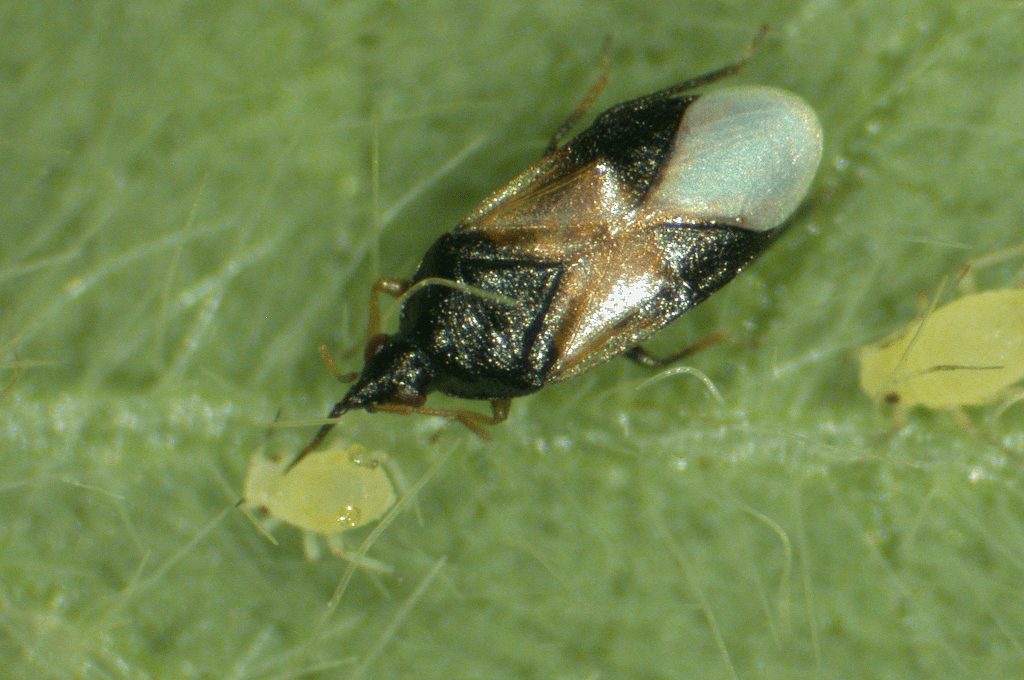
Pirate Bugs (Orius spp.)
Pirate bug. (Photo Credit: Ho Jung Yoo)
Orius insidiosus (Minute Pirate Bug) Targets: Thrips: Both adult and larval stages, Aphids, Mites, Whiteflies, Psyllids, Caterpillars
Orius majusculus Targets: Thrips: Both adult and larval stages, Aphids, Mites, Whiteflies, Psyllids, Caterpillars
Orius tristicolor Targets: Thrips: Both adult and larval stages, Aphids, Mites, Whiteflies, Psyllids, Caterpillars
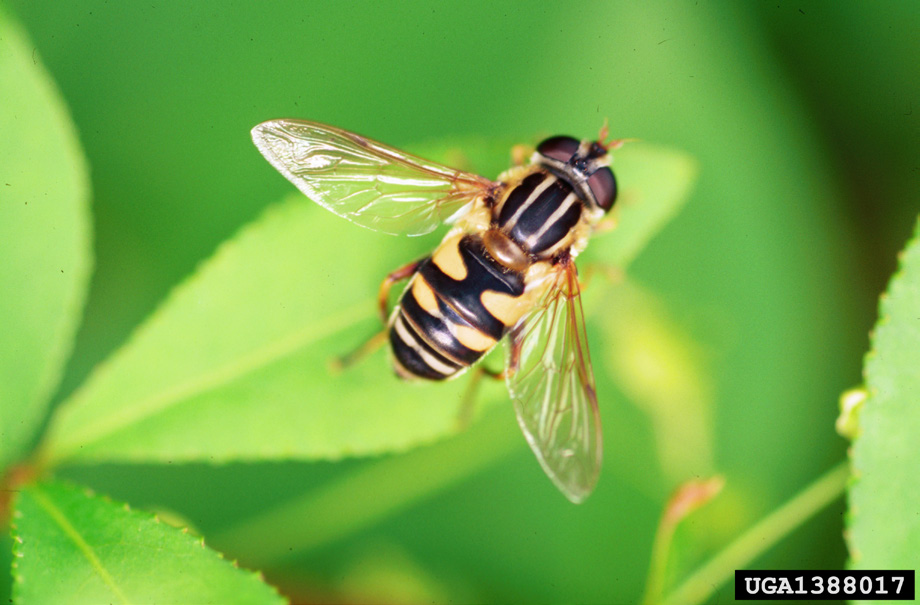
Hoverfliesor Syrphid Flies
Hover Fly (Stephen Katovich, Bugwood.org)
Episyrphus balteatus (Marmalade Hoverfly)Targets: Aphids, small caterpillars.
Syrphus ribesii(Common Hoverfly or Ribbed Hoverfly) Targets: Aphids.
Predatory Mites (Phytoseiidae)
Phytoseiulus persimilis mite eating a Two-spotted spider mite!
Phytoseiulus persimilis(no common name) Targets: Two-spotted spider mites, broad mites.
Amblyseius swirskii(no common name) Targets: Thrips, whiteflies, spider mites.
Neoseiulus cucumeris (no common name) Targets: Thrips, spider mites, broad mites.
Great video about mites and control of spider mites with Amblyseius swirskii
Predatory Nematodes
The Steinernema scapterisci insect-parasitic nematode in the juvenile phase can infect and kill insects in the Orthoptera order, such as grasshoppers and crickets. (Photo by David Cappaert, Bugwood.org.)
Habitat Enhancement: Plant diverse flowering plants around the field to provide nectar and pollen for beneficial insects. Include cover crops and hedgerows to offer shelter and alternate food sources. Have available before purchasing beneficial insects.
Minimize Pesticide Use: Avoid using broad spectrum organic pesticides that can harm beneficial insects. Many organic insect control products are specific to certain insects or insect systems (Pyganic will kill all beneficials although it is organic). Use targeted treatments if necessary and apply them at times when beneficial insects are less active.
Create a Favorable Environment: Ensure the field has adequate moisture and avoid practices that disrupt the habitat of beneficial insects.
Beneficial Insect Delivery and Distribution Methods
Insect Delivery
Bulk Containers: Insects are often shipped in bulk containers containing a mixture of insects and a carrier medium (like vermiculite, bran, or buckwheat hulls).
Blister Packs: Small plastic blister packs containing a specific number of beneficial insects are used for easy handling and release.
Paper or Mesh Bags: Insects are placed in breathable bags that allow for easy distribution in the field.
Distribution Methods
Hand Release: Beneficial insects are manually sprinkled or shaken out onto the crops. Simple tools like a “saltshaker” or small containers can be used for more precise application. Used on smaller areas or targeted release points.
Mechanical Dispersal: Using blowers or air-assisted equipment to disperse insects over a larger area. Usually this means a specialized blowers designed for insect release, similar to leaf blowers but calibrated for the insects’ safety. Typically used on large-scale row crops where uniform distribution is necessary.
Aerial Release: Drones or small aircraft can be used to release insects over extensive fields. Drones equipped with special release mechanisms for even distribution and this method works great with very large fields or difficult-to-access areas.
Release Stations: Strategic placement of small containers or stations throughout the field that allow insects to disperse naturally. These are typically small cardboard or plastic tubes, blister packs placed on stakes or plants. These allow for continuous release over time and for mobile insects like predatory beetles or parasitic wasps.
Instructions for Applying Beneficial Insects in Fields
Timing: Release beneficial insects early in the season before pest populations reach damaging levels.
Quantity: Determine the appropriate release rate based on the specific crop and pest pressure. This information is often provided by suppliers of beneficial insects.
Distribution: Distribute insects evenly across the field. Use dispersal devices like handheld blowers or distribute by hand in small release points throughout the crop area. Apply during cool, calm periods of the day, such as early morning or late afternoon, to minimize stress on the insects.
Specific Instructions for Different Beneficial Insects
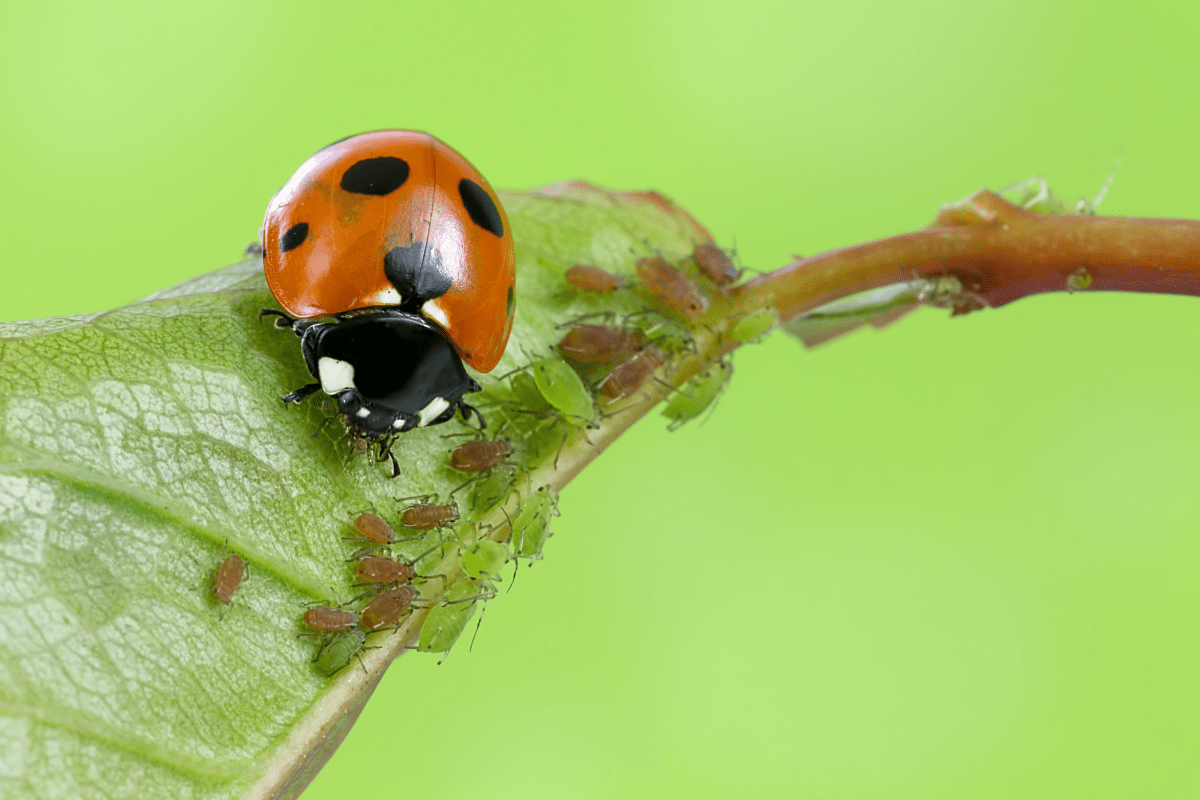
Lady Beetles
Application: Release near aphid-infested plants. Ensure there is enough food and habitat for them to stay.
Environment: Lady beetles prefer environments with flowering plants which provide nectar.
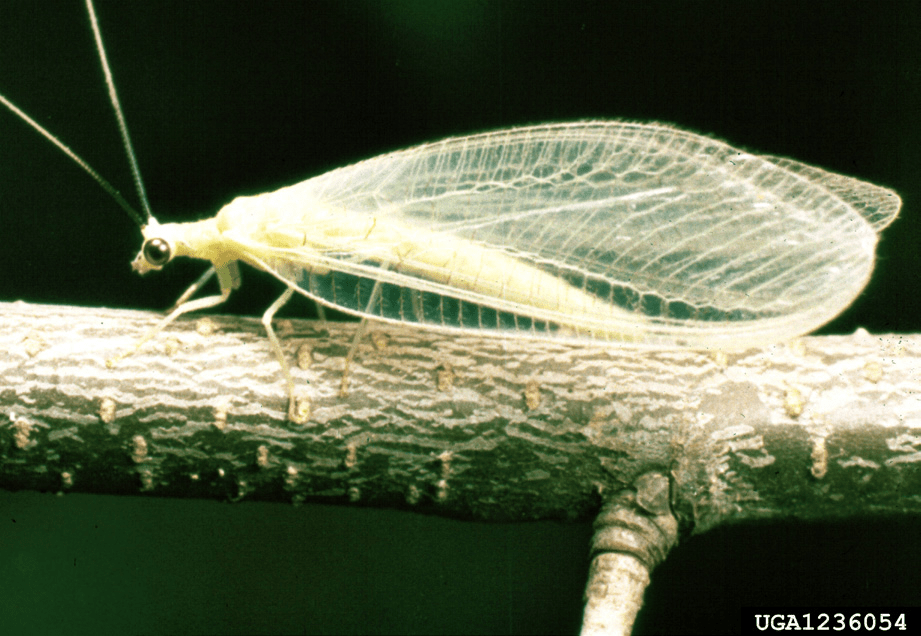
Lacewings
Application: Release lacewing eggs or larvae directly onto plants. Eggs can be scattered or placed on leaves.
Environment: Favorable habitats include areas with nectar-producing plants to support adult lacewings.
Parasitic Wasps (e.g., Trichogramma spp.)
Application: Release near the time of pest egg laying. Attach release cards with parasitized eggs to plants or scatter loose eggs.
Environment: Provide a mix of flowering plants to support adult wasps with nectar sources.
Predatory Mites (e.g., Phytoseiulus persimilis)
Application: Distribute mites onto plants where pest mites are present. Sachets or loose mites can be used.
Environment: Ensure a humid environment, as mites require high humidity for survival.
Predatory Nematodes (e.g., Steinernema spp.)
Application: Mix nematodes with water and apply using irrigation systems, backpack sprayers, or watering cans.
Environment: Keep soil moist for several days after application to ensure nematodes can move and infect pests.
Keeping Beneficial Insects in the Field
Learn about your predator and be able to identify life stages. A Lacewing adult looks a lot different than the dragon-like nymph. The same is true for the Lady Beetle that has a ferocious looking larva!
Avoid and pesticide applications after applying predators. Especially avoid using broad-spectrum pesticides that can harm beneficial insects. Even avoid irrigation applications, if possible, till predators can begin feeding.
Regularly check pest and beneficial insect populations to assess the effectiveness of the release. Use sticky traps, visual inspections, and sweep nets for monitoring. Learn how effective your predators are and what the drop in pest insects looks like once predators are released.
Maintain and promote a diverse habitat with cover crops and flowering plants to support beneficial insect populations. If is amazing how many pest insects stop in your predator habitat first and get eaten up!
Minimize tillage to preserve the habitat of ground dwelling beneficial insects.
Use trap crops to attract pests away from the main crop, allowing beneficial insects to control them more effectively.
Crop Varieties and Beneficial Insects
Selecting Varieties: Choose crop varieties that are known to attract and support beneficial insects. Some plant varieties may produce more nectar and pollen, which are crucial for the survival of beneficial insects.
Integrated Planting: Integrate flowering plants and companion plants that attract beneficial insects within the crop rows. This can be a way to better utilize waterways or sections of a pivot.
Real Life Example: In cotton fields, farmers can plant strips of alfalfa or clover, which attract lady beetles and lacewings. These beneficial insects will help control aphid populations, reducing the need for chemical interventions. Additionally, by maintaining a diverse plant environment, beneficial insects are more likely to stay and thrive in the field.















 Texas A&M AgriLife Organic