I was scrolling through my LinkedIn this morning (Monday, July 15, 2024) and saw a post by Dr. Joseph Burke that I just had to check out!
Just click on the picture to read the full research paper!
I am going to cut through all the information in the full-text and give you a look at the mini version. Let’s start with the abstract from the first page.
Abstract: By improving soil properties, cover crops can reduce wind erosion and sand damage to emerging cotton (Gossypium hirsutum L.) plants. However, on the Texas High Plains, questions regarding cover crop water use and management factors that affect cotton lint yield are common and limit conservation adoption by regional producers. Studies were conducted near Lamesa, Texas, USA, in 2017–2020 to evaluate cover crop species selection, seeding rate, and termination timing on cover crop biomass production and cotton yield in conventional and no-tillage systems. The no-till systems included two cover crop species, rye (Secale cereale L.) and wheat (Triticum aestivum L.) and were compared to a conventional tillage system. The cover crops were planted at two seeding rates, 34 (30.3 lbs./ac.) and 68 kg ha (60.7 lbs./ac.), and each plot was split into two termination timings: optimum, six to eight weeks prior to the planting of cotton, and late, which was two weeks after the optimum termination. Herbage mass was greater in the rye than the wheat cover crop in three of the four years tested, while the 68 kg ha (60.7 lbs./ac.) seeding rate was greater than the low seeding rate in only one of four years for both rye and wheat. The later termination timing produced more herbage mass than the optimum in all four years. Treatments did not affect cotton plant populations and had a variable effect on yield. In general, cover crop biomass production did not reduce lint production compared to the conventional system.
This last statement, “cover crops did not reduce lint production,” is hugely significant and yet it is exactly what many organic cotton producers have been saying for years!
Temperature and Rainfall data during the study
To continue the “mini version” of the research let’s turn to the Summary and Conclusions on page 9 of the research paper.
The semi-arid Texas High Plains presents challenging early-season conditions for cotton producers. Cover crops can help mitigate erosion and protect cotton seedlings from wind and sand damage without reducing yields compared to conventional practices if managed appropriately. Effective cover crop management is needed to optimize cotton lint yield compared to conventional tillage systems. We focused on three cover crop management practices: species selection, seeding rate, and termination timing. With regard to species selection, rye produced greater herbage mass in three of the four years. The seeding rate had less of an effect on herbage mass; doubling the seeding rate from 34 to 68 kg ha (30.3 – 60.7 lbs./ac.) did not contribute to increased herbage mass. This change in seeding rate only causes an increase in seed costs, and this trend held true for both species and termination timings. Termination timing had the most significant effect on herbage mass, with a two-week delay in termination timing, increasing herbage mass production from 44 to 63%. At the targeted termination time of six to eight weeks before planting, rye and wheat experienced increased growth as they transitioned from vegetative to reproductive growth. This critical period makes termination timing an essential aspect of herbage mass management. Termination timing can also impact the carbon-to-nitrogen ratio, where higher C:N at later growth stages can increase N immobilization. While water availability or allelopathy concerns are cited as risks for cotton germination and emergence when using cover crops, cotton plant populations were not affected in this study.
Cotton lint yields were not impacted by increasing cover crop herbage mass, except in 2018, when greater wheat biomass resulted in decreased lint yield compared to the conventional system. In each year, wheat or rye at a 34 kg ha (30.3 lbs./ac.) seeding rate and optimum termination timing resulted in cotton lint yields not different than the Conventional Treatment. While yield potentials can differ between years depending on precipitation and temperatures, effective cover crop management can help sustain cotton lint yields when compared to conventional treatments. Rye seed tends to cost more than wheat, but it grows more rapidly and could be terminated earlier to allow for increased moisture capture and storage between termination and cotton planting. (below is the final sentence in the paper and summarizes well the entire study)
“This research demonstrates that with effective cover crop management, the implementation of conservation practices can be successful in semi-arid cropping systems.“
Dr. Ronnie Levy, Extension Rice Specialist at LSU wrote this article for the April 2022 issue of Rice Farming Magazine. I clipped it out and thought, “this will come in handy someday!” I am putting this out there again because our organic rice producers are facing some real problems with weeds in rice including weedy rice, hemp sesbania, jointvetch and certainly weedy grasses.
Last year I was at Joe Broussard’s farm near Nome, looking at a rice field that was headed out and looking great. On the other side of the levy was a field choked with weeds – what was the difference? One was water-seeded rice, and the other was not. Joe had used water seeding and his flood to control weeds “the old-fashioned way!” So, read this article by Dr. Levy and think about it……
Rice Farming, April 2022. Dr. Ron Levy. “Most rice is drill-seeded in Louisiana — about 80% — but there is a renewed interest in water-seeding rice for weedy rice suppression (or many other weeds in organic systems).
The most common water-seeding method in Louisiana is the pinpoint flood system. After seeding, the field is drained briefly. The initial drain period is only long enough to allow the radicle to penetrate the soil (peg down) and anchor the seedling. A three- to five-day drain period is sufficient under normal conditions.
The field then is permanently flooded until rice nears maturity (an exception is midseason drainage to alleviate straighthead (physiological problem of rice) under certain conditions).
In this system, rice seedlings emerge through the floodwater. Seedlings must be above the water surface by at least the 3 to 4-leaf rice stage. Before this stage, seedlings normally have sufficient stored food and available oxygen to survive. Atmospheric oxygen and other gases are then necessary for the plant to grow and develop.
The pinpoint flood system is an excellent means of suppressing weedy rice emerging from seeds in the soil because oxygen necessary for weedy rice germination is not available as long as the field is maintained in a flooded (or saturated) condition. A continuous flood system, another water-seed system, is limited in Louisiana. Although similar to the pinpoint flood system, the field is never drained after seeding.
Regarding the water-seeded systems, a continuous flood system is normally best for red rice suppression, but rice stand establishment is most difficult. Even the most vigorous variety may have problems becoming established under this system. Inadequate stand establishment is a common problem in both systems.
Fertilization timing is the same for both the pinpoint and continuous flood systems. Phosphorus (P), potassium (K), sulfur (S) and zinc (Zn) fertilizers are applied preplant incorporated as in the dry-seeded system. Once the field is flooded, the soil should not be allowed to dry.
If the nitrogen requirement of a particular field is known, all nitrogen fertilizer can be incorporated prior to flooding and seeding or applied during the brief drain period in a pinpoint flood system. Additional N fertilizer can be applied at the beginning of reproductive growth between panicle initiation and panicle differentiation (2-millimeter panicle).
Water-seeding has been used in the past for weed control. Will water-seeding make a comeback to help with weedy rice suppression (or possibly for organic rice producers)?”
Another issue water-seeded rice may experience.
Rice Seed Midges – The larvae of these insects (Order Diptera, Family Chironomidae, Genera Tanytarsus and Chironomus) are aquatic and can be very abundant in rice fields. The adults are small, gnat-like flies that typically form inverted pyramidal mating swarms in the spring over stagnant or slow-moving water. Female flies lay eggs in ribbons on the water surface. The larvae hatch and move downward to the flooded substrate where they build protective “tubes” of silk, detritus, and mud. These brown, wavy “tubes” are easily observed on the mud surface of rice paddies. Occasionally, the larvae will exit the tubes and swim to the surface in a whiplike fashion, similar to that of mosquito larvae. Midge larvae can damage water-seeded (pinpoint or continuous flood) rice by feeding on the sprouts of submerged germinating rice seeds. Damage can retard seedling growth or kill seedlings; however, the window of vulnerability to midge attack is rather narrow (from seeding to when seedlings are about 3 inches long).
Control rice seed midge problems by dry seeding, then employing a delayed flood, or by draining water-seeded paddies soon after planting. Thus, a pinpoint flood should reduce the potential for rice seed midge damage relative to a continuous flood. For water-seeded rice, reduce rice seed midge problems by increasing the seeding rate and planting sprouted seed immediately after flooding.
Click on the above link to read a great article from California rice researchers about an experiment they did on Rice Seed Midge control and some of the most effective treatments are organic and soon to be OMRI approved.
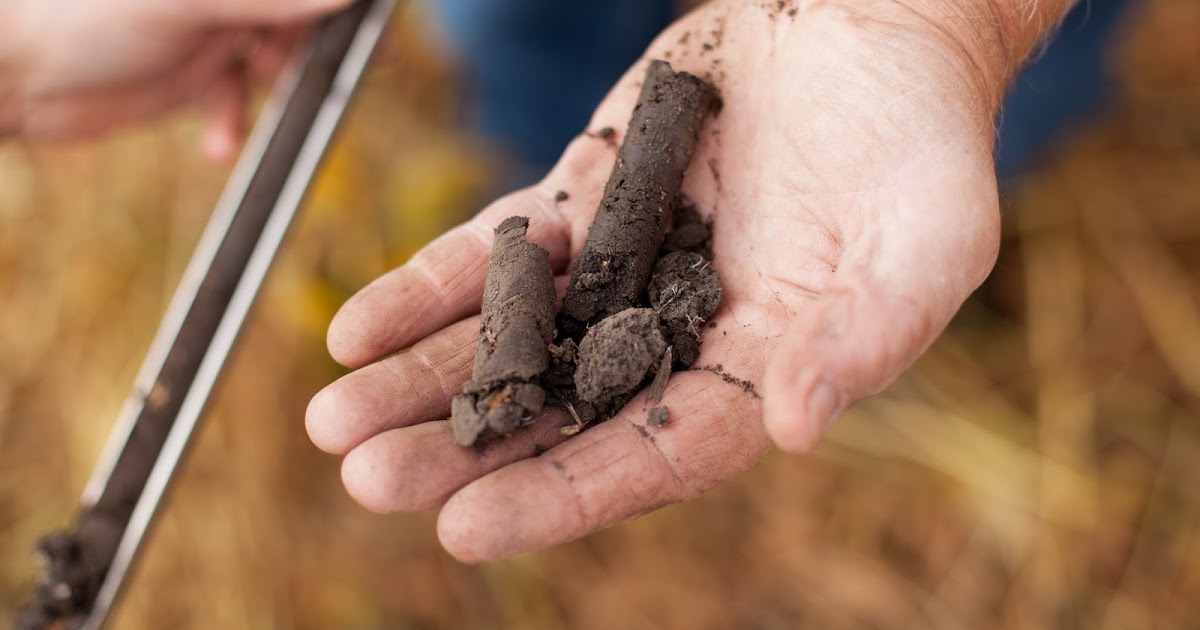
Soil sampling is an essential practice in agriculture, providing a foundation for informed decision-making regarding soil management and crop production. The process involves collecting soil samples from multiple locations within a field to analyze for nutrient content, pH levels, organic matter, and other soil properties. This analysis offers a snapshot of the soil’s health and fertility, guiding farmers and agronomists in customizing fertilizer applications and other soil amendments to meet the specific needs of their crops. By tailoring these practices based on soil test results, producers can optimize plant growth, increase crop yields, and reduce the risk of over-application of fertilizers, thereby minimizing environmental impact.
The benefits of soil sampling extend beyond the immediate improvement of crop production. It plays a crucial role in sustainable agriculture by helping to maintain soil health over the long term. Healthy soil supports a diverse microbial ecosystem, improves water retention and drainage, and enhances the soil’s ability to store carbon, contributing to the mitigation of climate change. Moreover, by understanding the soil’s condition, farmers can adopt practices that prevent soil degradation, such as erosion and nutrient depletion, ensuring the land remains productive for future generations. Thus, regular soil sampling is a key tool in the pursuit of sustainable farming, enabling the efficient use of resources while protecting and enhancing the natural environment.
Taking a proper soil test involves a series of steps to ensure the accuracy of the soil sample, which in turn, provides reliable data for making informed agricultural decisions. Here is a detailed list of how to conduct a proper soil test:
Planning the Sampling Strategy: Determine the appropriate time and pattern for sampling. Ideally, soil should be sampled at the same time each year, avoiding periods immediately after fertilizer application. Divide the field into uniform areas based on soil type, topography, previous crop history, and apparent soil variability.
Gathering the Right Tools: Equip yourself with a clean, rust-free soil probe, auger, and/or shovel, and a plastic bucket. Avoid using metal containers which can contaminate the soil sample with trace metals.
Sampling Depth: Collect soil samples at a consistent depth. For annual crops, a depth of 6-8 inches is typical, whereas for perennials, samples may be taken from a deeper profile, depending on the root zone of the crop.
Collecting the Soil Sample: In each area, collect soil from at least 15-20 random spots to avoid bias. Mix these sub-samples in the plastic bucket to form a composite sample. This approach ensures the sample represents the overall area rather than specific spots.
Labeling and Documentation: Clearly label each sample with a unique identifier, noting the sampling date, location, depth, and any other relevant information. This step is crucial for keeping records and interpreting the results accurately.
Preparing the Sample for Analysis: Allow the soil to air-dry at room temperature; avoid heating or sun-drying as this can alter the soil chemistry. Once dry, remove stones, roots, and other debris, and break up clumps. A quart-sized sample is typically sufficient for laboratory analysis.
Choosing a Laboratory: Select a reputable soil testing laboratory that uses methods appropriate for your region’s soils. Provide the laboratory with detailed information about your crop, previous fertilizer applications, and any specific concerns you have.
Interpreting the Results: Once you receive the soil test report, review the recommendations on fertilization and soil amendment. If necessary, consult with an agronomist or extension specialist to understand the implications for your specific situation and crops.
Implementing Recommendations: Use the soil test results to adjust your fertilization strategy, applying nutrients according to the crop’s needs and the soil’s current status. This targeted approach helps avoid overuse of fertilizers, promoting environmental sustainability and economic efficiency.
Monitoring and Adjusting: Soil testing should be a regular part of your farm management practice. Re-test soils in each field every 2-3 years or more frequently if significant amendments have been made, to monitor changes in soil health and fertility over time.
Above is a standard soil probe that will last you for years – well worth the cost. Next is a picture of WD-40 which is a great spray for the probe to keep the soil from sticking in the probe. Clay soils can be difficult to get “out” but WD-40 eliminates the issue.
Following these steps ensures that the soil testing process is thorough, and the results are reliable, forming a solid basis for sustainable soil management and crop production strategies.
What does a soil test tell you about soil?
Soil testing encompasses a range of analyses that evaluate different aspects of soil health, soil properties, and soil fertility, providing critical information for agricultural management and environmental assessment. Here are several key types of soil tests commonly conducted:
pH Test: Measures the acidity or alkalinity of the soil on a scale from 1 to 14. Soil pH affects nutrient availability to plants and microbial activity in the soil. A pH of 7 is neutral, values below 7 are acidic, and values above 7 are alkaline.
Nutrient Content Test: Assesses the levels of essential nutrients, including nitrogen (N), phosphorus (P), potassium (K) (often referred to as NPK), calcium (Ca), magnesium (Mg), sulfur (S), and micronutrients like iron (Fe), manganese (Mn), copper (Cu), zinc (Zn), boron (B), molybdenum (Mo), and chlorine (Cl). This test helps in determining fertilizer needs.
Organic Matter Test: Evaluates the amount of organic matter in the soil, which influences water retention, nutrient availability, and soil structure. High organic matter content is beneficial for soil health and plant growth.
Soil Texture Test: Determines the proportions of sand, silt, and clay in the soil. Texture affects water retention, drainage, and nutrient availability, and it guides management practices such as irrigation and cultivation.
Cation Exchange Capacity (CEC) Test: Measures the soil’s ability to hold and exchange cations (positively charged ions) such as calcium, magnesium, and potassium. CEC is influenced by soil texture and organic matter content and affects soil fertility.
Electrical Conductivity (EC) Test: Assesses the soil’s electrical conductivity, which is an indicator of salinity levels. High salinity can affect plant growth by inhibiting water uptake.
Lime Requirement Test (Buffer pH Test): Determines the amount of lime needed to adjust the soil pH to a desirable level for crop production. This is crucial for acidic soils needing pH correction.
Soil Water Holding Capacity: Measures the amount of water the soil can hold and make available to plants. This is important for irrigation planning and drought management.
Soil Aggregate Stability: measure how well aggregates hold together during a disturbance event. These tests can predict soil risks or management needs and track changes to soil overtime. The SLAKES APP is a great tool that is easy to use on your smartphone.
Heavy Metal Test: Identifies the presence and concentration of heavy metals such as lead (Pb), arsenic (As), cadmium (Cd), and mercury (Hg), which can be toxic to plants and humans at high levels.
Soil Health Tests: These are comprehensive tests that may include biological indicators such as microbial biomass, enzyme activities, and earthworm counts, assessing the overall health and biodiversity of the soil.
Soil Tests Typically Taken
Of course, a normal soil test or what you might call a Regular Soil Test discussed above is a must. These are not usually expensive, +/- $15 or more with micronutrients. This test is mostly meaningless unless I have previous year’s results to see what is going on. I have taken literally thousands of soil samples and often I will see something show up that is off the charts. I am not known to panic when I see a problem because I am not going to react to that test unless I know it has steadily been a problem that is just getting worse. For instance, we can see pH swings in sand from one year to the next. Before I lime a soil, I may take a second sample just to verify I need lime. $15 soil test is cheaper than $60 per acre lime application.
Second, I like to have a Haney Soil Testdone to get an idea of the availability of many nutrients in an organic system and to better understand the overall “healthiness” of the soil. It is not cheap compared to the typical soil test. Most labs charge $50 so you don’t usually just send everything in for a Haney Test. Again, the results are only good if you have several years’ worth of data to see if you are getting better.
Next, is the Soil Wet Aggregate Stability Test. This test used to assess the ability of soil aggregates to resist disintegration when exposed to water.
Last, is the PLFA Test or Phospholipid Fatty Acid Test. This test measures the biomass of the microbes in the soil and is one of the tests that is currently being conducted to determine the microbial population of soil. See down below for more.
This is an example of soil test costs from one lab. They are all about the same price from multiple labs.
Haney Soil Health Test
The Haney Soil Health Test is a comprehensive analysis designed to evaluate the overall health and fertility of the soil through a holistic approach. Developed by Dr. Rick Haney, a research soil scientist with the USDA, this test goes beyond conventional chemical nutrient analysis by incorporating measurements of soil organic matter, microbial activity, and the potential for nitrogen and phosphorus mineralization. The test employs a unique set of assays, including the Solvita CO2-Burst test, which measures the amount of carbon dioxide released from the soil after rewetting dry soil to assess microbial respiration and activity. This is an indicator of the soil’s biological health and its ability to cycle nutrients.
Additionally, the Haney Test evaluates the water extractable organic carbon (WEOC) and water extractable organic nitrogen (WEON), which are believed to more accurately reflect the pool of nutrients that are readily available to plants than traditional extraction methods. By assessing both the chemical and biological fertility of the soil, the Haney Test provides a more integrated view of soil health, guiding farmers in optimizing their management practices to support sustainable agriculture. The results from the Haney Test can help in making more informed decisions on the application of fertilizers and amendments, aiming to enhance soil health, reduce environmental impact, and improve crop yields by fostering a more vibrant and resilient soil ecosystem. This test is particularly valuable for those engaged in regenerative agriculture and organic farming, as it aligns with the principles of nurturing soil life and function to achieve productive and sustainable farming systems.
The Haney Soil Health Test provides a comprehensive set of results that offer insights into both the chemical and biological aspects of soil health. The test results typically include several key indicators:
Soil Health Score: A composite index that reflects the overall health of the soil, integrating various test components to give a summary assessment. This score helps in comparing the health of different soils or the same soil over time.
Water Extractable Organic Carbon (WEOC): Measures the amount of organic carbon that is easily available in soil water, indicating the potential food source for microbes.
Water Extractable Organic Nitrogen (WEON): Indicates the level of organic nitrogen available in soil water, which can be readily used by plants and soil organisms.
CO2-C Burst (Carbon Mineralization): Assesses microbial respiration by measuring the burst of carbon dioxide released from the soil after it is moistened, indicating active microbial biomass and soil organic matter decomposition rate. This number will be between a low of <10 and a very high score is >200. This will be in parts per million or mg/kg which is the same.
Soil pH: The acidity or alkalinity of the soil, which affects nutrient availability and microbial activity.
Electrical Conductivity (EC): A measure of the soil’s electrical conductivity, which can indicate salinity levels that might affect plant growth.
Extractable Phosphorus, Potassium, Magnesium, Calcium, and other nutrients: Provides information on the levels of these essential nutrients that are available for plant uptake, based on water extractable methods.
Nitrate-Nitrogen and Ammonium-Nitrogen: Measures the inorganic forms of nitrogen available in the soil, which are directly usable by plants.
Cation Exchange Capacity (CEC): Indicates the soil’s ability to hold and exchange cations (positively charged ions) important for plant nutrition.
Organic Matter %: The percentage of soil composed of decomposed plant and animal residues, indicating the potential of soil to retain moisture and nutrients.
Recommendations for Fertilizer and Lime Applications: Based on the test results, specific recommendations are made to address nutrient deficiencies or pH imbalances, tailored to the crop being grown and the goals of the farmer.
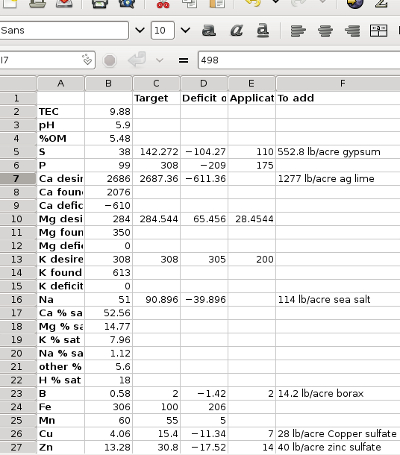
These results (see below for a sample) offer a detailed picture of the soil’s current condition, highlighting areas where improvements can be made to enhance soil health, fertility, and productivity. By focusing on both the biological and chemical facets of soil health, the Haney Test guides farmers towards more sustainable and efficient management practices, emphasizing the importance of soil life in agricultural ecosystems.
Soil Wet Aggregate Stability Test
Soil wet aggregate stability testing is a method used to assess the ability of soil aggregates to resist disintegration when exposed to water. This test is crucial for understanding soil structure, which plays a vital role in the soil’s ability to support plant growth. In this method, soil aggregates are placed on a sieve and submerged in water, where they are subjected to gentle agitation to simulate natural conditions such as rainfall. The stability of these aggregates is then measured by determining how much of the soil remains intact after exposure to water. The results provide valuable insights into the soil’s resistance to erosion, its ability to retain water, and its overall structural integrity.
The importance of wet aggregate stability testing lies in its direct relationship to soil health and crop productivity. Stable aggregates improve water infiltration and retention, reducing the risk of surface runoff and erosion, which can lead to nutrient loss and reduced soil fertility. Additionally, well-structured soils with high aggregate stability allow roots to penetrate more easily, access nutrients, and withstand environmental stresses such as drought. For growers, maintaining high aggregate stability is essential for sustaining healthy crops and promoting long-term soil fertility, making this test a critical component of comprehensive soil health assessments.
The four methods you can use for measuring soil aggregate stability include: Slaking image analysis, Cornell Rainfall Simulator, Wet Sieve Procedure, Mean Weight Diameter
Slaking Image Analysis:
Overview: This method uses a smartphone app, like SLAKES, to capture and analyze images of soil aggregates submerged in water. The app tracks the degree to which the aggregates break apart (slake) over time. (easy to download to your smartphone and I can even use it!)
Why It’s Used: It offers a quick, accessible way to assess aggregate stability in the field without the need for specialized lab equipment. For farmers, this method is very easy and practical to use, making it ideal for routine soil health monitoring, though it may lack the precision needed for scientific research.
Overview: Soil aggregates are placed under a simulated rainfall, and the test measures how well the soil resists breaking apart and eroding. The simulator mimics natural rainfall to assess the soil’s response.
Why It’s Used: This method is particularly useful for understanding soil erosion potential and how soil structure withstands actual rainfall events. For farmers, it provides insights into how well their soil can handle heavy rains, though it typically requires access to specialized equipment only available at a few labs.
Wet Sieve Procedure:
Overview: In this method, soil aggregates are placed on a series of sieves and submerged in water. The sieves are then mechanically agitated to simulate natural conditions like water flow. The amount of soil that remains on the sieves is measured to determine stability.
Why It’s Used: It is a widely recognized and precise laboratory method for quantifying the stability of soil aggregates under wet conditions. Farmers might find this method less accessible due to its complexity, but it provides highly reliable data that can inform long-term soil management decisions. Typically used by researchers.
Mean Weight Diameter (MWD):
Overview: This method calculates the average size of soil aggregates that remain stable after being subjected to wet sieving. It provides a single value that reflects the overall stability of the soil.
Why It’s Used: MWD is a commonly used metric in soil science because it offers a straightforward way to compare the stability of different soils and management practices. For farmers, this method can be useful for tracking the impact of different practices on soil structure over time, though it’s usually conducted in a lab setting.
Using the PLFA Soil Health Test
The Phospholipid Fatty Acid (PLFA) analysis is a powerful tool for assessing soil health, focusing on the microbial community within the soil. Phospholipid fatty acids are components of cell membranes in all living organisms, and their presence and composition in soil samples can provide detailed information about the microbial community structure, including bacteria, fungi, actinomycetes, and other soil organisms.
How the PLFA Test Works
The PLFA test involves extracting phospholipids from a soil sample and then analyzing the fatty acid components. Each group of microorganisms has a unique fatty acid profile, allowing scientists to identify and quantify the types of microbes present in the soil. This information can be used to assess biodiversity, microbial biomass, and the balance of fungal to bacterial communities, which are critical indicators of soil health and ecosystem function.
Importance of PLFA Analysis for Soil Health
Microbial Biomass: The total amount of microbial biomass is a direct indicator of soil organic matter decomposition and nutrient cycling capabilities. High microbial biomass often correlates with healthy, fertile soil.
Community Composition: The composition of the microbial community can indicate the soil’s condition and its ability to support plant growth. For example, a higher fungal to bacterial ratio is often found in soils with good structure and organic matter content.
Soil Stress and Disturbance: Changes in microbial community composition can also indicate soil stress, contamination, or the impact of agricultural practices such as tillage, crop rotation, and the use of fertilizers or pesticides.
Baseline and Monitoring: Establishing a baseline microbial community profile allows for the monitoring of changes over time, assessing the impact of management practices on soil health.
Applications of PLFA Analysis
Agricultural Management: Helping farmers and agronomists understand the impact of farming practices on soil microbial communities and, by extension, soil health and crop productivity.
Environmental Assessment: Evaluating the restoration of soil ecosystems following contamination or disturbance.
Research: Advancing our understanding of soil microbial ecology and its relationship to plant health, climate change, and ecosystem services.
Advantages and Limitations
The PLFA test offers a direct, rapid assessment of living microbial biomass and community structure, providing valuable insights into soil health that are not captured by chemical soil tests alone. However, it requires specialized equipment and expertise to perform and interpret, and the cost may be higher than traditional soil tests. Despite these limitations, the PLFA analysis remains a critical tool for comprehensive soil health assessment, guiding sustainable soil management and conservation efforts.
Great publication you can read on understanding these Soil Health Tests. Just click the link below:
The “take home” message is not soil testing only, but records of soil tests you can see over time!
Trace Genomics Testing
Thanks to Dr. Justin Tuggle for sending this information to me about Trace Genomics. This is a fairly new company that basically tells you what kinds of microbes you have in the soil, good or bad, to then help make decisions of what you need to do. It may be a new variety, a biostimulant or a soil treatment. I would like to see some producers try this new test and share some examples of what it can do. Click here to see their webpage.
A quote from Trace Genomics
“We engage in hi-definition DNA sequencing down to the functional gene level. This lets us mine the soil microbiome to identify specific functions, commonly referred to as “indicators,” which can provide actionable insights to help you maximize soil health. One example is a phosphorus solubilization indicator, which analyzes the quantified capability of microbes in the soil to release bound phosphate and make it plant available.”
“In just one soil test you get insights covering more than 70 crops and more than 225+ pathogens. TraceCOMPLETE pairs unmatched soil analysis with hi-definition genomic sequencing to deliver an unrivaled collection of pathogen and nutrient insights. It can drive agronomic action in your most critical decision areas to help you make meaningful management decisions.“
Soil Labs: this is not a complete list by any means but simply a guide.
Cover crops play a pivotal role in sustainable agriculture by enhancing soil health, managing pests and diseases, and improving overall crop yield resilience. Cover crops can be any non-harvested crop used primarily to protect soil from erosion during off-season periods, provide actively growing roots to extract and stabilize nutrients that might be otherwise vulnerable to leaching or volatile loss, and increase levels of SOM to promote soil physical properties and C sequestration. Cover crops have other values to farmers, as some crops can also be harvested for forage or seed or to diversify the cropping system to suppress diseases, obtain other crop rotation benefits, improve off-season access to fields, or extract water during wet periods.
As a source of additional C delivered to soil during non-cash-crop growing periods (e.g., in fall and winter in many temperate regions), cover crops are particularly effective in supplying soil microorganisms with readily available carbon sources from both root exudates during growth and C-rich crop residues upon termination. Several studies have found greater soil organic carbon sequestration with implementation of cover crops (Poeplau and Don, 2015). Often combined with no-tillage, management of cropland with cover cropping can enhance soil organic C sequestration due to addition of organic materials growing directly on land rather than imported from another location.
In the summer we plant sorghum sudangrass (top picture) for weed control because it has an allelopathic effect on weeds (click that link to read about it) and it shades any weeds coming on later. It is a vigorous and versatile cover crop that stands out for its exceptional contribution to soil health and weed suppression. Its rapid growth and dense canopy make it highly effective at outcompeting weeds, thus reducing the reliance on herbicides. This competitive growth habit is instrumental in shading out weeds, significantly lowering weed biomass and seed bank potential in the soil. Beyond weed control, sorghum sudangrass excels in improving soil structure and health. Its deep and extensive root system breaks up compacted soil layers, enhancing soil porosity and aeration. This root action not only facilitates better water infiltration and storage but also promotes the activity of beneficial soil organisms by increasing organic matter and available nutrients in the soil profile. Just remember the allelopathic effect (preventing weeds or the crop growing) last for 10-14 days after soil incorporation!
The benefits of sudangrass extend to its role in adding organic matter to the soil when it is mowed and incorporated as green manure. This process means making sure the plant is in a 30-40:1 Carbon to Nitrogen ratio. The decomposition of sudangrass residue releases significant amounts of nutrients, especially nitrogen, which are then available for subsequent crops, thereby improving soil fertility. Additionally, sudangrass has been noted for its biofumigant properties, particularly when specific varieties are used. The breakdown of its tissues can release compounds that suppress soil-borne pathogens and nematodes, further promoting a healthy soil environment conducive to high-yielding crops. However, it’s important to manage sudangrass properly, as allowing it to reach maturity (beyond the 40:1 carbon to nitrogen ratio) can result in a tough, woody residue that is slower to decompose and might interfere with planting subsequent crops.
Sunn Hemp
Sunn hemp (picture above) is increasingly recognized for its substantial benefits as a cover crop, particularly in warm climates where it thrives. One of the key advantages of incorporating sunn hemp into crop rotations is its ability to rapidly accumulate biomass, which, when turned into the soil, significantly enhances soil organic matter. This increase in organic matter improves soil structure, water retention, and nutrient availability, leading to a more fertile and resilient soil ecosystem. Moreover, sunn hemp is an excellent nitrogen fixer, capturing atmospheric nitrogen and converting it into a form that subsequent crops can easily absorb. This natural fertilization process reduces the need for synthetic nitrogen inputs, lowering production costs and minimizing environmental impact.
However, while sunn hemp offers numerous benefits, there are also challenges associated with its cultivation. One potential issue is its allelopathic properties, which can inhibit the germination and growth of subsequent crops if not managed properly. This is due to compounds released by sunn hemp into the soil that can affect sensitive plants, or it can work to keep weeds out! Additionally, sunn hemp may pose a risk of becoming invasive if not carefully controlled. This risk underscores the importance of implementing appropriate management practices, such as timely mowing or incorporation into the soil before seed set, to prevent unwanted spread. Despite these challenges, the benefits of sunn hemp, particularly in terms of soil health enhancement and its role in sustainable agriculture practices, often outweigh the potential drawbacks, making it a valuable tool in the arsenal of organic farmers aiming for weed control and soil health benefits.
Good video about Sunn Hemp from Missouri research!
Cowpea
Cowpea (Vigna unguiculata) (picture above) serves as an excellent cover crop in a variety of agricultural systems, providing multiple benefits for soil health and weed management. Its ability to thrive in poor soil conditions, coupled with a relatively low requirement for water, makes cowpea a robust choice for enhancing soil fertility and structure, especially in regions prone to drought. As a leguminous plant, cowpea enriches the soil with nitrogen through symbiotic nitrogen fixation, a process where bacteria in cowpea roots convert atmospheric nitrogen into a form that plants can use. This natural fertilization boosts the nutrient content of the soil, reducing the need for synthetic fertilizers and thereby lowering agricultural input costs.
In terms of weed control, cowpea’s rapid growth and dense foliage provide an effective cover that suppresses weed emergence by significantly reducing light penetration to the soil surface, thus minimizing the growth opportunities for unwanted plants. The shading effect also helps in retaining soil moisture, further supporting the growth of the cowpea while inhibiting weed development (this effect is not nearly as effective because it is a shorter plant). Additionally, when cowpea is incorporated into the soil as green manure after its growth cycle, the organic matter added to the soil improves soil structure, enhances water retention, and stimulates the activity of beneficial microorganisms. However, it’s important to manage cowpea cover crops effectively to prevent them from becoming a weed themselves, as their vigorous growth can sometimes lead to challenges in controlling their spread if not timely mowed or incorporated into the soil. Overall, cowpea stands out as a versatile and beneficial cover crop, contributing to sustainable agricultural practices by improving soil health, enhancing nutrient availability, and providing effective weed suppression.
Winter Cover Crops
Winter cover is more difficult because we typically start to get land ready about the time our cover crops start to grow in February/March. Winter cover is almost always a small grain and most of the time we use a “combine run” wheat or oat since they are cheaper with a planting of turnips or daikon radish or both.
Cereal Rye
Cereal rye (not ryegrass), scientifically known as Secale cereale (pictured above), serves as an exceptional cover crop for a multitude of reasons, pivotal for enhancing agricultural sustainability and soil health. One of its foremost benefits is its robust root system, which significantly improves soil structure and enhances water infiltration. This characteristic is particularly valuable in preventing soil erosion and runoff, thus protecting water quality in the surrounding environment. Additionally, cereal rye’s ability to uptake residual nitrogen from the soil makes it an excellent tool for nutrient management, reducing the risk of nitrogen leaching into water bodies and thereby mitigating the environmental impact of nitrogen fertilizers.
Moreover, cereal rye acts as a natural weed suppressant due to its quick germination and fast growth, outcompeting weeds for light, nutrients, and space. The crop’s residue also provides a mulch that further suppresses weed growth and retains soil moisture, which is particularly beneficial in dryland farming systems. Furthermore, by providing a habitat for beneficial insects and microorganisms, cereal rye enhances biodiversity and contributes to the overall health of the agroecosystem.
This picture is from Carl Pepper near O’Donnell on the South Plains. It was planted last September into cotton plants. Seeding rate is 4.5 lbs. of Rye and 4.5 lbs. of Barley with 1 lb. of purple top turnips burned in the freeze.Holds the soil, uses very little if any moisture and is cheap to establish.
Short video of Roller Crimping a rye cover crop at pollination
Mustards
Using mustards as a cover crop is a practice rich in benefits for sustainable and organic agriculture. Mustards contribute significantly to soil health and pest management strategies without reliance on chemical inputs. They are known for their rapid growth, which quickly covers bare soil, reducing erosion and suppressing weed growth through competition. The deep rooting of mustards helps break up compacted soil layers, enhancing water infiltration and aeration for future crops. Perhaps most notably, mustards possess biofumigant properties; when incorporated into the soil, they release natural compounds that suppress a variety of soil-borne pathogens and pests (click here for a great project with mustard seed meal). This dual action of physical soil improvement and chemical pest suppression makes mustards an invaluable tool in the organic farmer’s toolkit, promoting a healthier, more productive soil ecosystem and paving the way for successful crop rotations.
“Caliente Rojo” mustard is a variety specifically bred for its biofumigation properties, which can play a significant role in organic agriculture, particularly in disease management and soil health improvement.
Biofumigation Properties: “Caliente Rojo” mustard, when incorporated into the soil, releases isothiocyanates (ITCs), which are naturally occurring compounds found in Brassica plants. These compounds have been shown to suppress a wide range of soil-borne pathogens, including fungi, bacteria, nematodes, and some weed species.
Soil Health Improvement: Beyond disease suppression, “Caliente Rojo” mustard contributes to soil health by adding organic matter, improving soil structure, and enhancing microbial activity. This leads to better water infiltration, aeration, and nutrient cycling in the soil.
Growth Habit: It has a fast growth rate, which quickly provides ground cover, reducing soil erosion and weed growth. Its deep rooting system can also help in breaking up compacted layers of soil, improving root penetration for subsequent crops.
Sowing: It is typically sown in the fall or early spring when the soil can be worked. The planting rate and spacing should be adjusted based on the specific goals (biofumigation, erosion control, etc.). Typical planting rate is 8 lbs./ac. but can be lower.
Incorporation: For biofumigation, the mustard should be mowed or chopped and immediately incorporated into the soil while it is still fresh. This action releases the biofumigant compounds.
Irrigation: After incorporation, irrigating the area can help in releasing the biofumigant compounds more effectively as they hydrolyze in the presence of water.
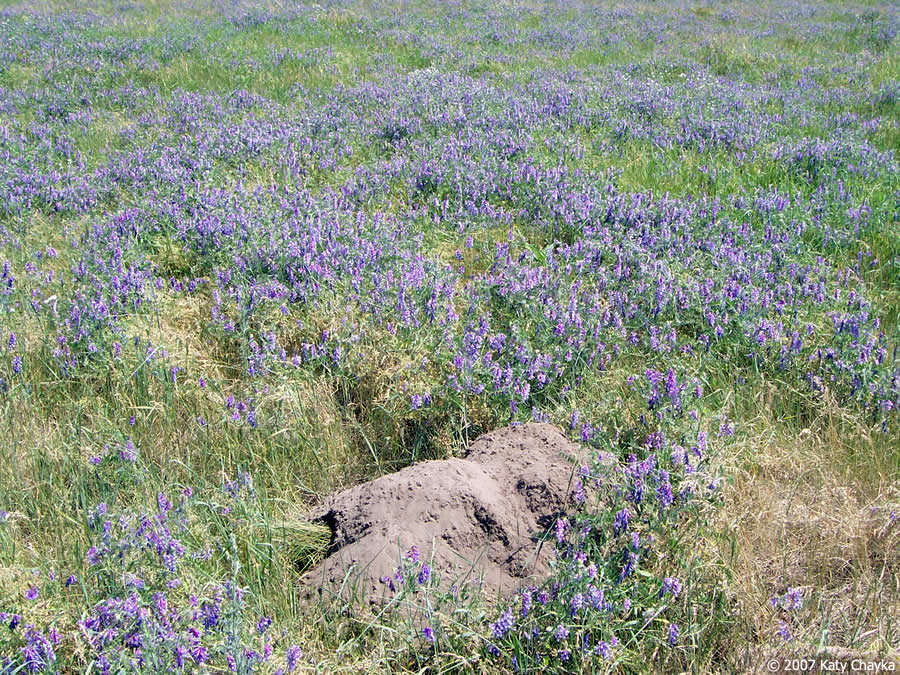
Vetch
Common vetch (Vicia sativa) and hairy vetch (Vicia villosa) are leguminous cover crops celebrated for their multifaceted benefits in sustainable agriculture. These species excel in nitrogen fixation, a process where atmospheric nitrogen is converted into a form that plants can use, enriching the soil and reducing the need for synthetic fertilizers. This attribute makes them particularly valuable in crop rotations, especially preceding nutrient-demanding crops. Hairy vetch, with its robust growth and cold tolerance, is particularly noted for producing a significant amount of biomass, which can improve soil structure and organic matter content.
Both common and hairy vetch exhibit vigorous root systems that enhance soil health by increasing porosity and water infiltration, thereby reducing erosion and improving drought resilience. Their dense foliage serves as an excellent weed suppressant by outcompeting weed species for sunlight and nutrients, which can lead to reduced herbicide reliance. Upon termination, the biomass of these vetch species acts as a natural mulch, conserving soil moisture and further suppressing weed growth. Additionally, the flowers of vetch attract beneficial insects, including pollinators and predatory insects, which contribute to the biodiversity and resilience of agroecosystems.
Hairy vetch, in particular, stands out for its ability to thrive in a wide range of soil conditions and its notable winter hardiness, making it an excellent choice for cover cropping in cooler climates where other legumes might fail to establish or survive. Hairy vetch will produce more residue than common vetch 1/3 to 1/2 more. Common vetch does tend to reseed and establish easier in a pasture system compared to hairy vetch. When used in a no-till farming system, the decomposing vetch residue can release nitrogen slowly over time, closely matching the nutrient uptake patterns of subsequent crops. This synchrony minimizes nitrogen leaching and maximizes nutrient use efficiency, showcasing the role of vetch not only in enhancing soil fertility but also in promoting more sustainable and environmentally friendly farming practices.
Wheat (Triticum spp.)
Advantages: Wheat is widely adaptable, with a deep root system that improves soil structure and enhances water infiltration. It’s excellent for erosion control and can be a good scavenger of residual soil nitrogen, reducing nitrate leaching. Wheat also serves as a decent biomass producer in cooler climates.
Best For: Erosion control, nitrogen scavenging, and when a crop that can survive a wide range of conditions is needed.
Oats (Avena sativa)
Advantages: Oats are fast-growing and establish quickly, providing rapid ground cover to outcompete weeds and reduce erosion. They produce significant biomass, which can improve soil organic matter. Oats also die off in freezing temperatures, which makes them easy to manage in the spring.
Best For: Quick cover to outcompete weeds, adding organic matter to the soil, and as a winter-kill cover crop in regions with cold winters.
Barley (Hordeum vulgare)
Advantages: Barley establishes quickly and can provide a good ground cover and weed suppression. It’s more drought-tolerant than oats and can be used in areas with lower water availability. Barley also contributes to soil health by adding biomass and improving soil structure.
Best For: Fast establishment, drought-prone areas, and effective weed suppression.
Triticale (× Triticosecale)
Advantages: Triticale, a wheat and rye hybrid, combines the best traits of both parents. It offers a robust root system, excellent biomass production, and good tolerance to both poor soil conditions and colder temperatures. Triticale is also notable for its nutrient scavenging ability and can be used to improve soil fertility.
Best For: Biomass production, nutrient scavenging, and versatility in both cold and marginal soil conditions.
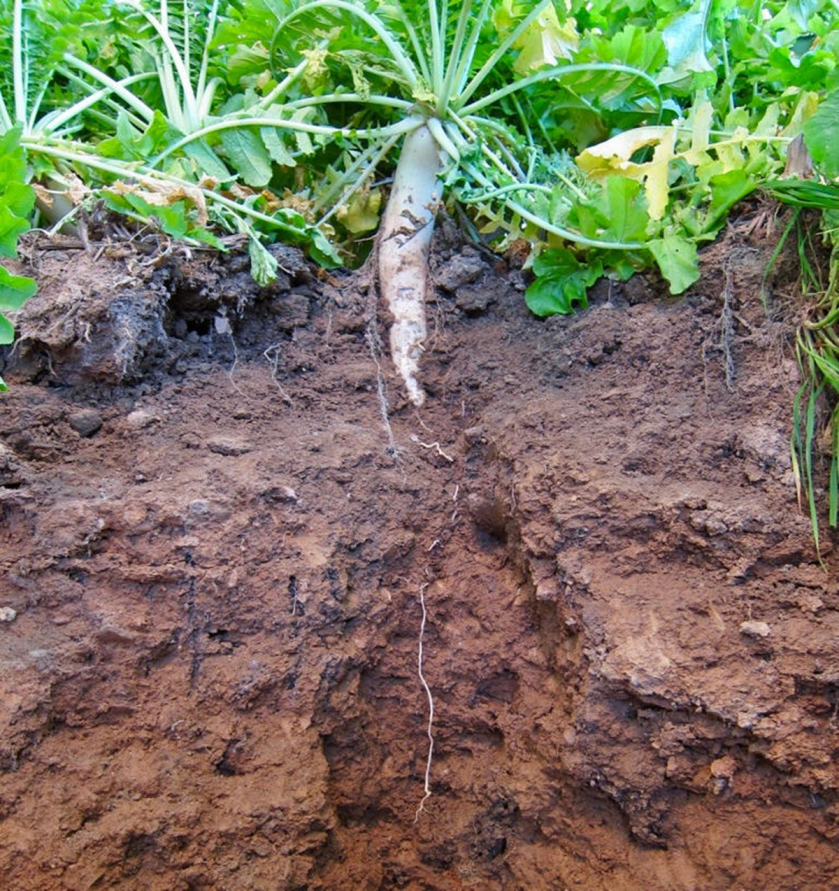
Daikon Radish or Tillage Radish
Daikon radish, often referred to as tillage radish, has gained popularity as a cover crop for its unique ability to improve soil structure and health through natural biotillage. Characterized by its rapid growth and large, penetrating taproot, tillage radish drills through compacted soil layers, creating channels that enhance air and water infiltration. This deep penetration also helps to break up hardpans, reducing the need for mechanical soil tillage, hence the name “tillage radish.”
One of the standout benefits of tillage radish is its capacity to capture excess nutrients from the soil profile. The deep roots absorb nitrogen and other nutrients, which are then stored in the plant’s tissue. When the radishes decompose in the spring, these nutrients are released back into the soil, becoming available for the next crop. This nutrient recycling can improve crop yields while reducing the risk of nutrient runoff into waterways, contributing to more sustainable farming practices.
Tillage radish also contributes to weed suppression. The rapid, dense canopy formation shades out weeds, reducing their ability to establish. This effect can carry over into the spring, providing a cleaner start for the next crop. Additionally, the decaying radish residue leaves behind significant organic matter, contributing to soil organic matter content and overall soil health. This organic matter feeds soil microorganisms, which play a critical role in maintaining soil fertility.
Moreover, the winter die-off of tillage radish eliminates the need for chemical or mechanical termination, simplifying spring field operations. This characteristic makes it an attractive option for farmers looking to reduce labor and input costs associated with cover crop management. The holes left by the decomposing radishes can also improve soil aeration and provide pathways for the roots of subsequent crops, potentially enhancing root development and access to deep soil nutrients.
Purple Top Turnip
Purple top turnip is a cover crop that has been used for years in Texas. The seed is relatively cheap, serves as winter grazing if needed, grows fast and adds lots of organic matter. It is known for its rapid growth and adaptability to a wide range of soil types, this cover crop is an excellent choice for farmers looking to enhance soil structure, suppress weeds, and improve nutrient cycling within their farming systems. The large, leafy greens of the purple top turnip create a dense canopy that can quickly cover the ground, effectively suppressing weed growth by outcompeting weeds for sunlight and nutrients.
Finding a corn variety adapted to Texas extremes can be very difficult. At this time, I just don’t know of too many certified organic corn varieties that can make it through the difficult hot nights in most of Texas except maybe the northern panhandle area of Texas. Even in those area many growers have tried to bring in corn varieties popular in the Midwest and they just don’t yield well.
That said, I have tried to list varieties that Texas organic growers have grown and continue to grow. The companies listed may or may not have varieties adapted to Texas, but you have their contact information to check. If you see anything I need to add, change or delete please let me know. This is an ongoing project and one that will continually be updated and changed.
This list does not necessarily mean that these companies have corn varieties adapted for Texas. Companies continue to develop varieties that work in areas they have not traditionally grown in and so some testing helps know and use new materials.
Pioneer
I am in contact with Pioneer to get contact information soon. Till then check with your local rep if you have one?
In my career as an Extension professional (extension agent, researcher, specialist) I have had a lot of agriculture training, but I have also had a lot of training for training agriculturists which includes just about every group in agriculture today. One of the early lessons we learned was a simple theory about learning called the Rogers’ Adoption Curve.
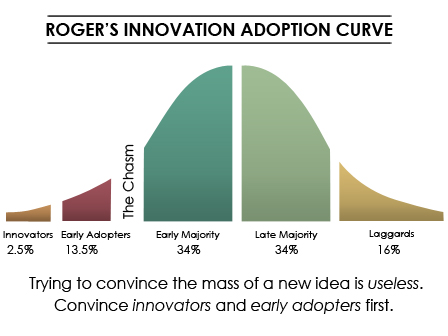
I couldn’t begin to tell you much about Rogers or his overall work as an educator, but I do know about this curve and in my career this “curve” has proven to be true over and over again. What you see in this picture is the classic “bell curve” representing the concept of knowledge or technology. People who adopt new knowledge or technologies are represented along the bottom axis and the progression is from left to right, i.e. the first to adopt are on the left and over time the others adopt the technology. So, looking at this we see that the first group to adopt the technology are innovators followed by early adopters and so on. This picture shows a break called “The Chasm” between early adopters and early majority. This chasm is difficult to cross and can represent a lot of time or even failure for the technology.
Organic farmers are mostly in the innovator/early adopter category. Organic agriculture is not easy and in general requires a good knowledge of agriculture systems before getting into the details of growing organic. As an extension educator I tend to try and find innovators and early adopters to work on demonstration or research projects because I know they are just as anxious to explore new technologies as I am.
That said, let me ask you where you are today? Occasionally we need to take a break and get away from it all because we are falling into the late majority or laggard category doing the same thing we always did. Don’t lag too far behind because as you can tell from the “curve” there are a lot of people already on the downhill slide!
Using the Curve!
Rogers’ Adoption Curve is a model that outlines the adoption process of new technologies or ideas through different segments of a population. Developed by Everett Rogers in 1962, it’s widely used in the fields of social science, marketing, and innovation management but is very useful in organic agriculture too.
Rogers’ Adoption Curve is an effective tool for understanding how new practices, like organic agriculture, are adopted within a community. Extension professionals can use this model to tailor their educational and promotional strategies for organic agriculture to different segments of the agricultural community.
Innovators (2.5% of the Population)
Characteristics: These are the first individuals to adopt an innovation. They are risk-takers, have financial liquidity, are social networkers, have closer contact with scientific sources and interaction with other innovators.
Role in Adoption: Their acceptance of an innovation is a key step in the process. Being a small segment, they serve as a testing ground and are crucial in initial debugging or refinement of the product or idea.
Targeting Innovators
Approach: Provide detailed, technical information on organic agriculture, focusing on innovation and environmental benefits.
Why: Innovators are keen to experiment with new techniques and can provide valuable feedback.
Example: Conducting pilot projects with innovators to demonstrate the efficacy of organic practices.
2. Early Adopters (13.5% of the Population)
Characteristics: This group has the highest degree of opinion leadership among the other adopter categories. They are typically younger, more socially forward, and have a higher social status and more financial lucidity.
Role in Adoption: Early adopters are crucial for the validation and initial dissemination of the innovation. Their acceptance acts as an endorsement, influencing the next wave of adopters.
Engaging Early Adopters
Approach: Emphasize the social and economic benefits of organic agriculture. Use early adopters as role models.
Why: Early adopters have strong influence over their peers. Their success stories can inspire others.
Example: Showcasing successful organic farms managed by early adopters in workshops and field days.
3. Early Majority (34% of the Population)
Characteristics: They adopt an innovation after a varying degree of time. This period is significantly longer than the innovators and early adopters. They are typically more deliberate before adopting a new idea, often influenced by interactions with peers.
Role in Adoption: Their adoption is a pivotal point in the lifecycle of an innovation, marking the moment when an innovation reaches a critical mass of users.
Convincing the Early Majority
Approach: Focus on practicality and the mainstream benefits of organic farming. Provide evidence of success from early adopters.
Why: The early majority are cautious and need proof of effectiveness.
Example: Organizing farm tours to successful organic farms and creating user-friendly guides.
4. Late Majority (34% of the Population)
Characteristics: This group is skeptical about change and will only adopt an innovation after the majority of society has embraced it. They typically have below-average social status and financial liquidity.
Role in Adoption: Their adoption signifies the innovation has become mainstream. They usually require external pressures from peers or societal changes for adoption.
Addressing the Late Majority
Approach: Use peer pressure and economic incentives. Highlight the risks of not adopting organic practices.
Why: Late Majority are skeptical and influenced by the norms established by the majority.
Example: Offering financial assistance or subsidies for transitioning to organic farming.
5. Laggards (16% of the Population)
Characteristics: They are the last to adopt an innovation. Unlike some of the previous categories, they aren’t looking for information on new ideas and are focused on traditions. They tend to be of an older age, lower in social status, and less financially fluid.
Role in Adoption: Their adoption is usually not vital for the overall success of an innovation but signifies complete market saturation.
Reaching Laggards
Approach: Use personal relationships and focus on tradition and security aspects of organic farming.
Why: Laggards are resistant to change and trust familiar faces and traditional methods.
Example: One-on-one meetings, focusing on how organic farming aligns with traditional farming values.
Importance in Agriculture Extensionand Teaching Organic
In the context of agriculture extension, understanding Rogers’ Adoption Curve is vital. It helps in identifying the right strategies to promote new agricultural practices or technologies. By recognizing the characteristics and motivations of each group, extension professionals can tailor their approach, ensuring that innovations are adopted effectively across different segments of the farming community.
For example, introducing organic farming techniques or new sustainable practices can follow this curve. Innovators might experiment with these techniques first, followed by early adopters who validate and popularize them. As these practices gain credibility, they gradually become adopted by the majority.
Tailored Communication: Develop different communication strategies for each group. Innovators and early adopters might prefer digital communication, whereas late majority and laggards may respond better to traditional methods like community meetings.
Feedback Loops: Establish feedback mechanisms with each group. Innovators can provide technical feedback, whereas the majority can give insights into mainstream acceptance.
Continual Education: Offer ongoing support and education, adapting to the changing needs and responses of each group.
Conclusion
Rogers’ Adoption Curve provides a framework to understand how innovations like organic agriculture spread within a community. This understanding is crucial for professionals in fields like agriculture extension, where the goal is to implement new, often more sustainable, practices and technologies. By catering to the unique characteristics and needs of each adopter category, the adoption process can be more efficient and widespread.
By understanding and applying Rogers’ Adoption Curve, we can more effectively promote organic agriculture. Tailoring strategies to each segment of the adoption curve ensures that communication and education are relevant and engaging, increasing the likelihood of widespread adoption of organic practices. This approach not only aids in the dissemination of organic farming methods but also ensures a supportive community (the organic family) is built around these practices.














 Texas A&M AgriLife Organic