Scaling Organic Agriculture: Why Farm Size and Technology Are Not the Problem

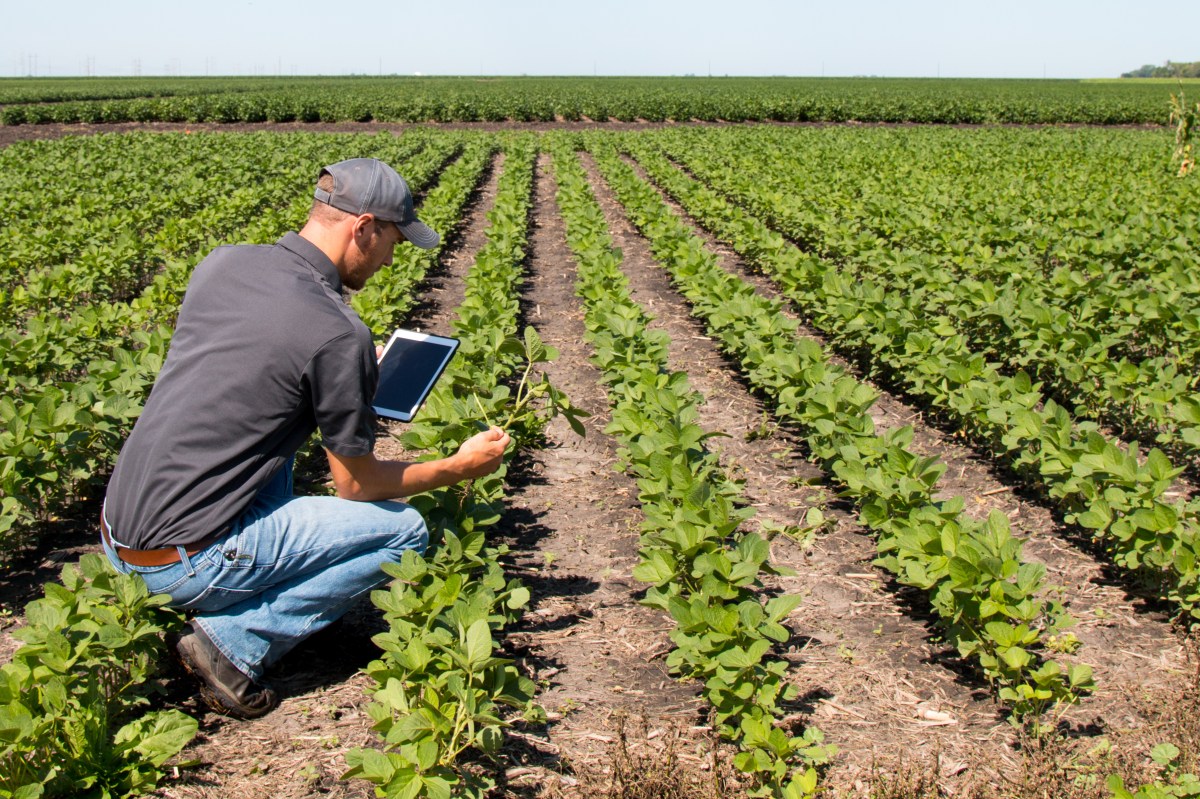
A common critique I hear—often from people who genuinely support organic—is that large-scale organic farms and advanced technology somehow “lose the ideals” associated with organic agriculture. The image many people carry is a small farm with diverse plantings, hedgerows, wildlife habitat, and hands-on management. In contrast, when they see a large organic operation using sensors, software, GPS-guided equipment, and streamlined logistics, they sometimes conclude that it is no longer “true organic.”

I understand where that reaction comes from. But as an Extension Organic Specialist, I also find it deeply frustrating, because it reflects a misunderstanding of what organic agriculture is and what it must become if it is going to have real impact. If we want organic to remain a small niche system, then we can keep it mostly hand-scale. But if we want organic to become mainstream—meaning millions of acres managed under organic standards—then organic will necessarily look like agriculture: mechanized, planned, measured, and managed with modern tools.

Organic is a Production Standard, not a Farm Size

The most important clarification is this: organic is defined by a regulated production and handling standard, not by farm size or “farm aesthetics.” In the United States, organic is governed under the USDA National Organic Program (NOP), which sets requirements for:

  • prohibited and allowed substances
  • soil fertility and crop nutrient management
  • pest, weed, and disease control approaches
  • recordkeeping, traceability, and annual inspection
  • avoidance of excluded methods (including genetic engineering)

A farm can be 20 acres or 20,000 acres and still follow the same legal standard. Scale does not automatically determine whether a farm is ecologically sound, ethically managed, or agronomically competent. I have seen small farms that are poorly managed and large farms that are exceptionally well managed. The reverse is also true. The difference is not the size—it is the management system and the accountability.

Why “Big Organic” Triggers Concern (and Why Some of It is Valid)

Concerns about large-scale organic often fall into a few categories:

  1. Minimum-compliance farming
    Some fear that large operations will do the least required to meet certification rather than aiming for continuous improvement in soil function and ecological resilience.
  2. Simplified landscapes
    Large farms can have fewer field borders, fewer habitat features, and fewer “visible signs” of biodiversity. This is a real risk if the production system is not designed intentionally.
  3. Monoculture and rotation weakness
    Large farms can drift toward narrow crop sequences, especially when markets or processing infrastructure favor a few commodities.
  4. Values and trust
    Organic is a consumer trust program. When consumers associate “corporate” with “profit over stewardship,” they worry the label becomes marketing rather than meaning.

These concerns should not be dismissed. They are worth discussing. But the mistake is assuming that technology or scale automatically causes poor outcomes. Poor outcomes come from poor management decisions, weak incentives, or weak enforcement—not from tractors, sensors, or data.

Technology is Not Anti-Organic: It Can Improve Stewardship

Organic farming is not defined by low technology. It is defined by the intentional avoidance of certain synthetic inputs and the use of systems-based management to support crop productivity and soil health. Technology can support that goal.

1) Sensors and irrigation efficiency

Water management is one of the clearest examples where technology aligns with organic principles. Soil moisture sensors and irrigation scheduling tools can:

  • prevent over-irrigation
  • reduce nutrient leaching and runoff risk
  • improve root health and drought resilience
  • reduce disease pressure associated with prolonged leaf wetness and saturated soils

In real-world farming, “using less water” is not a public relations statement—it is a measurable conservation outcome.

2) Nutrient management and nitrogen efficiency

Organic nitrogen (N) does not usually come from synthetic fertilizers. It comes from:

  • composts and manures
  • cover crops (especially legumes)
  • mineralization of soil organic matter
  • allowed inputs such as certain mined minerals and biological amendments

But organic nitrogen is also less predictable in timing and availability than synthetic N. Precision tools that improve the timing and placement of nutrients can reduce losses and improve crop response. Better nutrient planning is not “industrial.” It is good agronomy.

3) Weed and pest monitoring systems

Organic systems often rely on prevention, competition, timing, and mechanical control. Technology supports this by improving decision-making:

  • mapping weed pressure zones
  • documenting scouting results
  • tracking crop stage and pest thresholds
  • improving spray timing for allowed products that are highly timing-dependent
  • strengthening records for compliance and traceability

Organic does not become less organic when it becomes more measured. In many cases, it becomes more defensible and more reliable.

The Scaling Reality: Organic Cannot Become Mainstream Without Looking Like Agriculture

Here is the contradiction I see repeatedly:

  • People want organic to expand and become a major part of agriculture.
  • But they also want organic to remain small, hand-scale, and “pre-modern.”

Those two goals cannot fully coexist.

If organic expands into a mainstream system, it will require:

  • mechanization and labor efficiency
  • stable supply chains and processing capacity
  • agronomic decision support tools
  • investment in equipment, storage, and logistics
  • advanced recordkeeping and traceability systems

These are not signs that organic has failed. They are signs that organic is being implemented at a scale where it can influence land stewardship and food systems in meaningful ways.

A useful analogy is medicine: we may admire the “natural” remedies of the past, but if we want health outcomes at population scale, we use systems, research, logistics, and quality control. Organic agriculture, if it is to influence millions of acres, will also require systems and quality control.

The Real Question is Not “Small vs Large” — It’s “Well-Managed vs Poorly Managed”

When we focus on scale, we miss the more important scientific questions:

  • Is soil organic matter improving over time?
  • Is aggregate stability improving (meaning the soil holds together better under water impact)?
  • Is infiltration increasing and runoff decreasing?
  • Are nutrients cycling efficiently, or being lost through leaching and erosion?
  • Is biodiversity supported through rotations, habitat, and reduced toxicity risk?
  • Are weeds being managed through integrated strategies rather than emergency reactions?
  • Are pests managed through ecological approaches and targeted interventions?

These are measurable outcomes. They are also where organic systems can succeed or fail, regardless of farm size.

A “Both/And” Vision for Organic

Organic agriculture needs both:

The ecological heart of organic

  • soil building
  • rotations
  • biodiversity
  • prevention-based pest management
  • conservation practices that protect water and habitat

The infrastructure and tools to function at scale

  • organic seed systems and breeding programs
  • equipment and mechanical weed control innovation
  • precision irrigation and nutrient planning
  • traceability systems that protect market integrity
  • research-based decision support tools

If we demand the heart without the infrastructure, organic stays fragile, expensive, and limited.
If we build infrastructure without the heart, organic becomes hollow and purely transactional.

The goal is not to keep organic small. The goal is to keep organic meaningful.

Closing Thought

I want organic to remain grounded in stewardship and biological systems. I also want organic to be agronomically credible, economically viable, and scalable enough to matter. That means I will continue supporting farmers—large and small—who are doing the hard work of growing crops under organic standards while improving soil function and resource efficiency.

Organic should not be judged by whether it “looks old-fashioned.”
Organic should be judged by whether it produces food and fiber with integrity, measurable conservation outcomes, and long-term resilience.

References (U.S. Organic Standards)

USDA National Organic Program Regulations (7 CFR Part 205)
https://www.ecfr.gov/current/title-7/subtitle-B/chapter-I/subchapter-M/part-205

USDA AMS National Organic Program (program overview)
https://www.ams.usda.gov/about-ams/programs-offices/national-organic-program

How Soil Can Develop in Just Decades

  1. Soil Formation Starts When Life Colonizes Minerals
  2. Biological Weathering Is Faster Than Purely Geological Weathering
    1. Chemical weathering
    2. Physical weathering
  3. Organic Matter and Clay Create Nutrient-Holding Capacity
  4. Aggregation: The “Soil Structure” Breakthrough
  5. Why Decadal Soil Development Is Plausible
  6. What This Means for Organic and Regenerative Production
  7. Bottom Line
    1. References

Most of us grew up hearing that “soil takes thousands of years to form.” That statement is still true for deep, fully developed soils with strong horizon development. But what I’ve come to appreciate more and more—especially when working with organic and regenerative growers—is that the early stages of soil formation can move much faster than we were taught.

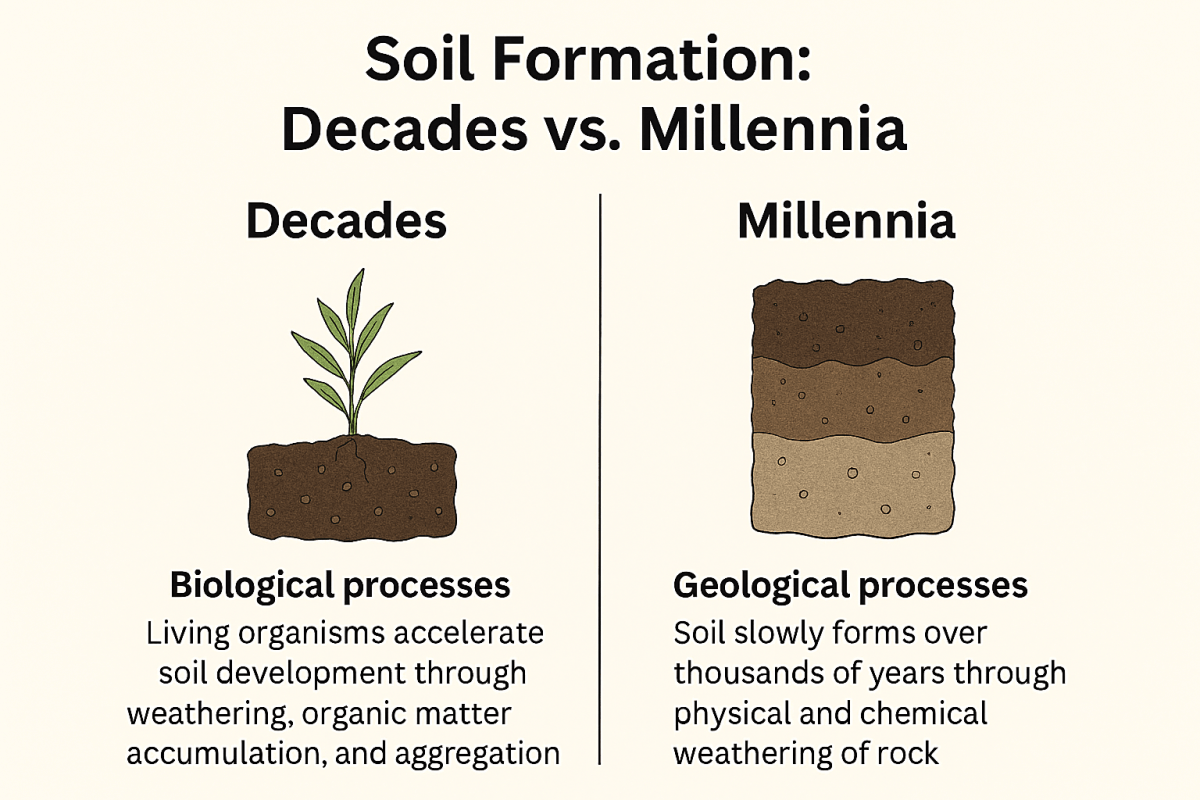
In the right conditions, soil can develop measurable structure and function on a decadal timeline (2-3 decades). The key reason is simple: biology accelerates soil formation.

Soil Formation Starts When Life Colonizes Minerals

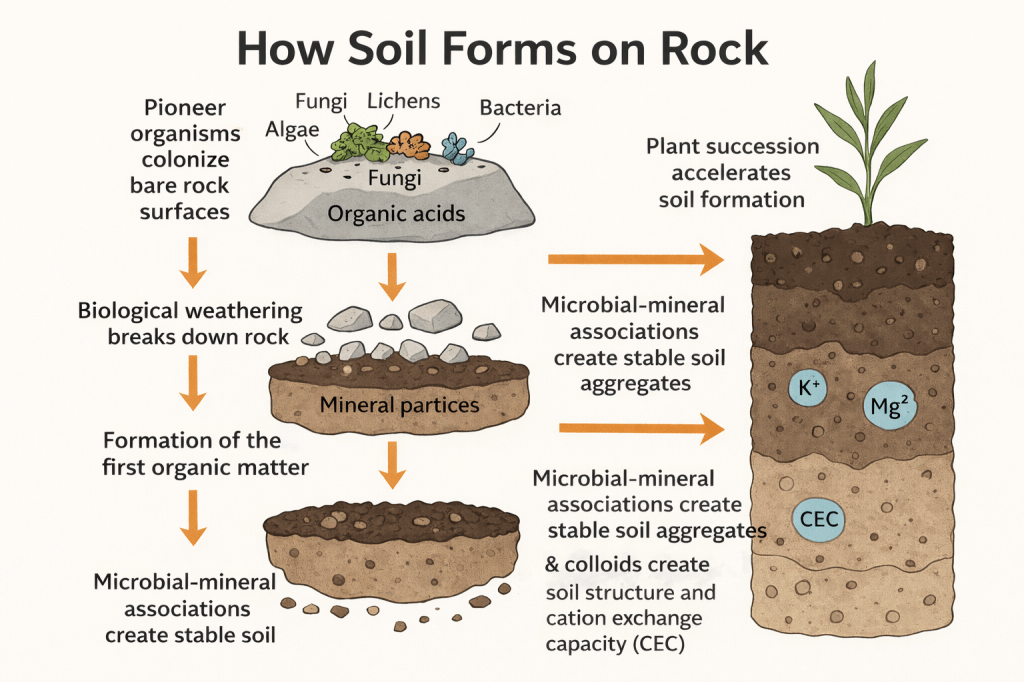
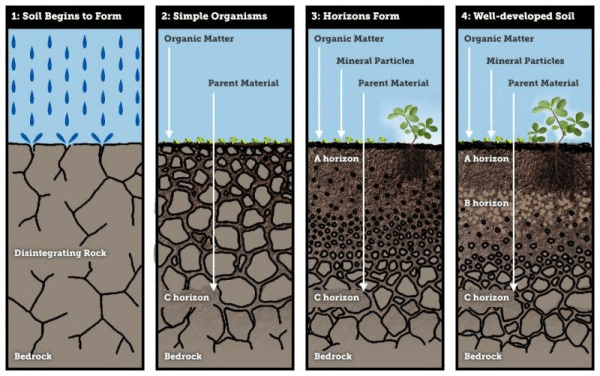
Pedogenesis (soil formation) begins when organisms colonize bare mineral material—rock, ash, subsoil, or exposed parent material. The first colonizers are “pioneer organisms” that can survive with very little water and almost no nutrients. These include:

  • Lichens (fungus + algae/cyanobacteria partnerships)
  • Cyanobacteria and algae
  • Fungi
  • Mineral-weathering bacteria

These organisms don’t just “live on rock.” They actively change it. They attach to mineral surfaces, grow into microcracks, and begin chemically and physically transforming the material into something more soil-like.1

Biological Weathering Is Faster Than Purely Geological Weathering

Once microbes and fungi are present, weathering becomes a biological–geochemical process.

Chemical weathering

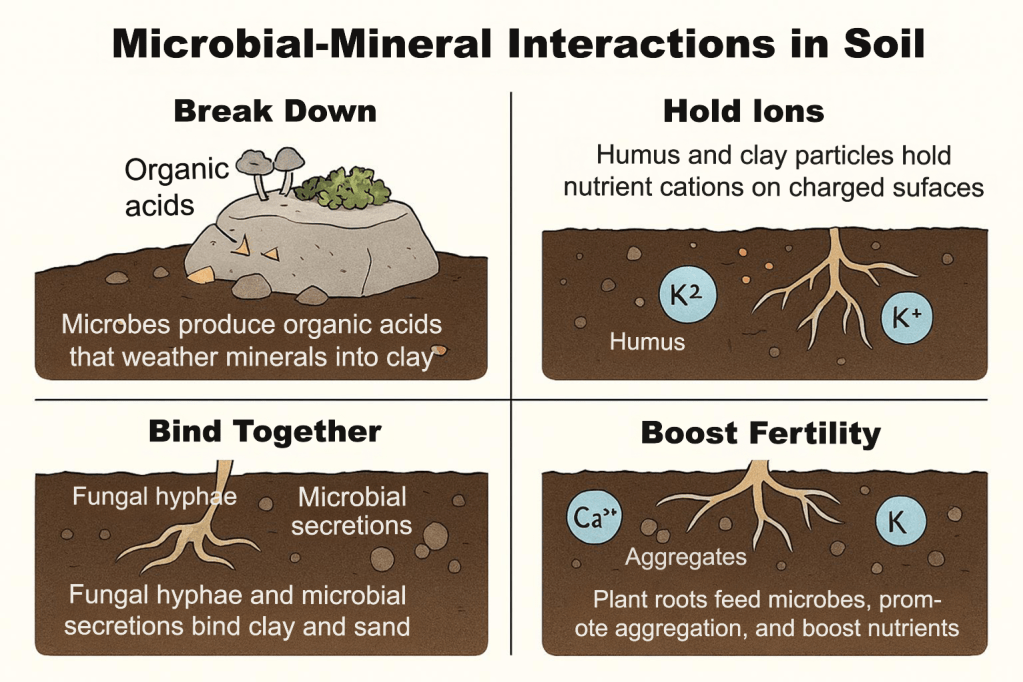
Organisms produce compounds such as organic acids and chelators that dissolve minerals and release nutrients like:

  • calcium (Ca²⁺)
  • magnesium (Mg²⁺)
  • potassium (K⁺)
  • phosphorus (PO₄³⁻)

Carbon dioxide from respiration also forms carbonic acid in water, which further increases mineral dissolution. These acids powerfully dissolve parent material.

Physical weathering

Fungal hyphae and plant roots widen cracks. Wet–dry cycles and freeze–thaw cycles fracture material. Windblown dust can add fine mineral particles. The result is more surface area and faster breakdown.

In short, biology makes the parent material more reactive and easier to transform.

Organic Matter and Clay Create Nutrient-Holding Capacity

As the pioneer organisms mentioned above die and recycle, organic residues accumulate. Even small organic inputs matter (adding compost/grow cover crop) because they start forming organo-mineral associations—the foundation of stable soil.

At the same time, primary minerals weather into secondary minerals (including clays and short-range-order minerals, depending on parent material). Both clays and humified organic matter carry negative charge, which contributes to:

CEC (cation exchange capacity) — the soil’s ability to hold and supply nutrient cations like Ca²⁺, Mg²⁺, K⁺, and NH₄⁺.

This is a major transition point: the soil begins to function as a nutrient reservoir rather than a leaching-prone mineral surface.

A good example of rapid stabilization and soil development occurs in volcanic ash materials, which are highly reactive and can form strong mineral–organic associations relatively quickly.2

Aggregation: The “Soil Structure” Breakthrough

One of the clearest signs that soil is forming rapidly is the development of aggregation—stable crumbs and clods that resist slaking and erosion.

Aggregation is built biologically through:

  • fungal hyphae physically binding particles
  • microbial extracellular polymers (EPS) acting as glue
  • root exudates stimulating microbial activity

As aggregation increases, the soil improves in:

  • water infiltration
  • pore space and aeration
  • erosion resistance
  • root penetration
  • drought resilience

This is why many growers can “feel” soil improvement within a few years when biological activity is high.

Why Decadal Soil Development Is Plausible

Traditional statements about soil taking thousands of years usually refer to fully developed soil profiles under slow geologic weathering. But modern evidence supports that early soil formation can proceed rapidly when:

  • biological activity is high
  • parent material is reactive
  • vegetation establishes quickly
  • erosion is controlled
  • carbon inputs are consistent

So, time matters, but biology often controls the rate—especially in early pedogenesis.3

Picture: Manaaki Whenua – Landcare Research 2020. The New Zealand Soils Portal. https://doi.org/10.26060/3nyh-mh28

What This Means for Organic and Regenerative Production

Organic and regenerative systems often accelerate soil development because they intentionally support the same drivers that build soil in nature:

  • living roots longer during the year (cover crops, perennials)
  • high biomass carbon inputs (residue retention, mulches)
  • reduced disturbance where possible
  • organic amendments that stimulate microbial activity

When we manage for biology, we aren’t “creating soil out of thin air.” But we are increasing the processes that build soil structure, nutrient retention, and resilience faster than many people expect.

Bottom Line

Soil formation is not just slow geology. It is an active biological process. Under the right conditions, the early stages of pedogenesis—weathering, organic matter accumulation, clay development, and aggregation—can produce measurable improvements in soil function within decades, and sometimes even sooner.

That’s encouraging science for anyone trying to rebuild soil health on real farms in real time.

References

  1. Soil formation overview: https://en.wikipedia.org/wiki/Soil_formation ↩︎
  2. Volcanic ash soils and rapid stabilization: https://www.mdpi.com/2071-1050/11/11/3072 ↩︎
  3. Soil formation factors (Landcare Research NZ): https://soils.landcareresearch.co.nz/topics/understanding-soils/how-do-soils-form ↩︎

What is the True Cost of Compost (or manure) in 2026?

$$$$$$$

I am updating this post to 2026 because I get regular questions about both the cost of composts and quality of composts (or manure) in my visits with organic producers and conventional producers or both. There seems to be this mystery about compost including, what is actually in the compost and how much it is worth? Certainly, there is some mystery since composts do have organic matter and as a result also contain microbes that generally are not measured by the labs. These two ingredients add a lot of value to a compost but in general we have trouble quantifying or putting a $$ value on their presence in the compost.

Almost any company that makes and/or sells a compost product will have an analysis for you to know what is in their product. Typically, they should be taking samples on a regular basis or at least as the supply source changes. Compost is generally made from manure, and manure is made from feed that livestock eat. As a livestock producer changes what their animals eat this can drastically influence what nutrients end up in the manure and ultimately the compost.

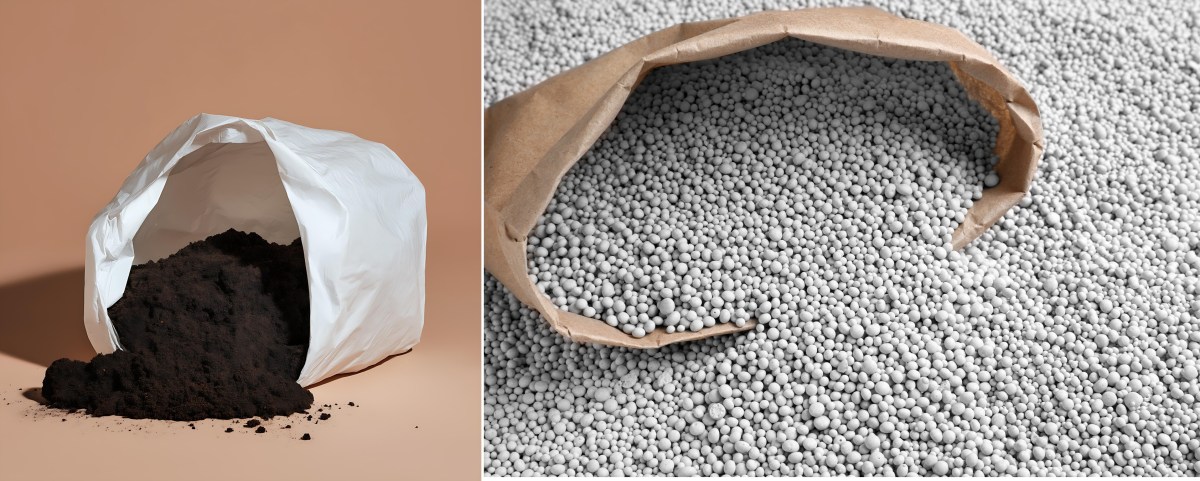
The chart below shows some comparisons between different manures or composts with prices. These prices were collected on January 14, 2026, and so your current prices may be different. The chicken manure can be seen as a bargain compared to the pellets, but the pellets have some advantages in ease of application and uniformity of product.

Just click on the spreadsheet above and you can look at the entire sheet much larger!

What we really want is an analysis based on dry matter not with water added so we can compare to commercial fertilizer costs. This gives us a compost value or even a way to compare one compost to another.

I did this analysis above on three different products. One was a manure product that had been composted or dry down to remove some water but not all, and the other two were pelleted compost products which is very common now. To do the calculations the compost or manures typically are expressed on an “as is basis”, so I multiply the ton or 2,000 lbs. times the %nutrient. In the first example there is 3.0% nitrogen X 2,000 lbs. = 60 lbs. of nitrogen. Nitrogen is also in a phosphorus source (18-46-0) so I have to subtract that out to get a value for the nitrogen in the chicken manure based on nutrients I can buy from commercial fertilizer. I do this for all the manure nutrients to establish a value for nutrients.

This picture of my spreadsheet above shows an analysis of the cost of ingredients based solely on Nitrogen, Phosphorus from P2O5, Potassium from K2O and Sulphur from 90% Sulphur. You can see the current cost of those nutrients is based on commercial fertilizer prices so that we get a value to compare composts to each other. In the top example, the $43 chicken manure compost seems to be a bargain, and the nutrients are comparable to the other examples. The water though is a problem for trying to use this product. It won’t spread easily, and you are hauling a lot of water. This example is meant to show that you could pay about $43 per ton for the top example and feel good that you made money at the current price of conventional fertilizer. And, in the second example when you pay $145 and you are getting you are getting $157 in nutrients based on commercial fertilizer, and you get lots of micronutrients, organic matter and microbes. In the third example you may be asking why would I buy that product? First, you are not hauling water; second the product may be very easy to spread based on its high dry matter; third, maybe they stand behind the product as a fertilizer not just a manure.

The point is to do a little comparison shopping before you just look at price per ton, there are a lot of things in the ton you may have never thought about before! Lastly, the benefits of the carbon in compost, which is the food source for microbes add tremendous value. In one sample I was sent it was 23% carbon, and you will not get that from commercial fertilizer!

Other Resources (just click a link!)

Cheating in the Certified Organic Program?

Think about this statement below!

In Texas, organic is a $1.5 billion dollar industry and growing – so if you cheat you not only break federal law and violate the organic communities shared standards and trust – you also jeopardize your own, and others, livelihood and earning potential. Add in the lost capital investment and years of development, and the costs could be in the billions just in Texas. Now add in the loss of consumer trust because of all the negative publicity and do we have an organic program left?

I have been approached by several farmers and industry folks alike, asking about rumors or telling me about direct observed cases of illegal actions taken by certified organic operations. Because I know, based on good testimony that illegal activity is taking place within the Texas organic program and amongst the Texas organic community; I am obligated to be proactive. This necessarily means I or anyone else who knows about illegal activity should let USDA National Organic Program know about this suspected illegal activity.

Under the updated USDA organic enforcement regulations, the maximum civil penalty for knowingly selling or labeling products as “organic” in violation of the Organic Foods Production Act (OFPA) has a maximum of $22,974 per violation. This amount comes from the federal civil penalty provisions in the regulations (7 C.F.R. 3.91(b)(1)(xxxvi)). This means that although a chemical or ingredient you use may be legal in conventional production – it is not legal to sell that product as organic and doing so can mean +/- $22,974 per violation (per truck load sold, per farm, per buyer, etc.). Also, you could face jail time if there is a case of fraud.

If you haven’t been caught, YET! Now might be a good time to stop!!!

Developing Organic Varieties for Texas: Why It Matters

Texas organic agriculture is dominated by field crops, yet the number of certified organic varieties available to our growers remains very small (probably easier to say none!). Even when varieties are not genetically engineered (GE) and could theoretically fit organic systems, many are simply not adapted to Texas conditions—our heat, drought cycles, variable rainfall, soils, and intense pest pressure. I see this every year: organic producers are forced to choose between varieties bred for very different regions or varieties developed with conventional systems in mind. That gap limits yield stability, increases risk, and ultimately slows the growth of organic acreage in Texas.

What We Are Actively Developing

To address this, we are intentionally investing (money, time, resources) in organic-first variety development within Texas A&M AgriLife Research and Extension. A runner peanut, TAMRun OL 11, is currently in development under organic management and will be available, with the possibility of releasing two additional hybrid Spanish peanut varieties by the end of next year. We are also working on an organic barley that is moving toward release through the Texas Foundation Seed Service. In corn, we have two organic-adapted lines on track for potential release by the end of 2026. We are testing right now conventional wheat varieties for their development in organic systems with the hopes of licensing at least two outstanding performers. In addition, we are beginning an organic sorghum breeding program, expanding into a crop that is critically important for Texas organic grain systems. Beyond grains and oilseeds, we now have two new organic guar varieties and one new cowpea variety developed through Dr. Waltram Ravelombola’s organic breeding program at Texas A&M AgriLife Research in Vernon. For cotton Dr. Dever and Dr. Kelly both worked to develop a very adaptable and high-quality fiber cotton variety, CA4019, that is under organic development with hopes to be available in a few years. At our Stephenville center we are working hard to develop and release some possible organic Sunn Hemp cover crop varieties and are working on organic faba bean variety development – a winter high protein legume that can be used for the developing protein market and as a winter cover crop. Organic faba bean is in high demand!

Preparing for the Future of Organic Seed

One reason this work matters is forward-looking. There is growing discussion within organic agriculture—and at USDA NOP—around whether organic varieties may eventually be required (no longer strongly encouraged) in Organic System Plans (OSPs). At the same time, many working in the organic program are increasingly concerned about GE technologies embedded upstream in conventional variety development, so that GE could be hard to detect except in the final product which can mean loss of value. Developing varieties entirely within organic systems helps address both issues. It gives producers confidence in the integrity of their seed and positions Texas organic agriculture to respond proactively rather than reactively to future regulatory or market changes.

Dr. Wenwei Xu, Texas A&M AgriLife Corn Breeder. Dr. Xu is a great friend and colleague working on variety development without gene editing. These are high yielding, very resilient, disease and insect tolerant, and developed in Texas! Wenwei and other Texas A&M AgriLife Breeders are committed to organic variety development.

Why This Is a Long-Term Investment

Breeding organic varieties can be slower, expensive (costs are going down fortunately), and demanding—but it is foundational. A good organic variety reduces the need for inputs, tolerates stress, competes better with weeds, and works with biological systems rather than against them. My goal is simple: when a Texas organic grower asks, “What variety should I plant?” I want the answer to be locally adapted, organically developed, and readily available. We are not there yet—but these efforts are a big step in that direction. And yes, this approach makes sense if we are serious about the long-term resilience, integrity, and growth of organic agriculture in Texas.

Surveys, Recipes, More Surveys and Organic Investments!

Here are few things that are important but don’t need their own blog post. Take a quick look and see if they apply to you!

Table of Contents – Just click on one to read about it!

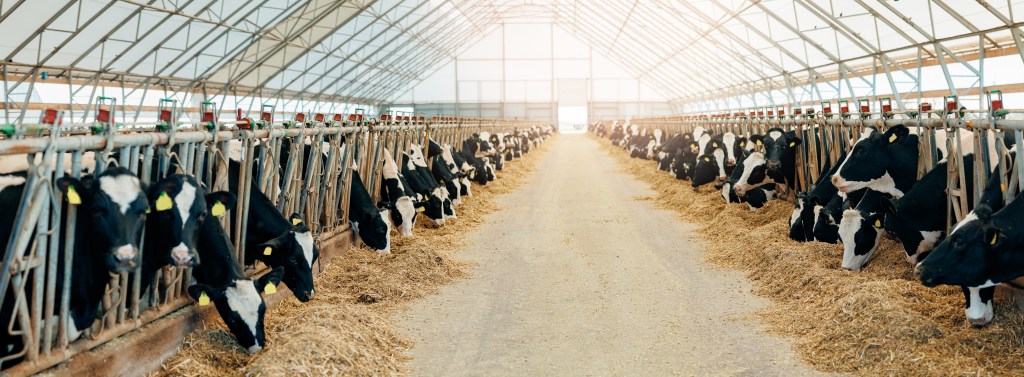
  1. Organic Dairy and Internal Parasites: Challenges, Practices, and What’s Next
  2. Texas Rice Recipe Contest
  3. ShaRE: The Shared Robotic Ecosystem for Smart and Collaborative Agriculture
  4. Investment Act to Expand Capacity and Compete Against Imports

Parasite control remains one of the most persistent health challenges in organic dairy herds. Unlike conventional systems, treatment options are strictly limited under the National Organic Program (NOP). If unapproved treatments are used, the animal loses its organic status. Currently, fenbendazole, and moxidectin may be used on organic dairies, but only under emergency situations when preventive practices are not effective. Their use also comes with strict restrictions by USDA Guidance:

· Not allowed in slaughter stock.

· For dairy cows, milk or milk products cannot be sold as organic for 2 days after treatment.

· For breeder stock, treatment cannot occur in the last third of gestation if the calf is marketed as organic and cannot be used during lactation for breeding animals.

Mandatory outdoor access (at least 120 days of grazing annually) can increase exposure to parasites, especially in warm or wet climates.

Internal parasites, such as gastrointestinal nematodes and coccidia, can reduce body condition, compromise milk production, and increase veterinary costs. Symptoms often include weight loss, poor thriftiness, or anemia. These problems can be amplified in years with high rainfall, when parasite populations thrive in pastures (even in dry climates like Texas). While conventional systems can rely on endectocides with varying formulations and withdrawal times, organic producers must navigate parasite control with far fewer pharmaceutical options.

We want to better understand how organic dairy producers are managing these challenges today. To do this, Texas A&M and UC Davis have teamed up to do a survey on internal parasite management and deworming practices on organic dairies. Sharing your experience will help us to identify practical and sustainable approaches that work for organic farms like yours

· The survey takes about 10–15 minutes to complete.

· Your answers will remain confidential.

Rice recipe contests have history and tradition in Texas. In 1951, The Texas Rice Promotion Association and the Abilene Reporter-News have announced a rice recipe contest. The contest was well documented and communicated in The Abilene Reporter-News. Recipes were received from fourteen towns and in multiple categories. The judges were overwhelmed by the success and diversity of recipes featuring Chinese, Hungarian, Syrian, Indian, Uruguayan and other recipes.

To read more about the history of rice recipe contests or to enter this contest just click this link: Texas Rice Recipe Contest

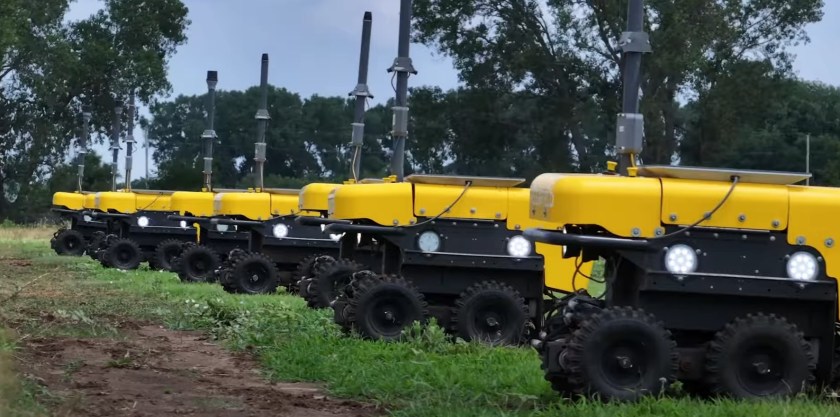
Dr. Lee sent me this request. They need farmers who are interested in robotic technologies (this includes your tractor guidance) to do the survey and get a gift card. Surely, we can help!

This article is from the Organic Trade Association1 and went out to the membership (I am a member) to highlight the work being done. I am excited about the potential and hope we have a chance for Texas organic to apply and win some of this grant money!

The culmination of more than two years of advocacy work, the introduction of the Domestic Organic Investment Act (DOIA) will put into action what the organic sector needs to thrive by investing in infrastructure to expand production capacity for farmers and manufacturers.  

The bipartisan, bicameral bill introduced in the Senate by Sen. Tammy Baldwin (D-WI) and Susan Collins (R-ME), with Andrea Salinas (D-OR) and Derrick Van Orden (R-WI) as sponsors in the House, builds on the strength of the Organic Market Development Grant (OMDG) program introduced in 2023. This program, administered by USDA, helps solve supply chain gaps and drive organic growth through grants to organic farmers and businesses. 

The DOIA legislation directs USDA to set annual priorities that reduce dependence on imports and reflect input from organic farmers, businesses, and other stakeholders. Additionally, the Act supports U.S.-based farmers and businesses who apply, including producers, producer cooperatives, and commercial entities (including tribal governments) who handle certified organic products. All grants will require matching funds from the farm or business recipient.    

Two businesses that have benefited from the OMDG program – PURIS and Meadowlark Organics – are examples of how these investments have paid off and serve as a bellwether for the future success of the Domestic Organic Investment Act.  

PURIS is committed to four times their OMDG $539K grant award to expand processing capacity for milled organic field pea fiber at their facility in Harrold, South Dakota. This was done by adding a fiber milling line to an existing organically certified pea handling facility. The upgrade transforms pea hulls, currently a product with little value, into a marketable, high-value organic pea fiber.  

Currently, imported organic pea protein has been selling at prices 28-75 percent below U.S. producers for multiple years. The investment supported PURIS to create additional value from the supply chain while also helping to strengthen the domestic supply chain overall.  

In the case of Meadowlark Organics of Ridgeway, WI, USDA grant funds provided in 2024 helped the organic grain farm purchase three pieces of equipment to help increase the availability of locally grown organic grain across the Upper Midwest. The new equipment includes a gravity table, optical sorter, and a connecting bucket elevator to the farm’s existing cleaning facility and flour mill.

This increased capacity will enable the farm to partner with even more organic grain farmers across the region and ultimately connect a diversity of culinary grains with more customers. The expected growth in organic grains and livestock feed capacity is over 900,000 pounds, with a projected 35 percent sales increase.  

Those businesses are great examples provided by OTA in their article, but I will call attention to our own Texas OMDG recipients:

  1. https://ota.com/news-center/ota-champions-domestic-organic-investment-act-expand-capacity-and-compete-against?utm_source=news-flash&utm_medium=ota-email&utm_campaign=news-center-advocacy ↩︎