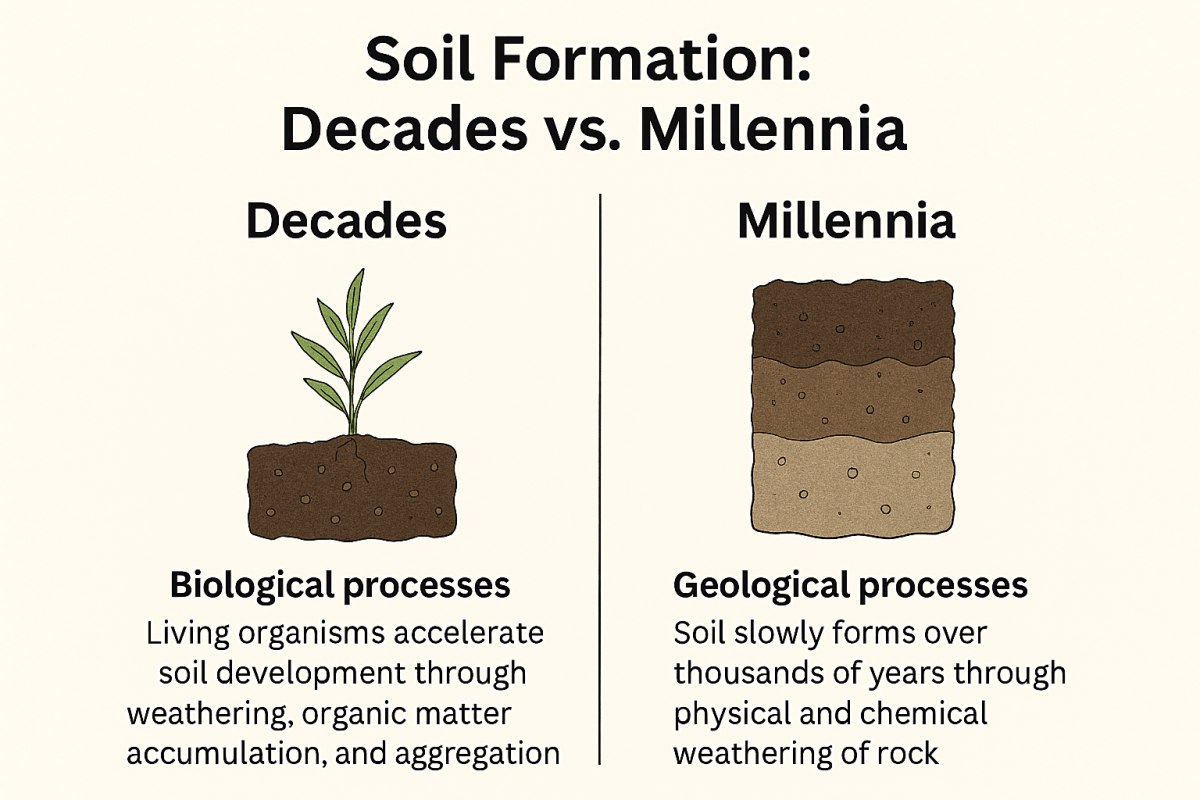
Soil formation is often described as a process that takes thousands of years, but the early stages can move much faster. Biology, organic matter, mineral weathering and aggregation can build measurable soil structure, nutrient-holding capacity and resilience within decades under the right conditions.
Most of us grew up hearing that “soil takes hundreds or thousands of years to form.” That is a useful reminder that mature soil profiles and distinct soil horizons develop slowly. But it can also leave the impression that meaningful soil development cannot occur within a farmer’s lifetime.
That is not necessarily true.
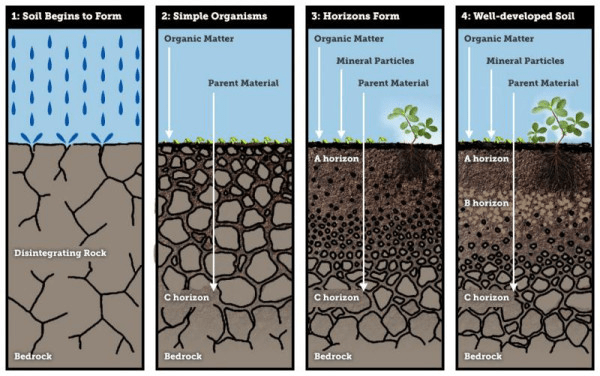
Research on young soils and soil chronosequences shows that biological activity, organic matter accumulation, aggregation, mineral weathering, and other measurable soil properties can begin changing within years to decades. A mature soil profile may take centuries or longer to develop, but the processes that build a functioning soil begin much sooner.12
Under favorable conditions, measurable changes in soil biology, organic matter, aggregation, nutrient cycling, and other soil properties can occur within years to decades.
By “soil development,” I am not suggesting that a mature soil profile forms in 20 or 30 years. I am referring to measurable changes in soil structure, biological activity, organic matter, nutrient retention, weathering, and other properties associated with pedogenesis.34
Soil Formation Starts When Life Colonizes Minerals
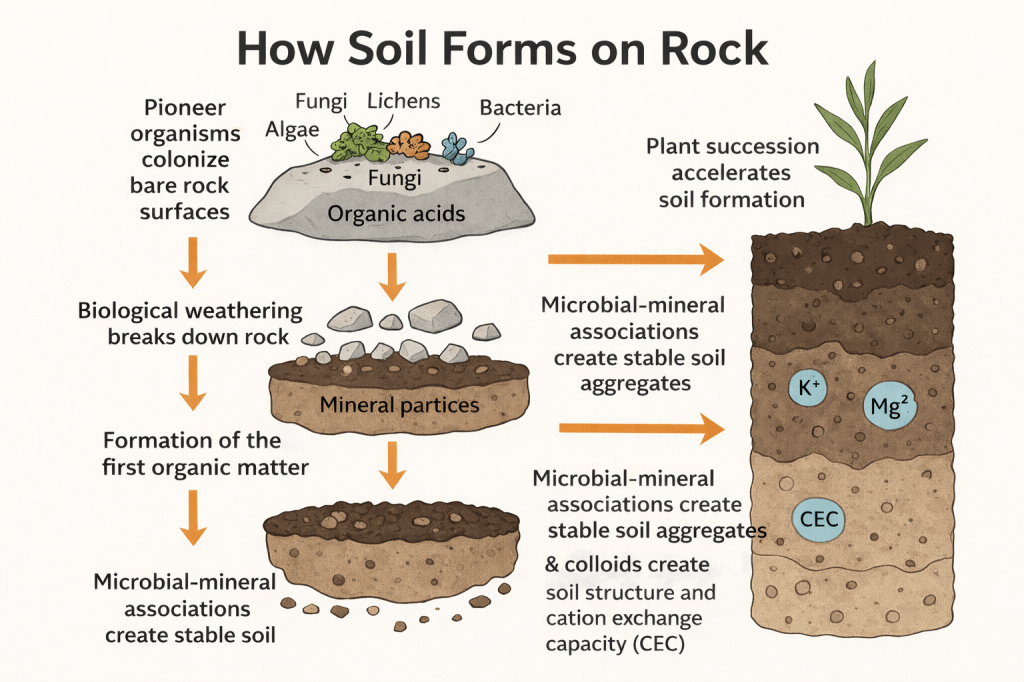
Biological colonization is one of the most important accelerators of early pedogenesis. On newly exposed rock, ash, sediment, or other parent material, organisms such as lichens, algae, cyanobacteria, fungi, bacteria, and eventually plants begin interacting with mineral surfaces.
Lichens (symbiotic associations between fungi and algae and/or cyanobacteria)
Cyanobacteria and algae
Fungi
Mineral-weathering bacteria
These organisms don’t just “live on rock.” They actively change it. They attach to mineral surfaces, grow into microcracks, and begin chemically and physically transforming the material into something more soil-like.
Once microbes and fungi are present, weathering becomes a biological–geochemical process.
Chemical weathering
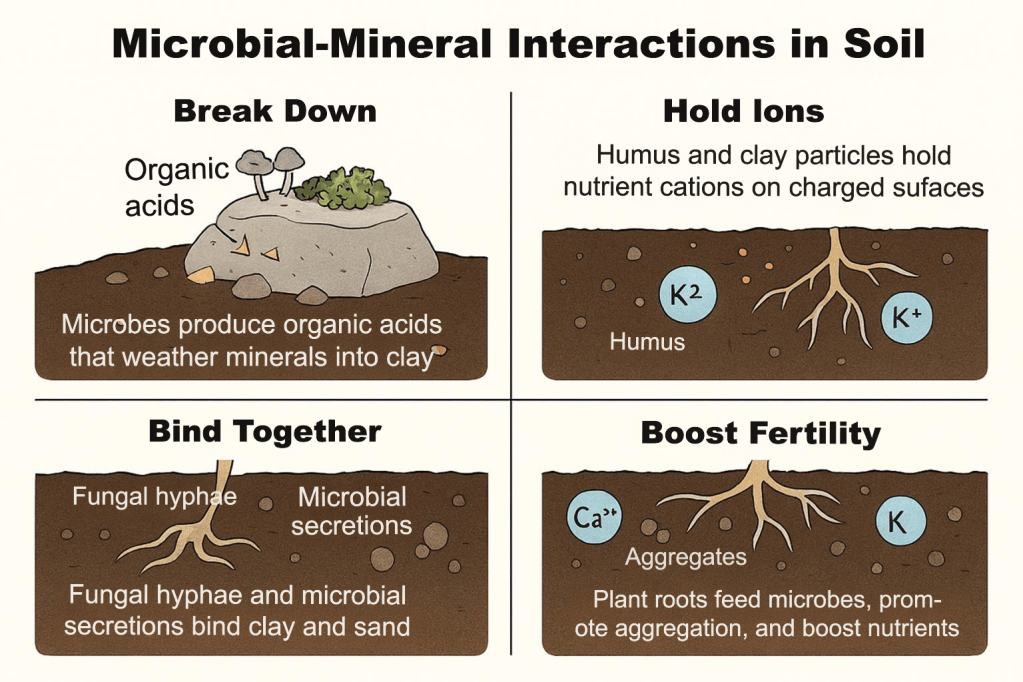
Organisms produce compounds such as organic acids and chelators that dissolve minerals and release nutrients like:
calcium (Ca²⁺)
magnesium (Mg²⁺)
potassium (K⁺)
phosphorus (PO₄³⁻)
Carbon dioxide from respiration also forms carbonic acid in water, which further increases mineral dissolution. These reactions can increase mineral dissolution and release plant nutrients from susceptible minerals.
Physical weathering
Fungal hyphae and plant roots widen cracks. Wet–dry cycles and freeze–thaw cycles fracture material. Windblown dust can add fine mineral particles. The result is more surface area and faster breakdown.
In short, biology makes the parent material more reactive and easier to transform.
Organic Matter and Clay Create Nutrient-Holding Capacity
As the pioneer organisms mentioned above die and recycle, organic residues accumulate. Even small organic inputs matter (adding compost/grow cover crop) because they start forming organo-mineral associations—the foundation of stable soil.
At the same time, primary minerals weather into secondary minerals (including clays and short-range-order minerals, depending on parent material). Organic compounds associated with mineral surfaces can also contribute to nutrient retention and carbon stabilization.
CEC (cation exchange capacity) — the soil’s ability to hold and supply nutrient cations like Ca²⁺, Mg²⁺, K⁺, and NH₄⁺. This increasing exchange capacity matters because it gives the developing soil more ability to retain positively charged nutrients such as calcium, magnesium, potassium, and ammonium rather than allowing them to move readily with water.
This is a major transition point: the developing soil gains greater capacity to retain and cycle nutrients.
A good example of rapid stabilization and soil development occurs in volcanic ash materials, which are highly reactive and can form strong mineral–organic associations relatively quickly.5
One of the clearest signs that soil is forming rapidly is the development of aggregation—stable crumbs and clods that resist slaking and erosion.
Biology contributes strongly to aggregation through:
fungal hyphae physically binding particles
microbial extracellular polymers (EPS) acting as glue
root exudates stimulating microbial activity
As aggregation increases, the soil improves in:
water infiltration
pore space and aeration
erosion resistance
root penetration
drought resilience
This is one reason growers may notice a soil becoming easier to work, infiltrating water better, or forming more stable crumbs within only a few seasons—even though the underlying soil profile is still essentially the same soil.
Traditional statements about soil taking thousands of years usually refer to fully developed soil profiles under slow geologic weathering. But modern evidence supports that early soil formation can proceed rapidly when:
biological activity is high
parent material is reactive
vegetation establishes quickly
erosion is controlled
carbon inputs are consistent
Time matters, but the rate and direction of pedogenesis depend on the interaction of biology, climate, parent material, landscape position, and management. In young soils, biological activity can be an especially powerful accelerator.6
Statements such as “an inch of topsoil takes hundreds of years to form” and evidence of soil development within decades refer to different things. The first generally describes long-term development or replacement of soil material. The second describes measurable changes in soil properties and pedogenic processes. Soil can become more structured, biologically active, carbon-rich, and functionally different long before a mature soil profile has formed.
What This Means for Organic and Regenerative Production
Many practices used in organic and regenerative production can strengthen the same biological and physical processes involved in soil development:
living roots longer during the year (cover crops, perennials)
high biomass carbon inputs (residue retention, mulches)
reduced disturbance where possible
organic amendments that stimulate microbial activity
When we manage for biology, we aren’t “creating soil out of thin air.” But we are increasing the processes that build soil structure, nutrient retention, and resilience faster than many people expect.
On an established farm, our goal is usually not to “form a new soil.” It is to improve the structure, biological activity, organic matter dynamics, nutrient cycling, and water relations of the soil we already have.
Soil formation is not just slow geology. It is an active biological process. Under the right conditions, the early stages of pedogenesis—weathering, organic matter accumulation, clay development, and aggregation—can produce measurable improvements in soil function within decades, and sometimes even sooner.
That’s encouraging science for anyone trying to rebuild soil health on real farms in real time.
Picture – RhizeBio.com (Decoding Nutrient Availability with DNA Soil Testing for Agriculture)
In recent years, scientific advances in DNA sequencing have allowed us to delve deeper into the hidden world of soil microbiomes—complex ecosystems of bacteria, fungi, and other microorganisms that play a crucial role in soil health. For certified organic farms, where soil vitality is central to crop productivity, DNA testing has become a powerful tool to track the rejuvenation of soil microbial life. Here are several case studies and research examples showing how organic practices can bring “dead” or degraded soils back to life, backed by peer-reviewed studies and long-term trials.
1. Rodale Institute’s Farming Systems Trial (FST)
The Rodale Institute’s Farming Systems Trial (FST) in Pennsylvania, one of the longest-running studies of its kind, has provided compelling evidence on how organic practices restore microbial life in soils. Comparing conventional and organic farming systems, the trial found that organic soils had higher microbial diversity and biomass, which supported better nutrient cycling, drought resilience, and overall soil health. This microbial community improvement was observed within just a few years of organic management.
Seufert, V., Ramankutty, N., & Foley, J. A. (2012). Comparing the yields of organic and conventional agriculture. Nature, 485(7397), 229-232. doi:10.1038/nature11069
2. University of California, Davis – Russell Ranch Sustainable Agriculture Facility
At the Russell Ranch Sustainable Agriculture Facility, part of UC Davis, researchers compared organic and conventional farming systems to understand their impact on soil health. DNA sequencing revealed that organic plots contained a significantly higher abundance of beneficial microbes, such as Actinobacteria and Proteobacteria, which are essential for decomposing organic matter and supplying nutrients to plants. Improvements in microbial diversity were observed within three years, showing how quickly organic management can enhance soil life.
Supporting Study: Bowles, T. M., Acosta-Martínez, V., Calderón, F., & Jackson, L. E. (2014). Soil enzyme activities, microbial communities, and carbon and nitrogen availability in organic agroecosystems across an intensively managed agricultural landscape. Soil Biology and Biochemistry, 68, 252-262. doi:10.1016/j.soilbio.2013.10.004
University of California, Davis. Russell Ranch Sustainable Agriculture Facility. Retrieved from: https://russellranch.ucdavis.edu
3. USDA-ARS Study on Organic Transition in Salinas Valley, California
In California’s Salinas Valley, a USDA-ARS study focused on soil health during the transition from conventional to organic practices. DNA analysis was used to track microbial changes over time, showing that organic practices led to increased populations of beneficial organisms like Pseudomonas (known for disease suppression) and mycorrhizal fungi (which assist in nutrient uptake). Even heavily degraded fields showed signs of microbial recovery within three to five years under organic management.
The graph below illustrates how microbial diversity increased over several years under organic management, similar to what was observed in the USDA-ARS study in the Salinas Valley.
Supporting Study: Schmidt, J. E., Gaudin, A. C. M., & Scow, K. M. (2018). Cover cropping and no-till increase diversity and symbiotrophratios of soil fungal communities. Soil Biology and Biochemistry, 129, 99-109. doi:10.1016/j.soilbio.2018.10.010
USDA Agricultural Research Service (ARS). Organic Agriculture Research and Extension Initiative (OREI). Retrieved from: https://www.ars.usda.gov
4. The DOK Trial in Switzerland (FiBL – Research Institute of Organic Agriculture)
The DOK trial in Switzerland, a long-term study by the Research Institute of Organic Agriculture (FiBL), compares biodynamic, organic, and conventional systems. DNA sequencing and microbial analysis have shown that the organic and biodynamic plots consistently feature higher microbial diversity and functionality. Within the first few years, these systems already showed greater resilience and microbial activity compared to conventional plots, highlighting the role of organic practices in fostering a healthy, living soil ecosystem.
Supporting Study: Mäder, P., Fließbach, A., Dubois, D., Gunst, L., Fried, P., & Niggli, U. (2002). Soil fertility and biodiversity in organic farming. Science, 296(5573), 1694-1697. doi:10.1126/science.1071148
FiBL – Research Institute of Organic Agriculture. DOK Trial: Long-Term Farming Systems Comparison in Switzerland. Retrieved from: https://www.fibl.org
5. Organic Almond and Grape Vineyards in California
In California, several almond and grape vineyards that transitioned to organic practices have used DNA analysis to monitor soil microbial changes. Within a few years, they reported a rise in beneficial mycorrhizal fungi and reduced pathogen levels, signaling a healthier, more resilient soil system. DNA sequencing tracked these positive shifts, confirming that organic management can replace harmful microbes with beneficial ones in soil over time.
Supporting Study: Steenwerth, K. L., & Belina, K. M. (2008). Cover crops enhance soil organic matter, carbon dynamics and microbiological function in a vineyard agroecosystem. Applied Soil Ecology, 40(2), 359-369. doi:10.1016/j.apsoil.2008.06.006
Hannula, S. E., & van Veen, J. A. (2016). The role of AM fungi in organic agriculture. Applied Soil Ecology, 96, 64-72. doi:10.1016/j.apsoil.2015.05.011
The Role of DNA Analysis in Understanding Soil Revival
DNA analysis has been a game-changer in soil science, allowing researchers to observe the specific microbial changes that occur when fields transition from conventional to organic management. By tracking shifts in microbial diversity and function, DNA testing provides clear, measurable evidence of how organic practices promote a healthy, balanced soil microbiome.
These studies illustrate that soil health restoration is achievable within a relatively short time under organic practices. While soils subjected to long-term conventional management may initially appear “dead” or lacking in microbial diversity, the examples above demonstrate that organic farming can foster microbial resilience and diversity, creating a foundation for sustainable, productive agriculture.
Organic farming practices have been shown to significantly improve soil health and microbial diversity compared to conventional farming methods. This article on recent DNA studies provides compelling evidence for the benefits of organic practices on soil ecosystems (eOrganic, 2023).
Increased Microbial Diversity and Abundance
Organic farming leads to greater microbial diversity and abundance in soils. Research in the Netherlands found that organically managed soils had higher numbers and more diverse populations of beneficial soil organisms compared to conventionally managed soils (Hartmann et al., 2015). Similar results were observed in banana plantation soils in Taiwan, with organic soils showing greater microbial diversity (Lehman et al., 2015). This increased microbial diversity is crucial for soil health, as it improves nutrient cycling, water retention, and disease suppression.
Enhanced Bacterial Communities
DNA studies reveal specific changes in soil bacterial communities under organic management. Organic systems show higher abundance of beneficial bacterial phyla like Acidobacteria, Firmicutes, Nitrospirae, and Rokubacteria (Hartmann et al., 2015). These bacterial groups correlate with improved soil biochemical properties and increased crop yields in organic systems (Lehman et al., 2015).
Improved Fungal Associations
Organic practices foster beneficial fungal relationships in the soil. Arbuscular mycorrhizal fungi (AMF) colonization is higher in organic soils (Hannula & van Veen, 2016). AMF extend plant root systems, improving water and nutrient uptake, especially in challenging conditions like drought or high soil salinity.
Soil Organic Matter and Carbon Sequestration
Organic farming significantly increases soil organic matter content. The National Soil Project found organic soils averaged 8.33% organic matter content versus 7.37% in conventional soils (National Soil Project). Organic soils showed higher levels of sequestered carbon (4.1% vs 2.85%) and a greater percentage of organic matter in stable forms (57.3% vs 45%). This increased organic matter improves soil structure, water retention, and carbon sequestration potential.
Nitrogen Fixation and Nutrient Cycling
Organic practices enhance natural nutrient cycling processes. Research suggests organic soybean plants may develop more extensive fine root systems and nitrogen-fixing nodules compared to conventional crops (Lehman et al., 2015). The diverse microbial communities in organic soils contribute to more efficient nutrient cycling and availability for plants (Hartmann et al., 2015).
Soil Enzyme Activity
Organic management boosts soil enzymatic activity. Higher levels of alkaline phosphatase and β-glucosidase activity are observed in organic systems (Bowles et al., 2014). These enzymes play crucial roles in organic matter decomposition and nutrient release.
In conclusion, DNA studies provide strong evidence that organic farming practices revitalize soil health by fostering diverse and abundant microbial communities, improving soil structure, enhancing nutrient cycling, and increasing carbon sequestration. These benefits create a more resilient and sustainable agricultural ecosystem.
Sources for Further Reading:
Hartmann, M., Frey, B., Mayer, J., Mäder, P., & Widmer, F. (2015). Distinct soil microbial diversity under long-term organic and conventional farming. The ISME Journal, 9(5), 1177-1194. doi:10.1038/ismej.2014.210
Lehman, R. M., Cambardella, C. A., Stott, D. E., Acosta-Martínez, V., Manter, D. K., Buyer, J. S., … & Halvorson, J. J. (2015). Understanding and enhancing soil biological health: The solution for reversing soil degradation. Sustainability, 7(1), 988-1027. doi:10.3390/su7010988
These resources provide additional insights into how soil biology supports agriculture and the role of organic practices in enhancing microbial diversity.
Revision Note – November 2026: This publication has been substantially revised and expanded to provide updated guidance on soil sampling, interpreting routine soil fertility tests, and evaluating soil health. The revision clarifies the differences between soil fertility and soil health, expands information on the Haney Soil Health Test and aggregate stability, and emphasizes the importance of consistent sampling, laboratory methods, and long-term soil testing records. Additional information on soil biological activity, carbon measurements, and soil testing laboratories has also been updated to help producers make more informed soil management decisions.
Table of Contents
Why Test Soil?
I have taken thousands of soil samples over the years, and one thing I have learned is that a single soil test rarely tells the whole story.
A soil test is a snapshot of what was happening in that soil when the sample was collected. It can tell us a great deal about soil fertility, pH, salinity and other properties, but its value increases tremendously when we sample the same field consistently over time. Then we can begin to see trends. Is phosphorus accumulating? Is soil pH declining? Is salinity becoming a problem? Is soil organic carbon increasing? Are our management practices actually changing the soil?
That is why I encourage producers to think of soil testing as a long-term record rather than simply a fertilizer recommendation.
We also need to distinguish between a routine soil fertility test and the growing number of soil-health tests available today. They answer different questions. A conventional soil test remains the foundation for making nutrient and amendment decisions. Soil-health measurements can add information about soil structure, carbon cycling and biological activity, but they do not replace the basic soil test.
In this publication I will look at how to collect a good soil sample, what common soil tests actually measure, several soil-health tests now available, and some laboratories that producers may want to consider.
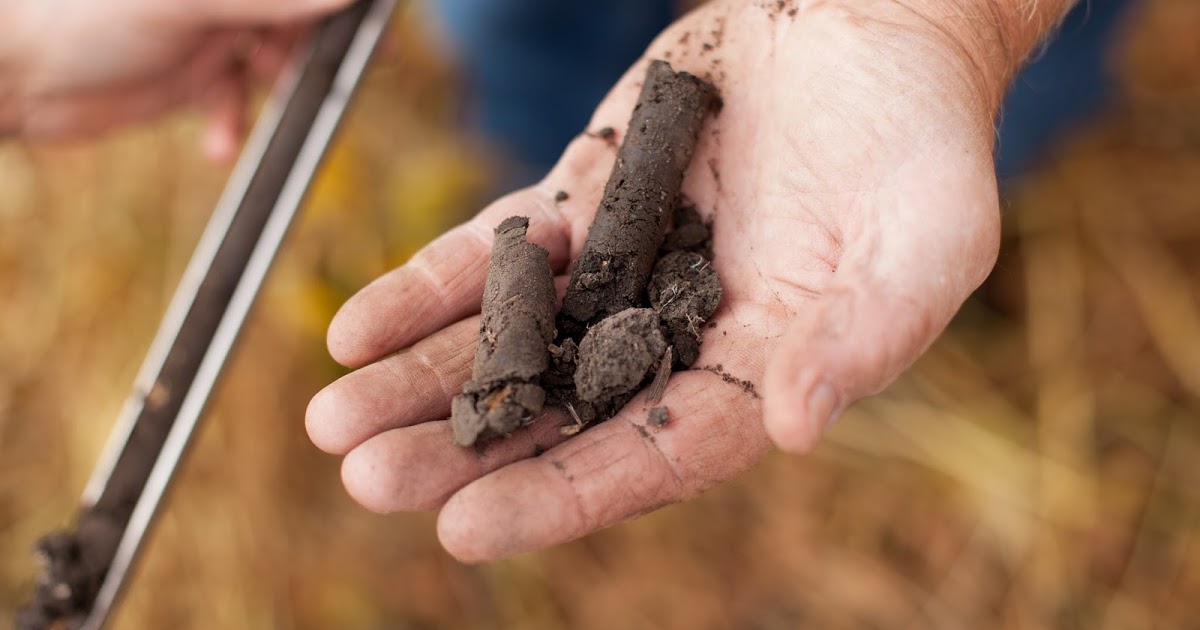
A soil test is only as good as the sample that goes to the laboratory. The laboratory may analyze the sample very precisely, but it cannot correct for a poor or unrepresentative sample collected in the field.
The first step is to divide the field into areas that are reasonably uniform. Differences in soil type, slope, drainage, cropping history, irrigation, manure application, or management may justify separate samples. Avoid mixing obviously different areas into one composite sample.
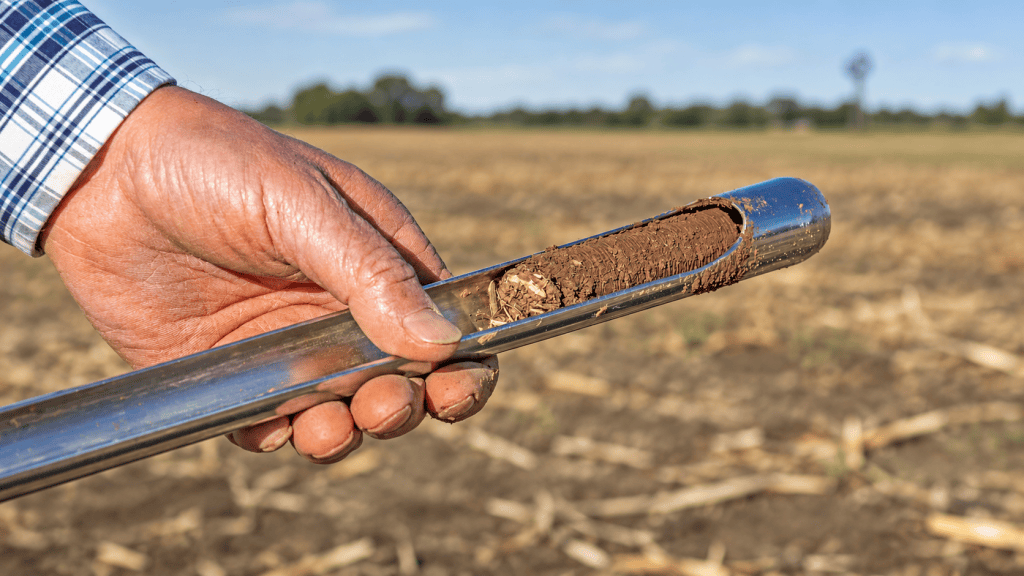
Above is a standard soil probe that will last you for years – well worth the cost.
Within each sampling area, collect multiple soil cores and combine them into one composite sample. The goal is to represent the field or management zone rather than one particular spot. Avoid unusual areas such as field entrances, old fence rows, livestock concentration areas, fertilizer spills, wet spots, or locations close to roads unless those areas are being sampled separately for a specific reason.
Sampling Depth Matters
Use the sampling depth recommended by the laboratory and by the soil-test calibration used for fertilizer recommendations. For many annual crops, routine surface soil samples are commonly collected from approximately the upper 6 inches of soil, although recommended depths vary by crop, region, and laboratory.
Consistency is especially important when comparing results over time. Changing from a 6-inch sample one year to an 8-inch sample the next can change nutrient concentrations simply because a different volume of soil was sampled.
Some nutrients require deeper sampling. Nitrate-nitrogen, for example, can move below the surface soil, so profile sampling may be needed when residual soil nitrate is important for fertilizer recommendations.
Sample Consistently Over Time
If the goal is to monitor changes in the soil, try to sample at approximately the same time of year, at the same depth, and under similar field conditions each time.
This becomes even more important when measuring soil health indicators such as respiration or other biological properties because soil moisture and temperature can strongly influence the results.
Where practical, record sampling locations with GPS or consistently sample the same management zones. Good records make it much easier to determine whether a change in a soil-test result reflects management or simply a change in where the sample was collected.
Use Clean Sampling Equipment
A soil probe or auger usually provides the most consistent sample, but a clean shovel can also be used when necessary. Use clean equipment and a clean plastic bucket for mixing composite samples.
Avoid introducing oils, fertilizers, manure, dust, or other materials that might contaminate the sample. This is particularly important when samples will be analyzed for carbon, micronutrients, biological activity, or contaminants.
Handling the Sample
After the cores are mixed thoroughly, place the amount requested by the laboratory into the appropriate sample container and label it clearly.
Follow the receiving laboratory’s instructions for drying, refrigeration, shipping, and sample preparation. Routine fertility samples and biological soil-health samples may require different handling procedures, so one method should not automatically be used for every type of analysis.
Good soil sampling is not complicated, but consistency matters. If I want to know whether a field is changing over time, I need to make sure I am comparing similar samples collected in similar ways.
A routine agricultural soil test is designed primarily to help us evaluate soil fertility and identify chemical conditions that may limit crop growth. It does not measure every aspect of soil health, but it remains one of the most useful and economical management tools available to farmers.
Depending on the laboratory and the analyses requested, a routine soil test may include soil pH, salinity or electrical conductivity (EC), nitrate-nitrogen, phosphorus, potassium, calcium, magnesium, sulfur, and selected micronutrients. Some laboratories also offer soil organic matter, texture, cation exchange capacity (CEC), or lime requirement as part of the basic package or as optional analyses.
Soil pH
Soil pH tells us how acidic or alkaline the soil is. This matters because pH strongly influences nutrient availability, microbial activity, and the effectiveness of some soil amendments.
An unexpected pH result deserves attention because correcting soil pH across an entire field can be expensive. If a result does not fit the field history or previous soil tests, I would rather verify it with another sample before making a major lime or amendment decision.
Salinity and Electrical Conductivity
Electrical conductivity is an indirect measure of soluble salts in the soil. Elevated salinity can reduce water uptake, interfere with nutrient availability, and injure sensitive crops.
In irrigated areas, greenhouses, high tunnels, dairies, and fields receiving repeated manure or compost applications, salinity deserves particular attention.
Nitrogen
Routine soil tests may measure nitrate-nitrogen, but nitrate is mobile and can change rapidly with rainfall, irrigation, crop uptake, and microbial activity. For this reason, nitrate testing is especially dependent on sampling depth and timing.
Where residual nitrate is important for fertilizer decisions, deeper profile sampling may be more informative than a surface sample alone.
Phosphorus and Potassium
Soil-test phosphorus and potassium are among the most common measurements used to guide fertilizer recommendations.
These tests do not measure all of the phosphorus or potassium present in the soil. Instead, laboratories use specific chemical extractants that have been calibrated against crop response to estimate the portion that is related to plant availability.
This is one reason it is important to know which laboratory and analytical method were used when comparing soil-test results over time.
Secondary Nutrients and Micronutrients
Calcium, magnesium, sulfur, zinc, iron, manganese, copper, boron, and other nutrients may be measured when needed.
Micronutrient results require careful interpretation because soil pH, organic matter, drainage, and crop species can strongly affect whether a measured nutrient is actually available to the plant.
Soil Organic Matter
Many laboratories report soil organic matter, and it can be useful for monitoring long-term changes in soil condition. Organic matter contributes to nutrient cycling, water-holding capacity, aggregation, and biological activity.
However, soil organic matter is not the same thing as soil organic carbon, and the two measurements should not be used interchangeably without understanding how the laboratory determined them.
The Value of Consistency
When I am tracking a field over time, I prefer to use the same laboratory, the same sampling depth, and the same analytical methods whenever possible.
Different laboratories may use different extractants, instruments, reporting units, or interpretation systems. If I switch laboratories, an apparent change in phosphorus, organic matter, or another measurement may reflect a change in method rather than a real change in the field.
The purpose of a routine soil test is not simply to generate numbers. It is to provide information that can guide nutrient management, identify developing problems, and help us make better decisions over time.
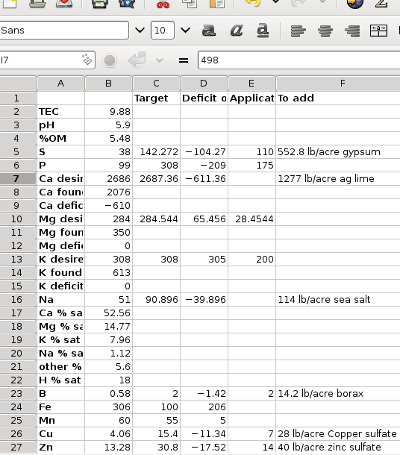
Of course, a normal soil test or what you might call a Regular Soil Test discussed above is a must. These are not usually expensive, +/- $15 or more with micronutrients. This test is of less value to me unless I have previous year’s results to see what is going on. I have taken literally thousands of soil samples and often I will see something show up that is off the charts. I am not known to panic when I see a problem because I am not going to react to that test unless I know it has steadily been a problem that is just getting worse. For instance, we can see pH swings in sand from one year to the next. Before I lime a soil, I may take a second sample just to verify I need lime. $15 soil test is cheaper than $60 per acre lime application.
Soil fertility and soil health are closely related, but they are not the same thing.
Soil fertility focuses mainly on whether the soil can supply the nutrients a crop needs and whether chemical conditions such as pH or salinity may limit growth. A routine soil test is designed primarily to answer these questions.
Soil health is broader. It considers how well the soil functions as a living system. That includes physical properties such as aggregation, compaction, and water movement; chemical properties such as pH, salinity, and nutrient availability; and biological processes such as microbial activity, decomposition, and nutrient cycling.
A soil can be fertile without functioning particularly well as a soil ecosystem. For example, a field may test adequately for phosphorus and potassium but still have poor aggregation, surface crusting, restricted infiltration, or low biological activity. The opposite can also occur: a soil may have active biology and good structure but still have a nutrient deficiency or an unsuitable pH.
That is why I do not view soil health testing as a replacement for routine soil testing. Instead, the two approaches complement each other.
A routine soil test helps answer:
“Do I have the nutrients and chemical conditions needed to grow this crop?”
Soil health measurements help answer:
“How well is this soil functioning, and is that function improving or declining over time?”
As interest in soil health has increased, laboratories have developed many additional measurements, including soil respiration, soil organic carbon, aggregate stability, active or labile carbon, biologically available nitrogen, phospholipid fatty acid analysis (PLFA), and DNA-based microbial testing.
These tests can provide useful information, but they do not all measure the same thing. Understanding what each test actually measures is more important than simply ordering a large soil health package and receiving a single score.
The next sections look at several of these measurements and how they can fit alongside a routine soil fertility test.
The Haney Soil Health Test was developed to provide additional information about biologically active carbon and nitrogen pools and microbial activity in soil. It does not replace a conventional soil fertility test; instead, it helps answer some different questions about how carbon and nutrients are cycling through the soil.
One of the best-known measurements associated with the Haney approach is soil respiration. A dried soil sample is rewetted and the carbon dioxide released during a defined incubation period is measured. This CO₂ release reflects microbial activity as soil organisms begin using available carbon after rewetting.
The Haney approach also measures water-extractable organic carbon (WEOC) and water-extractable organic nitrogen (WEON). These represent relatively soluble portions of the soil organic carbon and nitrogen pools that can participate in biological cycling.
Understanding a Haney Soil Health Test Report
A Haney Soil Health Test report provides several measurements related to soil biological activity, carbon and nitrogen cycling, and nutrient availability. The exact information reported depends on the laboratory and the analytical package selected.
Three measurements are particularly important:
Soil respiration (CO₂-C burst): Estimates potential microbial activity following rewetting and incubation.
Water-extractable organic carbon (WEOC): Measures a soluble carbon pool that may provide energy for soil microorganisms.
Water-extractable organic nitrogen (WEON): Measures water-extractable organic nitrogen that may participate in microbial nitrogen cycling and subsequent mineralization.
These three measurements are also used to calculate the Haney Soil Health Score. The score summarizes selected biological indicators, but it should not be interpreted as a complete measurement of soil health. Soil structure, water infiltration, compaction, and other important soil properties are not directly included.1
Depending on the laboratory, a Haney report may also provide pH, electrical conductivity, nitrate and ammonium nitrogen, extractable phosphorus and potassium, other nutrients, and estimates of potentially mineralizable nitrogen. Some laboratories provide additional conventional analyses or fertilizer recommendations.
An important distinction is that the Haney test uses water extractions and the H3A extractant for certain nutrient measurements. These results are not necessarily equivalent to those obtained using conventional soil-test methods calibrated for fertilizer recommendations.
**For making fertilizer decisions, I prefer to use regionally calibrated soil fertility recommendations while treating Haney measurements as additional information about soil carbon and nitrogen cycling.**2
Example of a Haney Soil Health Test report showing biological activity, water-extractable carbon and nitrogen, and other soil measurements. Report components and interpretations may vary among laboratories.
I encourage producers to examine the individual measurements rather than concentrating only on the Soil Health Score. Consistent sampling, comparable laboratory methods, and results collected over several years are more useful for evaluating management changes than a single report.
It is important not to confuse these measurements with the conventional nutrient extractions used for fertilizer recommendations. A routine soil test and a Haney-type test are measuring different soil pools and answering different management questions.
The Haney measurements can be particularly useful when I want to monitor changes associated with practices such as cover crops, reduced tillage, manure or compost applications, crop rotations, or other practices intended to increase biological activity and carbon cycling.
However, a single Haney Soil Health Score should not be treated as a complete description of soil health. Soil texture, climate, cropping system, sampling conditions, and inherent soil properties all influence biological measurements. I place more value on the individual measurements and how they change over time than on comparing one overall score among very different soils.
The Haney approach has also become more closely connected with current USDA soil-health testing. NRCS now recognizes water-extractable organic carbon as an alternative method for measuring labile carbon and water-extractable organic nitrogen as an alternative method for measuring bioavailable nitrogen under its CEMA 216 Soil Health Testing framework.3
That does not mean the Haney test measures everything we need to know about soil health. It does mean that several of its measurements provide useful information about important biological processes when they are interpreted alongside routine soil fertility tests and other physical and biological indicators.
One of the most useful physical measurements of soil health is aggregate stability.
Soil particles naturally bind together into groups called aggregates. These aggregates create pore spaces that allow water and air to move through the soil and provide pathways for roots. Good aggregation is one reason a well-structured soil can absorb rainfall rather than sealing over and producing runoff.
Aggregate stability measures how well those soil aggregates resist breaking apart when they are exposed to water or other physical forces.4
This matters because unstable aggregates can break down during rainfall or irrigation. Fine particles may then clog surface pores, form a crust, reduce infiltration, and increase runoff and erosion. A soil may contain adequate nutrients and still perform poorly if its physical structure has deteriorated.
What Helps Build Stable Aggregates?
Aggregate stability develops through a combination of physical, chemical, and biological processes.
Plant roots help bind soil particles and create channels through the soil. Fungal hyphae can physically connect particles, while bacteria and other microorganisms produce compounds that help bind particles together. Organic matter also plays an important role in forming and stabilizing aggregates.
Management practices can therefore influence aggregate stability. Crop rotations, cover crops, living roots, organic amendments, and reduced soil disturbance may help improve aggregation over time. Intensive tillage, low residue return, erosion, and other disturbances can weaken soil structure.
Soil type also matters. A sandy soil naturally behaves very differently from a clay soil, so aggregate stability should not be interpreted without considering texture, mineralogy, climate, and management history.
How Is Aggregate Stability Measured?
There are several ways to measure how well soil aggregates resist breaking apart when exposed to water. Some methods are simple enough for farmers to use themselves, while others require specialized laboratory equipment. The methods differ in how water is applied and how aggregate breakdown is measured, so their results are not necessarily interchangeable.
Slaking Image Analysis — The SLAKES Smartphone App
One of the easiest methods for farmers to use is the free SLAKES smartphone application developed by the Soil Health Institute.
The procedure involves placing three dry soil aggregates into water and using a smartphone camera to photograph how they change over a 10-minute period. The application analyzes the images and calculates an aggregate stability index.
I particularly like this approach because farmers can use it themselves without expensive laboratory equipment. It provides a practical way to compare soil from different fields, management practices, or locations within a field, although soil type and sample preparation must be considered when interpreting the results.
The application also makes an excellent teaching tool. Farmers can actually watch soil aggregates break apart or remain intact when exposed to water.
The Cornell Soil Health Laboratory uses a rainfall simulation approach to evaluate wet aggregate stability. A known quantity of soil aggregates is placed on a sieve and exposed to water droplets from a rainfall simulator.
Aggregates that break apart pass through the sieve, while the material remaining is used to calculate the percentage of water-stable aggregates.
This approach is especially useful because it simulates the impact of raindrops on soil aggregates, one of the processes contributing to surface sealing, crusting, and erosion.
Wet Sieving Procedure
Wet sieving is a widely used laboratory approach for measuring aggregate stability. Soil aggregates are placed on sieves and exposed to water, often with controlled movement of the sieves.
The amount and size distribution of aggregates remaining after the procedure are used to evaluate stability.
Wet sieving can provide quantitative measurements for comparing treatments and tracking changes over time. However, the results depend on details such as sample preparation, sieve sizes, wetting procedures, and agitation, making consistent methods particularly important.
Mean Weight Diameter (MWD)
Mean weight diameter is not a separate testing procedure but a calculated measurement commonly obtained from aggregate size distribution following wet sieving.
It represents the weighted average diameter of the aggregate fractions remaining after testing. A larger MWD generally indicates that larger aggregates have remained intact, although interpretation depends on the soil and testing method.
MWD is frequently used in soil research to compare management practices and evaluate changes in soil structure.
Which Method Should Farmers Use?
For farmers interested in learning about aggregate stability without sending samples to a laboratory, I would begin with the SLAKES application. It is inexpensive, relatively easy to use, and provides a way to observe the physical behavior of soil aggregates.
For research trials or long-term monitoring programs requiring standardized quantitative measurements, laboratory methods may be more appropriate.
Regardless of the method, I would emphasize collecting comparable samples, following the same procedure each time, and interpreting results in the context of soil texture and management history.
Why I Like This Measurement
Aggregate stability tells us something that a conventional nutrient test cannot.
A routine soil test may tell me that phosphorus, potassium, and pH are all within acceptable ranges. Aggregate stability helps tell me whether the soil itself has the physical structure needed to accept water, resist erosion, and support roots.
For that reason, I think aggregate stability is one of the more practical soil-health measurements available. It connects a laboratory number with something farmers can often see in the field after a hard rain: does water enter the soil, or does the surface seal and the water run off?
Like most soil-health measurements, aggregate stability is most useful when it is followed over time and compared with similar soils under similar conditions.
Soil Organic Carbon: A Long-Term Measure of Soil Health
Soil organic carbon (SOC) is one of the most important measurements we can use to evaluate long-term changes in soil health. Carbon enters the soil primarily through plant roots, crop residues, cover crops, and organic amendments such as manure and compost. Some of that carbon is rapidly decomposed by soil organisms, while other portions can remain in the soil for years or even decades.5
Soil organic carbon is closely associated with many of the functions we want from a healthy soil.6 It contributes to aggregate formation and stability, supports microbial activity and nutrient cycling, and can improve water-holding capacity. Increasing soil carbon is often an important goal of regenerative and organic production systems.
Soil Organic Carbon Is Not the Same as Soil Organic Matter
Many farmers are familiar with soil organic matter (SOM) because it has been reported on soil tests for decades. However, soil organic matter and soil organic carbon are not the same measurement.
Soil organic matter includes carbon along with oxygen, hydrogen, nitrogen, sulfur, and other elements found in decomposed plant and animal materials. Soil organic carbon measures only the carbon portion of that organic material.
Historically, soil organic matter has often been estimated by multiplying soil organic carbon by 1.724, based on the assumption that organic matter contains approximately 58% carbon.7 However, the carbon content of soil organic matter varies among soils, so this conversion is only an approximation.
When monitoring changes through time, it is important to know whether the laboratory reports measured organic carbon, measured organic matter, or a value calculated from another measurement.
How Is Soil Organic Carbon Measured?
Dry combustion is a widely accepted method for measuring soil carbon. However, the laboratory must distinguish organic carbon from inorganic carbon, particularly in calcareous soils containing calcium carbonate. Depending on the analytical procedure, this may involve removing or separately determining inorganic carbon.8
For this reason, I want to know whether my laboratory is reporting total carbon or specifically soil organic carbon, particularly when working with calcareous soils.
Why Soil Organic Carbon Changes Slowly
Unlike soil nitrate or microbial respiration, soil organic carbon generally changes slowly. Even when management practices improve soil carbon storage, detecting those changes through routine soil sampling can be difficult. Research by Wuest and Durfee (2024) demonstrated substantial variation in soil organic carbon measurements between sampling dates, emphasizing that small differences between individual soil tests may not represent meaningful changes in soil carbon.9 For this reason, I place greater confidence in carefully collected measurements over several years than in comparisons between just two sampling dates.
In many agricultural fields, measurable changes may require several years or longer. Small differences between annual soil tests may reflect normal sampling and laboratory variability rather than a real change in soil carbon.
For that reason, I generally view soil organic carbon as a long-term measurement rather than something that needs to be tested every year. Establishing a reliable baseline and repeating the measurement at consistent intervals, perhaps every three to five years, may be more useful for many producers.
Carbon Concentration Versus Carbon Storage
There is another important distinction. A laboratory usually reports soil organic carbon as a concentration, often expressed as a percentage of the dry soil.
That percentage is not the same as the total amount of carbon stored in a field.
To estimate carbon storage per acre, we also need to know the soil depth and bulk density, which describes the mass of dry soil within a given volume. This distinction becomes especially important when comparing tilled and no-till soils because changes in soil density can affect carbon storage calculations.10
What I Want Farmers to Remember
I would not judge the success of a soil management program by whether soil organic carbon increased a small amount in a single year. I would look for a consistent trend over time, supported by other measurements such as aggregate stability, infiltration, and biological activity.11
Soil organic carbon is an important indicator of soil condition, but it is not a complete soil-health measurement by itself. A field may have relatively low organic carbon because of its texture and climate yet still be functioning well for that particular soil.
The goal is to understand the soil we have, measure it consistently, and determine whether our management is improving its ability to support productive agriculture over time.
Soil is a living system, and the organisms living in it are constantly using carbon as an energy source. As microorganisms decompose crop residues, roots, and soil organic matter, they release carbon dioxide (CO₂) through respiration. Plant roots and soil animals also contribute to total soil respiration.
Measuring soil respiration provides information about biological activity and the decomposition processes involved in nutrient cycling. Unlike soil organic carbon, which measures a relatively large pool of carbon stored in the soil, respiration measures carbon being released through biological processes.12
How Is Soil Respiration Measured?
Several methods are used to measure soil respiration. Some measure CO₂ released directly from soil in the field, while others use soil samples incubated under controlled laboratory conditions.13
One commonly used laboratory method is the 24-hour CO₂ burst test, which is associated with the Haney Soil Health Test. A soil sample is dried, rewetted, and incubated under controlled conditions. The CO₂ released during the following 24 hours is measured as an indicator of potential microbial activity.
Rewetting dry soil often produces a rapid increase in microbial respiration as microorganisms respond to the availability of water and organic substrates. Research has demonstrated that this CO₂ flush is related to biologically active soil organic matter and other indicators of soil microbial activity.14
Other laboratory methods use longer incubation periods, such as three or four days. Because incubation time, temperature, moisture, and measurement procedures can influence the results, values obtained using different methods should not be assumed to be directly comparable.15
Does Higher Respiration Mean Healthier Soil?
Not necessarily.
Higher respiration under standardized laboratory conditions often indicates greater potential microbial activity or more readily decomposable organic material. However, respiration also represents carbon being released from the soil as CO₂.
For example, tillage can temporarily stimulate microbial activity by exposing previously protected organic matter to decomposition. The resulting increase in respiration does not necessarily mean that soil health has improved.
Likewise, low respiration may reflect limited organic material, but it can also result from unfavorable conditions such as drought, excessive moisture, or low temperatures.
I would be cautious about assigning universal ratings of good or poor soil health based on a single respiration measurement. Soil texture, carbon content, management history, and analytical methods all affect the results.16
Why I Find Respiration Useful
Soil respiration provides information that a conventional fertility test cannot. It helps us understand how actively microorganisms are processing organic material and participating in carbon and nutrient cycling.
For organic and regenerative producers, respiration measurements may be useful for monitoring changes associated with cover crops, crop rotations, organic amendments, and reduced tillage.
However, I would not use respiration alone to judge whether a management practice is improving soil health. I would interpret it alongside soil organic carbon, aggregate stability, routine fertility measurements, and the history of the field.
Soil organic carbon tells us something about the carbon stored in the soil. Soil respiration tells us something about the biological activity using that carbon. Both measurements are useful, but neither tells the complete story.
As with other soil-health indicators, the greatest value comes from consistent sampling, comparable laboratory methods, and measurements collected over time.
Advanced Soil Biological Testing: PLFA and DNA Analysis
Soil microorganisms play essential roles in decomposing organic matter, cycling nutrients, forming soil aggregates, and interacting with plant roots. While soil respiration provides a general measurement of biological activity, other laboratory tests can provide information about the size and composition of soil microbial communities.
Two approaches used in soil research and commercial soil testing are phospholipid fatty acid (PLFA) analysis and DNA-based microbial testing. These methods provide different types of information, and neither should be considered a complete measurement of soil health.
Phospholipid fatty acids are important components of microbial cell membranes. Different microbial groups contain characteristic fatty acids, and laboratory analysis of these compounds can provide estimates of microbial biomass and broad differences in community composition.
PLFA analysis generally involves extracting lipids from a soil sample, separating the fatty acids, and measuring them using specialized laboratory instruments.
Because phospholipids break down relatively quickly after microorganisms die, PLFA analysis is commonly used as an indicator of the living microbial community rather than the total microbial material present in soil.17
What Can PLFA Tell Us?
PLFA results may include estimates of total microbial biomass, bacterial and fungal biomass, and the relative abundance of broad microbial groups.18
These measurements can help researchers evaluate how soil microbial communities respond to crop rotations, cover crops, tillage, organic amendments, and other management practices.
For example, a long-term cropping experiment might use PLFA to determine whether microbial biomass or community composition changes following the introduction of cover crops or reduced tillage.
Some laboratories also report a fungal-to-bacterial ratio. While changes in this ratio may reflect differences in soil conditions or management, there is no universal ratio that defines a healthy agricultural soil.
PLFA does not ordinarily identify individual microbial species, and it does not directly measure whether microorganisms are actively performing particular functions such as nitrogen fixation or phosphorus mineralization.19
Limitations of PLFA Testing
Microbial communities respond rapidly to environmental conditions, including soil moisture, temperature, plant growth, and recent management activities.
For this reason, PLFA measurements can vary considerably between sampling dates. Sample handling and storage are also particularly important because microbial lipids can change or degrade after collection.
PLFA is useful for research and for monitoring changes in microbial communities under controlled sampling conditions. However, I would not recommend it as a routine replacement for conventional soil testing or the more established soil-health indicators.
For most producers, the additional cost and difficulty of interpreting the results should be considered before ordering this analysis.
DNA-Based Soil Microbial Testing
DNA-based soil testing uses genetic information extracted from soil to characterize microorganisms and, depending on the analytical method, identify particular organisms or genes associated with biological functions.
Unlike PLFA, which characterizes broad microbial groups through cell-membrane lipids, DNA sequencing can provide much greater detail about the organisms represented in a soil sample.
Some commercial services use this technology to assess microbial communities, detect genetic signatures associated with plant pathogens, or evaluate genes involved in nutrient cycling.
One example is Trace Genomics, whose technology and products were acquired by Miraterra in July 2025. The company has developed soil analysis services combining genomic information with conventional soil chemistry and agronomic interpretation.20
What Can DNA Testing Actually Tell Farmers?
DNA testing can be especially useful when there is a specific question, such as whether a soil contains genetic evidence of a particular plant pathogen or whether management practices are associated with changes in microbial community composition.
However, detecting an organism or a gene does not necessarily mean that the organism is alive, actively performing that function, or affecting crop growth under current field conditions.
For example, detecting genes associated with phosphorus solubilization indicates biological potential, but it does not establish how much phosphorus is actually being released and made available to a growing crop.
Similarly, detecting DNA from a plant pathogen does not necessarily mean that disease will develop. Disease depends on a susceptible host, a capable pathogen, and environmental conditions favorable for infection.
These technologies are advancing rapidly, but interpretation remains challenging. For most producers, DNA-based analyses are likely to be most useful when addressing a specific management or plant-health question rather than as a routine annual soil-health measurement.21
I encourage farmers to begin with the question they are trying to answer.
If I want to know whether biological carbon cycling is changing, soil respiration may be a useful starting point.
If I want to study changes in microbial biomass or broad community composition, PLFA may provide additional information.
If I am investigating particular microorganisms, soilborne pathogens, or microbial genes, DNA-based testing may be more appropriate.
The most expensive or technologically advanced test is not necessarily the most useful. The value of any soil test depends on whether its results help us understand the soil and make better management decisions.
Great publication you can read on understanding these Soil Health Tests. Just click the link below:
The “take home” message is not soil testing only, but records of soil tests you can see over time!
Putting Soil Testing to Work
After years of collecting soil samples and working with producers, I have come to appreciate that the value of soil testing is not simply the number of measurements we can obtain. It is understanding what those measurements tell us and how we can use them to make better management decisions.
For most producers, I would begin with a good routine soil fertility test. If I want to understand changes in soil health, I might add measurements such as soil organic carbon, aggregate stability, or biological activity. More specialized tests, including PLFA and DNA analysis, may be useful when there is a specific question about the soil microbial community.
Regardless of the tests selected, consistent sampling and good records are essential. A single soil test provides useful information, but a series of comparable tests can help us recognize trends, evaluate management practices, and identify developing problems.
The goal is not to collect more soil-test numbers. The goal is to understand our soil well enough to manage it better.
Bellows, B., Morris, M., & Mitchell, C. (2020). Soil Health Indicators and Tests.ATTRA Sustainable Agriculture, Publication IP603. National Center for Appropriate Technology. ↩︎
USDA Natural Resources Conservation Service. (2026). Soil Health Testing. Conservation Evaluation and Monitoring Activity (CEMA) 216, January 2026R. U.S. Department of Agriculture. ↩︎
USDA Natural Resources Conservation Service. (2026). Soil Health Testing. Conservation Evaluation and Monitoring Activity (CEMA) 216, January 2026R. U.S. Department of Agriculture. ↩︎
USDA Natural Resources Conservation Service. (2026). Soil Health Testing. Conservation Evaluation and Monitoring Activity (CEMA) 216, January 2026R. U.S. Department of Agriculture. ↩︎
USDA Natural Resources Conservation Service. (n.d.). Soil Health Assessment. U.S. Department of Agriculture. ↩︎
USDA Natural Resources Conservation Service. (2026). Soil Health Testing. Conservation Evaluation and Monitoring Activity (CEMA) 216, January 2026R. U.S. Department of Agriculture. ↩︎
USDA Natural Resources Conservation Service. (2026). Soil Health Testing. Conservation Evaluation and Monitoring Activity (CEMA) 216, January 2026R. U.S. Department of Agriculture. ↩︎
This blog is overly long because of the discussion of different biostimulants. Scroll through first and pick out parts you are interested in and to understand the overall theme.
The concept of biostimulants in agriculture has evolved over centuries, with ancient practices hinting at the use of natural substances to enhance plant growth. However, the modern understanding of biostimulants began in the early 20th century. The term “biostimulant” encompasses a diverse array of products, including microbial inoculants (the bacteria and fungi we use for pests or to help plants fight pests), humic and fulvic acids, seaweed extracts, and other naturally derived substances. These materials are known for their ability to enhance plant growth, health, and productivity, often by influencing various physiological processes.
Scientific Recognition
In the mid to late 20th century, as the scientific community began to understand plant physiology better, the interest in biostimulants increased. Studies started to explore the mechanisms by which these natural substances could influence plant growth, nutrient uptake, and stress tolerance. By the late 20th century, the use of biostimulants was increasingly recognized as a component of sustainable agriculture practices, complementing the use of synthetic fertilizers and pesticides.
Regulatory Path for Biostimulants
Early Regulation
Initially, biostimulants fell into a grey area in terms of regulation. They were not strictly categorized as fertilizers or pesticides, which led to a lack of clear regulatory guidelines. This ambiguity sometimes resulted in inconsistencies in quality and efficacy among products in the market.
Current Regulatory Landscape
As the market for biostimulants grew, the need for regulatory frameworks became apparent. In the European Union, for instance, biostimulants are being integrated into the existing fertilizing products regulation (EU) 2019/1009, which sets criteria for their placement in the market and ensures their safety and efficacy. In the United States, the Agricultural Improvement Act of 2018 (Farm Bill) included provisions that recognize the unique nature of plant biostimulants and initiated the process of establishing a formal definition and regulatory pathway.
The Plant Biostimulant Act of 2023 is introduced
This bill excludes plant biostimulants (i.e., a substance, micro-organism, or mixture thereof that supports a plant’s natural processes independently of the biostimulant’s nutrient content) from regulation under the Federal Insecticide, Fungicide, and Rodenticide Act. The bill also requires the Department of Agriculture to study the types of plant biostimulants and practices of plant biostimulant use that best achieve certain results, such as increasing organic matter content. This has been introduced into both the Senate and House and has bipartisan support. Unfortunately, it is on hold because of the Farm Bill discussions and vote.
Research and Development of Biostimulants Worldwide
Overview
Research and development (R&D) in the field of biostimulants is a rapidly evolving area, driven by the growing need for sustainable agricultural practices. Biostimulants are recognized for their potential to enhance plant growth, increase crop yield, and improve plant resilience against stressors such as drought, salinity, and extreme temperatures. The global focus on biostimulant R&D reflects a shift towards eco-friendly and efficient farming techniques.
Key Areas of Research
Mechanism of Action: Understanding how biostimulants work at the molecular and cellular levels is crucial. Research is focused on identifying the active components in biostimulants and how they interact with plant physiology, including nutrient uptake, hormone regulation, and stress response.
New Product Development: Researchers are exploring various natural sources like algae, beneficial microbes, and plant extracts to develop new biostimulant products. There is also an interest in synthesizing novel compounds that mimic the action of natural biostimulants.
Formulation Technology: Developing effective formulations that ensure the stability and bioavailability of biostimulant compounds is a key research area. This includes nano-formulations and encapsulation technologies that enhance the delivery and efficacy of biostimulants.
Synergistic Combinations: Combining biostimulants with other agricultural inputs, such as fertilizers and biopesticides, to achieve synergistic effects is an emerging field. This research aims to maximize crop yield and quality while minimizing environmental impact.
Soil Health and Microbiome Studies: Understanding the interaction between biostimulants and the soil microbiome is vital. Research in this area focuses on how biostimulants can influence soil microbial communities to benefit plant growth and soil health.
Global Research Initiatives
Europe: The European Union has been at the forefront in funding research projects on biostimulants, focusing on sustainability and efficacy. Projects under the Horizon 2020 program, for instance, aim to develop innovative biostimulant products and assess their impact on crop productivity and resilience.
United States: The USDA and various academic institutions are conducting extensive research on biostimulants. The focus is on both developing new biostimulant products and understanding their role in sustainable agriculture systems.
Asia: Countries like China and India are increasingly investing in biostimulant research, with a focus on developing products suited to local crop varieties and farming practices. The research often involves traditional knowledge and natural resources unique to the region.
Challenges in Research and Development
Standardization and Regulation: One of the main challenges is the lack of standardization in terms of what constitutes a biostimulant. This affects the regulation, efficacy testing, and market acceptance of new products.
Scalability and Cost-Effectiveness: Developing biostimulant products that are both effective at a large scale and cost-effective for farmers remains a challenge, especially in developing countries.
Environmental Impact Assessment: Understanding the long-term impacts of biostimulants on soil health and the wider ecosystem is essential but complex, requiring long-term studies.
Future Directions
Precision Agriculture Integration: Integrating biostimulants with precision agriculture technologies to optimize their application and efficacy is a promising future direction.
Tailored Solutions: Developing biostimulants tailored to specific crop needs, environmental conditions, and agricultural practices is likely to be a focus, especially with the advancement in genomics and plant science.
Global Collaboration: Enhanced global collaboration and knowledge sharing among researchers, industry players, and policymakers are crucial for advancing the field of biostimulants.
Different Types of Biostimulants
Humic and Fulvic Acids as Biostimulants in Agriculture
Overview
Humic and fulvic acids are natural organic compounds found in humus, the decomposed matter in soil. They are key components of soil organic matter and play a significant role in soil health and plant growth. As biostimulants, these substances have gained attention for their ability to improve soil properties, enhance nutrient uptake, and stimulate plant growth.
Composition and Origin
Humic Acids: Larger molecules that are soluble in alkaline solutions. They are formed through the microbial decomposition of plant and animal matter and are an integral part of the soil’s organic matter.
Fulvic Acids: Smaller molecules than humic acids and are soluble in water at all pH levels. They are more readily absorbed by plants due to their smaller size.
Key Functions in Agriculture
Soil Structure Improvement: Enhance soil structure, leading to better water retention, aeration, and tilth. This creates a more conducive environment for root growth and microbial activity.
Nutrient Availability: Chelate soil nutrients, making them more available to plants. They can increase the efficiency of nutrient uptake, particularly in the case of micronutrients.
Root Growth and Development: Stimulate root growth and branching, which enhances the plant’s ability to absorb water and nutrients.
Plant Metabolism and Stress Resistance: Influence various aspects of plant metabolism, leading to increased plant vigor and resistance to stress factors like drought, salinity, and extreme temperatures.
Enhancement of Microbial Activity: Promote the growth and activity of beneficial soil microorganisms, which play a crucial role in nutrient cycling and organic matter decomposition.
Application Methods
Soil Application: Incorporated into the soil directly or through irrigation systems.
Foliar Sprays: Applied directly to plant foliage, where they are absorbed through the leaves.
Benefits
Improved Plant Health and Yield: Plants treated with humic and fulvic acids often exhibit improved growth, higher yields, and better quality.
Environmental Sustainability: Contribute to sustainable agricultural practices by enhancing soil health and reducing the need for chemical fertilizers.
Enhanced Nutrient Use Efficiency: Reduce nutrient leaching and increase the effectiveness of fertilizers.
Considerations and Challenges
Source and Quality Variation: The effectiveness of humic and fulvic acids can vary significantly depending on their source and extraction method.
Compatibility with Other Agricultural Inputs: It’s important to consider their compatibility when used in conjunction with other fertilizers and biostimulants.
Research and Standardization: Ongoing research is needed to further understand their mechanisms of action and to standardize products for consistent agricultural use.
Conclusion
Humic and fulvic acids are valuable biostimulants in agriculture, offering a range of benefits for soil health and plant growth. Their natural origin and multifaceted action on plants and soils align well with the goals of sustainable and efficient agricultural practices. By enhancing nutrient availability, stimulating root development, and improving soil structure, these substances hold significant promise for improving agricultural productivity in an environmentally friendly manner.
Seaweed Extracts as Biostimulants in Agriculture
Overview
Seaweed extracts, derived mainly from marine algae, have been used as biostimulants in agriculture for decades. They are rich in a variety of bioactive compounds, including vitamins, minerals, amino acids, and plant hormones. These extracts have gained popularity for their ability to enhance plant growth, improve stress tolerance, and increase crop yields.
Composition
Macro and Micro Nutrients: Seaweed is a natural source of essential nutrients like nitrogen, phosphorus, potassium, calcium, magnesium, sulfur, and trace elements.
Plant Growth Regulators: Contains natural plant hormones such as auxins, cytokinins, and gibberellins, which are crucial for plant growth and development.
Amino Acids and Vitamins: Provide a range of amino acids and vitamins that serve as building blocks and cofactors in various metabolic processes in plants.
Biostimulant Compounds: Include complex polysaccharides such as alginates and carrageenans, which can improve soil structure and water retention.
Benefits in Agriculture
Enhanced Plant Growth and Development: The presence of natural growth hormones and nutrients promotes vigorous plant growth, root development, and higher yields.
Improved Stress Resistance: Enhance plant resilience against environmental stresses such as drought, salinity, and extreme temperatures.
Increased Nutrient Uptake and Efficiency: Improve the uptake and utilization of nutrients from the soil.
Soil Health Improvement: Polysaccharides in seaweed extracts can improve soil texture, aeration, and moisture retention, benefiting the overall soil ecosystem.
Boosting Natural Defense Mechanisms: Some compounds in seaweed extracts can trigger plants’ natural defense systems, increasing their resistance to pests and diseases.
Application Methods
Foliar Application: Spraying onto plant leaves for direct absorption of nutrients and active compounds.
Soil Application: Applied to the soil to benefit root systems and improve soil quality.
Types of Seaweed Used
Ascophyllum nodosum: Commonly used due to its rich composition of bioactive substances. Ascophyllum nodosum is widely used in agriculture as a source of natural fertilizers and biostimulants. It is rich in nutrients such as potassium, nitrogen, and micronutrients, as well as growth-promoting compounds like alginates, mannitol, and phytohormones.
Sargassum, Laminaria, and Fucus: Other types also used for their beneficial properties.
Challenges and Considerations
Quality and Concentration: The effectiveness of seaweed extracts can vary based on their quality, concentration, and the extraction process.
Application Timing and Rate: Determining the optimal application timing and rate is crucial for maximizing benefits.
Research and Standardization: Ongoing research is needed to understand the mechanisms of action fully and to standardize products for consistent results.
Conclusion
Seaweed extracts are a potent and versatile group of biostimulants in agriculture, offering a natural and sustainable way to enhance plant growth, improve crop resilience, and boost soil health. Their multi-faceted benefits, coupled with a growing interest in sustainable agricultural practices, make them an increasingly popular choice among farmers and agronomists. As research continues to advance, the use of seaweed extracts is expected to play a significant role in the future of agricultural biostimulants.
Protein Hydrolysates as Biostimulants in Agriculture
Definition
Protein hydrolysates are complex mixtures of polypeptides, oligopeptides, and amino acids that are derived from the hydrolysis of proteins. Hydrolysis is a chemical process in which a protein molecule is broken down into smaller peptide fragments and amino acids, facilitated by enzymes or acids.
Types of Protein Hydrolysates
Animal-Based: Derived from animal proteins such as casein, collagen, or fish proteins.
Plant-Based: Derived from plant protein sources like soy, wheat, and alfalfa.
Production Process
The production of protein hydrolysates involves breaking down proteins using either:
Enzymatic Hydrolysis: Using specific enzymes to cleave protein chains. This method is preferred as it allows for more control over the size and composition of the resulting peptides and is generally considered more environmentally friendly.
Acid or Alkaline Hydrolysis: Using acid or alkaline solutions to break down proteins. This method is less specific and can lead to the destruction of some amino acids.
Characteristics
Solubility: Highly soluble in water, making them suitable for various applications.
Nutritional Value: Rich in amino acids, which are the building blocks of proteins, essential for plant growth.
Functionality: The smaller peptides and amino acids can be readily absorbed and utilized by plants.
Applications in Agriculture as Biostimulants
Enhancing Plant Growth: Provide readily available amino acids and peptides for plant uptake, promoting growth.
Stress Tolerance: Help plants to mitigate stress from environmental factors like drought, salinity, and extreme temperatures.
Nutrient Uptake: Facilitate the uptake of nutrients from the soil, improving overall plant nutrition.
Soil Health: Contribute to soil fertility by providing organic nitrogen and stimulating beneficial microbial activity.
Benefits
Sustainable Alternative: Offer a more environmentally friendly alternative to traditional chemical fertilizers.
Efficiency: Improve the efficiency of nutrient use by plants.
Versatility: Suitable for a wide range of crops and agricultural systems.
Considerations
Quality and Composition: The effectiveness of protein hydrolysates can vary depending on their amino acid composition and the method of hydrolysis.
Regulatory Aspects: Subject to agricultural and food safety regulations, which can vary by region.
Conclusion
Protein hydrolysates, as biostimulants, represent an innovative approach in sustainable agriculture, contributing to enhanced plant growth and resilience. Their role in improving nutrient uptake and soil health, coupled with their environmental benefits, underscores their growing importance in modern agricultural practices.
Chitosan as Biostimulants in Agriculture
Overview
Chitosan, a natural biopolymer derived mainly from the exoskeletons of crustaceans such as crabs, shrimp, and lobsters, is gaining recognition as an effective biostimulant in agriculture. It is produced by deacetylating chitin, a major component of crustacean shells. As an agricultural biostimulant, chitosan offers various benefits for plant growth, yield enhancement, and disease resistance.
Properties and Mechanism of Action
Elicitor of Plant Defense Responses: Chitosan is known for its ability to elicit natural defense mechanisms in plants, making them more resistant to fungal pathogens and pests.
Enhancement of Plant Growth: It can stimulate seed germination, root development, and overall plant growth.
Improvement in Stress Tolerance: Chitosan helps plants withstand abiotic stresses such as drought, salinity, and heavy metal toxicity.
Promotion of Nutrient Uptake: It can enhance the efficiency of nutrient uptake from the soil, particularly micronutrients.
Applications in Agriculture
Seed Treatment: Coating seeds with chitosan can improve germination rates and seedling vigor.
Soil Amendment: Application to soil enhances soil health and stimulates beneficial microbial activity.
Foliar Spray: Spraying chitosan solutions on plant leaves can boost plant immunity and overall health.
Benefits
Disease and Pest Resistance: By inducing systemic resistance, chitosan reduces the need for chemical fungicides and pesticides.
Improved Crop Yield and Quality: Enhanced nutrient uptake and stress tolerance lead to better crop yield and quality.
Biodegradability and Environmental Safety: As a natural, biodegradable compound, chitosan is environmentally friendly and safe for use in organic farming.
Challenges and Considerations
Source and Purity: The effectiveness of chitosan as a biostimulant can vary depending on its source and degree of purification.
Regulatory Aspects: The use of chitosan in agriculture is subject to regulatory approvals, which can vary by region.
Application Strategies: Determining the optimal concentration, timing, and method of application is crucial for maximizing its effectiveness.
Research and Development
Ongoing research is focused on optimizing the use of chitosan as a biostimulant, including the development of chitosan-based nanoparticles for targeted delivery and enhanced efficacy.
Conclusion
Chitosan represents a promising, sustainable approach in agricultural biostimulants. Its multifaceted benefits, including enhanced plant growth, improved stress tolerance, and reduced reliance on chemical pesticides, align with the goals of sustainable and eco-friendly farming practices. As research continues to unfold its potential, chitosan is poised to play a significant role in the future of agriculture, particularly in the context of integrated pest management and organic farming.
Beneficial Microbial Inoculants (Mycorrhizae and Bacteria) as Biostimulants in Agriculture
Overview
Beneficial microbial inoculants, including mycorrhizal fungi and specific beneficial bacteria, are increasingly recognized as vital biostimulants in sustainable agriculture. These microorganisms form symbiotic relationships with plants, enhancing nutrient uptake, improving soil structure, and increasing plant resilience to stressors.
Mycorrhizae
Types: The two primary types are Arbuscular Mycorrhizal Fungi (AMF), which associate with the roots of most crop plants, and Ectomycorrhizal Fungi, which associate mainly with trees.
Function: Mycorrhizae extend the root system via their hyphal networks, significantly enhancing the plant’s ability to absorb water and nutrients, especially phosphorus and micronutrients.
Benefits: Increase nutrient and water uptake, improve soil structure, enhance resistance to pathogens and stressors like drought, and reduce the need for chemical fertilizers.
Beneficial Bacteria
Types: Includes rhizobia, which form nodules on legume roots and fix atmospheric nitrogen, and other genera like Azospirillum, Bacillus, and Pseudomonas, which promote plant growth through various mechanisms.
Function: These bacteria can fix nitrogen, solubilize phosphorus, produce plant growth-promoting hormones (like auxins and gibberellins), and induce systemic resistance against a range of plant pathogens.
Benefits: Enhance nutrient availability and uptake, promote growth, improve plant health and yield, and increase resilience to environmental stressors.
Application Methods
Seed Treatment: Coating seeds with microbial inoculants to ensure early colonization and benefit during critical growth stages.
Soil Application: Applied directly to the soil or through irrigation systems to colonize the root zone.
Foliar Sprays: Some microbial formulations can be applied as foliar sprays to enhance plant growth and induce systemic resistance.
Benefits in Agriculture
Enhanced Nutrient Uptake: Especially important for nutrients like nitrogen and phosphorus, leading to reduced fertilizer dependency.
Improved Soil Health: Microbial activity can improve soil structure, organic matter content, and overall soil fertility.
Increased Plant Resilience: Enhanced resistance to biotic and abiotic stressors, including pests, diseases, drought, and saline conditions.
Sustainable Farming Practices: Contribute to the sustainability of agricultural systems by reducing the need for chemical inputs and enhancing soil biodiversity.
Challenges and Considerations
Species-Specific Interactions: The effectiveness of microbial inoculants can be highly specific to the plant species and environmental conditions.
Quality and Viability: Ensuring the viability and effectiveness of microbial inoculants during storage and application.
Integration with Agricultural Practices: Effectiveness can be influenced by farming practices, soil type, and environmental conditions.
Future Perspectives
Advanced Formulations: Development of more robust, effective formulations and delivery systems.
Genetic and Metabolic Research: Understanding the genetic and metabolic pathways involved in microbe-plant interactions for more targeted applications.
Integration with Other Biostimulants: Synergistic use with other biostimulants and biofertilizers for holistic plant and soil health management.
Conclusion
Beneficial microbial inoculants, including mycorrhizae and bacteria, are crucial components of modern sustainable agriculture. They offer a natural, effective way to enhance plant growth, improve soil health, and reduce the environmental impact of farming practices. As the understanding of these microbial interactions advances, their role in agriculture is expected to expand, offering significant potential for improving crop productivity and sustainability.
Amino Acids and Peptides as Biostimulants in Agriculture
Overview
Amino acids and peptides, the building blocks of proteins, are emerging as significant biostimulants in agriculture. They are involved in various physiological and metabolic processes in plants and can be derived from plant or animal protein hydrolysis. Their use in agriculture promotes plant growth, enhances nutrient uptake, and improves stress tolerance.
Key Characteristics
Amino Acids: Organic compounds that form proteins. Essential amino acids, which plants cannot synthesize, are particularly important as biostimulants.
Peptides: Short chains of amino acids that can act as signaling molecules, influencing various plant growth processes.
Mechanism of Action
Growth Promotion: Some amino acids function as precursors to plant hormones, promoting growth and development.
Stress Response: Certain amino acids help plants cope with abiotic stress like drought, salinity, and extreme temperatures by acting as osmoprotectants or antioxidants.
Nutrient Uptake and Assimilation: Facilitate the uptake of nutrients, particularly nitrogen, and their assimilation into essential plant compounds.
Enhancing Photosynthesis: Some amino acids can influence chlorophyll concentration and photosynthetic activity.
Sources and Production
Hydrolyzed Protein: Produced by hydrolyzing plant or animal proteins. The method of hydrolysis (enzymatic, acid, or alkaline) can affect the composition and efficacy of the final product.
Biotechnological Production: Genetically modified microorganisms can be used to produce specific amino acids in large quantities. This is not approved for organic use and probably never will be. This can cause issues since a company may have both a conventional and organic product with similar names!
Applications in Agriculture
Foliar Application: Spraying amino acid or peptide solutions directly on plant leaves for quick absorption.
Soil Application: Applying to the soil to improve nutrient availability and root absorption.
Seed Treatment: Enhancing seed germination and early seedling growth.
Benefits
Enhanced Growth and Yield: Contribute to increased biomass, fruit set, and overall crop yield.
Improved Stress Tolerance: Equip plants to better withstand environmental and physiological stressors.
Nutrient Use Efficiency: Increase the efficiency of nutrient use, reducing the need for conventional fertilizers.
Soil Health: Beneficial for soil microbial activity and overall soil health.
Challenges and Considerations
Concentration and Formulation: Determining optimal concentrations and formulations for different crops and conditions.
Cost-Effectiveness: Balancing the cost of production and application with the benefits gained.
Environmental Impact: Assessing the long-term impact on soil and plant health.
Future Perspectives
Tailored Solutions: Developing specific amino acid and peptide formulations tailored to specific crop needs and environmental conditions.
Integrated Nutrient Management: Combining with other biostimulants and biofertilizers for a more holistic approach to plant nutrition.
Advanced Research: Further research into the specific roles of different amino acids and peptides in plant physiology and stress response.
Conclusion
Amino acids and peptides hold great promise as biostimulants in agriculture, offering a sustainable and effective means to enhance plant growth, improve crop yields, and increase stress resilience. Their integration into modern agricultural practices aligns well with the increasing focus on sustainability and efficiency in crop production.
Plant Extract-Based Biostimulants in Agriculture
Overview
Plant extract-based biostimulants are natural formulations derived from various plant tissues (leaves, roots, seeds, etc.) and are increasingly used in agriculture to enhance plant growth, yield, and resilience to stress. These biostimulants contain a complex mixture of bioactive compounds like phytohormones, vitamins, enzymes, flavonoids, and other secondary metabolites that positively influence plant physiological processes.
Composition and Active Compounds
Phytohormones: Natural plant hormones such as auxins, gibberellins, and cytokinins, which regulate plant growth and development.
Secondary Metabolites: Compounds like flavonoids, alkaloids, and terpenoids, which play roles in plant defense and stress tolerance.
Vitamins and Enzymes: Essential for various metabolic activities within plants.
Antioxidants: Protect plants from oxidative stress caused by environmental factors.
Mechanism of Action
Growth Stimulation: Phytohormones in plant extracts can promote cell division, elongation, and differentiation, enhancing overall plant growth.
Enhanced Nutrient Uptake: Improve the efficiency of nutrient absorption and utilization.
Stress Mitigation: Help plants to better withstand abiotic stresses like drought, salinity, and extreme temperatures.
Improved Crop Quality and Yield: Positively impact flowering, fruit set, and seed production, leading to higher yields and better quality produce.
Sources of Plant Extracts
Herbal Extracts: Extracts from plants like nettle, comfrey, and horsetail are popular due to their rich composition of growth-promoting substances.
Seaweed Extracts: Already established in agriculture for their biostimulant properties.
Other Plant Sources: Various other plants, each with unique compounds beneficial to plant growth and health.
Application Methods
Foliar Sprays: Direct application to the plant foliage for quick absorption.
Soil Application: Enhancing soil quality and root system development.
Seed Treatment: Boosting seed germination and early seedling vigor.
Benefits
Sustainable Agriculture: Offer a more natural and environmentally friendly approach to enhancing crop performance.
Reduced Chemical Use: Can reduce reliance on synthetic fertilizers and pesticides.
Broad-Spectrum Efficacy: Effective on a wide range of crops due to their complex and varied composition.
Challenges and Considerations
Consistency and Standardization: Ensuring consistency in the concentration and composition of active ingredients.
Research and Validation: Need for more scientific research to fully understand their mechanisms of action and to optimize their use.
Regulatory Aspects: Subject to agricultural regulations, which can vary by region.
Future Perspectives
Tailored Formulations: Developing customized extracts based on specific crop needs and environmental conditions.
Synergistic Combinations: Combining plant extracts with other biostimulants or biofertilizers for enhanced effects.
Advanced Extraction Techniques: Employing novel extraction methods to maximize the efficacy and purity of the biostimulants.
Conclusion
Plant extract-based biostimulants represent a growing segment in the field of sustainable agriculture, offering an eco-friendly alternative to enhance plant growth and resilience. Their diverse range of bioactive compounds makes them adaptable to various agricultural needs, paving the way for their increased use in enhancing crop productivity and sustainability.