From the Field: Choosing Wheat for Organic Systems

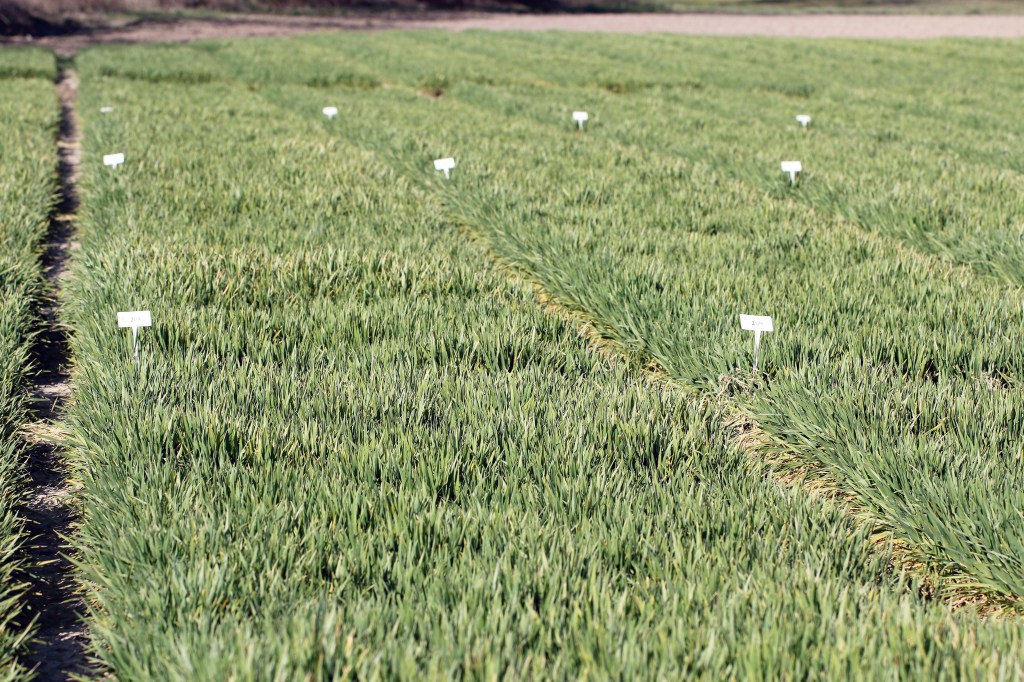
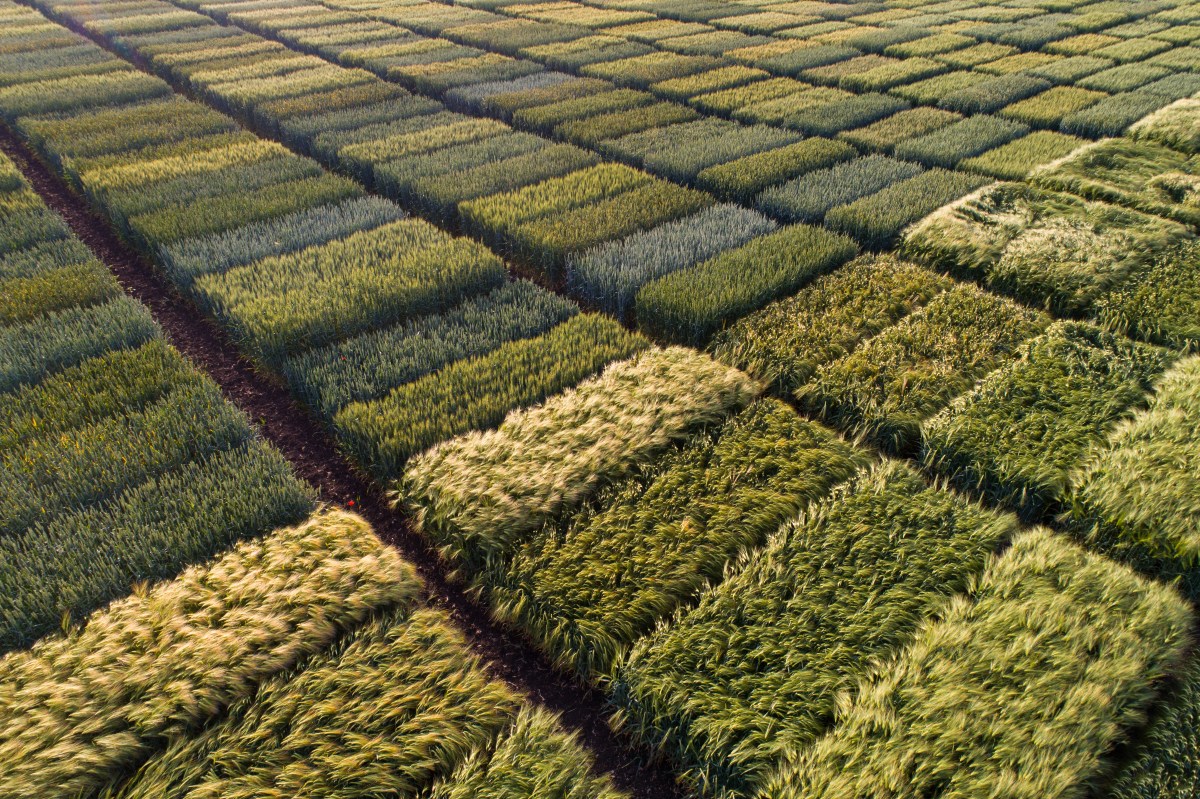
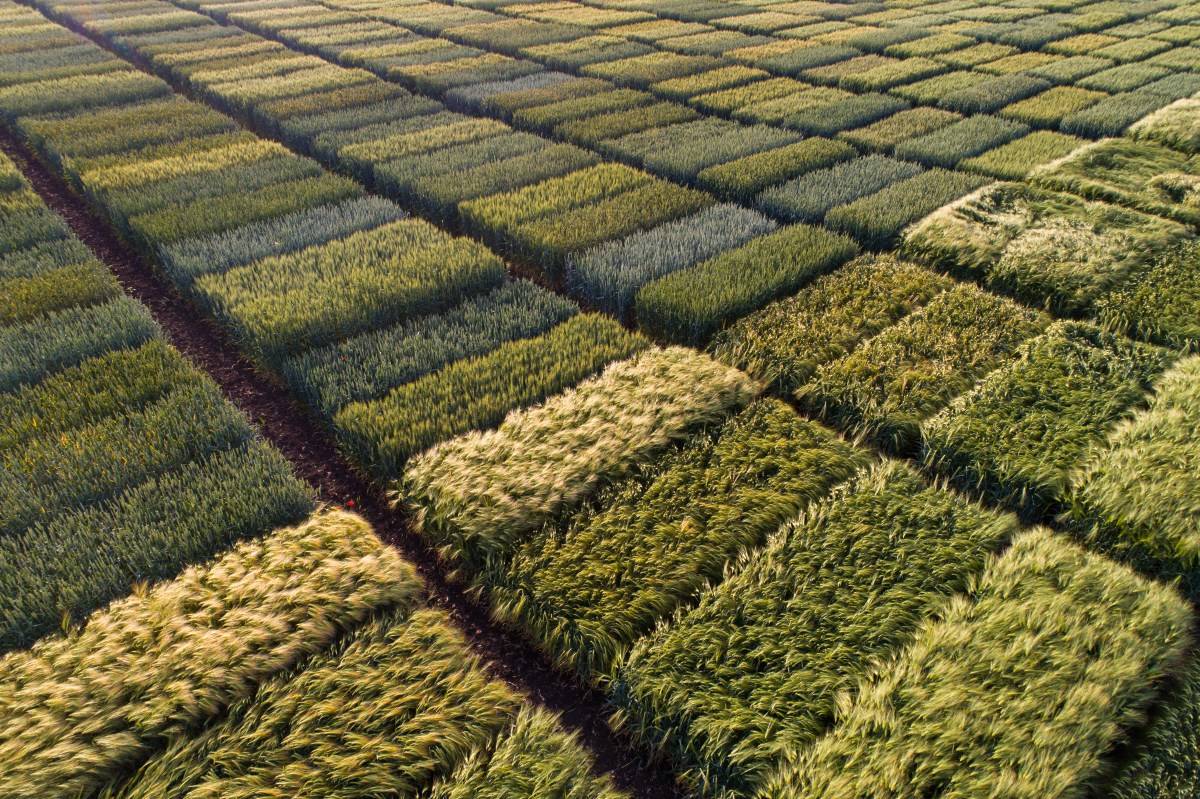
On Thursday, November 13th, Dr. Brandon Gerrish, State Extension Small Grain Specialist planted our first Texas Organic Wheat Variety Trial at Todd Vranac’s certified organic farm in Rule, Texas. This test is an opportunity to evaluate wheat lines under authentic organic production conditions. This irrigated farm, managed organically over many seasons, offers an environment that conventional research plots often cannot replicate.

Wheat trials help us look at agronomic traits of wheat as well as evaluate our production systems in organic!

Each variety in the trial allows us to observe how wheat responds when relying on soil biology for nutrient cycling, competing with weeds without herbicides, and performing under the constraints of organic fertility sources. As organic wheat acreage expands in Texas, field-based evaluations like this are essential for identifying varieties that align with the agronomic realities of organic systems and for improving the recommendations available to growers.

Why Organic Variety Testing Isn’t Optional

One of the most important conversations I’ve had this year was with Dr. Jackie Rudd, Dr. Gerrish and the TAMU wheat breeding team this past August at the Small Grain Breeding Group meeting. We talked about the gap that still exists between conventional breeding and organic production, and why organic growers need data generated in organic fields.

The traits that matter most in organic systems differ from what many conventional trials measure. Organic producers need wheat that can do things like:

1. Emerge from deeper planting depths

Organic growers often plant deeper to reach moisture and to make mechanical weed control possible. With deeper rooting we can use rotary hoes or tine weeders to take our early season weeds and start cleaner. But many modern semi-dwarfs simply don’t have the coleoptile length to handle that depth. Lines with longer coleoptiles or alternative dwarfing genes (like Rht8) stand a better chance of thriving in these conditions.

2. Fight disease with genetics, not chemistry

Stripe rust, leaf rust, stem rust, Fusarium head blight, BYDV—these aren’t just occasional threats in organic wheat. Without fungicides, genetic resistance to disease becomes the primary protection for diseases. Multi-gene and adult-plant resistance are particularly valuable.

3. Use nutrients efficiently through the soil microbiome

Organic wheat depends on soil biology to help acquire nutrients. Varieties with strong root systems, mycorrhizal associations, and efficient nutrient uptake consistently do better in slow-release, biological systems. Traits like enhanced nitrate transporter activity or strong remobilization of nutrients during grain fill make a visible difference in yield.

4. Outcompete weeds

Early vigor, aggressive tillering, and a fast-closing canopy are necessary to yield production. These are the traits that help organic wheat shade out early warm season weeds and other winter annuals long before the weeds become yield-limiting.

5. Deliver high-quality grain for a premium market

Organic buyers want protein, strong gluten, good milling quality, low DON (a mycotoxin), and consistency. They also increasingly look for functional food traits like higher mineral content (iron, zinc, even selenium). The right variety can put an organic grower into a higher-value market.

This Year’s Trial

The trial this year includes a mix of public and private genetics—everything from long-standing varieties like TAM 114 and Smith’s Gold to experimental Oklahoma and Texas lines, plus new materials such as Green Hammer, Paradox, High Cotton, and Guardian. Click the link below to see the trial information.

Wheat Variety Trial in Excel

Organic tests like this will help answer important questions about how “conventional varieties” preform growing under organic conditions:

  • Which varieties take off fast enough to hold back early weeds?
  • Which can take advantage of irrigation while still operating under organic nutrient constraints?
  • Which lines show strong fall vigor and winter hardiness?
  • Which have the disease packages organic growers rely on?
  • Which varieties convert organic fertility into grain yield the most efficiently?

Organic Grower Research is Very Important!

Hosting a trial like this requires commitment, and I’m grateful for Todd Vranac’s willingness to put research into his organic acres. Organic agriculture depends on exactly this kind of farmer-researcher collaboration because:

  • It takes place under the conditions organic growers actually face.
  • Weather, weeds, fertility, and soil biology are real—not simulated.
  • It gives producers confidence that variety recommendations apply to their own operations.
  • It builds a shared knowledge base across the organic community.

As we go through the season I hope to share updates from the trial, including stand counts, disease observations, and eventually yield and quality results. Organic growers across Texas need these answers, and trials like this give us the data to make better variety recommendations year after year.

Testing varieties in organic fields doesn’t just improve one season’s crop. It strengthens the long-term resilience of organic grain production in the Southern Plains. And it helps breeders refine the traits that matter most for growers working in biologically driven systems.

Other Resources:

Why Bread Tastes Better in Europe Than in the U.S. and Does it Matter?

If you’ve ever traveled to Europe and wondered why the bread, pasta, or croissants taste so much better, you’re not imagining things. Organic wheat products in Europe really do have a different flavor and texture compared to what we’re used to in the United States. The reasons come down to how wheat is grown, milled, and baked—and even what people expect when they buy bread.

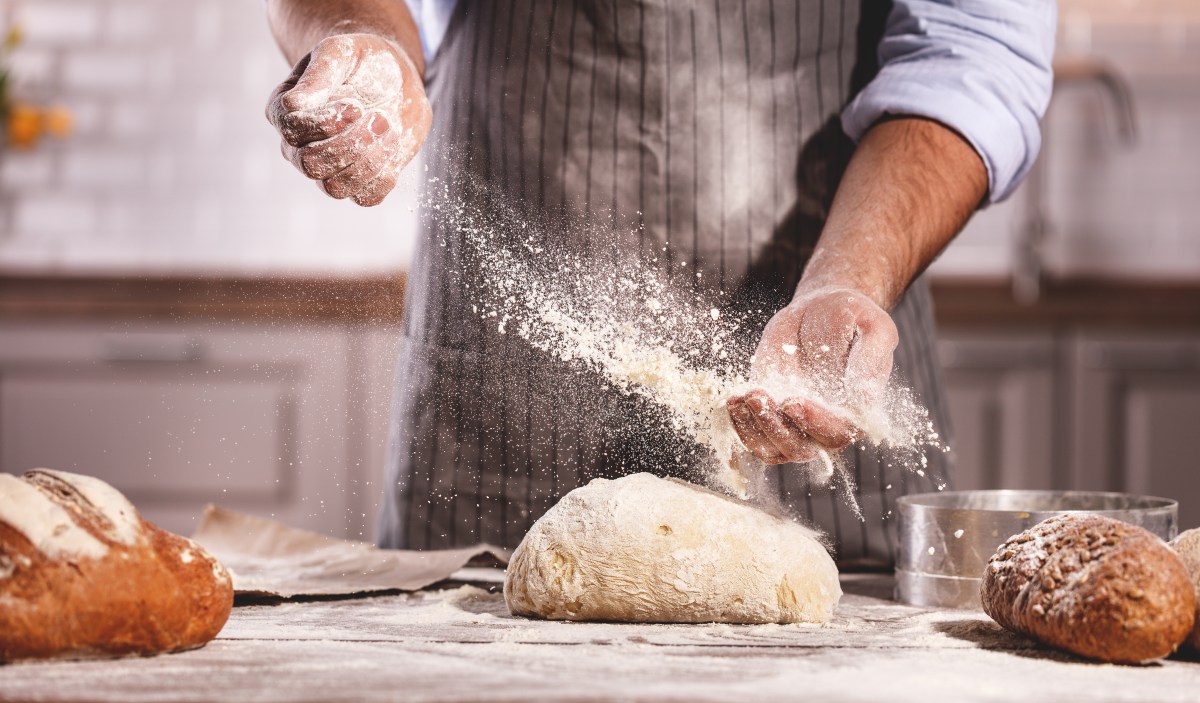
I have had opportunities to work all over the world and most of those travels end up going through Europe. One of the truly delightful things to do when in Europe is just to walk the streets looking at shops and many of those are bakeries. The smell is unbelievable, and the taste is beyond compare. I was visiting with a friend of mine who lived in Paris for a number of years. He said they bought bread fresh daily versus maybe once a week here. There the dough would take hours to rise, and you could walk in a shop and watch it. Here, it is never anything to watch and certainly something that happens fast.

How Much Wheat Do We Eat?

The average American eats about 130 pounds (58–60 kg) of wheat each year, while Europeans eat closer to 200 pounds (90 kg). That’s about 50% more! For Europeans, bread and pasta are still part of almost every meal. In the U.S., diet trends like low-carb and gluten-free have pushed wheat down the list.

But, let me ask a question! Which group has more problems with weight – so it is not the consumption of wheat products – is it?

The Wheat Itself

In the U.S., most organic wheat is bred for high yields and disease resistance. That’s great for farmers but not always for flavor. The result can be wheat with really strong gluten—perfect for making bread chewy, but sometimes too tough. In Europe, many organic farms still grow older varieties like spelt, einkorn, and emmer, or modern wheats chosen for taste as much as for yield. That’s why European bread often feels lighter and more flavorful. I have bought organic breads when I can find them and unfortunately, they taste bland and tough!

Milling Matters

How the grain is ground also makes a difference. In the U.S., organic flour is often very “whole”—meaning it keeps lots of bran and germ. That’s healthy, but it can make bread heavier and a bit bitter. In Europe, countries set rules for flour types, like French Type 65 or Italian Type 00, which allow for partial sifting. The flour still has nutrition, but the bread turns out softer, lighter, and often tastier.

The Secret of Fermentation

In American organic bakeries, loaves are often made quickly—mixed, baked, and on the shelf the same day. In Europe, bakers take their time. Long fermentations, sometimes 16 to 24 hours, bring out natural sweetness, make bread easier to digest, and build that classic sourdough flavor.

What People Expect

In the U.S., shoppers often buy organic bread because it’s “healthy.” A dense, hearty loaf feels like you’re getting your money’s worth. In Europe, bread is part of everyday life, so even organic loaves have to win people over with taste and texture first.

A Side-by-Side Example

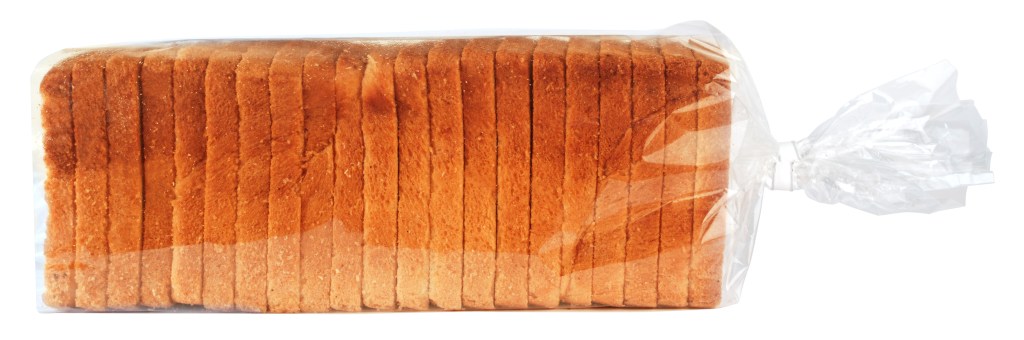
  • U.S. Organic Loaf: 100% whole wheat, baked in a few hours, dark, dense, and chewy.
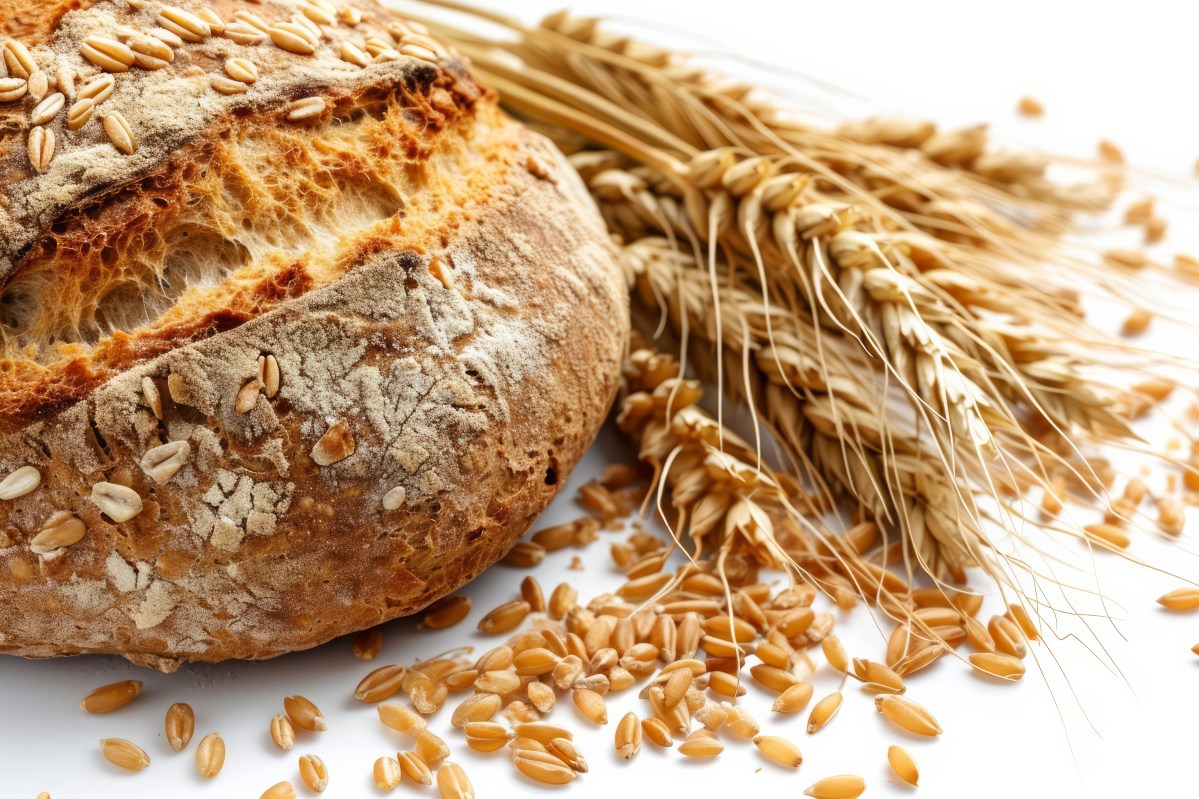
  • French Organic Baguette: flour sifted just enough, fermented for over 16 hours, crisp crust, airy inside, and nutty flavor.

Both are organic—but they couldn’t be more different.

The Takeaway

So why does bread taste better in Europe? It’s not just nostalgia from your travels. It’s the wheat varieties, the flour standards, and the time bakers are willing to invest. If the U.S. wants organic bread that rivals Europe’s, we might need to rethink what we value most—nutrition on the label, or flavor on the table. I think we have a great product on the farm, and we need it to be a great product at the bakery!

Milling, Baking, Planting Organic Wheat: What Farmers Need to Know

When organic wheat growers choose a variety, they aren’t just planting seed—they’re planting bread, tortillas, and the reputation of their crop in the marketplace. That’s why milling and baking quality matter as much as yield. Extension Specialists and Wheat Researchers have been digging into an important question for growers: how do milling quality and baking quality fit into variety choice, especially for organic systems? These traits, along with protein and yield, play a direct role in what millers want and what farmers get paid for.

Milling Quality vs. Baking Quality

  • Milling quality is about how efficiently a kernel turns into flour. Seed size, uniformity, and hardness all affect milling yield.
  • Baking quality is about what happens in the bakery—how dough handles, rises, and produces bread or tortillas that buyers want.

Testing happens at several levels. The Cereal Quality Lab at College Station does preliminary evaluations, while the USDA and Wheat Quality Council conduct full baking and milling trials with multiple mills and bakeries. Every TAM variety is rated, and those scores directly influence variety release decisions.

Variety Highlights for Organic Wheat Growers

TAM 114

Mid-season hard red winter wheat prized for excellent milling and baking quality, solid yield potential, and strong adaptability.

  • Strengths: Excellent dough properties, solid straw strength, good grazing ability, drought tolerance, and winterhardiness. Moderately resistant to stripe, leaf, and stem rusts as well as Hessian fly; good acid soil tolerance.
  • Consistently appears on “Pick” lists for irrigated and limited irrigation systems thanks to its stable performance.
TAM 115

A dual-purpose variety offering both grain yield and grazing potential, with enhanced disease and insect resistance.

  • Strengths: Excellent milling and baking quality, large seed, high test weight, strong drought tolerance, and resilience against leaf, stripe, and stem rust, greenbug, and wheat curl mite (which contributes to Wheat Streak Mosaic Virus (WSMV) resistance).
  • Adapted across High Plains, Rolling Plains, Blacklands, and even Western Kansas/Eastern Colorado. Performs well under irrigation and good dryland conditions—but less reliable under severe dryland stress due to lower tillering capacity.
TAM 205

TAM 205 is a newer dual-purpose variety known for its strong milling and baking quality paired with unmatched disease resistance. It is highly adaptable across systems and is a strong option for both grain and forage.
Strengths:

  • Exceptional milling and baking quality
  • Good forage potential
  • Broad resistance (leaf, stripe, stem rust; WSMV; Fusarium head blight)
  • High test weight and large seed
TAM 113

A reliable dryland performer with good grain and forage potential, especially under stress.

  • Strengths: Solid grain yield, decent milling quality, and forage use. Early maturing with strong emergence and tillering – valuable in challenging environments. Offers resistance to stripe, leaf, and stem rusts.
  • Remaining a steady Dryland “Pick” in High Plains trials thanks to its adaptability.

Reminder: Organic farmers need to make seed purchase arrangements early (well before planting season) to ensure they have an adequate supply of untreated seed.

Protein Content vs. Protein Functionality

Farmers often watch protein percent, but researchers emphasize that protein functionality—how protein behaves in dough—is more important. While there’s no easy field test for this, variety choice remains a strong predictor.

When evaluating economics, consider total protein yield (bushels × protein percent). Sometimes a lower-yielding but higher-protein field can be more profitable than a high-yield, low-protein one.

Of course, protein levels don’t appear out of thin air. They’re the result of fertility, management, and soil health—areas where organic systems work a little differently than conventional.

Nitrogen and Organic Systems

One point of clarification: organic wheat does not suffer from a “late-season nitrogen challenge” so much as it requires planning ahead for higher yields. Excellent varieties and management can unlock yield potential, but only if soil fertility is built to support them.

  • Cover crops can provide up to 100 lbs of nitrogen per acre.
  • Manure composts from chicken or dairy sources can supply around 40 lbs of nitrogen per 1,000 lbs applied.
  • These are slow-release, biologically active forms of nitrogen. They need to be managed in advance so nutrients are available as the wheat grows.
  • Liquid organic N sources exist, but they are generally too expensive to justify based on the modest yield increases in wheat.

This means success in organic wheat fertility comes from building the soil and feeding the crop over the long term, not chasing protein with late-season nitrogen shots. The key takeaway is that organic fertility is a long game—cover crops and compost must be planned well in advance to match the yield potential of high-quality varieties like TAM 114 and TAM 205.

TAM Varieties and Seed Saving

Beyond fertility, seed access and seed-saving rights also matter to organic growers when planning for the future. All TAM varieties are public releases and not under Plant Variety Protection. Farmers can legally save and replant TAM seed for their own use. This is especially valuable in organic systems where untreated seed availability can be limited.

Why This Matters

In conventional systems, buyers reward bushels. In organic systems, millers and bakers want quality along with yield. Understanding both milling and baking traits—and managing fertility to match variety potential—helps organic growers capture more value.

As we look ahead, TAM 114 remains a cornerstone for organic production, but TAM 205 is quickly emerging as a variety that combines yield, quality, and resilience. With the right fertility planning and variety choice, Texas organic wheat can continue to meet both market demand and farmer profitability.

By combining resilient TAM varieties with thoughtful organic fertility planning, Texas wheat growers can continue to deliver grain that is profitable on the farm and dependable in the marketplace.

Resources for Growers

Breeding Better Organic Wheat: Traits That Matter for Organic and Regenerative Farms

As organic acreage grows across Texas and the U.S., it’s time we ask an important question: What traits do organic and regenerative wheat producers actually need in a variety?

The answer isn’t just about yield—it’s about resilience, efficiency, and the ability to thrive without synthetic inputs. Whether you’re an organic farmer relying on compost and cover crops or a regenerative grower working to build soil carbon and ecological health, wheat varieties bred for conventional systems often fall short. Here’s a breakdown of some critical traits we should prioritize in organic wheat variety development—and why they matter.

1. Strong Coleoptile and Deep Emergence

In dryland and low-input systems, farmers often plant deeper to chase moisture and to enable mechanical weed control like a rotary hoe. That practice demands wheat with a longer, stronger coleoptile—the protective sheath that helps the shoot push through soil. Many modern semi-dwarf wheats can’t make that journey from 2 to 3 inches deep. Instead, we need varieties with alternative dwarfing genes (like Rht8) or taller, lodging-resistant lines that emerge powerfully and uniformly even under crusted or variable moisture conditions.

Why it matters: Deep emergence helps ensure a strong start under tough conditions—especially important in organic systems where chemical seed treatments and quick-acting herbicides aren’t an option.

2. Broad-Spectrum Disease Resistance

Organic growers don’t have many options to clean up a bad wheat infection. That’s why durable, multi-pathogen resistance is a non-negotiable trait in organic wheat breeding. We need lines that can hold up against stripe rust, leaf rust, stem rust, Fusarium head blight, and barley yellow dwarf virus—especially in diverse rotations that include organic corn or sorghum.

Why it matters: Disease pressure isn’t just about yield—it also affects food safety (mycotoxins) and grain marketability. Genetic resistance is the organic grower’s best line of defense.

3. Microbiome-Friendly Roots and Efficient Nutrient Use

One of the quiet revolutions in organic systems is how we manage fertility through biology—not bags of synthetic nitrogen. The root-microbe relationship is central to that. We need wheat that partners well with beneficial microbes like mycorrhizal fungi and plant-growth-promoting rhizobacteria (PGPRs), especially for phosphorus and nitrogen uptake.

Traits like deep, fibrous root systems, high root exudation of sugars, enhanced nitrate transporter activity, and better nitrogen remobilization during grain fill could help wheat thrive in compost- and cover crop-based fertility systems.

Why it matters: Better nutrient use efficiency means stronger growth, better yields, and lower costs—without synthetic inputs.

4. Early Vigor and Weed Suppression

Weeds remain one of the most stubborn and expensive challenges in organic wheat production. Varieties that germinate quickly, tiller early, and develop dense leaf canopies can choke out weeds before they become a problem. Even row spacing and planting patterns can influence early shading and weed pressure.

Why it matters: A wheat variety that can suppress weeds is like adding a layer of insurance to your management strategy. It’s also a cornerstone of regenerative systems that seek to reduce tillage and maintain ground cover.

5. Grain Quality That Meets Market Needs

Organic grain buyers are looking for more than just “certified organic” on the label. They want wheat that meets or exceeds conventional food-grade quality benchmarks: high protein, strong gluten, low DON (vomitoxin) levels, and even enhanced nutritional traits like zinc, selenium, or antioxidant levels.

There’s also room to breed for emerging markets—heritage wheats, lower-gluten lines for sensitive consumers, or varieties with higher polyphenol and mineral content.

Why it matters: Organic wheat that delivers consistent quality keeps buyers coming back—and supports a fair price for growers.

Building a Breeding Program That Serves Organic and Regenerative Agriculture

Organic and regenerative agriculture aren’t “alternative” anymore—they’re growing sectors with distinct needs. Yet most wheat breeding is still tailored to high-input systems. It’s time to run trials under organic conditions, invite organic advisors into the selection process, and actively pursue traits that benefit biologically based systems.

Breeding for organic systems isn’t just good for organic farmers. It’s good for all farmers looking to reduce inputs, build resilient cropping systems, and respond to environmental and consumer demands.