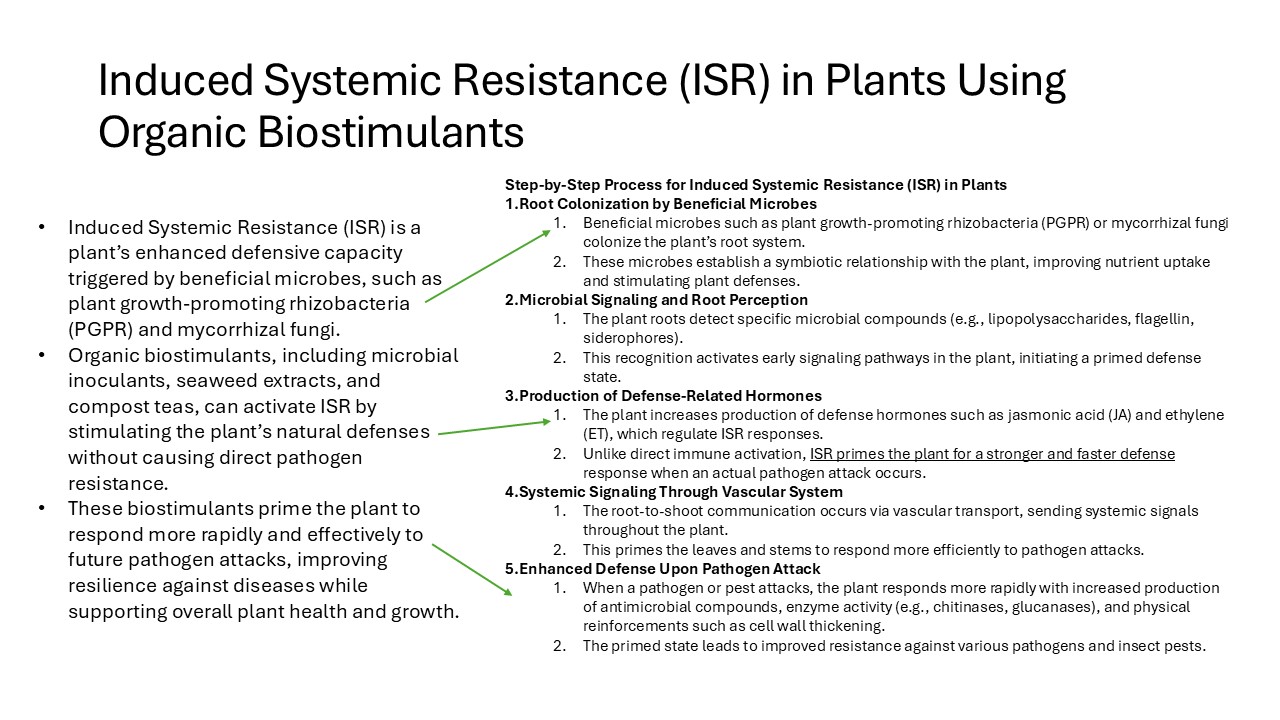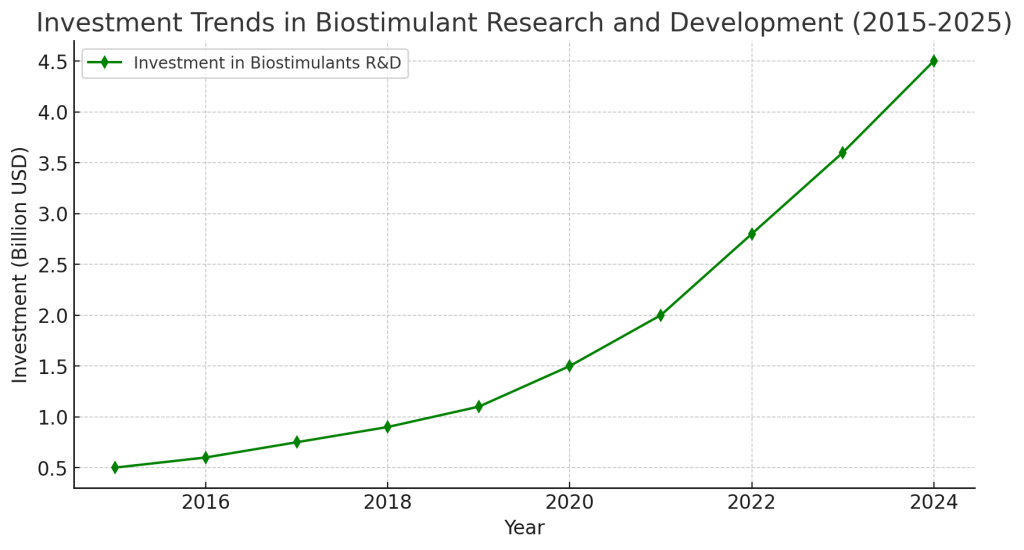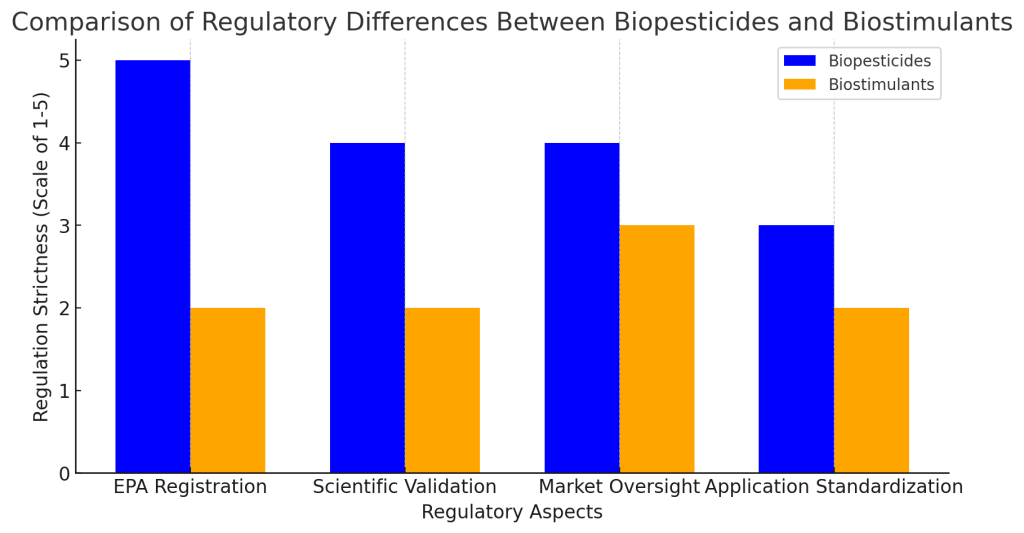
Understanding the Proper Use of Organic and Biological Products in Pest Control

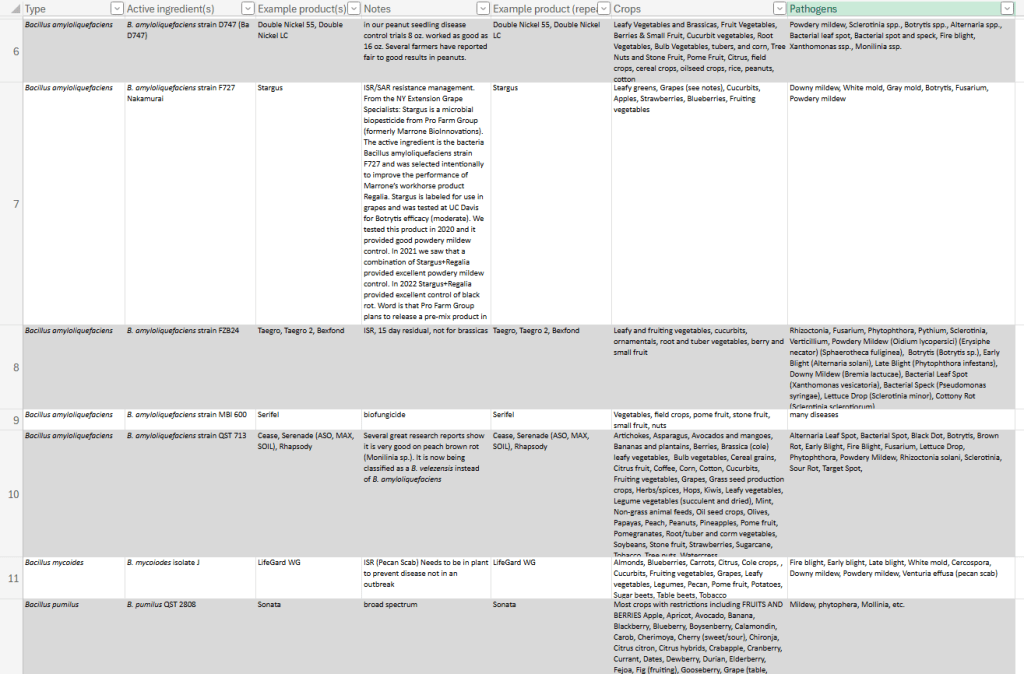
I am asked all the time about organic and biological products. I have over 130 OMRI approved products on a list for controlling pests (weeds, disease and insects) in organic crops. As more growers turn to organic and biological products for pest control, it’s important to understand the nuances of their application. Unlike synthetic chemicals, these products require careful consideration of environmental conditions, mixing procedures, and application timing to be effective. People assume that the Extension Organic Specialist will know every product on the list and how they work – Wrong! I do know about many, but I am also very dependent on growers who use the products telling me about their experiences. I include a lot of that information in the list below.

To view the 5 Excel Sheets or to Download just click on the picture above.

Why Choose Biological Control Products?

Biological control products, while sometimes slower to act than botanical oils or mineral oils, offer several advantages. These products, often derived from beneficial fungi or bacteria, work by stopping insect feeding almost immediately. Over several hours, they gradually degrade the exoskeleton of pests and can also target eggs and larvae, preventing their development.

While oils can provide a quick knockdown effect, they can be harsh on crops, especially in regions like Texas where intense heat and light can exacerbate their impact. This makes biological products generally a safer option for maintaining crop health.

The Importance of Water pH and Quality

One of the most overlooked aspects of using organic and biological sprays is the pH and quality of the water used for mixing. In Texas, our hard water is notorious for high mineral content, which can bind with the active ingredients in sprays, reducing their effectiveness.

For most biological products, it’s crucial to buffer your water to a pH of 5.5-6.5. This range helps to ensure that the organisms remain stable and active in the solution. An exception is Pyganic, a natural pyrethroid, which is highly sensitive to pH. For Pyganic, water buffered to a pH of 4.0-5.0 is ideal for maximizing its efficacy.

Additionally, always use warm water, not cold, when mixing your sprays. Warm water helps the biologicals to remain active and mix more evenly, preventing the clumping that can occur with cold water.

Timing Your Application

Timing is everything when it comes to applying organic and biological products. Unlike synthetic chemicals, these products are sensitive to environmental conditions, particularly UV radiation. Applying them in the evening or at dusk is ideal for several reasons:

  • Reduced UV Exposure: UV radiation can degrade biological products quickly. Applying in the evening allows the product to remain effective longer.1
  • Insect Activity: Many insects are more active when it’s cooler and there’s less light, making it easier to target them effectively.
  • Improved Residual Effect: Spraying in the evening allows the droplets to stay moist longer, thanks to slightly higher humidity. This moisture helps the product adhere better to the plant surfaces and provides residual protection overnight.2

Click on this picture above to read about adjuvants

The Role of Organic Adjuvants in Biological Spray Applications

Organic adjuvants play a critical role in enhancing the performance of biological and organic spray products. By reducing the surface tension of the spray solution, adjuvants help the product spread more evenly across plant surfaces, ensuring better coverage of leaves, stems, and other target areas.

In addition to improving coverage, adjuvants help prevent biological products from drying out too quickly. Many beneficial organisms, such as fungi and bacteria, require time to adhere to the plant surface and begin their activity. Rapid drying can reduce their effectiveness. By maintaining moisture on the surface longer, adjuvants enhance the opportunity for these organisms to establish and do their job effectively.

When selecting an organic adjuvant, ensure it is compatible with the biological product you are using. Always follow label recommendations for application rates and test compatibility in a small jar test if you’re mixing multiple products. Proper use of surfactants can make a significant difference in achieving the desired results from your pest control program.

Common Pitfalls and How to Avoid Them

Many growers who experience issues with organic products often trace the problem back to a few common mistakes:

  1. Improper Mixing: Failing to buffer water or using cold water can lead to reduced efficacy. Always mix according to the product’s instructions and monitor the pH closely.
  2. Environmental Conditions: Applying products during the heat of the day or in bright sunlight can degrade their effectiveness. Always aim for cooler, less bright times of the day.3
  3. Timing: Don’t rush your application. Ensure that you’re applying at the right time to maximize the product’s impact.

Conclusion

By understanding and addressing these factors, you can significantly improve the effectiveness of your organic and biological pest control efforts. Remember, the success of these products often hinges on the details—proper mixing, the right environmental conditions, and timely application.

I encourage you to share your experiences and any questions you might have in the comments below. Together, we can continue to refine our practices and improve the outcomes of organic farming.

  1. The timing of pesticide application can significantly affect the level and persistence of pesticide residues. Evening applications generally lead to higher pesticide residue levels over a longer period compared to morning applications.
    Key Findings
    Effect of Application Timing: Evening applications of pesticides tend to result in higher residue levels that persist longer. This is because the conditions in the evening, such as lower temperatures and reduced sunlight, slow down the degradation of pesticides, allowing residues to remain on plants for extended periods (Norida et al., 2023; Moraes et al., 2021; Makram. et al., 2020).
    Degradation Factors: Sunlight and UV exposure are critical in the degradation of pesticides. Pesticides degrade more effectively when exposed to direct sunlight in the morning compared to the evening, as seen in studies where morning sunlight led to more significant degradation of certain pesticides (Makram. et al., 2020).
    Impact on Efficacy: The effectiveness of pesticides can also vary with the time of application. For instance, some studies have shown that morning applications can be more effective in controlling certain pests due to better environmental conditions for pesticide action (Skuterud et al., 1998; Moraes et al., 2021).
    Environmental Considerations: Applying pesticides in the evening can reduce the immediate impact on non-target organisms, such as bees, as residues have more time to dissipate before these organisms become active again in the morning (Swanson et al., 2023).
    Conclusion
    Evening applications of pesticides generally result in higher and more persistent residue levels compared to morning applications. This is due to slower degradation rates in the absence of sunlight and cooler temperatures. While this can enhance the persistence of pesticide effects, it also raises concerns about prolonged exposure to residues. Therefore, the timing of pesticide application should be carefully considered to balance efficacy and environmental impact.

    References
    Skuterud, R., Bjugstad, N., Tyldum, A., & Tørresen, K. (1998). Effect of herbicides applied at different times of the day. Crop Protection, 17, 41-46. https://doi.org/10.1016/S0261-2194(98)80020-3
    Norida, M., Yahya, S., & Ghazali, F. (2023). Effectiveness of Homemade Repellents and Spray Timing in Controlling Insect Pest in Okra (Abelmoschus esculentus) and Chinese Mustard (Brassica rapa var. Parachinensis). IOP Conference Series: Earth and Environmental Science, 1208. https://doi.org/10.1088/1755-1315/1208/1/012021
    Swanson, L., Melathopoulos, A., & Bucy, M. (2023). Systematic review of residual toxicity studies of pesticides to bees and comparison to language on pesticide labels using data from studies and the Environmental Protection Agency. bioRxiv. https://doi.org/10.1101/2023.06.05.543089
    Moraes, H., Ferreira, L., De Souza, W., Faria, R., De Freitas, M., & Cecon, P. (2021). Spray volume, dose and time of day of glyphosate application in the control of Urochloa brizantha. Bioagro. https://doi.org/10.51372/bioagro333.1
    Makram., S., Ibrahim, H., & Mohammed., M. (2020). EFFECT OF DIRECT SUNLIGHT AND UV-RAYS ON DEGRADATION OF BUPIRIMATE, PENCONAZOLE AND PROFENOFOS. **. https://doi.org/10.21608/fjard.2020.189675 ↩︎
  2. Ibid ↩︎
  3. Ibid ↩︎

Texas Organic Rice Update: Insights for Producers and Researchers

Great picture by USA Rice at the recent Western Rice Conference, January 15th in El Campo.

Organic rice production in Texas continues to evolve, with advancements in weed control, fertility management, and ratoon cropping showing promising results. This update covers the latest developments, challenges, and resources available to organic rice growers, with implications for both organic and conventional production systems.

Advancements in Organic Rice Production

1. Enhancing Yields with Ratoon Crop Production
Texas researchers are leading efforts to improve ratoon crop yields in organic rice. This practice of harvesting a second crop from the stubble of the first offers a sustainable way to maximize productivity without replanting, making it an attractive option for organic farmers. Paragraph from study below:

“To enhance nitrogen availability, the researchers utilized organic-approved inputs such as compost and cover crops, finding that an equivalent of 90 pounds of nitrogen per acre was optimal for achieving the greatest yields, with greater rates offering no additional advantage. This insight helps farmers optimize nitrogen inputs using sustainable sources, saving costs while promoting organic practices.”

2. Organic Variety Trials – 2023
Organic variety trials conducted in Garwood, Texas, showed promising results. These trials not only help identify suitable varieties for organic systems but also aid in improving overall seed supply for future seasons.

Variety AverageDry (lbs./ac.)Dry (Bu./ac.)Dry (barrels/ac.)
XP7537233160.744.6
RT74017091157.643.8
RT73016716149.241.5
RT73027263161.444.8
XL7236760150.241.7

Overcoming Challenges in Organic Rice Production

1. Weed Control Innovations
Weeds remain a major challenge for organic rice farmers. Here are some key tools and practices being used:

  • Northern Jointvetch Control: The bioherbicide LockDown (Colletotrichum gloeosporioides f. sp. Aeschynomene) has shown great effectiveness. This live organism must be applied with a surfactant, offering a cost-effective solution.
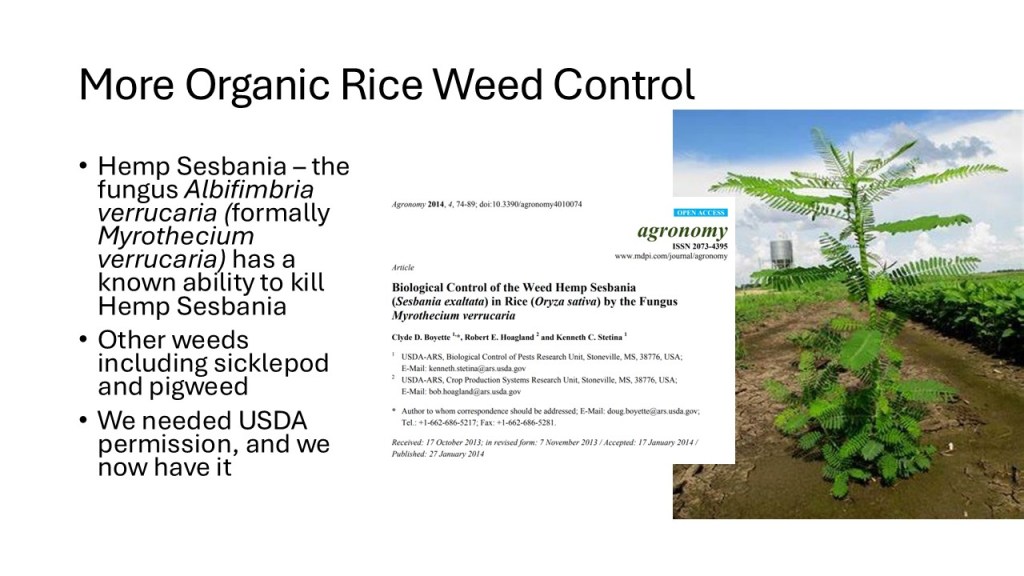
  • Hemp Sesbania Management: USDA-approved use of Albifimbria verrucaria (formerly Myrothecium verrucaria) has demonstrated success against hemp sesbania and other weeds like sicklepod and pigweed.
  • Water-Seeding Method: The pinpoint flood system effectively suppresses weedy rice by creating anaerobic conditions that inhibit germination.

2. Organic Fertility Programs
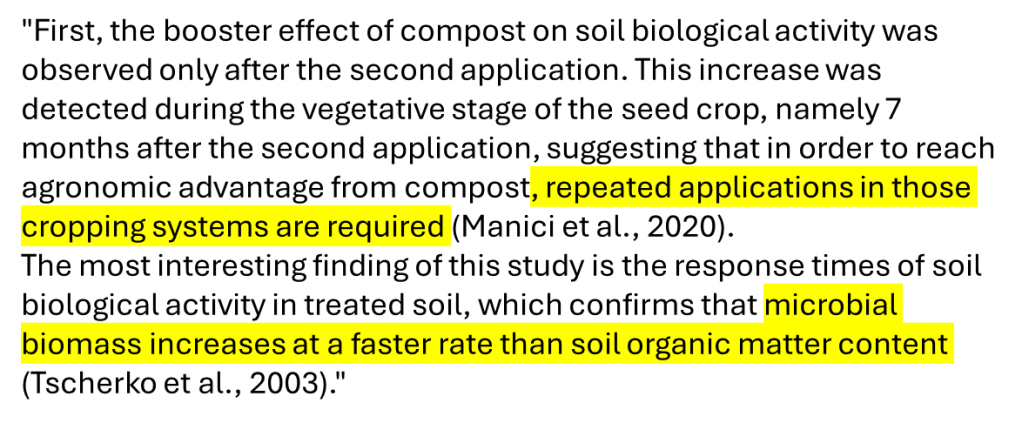
Organic rice growers are adopting long-term fertility strategies, including the use of compost and biostimulants. Research highlights the importance of repeated compost applications to boost soil biological activity and improve yields.

  • Biostimulants in Focus: Biostimulants such as humic acids, seaweed extracts, and microbial inoculants can enhance plant growth. However, product quality remains inconsistent, necessitating thorough testing and careful application.

Market Trends and Opportunities

The organic rice market faces challenges related to supply chains, international competition, and fraud. Key issues include:

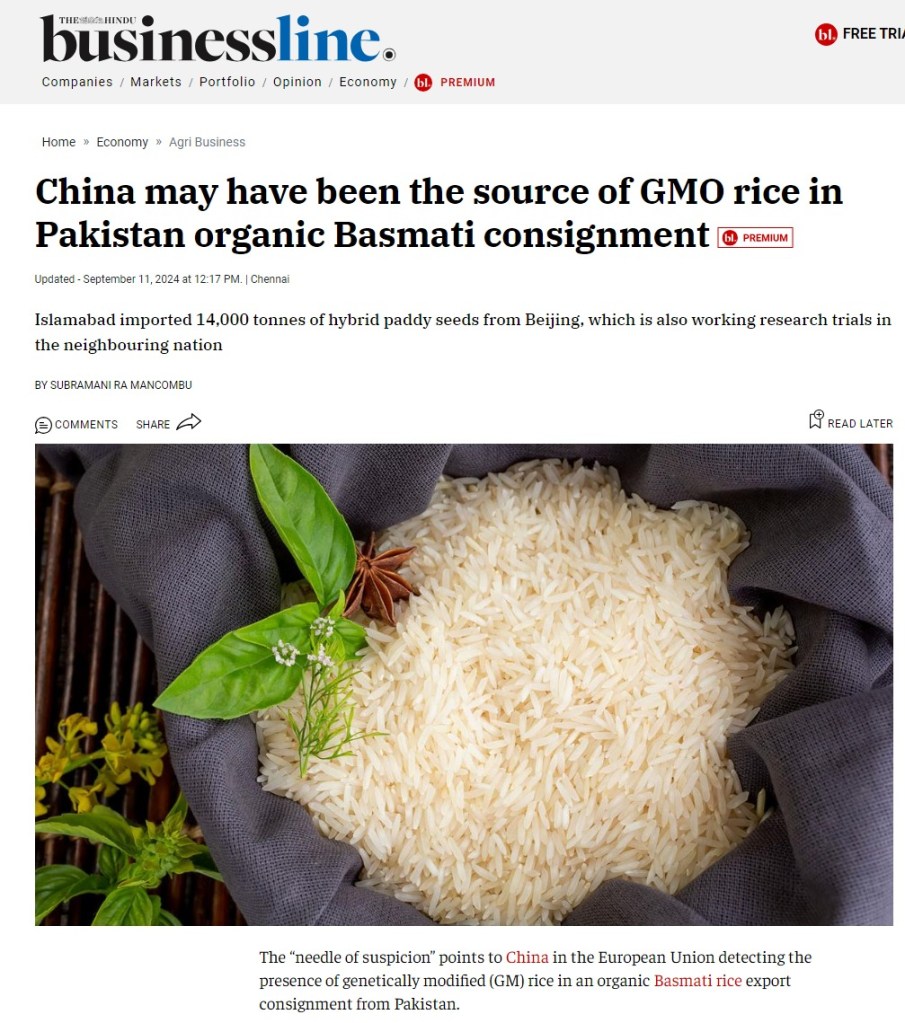
  • GMO concerns, especially in Mexico and China.
  • Limited seed supply due to adverse weather conditions in 2024, which impacted production in Texas.

Picture of an article in an Indian News Post showing “GMO” rice sent to Europe!

Despite these hurdles, Texas continues to work to expand organic rice production. Programs like the Transition to Organic Partnership Program (TOPP) are equipping farmers with mentorship, community-building opportunities, and technical training to support successful transitions to organic farming.

Resources for Organic Farmers

Texas A&M AgriLife Extension Organic Program provides a range of resources to support organic rice growers:

  • Podcasts: On TOPP of Organic offers insights into organic production practices.
  • Newsletters: Subscribe to bimonthly and monthly newsletters for the latest updates.
  • Workshops and Field Days: Covering topics such as certification, conservation planning, and marketing.

The Future of Organic Rice in Texas

Organic rice production has been a rapidly growing industry with vast potential but there are plenty of struggles right now. By addressing challenges like weed control and fertility management, and leveraging mentorship and research programs, Texas farmers can lead the way in sustainable and organic agriculture.

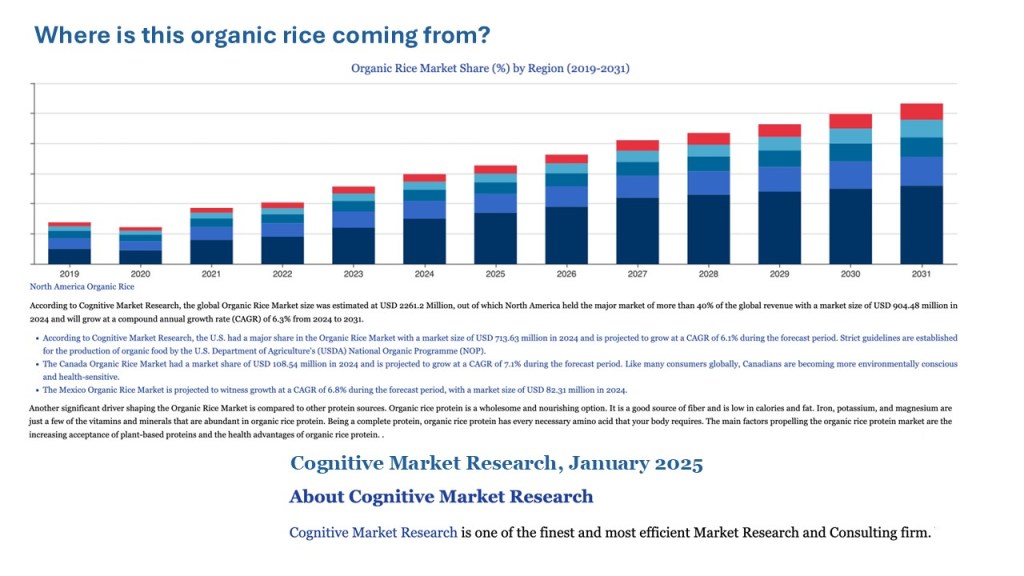
Lastly, this information is from Cognitive Market Research off their website. I took a picture of this graph showing that Organic Rice sales are growing tremendously and will continue to grow. I have rice growers say to me that people have quit buying organic rice and they believe this because our organic rice farmers can’t get contracts to grow organic rice. The problem is not that our US consumers don’t buy organic rice it is that organic rice imports are filling that demand – NOT Texas organic rice producers! So, I ask the question, “Where is this organic rice coming from?”

Other Rice Resources (just click a link!)

Addressing the Challenges of Organic Cotton Seed

As the Extension Organic Specialist with Texas A&M AgriLife Extension Service, I work closely with organic cotton farmers to navigate the complexities of maintaining organic certification. Recently, issues surrounding the sourcing and certification of organic cotton seed have come to the forefront, particularly with the influx of imported planting seed from other countries. This situation is compounded by the stringent requirements of the Global Organic Textile Standard (GOTS) and potential conflicts in international trade.

Key Issues with GOTS and Organic Cotton Seed

Contamination Risks

GOTS certifies cotton fiber from the gin facility to the mill but does not extend this certification back to planting cotton seed. This poses a significant risk for farmers, as even with rigorous adherence to organic practices, their crops can become contaminated through cross-pollination, especially in regions like the cotton belt where GMO crops are prevalent. Contamination, detected in seed cotton samples at the gin before ginning (raw cotton from the farm), can lead to farmers being excluded from organic certification for up to five years, creating severe economic and operational challenges.

Lack of Standardized GMO Thresholds

Currently, GOTS does not establish a GMO contamination threshold for cotton seed, which complicates the situation for organic cotton farmers. While many USA cotton seed companies work to maintain low levels of GMO contamination (usually below 5%), GOTS demands strict purity in the final product. This standard requires seed cotton (seed, leaves, stems) testing because it is the only part of the cotton plant containing DNA, where contamination can be detected. However, this rigid approach does not fully account for the post-planting natural cross-pollination risks that farmers face, such as GMO pollen carried by insects into organic fields. This discrepancy between the ideal purity GOTS seeks and the realities of farming highlights the need for a practical and fair standard that supports organic farmers without penalizing them for uncontrollable factors.

To address these challenges, a multi-faceted approach involving key industry stakeholders is essential. Here’s how we can move forward:

1. Establishing a Fair GMO Contamination Standard: 

Implementing a reasonable GMO contamination threshold for planting cotton seed would significantly alleviate the testing burden on farmers and prevent unjust penalties. This standard should be recognized and enforced by all organic certification bodies, including GOTS. If the plants grown from this approved cotton seed are tested and not the seed cotton at the gin the farmer would be protected from the natural potential of seed contamination.

2. Enhanced Collaboration Among Industry Stakeholders: 

Seek advice and input from the industry, including farmers, Extension specialists, researchers, ginners, and manufacturers, to determine acceptable thresholds and protocols based on constraints faced by each group. This collaborative approach ensures that the standards are practical and attainable.  We, here in Texas, represent the largest cotton production area in the world and want to be involved in this process.

3. Advocating for Policy Changes:

Engaging with policymakers and certifiers to establish upfront certification for cotton seed would ensure farmers have a clear understanding of the seed quality they are purchasing. Specific policies might include establishing minimum GMO thresholds and clear guidelines for contamination levels, mitigating risks, and supporting farmers in maintaining their organic certification. With upfront testing by seed companies and certifications from USDA, gins could operate more confidently, alleviating the burden not only on farmers but also on the ginning facilities themselves.

Addressing Import Issues

The reliance on non-GMO cottonseed imported from other countries, while possibly beneficial in the short run, introduces additional complications. Political and economic instability can disrupt supply chains, and without stringent testing, the risk of unintended contamination remains. Developing robust testing protocols, such as frequent sampling and standardized testing methods, for all imported seed is crucial to ensure they meet the same standards required domestically. It will also create a more transparent, open and balanced business environment for all.

Conclusion

The path to resolving these issues is through collaboration, standardization, and proactive policymaking. By working together, we can create a fair and sustainable environment for organic cotton farmers, ensuring their efforts are recognized and supported throughout the supply chain.

Exploring Organic Research: Advancing Texas Organic Production

Photo: The Organic Center: Organic Research Highlights

Organic agriculture continues to expand in Texas as both farmers and consumers recognize the benefits of sustainable and ecologically sound farming practices1. At the forefront of this growth are research initiatives that tackle challenges and create opportunities for organic producers. In Texas, we are working on several innovative organic research projects that are helping to pave the way for a more resilient, profitable, and sustainable organic agriculture industry. These projects not only foster organic agriculture growth but also contribute to improving farmer economics, boosting crop and livestock productivity, and enhancing the health of plants, animals, and people. I feel privileged to work on these projects with outstanding researchers and extension collaborators who share a passion for organic agriculture as I do, making this work both impactful and deeply rewarding.

Ongoing Research Projects in Texas Organic Agriculture

  1. Research, Development, and Evaluation of Diesel Nut Oil – Crop Feedstocks Developing alternative crop feedstocks for diesel nut oil production that align with organic farming systems, offering economic and energy solutions.
  2. Evaluating the Effectiveness of Humic Acid Substance (MFG 150) on Milk Production Investigating how humic acid can naturally enhance milk production, providing a sustainable approach to improving organic dairy productivity.
  3. Evaluating Mastitis Treatment Without Antibiotics Utilizing AHV Exploring alternative methods to treat mastitis in livestock, supporting animal health while maintaining organic standards.
  4. Producing Resilient Organic Transplants Under Controlled Environments Examining methods for producing stronger organic transplants to ensure better crop establishment and resilience in challenging conditions.
  5. Hi-A Corn and Management Practices for Nutritional Food and Feed Breeding high-anthocyanin corn varieties and developing practices to maximize their nutritional value for both human consumption and animal feed.
  6. Climate-Smart Organic Sorghum Partnership for Grain and Silage Production Partnering with producers to grow climate-resilient organic sorghum for grain and silage, contributing to sustainable feed and food systems.
  7. Fostering Sustainable Organic Cotton Production in the U.S. Through Research and Outreach Enhancing organic cotton production through research and extension efforts that address challenges like pest management, soil health, and market development.
  8. Boosting Organic Leafy Green Production Using Summer-Adapted Cover Crops in Texas Leveraging cover crops to improve soil health and create conditions for robust organic leafy green production in warmer climates.
  9. Field Protocol for “Huitlacoche Delicacy: Turning the Lost Corn Crop into a High-Value Delicacy Vegetable” Creating a framework for growing and marketing huitlacoche (corn smut), turning a common crop affliction into a gourmet organic product.
  10. Increasing Consumer Acceptance and Farmer Profitability by Breeding More Nutritious Cowpeas Breeding and promoting cowpeas with higher nutritional value, meeting consumer demands while improving profitability for organic farmers.
  11. Advancing Discovery to Market – Organic Pre-emerge Weed Control Technology Developing organic preemergence weed control solutions to reduce reliance on tillage and labor-intensive practices, improving efficiency in organic farming systems.

What’s Next for 2025

We already have some proposals in the pipeline for submission including a few Texas Department of Agriculture Specialty Crop Block Grants, at least 2 new USDA Organic Research and Extension Initiative grants and several Southern SARE grants we are waiting on approval and a few more to apply for in May. There are always new things we need to study, new concepts to explore and always lots of questions from farmers that need an answer. Add to this list issues with climate extremes, varieties that meet organic needs, biostimulant research – the list is endless!

Why Organic Research Matters

Organic research is vital for driving innovation and addressing the unique challenges faced by organic producers. The projects mentioned above exemplify how targeted research can:

  • Support Agricultural Growth: By developing resilient crop varieties2, enhancing pest control methods3, and improving soil health4, organic research ensures consistent production and increased yields.
  • Improve Farmer Economics: Projects focused on reducing input costs, increasing marketable yields, and creating value-added opportunities (like huitlacoche) directly impact farmer profitability5.

References

  1. Organic Trade Association. Consumer Perception of USDA Organic and Competing Label Claims. Euromonitor International, April 2024. ↩︎
  2. “Organic Farming and Soil Health: A Review.”
    The Organic Center. Available at: https://www.organic-center.org/sites/default/files/project/2020/03/soil-health-review_shadetully.pdf ↩︎
  3. “Integrated Pest Management Strategies in Organic Farming.”
    Bulletin of the National Research Centre, Springer Open. Available at: https://bnrc.springeropen.com/articles/10.1186/s42269-024-01226-x ↩︎
  4. “Organic Farming and Soil Health: A Review.”
    The Organic Center. Available at: https://www.organic-center.org/sites/default/files/project/2020/03/soil-health-review_shadetully.pdf ↩︎
  5. “The Economics of Integrated Organic Farming: Cost-Benefit Analysis.”
    Husfarm. Available at: https://husfarm.com/article/the-economics-of-integrated-organic-farming-cost-benefit-analysis ↩︎

Some New Organic Projects and Products

Texas A&M Researchers Develop Innovative Organic Herbicide with $100,000 Grant

Texas A&M University’s Advancing Discovery to Market (ADM) grant program has awarded a $100,000 grant to further develop a groundbreaking organic pre-emergent herbicide technology. This innovative project, led by Dr. Lawrence Griffing from the Biology Department, aims to create a natural, non-toxic herbicide that effectively controls weeds without harming crops or the environment

The proposed herbicide works by utilizing plant sterols to inhibit weed growth through a novel mechanism of action. Early tests show promising results, with the potential to reduce weed biomass by more than 90% in month-old plantings of both broadleaf and grass weeds

What sets this herbicide apart is its organic nature and potential cost-effectiveness, with estimates suggesting it could provide weed control at 1/3 to 1/100 of the existing cost for broad-spectrum weed management

This ADM grant will support crucial field testing and formulation development, bringing the technology closer to market readiness. The project team is collaborating with Texas A&M AgriLife Research and Extension to conduct comprehensive field trials across multiple crops and soil types

This research not only advances organic farming practices but also demonstrates the commitment of myself and other Extension specialists and researchers to developing practical, sustainable solutions for organic producers.

New Organic Insecticide with a Twist!

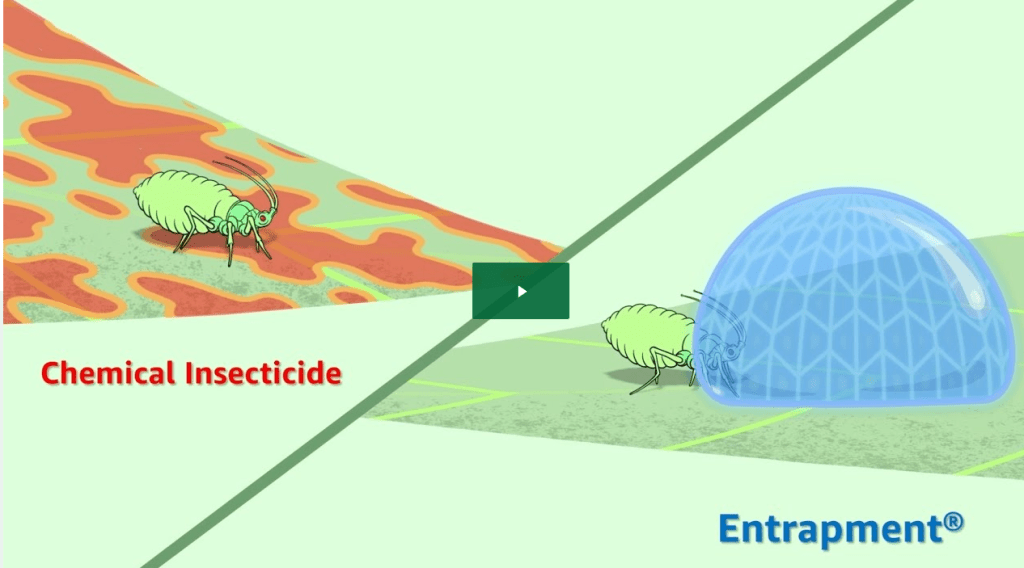
Entrapment developed by Attune Agriculture is an innovative organic insecticide that works by altering the physical properties of water to create an effective trap for various pests. This product is particularly promising for use in grape vineyards to control leafhoppers, an insect that can caused lots of headaches for Texas growers. Entrapment’s unique mode of action involves changing the surface tension of water droplets, allowing them to adhere to leaf surfaces and trap insects upon contact.

“Entrapment insecticide provides a high level of control of many of the most important insect and mite pests in agriculture that can be applied up until harvest, a much-needed tool for growers,” says Greg Andon, CEO of Attune Agriculture. “We believe its unique combination of physical mode of action, efficacy within a specific pest size range, and lack of phytotoxicity make Entrapment one of the most consequential new actives to be introduced in many years.”

Entrapment’s unique spectrum of activity provides effective control of aphids, thrips, psyllids, whiteflies, scales, leafhoppers, mites, plant bugs, flea hoppers, chinch bugs and small caterpillars. The EPA registered label includes most crops: fruit, nut, vegetable, row crop, greenhouse, and turf & ornamental.

One of the key advantages of Entrapment is its versatility across different crop types. While it shows promise for use in vineyards, there is also potential for its application in row crops, which could provide a more cost-effective and environmentally friendly alternative to conventional pesticides. 

It’s important to note that while Entrapment offers an exciting new tool for organic pest management, research on its effectiveness in various agricultural settings is still being conducted. As with any new product, further studies and field trials will be necessary to fully understand its potential benefits in different crops and pest species. Farmers are encouraged to conduct their own trials and share results (please!) to build a better understanding of any new organic product’s capabilities in agricultural fields.

New Generic Version of Popular Organic Insecticide Now Available!

Great news for organic farmers battling insect pests! Spinosad, the active ingredient in Corteva Agriscience’s Entrust Naturalyte Insecticide, is now available as a generic product. This OMRI-approved organic insecticide has long been a go-to solution for controlling:

  • Worms and caterpillars
  • Thrips
  • Leafminers
  • Fire ants
Cost-Effective Alternative

Previously, the high cost of Spinosad made it challenging to use on commodity crops and even some vegetable and grape productions. However, with the expiration of the patent, a more affordable generic version has entered the market.

Introducing Estero by Atticus

Atticus is now distributing “Estero,” a generic Spinosad product. Key points to note:

  • Estero has the same formulation as Entrust
  • It may still be manufactured by Corteva Agriscience
  • The efficacy and quality remain unchanged
Availability and Ordering

Atticus works with major agricultural retailers to distribute Estero. However, farmers may need to specifically request the product to ensure local availability.

Texas Contact Information

For Texas farmers interested in Estero, contact:

Audie Wolf
Texas Sales Representative for Atticus
Phone: 806-567-0324
Location: Texas Panhandle

This generic alternative offers organic farmers a chance to effectively manage pests while potentially reducing input costs.

The Squeeze on Organic: Comparing Profitability Trends in U.S. Grain Markets

The profitability squeeze is particularly severe for organic farmers compared to their conventional counterparts. While both sectors face rising production costs and increased global competition, organic producers are experiencing a “double whammy” of higher costs and lower prices relative to pre-2021 baselines. Conventional grain prices, though down from recent highs, still exceed cost increases when compared to the 2016-2021 period. In contrast, organic corn prices have fallen below historic baselines while production costs have increased. This trend threatens the traditionally higher net returns of organic corn and soybean farming, which have outperformed conventional returns by $12 to $485 per acre over the past eight years.

The declining profitability of organic grain farming raises concerns about farmer retention and the future of organic agriculture in the U.S. It’s estimated that there has been a 5% decrease in the number of organic farmers in 2024 compared to the previous year. Some farmers are considering switching to more profitable organic crops or even reverting to conventional farming. This situation poses a significant challenge to the organic industry and could potentially impact the environmental benefits associated with organic farming practices, including improved water quality and soil health.

Sources include:

Argus Media. “Shrinking profitability of organic farming.” Argus AgriMarkets Organic and Non-GMO service, November 2024.

Grow Well Consulting. “Is the profitability plunge in U.S. organic actually worse than corrections happening in conventional?” October 28, 2024.