Enhancing Organic Rice Yields: Texas Researchers Lead the Way in Ratoon Crop Production

Dr. Tanumoy Bera is a Postdoctoral Research Associate at the Texas A&M AgriLife Research Center in Beaumont. In 2022 he was awarded a grant by Southern SARE with a project called, “Development of Sustainable Organic Rice Ratoon Production Systems in the Southern US,” and he has some excellent results so far with more to come. Here is a progress report from Dr. Bera and I think organic rice growers can benefit from his observations.

by Dr. Tanumoy Bera, Rice Researcher

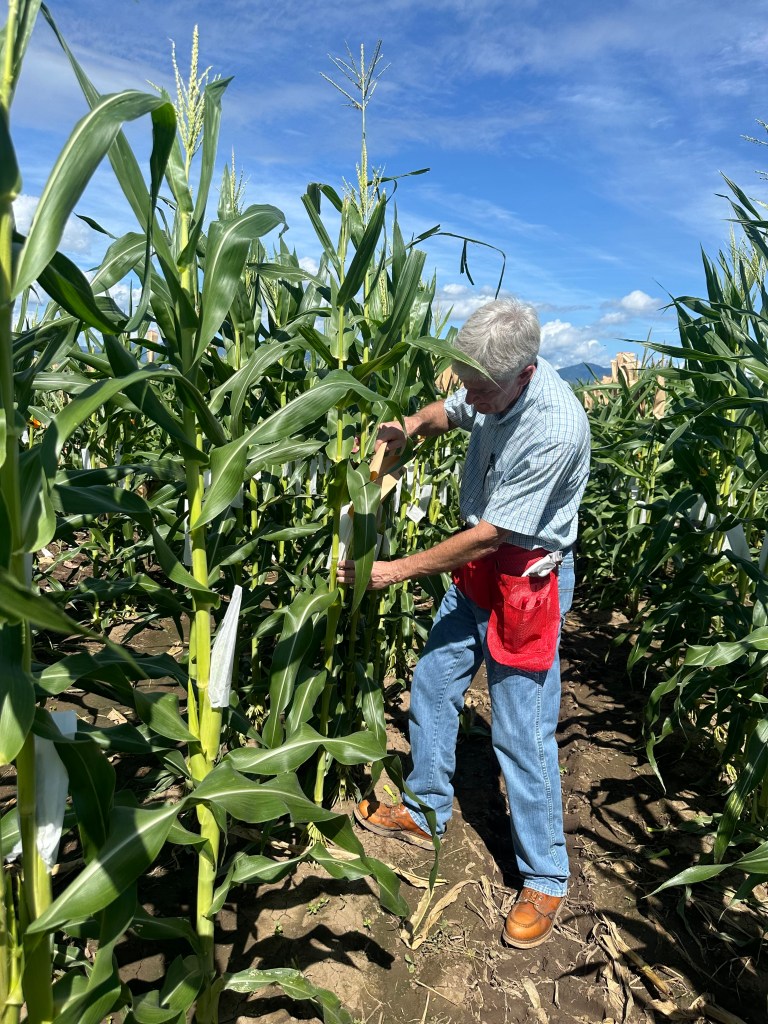
While organic rice consumption in the U.S. has grown substantially in recent years, demand for domestically grown organic rice hasn’t kept pace. Instead, cheaper imports have dominated the market, creating challenges for U.S. producers trying to meet the increasing appetite for organic rice while maintaining profitability. To address these challenges, researchers at Texas A&M AgriLife in Beaumont are focusing on improving organic ratoon rice production—a method that allows rice to be harvested from the regrowth of previously harvested stubble. This technique is especially valuable because it enables a second harvest without the need to replant, which helps farmers reduce costs, increase productivity, and compete with lower-priced imports while still maintaining a viable net income per acre.

This ongoing study, initiated in 2022, aims to evaluate how rice cultivars, crop rotation practices, and nitrogen application rates affect the yield and quality of organic ratoon rice. The team tested two cultivars—Presidio and RiceTec XP753—alongside two management approaches: winter fallow and cover cropping. Their goal is to determine how these factors influence yield, milling quality, nitrogen content, and nitrogen removal in an organic ratoon system.

Early findings have been promising. The hybrid XP753 showed a remarkable performance, increasing the main crop yield by 75% and ratoon yield by 97% compared to Presidio. This is partly due to hybrid varieties like XP753 being bred to combine the best traits from parent plants, resulting in higher yields and greater resilience—key attributes for organic farming.

However, establishing cover crops in southeast Texas has been challenging, mainly due to wet winters and poor drainage in heavy clay soils. Despite these difficulties, cover crops, when successfully established, have provided significant benefits. To enhance nitrogen availability, the researchers utilized organic-approved inputs such as compost and cover crops, finding that an equivalent of 90 pounds of nitrogen per acre was optimal for achieving the greatest yields, with greater rates offering no additional advantage. This insight helps farmers optimize nitrogen inputs using sustainable sources, saving costs while promoting organic practices.

Looking ahead, the research will continue into the 2025 season, aiming to refine these findings and explore their long-term impacts. This work is crucial as demand for organic products continues to rise, providing farmers with improved productivity while supporting sustainable agricultural practices. With initiatives like this, Texas A&M AgriLife is helping pave the way for a more resilient and environmentally friendly future in agriculture.

Other Rice Resources (just click a link!)

The Struggle for Organic Integrity: Fraud in Organic Imports Exposed

Photo: GHY International

In recent years, the organic food industry has undergone dramatic growth, becoming a nearly $200 billion global market and projected to exceed $500 billion by 2032. This explosive growth has brought significant benefits but also intensified the challenges of maintaining organic integrity across international borders. With increasing incidents of organic fraud, particularly involving imports, the USDA has introduced stringent new regulations to combat these threats. However, these changes have had significant consequences—both intended and unintended—affecting organic farmers, importers, and ultimately the consumers who rely on the organic label.

Organic Fraud and the Need for Regulatory Change

As the organic industry expanded, so did the instances of fraud. Products labeled as organic but failing to meet standards, such as genetically modified (GM) contamination or falsely certified imports, began to compromise the integrity of the organic market. Reports of fraudulent organic certifications from regions like the Black Sea and India have been on the rise, drawing concern from both regulatory bodies and farmers who follow rigorous organic practices (Dieterle, 2024).

One recent case highlighted these challenges: a consignment of Pakistani organic Basmati rice was found to contain traces of GM elements, a discovery that could be traced back to hybrid seeds imported from China. This contamination threatened consumer confidence, particularly in the European market, where expectations for organic integrity are stringent (The Hindu Businessline, 2024). For U.S. farmers who work tirelessly to uphold organic standards, such incidents cast a shadow over the entire industry, making it crucial for regulators to act.

USDA’s Strengthening Organic Enforcement (SOE) Rules

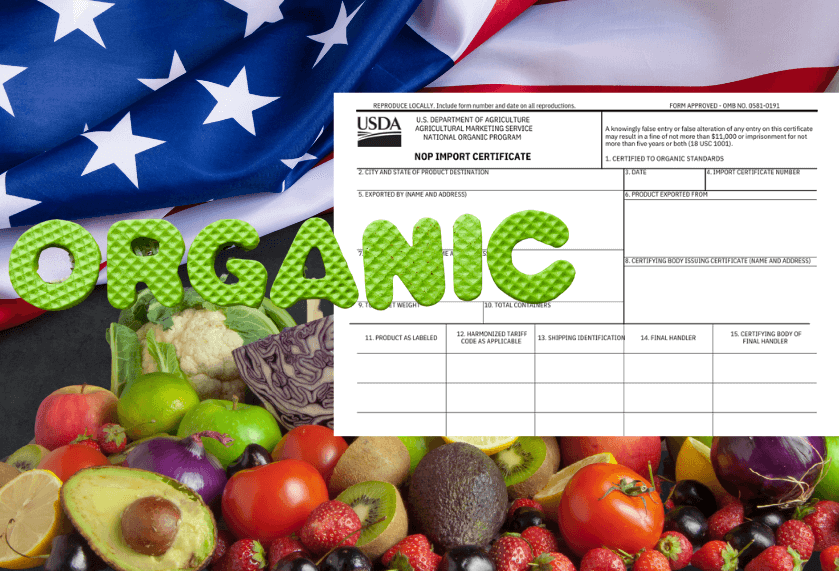
To address these growing concerns, the USDA implemented the Strengthening Organic Enforcement (SOE) rules in 2023, which took effect in March 2024. These rules are designed to enhance traceability and certification requirements across the organic supply chain. Unlike the previous system, which focused mainly on organic producers and farms, the SOE rules mandate certification for every entity that handles organic products—from farms to distributors, importers, and even transporters (Dieterle, 2024).

The SOE rules have already begun to make an impact. According to the Organic and Non-GMO Report, six months into enforcement, 85% of imported organic goods were compliant with new certification standards. This has helped weed out fraudulent products, particularly those originating from China that were previously imported under false certificates. Companies like Axiom Foods, which specializes in organic rice protein, have seen fraudulent competitors exit the market due to their inability to meet the new standards (Organic and Non-GMO Report, 2024).

The Impact on Wine Importers

While the intention behind the SOE rules is to strengthen the organic supply chain, it has also created significant challenges for certain sectors. The global wine industry, for instance, has faced a compliance crisis under the new rules. Not only must the grapes and the wine itself be certified organic, but now importers and any logistics companies involved must also acquire organic certification. This expansion of certification requirements has caused confusion and increased administrative burdens, particularly for smaller importers who lack the resources to quickly adapt to the new regulations (Dieterle, 2024).

For many wine importers, the lack of direct communication from the USDA about these new requirements added to the confusion. Many only learned of the new rules through frantic messages from their partners or logistics companies. Despite these difficulties, the USDA has made it clear that non-compliance could result in significant fines, pushing smaller players to either comply, pull products off shelves, or drop the organic label—even if the wine was legitimately produced according to organic standards (Dieterle, 2024). Texas organic grape growers can only benefit from these issues and hopefully gain new, long lasting market agreements for their grapes.

Market Shifts and Organic Farmer Concerns

For U.S. organic farmers, the influx of imports—many of which have been under scrutiny for failing to meet proper organic standards—poses a direct threat to their livelihood. Fraudulent organic imports not only dilute the market but can also drive down prices, making it harder for genuinely organic products to compete. With the introduction of the SOE rules, the USDA aims to bring greater transparency to the organic supply chain, restoring confidence in the organic label and, ideally, leveling the playing field for farmers who adhere to the high standards required for certification.

Axiom Foods, for example, saw increased demand for their organic rice protein as a result of stricter enforcement. Food and beverage manufacturers now need to be more diligent in sourcing certified organic ingredients, which has created new opportunities for compliant suppliers from Texas or elsewhere (Organic and Non-GMO Report, 2024).

US Farmers Hope SOE Will Stem the Tide of Cheap Organic Imports

While the SOE rules are making strides in preventing fraud and restoring consumer trust, the implementation challenges highlight the difficulties of regulating a rapidly growing industry that crosses international borders. For now, U.S. organic farmers hope that the strengthened regulations will ultimately reduce fraudulent imports, allowing their genuine products to stand out in an increasingly crowded market.

For the farmers who uphold organic principles, these efforts represent both a challenge and an opportunity. The challenge lies in navigating a complex global marketplace, but the opportunity exists to set a higher standard for organic integrity, benefiting both producers and consumers. As we look ahead, finding ways to support smaller players in the organic market while ensuring compliance remains a critical issue for policymakers and industry leaders alike.

Sources:

  • The Hindu Businessline. (2024). China may have been the source of GMO rice in Pakistan organic Basmati consignment.
  • Dieterle, C. J. (2024). New USDA Organic Rules Put Wine Importers in a Bind. Reason.com.
  • Organic and Non-GMO Report. (2024). New USDA organic fraud rules are working, says organic rice protein supplier. October 2024.

Who Grows Organic Peanuts in the World

Ever wondered where organic peanuts are produced? Examining the global map of certified organic peanut farms reveals some interesting patterns. Countries like China, India, Brazil, Argentina, and Togo are major players in organic peanut production, and the United States also makes significant contributions.

Here’s a breakdown of the acreage dedicated to organic production with an emphasis on peanuts in some important countries:

  • China: Approximately 152,860 acres, with companies like Jilin Jinya Nut Processing Co., Ltd. contributing significantly.
  • India: Various Organic Grower Groups collectively manage over 103,686 acres of organic peanut farms, demonstrating the effectiveness of cooperative farming.
  • Brazil: Around 60,592 acres, with Sambazon do Brasil Agroindustrial Ltda contributing a substantial 60,573 acres.
  • Argentina: About 36,636 acres, with companies like Campos Verdes Argentinos SA and Conosur Foods Argentina SA being key contributors.
  • Togo: 53,325 acres managed by SOYCAIN TRADING SARL U, making it a significant player in West Africa.
  • United States: Numerous family-owned farms collectively contribute over 100,000 acres to organic peanut production, with notable producers one in West Texas managing 9,355 acres.

China’s Contribution

China leads with over 152,000 acres dedicated to organic peanut farming. Companies such as Jilin Jinya Nut Processing Co., Ltd. and Wuqiang County Jiyuan Oil Crop Planting Professional Cooperative are significant contributors. Different regions within China add to this market, but China consumes most of what it produces.

India’s Cooperative Farming

In India, numerous Organic Grower Groups (which have group certification) collectively manage over 103,000 acres. These groups demonstrate how small farmers work together to make a significant impact, collaborating to drive success in organic agriculture while keeping costs down.

Brazil’s Organic Production

In Brazil, Sambazon do Brasil Agroindustrial Ltda has 60,573 acres dedicated to organic production, including a substantial amount of peanuts. This company is not only a leader in Brazil but also one of the largest certified organic producers in the world.

Argentina’s Key Players

Companies like Campos Verdes Argentinos SA and Conosur Foods Argentina SA are significant contributors in Argentina, with combined acreage reaching around 36,000 acres. These farms focus on cotton and peanuts, concentrating in regions suitable for these crops.

Togo’s Role in West Africa

In Togo, SOYCAIN TRADING SARL U manages 53,325 acres, contributing significantly to the global peanut supply from West Africa. It raises questions about how much they export!

Family Farms in the USA

Now, let’s consider the United States. While we may not have single operations as large as those in China or Brazil, the U.S. has a network of family-owned farms that collectively contribute over 100,000 acres to organic production. For example, one Texas farmer manages 9,355 acres, making him one of the prominent certified organic peanut producers in the country.

These farms often represent family legacies in organic agriculture, with names appearing across multiple farms in Texas and elsewhere. This reflects the enduring nature of family farming traditions contributing to the organic peanut industry.

Acknowledging Other Contributors

We might have missed highlighting some of the smaller but important players in the organic peanut industry:

  • Paraguay: Companies like Indugrapa SA and Alemán Paraguayo Canadiense S.A. contribute over 10,760 acres to global organic peanut production.
  • Bolivia: Finca San Carlos manages 3,118 acres, adding to South America’s contribution.
  • Vietnam: Companies like FG Products Company Limited and Hebes Company Limited collectively manage over 8,600 acres.

These contributions, while smaller, are vital to the diversity and resilience of the global organic peanut supply chain.

Bringing It All Together

These peanut producers are essential links in the chain that brings organic products from the farm to your table. Organic begins on the farm and remains so until it is packaged.

Most people don’t consider where their peanuts come from or the journey they take. The majority of these farms are committed to sustainable practices, ensuring that organic integrity is maintained every step of the way. With the recent implementation of Strengthening Organic Enforcement (SOE) rules, the entire value chain—including brokers and even transporters—is now certified to ensure accountability.

Cover Crops in South Plains Cotton – Not possible, or is it?

Carl Pepper Farm Tour – Spring of 2023

I was scrolling through my LinkedIn this morning (Monday, July 15, 2024) and saw a post by Dr. Joseph Burke that I just had to check out!

Just click on the picture to read the full research paper!

I am going to cut through all the information in the full-text and give you a look at the mini version. Let’s start with the abstract from the first page.

Abstract: By improving soil properties, cover crops can reduce wind erosion and sand damage to emerging cotton (Gossypium hirsutum L.) plants. However, on the Texas High Plains, questions regarding cover crop water use and management factors that affect cotton lint yield are common and limit conservation adoption by regional producers. Studies were conducted near Lamesa, Texas, USA, in 2017–2020 to evaluate cover crop species selection, seeding rate, and termination timing on cover crop biomass production and cotton yield in conventional and no-tillage systems. The no-till systems included two cover crop species, rye (Secale cereale L.) and wheat (Triticum aestivum L.) and were compared to a conventional tillage system. The cover crops were planted at two seeding rates, 34 (30.3 lbs./ac.) and 68 kg ha (60.7 lbs./ac.), and each plot was split into two termination timings: optimum, six to eight weeks prior to the planting of cotton, and late, which was two weeks after the optimum termination. Herbage mass was greater in the rye than the wheat cover crop in three of the four years tested, while the 68 kg ha (60.7 lbs./ac.) seeding rate was greater than the low seeding rate in only one of four years for both rye and wheat. The later termination timing produced more herbage mass than the optimum in all four years. Treatments did not affect cotton plant populations and had a variable effect on yield. In general, cover crop biomass production did not reduce lint production compared to the conventional system.

Temperature and Rainfall data during the study

To continue the “mini version” of the research let’s turn to the Summary and Conclusions on page 9 of the research paper.

The semi-arid Texas High Plains presents challenging early-season conditions for cotton producers. Cover crops can help mitigate erosion and protect cotton seedlings from wind and sand damage without reducing yields compared to conventional practices if managed appropriately. Effective cover crop management is needed to optimize cotton lint yield compared to conventional tillage systems. We focused on three cover crop management practices: species selection, seeding rate, and termination timing. With regard to species selection, rye produced greater herbage mass in three of the four years. The seeding rate had less of an effect on herbage mass; doubling the seeding rate from 34 to 68 kg ha (30.3 – 60.7 lbs./ac.) did not contribute to increased herbage mass. This change in seeding rate only causes an increase in seed costs, and this trend held true for both species and termination timings. Termination timing had the most significant effect on herbage mass, with a two-week delay in termination timing, increasing herbage mass production from 44 to 63%. At the targeted termination time of six to eight weeks before planting, rye and wheat experienced increased growth as they transitioned from vegetative to reproductive growth. This critical period makes termination timing an essential aspect of herbage mass management. Termination timing can also impact the carbon-to-nitrogen ratio, where higher C:N at later growth stages can increase N immobilization. While water availability or allelopathy concerns are cited as risks for cotton germination and emergence when using cover crops, cotton plant populations were not affected in this study.

Cotton lint yields were not impacted by increasing cover crop herbage mass, except in 2018, when greater wheat biomass resulted in decreased lint yield compared to the conventional system. In each year, wheat or rye at a 34 kg ha (30.3 lbs./ac.) seeding rate and optimum termination timing resulted in cotton lint yields not different than the Conventional Treatment. While yield potentials can differ between years depending on precipitation and temperatures, effective cover crop management can help sustain cotton lint yields when compared to conventional treatments. Rye seed tends to cost more than wheat, but it grows more rapidly and could be terminated earlier to allow for increased moisture capture and storage between termination and cotton planting. (below is the final sentence in the paper and summarizes well the entire study)

Being Certified Organic is not a Form of Virtue Signaling

The other day, as I was giving a program on organic beef production, a member of the audience expressed concern over the organic community claims that organic is better for the environment, animals and human health. He said that this “implies” that conventional agriculture is just plain “bad” and inferring that conventional agriculture hurts the environment, animals and human health.

The reference had to do with my comments that certified organic production is both third-party inspected and with the new Strengthening Organic Enforcement (SOE) rules, is traceable all the way back to the farm where it was grown. This person assumed I was claiming that organic was “better” because of these two claims but in this instance, I was simply telling about organic certification and the organic program requirements. Rules are not what make organic better, but rules do distinguish those who say they are better and those who actually are better!

I think this person thought I was “virtue signaling,” by talking about our “organic rules” and implying that these rules make the food better. If you look up a definition for virtue signaling it refers to the “act of expressing opinions or sentiments intended to demonstrate one’s good character or the moral correctness of one’s position on a particular issue.”

Personally, I do not believe my good character or moral correctness comes from what I say but what I do. And I believe the organic farmers in Texas are not just producing a superior product because of the rules they follow but because their product is grown under the highest standards possible (rules) with a method of farming that ensures their crops have a superior level of nutrition and flavor. I believe in the organic program and the products grown organic to the point that organic is what you find in my cabinets and in my refrigerator! My wife Laurie and I believe we are healthier eating organic, and we know the flavor and taste is outstanding.

There are a lot of “food labels” nowadays and it is starting to look like many of these labels are just “virtue signaling” in hopes of attracting a following or customers. The latest consumer survey conducted by OTA* shows that 88% of all consumers recognize and understand the USDA Organic label, more than any other label! Just click on this link to read some of the ways organic is improving our lives. CLICK HERE

*According to the Organic Trade Association and Euromonitor International in their report, 2024 Consumer Perception of USDA Organic and Competing Label Claims (April 2024, p. 13), consumer trust in organic labels continues to grow.

This is virtue signaling at its finest!

Below is a funny story with a good and moral look at virtue signaling that I got off social media. As you read this, you may find yourself lamenting some of our current consumer conveniences and where they are leading us and our country. Talking to many organic farmers and business owners you immediately realize that they know we need to do “business” a different way and by being certified organic, they are! Enjoy the read…..

“Back then, we returned milk bottles, soda bottles, and beer bottles. The store sent them back to the plant to be washed sterilized and refilled, so it could use the same bottles over. They really were recycled.  

Grocery stores bagged our groceries in brown paper bags, which we reused for numerous things. We walked upstairs because we didn’t have an escalator in every store and office building. We walked to the grocery and didn’t climb into a 300-horsepower machine every time we had to go two blocks.  

Back then, we washed the baby’s diapers because we didn’t have the throwaway kind. We dried clothes on a line, not in an energy-gobbling machine burning up 220 volts — wind and solar power really did dry our clothes back in our day. Kids got hand-me-down clothes from their brothers or sisters, not always brand-new clothing.  

Back then, we had one TV, or radio, in the house — not a TV in every room. And the TV had a small screen the size of a handkerchief, not a screen the size of the state of Montana. In the kitchen, we blended and stirred by hand because we didn’t have electric machines to do everything for us. 

When we packaged a fragile item to send in the mail, we used wadded-up old newspapers to cushion it, not Styrofoam or plastic bubble wrap. 

Back then, we didn’t fire up an engine and burn gasoline just to cut the lawn. We used a push mower that ran on human power. We exercised by working so we didn’t need to go to a health club to run on treadmills that operate on electricity.  

We drank from a fountain when we were thirsty instead of using a cup or a plastic bottle every time we had a drink of water. We refilled writing pens with ink instead of buying a new pen, and we replaced the razor blades in a razor instead of throwing away the whole razor just because the blade got dull.  

Back then, people took a bus, and kids rode their bikes instead of turning their moms into a 24-hour taxi service. We had one electrical outlet in a room, not an entire bank of sockets to power a dozen appliances. And we didn’t need a computerized gadget to receive a signal beamed from satellites 23,000 miles in space to find the nearest burger joint. 

But the current generation laments how wasteful we old folks were just because we didn’t have the green thing?”

USDA Organic: You are automatically part of a huge family!

The organic label is more than just a marketing term; it is a rigorous standard of quality that reflects sustainable and environmentally friendly practices across the agricultural sector. The USDA’s National Organic Program (NOP) is at the heart of this movement, ensuring that products labeled as organic meet stringent, federally regulated guidelines. This unified regulatory framework is crucial not just for maintaining the integrity of the organic label but also for investing in and supporting a diverse array of stakeholders involved in the organic supply chain—from farmers and researchers to retailers and consumers. Tools such as the USDA Organic Consumer Outreach Toolkit play a vital role in promoting these standards, ensuring that the value of organic products is clearly communicated and understood by the consumer but also by those outside looking in and examining the organic program family!

  1. The Unified Regulatory Framework of Organic Agriculture
  2. Collaborative Efforts Across Stakeholders
  3. Education and Outreach: Tools for Sustaining Organic Integrity
  4. Support Systems and Knowledge Exchange
  5. Traceability and Transparency: Building Consumer Trust
  6. Conclusion
  7. Some real-world examples of building consumer trust

Organic agriculture operates under a comprehensive framework established by the NOP, which enforces consistency across the entire supply chain. This uniformity ensures that whether one is dealing with an organic dairy farm in Texas or a producer of organic vegetables in California, or a feed manufacturer in Illinois, all parties are held to the same high standards. This regulation not only supports the integrity of organic products but also helps streamline processes for stakeholders at all levels, including brokers, wholesalers, manufacturers, and retailers. The ability to trust in the label “organic” comes from this rigorous oversight and the commitment to upholding these standards universally.

One of the most remarkable aspects of the NOP’s structure is its collaborative nature, which fosters engagement across a broad spectrum of stakeholders. This collaboration includes:

  • Educational institutions and specialists: As an organic specialist with a land grant university, my role involves educating and guiding future and current farmers on best organic practices. Even specialists without organic in their title like agronomists, entomologists or plant pathologists contribute to organic knowledge and expertise. More and more these folks are finding ways to work with our natural plant and animal systems advancing organic agriculture.
  • University researchers are doing tremendous work and through their efforts organic ag is advancing faster and faster. I know, because of the many current organic grant projects just in Texas. Other research bodies, both public and private research, also are a part of this huge collaboration to advance organic agriculture from the farm all the way to the table.
  • Organizations and associations like the Organic Trade Association (OTA), The Organic Center (TOC), Organic Farm Research Foundation (OFRF) and many other non-profits work tirelessly to promote organic production practices and products, help foster collaborations, and advocate within the halls of government.
  • Certification entities and even certification inspectors all work together with growers and handlers to ensure that the system is protected from simple mistakes to outright fraud protecting a consumer based and backed program. They are not doing this just for themselves but for the grower and handler who needs the consumer to buy their products because they are certified organic.

The USDA Organic Consumer Outreach Toolkit exemplifies the educational tools that are crucial for sustaining the integrity of the organic label. This toolkit is designed to educate stakeholders along the supply chain and inform consumers about what the organic label represents. Clear, consistent messaging helps to ensure that the organic label retains its value and significance in the marketplace. For instance, retail employees can use the toolkit to better explain the benefits of organic products to customers, reinforcing trust and understanding.

I will admit this is a tough one! We do not have the support systems and advisory services we need within the organic community. Extension organic specialists and county extension agents and even private advisors and consultants to provide ongoing support and guidance, have been in short supply – but it is improving. This continual knowledge exchange is vital for keeping up with the fast-changing organic systems research, the new and innovative products for organic production, the regulatory environment we work within and of course, any and all emerging trends in organic agriculture.

A cornerstone of the NOP’s approach is the emphasis on traceability and transparency. From farm to retail store, every step of the organic product’s journey is documented (and includes a certified entity), ensuring that the products consumers buy are genuinely organic. This traceability not only helps in enforcing compliance with organic standards but also builds consumer confidence in the organic label. According to a recent consumer survey conducted by the Organic Trade Association 88% of all consumers know about the organic label and are willing to pay more because of their trust in the label.

The USDA National Organic Program’s structured approach to regulating and promoting organic agriculture underpins the integrity and trust in the organic label. By fostering a unified and collaborative framework, the NOP ensures that organic standards are not just ideals but practical realities that benefit the environment, producers, and consumers alike. As we look to the future, your continued support and participation in this program will be crucial for advancing sustainable agricultural practices and increasing organic farming, manufacturing, retailing and consumption. How? By realizing you are part of an “organic family” that promotes you and your business along with every other part of the value chain (traceability means you get promoted) all the way to the consumer who picks up your product and knows you are part of that product.

I know that all these rules and regulations and the piles of paperwork get overwhelming but know that this helps the consumer to feel a part of your production and ultimately your farm. Here are a few examples or Case Studies of what things may look like in the future as we try to invite the consumer to be part of this value chain known as Organic Farming.

Case Study 1: Carrefour and Blockchain

Overview:
Carrefour, (big in Europe and the Middle East) a global retail giant, launched a blockchain-based traceability system for several products, including organic fruits and vegetables. The system allows consumers to scan a QR code on the product packaging to access detailed information about the production process.

Key Features:

  • Farm to Fork Information: Consumers can see details about where and how the organic produce was grown, including the farm’s location, the farming practices used, and the harvest date.
  • Transparency and Trust: By providing a clear view of the supply chain, Carrefour enhances consumer trust in their organic label.

Case Study 2: IBM Food Trust and Walmart

Overview:
Walmart joined the IBM Food Trust, a blockchain-based system, to improve the traceability of its food products. The initiative initially focused on conventional products but has extended to organic products to ensure their integrity.

Key Features:

  • Enhanced Traceability: The system tracks every transaction from the supplier to the store, ensuring that organic standards are maintained at every step.
  • Rapid Response to Issues: If an issue arises, such as a contamination risk, Walmart can quickly trace the product back to its source and manage the situation effectively.

Case Study 3: Ripe.io and Tomato Traceability

Overview:
Ripe.io uses blockchain technology to provide transparency in the tomato supply chain. Although not exclusively organic, the principles applied can directly benefit organic markets by detailing each step of a tomato’s journey from seed to supermarket.

Key Features:

  • Detailed Product Insights: Information on when and how tomatoes were planted, cared for, harvested, and transported are all recorded.
  • Consumer Feedback Integration: Consumers can provide feedback on the quality of the product, which can be used to improve farming practices.