The Squeeze on Organic: Comparing Profitability Trends in U.S. Grain Markets

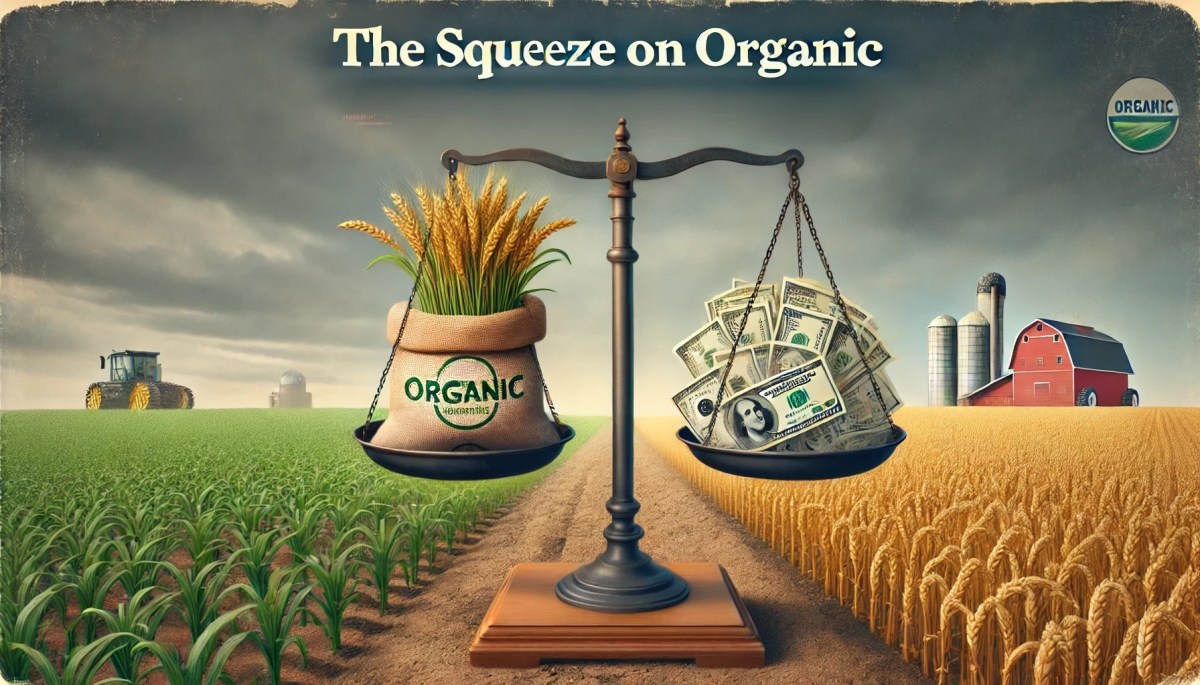
The profitability squeeze is particularly severe for organic farmers compared to their conventional counterparts. While both sectors face rising production costs and increased global competition, organic producers are experiencing a “double whammy” of higher costs and lower prices relative to pre-2021 baselines. Conventional grain prices, though down from recent highs, still exceed cost increases when compared to the 2016-2021 period. In contrast, organic corn prices have fallen below historic baselines while production costs have increased. This trend threatens the traditionally higher net returns of organic corn and soybean farming, which have outperformed conventional returns by $12 to $485 per acre over the past eight years.

The declining profitability of organic grain farming raises concerns about farmer retention and the future of organic agriculture in the U.S. It’s estimated that there has been a 5% decrease in the number of organic farmers in 2024 compared to the previous year. Some farmers are considering switching to more profitable organic crops or even reverting to conventional farming. This situation poses a significant challenge to the organic industry and could potentially impact the environmental benefits associated with organic farming practices, including improved water quality and soil health.

Sources include:

Argus Media. “Shrinking profitability of organic farming.” Argus AgriMarkets Organic and Non-GMO service, November 2024.

Grow Well Consulting. “Is the profitability plunge in U.S. organic actually worse than corrections happening in conventional?” October 28, 2024.

Enhancing Organic Rice Yields: Texas Researchers Lead the Way in Ratoon Crop Production

Dr. Tanumoy Bera is a Postdoctoral Research Associate at the Texas A&M AgriLife Research Center in Beaumont. In 2022 he was awarded a grant by Southern SARE with a project called, “Development of Sustainable Organic Rice Ratoon Production Systems in the Southern US,” and he has some excellent results so far with more to come. Here is a progress report from Dr. Bera and I think organic rice growers can benefit from his observations.

by Dr. Tanumoy Bera, Rice Researcher

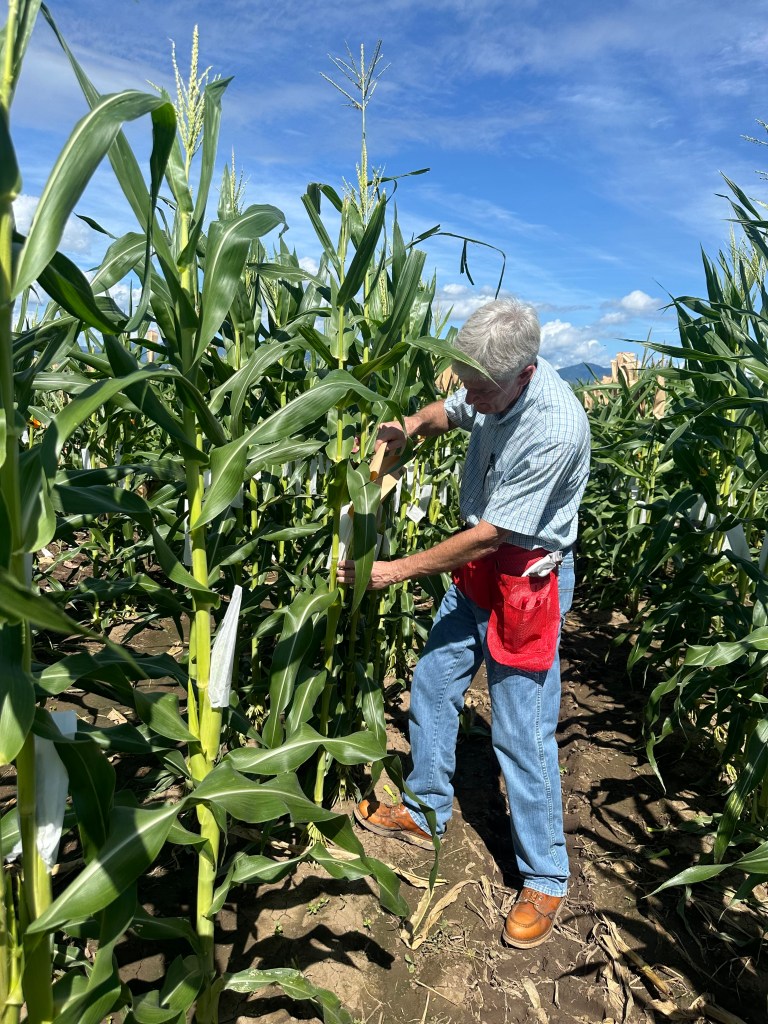
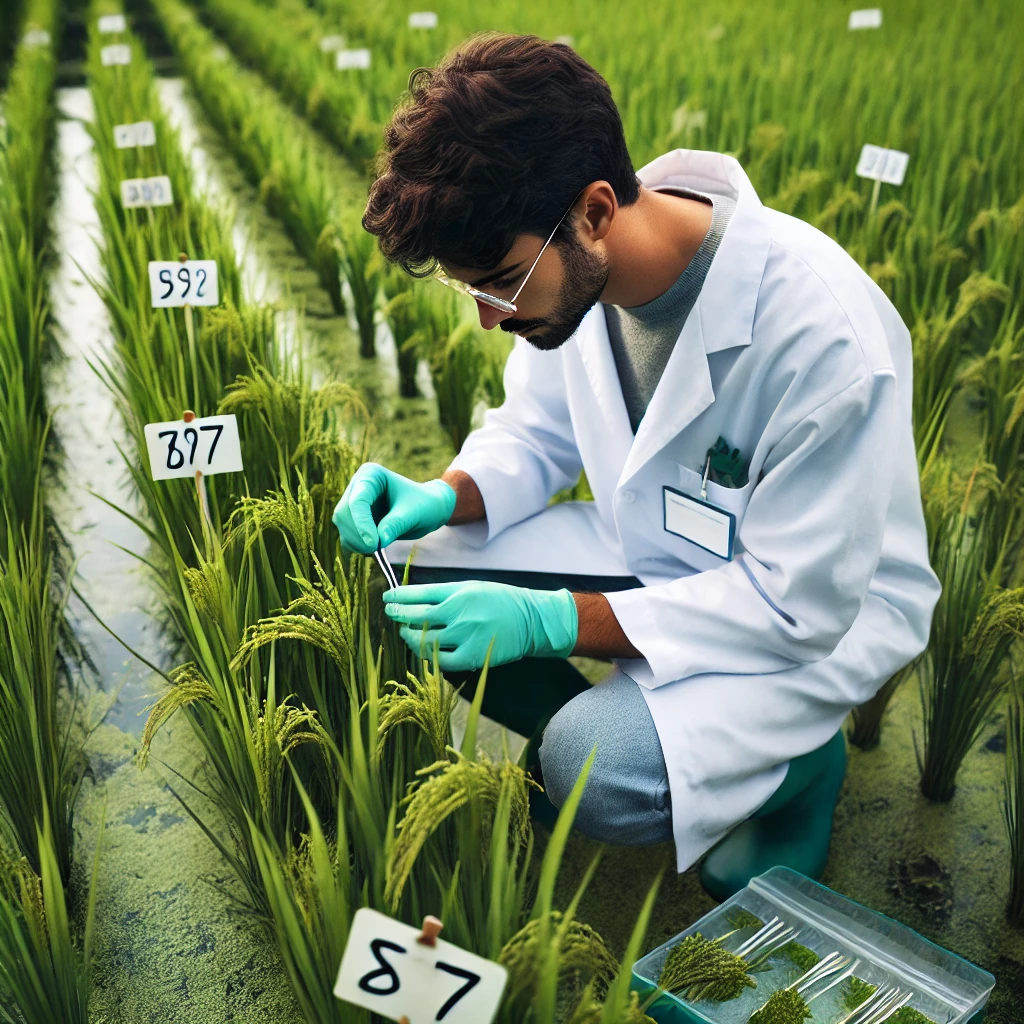
While organic rice consumption in the U.S. has grown substantially in recent years, demand for domestically grown organic rice hasn’t kept pace. Instead, cheaper imports have dominated the market, creating challenges for U.S. producers trying to meet the increasing appetite for organic rice while maintaining profitability. To address these challenges, researchers at Texas A&M AgriLife in Beaumont are focusing on improving organic ratoon rice production—a method that allows rice to be harvested from the regrowth of previously harvested stubble. This technique is especially valuable because it enables a second harvest without the need to replant, which helps farmers reduce costs, increase productivity, and compete with lower-priced imports while still maintaining a viable net income per acre.

This ongoing study, initiated in 2022, aims to evaluate how rice cultivars, crop rotation practices, and nitrogen application rates affect the yield and quality of organic ratoon rice. The team tested two cultivars—Presidio and RiceTec XP753—alongside two management approaches: winter fallow and cover cropping. Their goal is to determine how these factors influence yield, milling quality, nitrogen content, and nitrogen removal in an organic ratoon system.

Early findings have been promising. The hybrid XP753 showed a remarkable performance, increasing the main crop yield by 75% and ratoon yield by 97% compared to Presidio. This is partly due to hybrid varieties like XP753 being bred to combine the best traits from parent plants, resulting in higher yields and greater resilience—key attributes for organic farming.

However, establishing cover crops in southeast Texas has been challenging, mainly due to wet winters and poor drainage in heavy clay soils. Despite these difficulties, cover crops, when successfully established, have provided significant benefits. To enhance nitrogen availability, the researchers utilized organic-approved inputs such as compost and cover crops, finding that an equivalent of 90 pounds of nitrogen per acre was optimal for achieving the greatest yields, with greater rates offering no additional advantage. This insight helps farmers optimize nitrogen inputs using sustainable sources, saving costs while promoting organic practices.

Looking ahead, the research will continue into the 2025 season, aiming to refine these findings and explore their long-term impacts. This work is crucial as demand for organic products continues to rise, providing farmers with improved productivity while supporting sustainable agricultural practices. With initiatives like this, Texas A&M AgriLife is helping pave the way for a more resilient and environmentally friendly future in agriculture.

Other Rice Resources (just click a link!)

Understanding the Three-Line CMS System in Hybrid Rice Breeding

As rice breeding continues to advance, hybrid rice varieties have emerged as a powerful tool for increasing yields, improving disease resistance, and enhancing grain quality. A key innovation behind hybrid rice production is the Cytoplasmic Male Sterility (CMS) system, which enables breeders to produce hybrid seeds efficiently. This blog post explains how the three-line CMS system works and why it’s so valuable for breeders and farmers alike.

What is Cytoplasmic Male Sterility (CMS)?

Cytoplasmic Male Sterility (CMS) is a genetic trait that prevents a plant from producing functional pollen. This characteristic is particularly useful in hybrid seed production because it ensures the plant cannot self-pollinate. Instead, the male-sterile plant must be pollinated by another plant, allowing breeders to control the parentage of hybrid seeds.

The Three-Line System in Hybrid Rice Production

The three-line system involves three types of rice lines:

  • A-Line (CMS Female): A male-sterile line that cannot produce viable pollen, used as the female parent in hybrid seed production.
  • B-Line (Maintainer Line): Genetically identical to the A-line but fertile. It is used to maintain the CMS trait in the A-line.
  • R-Line (Restorer Line): A fertile line that carries restorer genes to restore pollen fertility in the F1 hybrid generation.

Each of these lines plays a critical role in ensuring the successful production of hybrid rice seeds, and together they contribute to the final hybrid variety’s vigor and performance.

How the Crosses Work in the Three-Line System

1. Maintaining the CMS Line

The A-line (CMS female) is male-sterile, meaning it cannot produce seeds on its own because it lacks viable pollen. To maintain this line, breeders must cross the A-line with the B-line (maintainer), which has the same genetics but does not have the male-sterile trait.

  • Cross: A-Line (CMS female) × B-Line (Maintainer male)
  • Result: More A-line seeds, all of which remain male-sterile. The B-line helps propagate the A-line without restoring fertility, ensuring that male sterility is preserved.

2. Producing Hybrid Seeds

Once enough CMS A-line plants are produced, they are crossed with the R-line (restorer) to create hybrid seeds. The R-line carries genes that restore pollen fertility in the hybrid offspring, allowing the hybrid plants to reproduce normally.

  • Cross: A-Line (CMS female) × R-Line (Restorer male)
  • Result: F1 hybrid seeds that combine the best traits from both the A-line and the R-line. These seeds exhibit hybrid vigor (heterosis), meaning the plants will grow faster, yield more, and be more resilient to stresses like pests and diseases.

Visual Representation of the Three-Line System

Below is a flowchart that visually represents the three-line CMS system:

    A-Line (CMS female) × B-Line (Maintainer male)
              ↓
     Male-Sterile Seeds (A-Line)
              ↓
A-Line (CMS female) × R-Line (Restorer male)
              ↓
     F1 Hybrid Seeds (Fertile)

This flowchart provides a simplified view of how the A-line, B-line, and R-line interact to produce hybrid seeds. It helps to visualize the sequential process of maintaining the CMS line and producing vigorous hybrid seeds.

Distribution of Beneficial Traits in the Three Lines

In the three-line system, both the A-line and R-line contribute valuable traits to the hybrid, while the B-line helps maintain the CMS line. Here’s a breakdown of what each line brings to the table:

Line TypeRoleTraits Contributed to Hybrid
A-Line (CMS)Female parent; male-sterileCarries key agronomic traits (yield, quality, resistance)
B-Line (Maintainer)Maintain A-line; not used in hybridGenetically identical to A-line; used for maintenance
R-Line (Restorer)Male parent; restores fertilityProvides restorer genes and complementary traits to enhance hybrid vigor

Why Use the Three-Line System?

The three-line CMS system has been a game-changer in hybrid rice breeding for several reasons:

  • Efficient Hybrid Seed Production: CMS ensures the A-line plants cannot self-pollinate, making it easier for breeders to control the crossing and ensure that hybrid seeds are produced with the desired genetic combinations.
  • Hybrid Vigor: The cross between the A-line and R-line produces F1 hybrid plants that often outperform both parent lines due to heterosis (hybrid vigor). These plants grow faster, produce higher yields, and are more adaptable to varying environmental conditions.
  • Consistent Performance: By carefully selecting A-line and R-line parents, breeders can develop hybrids that consistently deliver high yields and other desirable traits, such as disease resistance or drought tolerance.

Real-World Example in Rice

For example, let’s say a breeder selects an A-line that has high grain quality and yield potential but lacks disease resistance. They could pair this A-line with an R-line that has strong disease resistance and good stress tolerance. The resulting hybrid will combine these traits, offering farmers a variety that not only yields well but also stands up to diseases and environmental stressors.

Saving Hybrid Rice Seeds and Trait Loss

It’s important to note that saving seeds from hybrid rice plants is generally not recommended. The F1 hybrid seeds produced through the three-line system exhibit hybrid vigor due to the combination of traits from the A-line and R-line. However, if these hybrid seeds are saved and replanted, the resulting plants (F2 generation) will not retain the same level of performance. This is because the desirable traits that make the F1 hybrids so productive can segregate and diminish in subsequent generations, leading to reduced yields, inconsistency, and loss of hybrid vigor. To read more about organic rice varieties and resources click this link: Organic Rice Resources

Key Takeaways

  • A-line (CMS) contributes key agronomic traits but cannot produce pollen, ensuring controlled cross-pollination.
  • B-line is a maintainer, used to propagate the A-line but not involved in the hybrid seed production.
  • R-line restores fertility and adds complementary traits, leading to a vigorous and productive F1 hybrid generation.

The three-line CMS system enables efficient hybrid seed production, combining the best traits from different lines to create high-performing hybrids that meet farmers’ needs for yield, resilience, and grain quality. The three-line CMS system remains one of the most effective methods for producing hybrid rice seeds, ensuring that breeders can develop varieties that push the limits of productivity and sustainability.

Conclusion

As global demand for rice, especially organic rice, continues to grow, the ability to produce high-yielding, resilient hybrid varieties through the CMS system is more important than ever. This method ensures that breeders can consistently produce hybrids that help farmers achieve better harvests, even in the face of environmental and biological challenges. Hybrid rice breeding holds a promise for amplifying traits important for organic producers.

By understanding the nuances of the A-line, B-line, and R-line, breeders can make informed choices about which traits to focus on in their breeding programs. Ultimately, the three-line system not only enhances hybrid seed production but also contributes to the long-term sustainability of rice farming.

Lessons from a Study on Hay Variability: Insights for Organic Producers

When it comes to hay production, many farmers assume that bales harvested from the same field will contain similar nutrient levels. The differences across fields was evident in a recent article by Michael Reuter in Progressive Forage1. His article and data show us all, the significant differences even among bales from the same field. Understanding and managing these differences can make a big impact, especially for organic farmers who want to optimize livestock nutrition and maintain a consistent quality of forage.

Variability in Nutrient Composition: What the Data Tells Us

The following table from the article1 presents the nutrient composition and analysis of 20 individual bales randomly sampled from an 86-acre hay field, which was managed as a unit and harvested all at the same time:

The analysis of the 20 hay bales showed surprising variability in key nutrients such as Crude Protein (%CP), fiber content (measured as %ADF and %NDF), and essential minerals like Calcium (%CA) and Phosphorus (%P). Summary statistics of the nutrient composition are presented below:

Crude protein, for example, varied from 9.7% to 15.9%. This 6.2 percentage point difference could significantly influence the nutritional value of hay fed to livestock.

Fiber levels also differed substantially. The ranges in Acid Detergent Fiber (%ADF) and Neutral Detergent Fiber (%NDF) directly affect how digestible the hay is and how much livestock will eat. Calcium and phosphorus levels, which are critical for bone health and metabolic functions, also showed noteworthy differences between bales.

Why Does This Variability Happen?

Even in a well-managed hayfield, several factors can contribute to this nutrient variability:

  1. Soil Fertility Differences: Organic amendments like compost or manure may not be evenly spread across the field. Variability in soil nutrients can cause different areas of the field to produce hay with varying nutrient levels.
  2. Crop Rotation and Plant Diversity: Rotating different crops or allowing natural diversity in the field is beneficial for soil health, but it can also lead to differences in how well each crop absorbs nutrients.
  3. Pest, Weed, and Microclimate Effects: Organic fields often have more variability in pest pressure, weed growth, and microclimates. These differences can lead to uneven growth, which in turn affects nutrient content.
Managing Nutrient Variability

To minimize these differences and provide more consistent forage quality, farmers can take several practical steps:

  • Soil Testing: Regularly test soil across different sections of the field. This helps identify nutrient deficiencies or hotspots, allowing targeted amendment application.
  • Even Amendment Application: When applying compost, manure, or other organic fertilizers, try to ensure even distribution across the field. Variability in amendment application is a key factor in nutrient inconsistency.
  • Use Cover Crops: Cover cropping can help improve soil structure and increase nutrient cycling, which leads to more uniform plant growth.
  • Monitor Harvest Stages: Harvesting at a consistent plant maturity stage across the field can help reduce variability. Plants harvested at different growth stages can differ significantly in nutrient content.
  • Matching Regular Soil and Forage Testing: Applying soil nutrients based on soil tests and then testing multiple hay bales gives a clearer picture of the overall nutrient profile from start to finish. Testing hay allows adjustments in livestock feeding to meet nutritional needs effectively and maybe even save money!
Why Managing Nutrient Variability Matters

In organic systems, where synthetic supplements are not allowed, maximizing the natural nutrient content of forages is essential. Variable hay quality can significantly impact livestock health, as inconsistencies in nutrition may lead to reduced growth rates, lower milk production, or other health issues. Moreover, optimizing the quality of on-farm forage can reduce the need for expensive purchased supplements and any organic supplements are not cheap.

Maintaining consistent forage quality also supports animal welfare, which is a core value of organic and sustainable farming. Healthy, well-fed animals are more resistant to disease, aligning with the organic principle of promoting natural immunity and reducing intervention.

Conclusion

Variability is a natural part of farming, but with informed management, we can turn that variability into an opportunity for learning and improvement—ultimately providing better feed for our livestock and keeping our farms resilient.

1.Data Source: October 1, 2024 issue of Progressive Forage written by Michael Reuter, Analytical Services Technical Manager at Dairy One Cooperative Inc. and Equi-Analytical Labs.

The Struggle for Organic Integrity: Fraud in Organic Imports Exposed

Photo: GHY International

In recent years, the organic food industry has undergone dramatic growth, becoming a nearly $200 billion global market and projected to exceed $500 billion by 2032. This explosive growth has brought significant benefits but also intensified the challenges of maintaining organic integrity across international borders. With increasing incidents of organic fraud, particularly involving imports, the USDA has introduced stringent new regulations to combat these threats. However, these changes have had significant consequences—both intended and unintended—affecting organic farmers, importers, and ultimately the consumers who rely on the organic label.

Organic Fraud and the Need for Regulatory Change

As the organic industry expanded, so did the instances of fraud. Products labeled as organic but failing to meet standards, such as genetically modified (GM) contamination or falsely certified imports, began to compromise the integrity of the organic market. Reports of fraudulent organic certifications from regions like the Black Sea and India have been on the rise, drawing concern from both regulatory bodies and farmers who follow rigorous organic practices (Dieterle, 2024).

One recent case highlighted these challenges: a consignment of Pakistani organic Basmati rice was found to contain traces of GM elements, a discovery that could be traced back to hybrid seeds imported from China. This contamination threatened consumer confidence, particularly in the European market, where expectations for organic integrity are stringent (The Hindu Businessline, 2024). For U.S. farmers who work tirelessly to uphold organic standards, such incidents cast a shadow over the entire industry, making it crucial for regulators to act.

USDA’s Strengthening Organic Enforcement (SOE) Rules

To address these growing concerns, the USDA implemented the Strengthening Organic Enforcement (SOE) rules in 2023, which took effect in March 2024. These rules are designed to enhance traceability and certification requirements across the organic supply chain. Unlike the previous system, which focused mainly on organic producers and farms, the SOE rules mandate certification for every entity that handles organic products—from farms to distributors, importers, and even transporters (Dieterle, 2024).

The SOE rules have already begun to make an impact. According to the Organic and Non-GMO Report, six months into enforcement, 85% of imported organic goods were compliant with new certification standards. This has helped weed out fraudulent products, particularly those originating from China that were previously imported under false certificates. Companies like Axiom Foods, which specializes in organic rice protein, have seen fraudulent competitors exit the market due to their inability to meet the new standards (Organic and Non-GMO Report, 2024).

The Impact on Wine Importers

While the intention behind the SOE rules is to strengthen the organic supply chain, it has also created significant challenges for certain sectors. The global wine industry, for instance, has faced a compliance crisis under the new rules. Not only must the grapes and the wine itself be certified organic, but now importers and any logistics companies involved must also acquire organic certification. This expansion of certification requirements has caused confusion and increased administrative burdens, particularly for smaller importers who lack the resources to quickly adapt to the new regulations (Dieterle, 2024).

For many wine importers, the lack of direct communication from the USDA about these new requirements added to the confusion. Many only learned of the new rules through frantic messages from their partners or logistics companies. Despite these difficulties, the USDA has made it clear that non-compliance could result in significant fines, pushing smaller players to either comply, pull products off shelves, or drop the organic label—even if the wine was legitimately produced according to organic standards (Dieterle, 2024). Texas organic grape growers can only benefit from these issues and hopefully gain new, long lasting market agreements for their grapes.

Market Shifts and Organic Farmer Concerns

For U.S. organic farmers, the influx of imports—many of which have been under scrutiny for failing to meet proper organic standards—poses a direct threat to their livelihood. Fraudulent organic imports not only dilute the market but can also drive down prices, making it harder for genuinely organic products to compete. With the introduction of the SOE rules, the USDA aims to bring greater transparency to the organic supply chain, restoring confidence in the organic label and, ideally, leveling the playing field for farmers who adhere to the high standards required for certification.

Axiom Foods, for example, saw increased demand for their organic rice protein as a result of stricter enforcement. Food and beverage manufacturers now need to be more diligent in sourcing certified organic ingredients, which has created new opportunities for compliant suppliers from Texas or elsewhere (Organic and Non-GMO Report, 2024).

US Farmers Hope SOE Will Stem the Tide of Cheap Organic Imports

While the SOE rules are making strides in preventing fraud and restoring consumer trust, the implementation challenges highlight the difficulties of regulating a rapidly growing industry that crosses international borders. For now, U.S. organic farmers hope that the strengthened regulations will ultimately reduce fraudulent imports, allowing their genuine products to stand out in an increasingly crowded market.

For the farmers who uphold organic principles, these efforts represent both a challenge and an opportunity. The challenge lies in navigating a complex global marketplace, but the opportunity exists to set a higher standard for organic integrity, benefiting both producers and consumers. As we look ahead, finding ways to support smaller players in the organic market while ensuring compliance remains a critical issue for policymakers and industry leaders alike.

Sources:

  • The Hindu Businessline. (2024). China may have been the source of GMO rice in Pakistan organic Basmati consignment.
  • Dieterle, C. J. (2024). New USDA Organic Rules Put Wine Importers in a Bind. Reason.com.
  • Organic and Non-GMO Report. (2024). New USDA organic fraud rules are working, says organic rice protein supplier. October 2024.

Organic Dairy Feeding Trial

Dr. Sushil Paudyal is Assistant Professor of Dairy Science at Texas A&M and an outstanding dairy researcher.  Dr. Paudyal has a great interest in both nutrition and health issues in dairy cows, but he also likes to study these kinds of interactions in organic dairy cows. Sushil and I have been teaming up over the past couple of years on a few projects and we are starting one this fall (October 2024) that is very interesting. 

In partnership with Kent Nutrition Group, we’re conducting a feeding trial involving a Humic Acid Substance, specifically Menefeed MFG 150, with pens of lactating organic dairy cows. We’ll compare a group that receives Menefeed MFG 150 to a non-fed group and then switch the groups for another phase of the study. This “crossover” design will help us better understand how the supplement impacts these animals.

Our focus will be on three main areas:

  1. Milk Yield and Composition: We’ll monitor how Menefeed MFG 150 affects both the quantity of milk produced and its quality, including components like fat and protein content.
  2. Health Status: By analyzing blood serum tests, we aim to understand how this humic acid substance might influence cow health—looking at factors like immune function and overall vitality.
  3. Rumination and Milk Conductivity: Using sensors, we plan to track rumination time and milk conductivity, which can give insights into digestive efficiency and udder health.

Menefeed MFG 150 is OMRI-listed, meaning it meets the requirements for use in organic systems, which is crucial for our organic dairy trial. The humic substances used in Menefeed MFG 150 are derived from Freshwater Reed-Sedge Peat, a mined product that undergoes mechanical processing to become suitable for animal feeding.

What are humic substances?

Humic substances are organic compounds that come from the decomposition of plant and microbial materials. You may already be familiar with humic and fulvic acids from their use in improving soil health or as foliar plant sprays (link to humic and fulvic acid info for crops). These substances have been shown to have many beneficial properties, although their exact mechanisms can sometimes be mysterious. Research has shown mixed results—sometimes they provide a clear benefit, and other times they don’t—but the potential benefits keep us intrigued.

In dairy cows, recent studies suggest that humic substances like Menefeed MFG 150 may improve rumen fermentation, enhance nutrient utilization, and even support the immune system. If these effects prove true, and if we see an increase in milk production, this trial could lead to a win-win situation for organic dairy farmers, helping them achieve greater production while maintaining cow health.