Ever wondered where organic peanuts are produced? Examining the global map of certified organic peanut farms reveals some interesting patterns. Countries like China, India, Brazil, Argentina, and Togo are major players in organic peanut production, and the United States also makes significant contributions.
Here’s a breakdown of the acreage dedicated to organic production with an emphasis on peanuts in some important countries:
China: Approximately 152,860 acres, with companies like Jilin Jinya Nut Processing Co., Ltd. contributing significantly.
India: Various Organic Grower Groups collectively manage over 103,686 acres of organic peanut farms, demonstrating the effectiveness of cooperative farming.
Brazil: Around 60,592 acres, with Sambazon do Brasil Agroindustrial Ltda contributing a substantial 60,573 acres.
Argentina: About 36,636 acres, with companies like Campos Verdes Argentinos SA and Conosur Foods Argentina SA being key contributors.
Togo: 53,325 acres managed by SOYCAIN TRADING SARL U, making it a significant player in West Africa.
United States: Numerous family-owned farms collectively contribute over 100,000 acres to organic peanut production, with notable producers one in West Texas managing 9,355 acres.
China’s Contribution
China leads with over 152,000 acres dedicated to organic peanut farming. Companies such as Jilin Jinya Nut Processing Co., Ltd. and Wuqiang County Jiyuan Oil Crop Planting Professional Cooperative are significant contributors. Different regions within China add to this market, but China consumes most of what it produces.
India’s Cooperative Farming
In India, numerous Organic Grower Groups (which have group certification) collectively manage over 103,000 acres. These groups demonstrate how small farmers work together to make a significant impact, collaborating to drive success in organic agriculture while keeping costs down.
Brazil’s Organic Production
In Brazil, Sambazon do Brasil Agroindustrial Ltda has 60,573 acres dedicated to organic production, including a substantial amount of peanuts. This company is not only a leader in Brazil but also one of the largest certified organic producers in the world.
Argentina’s Key Players
Companies like Campos Verdes Argentinos SA and Conosur Foods Argentina SA are significant contributors in Argentina, with combined acreage reaching around 36,000 acres. These farms focus on cotton and peanuts, concentrating in regions suitable for these crops.
Togo’s Role in West Africa
In Togo, SOYCAIN TRADING SARL U manages 53,325 acres, contributing significantly to the global peanut supply from West Africa. It raises questions about how much they export!
Family Farms in the USA
Now, let’s consider the United States. While we may not have single operations as large as those in China or Brazil, the U.S. has a network of family-owned farms that collectively contribute over 100,000 acres to organic production. For example, one Texas farmer manages 9,355 acres, making him one of the prominent certified organic peanut producers in the country.
These farms often represent family legacies in organic agriculture, with names appearing across multiple farms in Texas and elsewhere. This reflects the enduring nature of family farming traditions contributing to the organic peanut industry.
Acknowledging Other Contributors
We might have missed highlighting some of the smaller but important players in the organic peanut industry:
Paraguay: Companies like Indugrapa SA and Alemán Paraguayo Canadiense S.A. contribute over 10,760 acres to global organic peanut production.
Bolivia: Finca San Carlos manages 3,118 acres, adding to South America’s contribution.
Vietnam: Companies like FG Products Company Limited and Hebes Company Limited collectively manage over 8,600 acres.
These contributions, while smaller, are vital to the diversity and resilience of the global organic peanut supply chain.
Bringing It All Together
These peanut producers are essential links in the chain that brings organic products from the farm to your table. Organic begins on the farm and remains so until it is packaged.
Most people don’t consider where their peanuts come from or the journey they take. The majority of these farms are committed to sustainable practices, ensuring that organic integrity is maintained every step of the way. With the recent implementation of Strengthening Organic Enforcement (SOE) rules, the entire value chain—including brokers and even transporters—is now certified to ensure accountability.
Wrapping parts of field bindweed plants from the nursery infected with Gall Mites around field bindweed plants in the South Plains. Introducing the beneficial Gall Mite to help control this noxious weed.
Some time back I wrote a blog post about using some biological methods for controlling field bindweed (click here to read). I liked the idea of introducing the Field Bindweed Gall Mite (Aceria malherbae) to areas of field bindweed and hoping they would help to keep this weed from taking over fields. Sounds easy till you try finding the mites!
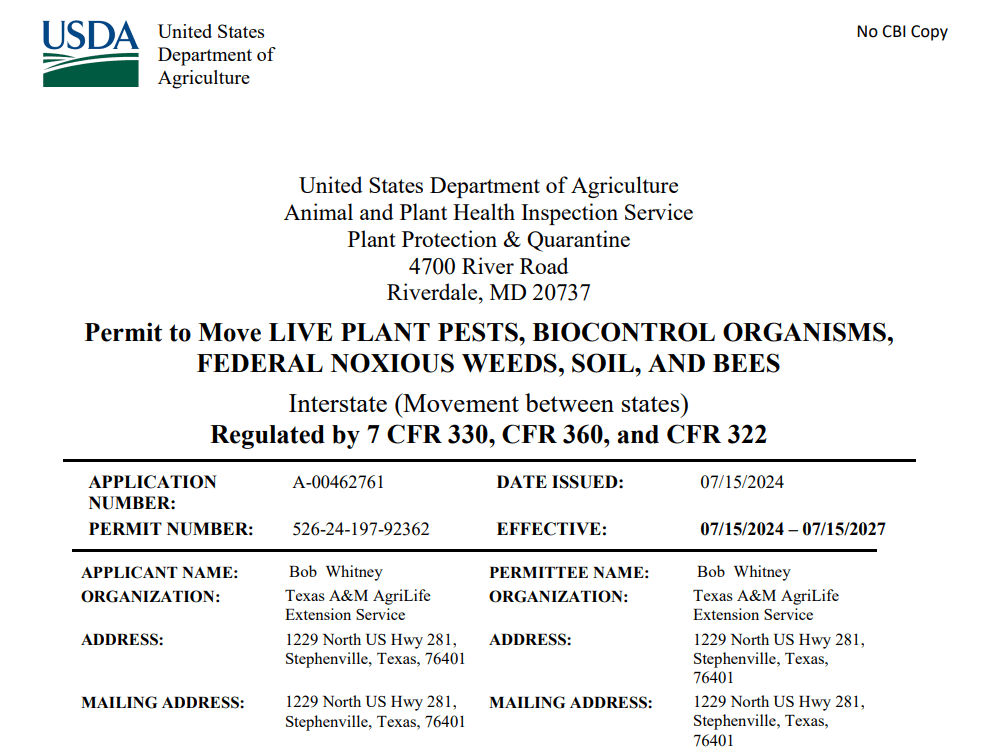
Most of the information pointed me to the State of Colorado and Nina Louden Biocontrol Specialist with the Colorado Department of Agriculture. The first thing Nina asked me, “Do you have a USDA permit to allow us to ship “biological control agents” across state lines?” At that time, I didn’t even know there was a need for a permit, but I soon found out you can apply for one online. There was much in the application process I didn’t understand but overall, it was simple and easy. I got my “permit” as you can see below
USDA Permit to ship and apply Field Bindweed Gall Mites
I sent Nina the USDA permit by email and her response back was we will ship you the Gall Mites on Monday of the next week to arrive by noon on Tuesday. The mites are harvested in Colorado from growing field bindweed by simply cutting off pieces of field bindweed that are infected with the mites and shipping them in a cooler with cold packs. My next call was to Carl Pepper, South Plains Organic Cotton Farmer to see if he was able to help me put out the mites on one of his fields.
Field bindweed with the Gall Mites on the plant are harvested and sent to us for distribution.
Carl and his family had a perfect location next to an organic cotton field. The area between the county road and the field was infested with field bindweed and the weed was growing out in the cotton rows where Carl could not plow it out. We put the gall mites into two 10′ X 10′ squares well marked and will monitor their “survivability” and ultimately measure their spread out from the 10′ X 10′ area to the field.
Carl Pepper is applying the field bindweed pieces to the existing field bindweed plants in his field. We did this by wrapping the pieces around the existing plants. The mites will move from the old plants to the new looking for fresh food sources.
Will it work? I don’t think any of us know for sure, but we have to try! The field bindweed gall mite is not going to eradicate field bindweed on the South Plains. But our hope is that as the field bindweed comes out each spring the gall mite is also out and feeding on the field bindweed. This will significantly slow the growth of the bindweed and hopefully keep it in check. Something we don’t have now!
Click on the picture above to read this publication about the Gall Mite and how Colorado State Department of Agriculture ships them out. This service was free of charge and very easy to do. I hope to get more to release in other places soon.
Beneficial insects, also known as biological control agents, play a crucial role in managing pest populations in organic crops, especially organic row crops. These insects help reduce the need for chemical pesticides, promote biodiversity, and support sustainable farming practices. Here’s a guide on how to integrate beneficial insects into your organic farming system, specifically for crops like cotton, peanut, corn, sorghum, rice, and wheat.
Incorporating beneficial insects into your pest management strategy is a smart, sustainable choice. These natural predators offer a highly effective alternative to organic insecticides, providing ongoing pest control without the need for frequent reapplications. The beneficial insect industry is growing, offering a wider variety of predators and parasitoids than ever before, making it easier to find the right ones for your specific pest issues.
Using beneficial insects helps maintain a balanced ecosystem, as they target pests without harming other beneficial organisms. This promotes biodiversity and long-term soil health, crucial for sustainable farming. Additionally, while the initial investment might be higher, the reduction in pesticide use can lead to significant cost savings over time.
Furthermore, employing beneficial insects supports compliance with organic standards, as it reduces reliance on even approved organic insecticides. This approach aligns with the principles of organic farming, enhancing natural processes and contributing to a healthier environment.
Lastly, it is not unusual to see this type of “pest control” continue to be self-sustaining as the introduced predators continue to live in your established habitat. Living on your farm year-round means that they are ready to go to work when you do! Take a look at this list below and know that these are the insect predators that are commonly available and listed on most websites. But if you find a problem or have a suggestion don’t hesitate to reach out.
Cotesia glomerata(Cabbage White Wasp) Targets: Caterpillars of the cabbage white butterfly.
Gonatocerus triguttatus (known as Fairyflies sometimes) Targets: Glassy-winged Sharpshooter of grapes, spreader of Pierces Disease. May be hard to find!
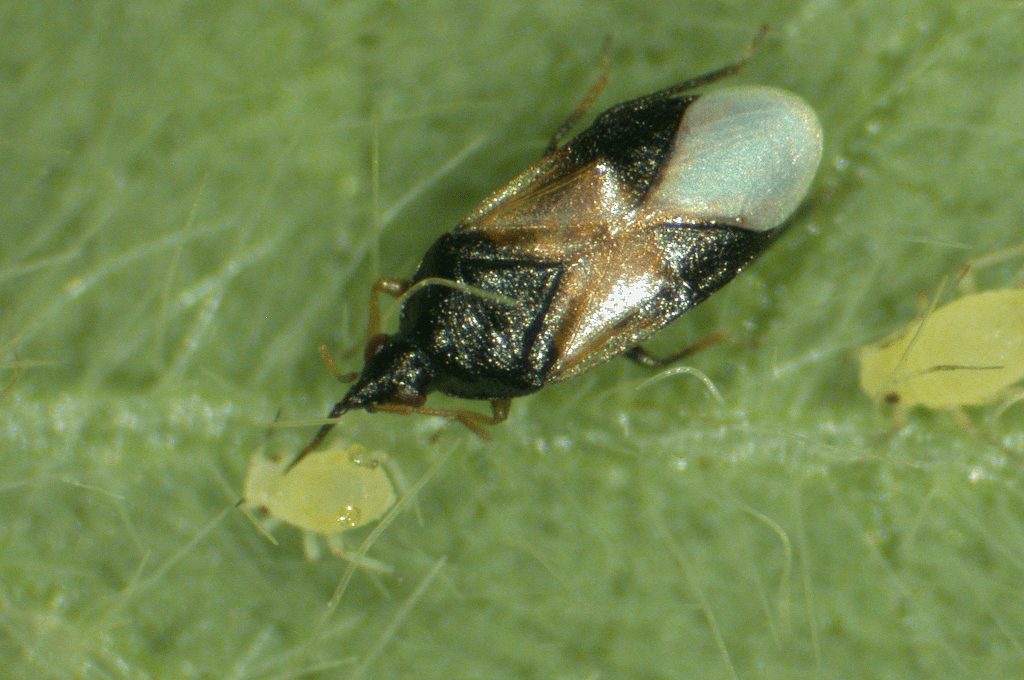
Pirate Bugs (Orius spp.)
Pirate bug. (Photo Credit: Ho Jung Yoo)
Orius insidiosus (Minute Pirate Bug) Targets: Thrips: Both adult and larval stages, Aphids, Mites, Whiteflies, Psyllids, Caterpillars
Orius majusculus Targets: Thrips: Both adult and larval stages, Aphids, Mites, Whiteflies, Psyllids, Caterpillars
Orius tristicolor Targets: Thrips: Both adult and larval stages, Aphids, Mites, Whiteflies, Psyllids, Caterpillars
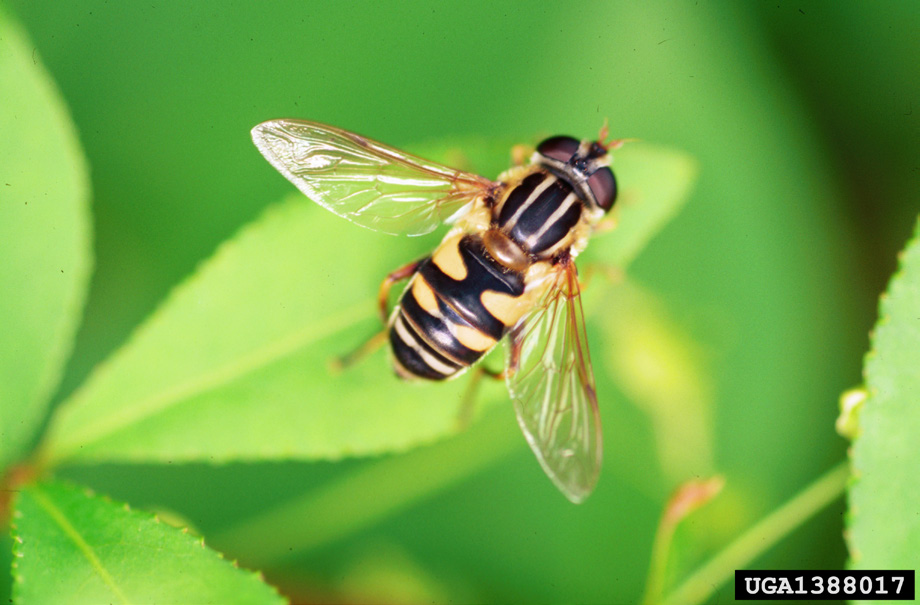
Hoverfliesor Syrphid Flies
Hover Fly (Stephen Katovich, Bugwood.org)
Episyrphus balteatus (Marmalade Hoverfly)Targets: Aphids, small caterpillars.
Syrphus ribesii(Common Hoverfly or Ribbed Hoverfly) Targets: Aphids.
Predatory Mites (Phytoseiidae)
Phytoseiulus persimilis mite eating a Two-spotted spider mite!
Phytoseiulus persimilis(no common name) Targets: Two-spotted spider mites, broad mites.
Amblyseius swirskii(no common name) Targets: Thrips, whiteflies, spider mites.
Neoseiulus cucumeris (no common name) Targets: Thrips, spider mites, broad mites.
Great video about mites and control of spider mites with Amblyseius swirskii
Predatory Nematodes
The Steinernema scapterisci insect-parasitic nematode in the juvenile phase can infect and kill insects in the Orthoptera order, such as grasshoppers and crickets. (Photo by David Cappaert, Bugwood.org.)
Habitat Enhancement: Plant diverse flowering plants around the field to provide nectar and pollen for beneficial insects. Include cover crops and hedgerows to offer shelter and alternate food sources. Have available before purchasing beneficial insects.
Minimize Pesticide Use: Avoid using broad spectrum organic pesticides that can harm beneficial insects. Many organic insect control products are specific to certain insects or insect systems (Pyganic will kill all beneficials although it is organic). Use targeted treatments if necessary and apply them at times when beneficial insects are less active.
Create a Favorable Environment: Ensure the field has adequate moisture and avoid practices that disrupt the habitat of beneficial insects.
Beneficial Insect Delivery and Distribution Methods
Insect Delivery
Bulk Containers: Insects are often shipped in bulk containers containing a mixture of insects and a carrier medium (like vermiculite, bran, or buckwheat hulls).
Blister Packs: Small plastic blister packs containing a specific number of beneficial insects are used for easy handling and release.
Paper or Mesh Bags: Insects are placed in breathable bags that allow for easy distribution in the field.
Distribution Methods
Hand Release: Beneficial insects are manually sprinkled or shaken out onto the crops. Simple tools like a “saltshaker” or small containers can be used for more precise application. Used on smaller areas or targeted release points.
Mechanical Dispersal: Using blowers or air-assisted equipment to disperse insects over a larger area. Usually this means a specialized blowers designed for insect release, similar to leaf blowers but calibrated for the insects’ safety. Typically used on large-scale row crops where uniform distribution is necessary.
Aerial Release: Drones or small aircraft can be used to release insects over extensive fields. Drones equipped with special release mechanisms for even distribution and this method works great with very large fields or difficult-to-access areas.
Release Stations: Strategic placement of small containers or stations throughout the field that allow insects to disperse naturally. These are typically small cardboard or plastic tubes, blister packs placed on stakes or plants. These allow for continuous release over time and for mobile insects like predatory beetles or parasitic wasps.
Instructions for Applying Beneficial Insects in Fields
Timing: Release beneficial insects early in the season before pest populations reach damaging levels.
Quantity: Determine the appropriate release rate based on the specific crop and pest pressure. This information is often provided by suppliers of beneficial insects.
Distribution: Distribute insects evenly across the field. Use dispersal devices like handheld blowers or distribute by hand in small release points throughout the crop area. Apply during cool, calm periods of the day, such as early morning or late afternoon, to minimize stress on the insects.
Specific Instructions for Different Beneficial Insects
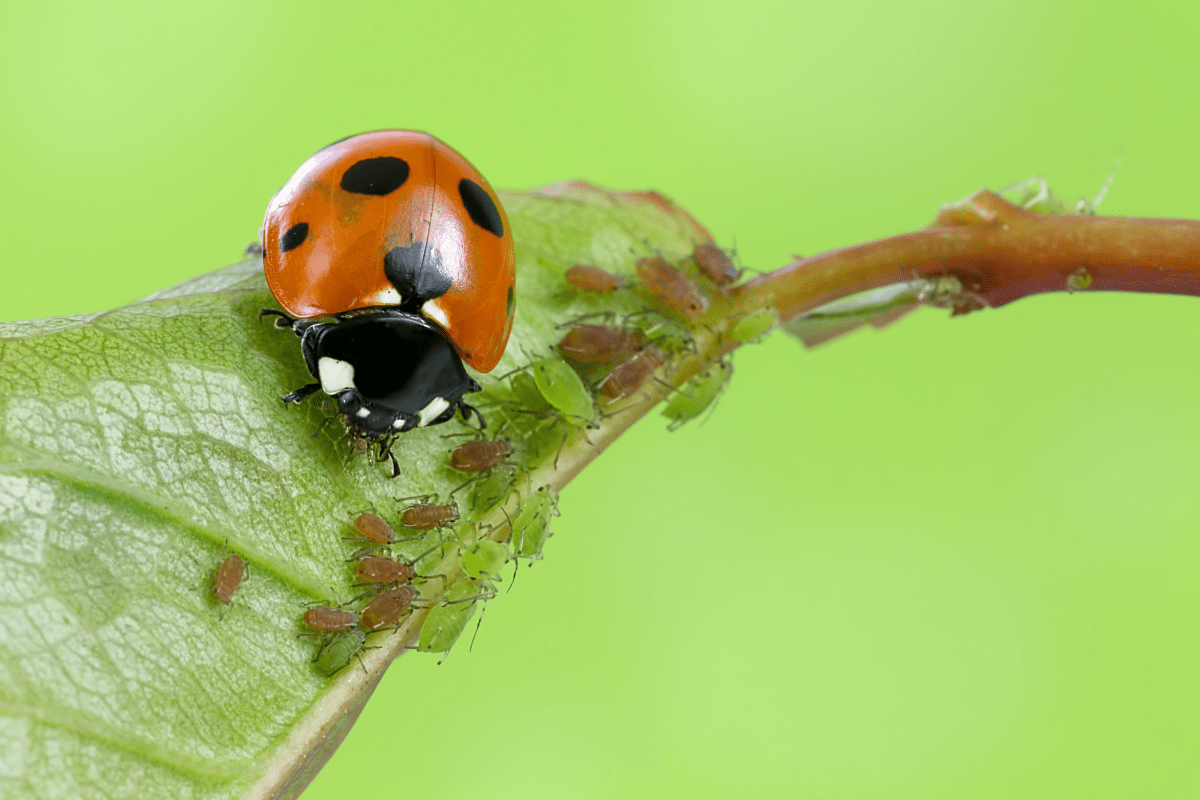
Lady Beetles
Application: Release near aphid-infested plants. Ensure there is enough food and habitat for them to stay.
Environment: Lady beetles prefer environments with flowering plants which provide nectar.
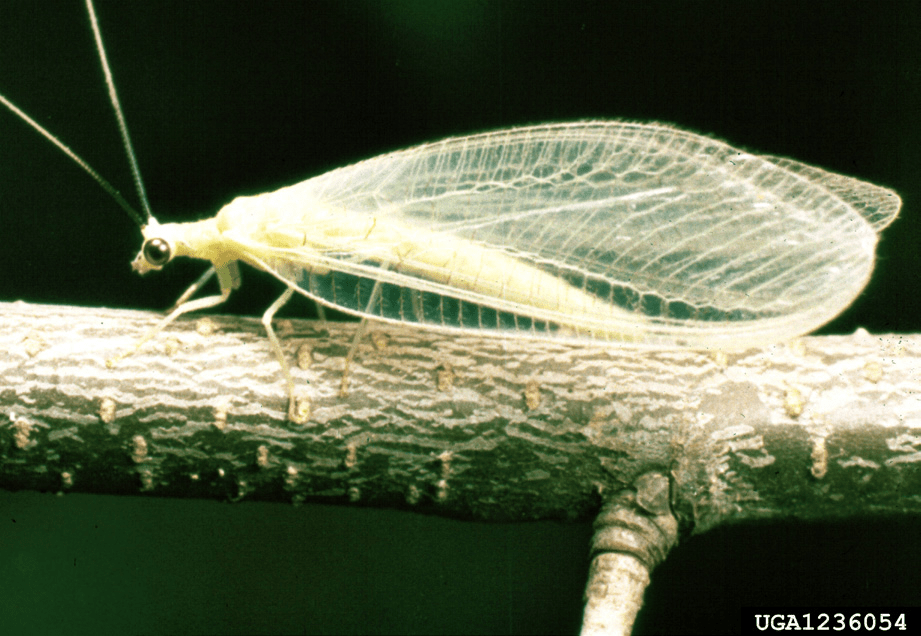
Lacewings
Application: Release lacewing eggs or larvae directly onto plants. Eggs can be scattered or placed on leaves.
Environment: Favorable habitats include areas with nectar-producing plants to support adult lacewings.
Parasitic Wasps (e.g., Trichogramma spp.)
Application: Release near the time of pest egg laying. Attach release cards with parasitized eggs to plants or scatter loose eggs.
Environment: Provide a mix of flowering plants to support adult wasps with nectar sources.
Predatory Mites (e.g., Phytoseiulus persimilis)
Application: Distribute mites onto plants where pest mites are present. Sachets or loose mites can be used.
Environment: Ensure a humid environment, as mites require high humidity for survival.
Predatory Nematodes (e.g., Steinernema spp.)
Application: Mix nematodes with water and apply using irrigation systems, backpack sprayers, or watering cans.
Environment: Keep soil moist for several days after application to ensure nematodes can move and infect pests.
Keeping Beneficial Insects in the Field
Learn about your predator and be able to identify life stages. A Lacewing adult looks a lot different than the dragon-like nymph. The same is true for the Lady Beetle that has a ferocious looking larva!
Avoid and pesticide applications after applying predators. Especially avoid using broad-spectrum pesticides that can harm beneficial insects. Even avoid irrigation applications, if possible, till predators can begin feeding.
Regularly check pest and beneficial insect populations to assess the effectiveness of the release. Use sticky traps, visual inspections, and sweep nets for monitoring. Learn how effective your predators are and what the drop in pest insects looks like once predators are released.
Maintain and promote a diverse habitat with cover crops and flowering plants to support beneficial insect populations. If is amazing how many pest insects stop in your predator habitat first and get eaten up!
Minimize tillage to preserve the habitat of ground dwelling beneficial insects.
Use trap crops to attract pests away from the main crop, allowing beneficial insects to control them more effectively.
Crop Varieties and Beneficial Insects
Selecting Varieties: Choose crop varieties that are known to attract and support beneficial insects. Some plant varieties may produce more nectar and pollen, which are crucial for the survival of beneficial insects.
Integrated Planting: Integrate flowering plants and companion plants that attract beneficial insects within the crop rows. This can be a way to better utilize waterways or sections of a pivot.
Real Life Example: In cotton fields, farmers can plant strips of alfalfa or clover, which attract lady beetles and lacewings. These beneficial insects will help control aphid populations, reducing the need for chemical interventions. Additionally, by maintaining a diverse plant environment, beneficial insects are more likely to stay and thrive in the field.
The other day, as I was giving a program on organic beef production, a member of the audience expressed concern over the organic community claims that organic is better for the environment, animals and human health. He said that this “implies” that conventional agriculture is just plain “bad” and inferring that conventional agriculture hurts the environment, animals and human health.
The reference had to do with my comments that certified organic production is both third-party inspected and with the new Strengthening Organic Enforcement (SOE) rules, is traceable all the way back to the farm where it was grown. This person assumed I was claiming that organic was “better” because of these two claims but in this instance, I was simply telling about organic certification and the organic program requirements. Rules are not what make organic better, but rules do distinguish those who say they are better and those who actually are better!
I think this person thought I was “virtue signaling,” by talking about our “organic rules” and implying that these rules make the food better. If you look up a definition for virtue signaling it refers to the “act of expressing opinions or sentiments intended to demonstrate one’s good character or the moral correctness of one’s position on a particular issue.”
Personally, I do not believe my good character or moral correctness comes from what I say but what I do. And I believe the organic farmers in Texas are not just producing a superior product because of the rules they follow but because their product is grown under the highest standards possible (rules) with a method of farming that ensures their crops have a superior level of nutrition and flavor. I believe in the organic program and the products grown organic to the point that organic is what you find in my cabinets and in my refrigerator! My wife Laurie and I believe we are healthier eating organic, and we know the flavor and taste is outstanding.
There are a lot of “food labels” nowadays and it is starting to look like many of these labels are just “virtue signaling” in hopes of attracting a following or customers. The latest consumer survey conducted by OTA* shows that 88% of all consumers recognize and understand the USDA Organic label, more than any other label! Just click on this link to read some of the ways organic is improving our lives. CLICK HERE
*According to the Organic Trade Association and Euromonitor International in their report, 2024 Consumer Perception of USDA Organic and Competing Label Claims (April 2024, p. 13), consumer trust in organic labels continues to grow.
This is virtue signaling at its finest!
Below is a funny story with a good and moral look at virtue signaling that I got off social media. As you read this, you may find yourself lamenting some of our currentconsumer conveniences and where they are leading us and our country. Talking to many organic farmers and business owners you immediately realize that they know we need to do “business” a different way and by being certified organic, they are! Enjoy the read…..
A young cashier told an older woman that she should bring her own grocery bags because plastic bags weren’t good for the environment. The woman apologized, “We didn’t have this green thing back in my day.” The young clerk said, “Your generation did not care enough to save our environment for future generations.”
“Back then, we returned milk bottles, soda bottles, and beer bottles. The store sent them back to the plant to be washed sterilized and refilled, so it could use the same bottles over. They really were recycled.
Grocery stores bagged our groceries in brown paper bags, which we reused for numerous things. We walked upstairs because we didn’t have an escalator in every store and office building. We walked to the grocery and didn’t climb into a 300-horsepower machine every time we had to go two blocks.
Back then, we washed the baby’s diapers because we didn’t have the throwaway kind. We dried clothes on a line, not in an energy-gobbling machine burning up 220 volts — wind and solar power really did dry our clothes back in our day. Kids got hand-me-down clothes from their brothers or sisters, not always brand-new clothing.
Back then, we had one TV, or radio, in the house — not a TV in every room. And the TV had a small screen the size of a handkerchief, not a screen the size of the state of Montana. In the kitchen, we blended and stirred by hand because we didn’t have electric machines to do everything for us.
When we packaged a fragile item to send in the mail, we used wadded-up old newspapers to cushion it, not Styrofoam or plastic bubble wrap.
Back then, we didn’t fire up an engine and burn gasoline just to cut the lawn. We used a push mower that ran on human power. We exercised by working so we didn’t need to go to a health club to run on treadmills that operate on electricity.
We drank from a fountain when we were thirsty instead of using a cup or a plastic bottle every time we had a drink of water. We refilled writing pens with ink instead of buying a new pen, and we replaced the razor blades in a razor instead of throwing away the whole razor just because the blade got dull.
Back then, people took a bus, and kids rode their bikes instead of turning their moms into a 24-hour taxi service. We had one electrical outlet in a room, not an entire bank of sockets to power a dozen appliances. And we didn’t need a computerized gadget to receive a signal beamed from satellites 23,000 miles in space to find the nearest burger joint.
But the current generation laments how wasteful we old folks were just because we didn’t have the green thing?”
Last year USDA put out the call for grant applications for the Organic Market Development Grant program. This was a chance to apply for up to $3 Million in grant funds with a match or up to $100,000 for equipment with no match. The Organic Market Development Grant (OMDG) program supports the development of new and expanded organic markets to help increase the consumption of domestic organic agricultural commodities. The program focuses on building and expanding capacity for certified organic production, aggregation, processing, manufacturing, storing, transporting, wholesaling, distribution, and development of consumer markets. OMDG aims to increase the availability and demand for domestically produced organic agricultural products and address the critical need for additional market paths.
Texas organic producers have excelled in their efforts, submitting a multitude of grant applications, and the results are now in. Below, discover the exceptional organic projects that have been chosen to enhance organic agriculture in Texas for the foreseeable future.
Promotion of Organic Yaupon Tea as a Domestic Alternative to Imported Tea Distributed to The Foodservice Industry
Recipient: Yaupon Holly Tea, LLC, Cat Spring, TX
This project aims to increase the American consumer awareness of organic yaupon tea as a replacement for imported tea via the food service sector. An Organic Yaupon Marketing Plan will increase opportunities for consumer exposure to organic yaupon tea while also allowing for additional customers, buyers, and parties to participate in the domestic organic yaupon tea industry. Yaupon is a caffeinated plant native to North America and rich in polyphenols and antioxidants like imported tea. By using a hybrid of traditional tea preparation methods, organic yaupon tea has an almost indistinguishable flavor profile from imported green and black tea served in both hot and iced tea. Cat Spring Yaupon has created a cohesive marketing and outreach plan to increase the amount of organic yaupon tea served in restaurants, cafes, hotels, and spas. This plan incorporates the opportunity to promote and support additional organic yaupon producers through the American Yaupon Association while also supplying to tea companies who would otherwise be selling imported tea to their food service customers. This will also allow restaurants to substitute imported tea on their menus with organic yaupon tea thus giving their customers and guests an opportunity to sample and fall in love with the incredible domestic organic yaupon tea.
Diversifying Organic Supply Chains for Small Producers in the Rio Grande Valley
Recipient: Triple J Organics, LLC, Mission, TX
Triple J Organics is a minority-owned certified organic citrus orchard in Mission, Texas established in 1995. Triple J manages 25 acres of certified organic citrus groves, primarily of Ruby Red grapefruit and early season oranges, as well as Navel Oranges, Meyer Lemons, Tangerines, and Tangelos in smaller quantities. This project will increase consumption of locally produced organic orange juice in the Rio Grande Valley and increase the profitability and long-term viability of Triple J Organics through special purpose equipment purchases that allow Triple J to process 32,000 lbs. of “waste”, or seconds, oranges into fresh juice and deliver it safely to customers in the Valley. The project will target school districts as potential customers, as well as supermarkets, restaurants, health food stores, daycare facilities, and eldercare facilities as needed. Beneficiaries include Triple J Organics, local schools and businesses who purchase the new product, as well as other organic citrus growers in the Valley who may be able to cooperate and aggregate to produce a higher margin value-added product.
Steelbow Farm: Expanding Access to Local, Organic Produce in Central Texas
Recipient: Steelbow Farm LLC, Austin, TX
Steelbow Farm is seeking to broaden its delivery range and increase local food access and supply chain resilience by procuring a delivery vehicle. The overarching purpose of the proposed project is to expand access to local, organic produce by eliminating the current constraint of distance and delivery radius, while simultaneously addressing the growing demand for product in the current marketplace. Currently, Steelbow Farm has demand for their product that exceeds their capacity because they do not have a vehicle and therefore have a limited delivery range. This bottleneck is hampering Steelbow Farm’s ability to rise to the organic market demands. They believe access to this equipment would drastically improve access to organic produce, as they could radically increase their customer base and range. For context, currently, within Travis County, only .06% of food is produced locally. The Austin and Travis County areas are seeing a decline in the amount of vegetable farms and farmland, which are disappearing at an alarming 16.8 acres a day. Amidst these startling statistics, this business is thriving and demand for their produce is extremely high. Steelbow Farm wants to be able to meet the market demand and fill the gap within the local food system. As organic vegetable producers, they are striving to increase the percentage of local food consumed within their community.
Enhancing Organic Dairy Production and Market Access in Texas
Recipient: Armagh Fine Foods LLC dba Armagh Creamery, Dublin TX
The primary goal of this project is to enhance and expand the production capabilities of the Armagh Creamery organic farming and dairy operations. By acquiring essential equipment, the project aims to achieve increased efficiency, product diversification, and expanded distribution. This equipment will enable us to venture into new product lines, including heavy cream and butter, expand production of existing products, and streamline the production process, reducing the workload on current employees and enhancing overall efficiency for creating new butter product lines. The acquisition of a delivery vehicle will significantly improve distribution capabilities, allowing us to reach local retailers and drop locations in Central, North, and West Texas. This expansion will promote the availability of organic dairy products to a wider consumer base. The specific objectives of this project are two-fold: 1) to scale yogurt production to the full daily capacity of 10,000 units per day, two days a week. This increase will enable us to supply more retailers throughout Texas and cater to the growing demand in the direct-to-consumer market and 2) to expand raw milk and cream production to 600 gallons a day for 3-4 days a week, resulting in a weekly output of 1800 to 2400 gallons. This expansion will further support the direct-to-consumer market and provide ample resources for the planned heavy cream and butter product lines.
Expanding Capacity and Improved Quality of Organic Cotton
RKH Gin LLC, dba Woolam Gin is a primarily woman owned ginning facility that has processed organic cotton for 33 years, being the first United States to do so. It is located in a high poverty area in Lynn County, Texas and serves other high poverty areas including Dawson and Terry Counties. Woolam Gin is seeking a grant award to purchase and install equipment to expand the services and improve processing to increase production of organic cotton for farmers which will improve overall market production of the beneficial product. The overarching project purpose is to improve efficiency, therefore improving outcomes for farmers and the organic market. The equipment will increase production from 25 bales an hour to up to 40 bales an hour. The increase in processing will improve the housing time of cotton in the warehouse which will improve the grades and facilitate earlier entry into the marketplace, benefiting farm producers, processors, and consumers. Faster processing will improve turnaround for the farmer and further increase production possibilities. The primary partners and collaborators of the project will include participating organic farmers, the project manager, project supervisor, gin manager and other supporting human resources workers. This grant award will create improved markets and expand processing capacity which in turn will enrich market availability and further development of production resources and production.
Texas Organic Market Development & Promotion
Recipient: Texas Department of Agriculture, Austin, TX
The Texas Department of Agriculture (TDA) will use a multi-faceted approach to promote local organic producers in the produce, grains, dairy, and fiber markets. Though these industries are each unique in their production, the issues they experience are similar. These challenges include, but are not limited to, lack of knowledge among consumers of each industry’s availability/benefits, existing gaps between producers and buyers that result in barriers for growth, and an absence of public resources that assist organic farmers from promoting themselves more efficiently. Through this project, TDA will increase local consumer knowledge, support activities to develop new markets, increase demand for domestically produced organic agricultural products, and provide additional market paths for organic farmers in Texas. Goals of this project include: 1) increase public knowledge of Texas organic agriculture industry, 2) provide opportunities to improve market share and sales of local organic producers, and 3) build new connections between Texas producers and potential buyers to accomplish these goals. TDA Marketing will produce new marketing materials targeted for the organic industry, assist organic producers with attending trade shows relevant to their respective industries, facilitate business to business interactions, and run a social media campaign that highlights each industry. These activities will strengthen the relationships between Texas organic crop/product producers and buyers, as well as better inform the public on the availability and benefits of Texas organic products. These relationships would aid in ongoing efforts to strengthen the supply chain issues, build on current opportunities with Texas agriculture associations, assist historically underserved communities, and increase demand for locally produced organic products. To further assist the organic industries of Texas, TDA will assist in the production of the Field View Organics program. This program aims to identify organic operations across the state and mark them for aerial spraying companies to help prevent potential chemical drift or contamination of organic crops. By supporting this initiative, TDA will protect the current organic producers across the state and alleviate potential concerns for new members wanting to enter the industry.
Here is the entire list of projects funded by USDA for the entire country. This list should give you some ideas for submitting an application for the next grant program that come along! Organic Grant Winners













 Texas A&M AgriLife Organic