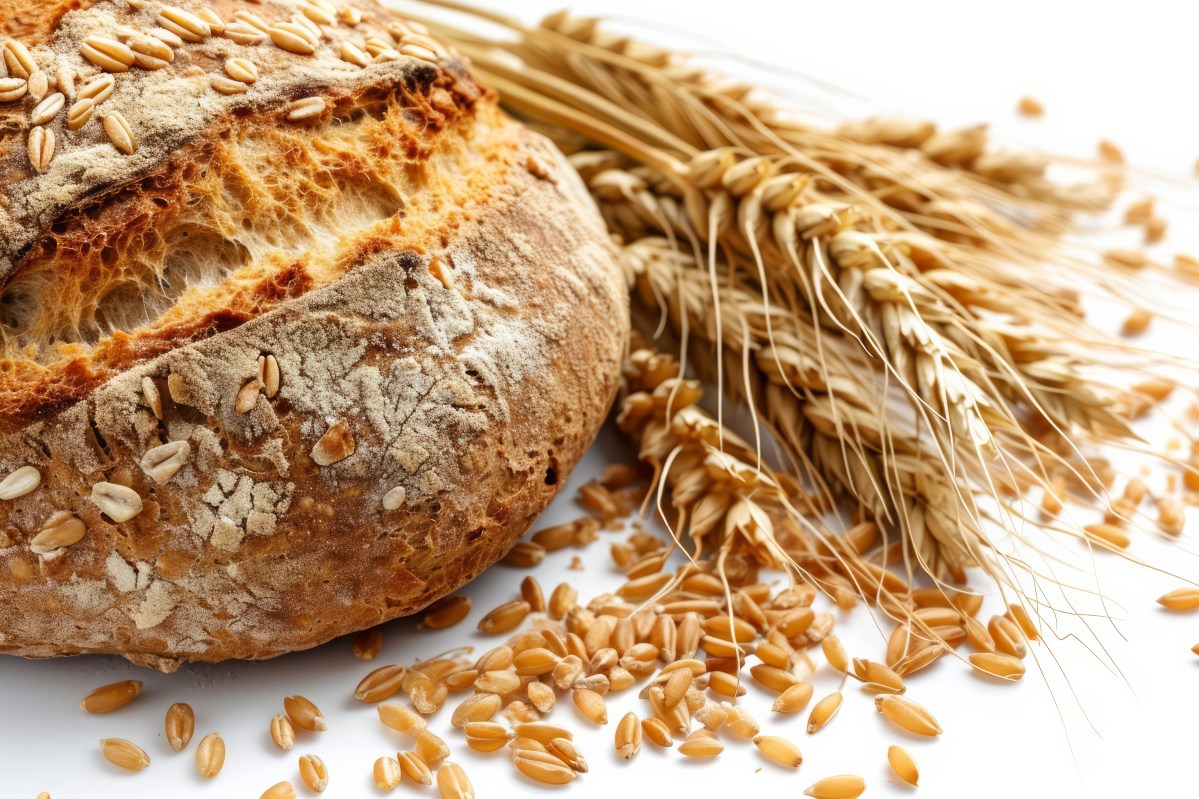
Milling, Baking, Planting Organic Wheat: What Farmers Need to Know

When organic wheat growers choose a variety, they aren’t just planting seed—they’re planting bread, tortillas, and the reputation of their crop in the marketplace. That’s why milling and baking quality matter as much as yield. Extension Specialists and Wheat Researchers have been digging into an important question for growers: how do milling quality and baking quality fit into variety choice, especially for organic systems? These traits, along with protein and yield, play a direct role in what millers want and what farmers get paid for.
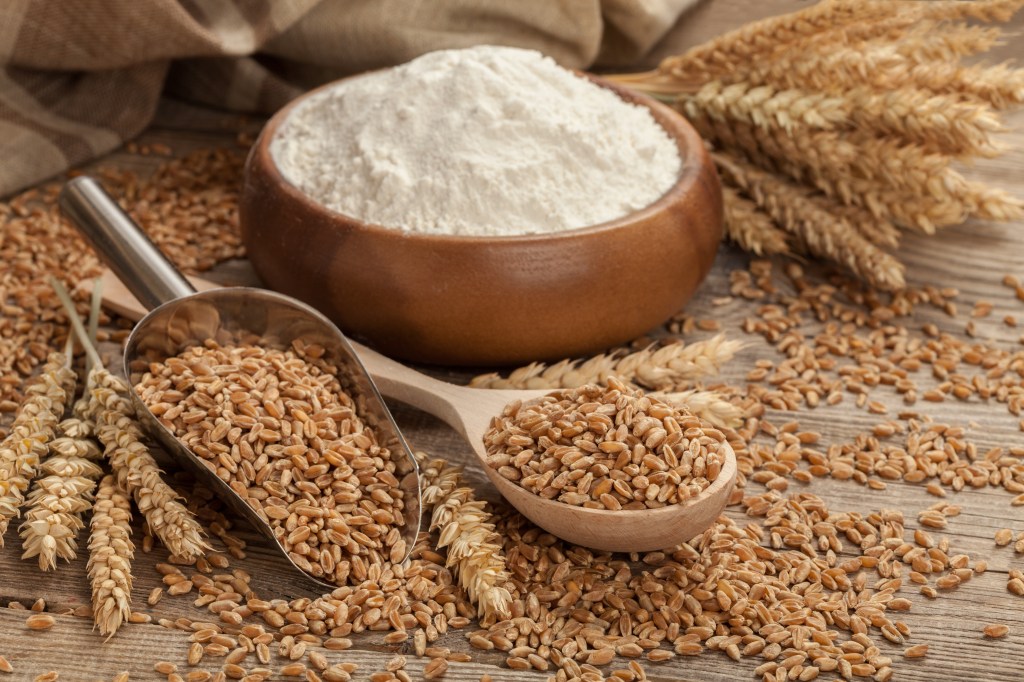
Milling Quality vs. Baking Quality

  • Milling quality is about how efficiently a kernel turns into flour. Seed size, uniformity, and hardness all affect milling yield.
  • Baking quality is about what happens in the bakery—how dough handles, rises, and produces bread or tortillas that buyers want.

Testing happens at several levels. The Cereal Quality Lab at College Station does preliminary evaluations, while the USDA and Wheat Quality Council conduct full baking and milling trials with multiple mills and bakeries. Every TAM variety is rated, and those scores directly influence variety release decisions.

Variety Highlights for Organic Wheat Growers

TAM 114

Mid-season hard red winter wheat prized for excellent milling and baking quality, solid yield potential, and strong adaptability.

  • Strengths: Excellent dough properties, solid straw strength, good grazing ability, drought tolerance, and winterhardiness. Moderately resistant to stripe, leaf, and stem rusts as well as Hessian fly; good acid soil tolerance.
  • Consistently appears on “Pick” lists for irrigated and limited irrigation systems thanks to its stable performance.
TAM 115

A dual-purpose variety offering both grain yield and grazing potential, with enhanced disease and insect resistance.

  • Strengths: Excellent milling and baking quality, large seed, high test weight, strong drought tolerance, and resilience against leaf, stripe, and stem rust, greenbug, and wheat curl mite (which contributes to Wheat Streak Mosaic Virus (WSMV) resistance).
  • Adapted across High Plains, Rolling Plains, Blacklands, and even Western Kansas/Eastern Colorado. Performs well under irrigation and good dryland conditions—but less reliable under severe dryland stress due to lower tillering capacity.
TAM 205

TAM 205 is a newer dual-purpose variety known for its strong milling and baking quality paired with unmatched disease resistance. It is highly adaptable across systems and is a strong option for both grain and forage.
Strengths:

  • Exceptional milling and baking quality
  • Good forage potential
  • Broad resistance (leaf, stripe, stem rust; WSMV; Fusarium head blight)
  • High test weight and large seed
TAM 113

A reliable dryland performer with good grain and forage potential, especially under stress.

  • Strengths: Solid grain yield, decent milling quality, and forage use. Early maturing with strong emergence and tillering – valuable in challenging environments. Offers resistance to stripe, leaf, and stem rusts.
  • Remaining a steady Dryland “Pick” in High Plains trials thanks to its adaptability.

Reminder: Organic farmers need to make seed purchase arrangements early (well before planting season) to ensure they have an adequate supply of untreated seed.

Protein Content vs. Protein Functionality

Farmers often watch protein percent, but researchers emphasize that protein functionality—how protein behaves in dough—is more important. While there’s no easy field test for this, variety choice remains a strong predictor.

When evaluating economics, consider total protein yield (bushels × protein percent). Sometimes a lower-yielding but higher-protein field can be more profitable than a high-yield, low-protein one.

Of course, protein levels don’t appear out of thin air. They’re the result of fertility, management, and soil health—areas where organic systems work a little differently than conventional.

Nitrogen and Organic Systems

One point of clarification: organic wheat does not suffer from a “late-season nitrogen challenge” so much as it requires planning ahead for higher yields. Excellent varieties and management can unlock yield potential, but only if soil fertility is built to support them.

  • Cover crops can provide up to 100 lbs of nitrogen per acre.
  • Manure composts from chicken or dairy sources can supply around 40 lbs of nitrogen per 1,000 lbs applied.
  • These are slow-release, biologically active forms of nitrogen. They need to be managed in advance so nutrients are available as the wheat grows.
  • Liquid organic N sources exist, but they are generally too expensive to justify based on the modest yield increases in wheat.

This means success in organic wheat fertility comes from building the soil and feeding the crop over the long term, not chasing protein with late-season nitrogen shots. The key takeaway is that organic fertility is a long game—cover crops and compost must be planned well in advance to match the yield potential of high-quality varieties like TAM 114 and TAM 205.

TAM Varieties and Seed Saving

Beyond fertility, seed access and seed-saving rights also matter to organic growers when planning for the future. All TAM varieties are public releases and not under Plant Variety Protection. Farmers can legally save and replant TAM seed for their own use. This is especially valuable in organic systems where untreated seed availability can be limited.

Why This Matters

In conventional systems, buyers reward bushels. In organic systems, millers and bakers want quality along with yield. Understanding both milling and baking traits—and managing fertility to match variety potential—helps organic growers capture more value.

As we look ahead, TAM 114 remains a cornerstone for organic production, but TAM 205 is quickly emerging as a variety that combines yield, quality, and resilience. With the right fertility planning and variety choice, Texas organic wheat can continue to meet both market demand and farmer profitability.

By combining resilient TAM varieties with thoughtful organic fertility planning, Texas wheat growers can continue to deliver grain that is profitable on the farm and dependable in the marketplace.

Resources for Growers

Organic Weed Control Does Not Start with Herbicides!

I am constantly asked about organic herbicides. I am tempted to shout back, “there are no organic herbicides!” Unfortunately, I would be wrong since the rules do allow for some “organic herbicide” use but overall, I AM RIGHT! The restrictions on using organic herbicides in a certified organic operation should and pretty much do eliminate their use. Here are some guidelines to consider.

Regulatory Framework (7 CFR §205)

The National Organic Program (NOP) requires that organic producers rely primarily on cultural, mechanical, and biological practices for weed control—not routine chemical herbicides. Synthetic substances are prohibited unless explicitly listed on the National List (7 CFR §205.600–607), and nonsynthetic (natural) materials are permitted only if they are not specifically prohibited in §205.602 and are included in guidance like NOP 5034‑1.

What Constitutes Allowed “Herbicides”

  • Soap-based herbicides, which are naturally derived, are allowed—but only for limited situations such as farmstead maintenance, roadways, ditches, building perimeters, and ornamental plantings—not for use in food crop production Legal Information.
  • Other natural herbicidal ingredients—acetic acid (vinegar), essential oils such as garlic or clove, corn gluten meal—may be formulated into commercial products (often OMRI-listed), but their use is still optional and must comply with producer’s approved Organic System Plan (OSP).

Why Use of Organic Herbicides Is Limited by the OSP

  • The Organic System Plan (OSP) is mandatory and must list all substances used in operation. Certifiers evaluate this list, and only substances compliant with 7 CFR §205—including NOP guidance and National List—may be approved National List .
  • Even when a natural herbicide is listed (e.g., an OMRI‑listed product), it must be justified as necessary. The NOP mandates that cultural, mechanical, and biological methods be used first. Only if these methods prove insufficient should pest, disease, or weed control materials—even those allowed—be considered.

Operational Examples

  • A certified organic field might prioritize crop rotation, mulching, flame cultivation, inter-row mechanical cultivation, and cover cropping, with organic herbicide used only for spot treatment of particularly stubborn weeds—such as a few patches too difficult to manage manually. Typical examples are spraying organic herbicides around wellheads, pivot pads, fencerows, etc.
  • Broad, wholesale use of even natural herbicides in food crop production would usually exceed what is allowable under the OSP. It could lead to certification issues or require pre-approval by the certifier.  The general rule is to always check with your certifier but in this case your certifier is not going to allow you to use organic herbicides across your fields!

The Why — Benefits of This Restriction

  1. Preserves ecological balance: Overreliance on even natural herbicides can inadvertently harm non-target organisms like beneficial insects or soil microbes. Just imagine what a soap based, or acid based, or oil based organic herbicide would do to beneficial insects? Also, these organic herbicides do not discriminate – they will kill your crop along with the weeds.
  2. Resonates with organic principles: Organic agriculture emphasizes building soil health, biodiversity, and resilience—principles supported through non-chemical or even organic chemical approaches.
  3. Regulatory integrity: Standardizing allowable inputs assures consumers that “organic” means minimal allowable impact and reliance on natural systems rather than chemical solutions.

Summary Table

ConceptExplanation
Organic HerbicidesOnly certain types (e.g., soap-based) allowed and limited to non-food areas like roadways or ornamentals.
OSP ConstraintsMaterials must be listed and justified; broad use requires regulatory approval.
Order of Control MethodsCultural → mechanical → biological → chemical (only if necessary).
Why RestrictedEnsures ecological integrity, respects organic philosophy, and upholds certification standards.

Insights on inter-row electrical weeding as a non-chemical weed management tool in organic cotton.

by Ryan Hamberg – Graduate Research Assistant and PhD Candidate at Texas A&M University working in weed control research.

Inter-row cultivation is a “go-to” tool in organic production systems. However, repeated soil disturbance is bad for soil health, leading to erosion, organic matter loss, and more. Practices that maintain or enhance soil health are at the forefront of organic production systems. The problem is that few non-chemical tools exist to manage inter-row weeds organically without soil disturbance.

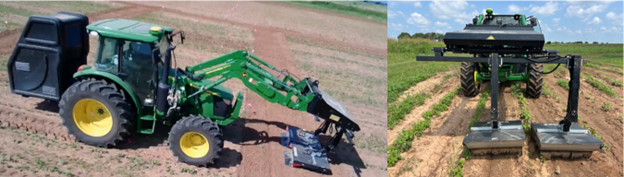
Figure 1. The Zasso inter-row electrical weeding prototype. (Left) The generator is located at the back of the tractor and the front applicator attachment. (Right) This unit is designed for small plot research and covers just two rows

Research is underway at the Texas A&M University Research Farm, where a “first-of-its-kind” prototype inter-row electrical weeder (EW) in cotton is being tested (Figure 1). This prototype unit was designed through collaboration with Zasso (Indaiatuba, Brazil) and purchased through the support of AgriLife Research and Cotton Incorporated. The prototype includes a large generator and transformer that is powered by the tractor PTO, with the applicator attached to the front loader (Figure 1). Many growers may already be familiar with the Weed Zapper or similar tools that can manage weeds present above the canopy (Figure 2). Though both technologies use electricity, this EW prototype uses a distinctly different delivery method and can kill weeds present between the rows, allowing for control of weeds present below the crop canopy.

Figure 2. A more common electrical weeder design that only targets weeds taller than the crop canopy.

Numerous experiments are currently being conducted to test this prototype unit to determine the feasibility of using this technology in organic row crops, including cotton. The study highlighted in this article aims to determine how EW compares to traditional cultivation methods. Treatments were applied at the early post-emergence timing, when cotton was at the 4-leaf stage. The treatment structure was as follows:

  • One pass EW @ 0.8 mph
  • Two-pass (double-knock) EW @ 0.8 mph – 2nd pass immediately after
  • Two-pass (double-knock) EW @ 0.8 mph – 2nd pass 3 days after
  • One pass EW @ 2 mph
  • Two-pass (double-knock) EW @ 2 mph – 2nd pass immediately after
  • Two-pass (double-knock) EW @ 2 mph – 2nd pass 3 days after
  • One pass inter-row cultivation
  • One pass EWC @ 3.5 mph
  • Two-pass (double-knock) EW @ 3.5 mph – 2nd pass immediately after
  • Two-pass (double-knock) EW @ 3.5 mph – 2nd pass 3 days after
  • Nontreated control

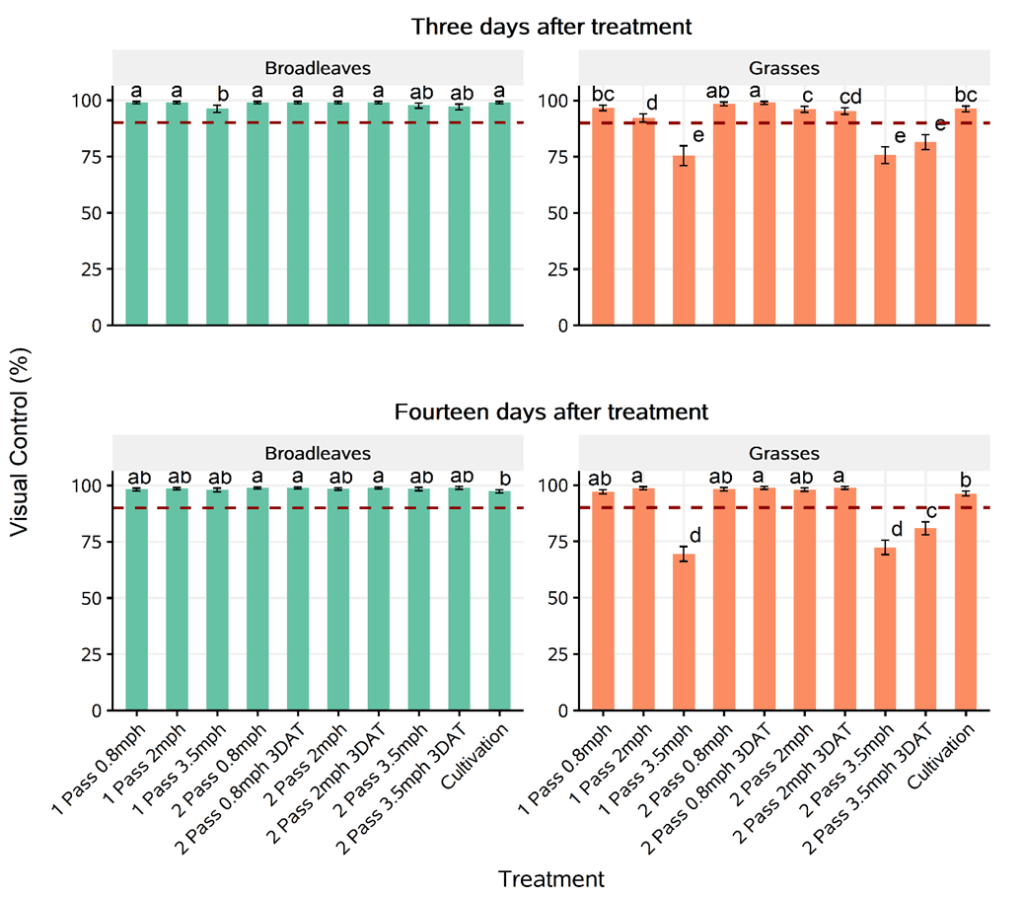
The field tested in this experiment was infested with hophornbeam copperleaf, ivyleaf morningglory, Palmer amaranth, Johnsongrass, and Texas panicum. Weeds ranged in height from 5 to 10 cm at the time of application. Between-row weed control was evaluated at 3 and 14 days after treatment (DAT). Broadleaf weed control exceeded 95% across all treatments at both evaluation timings (Figures 3 & 4). In general, electrical weeding performed comparably to cultivation for broadleaf control, except for a single pass at 3.5 mph. Control of grasses varied across treatments at both timings. Grass control at 0.8 and 2 mph was slightly higher (~ 3%) with two passes of EW compared to a single pass of cultivation. Electrical weeding at 3.5 mph reduced grass control to 70% with one pass. Even with two passes at 3.5 mph, control ranged from 74% to 81% (Figure 3). Some concerns over potential current transfer into crop roots were raised, and therefore, cotton injury was also assessed at 3 and 14 DAT. Cotton injury never exceeded 1% of the plot and was generally <1% overall (Data not shown). The cotton injury observed was always due to contact with the electrode of the EW and there was no indication that root transfer was occurring.

The present study indicates that inter-row EW holds promise as a non-chemical weed control option in row crop systems. The EW performed as well as inter-row cultivation on broadleaf weeds while minimizing soil disturbance. Reduced grass control at faster travel speeds suggests that slower applications are necessary when grass weeds are present. Previous research has found grasses as more tolerant to other thermal weed control tools such as flaming (Ulloa et al., 2010). Overall, the feasibility of the EW has been demonstrated. Ongoing and future research will assess the potential role of this tool within integrated weed management programs specifically designed for organic cropping systems.

Figure 3. Visual control ratings of broadleaf and grass weeds following electrical weeding at varying travel speeds compared to cultivation. The red dashed line represents the 90% control threshold.

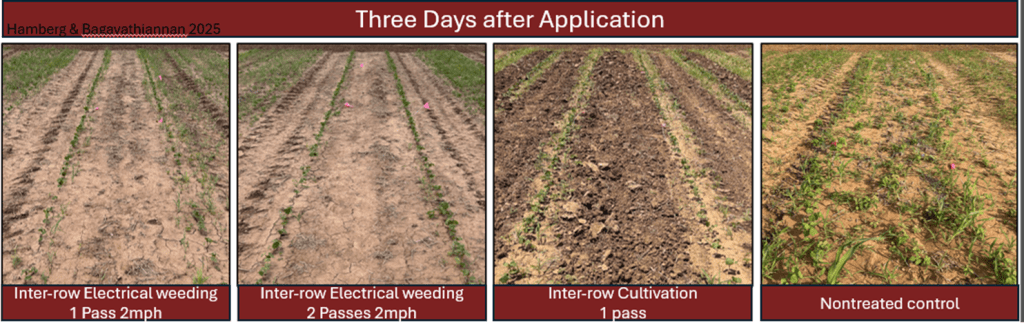
Figure 4. Plots showing weed control treatments three days after application.

Planning Organic Production with a Practical Price Index

In Extension, we’re often asked to help farmers and food businesses plan for the future—whether it’s transitioning acreage to organic, developing budgets, or evaluating the economics of new practices. One of the most common challenges we face is this: how do you plan for prices in an unpredictable market?

While no one can forecast future prices with certainty, that doesn’t mean we’re flying blind. We base our planning on something measurable, reliable, and rooted in history—and in organic agriculture, one of the most useful tools for this is a broad price index or multiplier.

Why Use a Price Multiplier?

Organic markets—like all markets—fluctuate. Prices are affected by everything from weather and input costs to consumer demand and global trade. But when we look at long-term trends, we begin to see patterns that can inform sound decision-making.

When we have access to strong market data—such as for organic corn, cotton, dairy, and many fruits and vegetables—we can use that data to create benchmarks. These help answer practical questions:

  • What kind of price can I reasonably expect if I go organic?
  • How much more can I budget for input costs and still break even?
  • Will this transition pencil out?

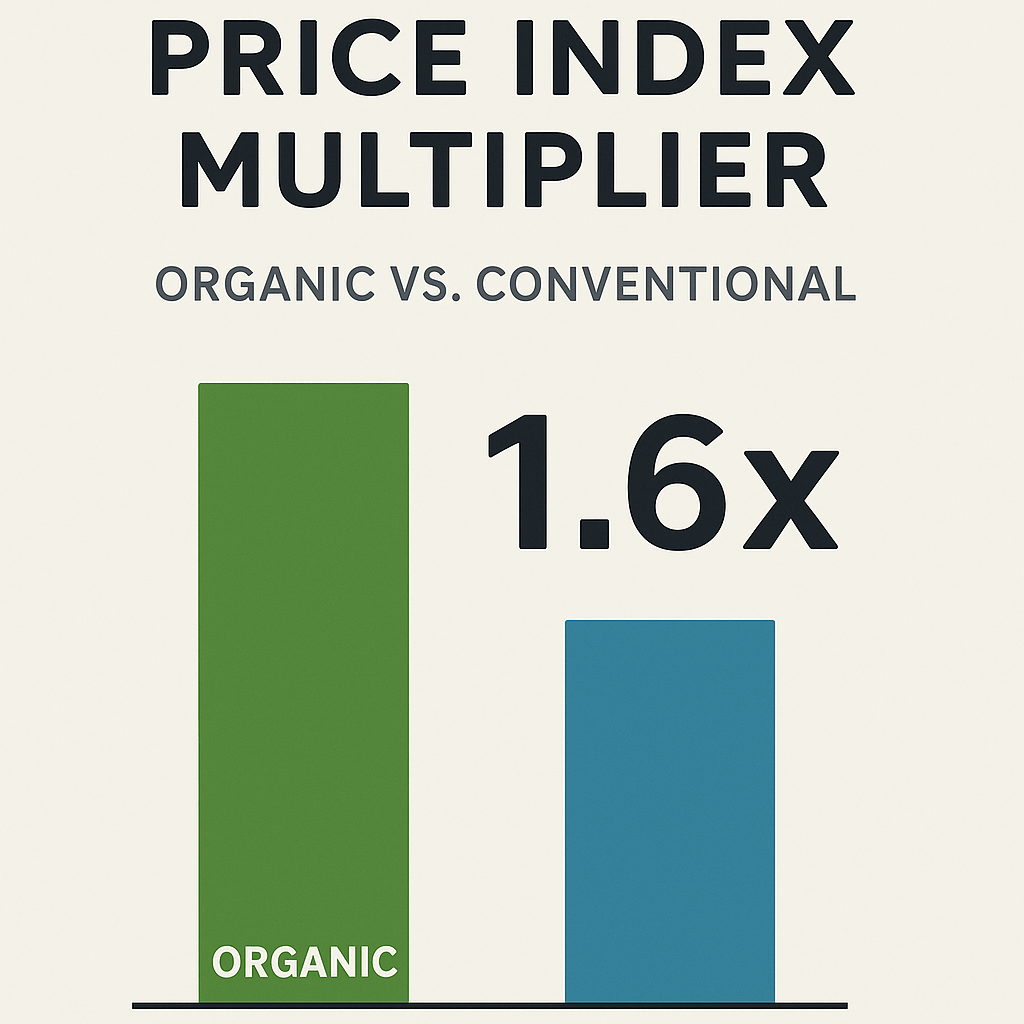
To answer these questions, we need a reference point—and that’s where a 1.6 multiplier comes in.

What Is the 1.6 Organic Multiplier?

The 1.6 multiplier means that organic farmgate prices tend to average about 1.6 times higher than conventional prices for many major commodities over the long run. That’s a 60% premium, based on real market data and USDA price tracking over the past decade or more. I happened to stumble onto this idea when I read an article in Progressive Dairy about conventional milk price forecasts through 2025. (Click to Read) This article made me wonder if I could use historical organic dairy milk prices in relation to conventional dairy milk prices and use this ratio to predict future organic prices. It was amazing to see what I kind of knew, that organic prices do follow with conventional prices for the most part!

So, this is not a guess. It’s backed by:

  • USDA AMS organic market summaries for corn (1.6 is pretty stable for corn) and cotton (less stable as prices have been higher making the index 1.6-2.0 or higher).
  • National organic dairy price reports, which show organic milk regularly selling at 1.5 to 1.65 times the price of conventional.
  • Industry-wide organic vegetable and fruit pricing that shows farmgate premiums in the 1.5 to 1.7 range across categories like tomatoes, lettuce, and apples.

Whether you’re planning production, analyzing risk, or applying for a grant or loan, this index provides a realistic baseline. It is not too optimistic or too pessimistic and is useful for planning purposes.

When This Index Works—and When It Doesn’t

The 1.6 multiplier is a planning tool, not a crystal ball. It works best:

  • When building enterprise budgets for row crops, dairy, and produce.
  • When discussing profitability potential with transitioning farmers.
  • When negotiating contracts or thinking through insurance or risk tools.
  • In extension workshops, to help audiences grasp market potential quickly.

However, this index doesn’t capture every situation. Local sales, direct markets, specialty crops, and extreme weather or supply chain issues can cause premiums to fall below or rise above the average. Sometimes, organic produce in a saturated market may only bring in a 10–20% premium, while other times a rare variety or short supply can push that number above 2x (or higher) the conventional price.

Why It’s Still Useful

Despite those swings, planning requires a number—and the 1.6 index is a solid, evidence-based starting point.

When I help producers set up organic systems, I don’t want to promise the moon. Instead, it is better to offer realistic projections grounded in long-term national trends.

Always I encourage producers to:

  • Adjust their projections up or down depending on crop, region, and market access.
  • Keep checking updated USDA-AMS, Argus Media, or buyer data each year.
  • Use the 1.6x benchmark as a baseline, not a guarantee.

Final Thoughts

As organic agriculture continues to grow, tools like this price index become more and more valuable. They help all of us in organic talk apples to apples with producers, gins, co-ops, lenders, and buyers. They also help demystify what can sometimes feel like a complex or volatile market.

My plan and my job is to keep helping farmers make decisions that are smart, sustainable, and rooted in good data.

Turning Oilfield Wastewater into Agricultural Opportunity

As farmers in the Texas know all too well, water is the lifeblood of our land—and it’s in short supply. But what if one of the most abundant waste streams in our region could be cleaned up and used to grow crops? That’s the question being tested right now in several pilot projects across Texas, where treated oilfield wastewater, called produced water, is being evaluated for agricultural use.

WaterTectonics at a site in Midland treating Produced Water for reuse in a fracking operation. Similar to what might be done in agriculture. Picture from https://www.watertectonics.com/project/texas-produced-water-reuse-treatment/

What is Produced Water?

Produced water is the salty, chemical-laden byproduct that comes up with oil and gas during drilling operations. The Permian Basin alone generates around 24 million barrels of this water every day—that’s equivalent to roughly 1 billion gallons, about 37,196 acre-inches, or over 3,100 acre-feet daily. Historically, this water has been disposed of underground, but with growing water needs and improving treatment technologies, many are asking: can we make this water safe and useful for agriculture??

New Pilot Projects in Texas Agriculture

Thanks to recent legislation (notably SB 1145, effective Sept. 1, 2025), Texas is laying the groundwork for farmers to eventually use treated produced water. But for now, only pilot projects are permitted—and here are some of the most important ones:

OrganizationPilot ScopeLocationCrops or Focus
Texas Pacific Water Resources (TPWR)Treating water with reverse osmosis; testing 400+ contaminantsMidland and Pecos River areaAlfalfa, native grasses (greenhouse & outdoor)
Deep Blue OperatingIrrigation pilot using up to 27,300 gal/dayMidland CountyCotton, bermuda grass, alfalfa, wheat
Texas Produced Water ConsortiumResearch coordination, data analysisMultiple West Texas sitesSupports 5 pilot sites with varying treatment systems
TETRA & EOG ResourcesDesalination pilot with high recovery ratesPermian BasinRangeland grasses (greenhouse testing)
Aris Water Solutions & GarverMembrane & thermal treatment systemsPermian BasinSystem design; seeking TCEQ irrigation permits
General Land Office & EOG Resources1-acre soil/crop health trialReeves CountyMonitoring nutrient uptake and plant health

These pilot projects are being carefully watched—not only by state regulators but by farmers, environmental scientists, and rural water managers. If successful, they could help shift produced water from being a liability to a resource.

Opportunities for High-Value Ag

For Texas (particularly West Texas) growers, the implications are huge. While piping treated produced water to distant farms is one possible use, its greatest potential may lie right at the source—near oilfields. These areas often have access to electricity, trucking infrastructure, and available land. That makes them ideal for developing high-value production systems where water and logistics are already in place. In this context, treated produced water could potentially support:

  • Alfalfa for hay export or dairy feed
  • Hydroponic cotton in controlled environments—growing cotton without soil in greenhouses using treated produced water. This approach, pioneered in Spain by Magtech and now being explored by researchers in Texas, can increase cotton yield up to 60 times per plant while reducing water use by as much as 70%. With greenhouse infrastructure, electricity, and logistics already in place at oilfield sites, hydroponic cotton may offer a promising high-value use for treated produced water.
  • Small grains for forage or cover crop use—including some hydroponic or germinated forage systems grown in controlled buildings, which allow rapid biomass production using minimal land and continuous water supply
  • New specialty crops on reclaimed or marginal land—such as tomatoes, cut flowers, ornamentals, and guayule—offering high-value returns in controlled or niche markets
  • Controlled Environment Agriculture (CEA) in Containers/Buildings — Treating produced water and using it in hydroponic or aeroponic systems within shipping containers or retrofitted buildings.

However, it’s not without concern. Produced water contains salts, heavy metals, even traces of radioactive materials and PFAS (so-called “forever chemicals”). These pilot projects are focused on whether new treatment technologies can remove or neutralize those contaminants. No broad use is permitted yet—only tightly monitored experiments.

What Happens Next?

Texas regulators (RRC and TCEQ) are developing rules for future land application. Meanwhile, the Texas Produced Water Consortium at Texas Tech is coordinating research and setting potential standards. Full-scale use in agriculture will depend on:

  • Successful pilot results
  • Clear treatment and monitoring rules
  • Economic viability for farmers
  • Long-term environmental and crop safety

Bottom Line for Farmers

This is not ready for prime time—but it’s getting closer. If you’re farming in Texas near where there is Produced Water and facing water stress, this is an idea worth watching. You may soon have access to a new, local water source that was once just oilfield waste.

A New Organic Tool Against H5N1 in Calves: Citric Acid in Waste Milk

As organic dairy producers, you do a lot with less—less antibiotics, less synthetic inputs, and often less infrastructure than our conventional neighbors. But you are no less committed to calf health and biosecurity. And now, with the emergence of the H5N1 avian influenza strain in dairy cattle, we all are facing a new challenge that demands creative, organic-compliant solutions.

I read about a possible treatment for organic dairy producers in an article written by Maureen Hanson in the May/June Bovine Veterinarian1. A very practical tool we have at our disposal is citric acid powder—an affordable, National Organic Program (NOP)-allowed substance that can be used to acidify waste milk and protect our calves from pathogens, including the H5N1 virus.

The Problem: Infected Milk Transmits H5N1

USDA researchers have confirmed that H5N1 is shed in the milk of infected cows—even up to two weeks before those cows show any signs of illness. In a controlled study, Holstein calves fed raw milk from infected cows contracted the virus within days. Although symptoms were mild—fever, nasal discharge, lethargy—the virus was confirmed in lung, lymph, and tonsil tissue. All calves had to be euthanized for analysis.

What does this mean for organic dairy farmers? If we’re feeding raw, unpasteurized waste milk—especially from cows not yet showing symptoms—we may be unknowingly exposing our calves to a highly contagious virus.

The Challenge: Most Organic Farms Don’t Pasteurize Waste Milk

Pasteurizers are expensive, and many small to mid-sized organic dairies don’t have them. In fact, even fewer than 50% of large-scale dairies pasteurize their waste milk. So what’s the alternative?

The Solution: Citric Acid Powder – Affordable, Organic, and Proven

Researchers at UC Davis have confirmed that acidifying waste milk with citric acid to a pH of 4.1–4.2 completely inactivated the H5N1 virus—and it did so within six hours in controlled lab trials2. This method worked not just on typical waste milk, but also on colostrum and milk from treated cows—broadening its relevance for real-world dairy operations.

For organic producers without access to pasteurization equipment, this presents an ideal alternative:

  • Application Rate: 6 grams of food-grade citric acid per liter of milk (be sure to test milk pH after adding)
  • Target pH: 4.1
  • Effectiveness: Deactivates H5N1 and reduces other pathogens (see below)
  • Cost: ~10 cents per liter (this depends on the rate and cost to purchase)
  • Time Required: Six hours contact time before feeding

Citric acid is approved under the USDA National Organic Program and is easy to source, store, and apply. It requires no heat, no specialized equipment, and is safe for both calves and farm workers.

Citric acid powder sometimes called “lemon salt”

UC Davis researchers concluded that acidification is a practical, sustainable, and accessible tool to prevent the spread of H5N1 and other harmful microbes in preweaned calves. Compared to more complex systems like lactoperoxidase activation, citric acid stood out as the most straightforward and consistently effective method. UC Davis researchers are planning to conduct more tests but so far this treatment looks to be a way to prevent future infections.

Why This Works for Organic Producers

Citric acid is permitted under the USDA National Organic Program for this kind of use. It’s also widely available, easy to store, and can be scaled up or down depending on how much milk you’re feeding.

In organic systems, where animal health starts with prevention and careful management, this method offers a simple and economically viable tool for protecting calf health and stopping the spread of disease without compromising organic integrity. Be sure to source “feed grade” or “food grade” with the organic seal to ensure it is the right product and can be used in organic feeds.

Beyond H5N1: Broader Pathogen Control

Acidifying milk doesn’t just stop H5N1. It helps reduce bacterial loads in general—particularly Salmonella, E. coli, and Mycoplasma—which can all challenge young calves. In other words, citric acid is a broad-spectrum line of defense, not just a response to a single threat for waste milk fed to calves.

Final Thought: Protecting Calves in Beef-on-Dairy Programs

In today’s dairy world—organic or not—many producers are using sexed semen to retain replacement heifers and breeding the rest of the herd to beef sires. The resulting calves often leave the dairy within a few days as part of beef-on-dairy programs, where they are raised off-site for beef markets.

That means the responsibility for disease prevention starts on the dairy, even if the calf doesn’t stay there long. If calves receive waste milk contaminated with H5N1 in those first critical days, they could carry the virus into the next phase of production—putting entire systems at risk.

By acidifying your waste milk with citric acid, you can cost-effectively reduce that risk from day one. It’s a low-cost, NOP-compliant biosecurity step that protects animal health, supports the beef-on-dairy market, and upholds the integrity of your organic operation.

As always, I need to remind certified organic producers to check with their certifiers before making any changes to their Organic System Plan and check with your veterinarian who develops your herd health plan.

We have the tools. Let’s use them wisely.


  1. Inspired by: “Calf Milk Poses H5N1 Risk, Too” by Maureen Hanson – Bovine Veterinarian, May/June 2025
    https://www.bovinevetonline.com ↩︎
  2. Crossley, B.M., Pereira, R.V., Rejmanek, D., Miramontes, C., & Gallardo, R.A. (2025). Acidification of raw waste milk with citric acid inactivates highly pathogenic avian influenza virus (H5N1): An alternative to pasteurization for dairy calves. Journal of Dairy Science, 108(5), 3456–3465. doi:10.3168/jds.2025-00051 https://www.ucdavis.edu/news/killing-h5n1-waste-milk-alternative-pasteurization ↩︎