
Here are few things that are important but don’t need their own blog post. Take a quick look and see if they apply to you!
Table of Contents – Just click on one to read about it!
- Organic Dairy and Internal Parasites: Challenges, Practices, and What’s Next
- Texas Rice Recipe Contest
- ShaRE: The Shared Robotic Ecosystem for Smart and Collaborative Agriculture
- Investment Act to Expand Capacity and Compete Against Imports
Organic Dairy and Internal Parasites: Challenges, Practices, and What’s Next
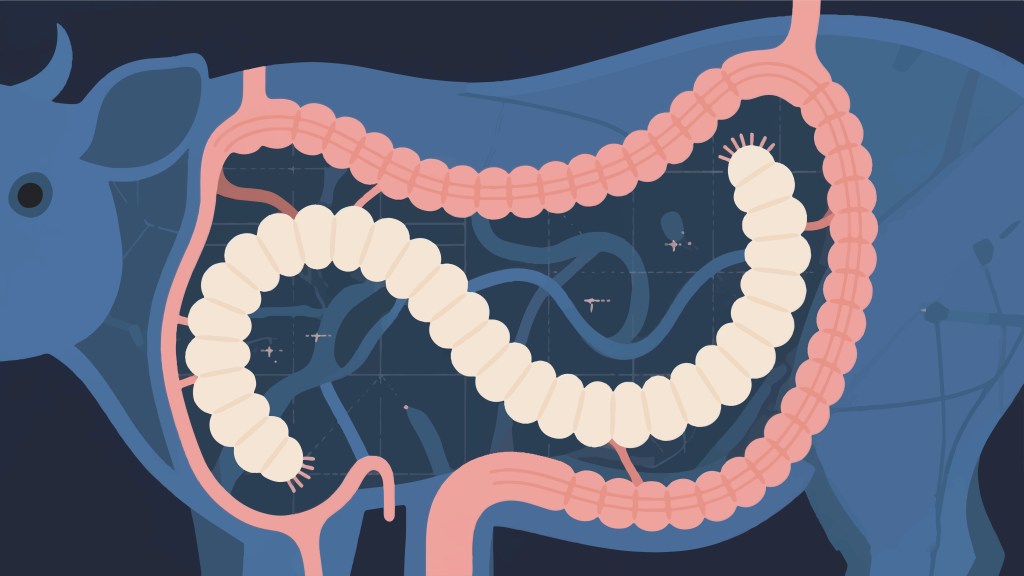
Parasite control remains one of the most persistent health challenges in organic dairy herds. Unlike conventional systems, treatment options are strictly limited under the National Organic Program (NOP). If unapproved treatments are used, the animal loses its organic status. Currently, fenbendazole, and moxidectin may be used on organic dairies, but only under emergency situations when preventive practices are not effective. Their use also comes with strict restrictions by USDA Guidance:
· Not allowed in slaughter stock.
· For dairy cows, milk or milk products cannot be sold as organic for 2 days after treatment.
· For breeder stock, treatment cannot occur in the last third of gestation if the calf is marketed as organic and cannot be used during lactation for breeding animals.
Mandatory outdoor access (at least 120 days of grazing annually) can increase exposure to parasites, especially in warm or wet climates.
Why Internal Parasites Matter
Internal parasites, such as gastrointestinal nematodes and coccidia, can reduce body condition, compromise milk production, and increase veterinary costs. Symptoms often include weight loss, poor thriftiness, or anemia. These problems can be amplified in years with high rainfall, when parasite populations thrive in pastures (even in dry climates like Texas). While conventional systems can rely on endectocides with varying formulations and withdrawal times, organic producers must navigate parasite control with far fewer pharmaceutical options.
Help Us Learn from You
We want to better understand how organic dairy producers are managing these challenges today. To do this, Texas A&M and UC Davis have teamed up to do a survey on internal parasite management and deworming practices on organic dairies. Sharing your experience will help us to identify practical and sustainable approaches that work for organic farms like yours
· The survey takes about 10–15 minutes to complete.
· Your answers will remain confidential.
Take the Survey: Just click the link below!
https://ucdavis.co1.qualtrics.com/jfe/form/SV_9SjgqBhzdWZW7Qi
Texas Rice Recipe Contest

Rice recipe contests have history and tradition in Texas. In 1951, The Texas Rice Promotion Association and the Abilene Reporter-News have announced a rice recipe contest. The contest was well documented and communicated in The Abilene Reporter-News. Recipes were received from fourteen towns and in multiple categories. The judges were overwhelmed by the success and diversity of recipes featuring Chinese, Hungarian, Syrian, Indian, Uruguayan and other recipes.
To read more about the history of rice recipe contests or to enter this contest just click this link: Texas Rice Recipe Contest
ShaRE: The Shared Robotic Ecosystem for Smart and Collaborative Agriculture
Dr. Lee sent me this request. They need farmers who are interested in robotic technologies (this includes your tractor guidance) to do the survey and get a gift card. Surely, we can help!

We are faculty members from Texas A&M University conducting a study under the Institute for Advancing Health Through Agriculture. This research focuses on understanding Texas farmers’ perspectives on robotic technologies in agriculture, as well as their overall health and daily work activities.
Why we are contacting you: We are currently seeking 500 local farmers or retired farmers in Texas to complete survey questionnaire.
What we are asking: We are seeking your assistance in sharing this opportunity with your network or community. Participants will receive a $10 gift card. The survey itself will take 10-15 minutes and include questions about robotic technologies in agriculture, farmers’ overall health and well-being, and daily work activities.
To start the survey just click this link: ShaRE Robotics
Thank you for considering this request. Your assistance in sharing this opportunity is invaluable to research efforts.
Kiju Lee, Ph.D., Associate Professor, Department of Engineering Technology and Industrial Distribution (ETID), Texas A&M University
Investment Act to Expand Capacity and Compete Against Imports

This article is from the Organic Trade Association1 and went out to the membership (I am a member) to highlight the work being done. I am excited about the potential and hope we have a chance for Texas organic to apply and win some of this grant money!
The culmination of more than two years of advocacy work, the introduction of the Domestic Organic Investment Act (DOIA) will put into action what the organic sector needs to thrive by investing in infrastructure to expand production capacity for farmers and manufacturers.
The bipartisan, bicameral bill introduced in the Senate by Sen. Tammy Baldwin (D-WI) and Susan Collins (R-ME), with Andrea Salinas (D-OR) and Derrick Van Orden (R-WI) as sponsors in the House, builds on the strength of the Organic Market Development Grant (OMDG) program introduced in 2023. This program, administered by USDA, helps solve supply chain gaps and drive organic growth through grants to organic farmers and businesses.
The DOIA legislation directs USDA to set annual priorities that reduce dependence on imports and reflect input from organic farmers, businesses, and other stakeholders. Additionally, the Act supports U.S.-based farmers and businesses who apply, including producers, producer cooperatives, and commercial entities (including tribal governments) who handle certified organic products. All grants will require matching funds from the farm or business recipient.
Two businesses that have benefited from the OMDG program – PURIS and Meadowlark Organics – are examples of how these investments have paid off and serve as a bellwether for the future success of the Domestic Organic Investment Act.
PURIS is committed to four times their OMDG $539K grant award to expand processing capacity for milled organic field pea fiber at their facility in Harrold, South Dakota. This was done by adding a fiber milling line to an existing organically certified pea handling facility. The upgrade transforms pea hulls, currently a product with little value, into a marketable, high-value organic pea fiber.
Currently, imported organic pea protein has been selling at prices 28-75 percent below U.S. producers for multiple years. The investment supported PURIS to create additional value from the supply chain while also helping to strengthen the domestic supply chain overall.
In the words of PURIS CEO, Nicole Atchison, “This grant has enabled PURIS to move the project from a mere concept to a tangible reality, significantly benefiting rural American manufacturing. The grant has not only accelerated our project timeline it provided a pathway to expand the value generated from the organic peas grown by PURIS farmers.”
In the case of Meadowlark Organics of Ridgeway, WI, USDA grant funds provided in 2024 helped the organic grain farm purchase three pieces of equipment to help increase the availability of locally grown organic grain across the Upper Midwest. The new equipment includes a gravity table, optical sorter, and a connecting bucket elevator to the farm’s existing cleaning facility and flour mill.
This increased capacity will enable the farm to partner with even more organic grain farmers across the region and ultimately connect a diversity of culinary grains with more customers. The expected growth in organic grains and livestock feed capacity is over 900,000 pounds, with a projected 35 percent sales increase.
As shared by Halee and John Wepking of Meadowlark, “We are farmers first, and vertically integrating from the grassroots up is capital intensive and technically challenging. This funding has allowed us to improve our grain cleaning infrastructure at a critical time for our growth and development. Debt financing these acquisitions on top of already existing farm debts was untenable, and the support of the USDA through this grant is something we need to see more of, to help add value to make farms more profitable.”
Those businesses are great examples provided by OTA in their article, but I will call attention to our own Texas OMDG recipients:
Diversifying Organic Supply Chains for Small Producers in the Rio Grande Valley. Triple J Organics, LLC, Mission, TX
Steelbow Farm: Expanding Access to Local, Organic Produce in Central Texas. Steelbow Farm LLC, Austin, TX
Promotion of Organic Yaupon Tea as a Domestic Alternative to Imported Tea Distributed to The Foodservice Industry. Yaupon Holly Tea, LLC, Cat Spring, TX
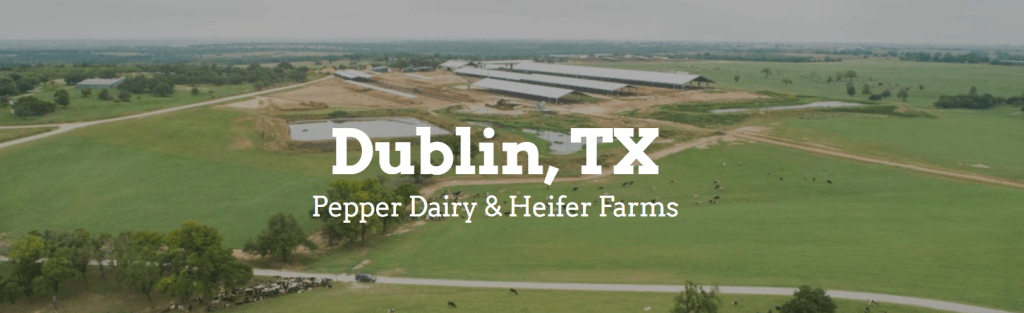
Enhancing Organic Dairy Production and Market Access in Texas. Armagh Fine Foods LLC dba Armagh Creamery, Dublin TX
Expanding Capacity and Improved Quality of Organic Cotton. RKH GIN LLC, dba Woolam Gin, Odonnell, TX
- https://ota.com/news-center/ota-champions-domestic-organic-investment-act-expand-capacity-and-compete-against?utm_source=news-flash&utm_medium=ota-email&utm_campaign=news-center-advocacy ↩︎














 Texas A&M AgriLife Organic