The organic label is more than just a marketing term; it is a rigorous standard of quality that reflects sustainable and environmentally friendly practices across the agricultural sector. The USDA’s National Organic Program (NOP) is at the heart of this movement, ensuring that products labeled as organic meet stringent, federally regulated guidelines. This unified regulatory framework is crucial not just for maintaining the integrity of the organic label but also for investing in and supporting a diverse array of stakeholders involved in the organic supply chain—from farmers and researchers to retailers and consumers. Tools such as the USDA Organic Consumer Outreach Toolkit play a vital role in promoting these standards, ensuring that the value of organic products is clearly communicated and understood by the consumer but also by those outside looking in and examining the organic program family!
The Unified Regulatory Framework of Organic Agriculture
Organic agriculture operates under a comprehensive framework established by the NOP, which enforces consistency across the entire supply chain. This uniformity ensures that whether one is dealing with an organic dairy farm in Texas or a producer of organic vegetables in California, or a feed manufacturer in Illinois, all parties are held to the same high standards. This regulation not only supports the integrity of organic products but also helps streamline processes for stakeholders at all levels, including brokers, wholesalers, manufacturers, and retailers. The ability to trust in the label “organic” comes from this rigorous oversight and the commitment to upholding these standards universally.
Collaborative Efforts Across Stakeholders
One of the most remarkable aspects of the NOP’s structure is its collaborative nature, which fosters engagement across a broad spectrum of stakeholders. This collaboration includes:
Educational institutions and specialists: As an organic specialist with a land grant university, my role involves educating and guiding future and current farmers on best organic practices. Even specialists without organic in their title like agronomists, entomologists or plant pathologists contribute to organic knowledge and expertise. More and more these folks are finding ways to work with our natural plant and animal systems advancing organic agriculture.
University researchers are doing tremendous work and through their efforts organic ag is advancing faster and faster. I know, because of the many current organic grant projects just in Texas. Other research bodies, both public and private research, also are a part of this huge collaboration to advance organic agriculture from the farm all the way to the table.
Organizations and associations like the Organic Trade Association (OTA), The Organic Center (TOC), Organic Farm Research Foundation (OFRF) and many other non-profits work tirelessly to promote organic production practices and products, help foster collaborations, and advocate within the halls of government.
Certification entities and even certification inspectors all work together with growers and handlers to ensure that the system is protected from simple mistakes to outright fraud protecting a consumer based and backed program. They are not doing this just for themselves but for the grower and handler who needs the consumer to buy their products because they are certified organic.
Education and Outreach: Tools for Sustaining Organic Integrity
The USDA Organic Consumer Outreach Toolkit exemplifies the educational tools that are crucial for sustaining the integrity of the organic label. This toolkit is designed to educate stakeholders along the supply chain and inform consumers about what the organic label represents. Clear, consistent messaging helps to ensure that the organic label retains its value and significance in the marketplace. For instance, retail employees can use the toolkit to better explain the benefits of organic products to customers, reinforcing trust and understanding.
I will admit this is a tough one! We do not have the support systems and advisory services we need within the organic community. Extension organic specialists and county extension agents and even private advisors and consultants to provide ongoing support and guidance, have been in short supply – but it is improving. This continual knowledge exchange is vital for keeping up with the fast-changing organic systems research, the new and innovative products for organic production, the regulatory environment we work within and of course, any and all emerging trends in organic agriculture.
Traceability and Transparency: Building Consumer Trust
A cornerstone of the NOP’s approach is the emphasis on traceability and transparency. From farm to retail store, every step of the organic product’s journey is documented (and includes a certified entity), ensuring that the products consumers buy are genuinely organic. This traceability not only helps in enforcing compliance with organic standards but also builds consumer confidence in the organic label. According to a recent consumer survey conducted by the Organic Trade Association 88% of all consumers know about the organic label and are willing to pay more because of their trust in the label.
Conclusion
The USDA National Organic Program’s structured approach to regulating and promoting organic agriculture underpins the integrity and trust in the organic label. By fostering a unified and collaborative framework, the NOP ensures that organic standards are not just ideals but practical realities that benefit the environment, producers, and consumers alike. As we look to the future, your continued support and participation in this program will be crucial for advancing sustainable agricultural practices and increasing organic farming, manufacturing, retailing and consumption. How? By realizing you are part of an “organic family” that promotes you and your business along with every other part of the value chain (traceability means you get promoted) all the way to the consumer who picks up your product and knows you are part of that product.
I know that all these rules and regulations and the piles of paperwork get overwhelming but know that this helps the consumer to feel a part of your production and ultimately your farm. Here are a few examples or Case Studies of what things may look like in the future as we try to invite the consumer to be part of this value chain known as Organic Farming.
Some real-world examples of building consumer trust
Case Study 1: Carrefour and Blockchain
Overview: Carrefour, (big in Europe and the Middle East) a global retail giant, launched a blockchain-based traceability system for several products, including organic fruits and vegetables. The system allows consumers to scan a QR code on the product packaging to access detailed information about the production process.
Key Features:
Farm to Fork Information: Consumers can see details about where and how the organic produce was grown, including the farm’s location, the farming practices used, and the harvest date.
Transparency and Trust: By providing a clear view of the supply chain, Carrefour enhances consumer trust in their organic label.
Case Study 2: IBM Food Trust and Walmart
Overview: Walmart joined the IBM Food Trust, a blockchain-based system, to improve the traceability of its food products. The initiative initially focused on conventional products but has extended to organic products to ensure their integrity.
Key Features:
Enhanced Traceability: The system tracks every transaction from the supplier to the store, ensuring that organic standards are maintained at every step.
Rapid Response to Issues: If an issue arises, such as a contamination risk, Walmart can quickly trace the product back to its source and manage the situation effectively.
Case Study 3: Ripe.io and Tomato Traceability
Overview: Ripe.io uses blockchain technology to provide transparency in the tomato supply chain. Although not exclusively organic, the principles applied can directly benefit organic markets by detailing each step of a tomato’s journey from seed to supermarket.
Key Features:
Detailed Product Insights: Information on when and how tomatoes were planted, cared for, harvested, and transported are all recorded.
Consumer Feedback Integration: Consumers can provide feedback on the quality of the product, which can be used to improve farming practices.
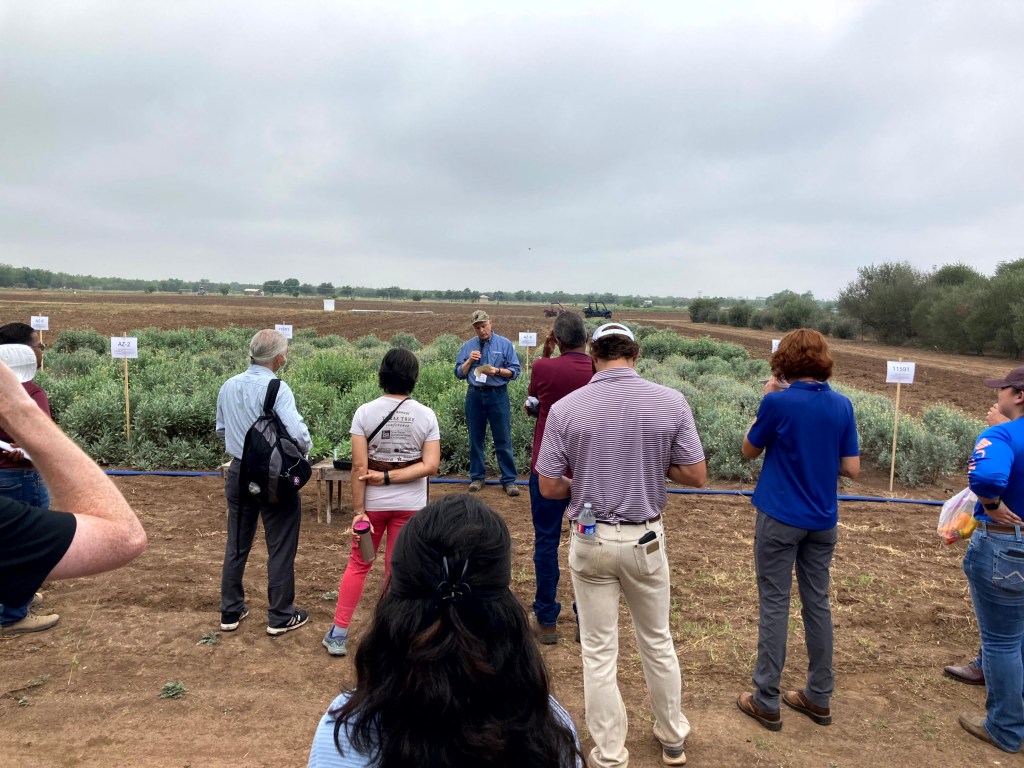
On May 2, 2024, I had the privilege of attending and speaking at the Texas A&M AgriLife Research and Extension Center in Uvalde – Vegetable Spring Field Day. The field day featured a morning walking tour of all the research going on at the center and one of the stops was extremely interesting and informative especially since it covered an area of agriculture I had never heard about. Del Craig with Bridgestone Company (maker of many brands of tires) was on hand to talk about their continued research into a plant called “Guayule,” and it was a fascinating introduction!
Guayule is a shrub native to the southwestern United States and northern Mexico. The correct spelling is Parthenium argentatum, and it’s indeed a source of natural rubber. Guayule is particularly interesting because it offers an alternative to the traditional rubber source, the Hevea brasiliensis tree, which is grown primarily in Southeast Asia.
Characteristics of Guayule
Habitat: Guayule thrives in semi-arid climates, making it well-suited for regions where few other economic crops can grow.
Appearance: It’s a woody perennial that can reach up to 3 feet in height. It has a silver-gray appearance due to its hairy leaves, which help minimize water loss.
Rubber Production: Unlike the rubber tree, guayule produces rubber biopolymers in its bark and roots rather than in its sap. This rubber is harvested by grinding the whole plant and using a solvent-extraction process. Del Craig explained that the whole plant is harvested like you would harvest hay and then taken to processing.
Environmental and Economic Benefits
Sustainability: Since guayule grows in semi-arid regions, it requires less water than traditional rubber crops, making it an environmentally friendly alternative.
Hypoallergenic Properties: The rubber from guayule does not contain the proteins responsible for latex allergies, making it safe for use in medical supplies like gloves and catheters.
Economic Potential: It offers economic benefits for arid and semi-arid regions, providing a viable crop option that can support local economies without the extensive use of irrigation.
Research and Applications
Research is ongoing into optimizing the cultivation and processing of guayule for rubber extraction. This includes genetic breeding for traits such as increased rubber yield and disease resistance.
Current applications of guayule rubber include tires, medical products, and even consumer goods like footwear and adhesives.
The Uvalde Center has been a good test site but Del explained on the tour that they are also establishing a project in the Rio Grande Valley and at the Lubbock Research and Extension Center. These multiple sites allow for lots of experimentation on varieties in different eco-zones.
Could it grow in the South Plains?
In the pursuit for sustainable agricultural solutions in regions like the South Plains of Texas with limited water resources, guayule could be a great alternative to consider. Native to arid environments and native to Texas, this drought-resistant shrub is ideally suited to the South Plains of Texas, where traditional water-intensive crops struggle. Mr. Craig told me personally that they are looking into the possibility of the Plains to Brownfield to Seminole area being ideal for production.
One of the most compelling attributes of guayule is its water efficiency. This plant thrives in semi-arid climates, utilizing very deep root systems that tap into lower soil moisture levels and leaves adapted to minimize water loss. These features allow guayule to sustain itself and produce economically valuable rubber with minimal irrigation, aligning perfectly with the water conservation needs of the South Plains.
Moreover, guayule is adaptable to various soil types, increasing its viability across different landscapes within the region. Its introduction could diversify agricultural practices, reduce economic risks from crop failures, and provide farmers with a new revenue stream through the production of biodegradable rubber products.
The environmental benefits of cultivating guayule are also noteworthy. By stabilizing soil and reducing erosion on marginal lands, it enhances soil health and supports the local ecosystem. Del Craig also commented that they have looked at the carbon sequestration ability of the plant and its deep and extensive root system makes it a winner. To fully integrate guayule into the South Plains, initiatives such as pilot projects to tailor cultivation techniques, local agronomic support, and the establishment of processing facilities are essential.
Creating an adapted and sustainable organic farming system requires a comprehensive approach that encompasses both the selection and maintenance of crop varieties and an understanding of their interaction with the local environment and soil microbiome. This post aims to guide organic growers in developing a resilient agricultural practice by focusing on crop variety adaptation, seed saving, and leveraging the soil microbiome. In the realm of organic agriculture, the selection of seeds is a critical decision that influences not only the immediate productivity and health of the farm but also its long-term sustainability and economic viability. But before we dive into selecting seeds let’s talk about the organic standard for plantings seeds.
205.204 Seeds and planting stock practice standard – Organic Rules
(a) The producer must use organically grown seeds, annual seedlings, and planting stock: Except, That,
(1) Nonorganically produced, untreated seeds and planting stock may be used to produce an organic crop when an equivalent organically produced variety is not commercially available: Except, That, organically produced seed must be used for the production of edible sprouts;
(2) Nonorganically produced seeds and planting stock that have been treated with a substance included on the National List of synthetic substances allowed for use in organic crop production may be used to produce an organic crop when an equivalent organically produced or untreated variety is not commercially available;
(3) Nonorganically produced annual seedlings may be used to produce an organic crop when a temporary variance has been granted in accordance with § 205.290(a)(2);
(4) Nonorganically produced planting stock to be used to produce a perennial crop may be sold, labeled, or represented as organically produced only after the planting stock has been maintained under a system of organic management for a period of no less than 1 year; and
(5) Seeds, annual seedlings, and planting stock treated with prohibited substances may be used to produce an organic crop when the application of the materials is a requirement of Federal or State phytosanitary regulations.
Boiled down these rules mean you need to use only organically sourced seeds if at all possible. If there are not organic seeds available for the crop you want to plant or the organic varieties available are not adapted to your area, then you can select nonorganically produced seed varieties provided they are not treated of if they are treated the seed treatment is on the list of approved organic substances.
If you meet all the rules, then organic farmers are faced with the choice between 1. hybrid seeds, which dominate much of conventional and organic farming due to their high yield and disease resistance, 2. open-source seeds, which are freely available for use without intellectual property restrictions, and 3. traditional on-farm seed saving practices.
Hybrid seeds
Hybrid seeds created through the crossbreeding of two different parent plants, offer consistency and performance but require farmers to purchase new seeds each season, leading to increased costs and dependency on seed producers. A farmer must purchase hybrid seeds each season because the unique characteristics of first-generation (F1) hybrids—such as improved yield, disease resistance, and uniformity—do not reliably pass on to the next generation. This means seeds saved from hybrid crops typically result in plants that vary widely in their traits, losing the specific advantages that hybrids are valued for. Thus, to maintain consistency and performance in their crops, farmers need to buy new hybrid seeds each year. There are tremendous benefits to buying hybrids each year not the least of which is the almost guaranteed consistency of germination, overall plant health and yield. But what about these other methods for buying planting seed?
Open-source seeds
Open-sourced seeds on the other hand, are part of a movement aimed at ensuring seeds remain a shared resource. These seeds can be saved, replanted, and shared by anyone, promoting agricultural diversity and resilience. This system stands in stark contrast to the patented seeds of the large GMO seed industry, providing an alternative that supports the principles of organic farming by enhancing biodiversity and reducing farmers’ reliance on purchased seeds. However, despite the potential benefits, the majority of organic farming still relies heavily on hybrid seeds due to their immediate productivity benefits.
Open-source seeds emerge from a collaborative, transparent process aimed at keeping seeds as a shared resource accessible to all, without the encumbrance of patents or restrictive intellectual property rights. This model allows for the free exchange, use, and modification of plant genetic materials, encouraging innovation and adaptation in agriculture. Here’s a closer look at how open-source seeds are developed and maintained:
Development Process
Breeding and Selection: The initial development of open-source seeds involves traditional breeding techniques where plants are selected based on desired traits such as resilience to pests or diseases, adaptability to local climate conditions, nutritional value, or yield. This process can be undertaken by individual farmers, researchers, or through collaborative efforts among a community of breeders and farmers.
Open-Source Pledge: Once a new variety is developed, it can be pledged as open-source. This means the breeder commits to making the genetic resources of that variety freely available under an agreement that prohibits patenting or applying any other form of intellectual property restriction that would limit its use or redistribution. The Open Source Seed Initiative (OSSI) https://osseeds.org/ is one of the organizations that facilitate this pledge, ensuring the seeds remain free for anyone to use, breed, and share.
Maintenance and Distribution
Seed Companies: While open-source seeds are free from intellectual property restrictions, they still require meticulous cultivation to maintain their genetic purity and desirable traits. Specialized seed companies and cooperatives play a crucial role in this, producing these seeds under controlled conditions to prevent cross-pollination with other varieties, ensuring the seeds remain “true to type” from one generation to the next.
Cleaning and Quality Control: These companies also undertake rigorous cleaning processes to remove weed seeds and other contaminants, ensuring that the seeds are of high quality and ready for planting. This includes both physical cleaning methods and sometimes treatments to enhance seed viability and health without altering their genetic makeup.
Community Engagement and Support: Beyond production, the distribution of open-source seeds often involves educational efforts to inform farmers about the benefits and practices of using and saving these seeds. This includes training on how to save seeds and select for desirable traits, thus empowering farmers to become active participants in the cultivation and improvement of open-source varieties.
Open-source seeds represent a collective effort to promote biodiversity, resilience, and sustainability in agriculture. Through the dedicated work of breeders, seed companies, and the broader farming community, these seeds are developed, maintained, and distributed with the goal of keeping plant genetic resources accessible and adaptable to the changing needs of farmers and ecosystems around the world. This approach not only supports ecological and economic sustainability but also fosters a sense of community and cooperation in the agricultural sector. For more information check out the Organic Seed Alliance.
The Practice of Seed Saving
The practice of seed saving, a cornerstone of traditional agriculture, allows farmers to select seeds from plants that have thrived in their specific growing conditions, leading to a gradual improvement of crop genetics tailored to local ecosystems. This practice supports biodiversity and ecological balance, key components of organic farming. If you have any interest at all in seed saving to have plants adapted to your own farm you will enjoy this little discussion about these benefits. Just click: Growing for Flavor and Health – April 2024, Acres U.S.A.
Saving seed on the farm indeed encapsulates a blend of potential benefits and challenges that require careful consideration. Let’s explore these aspects in detail:
Benefits
Cost Savings: One of the most immediate benefits of saving seeds is the reduction in costs associated with purchasing new seeds each season. This can be particularly advantageous for small-scale and resource-limited farmers.
Adaptation to Local Conditions: Over time, seeds saved from plants that thrive in the local environment can lead to the development of plant varieties that are better adapted to local conditions, including climate, soil, and pests.
Preservation of Genetic Diversity: Saving seeds from a variety of plants helps to maintain and even increase genetic diversity within crop populations. This diversity can be crucial for resilience to disease and changing environmental conditions.
Challenges
Germination Issues: One challenge with saved seeds is the potential for lower germination rates. Factors such as improper storage conditions, age of the seed, or damage during processing can affect viability. It requires meticulous management to maintain high germination rates from season to season.
Seed Cleaning Problems: Proper seed cleaning is crucial to remove debris, weed seeds, and diseased seeds, which can be labor-intensive and requires specific equipment. Without effective cleaning, the quality of saved seeds can be compromised, leading to reduced crop quality and yield.
Genetic Drift and Diversity: While genetic diversity is a benefit, managing it can also be a challenge. Without careful selection, genetic drift can occur over time, potentially leading to the loss of desired traits. Moreover, in the case of open-pollinated and especially cross-pollinated crops, there is the risk of unwanted crossbreeding, which can result in off-type plants that do not have the desired characteristics of the original variety.
Navigating the Challenges
To address these challenges, farmers engaged in seed saving can adopt several strategies:
Education and Training: Learning about best practices in seed selection, harvesting, cleaning, and storage can improve the quality and viability of saved seeds.
Investment in Equipment: While initial investments may be required for cleaning and storage equipment, these can pay off in the long term through improved seed quality and crop yields.
Community Networks: Participating in local or online farming communities can provide valuable support and knowledge sharing around seed-saving practices. Sharing seeds and experiences can help in managing genetic diversity and solving common problems.
Selective Breeding: Careful selection of plants for seed saving can help maintain or enhance desired traits, ensuring the continuity and improvement of crop varieties over time.
The interplay between these seed systems—hybrid, open-source, and saved seeds—presents organic farmers with a complex set of choices, each with its own set of benefits and challenges. Understanding these options is crucial for anyone looking to support sustainable, productive, and resilient organic farming operations.
The Importance of Crop Variety Selection in Organic Systems
Choosing crop varieties suited to organic systems is important and too little emphasis is placed on this today. These varieties need to be resilient—capable of withstanding pests and diseases without synthetic chemicals, adaptable to local environmental conditions, and efficient in their use of nutrients from organic inputs. Moreover, their ability to outcompete weeds and their synergy with organic crop rotations make them an important part of your organic program. Key traits for organic varieties include:
Disease and Pest Resistance: Natural resistance reduces the need for interventions.
Adaptability to Local Conditions: Varieties should thrive under local climate and soil conditions.
Competitiveness with Weeds: Rapid growth and canopy development can help suppress weeds.
Nutrient Use Efficiency: Varieties should efficiently utilize nutrients from organic matter.
Quality and Market Preference: High-quality crops meet consumer and market demands.
Synergy with Organic Crop Rotations: Varieties should complement organic rotations to enhance soil health and manage pests.
The only way to evaluate, know and understand these traits are acting in your area or on your farm is to talk to other organic growers and to experiment on your own farm.
Enhancing Soil Microbiome Interactions
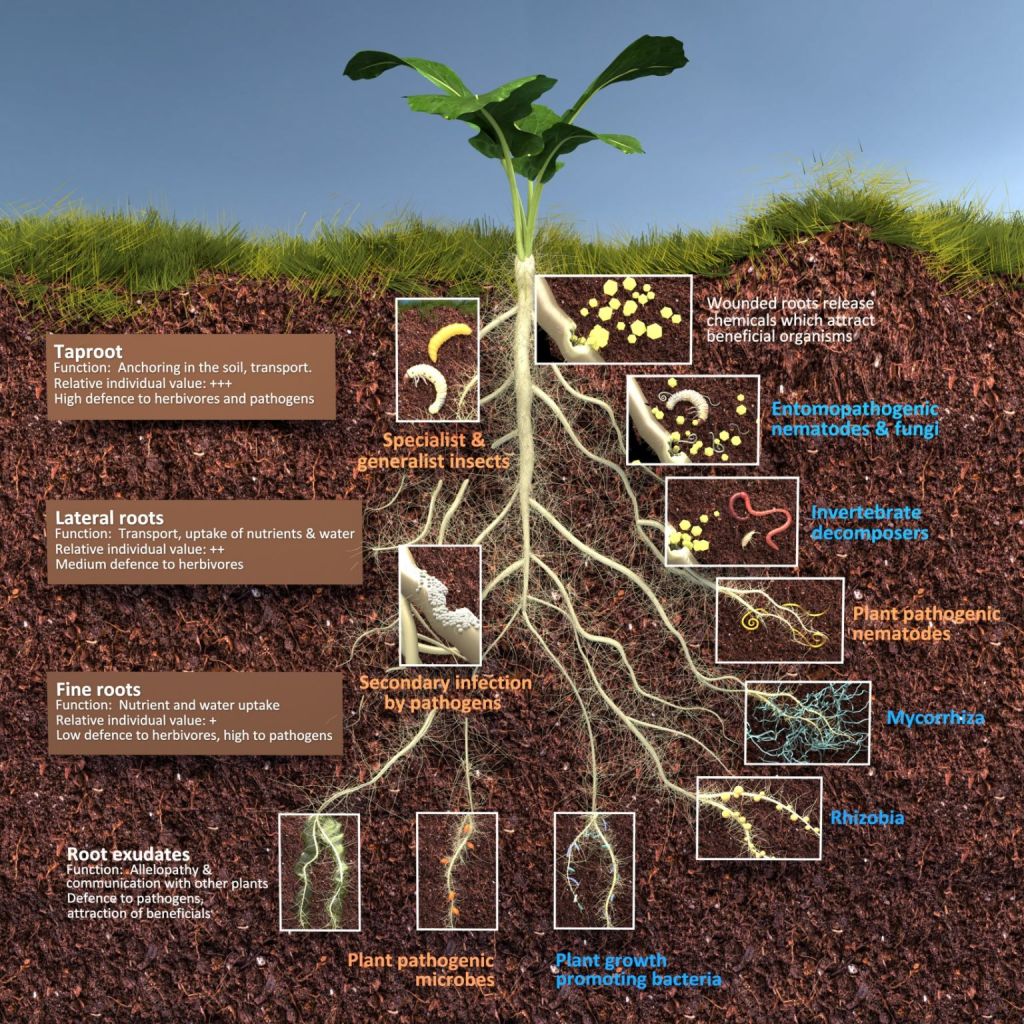
A healthy soil microbiome is vital for nutrient supply, disease resistance, and stress tolerance. Strategies to enhance this interaction include:
Selecting Microbiome-Friendly Varieties: Some plants are better at recruiting beneficial microbes. Selecting and breeding these varieties can enhance nutrient uptake and stress resilience. Knowing this may involve utilizing the “Haney Test” for measuring CO2 in soil to determine microbial activity and the PLFA test for knowing microbe diversity.
Soil Health Practices: Incorporating organic matter, reducing tillage, and using cover crops to support a diverse and active soil microbiome. Some varieties, especially open-pollinated varieties grown for multiple seasons in the same area become adapted to these practices.
Emphasis on Plant Root Interactions with Soil Microbiome
Understanding and Measurement: The ability of a plant to recruit and maintain a beneficial soil microbiome is pivotal for nutrient acquisition, disease suppression, and stress tolerance in organic systems. How do you know? These traits can be measured by some sophisticated tools:
Microbial Diversity and Abundance: Using DNA-based techniques (such as 16S and ITS rRNA gene sequencing) to identify and quantify the microbial communities associated with plant roots. This is how scientists are learning to characterize microbes specific to crops.
Plant Exudate Profile: Analyzing root exudates to understand the chemical compounds released by roots that attract beneficial microbes.
Microbial Activity: Measuring soil enzyme activities or microbial respiration rates as indicators of microbial activity and health around the root zone (Haney test and PLFA test).
Beneficial Associations: Quantifying specific beneficial associations, such as mycorrhizal colonization rates or the presence of nitrogen-fixing bacteria, through microscopy or molecular markers. (Some companies are now offering this service, but it is several $$ to use!)
Legal Considerations! Before you try being your own plant breeder be sure you know your seeds…..
Plant Variety Protection (PVP) Certificates
Plant Variety Protection (PVP) certificates are a form of intellectual property protection specifically designed for new varieties of seed- and tuber-propagated plants. Administered in the United States by the Plant Variety Protection Office (PVPO), part of the USDA, a PVP certificate grants breeders exclusive rights to their new plant varieties for a period of 20 years from the date of issuance (25 years for trees and vines). To qualify, a variety must be new, distinct, uniform, and stable.
One of the key features of the PVP system is the “farmer’s exemption,” which allows farmers to save seeds from PVP-protected plants for their own use in planting subsequent crops. However, they are not permitted to sell the saved seeds for planting purposes without the breeder’s permission. This exemption is crucial as it recognizes and preserves traditional farming practices while still providing incentives for breeders to develop new varieties.
Utility Patents
Utility patents, on the other hand, offer a broader scope of protection and can apply to any new and useful process, machine, manufacture, or composition of matter, or any new and useful improvement thereof. In the context of agriculture, utility patents can protect genetically modified organisms (GMOs), specific plant genes, methods of breeding, or methods of creating a plant with specific characteristics.
Utility patents on plants offer strong protection because they prevent others from making, using, selling, offering for sale, or importing the patented invention without authorization for up to 20 years from the filing date. Unlike PVP certificates, utility patents do not include a farmer’s exemption, meaning that even saving and replanting seeds from a patented plant can infringe on the patent holder’s rights.
Distinctions and Implications
The distinction between PVP and utility patents lies not only in the scope of what they protect but also in their implications for breeders, farmers, and the agricultural industry at large. PVP is specifically designed for plant varieties and includes provisions that balance the interests of breeders with traditional farming practices, such as seed saving. Utility patents provide a broader and stronger level of protection, including for biotechnological inventions, but also impose more stringent limitations on the use of patented materials.
Last year USDA put out the call for grant applications for the Organic Market Development Grant program. This was a chance to apply for up to $3 Million in grant funds with a match or up to $100,000 for equipment with no match. The Organic Market Development Grant (OMDG) program supports the development of new and expanded organic markets to help increase the consumption of domestic organic agricultural commodities. The program focuses on building and expanding capacity for certified organic production, aggregation, processing, manufacturing, storing, transporting, wholesaling, distribution, and development of consumer markets. OMDG aims to increase the availability and demand for domestically produced organic agricultural products and address the critical need for additional market paths.
Texas organic producers have excelled in their efforts, submitting a multitude of grant applications, and the results are now in. Below, discover the exceptional organic projects that have been chosen to enhance organic agriculture in Texas for the foreseeable future.
Promotion of Organic Yaupon Tea as a Domestic Alternative to Imported Tea Distributed to The Foodservice Industry
Recipient: Yaupon Holly Tea, LLC, Cat Spring, TX
This project aims to increase the American consumer awareness of organic yaupon tea as a replacement for imported tea via the food service sector. An Organic Yaupon Marketing Plan will increase opportunities for consumer exposure to organic yaupon tea while also allowing for additional customers, buyers, and parties to participate in the domestic organic yaupon tea industry. Yaupon is a caffeinated plant native to North America and rich in polyphenols and antioxidants like imported tea. By using a hybrid of traditional tea preparation methods, organic yaupon tea has an almost indistinguishable flavor profile from imported green and black tea served in both hot and iced tea. Cat Spring Yaupon has created a cohesive marketing and outreach plan to increase the amount of organic yaupon tea served in restaurants, cafes, hotels, and spas. This plan incorporates the opportunity to promote and support additional organic yaupon producers through the American Yaupon Association while also supplying to tea companies who would otherwise be selling imported tea to their food service customers. This will also allow restaurants to substitute imported tea on their menus with organic yaupon tea thus giving their customers and guests an opportunity to sample and fall in love with the incredible domestic organic yaupon tea.
Diversifying Organic Supply Chains for Small Producers in the Rio Grande Valley
Recipient: Triple J Organics, LLC, Mission, TX
Triple J Organics is a minority-owned certified organic citrus orchard in Mission, Texas established in 1995. Triple J manages 25 acres of certified organic citrus groves, primarily of Ruby Red grapefruit and early season oranges, as well as Navel Oranges, Meyer Lemons, Tangerines, and Tangelos in smaller quantities. This project will increase consumption of locally produced organic orange juice in the Rio Grande Valley and increase the profitability and long-term viability of Triple J Organics through special purpose equipment purchases that allow Triple J to process 32,000 lbs. of “waste”, or seconds, oranges into fresh juice and deliver it safely to customers in the Valley. The project will target school districts as potential customers, as well as supermarkets, restaurants, health food stores, daycare facilities, and eldercare facilities as needed. Beneficiaries include Triple J Organics, local schools and businesses who purchase the new product, as well as other organic citrus growers in the Valley who may be able to cooperate and aggregate to produce a higher margin value-added product.
Steelbow Farm: Expanding Access to Local, Organic Produce in Central Texas
Recipient: Steelbow Farm LLC, Austin, TX
Steelbow Farm is seeking to broaden its delivery range and increase local food access and supply chain resilience by procuring a delivery vehicle. The overarching purpose of the proposed project is to expand access to local, organic produce by eliminating the current constraint of distance and delivery radius, while simultaneously addressing the growing demand for product in the current marketplace. Currently, Steelbow Farm has demand for their product that exceeds their capacity because they do not have a vehicle and therefore have a limited delivery range. This bottleneck is hampering Steelbow Farm’s ability to rise to the organic market demands. They believe access to this equipment would drastically improve access to organic produce, as they could radically increase their customer base and range. For context, currently, within Travis County, only .06% of food is produced locally. The Austin and Travis County areas are seeing a decline in the amount of vegetable farms and farmland, which are disappearing at an alarming 16.8 acres a day. Amidst these startling statistics, this business is thriving and demand for their produce is extremely high. Steelbow Farm wants to be able to meet the market demand and fill the gap within the local food system. As organic vegetable producers, they are striving to increase the percentage of local food consumed within their community.
Enhancing Organic Dairy Production and Market Access in Texas
Recipient: Armagh Fine Foods LLC dba Armagh Creamery, Dublin TX
The primary goal of this project is to enhance and expand the production capabilities of the Armagh Creamery organic farming and dairy operations. By acquiring essential equipment, the project aims to achieve increased efficiency, product diversification, and expanded distribution. This equipment will enable us to venture into new product lines, including heavy cream and butter, expand production of existing products, and streamline the production process, reducing the workload on current employees and enhancing overall efficiency for creating new butter product lines. The acquisition of a delivery vehicle will significantly improve distribution capabilities, allowing us to reach local retailers and drop locations in Central, North, and West Texas. This expansion will promote the availability of organic dairy products to a wider consumer base. The specific objectives of this project are two-fold: 1) to scale yogurt production to the full daily capacity of 10,000 units per day, two days a week. This increase will enable us to supply more retailers throughout Texas and cater to the growing demand in the direct-to-consumer market and 2) to expand raw milk and cream production to 600 gallons a day for 3-4 days a week, resulting in a weekly output of 1800 to 2400 gallons. This expansion will further support the direct-to-consumer market and provide ample resources for the planned heavy cream and butter product lines.
Expanding Capacity and Improved Quality of Organic Cotton
RKH Gin LLC, dba Woolam Gin is a primarily woman owned ginning facility that has processed organic cotton for 33 years, being the first United States to do so. It is located in a high poverty area in Lynn County, Texas and serves other high poverty areas including Dawson and Terry Counties. Woolam Gin is seeking a grant award to purchase and install equipment to expand the services and improve processing to increase production of organic cotton for farmers which will improve overall market production of the beneficial product. The overarching project purpose is to improve efficiency, therefore improving outcomes for farmers and the organic market. The equipment will increase production from 25 bales an hour to up to 40 bales an hour. The increase in processing will improve the housing time of cotton in the warehouse which will improve the grades and facilitate earlier entry into the marketplace, benefiting farm producers, processors, and consumers. Faster processing will improve turnaround for the farmer and further increase production possibilities. The primary partners and collaborators of the project will include participating organic farmers, the project manager, project supervisor, gin manager and other supporting human resources workers. This grant award will create improved markets and expand processing capacity which in turn will enrich market availability and further development of production resources and production.
Texas Organic Market Development & Promotion
Recipient: Texas Department of Agriculture, Austin, TX
The Texas Department of Agriculture (TDA) will use a multi-faceted approach to promote local organic producers in the produce, grains, dairy, and fiber markets. Though these industries are each unique in their production, the issues they experience are similar. These challenges include, but are not limited to, lack of knowledge among consumers of each industry’s availability/benefits, existing gaps between producers and buyers that result in barriers for growth, and an absence of public resources that assist organic farmers from promoting themselves more efficiently. Through this project, TDA will increase local consumer knowledge, support activities to develop new markets, increase demand for domestically produced organic agricultural products, and provide additional market paths for organic farmers in Texas. Goals of this project include: 1) increase public knowledge of Texas organic agriculture industry, 2) provide opportunities to improve market share and sales of local organic producers, and 3) build new connections between Texas producers and potential buyers to accomplish these goals. TDA Marketing will produce new marketing materials targeted for the organic industry, assist organic producers with attending trade shows relevant to their respective industries, facilitate business to business interactions, and run a social media campaign that highlights each industry. These activities will strengthen the relationships between Texas organic crop/product producers and buyers, as well as better inform the public on the availability and benefits of Texas organic products. These relationships would aid in ongoing efforts to strengthen the supply chain issues, build on current opportunities with Texas agriculture associations, assist historically underserved communities, and increase demand for locally produced organic products. To further assist the organic industries of Texas, TDA will assist in the production of the Field View Organics program. This program aims to identify organic operations across the state and mark them for aerial spraying companies to help prevent potential chemical drift or contamination of organic crops. By supporting this initiative, TDA will protect the current organic producers across the state and alleviate potential concerns for new members wanting to enter the industry.
Here is the entire list of projects funded by USDA for the entire country. This list should give you some ideas for submitting an application for the next grant program that come along! Organic Grant Winners
Revision Note – November 2026: This publication has been substantially revised and expanded to provide updated guidance on soil sampling, interpreting routine soil fertility tests, and evaluating soil health. The revision clarifies the differences between soil fertility and soil health, expands information on the Haney Soil Health Test and aggregate stability, and emphasizes the importance of consistent sampling, laboratory methods, and long-term soil testing records. Additional information on soil biological activity, carbon measurements, and soil testing laboratories has also been updated to help producers make more informed soil management decisions.
Table of Contents
Why Test Soil?
I have taken thousands of soil samples over the years, and one thing I have learned is that a single soil test rarely tells the whole story.
A soil test is a snapshot of what was happening in that soil when the sample was collected. It can tell us a great deal about soil fertility, pH, salinity and other properties, but its value increases tremendously when we sample the same field consistently over time. Then we can begin to see trends. Is phosphorus accumulating? Is soil pH declining? Is salinity becoming a problem? Is soil organic carbon increasing? Are our management practices actually changing the soil?
That is why I encourage producers to think of soil testing as a long-term record rather than simply a fertilizer recommendation.
We also need to distinguish between a routine soil fertility test and the growing number of soil-health tests available today. They answer different questions. A conventional soil test remains the foundation for making nutrient and amendment decisions. Soil-health measurements can add information about soil structure, carbon cycling and biological activity, but they do not replace the basic soil test.
In this publication I will look at how to collect a good soil sample, what common soil tests actually measure, several soil-health tests now available, and some laboratories that producers may want to consider.
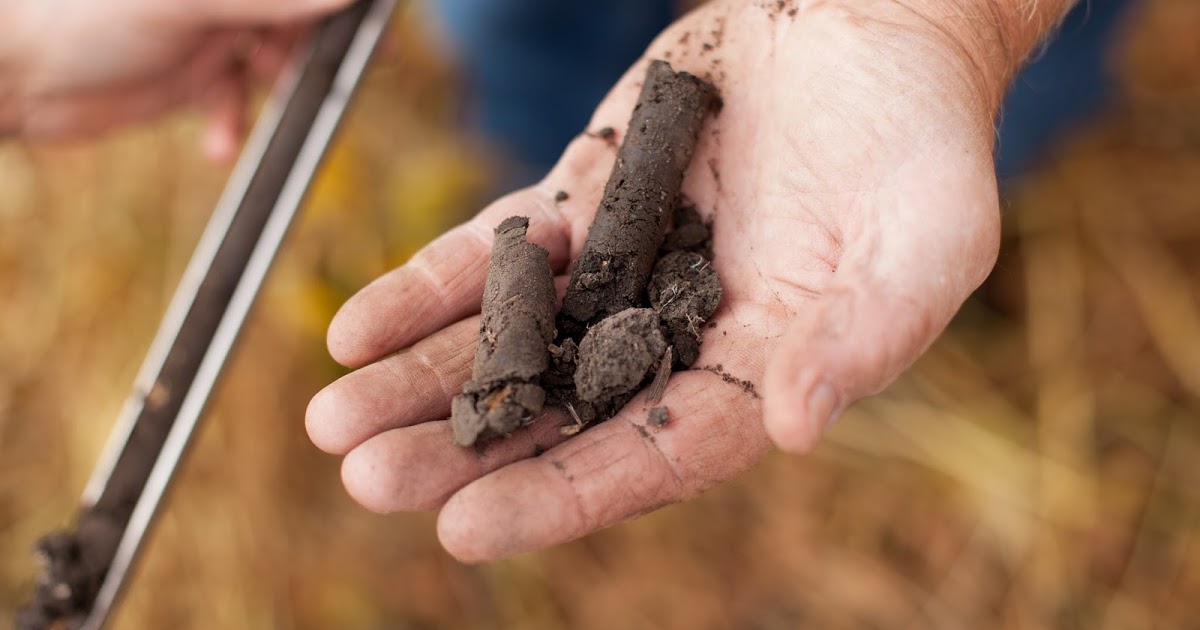
A soil test is only as good as the sample that goes to the laboratory. The laboratory may analyze the sample very precisely, but it cannot correct for a poor or unrepresentative sample collected in the field.
The first step is to divide the field into areas that are reasonably uniform. Differences in soil type, slope, drainage, cropping history, irrigation, manure application, or management may justify separate samples. Avoid mixing obviously different areas into one composite sample.
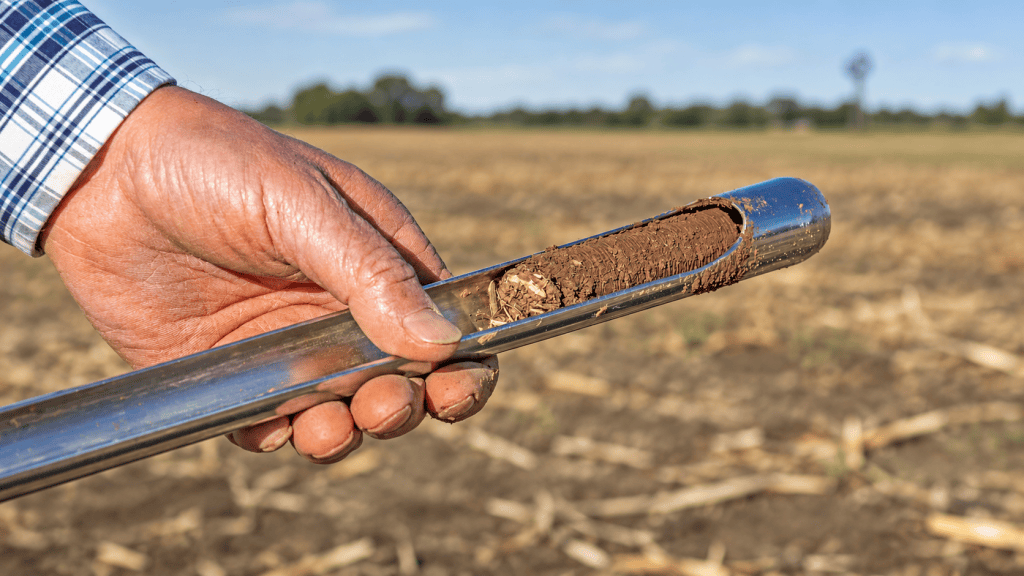
Above is a standard soil probe that will last you for years – well worth the cost.
Within each sampling area, collect multiple soil cores and combine them into one composite sample. The goal is to represent the field or management zone rather than one particular spot. Avoid unusual areas such as field entrances, old fence rows, livestock concentration areas, fertilizer spills, wet spots, or locations close to roads unless those areas are being sampled separately for a specific reason.
Sampling Depth Matters
Use the sampling depth recommended by the laboratory and by the soil-test calibration used for fertilizer recommendations. For many annual crops, routine surface soil samples are commonly collected from approximately the upper 6 inches of soil, although recommended depths vary by crop, region, and laboratory.
Consistency is especially important when comparing results over time. Changing from a 6-inch sample one year to an 8-inch sample the next can change nutrient concentrations simply because a different volume of soil was sampled.
Some nutrients require deeper sampling. Nitrate-nitrogen, for example, can move below the surface soil, so profile sampling may be needed when residual soil nitrate is important for fertilizer recommendations.
Sample Consistently Over Time
If the goal is to monitor changes in the soil, try to sample at approximately the same time of year, at the same depth, and under similar field conditions each time.
This becomes even more important when measuring soil health indicators such as respiration or other biological properties because soil moisture and temperature can strongly influence the results.
Where practical, record sampling locations with GPS or consistently sample the same management zones. Good records make it much easier to determine whether a change in a soil-test result reflects management or simply a change in where the sample was collected.
Use Clean Sampling Equipment
A soil probe or auger usually provides the most consistent sample, but a clean shovel can also be used when necessary. Use clean equipment and a clean plastic bucket for mixing composite samples.
Avoid introducing oils, fertilizers, manure, dust, or other materials that might contaminate the sample. This is particularly important when samples will be analyzed for carbon, micronutrients, biological activity, or contaminants.
Handling the Sample
After the cores are mixed thoroughly, place the amount requested by the laboratory into the appropriate sample container and label it clearly.
Follow the receiving laboratory’s instructions for drying, refrigeration, shipping, and sample preparation. Routine fertility samples and biological soil-health samples may require different handling procedures, so one method should not automatically be used for every type of analysis.
Good soil sampling is not complicated, but consistency matters. If I want to know whether a field is changing over time, I need to make sure I am comparing similar samples collected in similar ways.
A routine agricultural soil test is designed primarily to help us evaluate soil fertility and identify chemical conditions that may limit crop growth. It does not measure every aspect of soil health, but it remains one of the most useful and economical management tools available to farmers.
Depending on the laboratory and the analyses requested, a routine soil test may include soil pH, salinity or electrical conductivity (EC), nitrate-nitrogen, phosphorus, potassium, calcium, magnesium, sulfur, and selected micronutrients. Some laboratories also offer soil organic matter, texture, cation exchange capacity (CEC), or lime requirement as part of the basic package or as optional analyses.
Soil pH
Soil pH tells us how acidic or alkaline the soil is. This matters because pH strongly influences nutrient availability, microbial activity, and the effectiveness of some soil amendments.
An unexpected pH result deserves attention because correcting soil pH across an entire field can be expensive. If a result does not fit the field history or previous soil tests, I would rather verify it with another sample before making a major lime or amendment decision.
Salinity and Electrical Conductivity
Electrical conductivity is an indirect measure of soluble salts in the soil. Elevated salinity can reduce water uptake, interfere with nutrient availability, and injure sensitive crops.
In irrigated areas, greenhouses, high tunnels, dairies, and fields receiving repeated manure or compost applications, salinity deserves particular attention.
Nitrogen
Routine soil tests may measure nitrate-nitrogen, but nitrate is mobile and can change rapidly with rainfall, irrigation, crop uptake, and microbial activity. For this reason, nitrate testing is especially dependent on sampling depth and timing.
Where residual nitrate is important for fertilizer decisions, deeper profile sampling may be more informative than a surface sample alone.
Phosphorus and Potassium
Soil-test phosphorus and potassium are among the most common measurements used to guide fertilizer recommendations.
These tests do not measure all of the phosphorus or potassium present in the soil. Instead, laboratories use specific chemical extractants that have been calibrated against crop response to estimate the portion that is related to plant availability.
This is one reason it is important to know which laboratory and analytical method were used when comparing soil-test results over time.
Secondary Nutrients and Micronutrients
Calcium, magnesium, sulfur, zinc, iron, manganese, copper, boron, and other nutrients may be measured when needed.
Micronutrient results require careful interpretation because soil pH, organic matter, drainage, and crop species can strongly affect whether a measured nutrient is actually available to the plant.
Soil Organic Matter
Many laboratories report soil organic matter, and it can be useful for monitoring long-term changes in soil condition. Organic matter contributes to nutrient cycling, water-holding capacity, aggregation, and biological activity.
However, soil organic matter is not the same thing as soil organic carbon, and the two measurements should not be used interchangeably without understanding how the laboratory determined them.
The Value of Consistency
When I am tracking a field over time, I prefer to use the same laboratory, the same sampling depth, and the same analytical methods whenever possible.
Different laboratories may use different extractants, instruments, reporting units, or interpretation systems. If I switch laboratories, an apparent change in phosphorus, organic matter, or another measurement may reflect a change in method rather than a real change in the field.
The purpose of a routine soil test is not simply to generate numbers. It is to provide information that can guide nutrient management, identify developing problems, and help us make better decisions over time.
Of course, a normal soil test or what you might call a Regular Soil Test discussed above is a must. These are not usually expensive, +/- $15 or more with micronutrients. This test is of less value to me unless I have previous year’s results to see what is going on. I have taken literally thousands of soil samples and often I will see something show up that is off the charts. I am not known to panic when I see a problem because I am not going to react to that test unless I know it has steadily been a problem that is just getting worse. For instance, we can see pH swings in sand from one year to the next. Before I lime a soil, I may take a second sample just to verify I need lime. $15 soil test is cheaper than $60 per acre lime application.
Soil fertility and soil health are closely related, but they are not the same thing.
Soil fertility focuses mainly on whether the soil can supply the nutrients a crop needs and whether chemical conditions such as pH or salinity may limit growth. A routine soil test is designed primarily to answer these questions.
Soil health is broader. It considers how well the soil functions as a living system. That includes physical properties such as aggregation, compaction, and water movement; chemical properties such as pH, salinity, and nutrient availability; and biological processes such as microbial activity, decomposition, and nutrient cycling.
A soil can be fertile without functioning particularly well as a soil ecosystem. For example, a field may test adequately for phosphorus and potassium but still have poor aggregation, surface crusting, restricted infiltration, or low biological activity. The opposite can also occur: a soil may have active biology and good structure but still have a nutrient deficiency or an unsuitable pH.
That is why I do not view soil health testing as a replacement for routine soil testing. Instead, the two approaches complement each other.
A routine soil test helps answer:
“Do I have the nutrients and chemical conditions needed to grow this crop?”
Soil health measurements help answer:
“How well is this soil functioning, and is that function improving or declining over time?”
As interest in soil health has increased, laboratories have developed many additional measurements, including soil respiration, soil organic carbon, aggregate stability, active or labile carbon, biologically available nitrogen, phospholipid fatty acid analysis (PLFA), and DNA-based microbial testing.
These tests can provide useful information, but they do not all measure the same thing. Understanding what each test actually measures is more important than simply ordering a large soil health package and receiving a single score.
The next sections look at several of these measurements and how they can fit alongside a routine soil fertility test.
The Haney Soil Health Test was developed to provide additional information about biologically active carbon and nitrogen pools and microbial activity in soil. It does not replace a conventional soil fertility test; instead, it helps answer some different questions about how carbon and nutrients are cycling through the soil.
One of the best-known measurements associated with the Haney approach is soil respiration. A dried soil sample is rewetted and the carbon dioxide released during a defined incubation period is measured. This CO₂ release reflects microbial activity as soil organisms begin using available carbon after rewetting.
The Haney approach also measures water-extractable organic carbon (WEOC) and water-extractable organic nitrogen (WEON). These represent relatively soluble portions of the soil organic carbon and nitrogen pools that can participate in biological cycling.
Understanding a Haney Soil Health Test Report
A Haney Soil Health Test report provides several measurements related to soil biological activity, carbon and nitrogen cycling, and nutrient availability. The exact information reported depends on the laboratory and the analytical package selected.
Three measurements are particularly important:
Soil respiration (CO₂-C burst): Estimates potential microbial activity following rewetting and incubation.
Water-extractable organic carbon (WEOC): Measures a soluble carbon pool that may provide energy for soil microorganisms.
Water-extractable organic nitrogen (WEON): Measures water-extractable organic nitrogen that may participate in microbial nitrogen cycling and subsequent mineralization.
These three measurements are also used to calculate the Haney Soil Health Score. The score summarizes selected biological indicators, but it should not be interpreted as a complete measurement of soil health. Soil structure, water infiltration, compaction, and other important soil properties are not directly included.1
Depending on the laboratory, a Haney report may also provide pH, electrical conductivity, nitrate and ammonium nitrogen, extractable phosphorus and potassium, other nutrients, and estimates of potentially mineralizable nitrogen. Some laboratories provide additional conventional analyses or fertilizer recommendations.
An important distinction is that the Haney test uses water extractions and the H3A extractant for certain nutrient measurements. These results are not necessarily equivalent to those obtained using conventional soil-test methods calibrated for fertilizer recommendations.
**For making fertilizer decisions, I prefer to use regionally calibrated soil fertility recommendations while treating Haney measurements as additional information about soil carbon and nitrogen cycling.**2
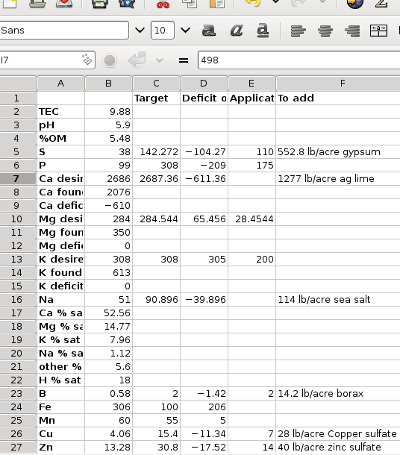
Example of a Haney Soil Health Test report showing biological activity, water-extractable carbon and nitrogen, and other soil measurements. Report components and interpretations may vary among laboratories.
I encourage producers to examine the individual measurements rather than concentrating only on the Soil Health Score. Consistent sampling, comparable laboratory methods, and results collected over several years are more useful for evaluating management changes than a single report.
It is important not to confuse these measurements with the conventional nutrient extractions used for fertilizer recommendations. A routine soil test and a Haney-type test are measuring different soil pools and answering different management questions.
The Haney measurements can be particularly useful when I want to monitor changes associated with practices such as cover crops, reduced tillage, manure or compost applications, crop rotations, or other practices intended to increase biological activity and carbon cycling.
However, a single Haney Soil Health Score should not be treated as a complete description of soil health. Soil texture, climate, cropping system, sampling conditions, and inherent soil properties all influence biological measurements. I place more value on the individual measurements and how they change over time than on comparing one overall score among very different soils.
The Haney approach has also become more closely connected with current USDA soil-health testing. NRCS now recognizes water-extractable organic carbon as an alternative method for measuring labile carbon and water-extractable organic nitrogen as an alternative method for measuring bioavailable nitrogen under its CEMA 216 Soil Health Testing framework.3
That does not mean the Haney test measures everything we need to know about soil health. It does mean that several of its measurements provide useful information about important biological processes when they are interpreted alongside routine soil fertility tests and other physical and biological indicators.
One of the most useful physical measurements of soil health is aggregate stability.
Soil particles naturally bind together into groups called aggregates. These aggregates create pore spaces that allow water and air to move through the soil and provide pathways for roots. Good aggregation is one reason a well-structured soil can absorb rainfall rather than sealing over and producing runoff.
Aggregate stability measures how well those soil aggregates resist breaking apart when they are exposed to water or other physical forces.4
This matters because unstable aggregates can break down during rainfall or irrigation. Fine particles may then clog surface pores, form a crust, reduce infiltration, and increase runoff and erosion. A soil may contain adequate nutrients and still perform poorly if its physical structure has deteriorated.
What Helps Build Stable Aggregates?
Aggregate stability develops through a combination of physical, chemical, and biological processes.
Plant roots help bind soil particles and create channels through the soil. Fungal hyphae can physically connect particles, while bacteria and other microorganisms produce compounds that help bind particles together. Organic matter also plays an important role in forming and stabilizing aggregates.
Management practices can therefore influence aggregate stability. Crop rotations, cover crops, living roots, organic amendments, and reduced soil disturbance may help improve aggregation over time. Intensive tillage, low residue return, erosion, and other disturbances can weaken soil structure.
Soil type also matters. A sandy soil naturally behaves very differently from a clay soil, so aggregate stability should not be interpreted without considering texture, mineralogy, climate, and management history.
How Is Aggregate Stability Measured?
There are several ways to measure how well soil aggregates resist breaking apart when exposed to water. Some methods are simple enough for farmers to use themselves, while others require specialized laboratory equipment. The methods differ in how water is applied and how aggregate breakdown is measured, so their results are not necessarily interchangeable.
Slaking Image Analysis — The SLAKES Smartphone App
One of the easiest methods for farmers to use is the free SLAKES smartphone application developed by the Soil Health Institute.
The procedure involves placing three dry soil aggregates into water and using a smartphone camera to photograph how they change over a 10-minute period. The application analyzes the images and calculates an aggregate stability index.
I particularly like this approach because farmers can use it themselves without expensive laboratory equipment. It provides a practical way to compare soil from different fields, management practices, or locations within a field, although soil type and sample preparation must be considered when interpreting the results.
The application also makes an excellent teaching tool. Farmers can actually watch soil aggregates break apart or remain intact when exposed to water.
The Cornell Soil Health Laboratory uses a rainfall simulation approach to evaluate wet aggregate stability. A known quantity of soil aggregates is placed on a sieve and exposed to water droplets from a rainfall simulator.
Aggregates that break apart pass through the sieve, while the material remaining is used to calculate the percentage of water-stable aggregates.
This approach is especially useful because it simulates the impact of raindrops on soil aggregates, one of the processes contributing to surface sealing, crusting, and erosion.
Wet Sieving Procedure
Wet sieving is a widely used laboratory approach for measuring aggregate stability. Soil aggregates are placed on sieves and exposed to water, often with controlled movement of the sieves.
The amount and size distribution of aggregates remaining after the procedure are used to evaluate stability.
Wet sieving can provide quantitative measurements for comparing treatments and tracking changes over time. However, the results depend on details such as sample preparation, sieve sizes, wetting procedures, and agitation, making consistent methods particularly important.
Mean Weight Diameter (MWD)
Mean weight diameter is not a separate testing procedure but a calculated measurement commonly obtained from aggregate size distribution following wet sieving.
It represents the weighted average diameter of the aggregate fractions remaining after testing. A larger MWD generally indicates that larger aggregates have remained intact, although interpretation depends on the soil and testing method.
MWD is frequently used in soil research to compare management practices and evaluate changes in soil structure.
Which Method Should Farmers Use?
For farmers interested in learning about aggregate stability without sending samples to a laboratory, I would begin with the SLAKES application. It is inexpensive, relatively easy to use, and provides a way to observe the physical behavior of soil aggregates.
For research trials or long-term monitoring programs requiring standardized quantitative measurements, laboratory methods may be more appropriate.
Regardless of the method, I would emphasize collecting comparable samples, following the same procedure each time, and interpreting results in the context of soil texture and management history.
Why I Like This Measurement
Aggregate stability tells us something that a conventional nutrient test cannot.
A routine soil test may tell me that phosphorus, potassium, and pH are all within acceptable ranges. Aggregate stability helps tell me whether the soil itself has the physical structure needed to accept water, resist erosion, and support roots.
For that reason, I think aggregate stability is one of the more practical soil-health measurements available. It connects a laboratory number with something farmers can often see in the field after a hard rain: does water enter the soil, or does the surface seal and the water run off?
Like most soil-health measurements, aggregate stability is most useful when it is followed over time and compared with similar soils under similar conditions.
Soil Organic Carbon: A Long-Term Measure of Soil Health
Soil organic carbon (SOC) is one of the most important measurements we can use to evaluate long-term changes in soil health. Carbon enters the soil primarily through plant roots, crop residues, cover crops, and organic amendments such as manure and compost. Some of that carbon is rapidly decomposed by soil organisms, while other portions can remain in the soil for years or even decades.5
Soil organic carbon is closely associated with many of the functions we want from a healthy soil.6 It contributes to aggregate formation and stability, supports microbial activity and nutrient cycling, and can improve water-holding capacity. Increasing soil carbon is often an important goal of regenerative and organic production systems.
Soil Organic Carbon Is Not the Same as Soil Organic Matter
Many farmers are familiar with soil organic matter (SOM) because it has been reported on soil tests for decades. However, soil organic matter and soil organic carbon are not the same measurement.
Soil organic matter includes carbon along with oxygen, hydrogen, nitrogen, sulfur, and other elements found in decomposed plant and animal materials. Soil organic carbon measures only the carbon portion of that organic material.
Historically, soil organic matter has often been estimated by multiplying soil organic carbon by 1.724, based on the assumption that organic matter contains approximately 58% carbon.7 However, the carbon content of soil organic matter varies among soils, so this conversion is only an approximation.
When monitoring changes through time, it is important to know whether the laboratory reports measured organic carbon, measured organic matter, or a value calculated from another measurement.
How Is Soil Organic Carbon Measured?
Dry combustion is a widely accepted method for measuring soil carbon. However, the laboratory must distinguish organic carbon from inorganic carbon, particularly in calcareous soils containing calcium carbonate. Depending on the analytical procedure, this may involve removing or separately determining inorganic carbon.8
For this reason, I want to know whether my laboratory is reporting total carbon or specifically soil organic carbon, particularly when working with calcareous soils.
Why Soil Organic Carbon Changes Slowly
Unlike soil nitrate or microbial respiration, soil organic carbon generally changes slowly. Even when management practices improve soil carbon storage, detecting those changes through routine soil sampling can be difficult. Research by Wuest and Durfee (2024) demonstrated substantial variation in soil organic carbon measurements between sampling dates, emphasizing that small differences between individual soil tests may not represent meaningful changes in soil carbon.9 For this reason, I place greater confidence in carefully collected measurements over several years than in comparisons between just two sampling dates.
In many agricultural fields, measurable changes may require several years or longer. Small differences between annual soil tests may reflect normal sampling and laboratory variability rather than a real change in soil carbon.
For that reason, I generally view soil organic carbon as a long-term measurement rather than something that needs to be tested every year. Establishing a reliable baseline and repeating the measurement at consistent intervals, perhaps every three to five years, may be more useful for many producers.
Carbon Concentration Versus Carbon Storage
There is another important distinction. A laboratory usually reports soil organic carbon as a concentration, often expressed as a percentage of the dry soil.
That percentage is not the same as the total amount of carbon stored in a field.
To estimate carbon storage per acre, we also need to know the soil depth and bulk density, which describes the mass of dry soil within a given volume. This distinction becomes especially important when comparing tilled and no-till soils because changes in soil density can affect carbon storage calculations.10
What I Want Farmers to Remember
I would not judge the success of a soil management program by whether soil organic carbon increased a small amount in a single year. I would look for a consistent trend over time, supported by other measurements such as aggregate stability, infiltration, and biological activity.11
Soil organic carbon is an important indicator of soil condition, but it is not a complete soil-health measurement by itself. A field may have relatively low organic carbon because of its texture and climate yet still be functioning well for that particular soil.
The goal is to understand the soil we have, measure it consistently, and determine whether our management is improving its ability to support productive agriculture over time.
Soil is a living system, and the organisms living in it are constantly using carbon as an energy source. As microorganisms decompose crop residues, roots, and soil organic matter, they release carbon dioxide (CO₂) through respiration. Plant roots and soil animals also contribute to total soil respiration.
Measuring soil respiration provides information about biological activity and the decomposition processes involved in nutrient cycling. Unlike soil organic carbon, which measures a relatively large pool of carbon stored in the soil, respiration measures carbon being released through biological processes.12
How Is Soil Respiration Measured?
Several methods are used to measure soil respiration. Some measure CO₂ released directly from soil in the field, while others use soil samples incubated under controlled laboratory conditions.13
One commonly used laboratory method is the 24-hour CO₂ burst test, which is associated with the Haney Soil Health Test. A soil sample is dried, rewetted, and incubated under controlled conditions. The CO₂ released during the following 24 hours is measured as an indicator of potential microbial activity.
Rewetting dry soil often produces a rapid increase in microbial respiration as microorganisms respond to the availability of water and organic substrates. Research has demonstrated that this CO₂ flush is related to biologically active soil organic matter and other indicators of soil microbial activity.14
Other laboratory methods use longer incubation periods, such as three or four days. Because incubation time, temperature, moisture, and measurement procedures can influence the results, values obtained using different methods should not be assumed to be directly comparable.15
Does Higher Respiration Mean Healthier Soil?
Not necessarily.
Higher respiration under standardized laboratory conditions often indicates greater potential microbial activity or more readily decomposable organic material. However, respiration also represents carbon being released from the soil as CO₂.
For example, tillage can temporarily stimulate microbial activity by exposing previously protected organic matter to decomposition. The resulting increase in respiration does not necessarily mean that soil health has improved.
Likewise, low respiration may reflect limited organic material, but it can also result from unfavorable conditions such as drought, excessive moisture, or low temperatures.
I would be cautious about assigning universal ratings of good or poor soil health based on a single respiration measurement. Soil texture, carbon content, management history, and analytical methods all affect the results.16
Why I Find Respiration Useful
Soil respiration provides information that a conventional fertility test cannot. It helps us understand how actively microorganisms are processing organic material and participating in carbon and nutrient cycling.
For organic and regenerative producers, respiration measurements may be useful for monitoring changes associated with cover crops, crop rotations, organic amendments, and reduced tillage.
However, I would not use respiration alone to judge whether a management practice is improving soil health. I would interpret it alongside soil organic carbon, aggregate stability, routine fertility measurements, and the history of the field.
Soil organic carbon tells us something about the carbon stored in the soil. Soil respiration tells us something about the biological activity using that carbon. Both measurements are useful, but neither tells the complete story.
As with other soil-health indicators, the greatest value comes from consistent sampling, comparable laboratory methods, and measurements collected over time.
Advanced Soil Biological Testing: PLFA and DNA Analysis
Soil microorganisms play essential roles in decomposing organic matter, cycling nutrients, forming soil aggregates, and interacting with plant roots. While soil respiration provides a general measurement of biological activity, other laboratory tests can provide information about the size and composition of soil microbial communities.
Two approaches used in soil research and commercial soil testing are phospholipid fatty acid (PLFA) analysis and DNA-based microbial testing. These methods provide different types of information, and neither should be considered a complete measurement of soil health.
Phospholipid fatty acids are important components of microbial cell membranes. Different microbial groups contain characteristic fatty acids, and laboratory analysis of these compounds can provide estimates of microbial biomass and broad differences in community composition.
PLFA analysis generally involves extracting lipids from a soil sample, separating the fatty acids, and measuring them using specialized laboratory instruments.
Because phospholipids break down relatively quickly after microorganisms die, PLFA analysis is commonly used as an indicator of the living microbial community rather than the total microbial material present in soil.17
What Can PLFA Tell Us?
PLFA results may include estimates of total microbial biomass, bacterial and fungal biomass, and the relative abundance of broad microbial groups.18
These measurements can help researchers evaluate how soil microbial communities respond to crop rotations, cover crops, tillage, organic amendments, and other management practices.
For example, a long-term cropping experiment might use PLFA to determine whether microbial biomass or community composition changes following the introduction of cover crops or reduced tillage.
Some laboratories also report a fungal-to-bacterial ratio. While changes in this ratio may reflect differences in soil conditions or management, there is no universal ratio that defines a healthy agricultural soil.
PLFA does not ordinarily identify individual microbial species, and it does not directly measure whether microorganisms are actively performing particular functions such as nitrogen fixation or phosphorus mineralization.19
Limitations of PLFA Testing
Microbial communities respond rapidly to environmental conditions, including soil moisture, temperature, plant growth, and recent management activities.
For this reason, PLFA measurements can vary considerably between sampling dates. Sample handling and storage are also particularly important because microbial lipids can change or degrade after collection.
PLFA is useful for research and for monitoring changes in microbial communities under controlled sampling conditions. However, I would not recommend it as a routine replacement for conventional soil testing or the more established soil-health indicators.
For most producers, the additional cost and difficulty of interpreting the results should be considered before ordering this analysis.
DNA-Based Soil Microbial Testing
DNA-based soil testing uses genetic information extracted from soil to characterize microorganisms and, depending on the analytical method, identify particular organisms or genes associated with biological functions.
Unlike PLFA, which characterizes broad microbial groups through cell-membrane lipids, DNA sequencing can provide much greater detail about the organisms represented in a soil sample.
Some commercial services use this technology to assess microbial communities, detect genetic signatures associated with plant pathogens, or evaluate genes involved in nutrient cycling.
One example is Trace Genomics, whose technology and products were acquired by Miraterra in July 2025. The company has developed soil analysis services combining genomic information with conventional soil chemistry and agronomic interpretation.20
What Can DNA Testing Actually Tell Farmers?
DNA testing can be especially useful when there is a specific question, such as whether a soil contains genetic evidence of a particular plant pathogen or whether management practices are associated with changes in microbial community composition.
However, detecting an organism or a gene does not necessarily mean that the organism is alive, actively performing that function, or affecting crop growth under current field conditions.
For example, detecting genes associated with phosphorus solubilization indicates biological potential, but it does not establish how much phosphorus is actually being released and made available to a growing crop.
Similarly, detecting DNA from a plant pathogen does not necessarily mean that disease will develop. Disease depends on a susceptible host, a capable pathogen, and environmental conditions favorable for infection.
These technologies are advancing rapidly, but interpretation remains challenging. For most producers, DNA-based analyses are likely to be most useful when addressing a specific management or plant-health question rather than as a routine annual soil-health measurement.21
I encourage farmers to begin with the question they are trying to answer.
If I want to know whether biological carbon cycling is changing, soil respiration may be a useful starting point.
If I want to study changes in microbial biomass or broad community composition, PLFA may provide additional information.
If I am investigating particular microorganisms, soilborne pathogens, or microbial genes, DNA-based testing may be more appropriate.
The most expensive or technologically advanced test is not necessarily the most useful. The value of any soil test depends on whether its results help us understand the soil and make better management decisions.
Great publication you can read on understanding these Soil Health Tests. Just click the link below:
The “take home” message is not soil testing only, but records of soil tests you can see over time!
Putting Soil Testing to Work
After years of collecting soil samples and working with producers, I have come to appreciate that the value of soil testing is not simply the number of measurements we can obtain. It is understanding what those measurements tell us and how we can use them to make better management decisions.
For most producers, I would begin with a good routine soil fertility test. If I want to understand changes in soil health, I might add measurements such as soil organic carbon, aggregate stability, or biological activity. More specialized tests, including PLFA and DNA analysis, may be useful when there is a specific question about the soil microbial community.
Regardless of the tests selected, consistent sampling and good records are essential. A single soil test provides useful information, but a series of comparable tests can help us recognize trends, evaluate management practices, and identify developing problems.
The goal is not to collect more soil-test numbers. The goal is to understand our soil well enough to manage it better.
Bellows, B., Morris, M., & Mitchell, C. (2020). Soil Health Indicators and Tests.ATTRA Sustainable Agriculture, Publication IP603. National Center for Appropriate Technology. ↩︎
USDA Natural Resources Conservation Service. (2026). Soil Health Testing. Conservation Evaluation and Monitoring Activity (CEMA) 216, January 2026R. U.S. Department of Agriculture. ↩︎
USDA Natural Resources Conservation Service. (2026). Soil Health Testing. Conservation Evaluation and Monitoring Activity (CEMA) 216, January 2026R. U.S. Department of Agriculture. ↩︎
USDA Natural Resources Conservation Service. (2026). Soil Health Testing. Conservation Evaluation and Monitoring Activity (CEMA) 216, January 2026R. U.S. Department of Agriculture. ↩︎
USDA Natural Resources Conservation Service. (n.d.). Soil Health Assessment. U.S. Department of Agriculture. ↩︎
USDA Natural Resources Conservation Service. (2026). Soil Health Testing. Conservation Evaluation and Monitoring Activity (CEMA) 216, January 2026R. U.S. Department of Agriculture. ↩︎
USDA Natural Resources Conservation Service. (2026). Soil Health Testing. Conservation Evaluation and Monitoring Activity (CEMA) 216, January 2026R. U.S. Department of Agriculture. ↩︎
Cover crops play a pivotal role in sustainable agriculture by enhancing soil health, managing pests and diseases, and improving overall crop yield resilience. Cover crops can be any non-harvested crop used primarily to protect soil from erosion during off-season periods, provide actively growing roots to extract and stabilize nutrients that might be otherwise vulnerable to leaching or volatile loss, and increase levels of SOM to promote soil physical properties and C sequestration. Cover crops have other values to farmers, as some crops can also be harvested for forage or seed or to diversify the cropping system to suppress diseases, obtain other crop rotation benefits, improve off-season access to fields, or extract water during wet periods.
As a source of additional C delivered to soil during non-cash-crop growing periods (e.g., in fall and winter in many temperate regions), cover crops are particularly effective in supplying soil microorganisms with readily available carbon sources from both root exudates during growth and C-rich crop residues upon termination. Several studies have found greater soil organic carbon sequestration with implementation of cover crops (Poeplau and Don, 2015). Often combined with no-tillage, management of cropland with cover cropping can enhance soil organic C sequestration due to addition of organic materials growing directly on land rather than imported from another location.
In the summer we plant sorghum sudangrass (top picture) for weed control because it has an allelopathic effect on weeds (click that link to read about it) and it shades any weeds coming on later. It is a vigorous and versatile cover crop that stands out for its exceptional contribution to soil health and weed suppression. Its rapid growth and dense canopy make it highly effective at outcompeting weeds, thus reducing the reliance on herbicides. This competitive growth habit is instrumental in shading out weeds, significantly lowering weed biomass and seed bank potential in the soil. Beyond weed control, sorghum sudangrass excels in improving soil structure and health. Its deep and extensive root system breaks up compacted soil layers, enhancing soil porosity and aeration. This root action not only facilitates better water infiltration and storage but also promotes the activity of beneficial soil organisms by increasing organic matter and available nutrients in the soil profile. Just remember the allelopathic effect (preventing weeds or the crop growing) last for 10-14 days after soil incorporation!
The benefits of sudangrass extend to its role in adding organic matter to the soil when it is mowed and incorporated as green manure. This process means making sure the plant is in a 30-40:1 Carbon to Nitrogen ratio. The decomposition of sudangrass residue releases significant amounts of nutrients, especially nitrogen, which are then available for subsequent crops, thereby improving soil fertility. Additionally, sudangrass has been noted for its biofumigant properties, particularly when specific varieties are used. The breakdown of its tissues can release compounds that suppress soil-borne pathogens and nematodes, further promoting a healthy soil environment conducive to high-yielding crops. However, it’s important to manage sudangrass properly, as allowing it to reach maturity (beyond the 40:1 carbon to nitrogen ratio) can result in a tough, woody residue that is slower to decompose and might interfere with planting subsequent crops.
Sunn Hemp
Sunn hemp (picture above) is increasingly recognized for its substantial benefits as a cover crop, particularly in warm climates where it thrives. One of the key advantages of incorporating sunn hemp into crop rotations is its ability to rapidly accumulate biomass, which, when turned into the soil, significantly enhances soil organic matter. This increase in organic matter improves soil structure, water retention, and nutrient availability, leading to a more fertile and resilient soil ecosystem. Moreover, sunn hemp is an excellent nitrogen fixer, capturing atmospheric nitrogen and converting it into a form that subsequent crops can easily absorb. This natural fertilization process reduces the need for synthetic nitrogen inputs, lowering production costs and minimizing environmental impact.
However, while sunn hemp offers numerous benefits, there are also challenges associated with its cultivation. One potential issue is its allelopathic properties, which can inhibit the germination and growth of subsequent crops if not managed properly. This is due to compounds released by sunn hemp into the soil that can affect sensitive plants, or it can work to keep weeds out! Additionally, sunn hemp may pose a risk of becoming invasive if not carefully controlled. This risk underscores the importance of implementing appropriate management practices, such as timely mowing or incorporation into the soil before seed set, to prevent unwanted spread. Despite these challenges, the benefits of sunn hemp, particularly in terms of soil health enhancement and its role in sustainable agriculture practices, often outweigh the potential drawbacks, making it a valuable tool in the arsenal of organic farmers aiming for weed control and soil health benefits.
Good video about Sunn Hemp from Missouri research!
Cowpea
Cowpea (Vigna unguiculata) (picture above) serves as an excellent cover crop in a variety of agricultural systems, providing multiple benefits for soil health and weed management. Its ability to thrive in poor soil conditions, coupled with a relatively low requirement for water, makes cowpea a robust choice for enhancing soil fertility and structure, especially in regions prone to drought. As a leguminous plant, cowpea enriches the soil with nitrogen through symbiotic nitrogen fixation, a process where bacteria in cowpea roots convert atmospheric nitrogen into a form that plants can use. This natural fertilization boosts the nutrient content of the soil, reducing the need for synthetic fertilizers and thereby lowering agricultural input costs.
In terms of weed control, cowpea’s rapid growth and dense foliage provide an effective cover that suppresses weed emergence by significantly reducing light penetration to the soil surface, thus minimizing the growth opportunities for unwanted plants. The shading effect also helps in retaining soil moisture, further supporting the growth of the cowpea while inhibiting weed development (this effect is not nearly as effective because it is a shorter plant). Additionally, when cowpea is incorporated into the soil as green manure after its growth cycle, the organic matter added to the soil improves soil structure, enhances water retention, and stimulates the activity of beneficial microorganisms. However, it’s important to manage cowpea cover crops effectively to prevent them from becoming a weed themselves, as their vigorous growth can sometimes lead to challenges in controlling their spread if not timely mowed or incorporated into the soil. Overall, cowpea stands out as a versatile and beneficial cover crop, contributing to sustainable agricultural practices by improving soil health, enhancing nutrient availability, and providing effective weed suppression.
Winter Cover Crops
Winter cover is more difficult because we typically start to get land ready about the time our cover crops start to grow in February/March. Winter cover is almost always a small grain and most of the time we use a “combine run” wheat or oat since they are cheaper with a planting of turnips or daikon radish or both.
Cereal Rye
Cereal rye (not ryegrass), scientifically known as Secale cereale (pictured above), serves as an exceptional cover crop for a multitude of reasons, pivotal for enhancing agricultural sustainability and soil health. One of its foremost benefits is its robust root system, which significantly improves soil structure and enhances water infiltration. This characteristic is particularly valuable in preventing soil erosion and runoff, thus protecting water quality in the surrounding environment. Additionally, cereal rye’s ability to uptake residual nitrogen from the soil makes it an excellent tool for nutrient management, reducing the risk of nitrogen leaching into water bodies and thereby mitigating the environmental impact of nitrogen fertilizers.
Moreover, cereal rye acts as a natural weed suppressant due to its quick germination and fast growth, outcompeting weeds for light, nutrients, and space. The crop’s residue also provides a mulch that further suppresses weed growth and retains soil moisture, which is particularly beneficial in dryland farming systems. Furthermore, by providing a habitat for beneficial insects and microorganisms, cereal rye enhances biodiversity and contributes to the overall health of the agroecosystem.
This picture is from Carl Pepper near O’Donnell on the South Plains. It was planted last September into cotton plants. Seeding rate is 4.5 lbs. of Rye and 4.5 lbs. of Barley with 1 lb. of purple top turnips burned in the freeze.Holds the soil, uses very little if any moisture and is cheap to establish.
Short video of Roller Crimping a rye cover crop at pollination
Mustards
Using mustards as a cover crop is a practice rich in benefits for sustainable and organic agriculture. Mustards contribute significantly to soil health and pest management strategies without reliance on chemical inputs. They are known for their rapid growth, which quickly covers bare soil, reducing erosion and suppressing weed growth through competition. The deep rooting of mustards helps break up compacted soil layers, enhancing water infiltration and aeration for future crops. Perhaps most notably, mustards possess biofumigant properties; when incorporated into the soil, they release natural compounds that suppress a variety of soil-borne pathogens and pests (click here for a great project with mustard seed meal). This dual action of physical soil improvement and chemical pest suppression makes mustards an invaluable tool in the organic farmer’s toolkit, promoting a healthier, more productive soil ecosystem and paving the way for successful crop rotations.
“Caliente Rojo” mustard is a variety specifically bred for its biofumigation properties, which can play a significant role in organic agriculture, particularly in disease management and soil health improvement.
Biofumigation Properties: “Caliente Rojo” mustard, when incorporated into the soil, releases isothiocyanates (ITCs), which are naturally occurring compounds found in Brassica plants. These compounds have been shown to suppress a wide range of soil-borne pathogens, including fungi, bacteria, nematodes, and some weed species.
Soil Health Improvement: Beyond disease suppression, “Caliente Rojo” mustard contributes to soil health by adding organic matter, improving soil structure, and enhancing microbial activity. This leads to better water infiltration, aeration, and nutrient cycling in the soil.
Growth Habit: It has a fast growth rate, which quickly provides ground cover, reducing soil erosion and weed growth. Its deep rooting system can also help in breaking up compacted layers of soil, improving root penetration for subsequent crops.
Sowing: It is typically sown in the fall or early spring when the soil can be worked. The planting rate and spacing should be adjusted based on the specific goals (biofumigation, erosion control, etc.). Typical planting rate is 8 lbs./ac. but can be lower.
Incorporation: For biofumigation, the mustard should be mowed or chopped and immediately incorporated into the soil while it is still fresh. This action releases the biofumigant compounds.
Irrigation: After incorporation, irrigating the area can help in releasing the biofumigant compounds more effectively as they hydrolyze in the presence of water.
Vetch
Common vetch (Vicia sativa) and hairy vetch (Vicia villosa) are leguminous cover crops celebrated for their multifaceted benefits in sustainable agriculture. These species excel in nitrogen fixation, a process where atmospheric nitrogen is converted into a form that plants can use, enriching the soil and reducing the need for synthetic fertilizers. This attribute makes them particularly valuable in crop rotations, especially preceding nutrient-demanding crops. Hairy vetch, with its robust growth and cold tolerance, is particularly noted for producing a significant amount of biomass, which can improve soil structure and organic matter content.
Both common and hairy vetch exhibit vigorous root systems that enhance soil health by increasing porosity and water infiltration, thereby reducing erosion and improving drought resilience. Their dense foliage serves as an excellent weed suppressant by outcompeting weed species for sunlight and nutrients, which can lead to reduced herbicide reliance. Upon termination, the biomass of these vetch species acts as a natural mulch, conserving soil moisture and further suppressing weed growth. Additionally, the flowers of vetch attract beneficial insects, including pollinators and predatory insects, which contribute to the biodiversity and resilience of agroecosystems.
Hairy vetch, in particular, stands out for its ability to thrive in a wide range of soil conditions and its notable winter hardiness, making it an excellent choice for cover cropping in cooler climates where other legumes might fail to establish or survive. Hairy vetch will produce more residue than common vetch 1/3 to 1/2 more. Common vetch does tend to reseed and establish easier in a pasture system compared to hairy vetch. When used in a no-till farming system, the decomposing vetch residue can release nitrogen slowly over time, closely matching the nutrient uptake patterns of subsequent crops. This synchrony minimizes nitrogen leaching and maximizes nutrient use efficiency, showcasing the role of vetch not only in enhancing soil fertility but also in promoting more sustainable and environmentally friendly farming practices.
Wheat (Triticum spp.)
Advantages: Wheat is widely adaptable, with a deep root system that improves soil structure and enhances water infiltration. It’s excellent for erosion control and can be a good scavenger of residual soil nitrogen, reducing nitrate leaching. Wheat also serves as a decent biomass producer in cooler climates.
Best For: Erosion control, nitrogen scavenging, and when a crop that can survive a wide range of conditions is needed.
Oats (Avena sativa)
Advantages: Oats are fast-growing and establish quickly, providing rapid ground cover to outcompete weeds and reduce erosion. They produce significant biomass, which can improve soil organic matter. Oats also die off in freezing temperatures, which makes them easy to manage in the spring.
Best For: Quick cover to outcompete weeds, adding organic matter to the soil, and as a winter-kill cover crop in regions with cold winters.
Barley (Hordeum vulgare)
Advantages: Barley establishes quickly and can provide a good ground cover and weed suppression. It’s more drought-tolerant than oats and can be used in areas with lower water availability. Barley also contributes to soil health by adding biomass and improving soil structure.
Best For: Fast establishment, drought-prone areas, and effective weed suppression.
Triticale (× Triticosecale)
Advantages: Triticale, a wheat and rye hybrid, combines the best traits of both parents. It offers a robust root system, excellent biomass production, and good tolerance to both poor soil conditions and colder temperatures. Triticale is also notable for its nutrient scavenging ability and can be used to improve soil fertility.
Best For: Biomass production, nutrient scavenging, and versatility in both cold and marginal soil conditions.
Daikon Radish or Tillage Radish
Daikon radish, often referred to as tillage radish, has gained popularity as a cover crop for its unique ability to improve soil structure and health through natural biotillage. Characterized by its rapid growth and large, penetrating taproot, tillage radish drills through compacted soil layers, creating channels that enhance air and water infiltration. This deep penetration also helps to break up hardpans, reducing the need for mechanical soil tillage, hence the name “tillage radish.”
One of the standout benefits of tillage radish is its capacity to capture excess nutrients from the soil profile. The deep roots absorb nitrogen and other nutrients, which are then stored in the plant’s tissue. When the radishes decompose in the spring, these nutrients are released back into the soil, becoming available for the next crop. This nutrient recycling can improve crop yields while reducing the risk of nutrient runoff into waterways, contributing to more sustainable farming practices.
Tillage radish also contributes to weed suppression. The rapid, dense canopy formation shades out weeds, reducing their ability to establish. This effect can carry over into the spring, providing a cleaner start for the next crop. Additionally, the decaying radish residue leaves behind significant organic matter, contributing to soil organic matter content and overall soil health. This organic matter feeds soil microorganisms, which play a critical role in maintaining soil fertility.
Moreover, the winter die-off of tillage radish eliminates the need for chemical or mechanical termination, simplifying spring field operations. This characteristic makes it an attractive option for farmers looking to reduce labor and input costs associated with cover crop management. The holes left by the decomposing radishes can also improve soil aeration and provide pathways for the roots of subsequent crops, potentially enhancing root development and access to deep soil nutrients.
Purple Top Turnip
Purple top turnip is a cover crop that has been used for years in Texas. The seed is relatively cheap, serves as winter grazing if needed, grows fast and adds lots of organic matter. It is known for its rapid growth and adaptability to a wide range of soil types, this cover crop is an excellent choice for farmers looking to enhance soil structure, suppress weeds, and improve nutrient cycling within their farming systems. The large, leafy greens of the purple top turnip create a dense canopy that can quickly cover the ground, effectively suppressing weed growth by outcompeting weeds for sunlight and nutrients.