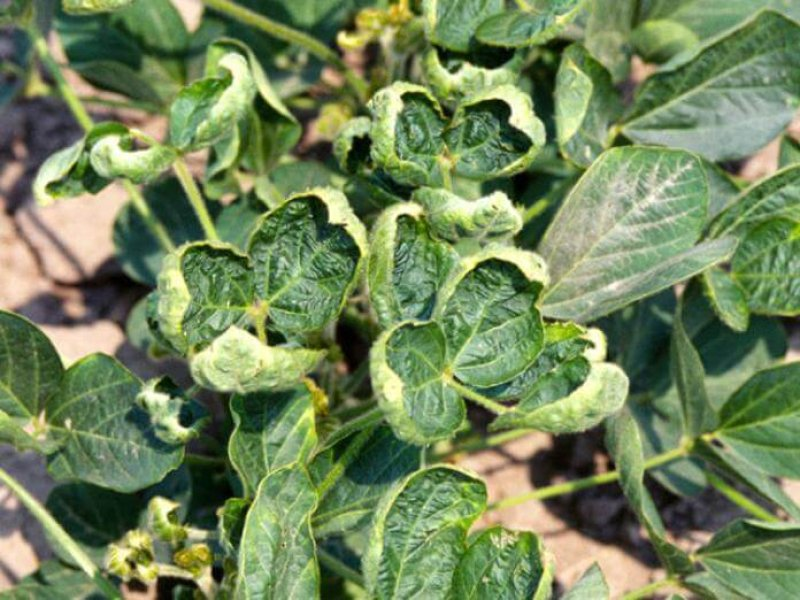
Dicamba, a commonly used herbicide in conventional farming, has long been a point of contention, particularly in regions where organic crops are grown alongside conventional fields. In 2024, the persistence of dicamba drift has become increasingly problematic for organic farmers in West Texas, affecting a range of sensitive crops, particularly cotton and peanuts.
To understand the scale of this issue, I recently conducted a poll targeting 204 organic farmers from Seminole to areas just north of Lubbock. The poll, sent out by email, specifically asked if they had observed dicamba drift on their sensitive crops this year. With a response rate of 27.5% (56 responses), the results are indicative of a widespread concern.
Poll Results: Dicamba Drift on Sensitive Crops
In this poll, farmers were asked a straightforward question: “Have you seen dicamba drift on sensitive crops in 2024?” The results revealed the following breakdown:
50% reported observing dicamba drift on their crops.
44% stated they had not observed drift.
5% mentioned “maybe” they had observed some drift damage.
The responses reflect a troubling level of dicamba exposure, with half of the respondents directly witnessing the impact of drift. While dicamba is designed to target specific weeds, the herbicide’s tendency to volatilize and drift into neighboring fields has made it difficult for organic farmers to avoid its effects, especially in the South Plains.
Impact on Crop Yields
Several farmers shared the tangible impacts dicamba drift has had on their yields. One farmer, who has been practicing organic farming for over three decades, described this year as the “worst dicamba drift in years.” He noted that his soybean yield was cut in half, with probable yield reductions in cotton as well. This problem was bad enough that his comments to me questioned whether it was worth it to keep farming!
The Broader Implications for Organic Farming
The prevalence of dicamba drift has significant ramifications for organic producers in Texas. Yield reductions not only threaten the economic viability of these farmers but also jeopardize their certification status, as organic crops must remain free of prohibited substances. Dicamba drift challenges their ability to meet these requirements, complicating the already demanding task of managing organic systems in a predominantly conventional farming region.
This is just for Awareness
The findings from this poll underscore the need for better management practices to prevent dicamba drift. Organic farmers have invested years into building sustainable systems that meet organic standards, yet their efforts can be undermined by the unintended consequences of a herbicide application on a nearby conventional farm.
Moving forward, it is essential to foster a dialogue between organic and conventional farmers, to find solutions that protect organic crops from unintended herbicide exposure. Additionally, increased awareness and education about the volatility of dicamba and its potential effects on neighboring fields could be critical steps in mitigating drift.
With dicamba products currently off the market, there is growing concern about whether they will be approved for use again in future years. The uncertainty surrounding future approvals adds an additional layer of stress for organic farmers, who are already grappling with the fallout of dicamba drift. Better and more effective safeguards are crucial if dicamba is to return, to ensure that organic farming can continue to thrive without fear of “chemical trespass” on neighboring farms.
What’s Next – FieldWatch offers help
In response to these ongoing challenges posed by any pesticide drift or accidental pesticide application, the Texas Department of Agriculture (TDA) is collaborating with FieldWatch to implement a mapping registry in 2025. This program aims to enhance communication between specialty crop producers, beekeepers, and pesticide applicators, thereby mitigating the risks associated with pesticide drift.
FieldWatch is a non-profit organization that offers free, voluntary mapping tools designed to promote awareness of sensitive sites. By registering their fields, vineyards, orchards and apiaries, producers and beekeepers can inform applicators of locations that require caution during pesticide application. This proactive approach fosters cooperation and helps protect vulnerable crops from unintended exposure.
Texas A&M AgriLife Extension Service will oversee the data management for FieldWatch in Texas, with your Extension Organic Specialist (myself!), serving as the data manager. This collaboration ensures that the registry is maintained with accurate and up-to-date information, facilitating effective communication among all stakeholders.
The introduction of FieldWatch in Texas is a significant step toward protecting organic and specialty crops from pesticide drift. By participating in this registry, farmers can contribute to better use and application of pesticides, ultimately supporting the sustainability of all agriculture in the region.
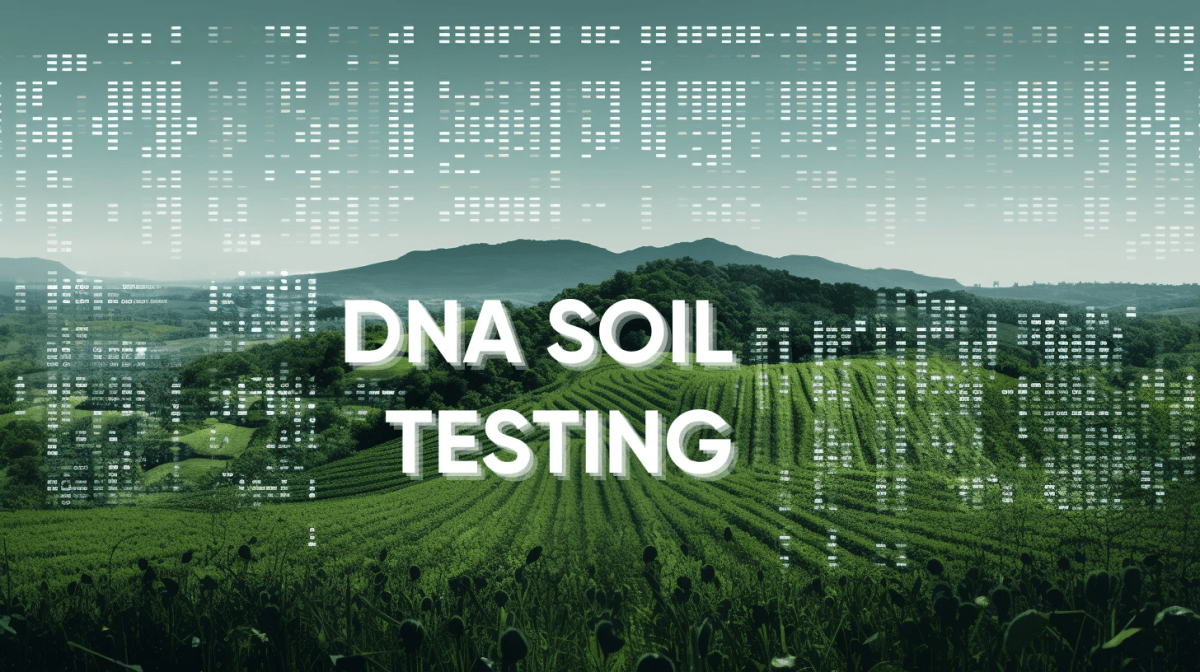
Picture – RhizeBio.com (Decoding Nutrient Availability with DNA Soil Testing for Agriculture)
In recent years, scientific advances in DNA sequencing have allowed us to delve deeper into the hidden world of soil microbiomes—complex ecosystems of bacteria, fungi, and other microorganisms that play a crucial role in soil health. For certified organic farms, where soil vitality is central to crop productivity, DNA testing has become a powerful tool to track the rejuvenation of soil microbial life. Here are several case studies and research examples showing how organic practices can bring “dead” or degraded soils back to life, backed by peer-reviewed studies and long-term trials.
1. Rodale Institute’s Farming Systems Trial (FST)
The Rodale Institute’s Farming Systems Trial (FST) in Pennsylvania, one of the longest-running studies of its kind, has provided compelling evidence on how organic practices restore microbial life in soils. Comparing conventional and organic farming systems, the trial found that organic soils had higher microbial diversity and biomass, which supported better nutrient cycling, drought resilience, and overall soil health. This microbial community improvement was observed within just a few years of organic management.
Seufert, V., Ramankutty, N., & Foley, J. A. (2012). Comparing the yields of organic and conventional agriculture. Nature, 485(7397), 229-232. doi:10.1038/nature11069
2. University of California, Davis – Russell Ranch Sustainable Agriculture Facility
At the Russell Ranch Sustainable Agriculture Facility, part of UC Davis, researchers compared organic and conventional farming systems to understand their impact on soil health. DNA sequencing revealed that organic plots contained a significantly higher abundance of beneficial microbes, such as Actinobacteria and Proteobacteria, which are essential for decomposing organic matter and supplying nutrients to plants. Improvements in microbial diversity were observed within three years, showing how quickly organic management can enhance soil life.
Supporting Study: Bowles, T. M., Acosta-Martínez, V., Calderón, F., & Jackson, L. E. (2014). Soil enzyme activities, microbial communities, and carbon and nitrogen availability in organic agroecosystems across an intensively managed agricultural landscape. Soil Biology and Biochemistry, 68, 252-262. doi:10.1016/j.soilbio.2013.10.004
University of California, Davis. Russell Ranch Sustainable Agriculture Facility. Retrieved from: https://russellranch.ucdavis.edu
3. USDA-ARS Study on Organic Transition in Salinas Valley, California
In California’s Salinas Valley, a USDA-ARS study focused on soil health during the transition from conventional to organic practices. DNA analysis was used to track microbial changes over time, showing that organic practices led to increased populations of beneficial organisms like Pseudomonas (known for disease suppression) and mycorrhizal fungi (which assist in nutrient uptake). Even heavily degraded fields showed signs of microbial recovery within three to five years under organic management.
The graph below illustrates how microbial diversity increased over several years under organic management, similar to what was observed in the USDA-ARS study in the Salinas Valley.
Supporting Study: Schmidt, J. E., Gaudin, A. C. M., & Scow, K. M. (2018). Cover cropping and no-till increase diversity and symbiotrophratios of soil fungal communities. Soil Biology and Biochemistry, 129, 99-109. doi:10.1016/j.soilbio.2018.10.010
USDA Agricultural Research Service (ARS). Organic Agriculture Research and Extension Initiative (OREI). Retrieved from: https://www.ars.usda.gov
4. The DOK Trial in Switzerland (FiBL – Research Institute of Organic Agriculture)
The DOK trial in Switzerland, a long-term study by the Research Institute of Organic Agriculture (FiBL), compares biodynamic, organic, and conventional systems. DNA sequencing and microbial analysis have shown that the organic and biodynamic plots consistently feature higher microbial diversity and functionality. Within the first few years, these systems already showed greater resilience and microbial activity compared to conventional plots, highlighting the role of organic practices in fostering a healthy, living soil ecosystem.
Supporting Study: Mäder, P., Fließbach, A., Dubois, D., Gunst, L., Fried, P., & Niggli, U. (2002). Soil fertility and biodiversity in organic farming. Science, 296(5573), 1694-1697. doi:10.1126/science.1071148
FiBL – Research Institute of Organic Agriculture. DOK Trial: Long-Term Farming Systems Comparison in Switzerland. Retrieved from: https://www.fibl.org
5. Organic Almond and Grape Vineyards in California
In California, several almond and grape vineyards that transitioned to organic practices have used DNA analysis to monitor soil microbial changes. Within a few years, they reported a rise in beneficial mycorrhizal fungi and reduced pathogen levels, signaling a healthier, more resilient soil system. DNA sequencing tracked these positive shifts, confirming that organic management can replace harmful microbes with beneficial ones in soil over time.
Supporting Study: Steenwerth, K. L., & Belina, K. M. (2008). Cover crops enhance soil organic matter, carbon dynamics and microbiological function in a vineyard agroecosystem. Applied Soil Ecology, 40(2), 359-369. doi:10.1016/j.apsoil.2008.06.006
Hannula, S. E., & van Veen, J. A. (2016). The role of AM fungi in organic agriculture. Applied Soil Ecology, 96, 64-72. doi:10.1016/j.apsoil.2015.05.011
The Role of DNA Analysis in Understanding Soil Revival
DNA analysis has been a game-changer in soil science, allowing researchers to observe the specific microbial changes that occur when fields transition from conventional to organic management. By tracking shifts in microbial diversity and function, DNA testing provides clear, measurable evidence of how organic practices promote a healthy, balanced soil microbiome.
These studies illustrate that soil health restoration is achievable within a relatively short time under organic practices. While soils subjected to long-term conventional management may initially appear “dead” or lacking in microbial diversity, the examples above demonstrate that organic farming can foster microbial resilience and diversity, creating a foundation for sustainable, productive agriculture.
Organic farming practices have been shown to significantly improve soil health and microbial diversity compared to conventional farming methods. This article on recent DNA studies provides compelling evidence for the benefits of organic practices on soil ecosystems (eOrganic, 2023).
Increased Microbial Diversity and Abundance
Organic farming leads to greater microbial diversity and abundance in soils. Research in the Netherlands found that organically managed soils had higher numbers and more diverse populations of beneficial soil organisms compared to conventionally managed soils (Hartmann et al., 2015). Similar results were observed in banana plantation soils in Taiwan, with organic soils showing greater microbial diversity (Lehman et al., 2015). This increased microbial diversity is crucial for soil health, as it improves nutrient cycling, water retention, and disease suppression.
Enhanced Bacterial Communities
DNA studies reveal specific changes in soil bacterial communities under organic management. Organic systems show higher abundance of beneficial bacterial phyla like Acidobacteria, Firmicutes, Nitrospirae, and Rokubacteria (Hartmann et al., 2015). These bacterial groups correlate with improved soil biochemical properties and increased crop yields in organic systems (Lehman et al., 2015).
Improved Fungal Associations
Organic practices foster beneficial fungal relationships in the soil. Arbuscular mycorrhizal fungi (AMF) colonization is higher in organic soils (Hannula & van Veen, 2016). AMF extend plant root systems, improving water and nutrient uptake, especially in challenging conditions like drought or high soil salinity.
Soil Organic Matter and Carbon Sequestration
Organic farming significantly increases soil organic matter content. The National Soil Project found organic soils averaged 8.33% organic matter content versus 7.37% in conventional soils (National Soil Project). Organic soils showed higher levels of sequestered carbon (4.1% vs 2.85%) and a greater percentage of organic matter in stable forms (57.3% vs 45%). This increased organic matter improves soil structure, water retention, and carbon sequestration potential.
Nitrogen Fixation and Nutrient Cycling
Organic practices enhance natural nutrient cycling processes. Research suggests organic soybean plants may develop more extensive fine root systems and nitrogen-fixing nodules compared to conventional crops (Lehman et al., 2015). The diverse microbial communities in organic soils contribute to more efficient nutrient cycling and availability for plants (Hartmann et al., 2015).
Soil Enzyme Activity
Organic management boosts soil enzymatic activity. Higher levels of alkaline phosphatase and β-glucosidase activity are observed in organic systems (Bowles et al., 2014). These enzymes play crucial roles in organic matter decomposition and nutrient release.
In conclusion, DNA studies provide strong evidence that organic farming practices revitalize soil health by fostering diverse and abundant microbial communities, improving soil structure, enhancing nutrient cycling, and increasing carbon sequestration. These benefits create a more resilient and sustainable agricultural ecosystem.
Sources for Further Reading:
Hartmann, M., Frey, B., Mayer, J., Mäder, P., & Widmer, F. (2015). Distinct soil microbial diversity under long-term organic and conventional farming. The ISME Journal, 9(5), 1177-1194. doi:10.1038/ismej.2014.210
Lehman, R. M., Cambardella, C. A., Stott, D. E., Acosta-Martínez, V., Manter, D. K., Buyer, J. S., … & Halvorson, J. J. (2015). Understanding and enhancing soil biological health: The solution for reversing soil degradation. Sustainability, 7(1), 988-1027. doi:10.3390/su7010988
These resources provide additional insights into how soil biology supports agriculture and the role of organic practices in enhancing microbial diversity.
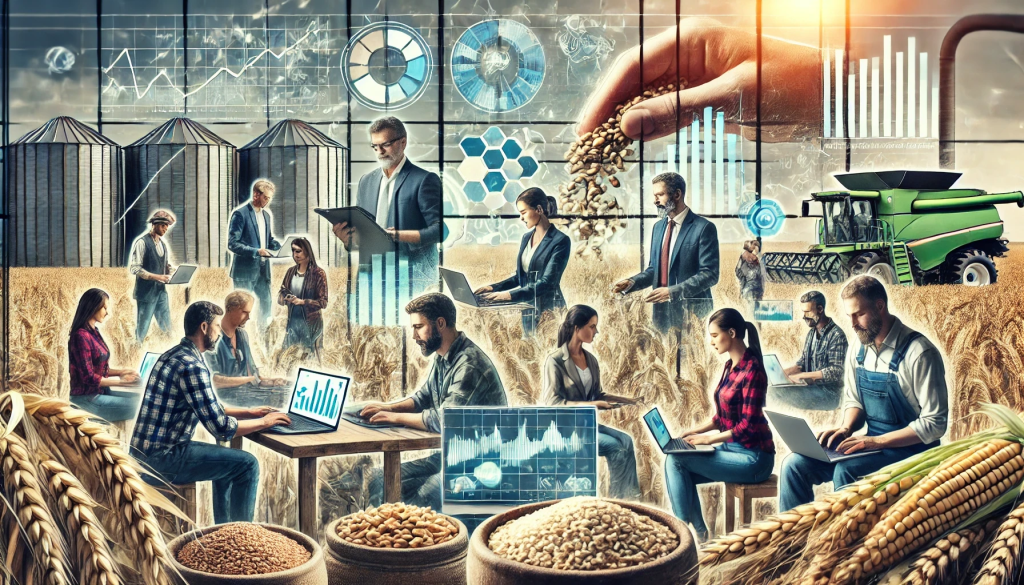
Please mark your calendar for an Online Microsoft TEAMS Webinar discussing Organic Grain Markets in Texas, Oklahoma and New Mexico. The meeting will be held on Monday, November 18 at 1:00 pm (CST) on TEAMS. To register, just click the link below and you will be directed to a registration page and be sure to include the invite on your reminder calendar. Need help with getting on a TEAMS Webinar just click this link to learn how: TEAMS Webinar Made Simple
Texas A&M AgriLife Extension is pleased to present this Organic Grain Marketing Webinar, bringing together both organic grain farmers and buyers (mills, processors, feedlots, dairy) to discuss key criteria for producing high-quality grains and meeting market demands. The event will feature special presentations from Argus Media Group, offering insights into organic grain market trends and reporting. Also included will be engaging discussion from selected growers and buyers on what it takes to produce and purchase organic grains that meet organic industry standards. There is no cost to participate, just be sure to register so you can get information to sign onto the program webinar.
The State of Organic Grain Markets: Why Take Action?
You may be wondering why this meeting is crucial, or why you should participate. Frankly, I’ve been hesitant to host such events because these discussions often bring tension from both growers and buyers. Yet, the current state of organic grain markets leaves me no choice but to step in. Here are some pressing issues that have been affecting the market, creating inefficiencies and frustrations that this webinar aims to address:
Price Transparency Issues Many organic farmers feel they are operating in the dark. Unlike conventional markets with established price discovery systems, organic grain pricing remains inconsistent and opaque. Farmers struggle to find reliable data on market prices, making it difficult to plan their production effectively. Buyers, on the other hand, are uncertain whether they are paying a fair price, which can lead to friction in negotiations. This meeting aims to shed light on the data gaps and discuss ways to make the market more transparent.
Limited Market Information A lack of comprehensive market data on organic grains affects both supply and demand. Farmers don’t have access to real-time demand forecasts or historical data, which leads to overproduction or underproduction. This not only results in wasted resources but also impacts profitability. Buyers are equally frustrated by the lack of a consistent supply, as farmers cannot adequately meet demand when production planning is based on incomplete information. By bringing buyers and sellers together, we aim to establish better communication and data sharing practices to bridge this gap.
Reluctance to Share Information Another issue is the reluctance among industry players to share market information. Some participants prefer to keep their cards close to the chest, fearing that sharing too much data might give their competitors an advantage. However, this creates a fragmented market, where both buyers and sellers are unable to make fully informed decisions. This webinar will serve as a platform to address the hesitations and work toward more collaborative market practices.
Fragmented Market Systems The organic grain market is fragmented, with different regions operating under different pricing and demand systems. What sells for a premium in one region might be undervalued in another, and there is no easy way for farmers to tap into broader markets. This disconnect limits opportunities for growth and scalability. One goal of this meeting is to identify ways to standardize market systems, making it easier for farmers to access new markets and for buyers to secure consistent supplies.
Incentives to Engage in Market Information Systems Smaller organic grain producers often see little incentive to participate in formal market reporting. The perceived complexity and lack of immediate benefits discourage farmers from engaging in platforms that could, over time, benefit the entire market. Through discussions with both buyers and sellers, we hope to explore solutions that could offer better incentives for engagement, such as direct market access or premiums for those who participate.
By addressing these issues head-on, this webinar offers a unique opportunity for both growers and buyers to not only learn from each other but to actively shape the future of the organic grain market.
I got this information below which also highlights the need for more information.
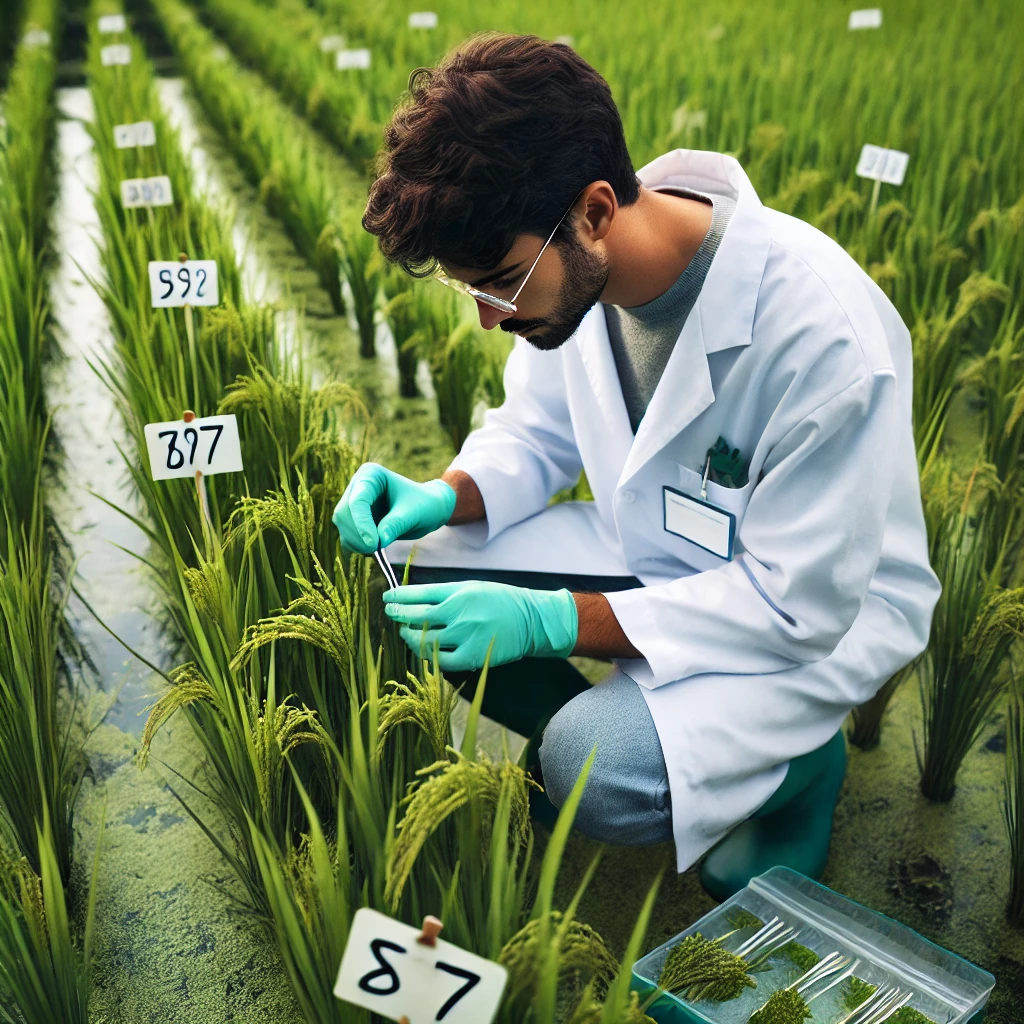
Dr. Tanumoy Bera is a Postdoctoral Research Associate at the Texas A&M AgriLife Research Center in Beaumont. In 2022 he was awarded a grant by Southern SARE with a project called, “Development of Sustainable Organic Rice Ratoon Production Systems in the Southern US,” and he has some excellent results so far with more to come. Here is a progress report from Dr. Bera and I think organic rice growers can benefit from his observations.
by Dr. Tanumoy Bera, Rice Researcher
While organic rice consumption in the U.S. has grown substantially in recent years, demand for domestically grown organic rice hasn’t kept pace. Instead, cheaper imports have dominated the market, creating challenges for U.S. producers trying to meet the increasing appetite for organic rice while maintaining profitability. To address these challenges, researchers at Texas A&M AgriLife in Beaumont are focusing on improving organic ratoon rice production—a method that allows rice to be harvested from the regrowth of previously harvested stubble. This technique is especially valuable because it enables a second harvest without the need to replant, which helps farmers reduce costs, increase productivity, and compete with lower-priced imports while still maintaining a viable net income per acre.
This ongoing study, initiated in 2022, aims to evaluate how rice cultivars, crop rotation practices, and nitrogen application rates affect the yield and quality of organic ratoon rice. The team tested two cultivars—Presidio and RiceTec XP753—alongside two management approaches: winter fallow and cover cropping. Their goal is to determine how these factors influence yield, milling quality, nitrogen content, and nitrogen removal in an organic ratoon system.
Early findings have been promising. The hybrid XP753 showed a remarkable performance, increasing the main crop yield by 75% and ratoon yield by 97% compared to Presidio. This is partly due to hybrid varieties like XP753 being bred to combine the best traits from parent plants, resulting in higher yields and greater resilience—key attributes for organic farming.
However, establishing cover crops in southeast Texas has been challenging, mainly due to wet winters and poor drainage in heavy clay soils. Despite these difficulties, cover crops, when successfully established, have provided significant benefits. To enhance nitrogen availability, the researchers utilized organic-approved inputs such as compost and cover crops, finding that an equivalent of 90 pounds of nitrogen per acre was optimal for achieving the greatest yields, with greater rates offering no additional advantage. This insight helps farmers optimize nitrogen inputs using sustainable sources, saving costs while promoting organic practices.
Looking ahead, the research will continue into the 2025 season, aiming to refine these findings and explore their long-term impacts. This work is crucial as demand for organic products continues to rise, providing farmers with improved productivity while supporting sustainable agricultural practices. With initiatives like this, Texas A&M AgriLife is helping pave the way for a more resilient and environmentally friendly future in agriculture.
As rice breeding continues to advance, hybrid rice varieties have emerged as a powerful tool for increasing yields, improving disease resistance, and enhancing grain quality. A key innovation behind hybrid rice production is the Cytoplasmic Male Sterility (CMS) system, which enables breeders to produce hybrid seeds efficiently. This blog post explains how the three-line CMS system works and why it’s so valuable for breeders and farmers alike.
What is Cytoplasmic Male Sterility (CMS)?
Cytoplasmic Male Sterility (CMS) is a genetic trait that prevents a plant from producing functional pollen. This characteristic is particularly useful in hybrid seed production because it ensures the plant cannot self-pollinate. Instead, the male-sterile plant must be pollinated by another plant, allowing breeders to control the parentage of hybrid seeds.
The Three-Line System in Hybrid Rice Production
The three-line system involves three types of rice lines:
A-Line (CMS Female): A male-sterile line that cannot produce viable pollen, used as the female parent in hybrid seed production.
B-Line (Maintainer Line): Genetically identical to the A-line but fertile. It is used to maintain the CMS trait in the A-line.
R-Line (Restorer Line): A fertile line that carries restorer genes to restore pollen fertility in the F1 hybrid generation.
Each of these lines plays a critical role in ensuring the successful production of hybrid rice seeds, and together they contribute to the final hybrid variety’s vigor and performance.
How the Crosses Work in the Three-Line System
1. Maintaining the CMS Line
The A-line (CMS female) is male-sterile, meaning it cannot produce seeds on its own because it lacks viable pollen. To maintain this line, breeders must cross the A-line with the B-line (maintainer), which has the same genetics but does not have the male-sterile trait.
Result: More A-line seeds, all of which remain male-sterile. The B-line helps propagate the A-line without restoring fertility, ensuring that male sterility is preserved.
2. Producing Hybrid Seeds
Once enough CMS A-line plants are produced, they are crossed with the R-line (restorer) to create hybrid seeds. The R-line carries genes that restore pollen fertility in the hybrid offspring, allowing the hybrid plants to reproduce normally.
Result: F1 hybrid seeds that combine the best traits from both the A-line and the R-line. These seeds exhibit hybrid vigor (heterosis), meaning the plants will grow faster, yield more, and be more resilient to stresses like pests and diseases.
Visual Representation of the Three-Line System
Below is a flowchart that visually represents the three-line CMS system:
This flowchart provides a simplified view of how the A-line, B-line, and R-line interact to produce hybrid seeds. It helps to visualize the sequential process of maintaining the CMS line and producing vigorous hybrid seeds.
Distribution of Beneficial Traits in the Three Lines
In the three-line system, both the A-line and R-line contribute valuable traits to the hybrid, while the B-line helps maintain the CMS line. Here’s a breakdown of what each line brings to the table:
Genetically identical to A-line; used for maintenance
R-Line (Restorer)
Male parent; restores fertility
Provides restorer genes and complementary traits to enhance hybrid vigor
Why Use the Three-Line System?
The three-line CMS system has been a game-changer in hybrid rice breeding for several reasons:
Efficient Hybrid Seed Production: CMS ensures the A-line plants cannot self-pollinate, making it easier for breeders to control the crossing and ensure that hybrid seeds are produced with the desired genetic combinations.
Hybrid Vigor: The cross between the A-line and R-line produces F1 hybrid plants that often outperform both parent lines due to heterosis (hybrid vigor). These plants grow faster, produce higher yields, and are more adaptable to varying environmental conditions.
Consistent Performance: By carefully selecting A-line and R-line parents, breeders can develop hybrids that consistently deliver high yields and other desirable traits, such as disease resistance or drought tolerance.
Real-World Example in Rice
For example, let’s say a breeder selects an A-line that has high grain quality and yield potential but lacks disease resistance. They could pair this A-line with an R-line that has strong disease resistance and good stress tolerance. The resulting hybrid will combine these traits, offering farmers a variety that not only yields well but also stands up to diseases and environmental stressors.
Saving Hybrid Rice Seeds and Trait Loss
It’s important to note that saving seeds from hybrid rice plants is generally not recommended. The F1 hybrid seeds produced through the three-line system exhibit hybrid vigor due to the combination of traits from the A-line and R-line. However, if these hybrid seeds are saved and replanted, the resulting plants (F2 generation) will not retain the same level of performance. This is because the desirable traits that make the F1 hybrids so productive can segregate and diminish in subsequent generations, leading to reduced yields, inconsistency, and loss of hybrid vigor. To read more about organic rice varieties and resources click this link: Organic Rice Resources
Key Takeaways
A-line (CMS) contributes key agronomic traits but cannot produce pollen, ensuring controlled cross-pollination.
B-line is a maintainer, used to propagate the A-line but not involved in the hybrid seed production.
R-line restores fertility and adds complementary traits, leading to a vigorous and productive F1 hybrid generation.
The three-line CMS system enables efficient hybrid seed production, combining the best traits from different lines to create high-performing hybrids that meet farmers’ needs for yield, resilience, and grain quality. The three-line CMS system remains one of the most effective methods for producing hybrid rice seeds, ensuring that breeders can develop varieties that push the limits of productivity and sustainability.
Conclusion
As global demand for rice, especially organic rice, continues to grow, the ability to produce high-yielding, resilient hybrid varieties through the CMS system is more important than ever. This method ensures that breeders can consistently produce hybrids that help farmers achieve better harvests, even in the face of environmental and biological challenges. Hybrid rice breeding holds a promise for amplifying traits important for organic producers.
By understanding the nuances of the A-line, B-line, and R-line, breeders can make informed choices about which traits to focus on in their breeding programs. Ultimately, the three-line system not only enhances hybrid seed production but also contributes to the long-term sustainability of rice farming.
Microsoft Teams is not new but may be new to folks used to Zoom. Teams has lots of features and we can use it for meetings of 1,000, Zoom we can’t!
There are a tremendous number of new things going on in agriculture and many, many new things in organic agriculture. The problem is trying to get these new things to you the organic producer without eating up your time and energy and being more efficient with our time and energy. That said one of the things we want to do is introduce you to Microsoft Teams and how it can be used to get you information quickly and easily. This is not a replacement for an in-person meeting, but it will be a supplement to help you get information and updates that should help make you more efficient and better prepared. Plus, we can get some really great speakers from all over if they don’t have to travel!
Let me show you how this will work so that you won’t be frustrated by trying to be a part of a webinar. First, you will get a link to register in an email or even a QR code in a mailed letter that takes you directly to the registration website.
QR Code that you scan with your cell phone camera.
Email sent directly to you with a website link in the email!
If you get an email link that you click or if you scan the QR code, both will take you to this screen.
You will just click on the Register button, and it will pop up a screen with a fill-in-the-blank registration. First name, Last name, Email Address. Simple!
Once you register, the Teams Webinar Program will send you an email (below) about the webinar including the date, time, and a button to click to join event – the webinar. Don’t join right away because the webinar won’t be starting till 15 minutes before the scheduled time. If you do join by accident don’t worry it will just tell you to wait and wait and wait….
Once you click the Join Event button you will be taken to your web browser (Google Chrome, Safari, Edge) and click the continue on this browser button and you will be in the meeting. Or use the Teams app if you have it or download it. Just remember the browser method is fine.
I know this can sound very confusing but don’t worry. It is easy and after a few times will become second nature. It is the way a lot of education is going because there is so much to learn. As an aside, I have heard from many that this whole process works well on a smart phone!











 Texas A&M AgriLife Organic