There have been a lot of opportunities this summer for Organic Farmers to attend tours held outside, in the field, that featured organic agriculture. I hope that you as an organic farmer took the time to attend, learn, and show your support. I hope that organic farmers realize that Extension education works much like a business! If farmers do not show up (make a purchase) then there will be an assumption that they do not need Extension organic education. If they do not need organic education, then the “educators” might be forced to do something else – just saying! Check out the pictures and information and then plan to be a part the next time you get the invitation!
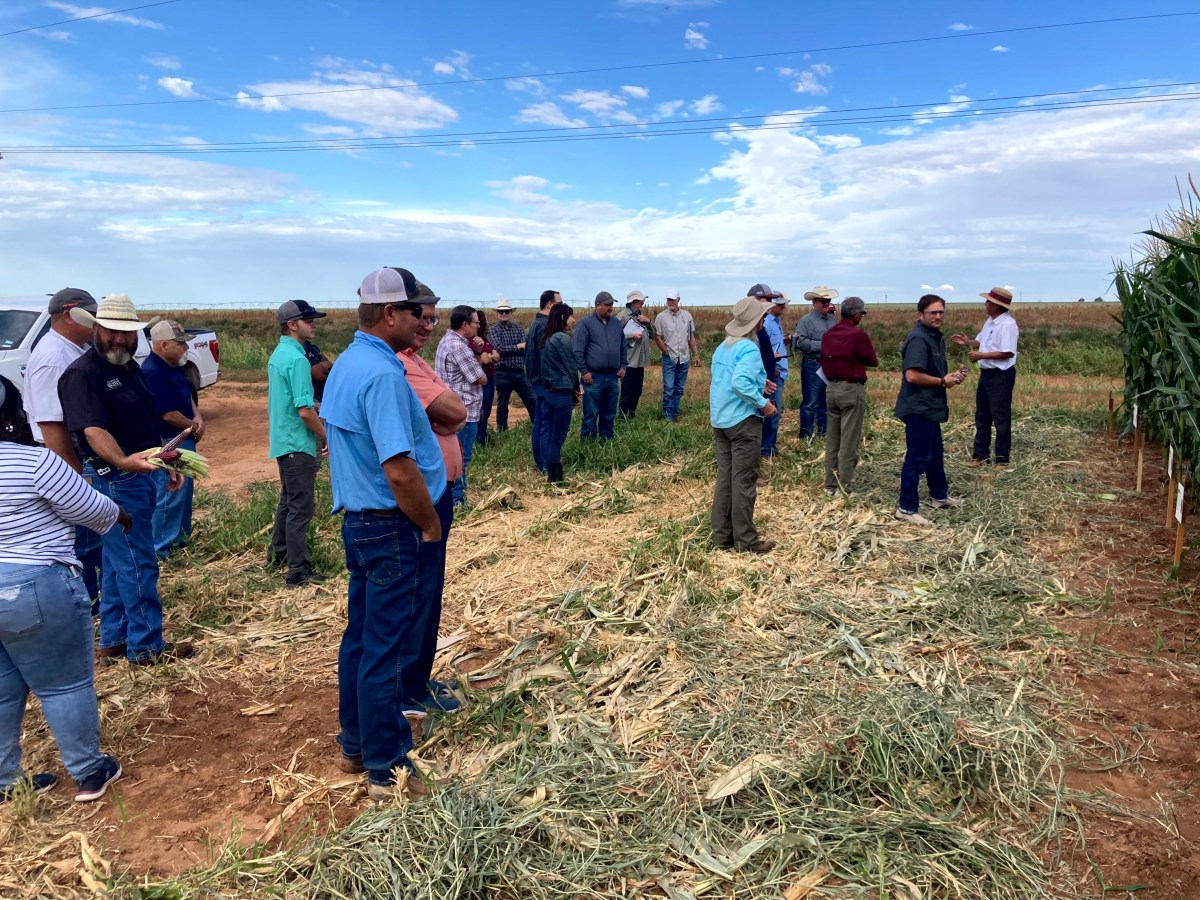
The picture above is at the Hi-A Corn Field Day held July 31 in and around Halfway just west of Plainview. There was a good crowd of farmers, seed producers and businesses interested in new corn hybrids.
The pictures below are of the Organic Cotton and Peanut Field Day held on August 19 just north of Seminole in Neil Froese’s fields. We toured peanuts, cotton and had a robot demonstration and a great talk by Aigen about their new robot weeders.
Dr. John Cason has his back to us in the picture as he talks to the crowd about the organic peanut variety trial. It was great weather that day with a little over 2 inches of rain the day before.
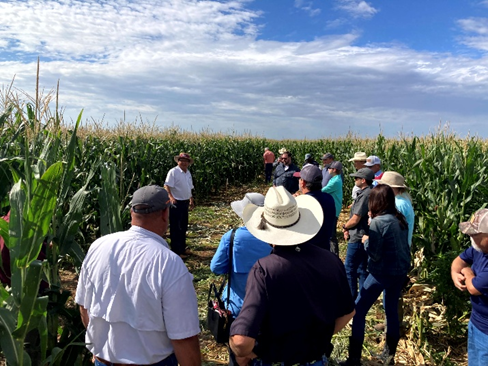
The picture above is some discussion about the organic cotton fields surrounding the crowd. The fields were clean of weeds, and we discussed the implements and timing to keep them clean.
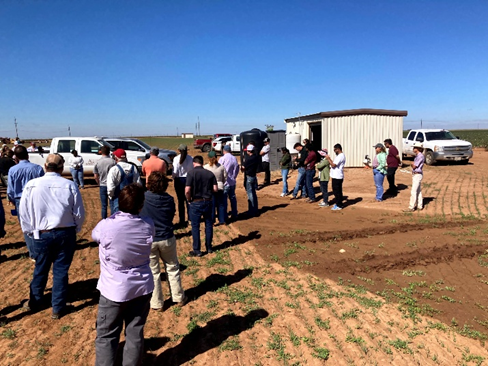
Below the picture is showing a potential crop robot developed by Texas A&M researchers using common components found in most electronic stores. The technology is sophisticated but the design and parts are pretty simple. Imagine building robots in your shop that could run continuously weeding your fields!
The pictures below are from the Resilient Cropping Systems Tour held on September 24 that started at the Quarterway Cotton Growers but toured from there to the Helms Farm south of Halfway. This tour featured so many speakers and demonstrations that I can’t name them all but organic was discussed on many of the tour stops. I want to also mention that Megan Singletary is doing some great work in organic weed control and results should be something we can use to improve our fields.
Let me add one more tour that I wish I had more pictures to show you the crowd and facilities. I am a terrible photographer and wish I would do better! The Southwest Dairy Day had over 300 attending and Organic Dairy was front and center.
This is just one of many seminars given at the Southwest Dairy Day held on October 9. The day featured lots of exhibits in outdoor tents, lots of equipment demonstrations, and a tour of the Aurora Organic “Pepper” Dairy just outside of Dublin Texas. The Pepper Organic Dairy features the latest in robot milkers for batch milking. A completely automated system we were able to tour from above the entire operation from the balcony at the milking parlor – it was a site to see!
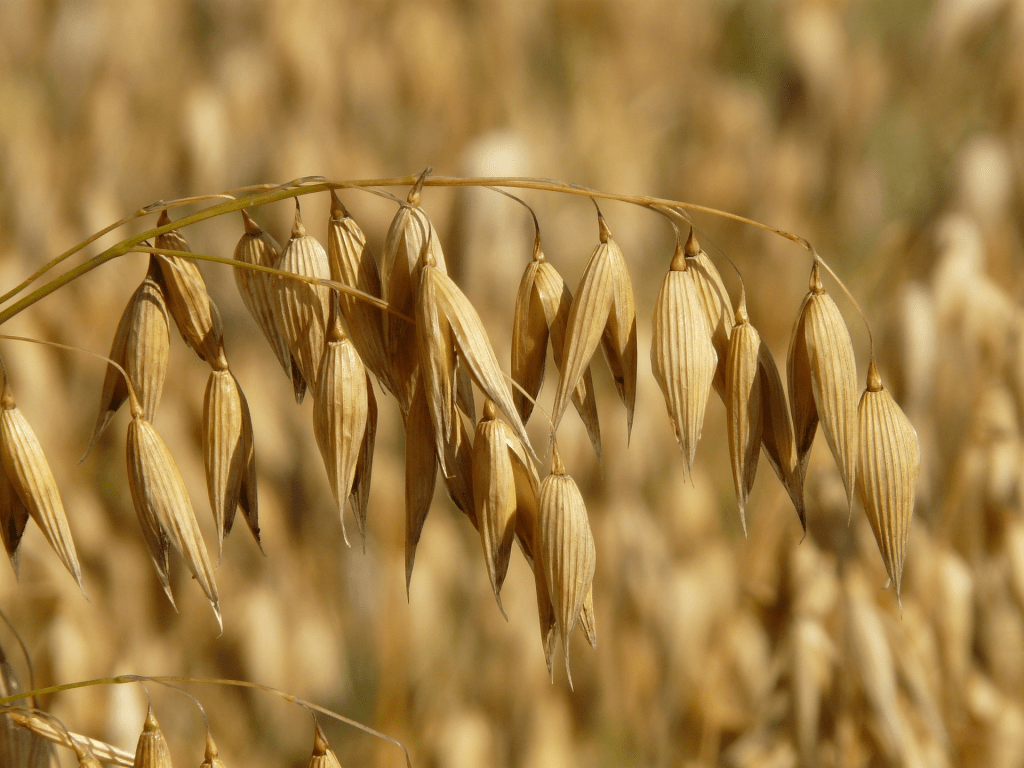
Oats: The Nutrient-Rich Grain for Food, Forage, and Soil Improvement
Organic oat production plays a vital role in sustainable agriculture, offering a high-nutrient, low-input crop that supports both human and environmental health. Oats are often grown in organic systems for their ability to improve soil structure, suppress weeds, and add valuable organic matter. They are particularly prized for their high fiber and beta-glucan content, making them a staple in the health food market. Organic oats appeal to consumers looking for pesticide-free, nutrient-dense food options, while their production helps farmers reduce chemical dependencies and maintain ecological balance. By prioritizing organic oat cultivation, producers can tap into a growing market for clean, wholesome grains while promoting regenerative farming practices.
Food Use: Oats are a popular grain used globally in a variety of foods, especially breakfast items like oatmeal, granola, and muesli. They are known for their high nutritional value, being rich in soluble fiber, particularly beta-glucans, which help lower cholesterol levels and regulate blood sugar. Oats also provide a good source of carbohydrates, protein, healthy fats, and essential nutrients such as iron, magnesium, and B vitamins. They are often processed into different forms, including rolled oats, steel-cut oats, and oat flour, which are used in baking, snacks, and health foods.
Animal Feed: Oats are a highly valued feed grain, especially for horses, cattle, and poultry. They are known for their palatability and digestibility, providing a good balance of energy, fiber, and protein. The relatively high fiber content in the hulls of oats makes them a preferred choice for young animals and those with specific dietary needs, such as horses and lactating livestock. Oats are also less likely to cause digestive upsets compared to higher-starch grains like corn, making them a safer feed option for many animals. They can be fed whole, rolled, or ground, depending on the specific requirements of the livestock.
Advantages of Growing Oats as Grain
High Nutritional Value: Oats are known for their high nutritional content, including a good balance of protein, carbohydrates, and fats. They are particularly high in soluble fiber, especially beta-glucans, which help lower cholesterol and regulate blood sugar levels. Oats are commonly used in human foods such as oatmeal, breakfast cereals, and baked goods.
Market Demand and Health Benefits: There is a strong market demand for oats due to their recognized health benefits, including heart health, digestive health, and as a gluten-free alternative (though oats can be contaminated with gluten unless specifically grown and processed as gluten-free).
Adaptability to Different Climates: Oats are highly adaptable and can thrive in cool, moist climates. They are well-suited to regions with shorter growing seasons and can perform well on a variety of soils, including those that are less fertile or have higher moisture levels.
Soil Improvement: Oats contribute to soil health by enhancing soil structure, increasing organic matter, and providing ground cover that reduces erosion. Their fibrous root system helps improve soil tilth and water infiltration.
Low Input Requirements: Oats generally require fewer inputs such as fertilizers and pesticides compared to other cereal crops, making them a cost-effective option for farmers, particularly in organic or low-input systems.
Advantages of Growing Oats for Grazing
High-Quality Forage: Oats provide high-quality forage that is rich in protein and energy, making them an excellent choice for grazing livestock, especially when grazed in the early vegetative stages. This forage is particularly beneficial for young or lactating animals.
Extended Grazing Season: Planting oats in the fall or early spring can extend the grazing season, providing valuable forage when other pastures are not available. This can reduce the need for supplementary feeding.
Rapid Growth and Regrowth: Oats grow quickly and can provide forage within a short period after planting. They can be grazed multiple times if managed correctly, supporting continuous grazing systems and reducing feed costs.
Palatability and Digestibility: Oat forage is highly palatable to livestock, which can improve intake and animal performance. Its high digestibility supports efficient nutrient utilization in grazing animals.
Advantages of Growing Oats for Silage
Nutritional Silage: Oat silage offers a good balance of carbohydrates, proteins, and fiber, making it a valuable feed for ruminants such as dairy cows, beef cattle, and sheep. The high energy and digestibility of oat silage contribute to enhanced animal performance, particularly in high-demand situations like lactation.
Early Harvest and Flexibility: Oats can be harvested for silage earlier in the season, which allows for double-cropping or the planting of cover crops afterward. This can maximize land use efficiency and enhance overall farm productivity.
High Biomass Production: Oats produce a substantial amount of biomass, resulting in high yields of silage per acre. This makes it a productive option for livestock feed, particularly in regions where forage supply is critical.
Tolerance to Poor Growing Conditions: Oats are relatively tolerant of poor growing conditions, including cold, wet soils and low fertility, making them a reliable option for silage production in diverse environments.
Oat Seed Count and Weight
Seeds per Pound: The number of oat seeds per pound generally ranges from 12,000 to 16,000 seeds per pound, depending on the variety and seed size. An average figure is around 14,000 seeds per pound.
Planting Rate
Typical Planting Rate: The standard seeding rate for oats is typically 80 to 100 pounds per acre. This equates to approximately 1.1 to 1.6 million seeds per acre, depending on seed size and germination rates.
Range of Planting Rates:
For Grain Production: Rates usually range from 70 to 100 pounds per acre.
For Forage or Cover Crop Use: Higher seeding rates, ranging from 100 to 130 pounds per acre, are often used to ensure a dense stand for forage quality or ground cover.
Erosion Control or Soil Health: For purposes like erosion control or as a nurse crop, seeding rates might reach up to 130 pounds per acre.
Planting Depth
Optimal Depth: Oats should be planted at a depth of 1 to 2 inches. Planting depth considerations include:
1 inch is generally adequate under moist conditions and lighter soils.
1.5 to 2 inches may be needed in drier conditions or in heavier soils to ensure good seed-to-soil contact and moisture access.
Depth Considerations: Planting too shallow may expose seeds to surface drying or adverse weather, while planting too deep can delay emergence and reduce stand uniformity.
Additional Considerations
Soil Temperature: Oats can germinate at cool soil temperatures, with the optimal range being 50°F to 77°F (10°C to 25°C). They can be planted in early spring or late summer for fall production.
Row Spacing: Oats are typically planted with row spacing of 6 to 8 inches for grain, and sometimes closer spacing for forage or cover crop purposes.
Uses: Oats are versatile and used for grain, forage, and cover cropping. As a cover crop, oats help improve soil structure, suppress weeds, and capture residual nitrogen.
Overall Benefits
Weed Suppression and Cover Cropping: Oats are effective at suppressing weeds due to their rapid growth and dense canopy. They are also commonly used as a cover crop to improve soil health, prevent erosion, and reduce weed pressure in subsequent crops.
Disease Resistance and Pest Management: Oats are generally less susceptible to some of the diseases and pests that affect other cereal grains, reducing the need for chemical interventions and supporting integrated pest management strategies.
Seed Companies
Organic farmers are required to purchase organic seed when it is available, but for many crops, organic seed options are limited or unavailable. Many seed companies offer both organic and non-organic seed, and it’s essential for farmers to understand that non-organic seed can be used on certified organic farms as long as it is non-GMO and untreated. Farmers should always verify seed sourcing requirements with their organic certifier to ensure compliance while balancing the need for high-quality planting seed.
Organic Small Grain (wheat, oats, triticale, barley, and rye) Traders
Here is a list of potential organic commodity buyers (based on organic certification) who have historically engaged in the organic grain market. While these companies have shown interest in organic commodities, it’s important to note that their purchasing activities can vary based on market conditions, demand, and availability. I encourage you to contact them directly to inquire about their current buying needs and contract opportunities, as their purchasing intentions may change over time.
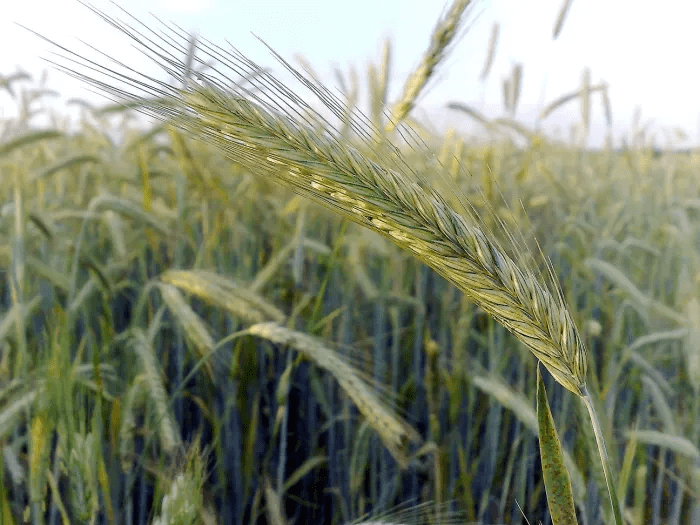
Organic Rye: A Resilient Grain for Tough Conditions and Specialty Markets
Organic rye production is valued for its adaptability, resilience, and significant contributions to soil health. Rye is a hardy crop that thrives in poor soil conditions where other grains may struggle, making it an excellent choice for organic systems that emphasize soil conservation and reduced input costs. As a cover crop, rye is unrivaled in its ability to suppress weeds, prevent erosion, and build organic matter through its extensive root system. Organic rye production supports biodiversity and ecosystem balance, offering a low-input, high-return solution for sustainable farming. Its use in food products, such as rye bread and whiskey, caters to a niche market of health-conscious consumers seeking clean, chemical-free grains.
Food Use: Rye is commonly used in bread, especially in Eastern European countries, with rye bread being known for its dense texture and slightly sour taste. It has a lower gluten content than wheat, making it a good option for people with mild gluten sensitivities (though not suitable for those with celiac disease). Rye contains dietary fiber, iron, and B vitamins, and is associated with lower glycemic index foods.
Animal Feed: Rye is less common in animal feed compared to wheat and barley due to its higher fiber content and certain antinutritional factors. However, modern varieties have improved, making it a potential energy source for pigs and poultry when used in limited quantities.
Advantages of Growing Organic Rye as Grain
Adaptability to Poor Soils and Harsh Conditions: Rye is highly adaptable and can thrive in poor, sandy, or acidic soils where other grains might struggle. It is also more tolerant of cold and drought conditions, making it suitable for marginal lands.
Soil Health and Erosion Control: Rye’s deep root system improves soil structure and reduces erosion. It helps to build soil organic matter, enhances water infiltration, and can suppress weeds through its vigorous growth and allelopathic effects (chemical compounds released by the plant that inhibit the growth of other plants). 1
Market Demand for Specialty Products: Rye is used in specialty products such as rye bread, whiskey, and other fermented products, providing niche market opportunities. Its high dietary fiber content, particularly soluble fibers like arabinoxylans, makes it popular in health-conscious markets.2
Pest and Disease Resistance: Rye is generally more resistant to pests and diseases compared to wheat, reducing the need for chemical inputs and making it a more resilient option for organic and low-input farming systems.
Advantages of Growing Organic Rye for Grazing
Early and Extended Grazing: Rye can be planted in the fall and provides early spring grazing, often earlier than other winter cereals. This can help extend the grazing season, especially in colder climates.
High Forage Quality: When harvested at the right stage, rye offers high-quality forage with good levels of protein and digestibility. It is particularly valuable for livestock in the early vegetative stages.
Rapid Growth and Recovery: Rye grows rapidly in cool weather and can be grazed multiple times due to its quick regrowth after grazing. This makes it an excellent forage option in rotational grazing systems.
Resilience to Trampling: Rye’s robust growth habit allows it to withstand trampling by livestock better than some other cereals, maintaining forage quality and yield under grazing pressure.
Advantages of Growing Organic Rye for Silage
Nutritional Silage: Rye silage provides a good source of energy and fiber, suitable for feeding ruminants like dairy cows and beef cattle. It is particularly useful in maintaining forage supplies during times when other silage crops are unavailable.
Early Harvest and Double-Cropping Potential: Rye can be harvested for silage in early spring, allowing farmers to double-crop by planting another forage or grain crop immediately afterward. This can enhance overall farm productivity and land use efficiency.
Disease Management: By harvesting for silage, farmers can avoid some of the common diseases that may affect grain production, such as ergot, a fungal disease that can affect the grain.
High Biomass Production: Rye is known for its high biomass production, which contributes to a significant amount of silage per acre. This makes it an excellent option for producing large quantities of feed in a relatively short period.
Overall Benefits
Weed Suppression: Rye’s allelopathic properties and rapid growth help suppress weeds naturally, reducing the need for herbicides and contributing to organic farming systems.
Soil Improvement and Cover Crop Benefits: Rye is widely used as a cover crop due to its soil-improving qualities, including enhancing soil structure, reducing compaction, and increasing organic matter content.
Low Input Requirements: Rye generally requires fewer inputs in terms of fertilizers and pesticides compared to other grains, making it a cost-effective option for growers, especially in low-input or organic systems.
Rye Seed Count and Weight
Seeds per Pound: The number of rye seeds per pound typically ranges from 18,000 to 22,000 seeds per pound, with a common average around 20,000 seeds per pound. This can vary slightly depending on the variety and seed size and has been known to vary from 12,000 to 33,000 seeds per pound.
Planting Rate
Typical Planting Rate: For grain production, the standard seeding rate is typically 60 to 90 pounds per acre. This equates to about 1.2 to 1.8 million seeds per acre based on the average seed count. It is generally recommended that you plant 1.2 million seeds per acre as a standard which means your bags per acre can vary tremendously!
Range of Planting Rates:
Grain Production: Generally 60 to 90 pounds per acre.
Forage or Cover Crop Use: Seeding rates can be higher, ranging from 90 to 120 pounds per acre to ensure dense ground cover for weed suppression or forage purposes.
Erosion Control or Soil Health: In these cases, even higher rates, up to 120 pounds per acre, may be used for quick canopy closure and soil stabilization.
Planting Depth
Optimal Depth: Rye should be planted at a depth of 1 to 1.5 inches. The key factors for depth selection are:
1 inch deep is generally sufficient in most conditions, especially where moisture is readily available.
Up to 2 inches deep in drier soils or where moisture is deeper below the surface.
Depth Considerations: Planting rye too shallow can increase the risk of exposure to cold or drying winds, while planting too deep can delay emergence and reduce seedling vigor.
Additional Considerations
Soil Temperature: Rye is highly cold-tolerant and can germinate in soil temperatures as low as 34°F (1°C). However, ideal germination occurs when soil temperatures are between 50°F and 70°F (10°C to 21°C).
Row Spacing: Row spacing for rye can range from 6 to 8 inches for grain production, with narrower spacing used in forage or cover crop applications to achieve rapid ground cover.
Uses: Rye is versatile and used for grain, forage, cover cropping, and erosion control. As a cover crop, rye is valued for its allelopathic properties that suppress weed growth and its ability to scavenge residual soil nitrogen.
Rye Varieties
Oklahoma Foundation Seed: Oklon, Elbon, Maton
There are hardly any variety tests to share but this is an especially good one. These are not necessarily organic, but several could be grown on organic soil and then sold since they are OP varieties.
Organic farmers are required to purchase organic seed when it is available, but for many crops, organic seed options are limited or unavailable. Many seed companies offer both organic and non-organic seed, and it’s essential for farmers to understand that non-organic seed can be used on certified organic farms as long as it is non-GMO and untreated. Farmers should always verify seed sourcing requirements with their organic certifier to ensure compliance while balancing the need for high-quality planting seed.
Organic Small Grain (wheat, oats, triticale, barley, and rye) Traders
Here is a list of potential organic commodity buyers (based on organic certification) who have historically engaged in the organic grain market. While these companies have shown interest in organic commodities, it’s important to note that their purchasing activities can vary based on market conditions, demand, and availability. I encourage you to contact them directly to inquire about their current buying needs and contract opportunities, as their purchasing intentions may change over time.
Weston, L. A. (1996). “Utilization of Allelopathy for Weed Management in Agroecosystems.” Agronomy Journal, 88(6), 860-866. doi: 10.2134/agronj1996.00021962008800060004x↩︎
Penãlas, L. T., et al. (2009). “Rye and Health – Grain with Complex Carbohydrates.” Journal of Nutrition & Food Science. ↩︎
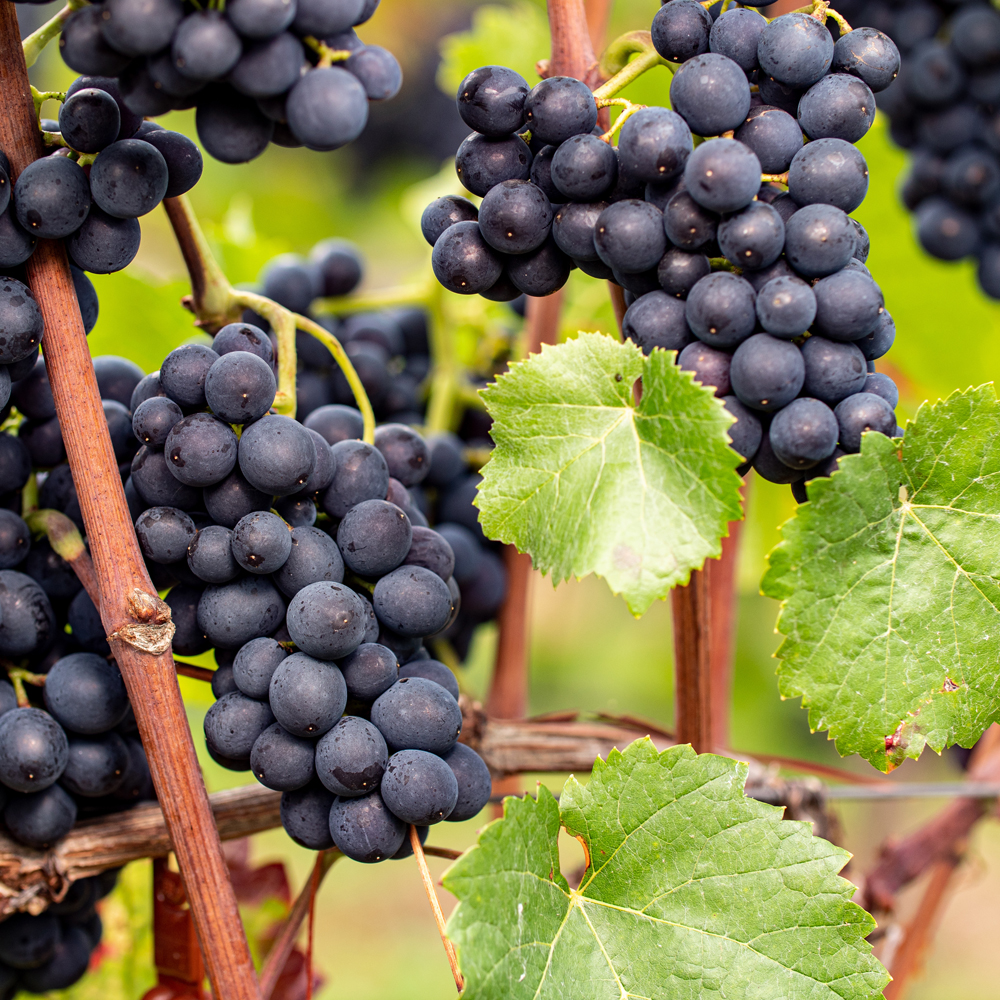
The global wine industry is witnessing a pivotal shift towards organic practices, a trend strongly reflected in the Lone Star State. Although Texas’s organic grape production is currently led by only 3 farmers cultivating over 200 acres, this growing segment is set to change the Texas wine landscape. This rise in organic viticulture, coupled with an increasing consumer interest in organic wines over the last decade, sets the stage for a deeper exploration of innovative solutions like Fungus Resistant Grape (FRG) varieties.
Why Organic? The Texas Perspective
In Texas, where the climate varies from the arid conditions of the High Plains to the humid Gulf Coast, viticulturists face a unique set of challenges. Disease pressure, particularly from fungal pathogens, is a significant concern that can compromise grape quality and yield. Herein lies the importance of FRG varieties, which offer hope for organic viticulture in Texas and similar environments. The adoption of these disease-resistant varieties can not only enhance the sustainability of vineyards but also align with the growing consumer demand for wines produced “environmentally friendly.” There is a tremendous amount of evidence that the organic label has a huge and growing recognition with consumers, and they are buying organic at an ever-increasing rate.
The Organic Wine Boom
Nationally and globally, the last decade has seen a marked increase in interest and sales of organic wines. Consumers are increasingly drawn to organic labels, not just for the perceived health benefits but also for their environmental impact. This shifting preference underscores the need for viticulture practices that prioritize ecological balance and sustainability. In Texas, where the wine industry is as dynamic as it is diverse, the integration of FRG varieties into organic viticulture holds the promise of meeting this demand while addressing the agronomic challenges of organic grape production.
Disease Resistance: A Game-Changer for Organic Viticulture
In past research FRG varieties such as Regent and many others have demonstrated remarkable resilience against fungal diseases that commonly afflict vineyards, reducing the reliance on fungicides and thus supporting organic farming principles (Pedneault and Provost, 2016). The most common Fungus-Resistant Grape (FRG) varieties grown and sold today include:
Regent
Regent: Developed in Germany, Regent is popular in cooler wine regions due to its resistance to both downy and powdery mildew. It produces red wines with deep color and robust flavors.
Marechal Foch: An early-ripening variety known for its resistance to several grape diseases, including downy mildew. It is used to make a range of wines from light reds to rich, full-bodied wines with dark fruit flavors.
Seyval Blanc: This variety is resistant to powdery mildew and is versatile in winemaking, used for producing everything from sparkling wines to well-balanced still whites.
Solaris: Bred in Sweden, Solaris is resistant to most fungal diseases and is suitable for organic viticulture. It produces aromatic white wines with high acidity and tropical fruit flavors.
Marquette: A cold-hardy variety developed by the University of Minnesota, Marquette is resistant to downy and powdery mildew and produces medium-bodied red wines with notes of cherry, blackberry, and spices.
Camminare Noir: developed by the University of California, Davis, as part of their breeding program for disease-resistant grapes, is a hybrid cross between a Vitis vinifera wine grape variety (94%) and American species known for their disease resistance. It is highly resistant to Pierces disease (PD), powdery mildew and downy mildew, making it particularly well-suited for regions where these fungal diseases are significant challenges.
Crimson Cabernet: developed by David and Ann Munson in Missouri, USA, is a hybrid of Norton (Vitis aestivalis, native to North America) and Cabernet Sauvignon. Bred specifically for cold climates, it offers excellent resistance to PD and to fungal diseases, including black rot and mildews. Norton contributes exceptional disease resistance and cold hardiness, while Cabernet Sauvignon imparts high wine quality and a recognizable flavor profile.
Paseante Noir: Produces wines similar to Pinot Noir, offering a light to medium body with delicate fruit flavors and good structure. It is resistant to Pierce’s Disease and moderately resistant to fungal diseases like powdery mildew. This variety is ideal for warmer regions with high PD pressure but performs well in less disease-prone areas too.
Errante Noir: Produces full-bodied red wines reminiscent of Syrah, with rich fruit flavors, good tannin structure, and aging potential. It combines strong resistance to Pierce’s Disease with moderate fungal resistance, making it an excellent option for growers in hot climates with heavy PD pressure.
Ambulo Blanc: White variety that resembles Sauvignon Blanc in its crisp acidity, citrus notes, and fresh aromatics. It offers high resistance to Pierce’s Disease and moderate fungal resistance, making it suitable for humid, warm regions where white grape production is challenging.
Caminante Blanc: Produces wines akin to Chardonnay, with balanced acidity and flavors of apple, pear, and subtle oak when barrel aged. It is highly resistant to Pierce’s Disease and moderately resistant to fungal pathogens, thriving in regions with significant PD pressure while supporting premium white wine production.
Regarding the use of FRG varieties in Texas, these varieties could translate to lower production costs, reduced environmental impact, and the potential for higher yields—key factors in the sustainability equation of organic viticulture. However, Texas’s diverse climate and the presence of various grape diseases make the state a potential area for adopting FRG varieties. The interest in sustainable and organic viticulture in Texas, along with the challenges posed by fungal diseases, suggest that FRG varieties could offer valuable solutions for Texan vineyards looking to reduce chemical inputs and manage disease more effectively.
Taste the Difference: The “Organoleptic” Advantage
Beyond the agronomic benefits, the organoleptic qualities (fancy word for a food or wine that stimulates our sense of taste or smell) of wines produced from FRG varieties offer a great argument for their adoption. Initial tastings and analyses reveal that these wines can compete with, if not exceed, the sensory profiles of wines made from traditional grape varieties (ones demanded now because they are considered superior). The promise of rich, complex flavors, coupled with the environmental benefits of organic viticulture, presents a compelling value proposition to consumers and wine “connoisseurs” alike. FRG varieties can change the industry for the better if allowed to by the very industry keeping them out!
Looking Ahead: Organic Viticulture in Texas
The growth of organic grape production in Texas, though in its early stages, is indicative of a broader trend towards sustainable viticulture practices. As the interest in organic wines continues to surge, the role of FRG varieties in enabling eco-friendly and economically viable grape production becomes increasingly significant. For Texas, a state known for its agricultural innovation and resilience, the adoption of FRG varieties and increase in organic viticulture could mean a significant change for the Texas wine industry—one that is sustainable, flavorful, and aligned with the increasing global shift towards organic production.
The trends surrounding Fungus-Resistant Grape (FRG) varieties reflect an intersection of sustainability, consumer preferences, and technological advancements. These trends are shaping the future of viticulture and winemaking, positioning FRG varieties as a pivotal innovation in the industry. Here are some key trends:
1. Increased Adoption in Organic Viticulture
FRG varieties are gaining traction among organic vineyards due to their inherent resistance to common fungal diseases, which reduces the need for synthetic chemical treatments.
2. Consumer Awareness and Acceptance
There’s a growing awareness among consumers about the environmental and health impacts of pesticide use in agriculture. As a result, wines produced from FRG varieties are increasingly seen as a healthier and more sustainable option. However, consumer acceptance varies, with a large segment of the market very cautious about genetically modified organisms (GMOs). FRG varieties are mostly being developed through traditional breeding methods rather than genetic engineering making them attractive to organic growers and consumers.
3. Technological Advancements in Breeding
Advances in breeding technologies, including genetic mapping and marker-assisted selection (these are approved organic practices), have significantly improved the quality and disease resistance of FRG varieties. These technological advancements enable the development of new varieties that retain the desired sensory qualities of traditional Vitis vinifera grapes while incorporating disease resistance from other grape species.
4. Regulatory and Policy Shifts
Changes in regulations and policies are influencing the adoption of FRG varieties. Some European regions are recognizing the benefits of these grapes in reducing chemical inputs and are adjusting regulations to support their use. Additionally, there’s a push for clearer labeling practices to inform consumers about the sustainable attributes of wines made from FRG varieties, especially organically produced FRG varieties!
5. Economic and Environmental Sustainability
The economic benefits of adopting FRG varieties are becoming more apparent to growers, including reduced costs associated with disease management and potential for higher yields due to decreased disease pressure.
6. Focus on Quality and Sensory Profiles
Initially, concerns existed about the sensory qualities of wines made from FRG varieties. However, ongoing research and development efforts focus on breeding FRG varieties that produce high-quality wines, comparable to those made from traditional grape varieties. This includes optimizing viticultural practices and winemaking techniques to enhance the sensory profiles of FRG wines.
7. Collaborative Research and Development
There’s a trend towards collaborative efforts among research institutions, breeders, and the wine industry to develop and promote FRG varieties. These collaborations aim to pool resources and knowledge to address the challenges of climate change, disease pressure, and sustainability in viticulture.
In summary, the trends for FRG varieties are driven by a confluence of sustainability concerns, technological innovations, and evolving consumer preferences. These trends highlight the growing importance of FRG varieties in the future of sustainable winemaking and organic viticulture.
As we witness the expansion of organic viticulture in Texas, the future of wine production appears promising. With each vineyard turning to Fungus Resistant Grape varieties, we edge closer to a wine industry that is not only kinder to the planet but also offers wines of exceptional quality and taste. The path forward for Texas and the wine world at large is clear: embracing organic practices and the innovative potential of FRG varieties is not just a trend, but the future of sustainable viticulture.
Source: Pedneault, K., & Provost, C. (2016). Fungus Resistant Grape Varieties as a Suitable Alternative for Organic Wine Production: Benefits, Limits, and Challenges. Scientia Horticulturae, 208, 57-77.
Here is an article from Florida by way of resistant grape varieties from UC-Davis. It follows along the lines of my blog here.
by Holly Davis, Ph.D. – Certis Biologicals Field Development Manager, Southwestern U.S.
Whiteflies have been a persistent problem this year for Texas growers. These insects can be especially difficult to control in organic production. There are numerous OMRI certified biologicals, or biopesticides, available to growers but, to get the best efficacy, it is important to understand a few things about them.
First, biopesticides need to be applied at the first sign of whitefly activity. Trying to clean up a situation where plants are heavily infested with all life-stages of whiteflies (or any insect or disease) is extremely difficult and there may be no escaping loss of quality and/or yield. The use of yellow sticky cards in greenhouses or around field margins can help detect whitefly activity early so that applications can begin in a timely manner.
Most biopesticides labelled for whitefly control are contact pesticides, meaning they must either be sprayed directly on the pest, or the pest must move across a treated surface while the biopesticide is still active. This can be tricky for insects like whiteflies which spend the majority of their time on the underside of leaves, sometimes deep within plant canopies. For that reason, it is important to use the correct amount of carrier, the right spray equipment, and nozzles, and to include a spreader sticker when appropriate to ensure product is distributed as evenly as possible and adheres to plant tissue.
Once applied, biopesticides may not persist in the environment for a long period of time. Many are degraded by sunlight and/or other environmental factors. Remember, most do not move through the plant (are not systemic) so any new plant growth after application will not be protected. For this reason, biopesticides need to be applied on a regular interval, often every 7-14 days, to ensure that whitefly populations do not build up between applications.
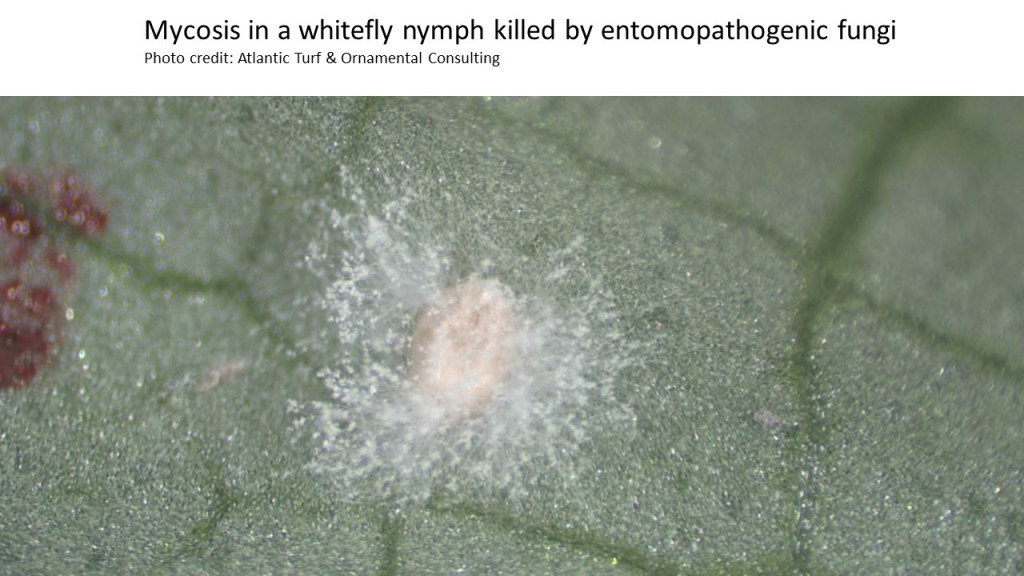
Finally, it is important to understand what to expect from different types of biopesticides. For example, while some products like Des-X®, an insecticidal soap concentrate, have the advantage of providing a quick knock-down of whitefly populations by breaking down the insect cuticle, there is no residual efficacy. Any insect that lands on a leaf after the treatment has dried will not be impacted. Other products such as the entomopathogenic fungi, Beauveria bassiana, found in BoteGHA®/BotaniGard®, may take several days to kill whiteflies by overwhelming them with fungal spores, but can persist in the environment and continue to infect immigrating or emerging insects. This typically happens when there is high relative humidity and/or a dense plant canopy.
This persistence can be recognized by mycosis, or the presence of emerging spores from a fungus-killed insect. However, lack of visible mycosis does not mean an entomopathogenic fungi is not working. In many cases, whiteflies may simply darken and desiccate.
No matter what biopesticide you chose, it is incredibly important to read the label and understand the product to get the best efficacy possible!
A big thanks to Dr. Davis for supplying such helpful information. For more information on Certis Biologicals, please visit https://www.certisbio.com/
This peanut seedling disease trial was established to simply evaluate organic seed/soil treatments at plant for any sign that they might prevent a complex of seedling diseases that affect peanut seed germination. Typically, a conventional grower has a chemical seed treatment to prevent disease, but organic growers have had very few options and so it is not unusual to be forced to replant. At $1.30 per lb. and most peanut farmers planting over 100#’s per acre, cost add up quickly!
This growing season has had strange weather and because of that the test was planted later than wanted. Both air and soil temperatures jumped significantly in May meaning we needed to irrigate before planting – which created its own set of problems. It was hoped we could put these seeds into cold, wet soils to simulate a West Texas April/early May planting but sometimes things don’t work even in the best planning. Even though it wasn’t ideal we saw a few differences that will help us to adjust what we do in the future for more testing. Listed below are the treatments and rates for the products tested. #7 and #10 serve as checks, #7 is bare seed and #10 is conventionally treated seed with Dynasty, Syngenta Co.
Plots were 2 rows X 25’ with 100 seed planted per row or 4 seed per 1’ of row. There were 4 replications of each plot, randomized. Planting date was May 20, 2022, into a previous irrigated site. 0.75 inches rain fell on May 23 and plots were sufficiently moist for good germination. Peanut seed ‘crack’ was observed on May 26.
Trt. #
Company
Product
Trt.
Per acre
1
Ecological Laboratories
Quantum-EXP 1
IF
64 oz/ac
2
Summit Agro
AVIV
Seed
10-30 oz/100-gallon water. Soak and dry
3
Summit Agro
AVIV
IF
10-30 oz/100-gallon water.
4
Certis Bio
Double Nickel
IF
Double Nickel LC @ 8 fl oz/acre
5
Certis Bio
Double Nickel
IF
Double Nickel LC @ 16 fl oz/acre
6
American Plant Food
Sigma 5-3-2 Bio
PPI
1000 lbs./ac
7
NA
Untreated Check
NA
NA
8
Corteva
Bexfond
IF
14 oz/ac
9
Valent
EndoPrime (EndoMaxx is organic of EndoPrime but not available at treatment)
IF
2oz/Ac
10
NA
Treated seed check
NA
NA
Looking at the results, there is no statistically significant difference in any of the treatments, but trends indicate some differences especially above the untreated check #7. Overall, we want to improve both germination percentage and stand establishment with organic product treatments. Seed germination counts were done on May 31 and no further germination occurred. Ratings of growth were done on June 3, 6, 9 and 13. Rating scale was 1 – 4 with a 1 being best. Organic treatments 1, 2, and 4 were all rated above the untreated check #7. This gives us a possibility of further testing to see if they continue to show an advantage.















 Texas A&M AgriLife Organic