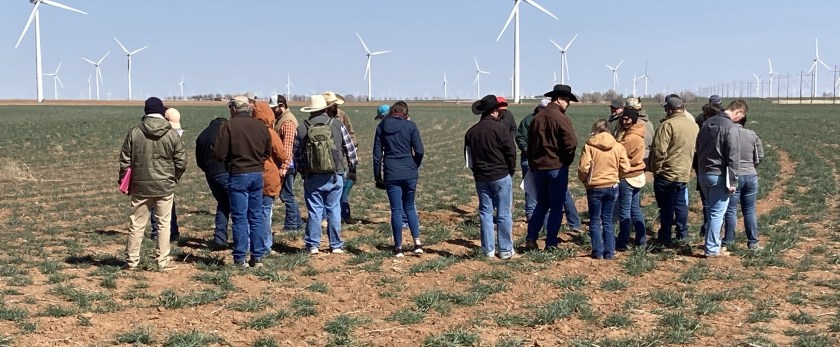
On May 2, 2024, I had the privilege of attending and speaking at the Texas A&M AgriLife Research and Extension Center in Uvalde – Vegetable Spring Field Day. The field day featured a morning walking tour of all the research going on at the center and one of the stops was extremely interesting and informative especially since it covered an area of agriculture I had never heard about. Del Craig with Bridgestone Company (maker of many brands of tires) was on hand to talk about their continued research into a plant called “Guayule,” and it was a fascinating introduction!
Guayule is a shrub native to the southwestern United States and northern Mexico. The correct spelling is Parthenium argentatum, and it’s indeed a source of natural rubber. Guayule is particularly interesting because it offers an alternative to the traditional rubber source, the Hevea brasiliensis tree, which is grown primarily in Southeast Asia.
Characteristics of Guayule
Habitat: Guayule thrives in semi-arid climates, making it well-suited for regions where few other economic crops can grow.
Appearance: It’s a woody perennial that can reach up to 3 feet in height. It has a silver-gray appearance due to its hairy leaves, which help minimize water loss.
Rubber Production: Unlike the rubber tree, guayule produces rubber biopolymers in its bark and roots rather than in its sap. This rubber is harvested by grinding the whole plant and using a solvent-extraction process. Del Craig explained that the whole plant is harvested like you would harvest hay and then taken to processing.
Environmental and Economic Benefits
Sustainability: Since guayule grows in semi-arid regions, it requires less water than traditional rubber crops, making it an environmentally friendly alternative.
Hypoallergenic Properties: The rubber from guayule does not contain the proteins responsible for latex allergies, making it safe for use in medical supplies like gloves and catheters.
Economic Potential: It offers economic benefits for arid and semi-arid regions, providing a viable crop option that can support local economies without the extensive use of irrigation.
Research and Applications
Research is ongoing into optimizing the cultivation and processing of guayule for rubber extraction. This includes genetic breeding for traits such as increased rubber yield and disease resistance.
Current applications of guayule rubber include tires, medical products, and even consumer goods like footwear and adhesives.
The Uvalde Center has been a good test site but Del explained on the tour that they are also establishing a project in the Rio Grande Valley and at the Lubbock Research and Extension Center. These multiple sites allow for lots of experimentation on varieties in different eco-zones.
Could it grow in the South Plains?
In the pursuit for sustainable agricultural solutions in regions like the South Plains of Texas with limited water resources, guayule could be a great alternative to consider. Native to arid environments and native to Texas, this drought-resistant shrub is ideally suited to the South Plains of Texas, where traditional water-intensive crops struggle. Mr. Craig told me personally that they are looking into the possibility of the Plains to Brownfield to Seminole area being ideal for production.
One of the most compelling attributes of guayule is its water efficiency. This plant thrives in semi-arid climates, utilizing very deep root systems that tap into lower soil moisture levels and leaves adapted to minimize water loss. These features allow guayule to sustain itself and produce economically valuable rubber with minimal irrigation, aligning perfectly with the water conservation needs of the South Plains.
Moreover, guayule is adaptable to various soil types, increasing its viability across different landscapes within the region. Its introduction could diversify agricultural practices, reduce economic risks from crop failures, and provide farmers with a new revenue stream through the production of biodegradable rubber products.
The environmental benefits of cultivating guayule are also noteworthy. By stabilizing soil and reducing erosion on marginal lands, it enhances soil health and supports the local ecosystem. Del Craig also commented that they have looked at the carbon sequestration ability of the plant and its deep and extensive root system makes it a winner. To fully integrate guayule into the South Plains, initiatives such as pilot projects to tailor cultivation techniques, local agronomic support, and the establishment of processing facilities are essential.
Creating an adapted and sustainable organic farming system requires a comprehensive approach that encompasses both the selection and maintenance of crop varieties and an understanding of their interaction with the local environment and soil microbiome. This post aims to guide organic growers in developing a resilient agricultural practice by focusing on crop variety adaptation, seed saving, and leveraging the soil microbiome. In the realm of organic agriculture, the selection of seeds is a critical decision that influences not only the immediate productivity and health of the farm but also its long-term sustainability and economic viability. But before we dive into selecting seeds let’s talk about the organic standard for plantings seeds.
205.204 Seeds and planting stock practice standard – Organic Rules
(a) The producer must use organically grown seeds, annual seedlings, and planting stock: Except, That,
(1) Nonorganically produced, untreated seeds and planting stock may be used to produce an organic crop when an equivalent organically produced variety is not commercially available: Except, That, organically produced seed must be used for the production of edible sprouts;
(2) Nonorganically produced seeds and planting stock that have been treated with a substance included on the National List of synthetic substances allowed for use in organic crop production may be used to produce an organic crop when an equivalent organically produced or untreated variety is not commercially available;
(3) Nonorganically produced annual seedlings may be used to produce an organic crop when a temporary variance has been granted in accordance with § 205.290(a)(2);
(4) Nonorganically produced planting stock to be used to produce a perennial crop may be sold, labeled, or represented as organically produced only after the planting stock has been maintained under a system of organic management for a period of no less than 1 year; and
(5) Seeds, annual seedlings, and planting stock treated with prohibited substances may be used to produce an organic crop when the application of the materials is a requirement of Federal or State phytosanitary regulations.
Boiled down these rules mean you need to use only organically sourced seeds if at all possible. If there are not organic seeds available for the crop you want to plant or the organic varieties available are not adapted to your area, then you can select nonorganically produced seed varieties provided they are not treated of if they are treated the seed treatment is on the list of approved organic substances.
If you meet all the rules, then organic farmers are faced with the choice between 1. hybrid seeds, which dominate much of conventional and organic farming due to their high yield and disease resistance, 2. open-source seeds, which are freely available for use without intellectual property restrictions, and 3. traditional on-farm seed saving practices.
Hybrid seeds
Hybrid seeds created through the crossbreeding of two different parent plants, offer consistency and performance but require farmers to purchase new seeds each season, leading to increased costs and dependency on seed producers. A farmer must purchase hybrid seeds each season because the unique characteristics of first-generation (F1) hybrids—such as improved yield, disease resistance, and uniformity—do not reliably pass on to the next generation. This means seeds saved from hybrid crops typically result in plants that vary widely in their traits, losing the specific advantages that hybrids are valued for. Thus, to maintain consistency and performance in their crops, farmers need to buy new hybrid seeds each year. There are tremendous benefits to buying hybrids each year not the least of which is the almost guaranteed consistency of germination, overall plant health and yield. But what about these other methods for buying planting seed?
Open-source seeds
Open-sourced seeds on the other hand, are part of a movement aimed at ensuring seeds remain a shared resource. These seeds can be saved, replanted, and shared by anyone, promoting agricultural diversity and resilience. This system stands in stark contrast to the patented seeds of the large GMO seed industry, providing an alternative that supports the principles of organic farming by enhancing biodiversity and reducing farmers’ reliance on purchased seeds. However, despite the potential benefits, the majority of organic farming still relies heavily on hybrid seeds due to their immediate productivity benefits.
Open-source seeds emerge from a collaborative, transparent process aimed at keeping seeds as a shared resource accessible to all, without the encumbrance of patents or restrictive intellectual property rights. This model allows for the free exchange, use, and modification of plant genetic materials, encouraging innovation and adaptation in agriculture. Here’s a closer look at how open-source seeds are developed and maintained:
Development Process
Breeding and Selection: The initial development of open-source seeds involves traditional breeding techniques where plants are selected based on desired traits such as resilience to pests or diseases, adaptability to local climate conditions, nutritional value, or yield. This process can be undertaken by individual farmers, researchers, or through collaborative efforts among a community of breeders and farmers.
Open-Source Pledge: Once a new variety is developed, it can be pledged as open-source. This means the breeder commits to making the genetic resources of that variety freely available under an agreement that prohibits patenting or applying any other form of intellectual property restriction that would limit its use or redistribution. The Open Source Seed Initiative (OSSI) https://osseeds.org/ is one of the organizations that facilitate this pledge, ensuring the seeds remain free for anyone to use, breed, and share.
Maintenance and Distribution
Seed Companies: While open-source seeds are free from intellectual property restrictions, they still require meticulous cultivation to maintain their genetic purity and desirable traits. Specialized seed companies and cooperatives play a crucial role in this, producing these seeds under controlled conditions to prevent cross-pollination with other varieties, ensuring the seeds remain “true to type” from one generation to the next.
Cleaning and Quality Control: These companies also undertake rigorous cleaning processes to remove weed seeds and other contaminants, ensuring that the seeds are of high quality and ready for planting. This includes both physical cleaning methods and sometimes treatments to enhance seed viability and health without altering their genetic makeup.
Community Engagement and Support: Beyond production, the distribution of open-source seeds often involves educational efforts to inform farmers about the benefits and practices of using and saving these seeds. This includes training on how to save seeds and select for desirable traits, thus empowering farmers to become active participants in the cultivation and improvement of open-source varieties.
Open-source seeds represent a collective effort to promote biodiversity, resilience, and sustainability in agriculture. Through the dedicated work of breeders, seed companies, and the broader farming community, these seeds are developed, maintained, and distributed with the goal of keeping plant genetic resources accessible and adaptable to the changing needs of farmers and ecosystems around the world. This approach not only supports ecological and economic sustainability but also fosters a sense of community and cooperation in the agricultural sector. For more information check out the Organic Seed Alliance.
The Practice of Seed Saving
The practice of seed saving, a cornerstone of traditional agriculture, allows farmers to select seeds from plants that have thrived in their specific growing conditions, leading to a gradual improvement of crop genetics tailored to local ecosystems. This practice supports biodiversity and ecological balance, key components of organic farming. If you have any interest at all in seed saving to have plants adapted to your own farm you will enjoy this little discussion about these benefits. Just click: Growing for Flavor and Health – April 2024, Acres U.S.A.
Saving seed on the farm indeed encapsulates a blend of potential benefits and challenges that require careful consideration. Let’s explore these aspects in detail:
Benefits
Cost Savings: One of the most immediate benefits of saving seeds is the reduction in costs associated with purchasing new seeds each season. This can be particularly advantageous for small-scale and resource-limited farmers.
Adaptation to Local Conditions: Over time, seeds saved from plants that thrive in the local environment can lead to the development of plant varieties that are better adapted to local conditions, including climate, soil, and pests.
Preservation of Genetic Diversity: Saving seeds from a variety of plants helps to maintain and even increase genetic diversity within crop populations. This diversity can be crucial for resilience to disease and changing environmental conditions.
Challenges
Germination Issues: One challenge with saved seeds is the potential for lower germination rates. Factors such as improper storage conditions, age of the seed, or damage during processing can affect viability. It requires meticulous management to maintain high germination rates from season to season.
Seed Cleaning Problems: Proper seed cleaning is crucial to remove debris, weed seeds, and diseased seeds, which can be labor-intensive and requires specific equipment. Without effective cleaning, the quality of saved seeds can be compromised, leading to reduced crop quality and yield.
Genetic Drift and Diversity: While genetic diversity is a benefit, managing it can also be a challenge. Without careful selection, genetic drift can occur over time, potentially leading to the loss of desired traits. Moreover, in the case of open-pollinated and especially cross-pollinated crops, there is the risk of unwanted crossbreeding, which can result in off-type plants that do not have the desired characteristics of the original variety.
Navigating the Challenges
To address these challenges, farmers engaged in seed saving can adopt several strategies:
Education and Training: Learning about best practices in seed selection, harvesting, cleaning, and storage can improve the quality and viability of saved seeds.
Investment in Equipment: While initial investments may be required for cleaning and storage equipment, these can pay off in the long term through improved seed quality and crop yields.
Community Networks: Participating in local or online farming communities can provide valuable support and knowledge sharing around seed-saving practices. Sharing seeds and experiences can help in managing genetic diversity and solving common problems.
Selective Breeding: Careful selection of plants for seed saving can help maintain or enhance desired traits, ensuring the continuity and improvement of crop varieties over time.
The interplay between these seed systems—hybrid, open-source, and saved seeds—presents organic farmers with a complex set of choices, each with its own set of benefits and challenges. Understanding these options is crucial for anyone looking to support sustainable, productive, and resilient organic farming operations.
The Importance of Crop Variety Selection in Organic Systems
Choosing crop varieties suited to organic systems is important and too little emphasis is placed on this today. These varieties need to be resilient—capable of withstanding pests and diseases without synthetic chemicals, adaptable to local environmental conditions, and efficient in their use of nutrients from organic inputs. Moreover, their ability to outcompete weeds and their synergy with organic crop rotations make them an important part of your organic program. Key traits for organic varieties include:
Disease and Pest Resistance: Natural resistance reduces the need for interventions.
Adaptability to Local Conditions: Varieties should thrive under local climate and soil conditions.
Competitiveness with Weeds: Rapid growth and canopy development can help suppress weeds.
Nutrient Use Efficiency: Varieties should efficiently utilize nutrients from organic matter.
Quality and Market Preference: High-quality crops meet consumer and market demands.
Synergy with Organic Crop Rotations: Varieties should complement organic rotations to enhance soil health and manage pests.
The only way to evaluate, know and understand these traits are acting in your area or on your farm is to talk to other organic growers and to experiment on your own farm.
Enhancing Soil Microbiome Interactions
A healthy soil microbiome is vital for nutrient supply, disease resistance, and stress tolerance. Strategies to enhance this interaction include:
Selecting Microbiome-Friendly Varieties: Some plants are better at recruiting beneficial microbes. Selecting and breeding these varieties can enhance nutrient uptake and stress resilience. Knowing this may involve utilizing the “Haney Test” for measuring CO2 in soil to determine microbial activity and the PLFA test for knowing microbe diversity.
Soil Health Practices: Incorporating organic matter, reducing tillage, and using cover crops to support a diverse and active soil microbiome. Some varieties, especially open-pollinated varieties grown for multiple seasons in the same area become adapted to these practices.
Emphasis on Plant Root Interactions with Soil Microbiome
Understanding and Measurement: The ability of a plant to recruit and maintain a beneficial soil microbiome is pivotal for nutrient acquisition, disease suppression, and stress tolerance in organic systems. How do you know? These traits can be measured by some sophisticated tools:
Microbial Diversity and Abundance: Using DNA-based techniques (such as 16S and ITS rRNA gene sequencing) to identify and quantify the microbial communities associated with plant roots. This is how scientists are learning to characterize microbes specific to crops.
Plant Exudate Profile: Analyzing root exudates to understand the chemical compounds released by roots that attract beneficial microbes.
Microbial Activity: Measuring soil enzyme activities or microbial respiration rates as indicators of microbial activity and health around the root zone (Haney test and PLFA test).
Beneficial Associations: Quantifying specific beneficial associations, such as mycorrhizal colonization rates or the presence of nitrogen-fixing bacteria, through microscopy or molecular markers. (Some companies are now offering this service, but it is several $$ to use!)
Legal Considerations! Before you try being your own plant breeder be sure you know your seeds…..
Plant Variety Protection (PVP) Certificates
Plant Variety Protection (PVP) certificates are a form of intellectual property protection specifically designed for new varieties of seed- and tuber-propagated plants. Administered in the United States by the Plant Variety Protection Office (PVPO), part of the USDA, a PVP certificate grants breeders exclusive rights to their new plant varieties for a period of 20 years from the date of issuance (25 years for trees and vines). To qualify, a variety must be new, distinct, uniform, and stable.
One of the key features of the PVP system is the “farmer’s exemption,” which allows farmers to save seeds from PVP-protected plants for their own use in planting subsequent crops. However, they are not permitted to sell the saved seeds for planting purposes without the breeder’s permission. This exemption is crucial as it recognizes and preserves traditional farming practices while still providing incentives for breeders to develop new varieties.
Utility Patents
Utility patents, on the other hand, offer a broader scope of protection and can apply to any new and useful process, machine, manufacture, or composition of matter, or any new and useful improvement thereof. In the context of agriculture, utility patents can protect genetically modified organisms (GMOs), specific plant genes, methods of breeding, or methods of creating a plant with specific characteristics.
Utility patents on plants offer strong protection because they prevent others from making, using, selling, offering for sale, or importing the patented invention without authorization for up to 20 years from the filing date. Unlike PVP certificates, utility patents do not include a farmer’s exemption, meaning that even saving and replanting seeds from a patented plant can infringe on the patent holder’s rights.
Distinctions and Implications
The distinction between PVP and utility patents lies not only in the scope of what they protect but also in their implications for breeders, farmers, and the agricultural industry at large. PVP is specifically designed for plant varieties and includes provisions that balance the interests of breeders with traditional farming practices, such as seed saving. Utility patents provide a broader and stronger level of protection, including for biotechnological inventions, but also impose more stringent limitations on the use of patented materials.
In my career as an Extension professional (extension agent, researcher, specialist) I have had a lot of agriculture training, but I have also had a lot of training for training agriculturists which includes just about every group in agriculture today. One of the early lessons we learned was a simple theory about learning called the Rogers’ Adoption Curve.
I couldn’t begin to tell you much about Rogers or his overall work as an educator, but I do know about this curve and in my career this “curve” has proven to be true over and over again. What you see in this picture is the classic “bell curve” representing the concept of knowledge or technology. People who adopt new knowledge or technologies are represented along the bottom axis and the progression is from left to right, i.e. the first to adopt are on the left and over time the others adopt the technology. So, looking at this we see that the first group to adopt the technology are innovators followed by early adopters and so on. This picture shows a break called “The Chasm” between early adopters and early majority. This chasm is difficult to cross and can represent a lot of time or even failure for the technology.
Organic farmers are mostly in the innovator/early adopter category. Organic agriculture is not easy and in general requires a good knowledge of agriculture systems before getting into the details of growing organic. As an extension educator I tend to try and find innovators and early adopters to work on demonstration or research projects because I know they are just as anxious to explore new technologies as I am.
That said, let me ask you where you are today? Occasionally we need to take a break and get away from it all because we are falling into the late majority or laggard category doing the same thing we always did. Don’t lag too far behind because as you can tell from the “curve” there are a lot of people already on the downhill slide!
Using the Curve!
Rogers’ Adoption Curve is a model that outlines the adoption process of new technologies or ideas through different segments of a population. Developed by Everett Rogers in 1962, it’s widely used in the fields of social science, marketing, and innovation management but is very useful in organic agriculture too.
Rogers’ Adoption Curve is an effective tool for understanding how new practices, like organic agriculture, are adopted within a community. Extension professionals can use this model to tailor their educational and promotional strategies for organic agriculture to different segments of the agricultural community.
Innovators (2.5% of the Population)
Characteristics: These are the first individuals to adopt an innovation. They are risk-takers, have financial liquidity, are social networkers, have closer contact with scientific sources and interaction with other innovators.
Role in Adoption: Their acceptance of an innovation is a key step in the process. Being a small segment, they serve as a testing ground and are crucial in initial debugging or refinement of the product or idea.
Targeting Innovators
Approach: Provide detailed, technical information on organic agriculture, focusing on innovation and environmental benefits.
Why: Innovators are keen to experiment with new techniques and can provide valuable feedback.
Example: Conducting pilot projects with innovators to demonstrate the efficacy of organic practices.
2. Early Adopters (13.5% of the Population)
Characteristics: This group has the highest degree of opinion leadership among the other adopter categories. They are typically younger, more socially forward, and have a higher social status and more financial lucidity.
Role in Adoption: Early adopters are crucial for the validation and initial dissemination of the innovation. Their acceptance acts as an endorsement, influencing the next wave of adopters.
Engaging Early Adopters
Approach: Emphasize the social and economic benefits of organic agriculture. Use early adopters as role models.
Why: Early adopters have strong influence over their peers. Their success stories can inspire others.
Example: Showcasing successful organic farms managed by early adopters in workshops and field days.
3. Early Majority (34% of the Population)
Characteristics: They adopt an innovation after a varying degree of time. This period is significantly longer than the innovators and early adopters. They are typically more deliberate before adopting a new idea, often influenced by interactions with peers.
Role in Adoption: Their adoption is a pivotal point in the lifecycle of an innovation, marking the moment when an innovation reaches a critical mass of users.
Convincing the Early Majority
Approach: Focus on practicality and the mainstream benefits of organic farming. Provide evidence of success from early adopters.
Why: The early majority are cautious and need proof of effectiveness.
Example: Organizing farm tours to successful organic farms and creating user-friendly guides.
4. Late Majority (34% of the Population)
Characteristics: This group is skeptical about change and will only adopt an innovation after the majority of society has embraced it. They typically have below-average social status and financial liquidity.
Role in Adoption: Their adoption signifies the innovation has become mainstream. They usually require external pressures from peers or societal changes for adoption.
Addressing the Late Majority
Approach: Use peer pressure and economic incentives. Highlight the risks of not adopting organic practices.
Why: Late Majority are skeptical and influenced by the norms established by the majority.
Example: Offering financial assistance or subsidies for transitioning to organic farming.
5. Laggards (16% of the Population)
Characteristics: They are the last to adopt an innovation. Unlike some of the previous categories, they aren’t looking for information on new ideas and are focused on traditions. They tend to be of an older age, lower in social status, and less financially fluid.
Role in Adoption: Their adoption is usually not vital for the overall success of an innovation but signifies complete market saturation.
Reaching Laggards
Approach: Use personal relationships and focus on tradition and security aspects of organic farming.
Why: Laggards are resistant to change and trust familiar faces and traditional methods.
Example: One-on-one meetings, focusing on how organic farming aligns with traditional farming values.
Importance in Agriculture Extensionand Teaching Organic
In the context of agriculture extension, understanding Rogers’ Adoption Curve is vital. It helps in identifying the right strategies to promote new agricultural practices or technologies. By recognizing the characteristics and motivations of each group, extension professionals can tailor their approach, ensuring that innovations are adopted effectively across different segments of the farming community.
For example, introducing organic farming techniques or new sustainable practices can follow this curve. Innovators might experiment with these techniques first, followed by early adopters who validate and popularize them. As these practices gain credibility, they gradually become adopted by the majority.
Tailored Communication: Develop different communication strategies for each group. Innovators and early adopters might prefer digital communication, whereas late majority and laggards may respond better to traditional methods like community meetings.
Feedback Loops: Establish feedback mechanisms with each group. Innovators can provide technical feedback, whereas the majority can give insights into mainstream acceptance.
Continual Education: Offer ongoing support and education, adapting to the changing needs and responses of each group.
Conclusion
Rogers’ Adoption Curve provides a framework to understand how innovations like organic agriculture spread within a community. This understanding is crucial for professionals in fields like agriculture extension, where the goal is to implement new, often more sustainable, practices and technologies. By catering to the unique characteristics and needs of each adopter category, the adoption process can be more efficient and widespread.
By understanding and applying Rogers’ Adoption Curve, we can more effectively promote organic agriculture. Tailoring strategies to each segment of the adoption curve ensures that communication and education are relevant and engaging, increasing the likelihood of widespread adoption of organic practices. This approach not only aids in the dissemination of organic farming methods but also ensures a supportive community (the organic family) is built around these practices.
This blog is overly long because of the discussion of different biostimulants. Scroll through first and pick out parts you are interested in and to understand the overall theme.
The concept of biostimulants in agriculture has evolved over centuries, with ancient practices hinting at the use of natural substances to enhance plant growth. However, the modern understanding of biostimulants began in the early 20th century. The term “biostimulant” encompasses a diverse array of products, including microbial inoculants (the bacteria and fungi we use for pests or to help plants fight pests), humic and fulvic acids, seaweed extracts, and other naturally derived substances. These materials are known for their ability to enhance plant growth, health, and productivity, often by influencing various physiological processes.
Scientific Recognition
In the mid to late 20th century, as the scientific community began to understand plant physiology better, the interest in biostimulants increased. Studies started to explore the mechanisms by which these natural substances could influence plant growth, nutrient uptake, and stress tolerance. By the late 20th century, the use of biostimulants was increasingly recognized as a component of sustainable agriculture practices, complementing the use of synthetic fertilizers and pesticides.
Regulatory Path for Biostimulants
Early Regulation
Initially, biostimulants fell into a grey area in terms of regulation. They were not strictly categorized as fertilizers or pesticides, which led to a lack of clear regulatory guidelines. This ambiguity sometimes resulted in inconsistencies in quality and efficacy among products in the market.
Current Regulatory Landscape
As the market for biostimulants grew, the need for regulatory frameworks became apparent. In the European Union, for instance, biostimulants are being integrated into the existing fertilizing products regulation (EU) 2019/1009, which sets criteria for their placement in the market and ensures their safety and efficacy. In the United States, the Agricultural Improvement Act of 2018 (Farm Bill) included provisions that recognize the unique nature of plant biostimulants and initiated the process of establishing a formal definition and regulatory pathway.
The Plant Biostimulant Act of 2023 is introduced
This bill excludes plant biostimulants (i.e., a substance, micro-organism, or mixture thereof that supports a plant’s natural processes independently of the biostimulant’s nutrient content) from regulation under the Federal Insecticide, Fungicide, and Rodenticide Act. The bill also requires the Department of Agriculture to study the types of plant biostimulants and practices of plant biostimulant use that best achieve certain results, such as increasing organic matter content. This has been introduced into both the Senate and House and has bipartisan support. Unfortunately, it is on hold because of the Farm Bill discussions and vote.
Research and Development of Biostimulants Worldwide
Overview
Research and development (R&D) in the field of biostimulants is a rapidly evolving area, driven by the growing need for sustainable agricultural practices. Biostimulants are recognized for their potential to enhance plant growth, increase crop yield, and improve plant resilience against stressors such as drought, salinity, and extreme temperatures. The global focus on biostimulant R&D reflects a shift towards eco-friendly and efficient farming techniques.
Key Areas of Research
Mechanism of Action: Understanding how biostimulants work at the molecular and cellular levels is crucial. Research is focused on identifying the active components in biostimulants and how they interact with plant physiology, including nutrient uptake, hormone regulation, and stress response.
New Product Development: Researchers are exploring various natural sources like algae, beneficial microbes, and plant extracts to develop new biostimulant products. There is also an interest in synthesizing novel compounds that mimic the action of natural biostimulants.
Formulation Technology: Developing effective formulations that ensure the stability and bioavailability of biostimulant compounds is a key research area. This includes nano-formulations and encapsulation technologies that enhance the delivery and efficacy of biostimulants.
Synergistic Combinations: Combining biostimulants with other agricultural inputs, such as fertilizers and biopesticides, to achieve synergistic effects is an emerging field. This research aims to maximize crop yield and quality while minimizing environmental impact.
Soil Health and Microbiome Studies: Understanding the interaction between biostimulants and the soil microbiome is vital. Research in this area focuses on how biostimulants can influence soil microbial communities to benefit plant growth and soil health.
Global Research Initiatives
Europe: The European Union has been at the forefront in funding research projects on biostimulants, focusing on sustainability and efficacy. Projects under the Horizon 2020 program, for instance, aim to develop innovative biostimulant products and assess their impact on crop productivity and resilience.
United States: The USDA and various academic institutions are conducting extensive research on biostimulants. The focus is on both developing new biostimulant products and understanding their role in sustainable agriculture systems.
Asia: Countries like China and India are increasingly investing in biostimulant research, with a focus on developing products suited to local crop varieties and farming practices. The research often involves traditional knowledge and natural resources unique to the region.
Challenges in Research and Development
Standardization and Regulation: One of the main challenges is the lack of standardization in terms of what constitutes a biostimulant. This affects the regulation, efficacy testing, and market acceptance of new products.
Scalability and Cost-Effectiveness: Developing biostimulant products that are both effective at a large scale and cost-effective for farmers remains a challenge, especially in developing countries.
Environmental Impact Assessment: Understanding the long-term impacts of biostimulants on soil health and the wider ecosystem is essential but complex, requiring long-term studies.
Future Directions
Precision Agriculture Integration: Integrating biostimulants with precision agriculture technologies to optimize their application and efficacy is a promising future direction.
Tailored Solutions: Developing biostimulants tailored to specific crop needs, environmental conditions, and agricultural practices is likely to be a focus, especially with the advancement in genomics and plant science.
Global Collaboration: Enhanced global collaboration and knowledge sharing among researchers, industry players, and policymakers are crucial for advancing the field of biostimulants.
Different Types of Biostimulants
Humic and Fulvic Acids as Biostimulants in Agriculture
Overview
Humic and fulvic acids are natural organic compounds found in humus, the decomposed matter in soil. They are key components of soil organic matter and play a significant role in soil health and plant growth. As biostimulants, these substances have gained attention for their ability to improve soil properties, enhance nutrient uptake, and stimulate plant growth.
Composition and Origin
Humic Acids: Larger molecules that are soluble in alkaline solutions. They are formed through the microbial decomposition of plant and animal matter and are an integral part of the soil’s organic matter.
Fulvic Acids: Smaller molecules than humic acids and are soluble in water at all pH levels. They are more readily absorbed by plants due to their smaller size.
Key Functions in Agriculture
Soil Structure Improvement: Enhance soil structure, leading to better water retention, aeration, and tilth. This creates a more conducive environment for root growth and microbial activity.
Nutrient Availability: Chelate soil nutrients, making them more available to plants. They can increase the efficiency of nutrient uptake, particularly in the case of micronutrients.
Root Growth and Development: Stimulate root growth and branching, which enhances the plant’s ability to absorb water and nutrients.
Plant Metabolism and Stress Resistance: Influence various aspects of plant metabolism, leading to increased plant vigor and resistance to stress factors like drought, salinity, and extreme temperatures.
Enhancement of Microbial Activity: Promote the growth and activity of beneficial soil microorganisms, which play a crucial role in nutrient cycling and organic matter decomposition.
Application Methods
Soil Application: Incorporated into the soil directly or through irrigation systems.
Foliar Sprays: Applied directly to plant foliage, where they are absorbed through the leaves.
Benefits
Improved Plant Health and Yield: Plants treated with humic and fulvic acids often exhibit improved growth, higher yields, and better quality.
Environmental Sustainability: Contribute to sustainable agricultural practices by enhancing soil health and reducing the need for chemical fertilizers.
Enhanced Nutrient Use Efficiency: Reduce nutrient leaching and increase the effectiveness of fertilizers.
Considerations and Challenges
Source and Quality Variation: The effectiveness of humic and fulvic acids can vary significantly depending on their source and extraction method.
Compatibility with Other Agricultural Inputs: It’s important to consider their compatibility when used in conjunction with other fertilizers and biostimulants.
Research and Standardization: Ongoing research is needed to further understand their mechanisms of action and to standardize products for consistent agricultural use.
Conclusion
Humic and fulvic acids are valuable biostimulants in agriculture, offering a range of benefits for soil health and plant growth. Their natural origin and multifaceted action on plants and soils align well with the goals of sustainable and efficient agricultural practices. By enhancing nutrient availability, stimulating root development, and improving soil structure, these substances hold significant promise for improving agricultural productivity in an environmentally friendly manner.
Seaweed Extracts as Biostimulants in Agriculture
Overview
Seaweed extracts, derived mainly from marine algae, have been used as biostimulants in agriculture for decades. They are rich in a variety of bioactive compounds, including vitamins, minerals, amino acids, and plant hormones. These extracts have gained popularity for their ability to enhance plant growth, improve stress tolerance, and increase crop yields.
Composition
Macro and Micro Nutrients: Seaweed is a natural source of essential nutrients like nitrogen, phosphorus, potassium, calcium, magnesium, sulfur, and trace elements.
Plant Growth Regulators: Contains natural plant hormones such as auxins, cytokinins, and gibberellins, which are crucial for plant growth and development.
Amino Acids and Vitamins: Provide a range of amino acids and vitamins that serve as building blocks and cofactors in various metabolic processes in plants.
Biostimulant Compounds: Include complex polysaccharides such as alginates and carrageenans, which can improve soil structure and water retention.
Benefits in Agriculture
Enhanced Plant Growth and Development: The presence of natural growth hormones and nutrients promotes vigorous plant growth, root development, and higher yields.
Improved Stress Resistance: Enhance plant resilience against environmental stresses such as drought, salinity, and extreme temperatures.
Increased Nutrient Uptake and Efficiency: Improve the uptake and utilization of nutrients from the soil.
Soil Health Improvement: Polysaccharides in seaweed extracts can improve soil texture, aeration, and moisture retention, benefiting the overall soil ecosystem.
Boosting Natural Defense Mechanisms: Some compounds in seaweed extracts can trigger plants’ natural defense systems, increasing their resistance to pests and diseases.
Application Methods
Foliar Application: Spraying onto plant leaves for direct absorption of nutrients and active compounds.
Soil Application: Applied to the soil to benefit root systems and improve soil quality.
Types of Seaweed Used
Ascophyllum nodosum: Commonly used due to its rich composition of bioactive substances. Ascophyllum nodosum is widely used in agriculture as a source of natural fertilizers and biostimulants. It is rich in nutrients such as potassium, nitrogen, and micronutrients, as well as growth-promoting compounds like alginates, mannitol, and phytohormones.
Sargassum, Laminaria, and Fucus: Other types also used for their beneficial properties.
Challenges and Considerations
Quality and Concentration: The effectiveness of seaweed extracts can vary based on their quality, concentration, and the extraction process.
Application Timing and Rate: Determining the optimal application timing and rate is crucial for maximizing benefits.
Research and Standardization: Ongoing research is needed to understand the mechanisms of action fully and to standardize products for consistent results.
Conclusion
Seaweed extracts are a potent and versatile group of biostimulants in agriculture, offering a natural and sustainable way to enhance plant growth, improve crop resilience, and boost soil health. Their multi-faceted benefits, coupled with a growing interest in sustainable agricultural practices, make them an increasingly popular choice among farmers and agronomists. As research continues to advance, the use of seaweed extracts is expected to play a significant role in the future of agricultural biostimulants.
Protein Hydrolysates as Biostimulants in Agriculture
Definition
Protein hydrolysates are complex mixtures of polypeptides, oligopeptides, and amino acids that are derived from the hydrolysis of proteins. Hydrolysis is a chemical process in which a protein molecule is broken down into smaller peptide fragments and amino acids, facilitated by enzymes or acids.
Types of Protein Hydrolysates
Animal-Based: Derived from animal proteins such as casein, collagen, or fish proteins.
Plant-Based: Derived from plant protein sources like soy, wheat, and alfalfa.
Production Process
The production of protein hydrolysates involves breaking down proteins using either:
Enzymatic Hydrolysis: Using specific enzymes to cleave protein chains. This method is preferred as it allows for more control over the size and composition of the resulting peptides and is generally considered more environmentally friendly.
Acid or Alkaline Hydrolysis: Using acid or alkaline solutions to break down proteins. This method is less specific and can lead to the destruction of some amino acids.
Characteristics
Solubility: Highly soluble in water, making them suitable for various applications.
Nutritional Value: Rich in amino acids, which are the building blocks of proteins, essential for plant growth.
Functionality: The smaller peptides and amino acids can be readily absorbed and utilized by plants.
Applications in Agriculture as Biostimulants
Enhancing Plant Growth: Provide readily available amino acids and peptides for plant uptake, promoting growth.
Stress Tolerance: Help plants to mitigate stress from environmental factors like drought, salinity, and extreme temperatures.
Nutrient Uptake: Facilitate the uptake of nutrients from the soil, improving overall plant nutrition.
Soil Health: Contribute to soil fertility by providing organic nitrogen and stimulating beneficial microbial activity.
Benefits
Sustainable Alternative: Offer a more environmentally friendly alternative to traditional chemical fertilizers.
Efficiency: Improve the efficiency of nutrient use by plants.
Versatility: Suitable for a wide range of crops and agricultural systems.
Considerations
Quality and Composition: The effectiveness of protein hydrolysates can vary depending on their amino acid composition and the method of hydrolysis.
Regulatory Aspects: Subject to agricultural and food safety regulations, which can vary by region.
Conclusion
Protein hydrolysates, as biostimulants, represent an innovative approach in sustainable agriculture, contributing to enhanced plant growth and resilience. Their role in improving nutrient uptake and soil health, coupled with their environmental benefits, underscores their growing importance in modern agricultural practices.
Chitosan as Biostimulants in Agriculture
Overview
Chitosan, a natural biopolymer derived mainly from the exoskeletons of crustaceans such as crabs, shrimp, and lobsters, is gaining recognition as an effective biostimulant in agriculture. It is produced by deacetylating chitin, a major component of crustacean shells. As an agricultural biostimulant, chitosan offers various benefits for plant growth, yield enhancement, and disease resistance.
Properties and Mechanism of Action
Elicitor of Plant Defense Responses: Chitosan is known for its ability to elicit natural defense mechanisms in plants, making them more resistant to fungal pathogens and pests.
Enhancement of Plant Growth: It can stimulate seed germination, root development, and overall plant growth.
Improvement in Stress Tolerance: Chitosan helps plants withstand abiotic stresses such as drought, salinity, and heavy metal toxicity.
Promotion of Nutrient Uptake: It can enhance the efficiency of nutrient uptake from the soil, particularly micronutrients.
Applications in Agriculture
Seed Treatment: Coating seeds with chitosan can improve germination rates and seedling vigor.
Soil Amendment: Application to soil enhances soil health and stimulates beneficial microbial activity.
Foliar Spray: Spraying chitosan solutions on plant leaves can boost plant immunity and overall health.
Benefits
Disease and Pest Resistance: By inducing systemic resistance, chitosan reduces the need for chemical fungicides and pesticides.
Improved Crop Yield and Quality: Enhanced nutrient uptake and stress tolerance lead to better crop yield and quality.
Biodegradability and Environmental Safety: As a natural, biodegradable compound, chitosan is environmentally friendly and safe for use in organic farming.
Challenges and Considerations
Source and Purity: The effectiveness of chitosan as a biostimulant can vary depending on its source and degree of purification.
Regulatory Aspects: The use of chitosan in agriculture is subject to regulatory approvals, which can vary by region.
Application Strategies: Determining the optimal concentration, timing, and method of application is crucial for maximizing its effectiveness.
Research and Development
Ongoing research is focused on optimizing the use of chitosan as a biostimulant, including the development of chitosan-based nanoparticles for targeted delivery and enhanced efficacy.
Conclusion
Chitosan represents a promising, sustainable approach in agricultural biostimulants. Its multifaceted benefits, including enhanced plant growth, improved stress tolerance, and reduced reliance on chemical pesticides, align with the goals of sustainable and eco-friendly farming practices. As research continues to unfold its potential, chitosan is poised to play a significant role in the future of agriculture, particularly in the context of integrated pest management and organic farming.
Beneficial Microbial Inoculants (Mycorrhizae and Bacteria) as Biostimulants in Agriculture
Overview
Beneficial microbial inoculants, including mycorrhizal fungi and specific beneficial bacteria, are increasingly recognized as vital biostimulants in sustainable agriculture. These microorganisms form symbiotic relationships with plants, enhancing nutrient uptake, improving soil structure, and increasing plant resilience to stressors.
Mycorrhizae
Types: The two primary types are Arbuscular Mycorrhizal Fungi (AMF), which associate with the roots of most crop plants, and Ectomycorrhizal Fungi, which associate mainly with trees.
Function: Mycorrhizae extend the root system via their hyphal networks, significantly enhancing the plant’s ability to absorb water and nutrients, especially phosphorus and micronutrients.
Benefits: Increase nutrient and water uptake, improve soil structure, enhance resistance to pathogens and stressors like drought, and reduce the need for chemical fertilizers.
Beneficial Bacteria
Types: Includes rhizobia, which form nodules on legume roots and fix atmospheric nitrogen, and other genera like Azospirillum, Bacillus, and Pseudomonas, which promote plant growth through various mechanisms.
Function: These bacteria can fix nitrogen, solubilize phosphorus, produce plant growth-promoting hormones (like auxins and gibberellins), and induce systemic resistance against a range of plant pathogens.
Benefits: Enhance nutrient availability and uptake, promote growth, improve plant health and yield, and increase resilience to environmental stressors.
Application Methods
Seed Treatment: Coating seeds with microbial inoculants to ensure early colonization and benefit during critical growth stages.
Soil Application: Applied directly to the soil or through irrigation systems to colonize the root zone.
Foliar Sprays: Some microbial formulations can be applied as foliar sprays to enhance plant growth and induce systemic resistance.
Benefits in Agriculture
Enhanced Nutrient Uptake: Especially important for nutrients like nitrogen and phosphorus, leading to reduced fertilizer dependency.
Improved Soil Health: Microbial activity can improve soil structure, organic matter content, and overall soil fertility.
Increased Plant Resilience: Enhanced resistance to biotic and abiotic stressors, including pests, diseases, drought, and saline conditions.
Sustainable Farming Practices: Contribute to the sustainability of agricultural systems by reducing the need for chemical inputs and enhancing soil biodiversity.
Challenges and Considerations
Species-Specific Interactions: The effectiveness of microbial inoculants can be highly specific to the plant species and environmental conditions.
Quality and Viability: Ensuring the viability and effectiveness of microbial inoculants during storage and application.
Integration with Agricultural Practices: Effectiveness can be influenced by farming practices, soil type, and environmental conditions.
Future Perspectives
Advanced Formulations: Development of more robust, effective formulations and delivery systems.
Genetic and Metabolic Research: Understanding the genetic and metabolic pathways involved in microbe-plant interactions for more targeted applications.
Integration with Other Biostimulants: Synergistic use with other biostimulants and biofertilizers for holistic plant and soil health management.
Conclusion
Beneficial microbial inoculants, including mycorrhizae and bacteria, are crucial components of modern sustainable agriculture. They offer a natural, effective way to enhance plant growth, improve soil health, and reduce the environmental impact of farming practices. As the understanding of these microbial interactions advances, their role in agriculture is expected to expand, offering significant potential for improving crop productivity and sustainability.
Amino Acids and Peptides as Biostimulants in Agriculture
Overview
Amino acids and peptides, the building blocks of proteins, are emerging as significant biostimulants in agriculture. They are involved in various physiological and metabolic processes in plants and can be derived from plant or animal protein hydrolysis. Their use in agriculture promotes plant growth, enhances nutrient uptake, and improves stress tolerance.
Key Characteristics
Amino Acids: Organic compounds that form proteins. Essential amino acids, which plants cannot synthesize, are particularly important as biostimulants.
Peptides: Short chains of amino acids that can act as signaling molecules, influencing various plant growth processes.
Mechanism of Action
Growth Promotion: Some amino acids function as precursors to plant hormones, promoting growth and development.
Stress Response: Certain amino acids help plants cope with abiotic stress like drought, salinity, and extreme temperatures by acting as osmoprotectants or antioxidants.
Nutrient Uptake and Assimilation: Facilitate the uptake of nutrients, particularly nitrogen, and their assimilation into essential plant compounds.
Enhancing Photosynthesis: Some amino acids can influence chlorophyll concentration and photosynthetic activity.
Sources and Production
Hydrolyzed Protein: Produced by hydrolyzing plant or animal proteins. The method of hydrolysis (enzymatic, acid, or alkaline) can affect the composition and efficacy of the final product.
Biotechnological Production: Genetically modified microorganisms can be used to produce specific amino acids in large quantities. This is not approved for organic use and probably never will be. This can cause issues since a company may have both a conventional and organic product with similar names!
Applications in Agriculture
Foliar Application: Spraying amino acid or peptide solutions directly on plant leaves for quick absorption.
Soil Application: Applying to the soil to improve nutrient availability and root absorption.
Seed Treatment: Enhancing seed germination and early seedling growth.
Benefits
Enhanced Growth and Yield: Contribute to increased biomass, fruit set, and overall crop yield.
Improved Stress Tolerance: Equip plants to better withstand environmental and physiological stressors.
Nutrient Use Efficiency: Increase the efficiency of nutrient use, reducing the need for conventional fertilizers.
Soil Health: Beneficial for soil microbial activity and overall soil health.
Challenges and Considerations
Concentration and Formulation: Determining optimal concentrations and formulations for different crops and conditions.
Cost-Effectiveness: Balancing the cost of production and application with the benefits gained.
Environmental Impact: Assessing the long-term impact on soil and plant health.
Future Perspectives
Tailored Solutions: Developing specific amino acid and peptide formulations tailored to specific crop needs and environmental conditions.
Integrated Nutrient Management: Combining with other biostimulants and biofertilizers for a more holistic approach to plant nutrition.
Advanced Research: Further research into the specific roles of different amino acids and peptides in plant physiology and stress response.
Conclusion
Amino acids and peptides hold great promise as biostimulants in agriculture, offering a sustainable and effective means to enhance plant growth, improve crop yields, and increase stress resilience. Their integration into modern agricultural practices aligns well with the increasing focus on sustainability and efficiency in crop production.
Plant Extract-Based Biostimulants in Agriculture
Overview
Plant extract-based biostimulants are natural formulations derived from various plant tissues (leaves, roots, seeds, etc.) and are increasingly used in agriculture to enhance plant growth, yield, and resilience to stress. These biostimulants contain a complex mixture of bioactive compounds like phytohormones, vitamins, enzymes, flavonoids, and other secondary metabolites that positively influence plant physiological processes.
Composition and Active Compounds
Phytohormones: Natural plant hormones such as auxins, gibberellins, and cytokinins, which regulate plant growth and development.
Secondary Metabolites: Compounds like flavonoids, alkaloids, and terpenoids, which play roles in plant defense and stress tolerance.
Vitamins and Enzymes: Essential for various metabolic activities within plants.
Antioxidants: Protect plants from oxidative stress caused by environmental factors.
Mechanism of Action
Growth Stimulation: Phytohormones in plant extracts can promote cell division, elongation, and differentiation, enhancing overall plant growth.
Enhanced Nutrient Uptake: Improve the efficiency of nutrient absorption and utilization.
Stress Mitigation: Help plants to better withstand abiotic stresses like drought, salinity, and extreme temperatures.
Improved Crop Quality and Yield: Positively impact flowering, fruit set, and seed production, leading to higher yields and better quality produce.
Sources of Plant Extracts
Herbal Extracts: Extracts from plants like nettle, comfrey, and horsetail are popular due to their rich composition of growth-promoting substances.
Seaweed Extracts: Already established in agriculture for their biostimulant properties.
Other Plant Sources: Various other plants, each with unique compounds beneficial to plant growth and health.
Application Methods
Foliar Sprays: Direct application to the plant foliage for quick absorption.
Soil Application: Enhancing soil quality and root system development.
Seed Treatment: Boosting seed germination and early seedling vigor.
Benefits
Sustainable Agriculture: Offer a more natural and environmentally friendly approach to enhancing crop performance.
Reduced Chemical Use: Can reduce reliance on synthetic fertilizers and pesticides.
Broad-Spectrum Efficacy: Effective on a wide range of crops due to their complex and varied composition.
Challenges and Considerations
Consistency and Standardization: Ensuring consistency in the concentration and composition of active ingredients.
Research and Validation: Need for more scientific research to fully understand their mechanisms of action and to optimize their use.
Regulatory Aspects: Subject to agricultural regulations, which can vary by region.
Future Perspectives
Tailored Formulations: Developing customized extracts based on specific crop needs and environmental conditions.
Synergistic Combinations: Combining plant extracts with other biostimulants or biofertilizers for enhanced effects.
Advanced Extraction Techniques: Employing novel extraction methods to maximize the efficacy and purity of the biostimulants.
Conclusion
Plant extract-based biostimulants represent a growing segment in the field of sustainable agriculture, offering an eco-friendly alternative to enhance plant growth and resilience. Their diverse range of bioactive compounds makes them adaptable to various agricultural needs, paving the way for their increased use in enhancing crop productivity and sustainability.