Modern agriculture is becoming more data-driven—and one of the most powerful, yet underutilized, tools available to producers is the combination of Google Earth and the Web Soil Survey (WSS). By combining satellite imagery with accurate USDA soil maps, we can get a clearer picture of what’s happening below the surface—and make better decisions above ground.
In this post, I’ll show how I use Google Earth to not only view an alfalfa field visually but also overlay the soil types, interpret their characteristics, and use that data to plan irrigation, understand yield variability, and improve management.
Step 1: Start With a Clear Aerial View of the Field
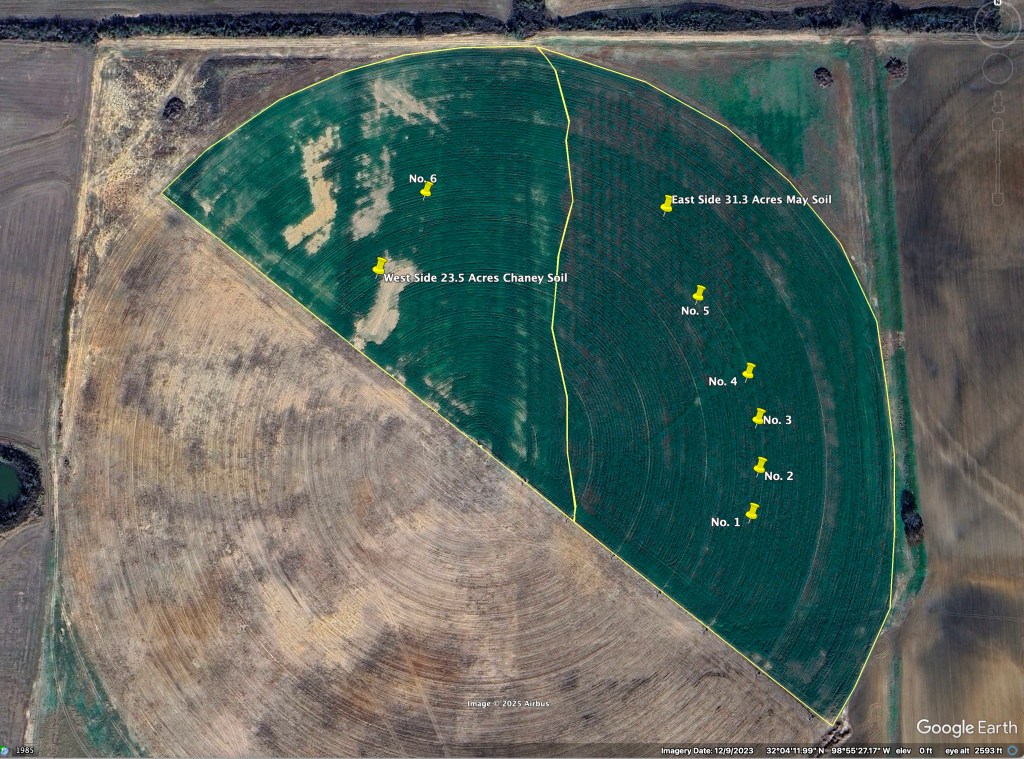
Here I opened Google Earth and zoomed in on our irrigated pivot field that we are studying. This field is part of an irrigation experiment we are conducting to determine alfalfa response to varying irrigation rates. Numbers 1-6 pins on the map represent the sensors buried in the soil and those sensors measure soil moisture to 3 feet deep. You will also notice a jagged yellow line through the field which represents where two soil types are in this field. The east side is a May soil type, and the west side is a Chaney soil type. Google Earth does not typically show soil types – so how did I get these soil types added?
Step 2: Adding a SoilWeb Earth KMZ file
If you will open your browser and go to https://casoilresource.lawr.ucdavis.edu/soilweb-apps you will see the screenshot I have demonstrated in the picture above. For this to work you need to have Google Earth on your computer already but hopefully you have done that by now. Next click on the picture under SoilWeb Earth and your computer will ask you to save a file called SoilWeb KMZ. Save it where you can find it on your computer.
Next open Google Earth and at the top left click on File and then open so you can choose the location of your recently saved KMZ file. When you open this file in Google Earth it will now show all the soil types for any piece of property in the United States. It may take a minute to open all the features. If you scroll down the left menu under Places, you will see the SoilWeb item, and you can check or uncheck to turn it on or off. It will probably be under the temporary file section and you just need to move it up to get it to stay open when you open Google Earth.
Step 3: Investigate the Features
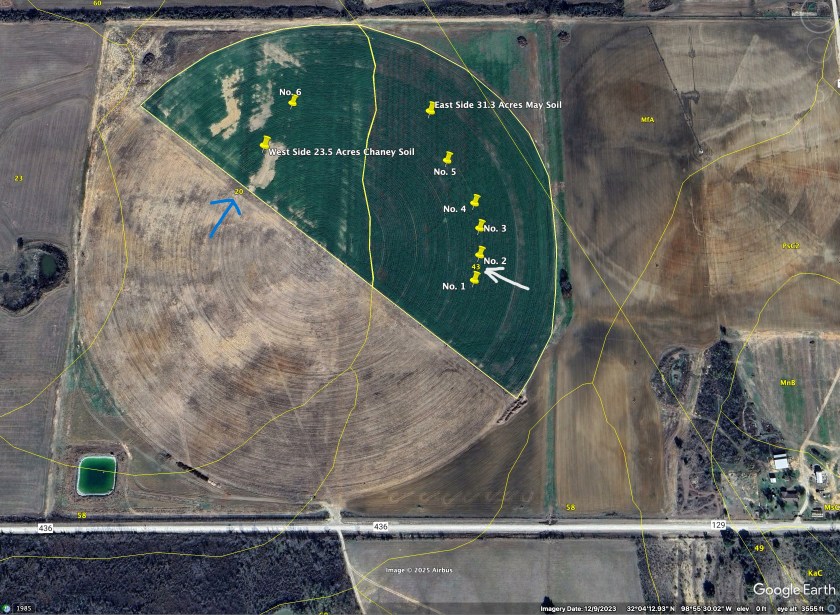
When turned on you will see all the yellow lines that represent differing soil types. If you click inside of a soil type outlined with the yellow lines, you are inside that type.
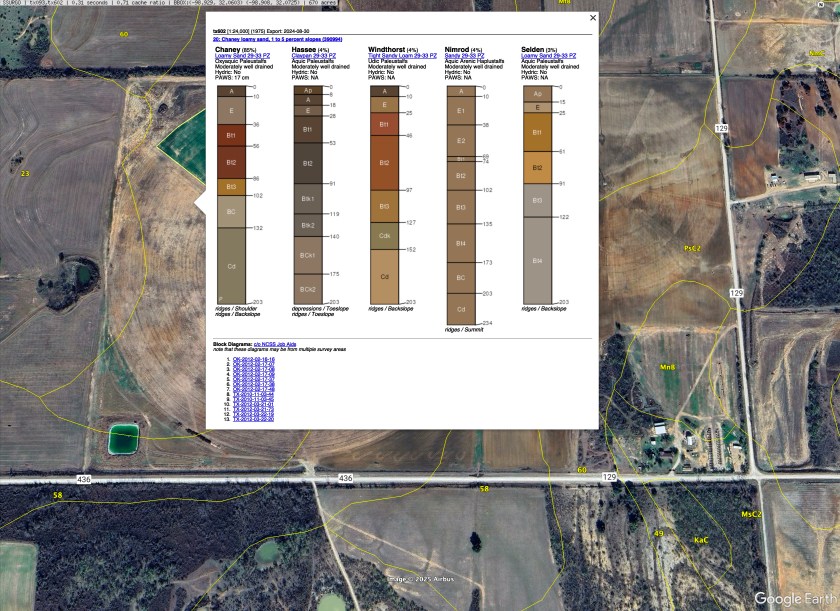
When you click anywhere in that soil area you will see the picture below pop up. This is the pop up when I clicked in that “soils” area in the picture and this shows the soil types represented in this area of the pivot. This area is predominantly a Chaney soil type with a small percentage of the others in this area as well.
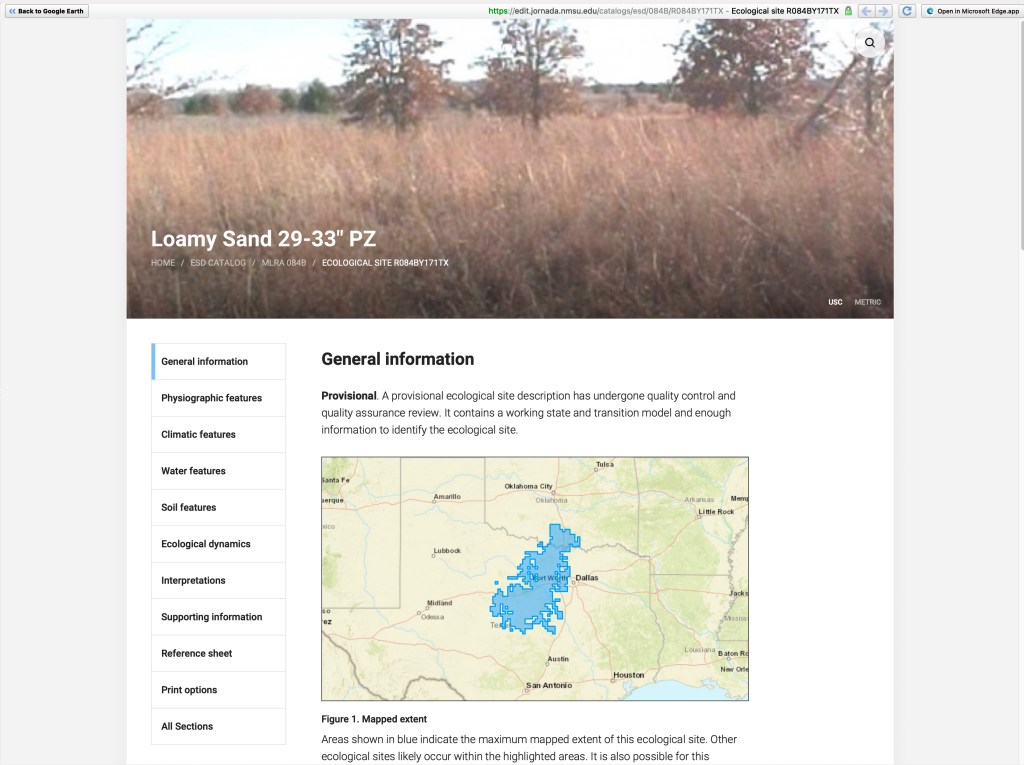
Now if you click on the blue words loamy sand under the title “Chaney” it will pop up the description in the picture below.
When I get this popup, it is displayed in Google Earth, but you can just click on the upper right to get it to appear in your web browser too. On the left of this picture, you see a menu full of information on this Loamy Sand soil type. Play around with it and learn about your soil.
Now lets go back to Google Earth by clicking the button at the top left that says, “Back to Google Earth.” When you do let’s once again click inside the soil type we are interested in and you will see this popup graphic again.
Click inside the colored soil column and you will get a different page pop up.
The picture below is a description of the Chaney soil series, and it is very detailed. At the top are different tabs you can click on like lab data, water balance, and more or just scroll down through it! You will spend a lot of time just looking at this one series and your farm could have many different series across your different fields. As you zoom out in Google Earth you will find lots of soil types and experiment by clicking on several and then clicking again in the popup menu of soils in that series. It is interesting and it will help you learn how to get the information you need. Do not be afraid to “click” on something!
In our irrigation study we are interested in the water holding capacity of the soils and you can get that under “water balance.” This graphic below will show the water storage in this soil series based on the month and we quickly see we will run a pretty hefty deficit in July, August and September but an abundance in winter. This corresponds to when the typical vegetation in summer is using the water.
Why do I like this soil series feature?
I am constantly using Google Earth in my work. If I have a call from a producer about crops, soils, irrigation or just about anything else on a producer’s farmland I will pull up the fields in Google Earth. When I do this special feature is automatically available and so I can look at the fields and I can evaluate the soils. I can tell how deep they are for crop growth, what the estimated pH is, soil water holding capacity, organic matter, and even estimated yields on dryland crops. This doesn’t mean that things won’t vary somewhat from the data in Google Earth, but that variation will not be too far off from this excellent information! And it is certainly a great starting place for figuring out any problems in any field before we start.
Also, you might want to check out this blog post on Organic Control of Field Bindweed that got this interest in Bindweed Gall Mites started. Just click the button….
Observations on Bindweed Gall Mites: Field Updates and Future Plans
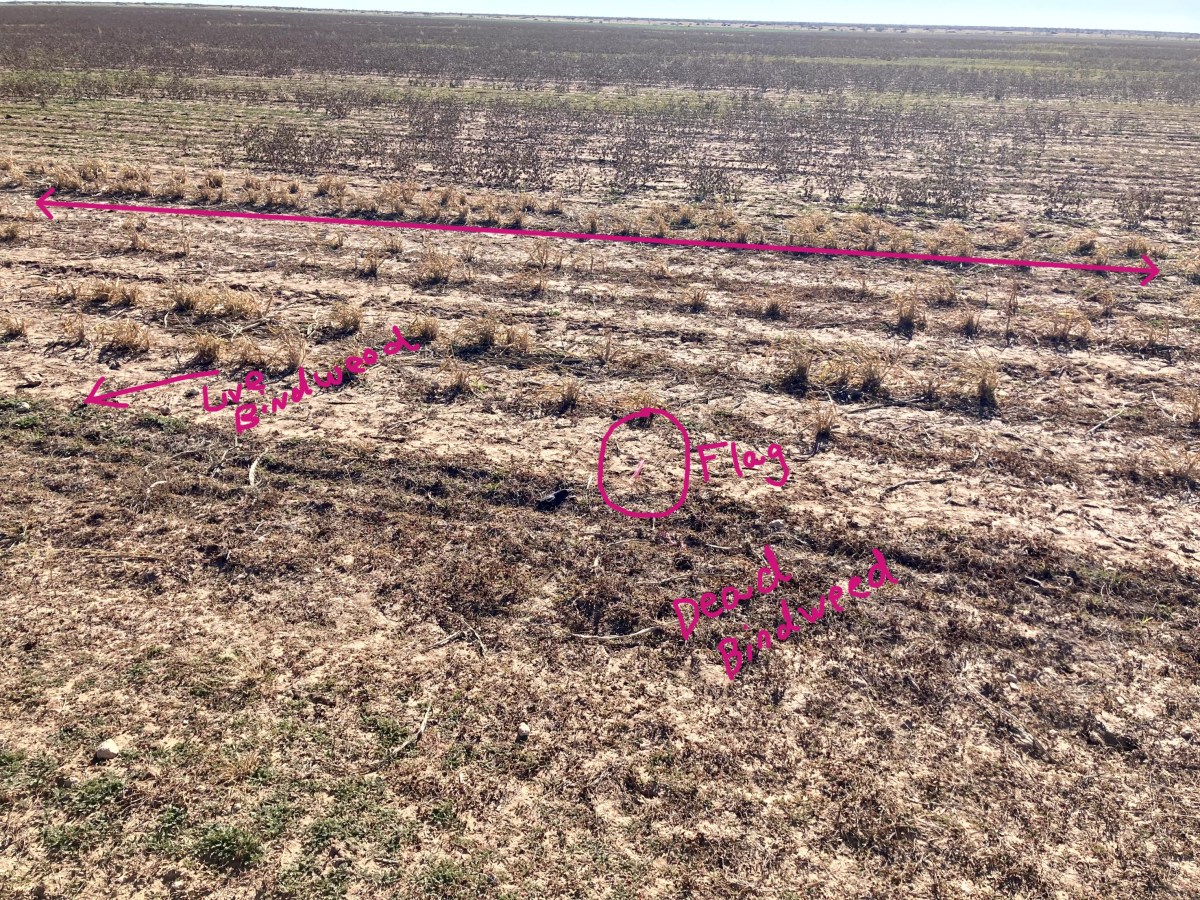
If you had a chance to read my previous post about applying Bindweed Gall Mites in July, the picture above will make more sense! This marked area, indicated by the flag, is where we scattered pieces of field bindweed infested with Bindweed Gall Mites sourced from the insectary in Colorado. Following the application in July, we endured one of the hottest and driest August months on record, leading us to assume that the mites had perished. While the bindweed in this area appeared dead due to the drought, we knew from experience that field bindweed rarely succumbs to such conditions.
In September, the weather shifted with some much-needed rain. The field bindweed plants sprang back to life, looking healthy once again. Unfortunately, our initial assumption was that while the bindweed survived, the Bindweed Gall Mites did not.
Fast forward to Monday, December 9th. After receiving a call from Carl Pepper the previous Friday urging me to visit the field, I was met with a surprising sight. The flag in the photo marks where the mites were introduced back in July. Surrounding the flag is a somewhat circular pattern of dead or dying bindweed, while outside this area the bindweed appears alive and healthy. To the left edge of the photo, some bindweed remains slightly green, but below and beyond the flag the plants look unmistakably dead. This circular pattern extends outward, as highlighted by the line drawn across the photo.
One might argue that this is merely a drought-affected patch. However, we placed a second batch of Bindweed Gall Mites in another area of the field, and a similar circular pattern has emerged there as well. These mites are so tiny that they are invisible to the naked eye, but in the lab, Dr. Kyle Slusher, an Extension Entomologist in our office, identified galls on collected bindweed plants under magnification.
Future Plans for Bindweed Gall Mites
Our immediate hope is to see the affected areas of bindweed continue to decline. While we don’t expect the mites to eradicate the bindweed entirely, a balance is desirable to ensure the mites’ survival. Looking ahead:
Field Monitoring: We’ll continue observing the affected areas to assess long-term impacts.
Laboratory Work: Dr. Slusher plans to conduct further studies on the mites in a controlled lab environment.
Farmers’ Interest: Several local farmers have expressed interest in this biological control method and plan to collect infested bindweed from this field to introduce on their farms.
Suitability for Dry Climates: The mites’ preference for hot and dry conditions aligns well with the West Texas climate, making this an intriguing and potentially effective solution for bindweed management in the region.
This project represents a promising step in biological pest control for field bindweed, and we’re excited to see how this progresses both in the field and through collaboration with area farmers. A big thanks to Carl Pepper for allowing us to experiment with this novel insect and to continue monitoring progress!
Scales are sucking insects that insert their tiny, straw-like mouthparts into bark, fruit, or leaves, mostly on trees and shrubs and other perennial plants. Some scales can seriously damage their host, while other species do no apparent damage to plants even when scales are very abundant. The presence of scales can be easily overlooked, in part because they do not resemble most other insects.
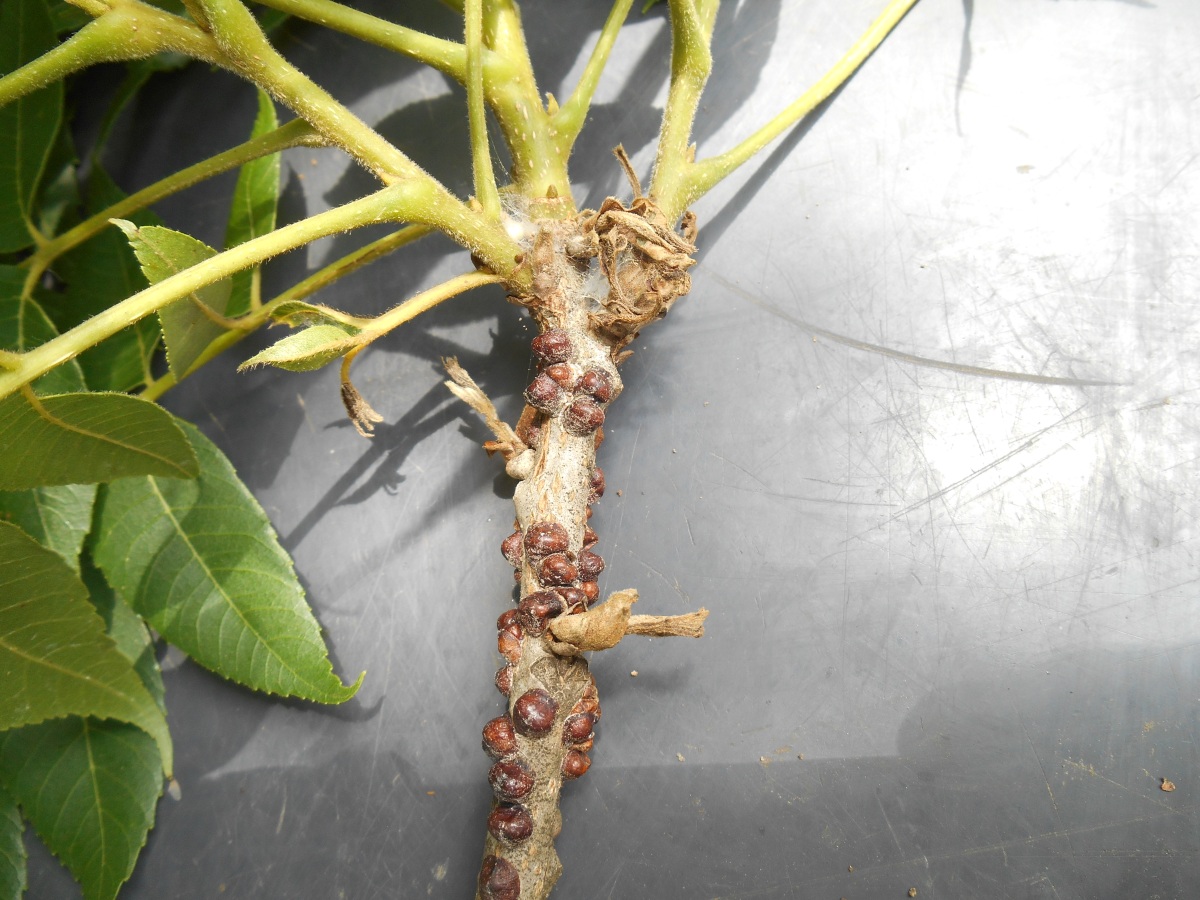
Lecanium scales in the picture above (there are about 12 species) are known as “soft” scales and are common pests on many ornamental plants all over North America. Holly, elm, redbud, walnut, citrus, apricot, pear, persimmon, beech, box elder, grape, pecan, rose, and willow are a sample of the diverse range of hosts that Lecanium scales can parasitize.
As these scales feed, they excrete large quantities of honeydew which serves as a substrate for sooty mold fungi.
Here is a link to a previous post I wrote about this scale on pecan. Scale on Pecan?
San Jose Bark Scale
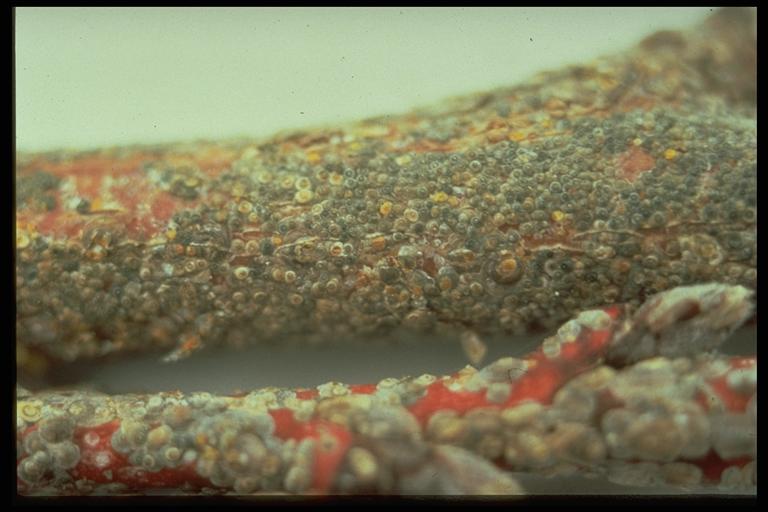
San Jose scale, Quadraspidiotus perniciosus (Comstock) (Homoptera: Diaspididae). Photo by C. L. Cole.
San Jose Bark Scale is one of the major insect pests of peaches and maybe one that causes the most damage. The first signs of infestation include a decline of tree vigor, leaf drop and appearance of sparse yellow foliage, particularly on the terminal growth. Reddish spots on the underside of bark and around scales on leaves or fruit result from feeding of immature stages. In severe cases, the entire surface of bark can become covered with layers of overlapping grayish scales. Cracking and bleeding of limbs occur, and heavily injured trees may die.
Life Cycle: Intermediate. Mature females and immature (second nymphal instar) stages survive the winter. Rather than eggs, female scale insects produce tiny six-legged, mobile, yellow-colored young, called “crawlers.” This stage spreads the infestation to new areas on the host plant, including bark, leaves and fruit, and to new hosts. After inserting their thread-like mouthparts into the plant and feeding for 2 to 3 days, female crawlers secrete their initial scale coverings and never move from that spot. Males develop into 2-winged adults in 2 or 3 weeks and emerge from their scales to seek females to mate. Up to six generations may be produced annually. All stages of development can occur throughout the year except during the winter.
Crape Myrtle Bark Scale
The crape myrtle bark scale, Acanthococcus (Eriococcus) lagerstromiae (Kuwana) was first confirmed in the USA in 2004 in the landscape near Dallas (TX), although it was likely introduced earlier. The scale is a sucking insect that feeds on the phloem (sap) of plants. As it feeds, it excretes a sugary solution known as “honeydew” (similar to aphids, whiteflies, and other sucking insects). Heavy infestations of crape myrtle bark scale produce sufficient honeydew to coat leaves, stems and bark of the tree. This honeydew, in turn, will eventually turn black as it is colonized by a concoction of fungi, called sooty mold. Although crape myrtles rarely die as a result of crape myrtle bark scale infestation, the sticky leaves and black trunks greatly reduce the attractive appearance of the tree.
Photo by Erfan K. Vafaie, Texas A&M AgriLife Extension.
Immature crape myrtle bark scale is hard to see with the naked eye, but adult scale covers, and egg sacs are frequently visible on the upper branches and trunk of the tree. These scales include larger, white, oval (female) and smaller, elongate (male) scales. Both male and female scales of the crape myrtle bark scale are immobile and will “bleed” pink blood when crushed.
On a personal note, this is a problem I have in my landscape and use Certis Biologicals – Des-X Insecticidal Soap as a treatment. Seems to work well but it does require repeat applications.
Mealybugs are prominent now in Greenhouses and Houseplants
Mealybugs are soft-bodied, wingless insects belonging to the family Pseudococcidae. These pests are known for their damaging effects on a wide range of plants, including crops, ornamentals, and houseplants. Their appearance is distinctive: adults are covered with a white, waxy, cotton-like secretion, making them resemble small tufts of cotton. This protective coating helps conserve moisture and offers some defense against predators and pesticides. Understanding the biology of mealybugs is crucial for developing effective management strategies in agricultural and horticultural systems.
Mealybugs have a complex life cycle that includes egg, nymph (crawler), and adult stages:
Egg: Female mealybugs lay hundreds of eggs within an ovisac, a protective sac made from waxy secretions. The color and size of the ovisac can vary among species.
Nymph (Crawler): After hatching, the nymphs, or crawlers, emerge to find feeding sites. This is the most mobile stage of the mealybug life cycle, and it’s when they are most vulnerable to control measures. Crawlers are tiny, yellowish, and lack the waxy coating seen in adults.
Adult: As they mature, nymphs undergo several molts before reaching adulthood. Adult females are larger than males and retain the waxy coating. Males may develop wings, depending on the species, and do not feed on plant sap as adults.
Mealybugs feed by inserting their long, slender mouthparts into plant tissues and sucking out sap. This feeding behavior can weaken plants, reduce growth, and cause leaf yellowing, wilting, and even death in severe infestations. As they feed, mealybugs excrete honeydew, a sticky substance that can lead to the growth of sooty mold, further impairing photosynthesis and plant health.
Mealybug reproduction can be sexual or asexual, varying by species. Some species are capable of parthenogenesis, where females produce offspring without mating. This ability allows for rapid population increases under favorable conditions.
Mealybugs spread primarily through human activity, such as the movement of infested plant material, and natural means, like crawling to adjacent plants or being carried by wind, animals, or ants. Ants, in particular, are known to farm mealybugs for their honeydew, protecting them from natural enemies and inadvertently aiding in their dispersal.
Introduction of Natural Predators or Disease
Controlling scale or mealybug insects in an organic farming system emphasizes the integration of biological and ecological methods to maintain pest populations below damaging levels. Biological control, one of the cornerstone practices in organic agriculture, involves the use of living organisms—predators, parasitoids, and pathogens—to regulate pest populations. Here are some effective methods to manage these insects through biological or predator-based strategies:
Lady Beetles (Coccinellidae): Many lady beetle species are voracious predators of scale insects in their larval and adult stages. For instance, the vedalia beetle (Rodolia cardinalis) has been successfully used to control cottony cushion scale in citrus groves.
Cryptolaemus montrouzieri: Often referred to as the mealybug ladybird, this beetle is a voracious predator of mealybugs in both its larval and adult stages. It has been used successfully in various agricultural systems to control mealybug populations.
Lacewings (Chrysopidae): Green and brown lacewings consume scale insects during their larval stages. Green lacewing larvae are effective predators of mealybugs, consuming them at various stages of their development. Their larvae are known as “aphid lions” for their predatory efficiency.
Parasitic Wasps: Tiny wasps, such as Aphytis melinus and Encarsia spp., specialize in parasitizing scale insects. They lay their eggs in or on the scale insect, and the developing larvae consume the scale from the inside. Several species of parasitic wasps, such as Leptomastix dactylopii, target mealybugs specifically. These wasps lay their eggs in or on mealybug larvae, and the hatching wasps consume the mealybugs from the inside.
Beauveria bassiana and Metarhizium anisopliae are fungi that infect and kill a wide range of insect pests, including scale and mealybug insects. These fungi are particularly useful in humid environments where they can naturally proliferate and infect scale populations.
Isaria fumosorosea (formerly known as Paecilomyces fumosoroseus) is a naturally occurring entomopathogenic fungus that acts as a biological control agent against a wide range of insect pests, including mealybugs, aphids, whiteflies, thrips, and other soft-bodied insects. It infects its hosts through the cuticle, leading to the pest’s death, and is particularly useful in integrated pest management (IPM) systems in organic agriculture and greenhouse settings.
Below you will see a list of organic products that have scale and/or mealybugs on their labels. These include some of the beneficial fungi listed above as well as botanical oils and the still very popular Azadirachtin extracted from the neem tree. You can just look through this short list or click on the link below to either see it on your computer or download and use as an Excel file.
This blog is overly long because of the discussion of different biostimulants. Scroll through first and pick out parts you are interested in and to understand the overall theme.
The concept of biostimulants in agriculture has evolved over centuries, with ancient practices hinting at the use of natural substances to enhance plant growth. However, the modern understanding of biostimulants began in the early 20th century. The term “biostimulant” encompasses a diverse array of products, including microbial inoculants (the bacteria and fungi we use for pests or to help plants fight pests), humic and fulvic acids, seaweed extracts, and other naturally derived substances. These materials are known for their ability to enhance plant growth, health, and productivity, often by influencing various physiological processes.
Scientific Recognition
In the mid to late 20th century, as the scientific community began to understand plant physiology better, the interest in biostimulants increased. Studies started to explore the mechanisms by which these natural substances could influence plant growth, nutrient uptake, and stress tolerance. By the late 20th century, the use of biostimulants was increasingly recognized as a component of sustainable agriculture practices, complementing the use of synthetic fertilizers and pesticides.
Regulatory Path for Biostimulants
Early Regulation
Initially, biostimulants fell into a grey area in terms of regulation. They were not strictly categorized as fertilizers or pesticides, which led to a lack of clear regulatory guidelines. This ambiguity sometimes resulted in inconsistencies in quality and efficacy among products in the market.
Current Regulatory Landscape
As the market for biostimulants grew, the need for regulatory frameworks became apparent. In the European Union, for instance, biostimulants are being integrated into the existing fertilizing products regulation (EU) 2019/1009, which sets criteria for their placement in the market and ensures their safety and efficacy. In the United States, the Agricultural Improvement Act of 2018 (Farm Bill) included provisions that recognize the unique nature of plant biostimulants and initiated the process of establishing a formal definition and regulatory pathway.
The Plant Biostimulant Act of 2023 is introduced
This bill excludes plant biostimulants (i.e., a substance, micro-organism, or mixture thereof that supports a plant’s natural processes independently of the biostimulant’s nutrient content) from regulation under the Federal Insecticide, Fungicide, and Rodenticide Act. The bill also requires the Department of Agriculture to study the types of plant biostimulants and practices of plant biostimulant use that best achieve certain results, such as increasing organic matter content. This has been introduced into both the Senate and House and has bipartisan support. Unfortunately, it is on hold because of the Farm Bill discussions and vote.
Research and Development of Biostimulants Worldwide
Overview
Research and development (R&D) in the field of biostimulants is a rapidly evolving area, driven by the growing need for sustainable agricultural practices. Biostimulants are recognized for their potential to enhance plant growth, increase crop yield, and improve plant resilience against stressors such as drought, salinity, and extreme temperatures. The global focus on biostimulant R&D reflects a shift towards eco-friendly and efficient farming techniques.
Key Areas of Research
Mechanism of Action: Understanding how biostimulants work at the molecular and cellular levels is crucial. Research is focused on identifying the active components in biostimulants and how they interact with plant physiology, including nutrient uptake, hormone regulation, and stress response.
New Product Development: Researchers are exploring various natural sources like algae, beneficial microbes, and plant extracts to develop new biostimulant products. There is also an interest in synthesizing novel compounds that mimic the action of natural biostimulants.
Formulation Technology: Developing effective formulations that ensure the stability and bioavailability of biostimulant compounds is a key research area. This includes nano-formulations and encapsulation technologies that enhance the delivery and efficacy of biostimulants.
Synergistic Combinations: Combining biostimulants with other agricultural inputs, such as fertilizers and biopesticides, to achieve synergistic effects is an emerging field. This research aims to maximize crop yield and quality while minimizing environmental impact.
Soil Health and Microbiome Studies: Understanding the interaction between biostimulants and the soil microbiome is vital. Research in this area focuses on how biostimulants can influence soil microbial communities to benefit plant growth and soil health.
Global Research Initiatives
Europe: The European Union has been at the forefront in funding research projects on biostimulants, focusing on sustainability and efficacy. Projects under the Horizon 2020 program, for instance, aim to develop innovative biostimulant products and assess their impact on crop productivity and resilience.
United States: The USDA and various academic institutions are conducting extensive research on biostimulants. The focus is on both developing new biostimulant products and understanding their role in sustainable agriculture systems.
Asia: Countries like China and India are increasingly investing in biostimulant research, with a focus on developing products suited to local crop varieties and farming practices. The research often involves traditional knowledge and natural resources unique to the region.
Challenges in Research and Development
Standardization and Regulation: One of the main challenges is the lack of standardization in terms of what constitutes a biostimulant. This affects the regulation, efficacy testing, and market acceptance of new products.
Scalability and Cost-Effectiveness: Developing biostimulant products that are both effective at a large scale and cost-effective for farmers remains a challenge, especially in developing countries.
Environmental Impact Assessment: Understanding the long-term impacts of biostimulants on soil health and the wider ecosystem is essential but complex, requiring long-term studies.
Future Directions
Precision Agriculture Integration: Integrating biostimulants with precision agriculture technologies to optimize their application and efficacy is a promising future direction.
Tailored Solutions: Developing biostimulants tailored to specific crop needs, environmental conditions, and agricultural practices is likely to be a focus, especially with the advancement in genomics and plant science.
Global Collaboration: Enhanced global collaboration and knowledge sharing among researchers, industry players, and policymakers are crucial for advancing the field of biostimulants.
Different Types of Biostimulants
Humic and Fulvic Acids as Biostimulants in Agriculture
Overview
Humic and fulvic acids are natural organic compounds found in humus, the decomposed matter in soil. They are key components of soil organic matter and play a significant role in soil health and plant growth. As biostimulants, these substances have gained attention for their ability to improve soil properties, enhance nutrient uptake, and stimulate plant growth.
Composition and Origin
Humic Acids: Larger molecules that are soluble in alkaline solutions. They are formed through the microbial decomposition of plant and animal matter and are an integral part of the soil’s organic matter.
Fulvic Acids: Smaller molecules than humic acids and are soluble in water at all pH levels. They are more readily absorbed by plants due to their smaller size.
Key Functions in Agriculture
Soil Structure Improvement: Enhance soil structure, leading to better water retention, aeration, and tilth. This creates a more conducive environment for root growth and microbial activity.
Nutrient Availability: Chelate soil nutrients, making them more available to plants. They can increase the efficiency of nutrient uptake, particularly in the case of micronutrients.
Root Growth and Development: Stimulate root growth and branching, which enhances the plant’s ability to absorb water and nutrients.
Plant Metabolism and Stress Resistance: Influence various aspects of plant metabolism, leading to increased plant vigor and resistance to stress factors like drought, salinity, and extreme temperatures.
Enhancement of Microbial Activity: Promote the growth and activity of beneficial soil microorganisms, which play a crucial role in nutrient cycling and organic matter decomposition.
Application Methods
Soil Application: Incorporated into the soil directly or through irrigation systems.
Foliar Sprays: Applied directly to plant foliage, where they are absorbed through the leaves.
Benefits
Improved Plant Health and Yield: Plants treated with humic and fulvic acids often exhibit improved growth, higher yields, and better quality.
Environmental Sustainability: Contribute to sustainable agricultural practices by enhancing soil health and reducing the need for chemical fertilizers.
Enhanced Nutrient Use Efficiency: Reduce nutrient leaching and increase the effectiveness of fertilizers.
Considerations and Challenges
Source and Quality Variation: The effectiveness of humic and fulvic acids can vary significantly depending on their source and extraction method.
Compatibility with Other Agricultural Inputs: It’s important to consider their compatibility when used in conjunction with other fertilizers and biostimulants.
Research and Standardization: Ongoing research is needed to further understand their mechanisms of action and to standardize products for consistent agricultural use.
Conclusion
Humic and fulvic acids are valuable biostimulants in agriculture, offering a range of benefits for soil health and plant growth. Their natural origin and multifaceted action on plants and soils align well with the goals of sustainable and efficient agricultural practices. By enhancing nutrient availability, stimulating root development, and improving soil structure, these substances hold significant promise for improving agricultural productivity in an environmentally friendly manner.
Seaweed Extracts as Biostimulants in Agriculture
Overview
Seaweed extracts, derived mainly from marine algae, have been used as biostimulants in agriculture for decades. They are rich in a variety of bioactive compounds, including vitamins, minerals, amino acids, and plant hormones. These extracts have gained popularity for their ability to enhance plant growth, improve stress tolerance, and increase crop yields.
Composition
Macro and Micro Nutrients: Seaweed is a natural source of essential nutrients like nitrogen, phosphorus, potassium, calcium, magnesium, sulfur, and trace elements.
Plant Growth Regulators: Contains natural plant hormones such as auxins, cytokinins, and gibberellins, which are crucial for plant growth and development.
Amino Acids and Vitamins: Provide a range of amino acids and vitamins that serve as building blocks and cofactors in various metabolic processes in plants.
Biostimulant Compounds: Include complex polysaccharides such as alginates and carrageenans, which can improve soil structure and water retention.
Benefits in Agriculture
Enhanced Plant Growth and Development: The presence of natural growth hormones and nutrients promotes vigorous plant growth, root development, and higher yields.
Improved Stress Resistance: Enhance plant resilience against environmental stresses such as drought, salinity, and extreme temperatures.
Increased Nutrient Uptake and Efficiency: Improve the uptake and utilization of nutrients from the soil.
Soil Health Improvement: Polysaccharides in seaweed extracts can improve soil texture, aeration, and moisture retention, benefiting the overall soil ecosystem.
Boosting Natural Defense Mechanisms: Some compounds in seaweed extracts can trigger plants’ natural defense systems, increasing their resistance to pests and diseases.
Application Methods
Foliar Application: Spraying onto plant leaves for direct absorption of nutrients and active compounds.
Soil Application: Applied to the soil to benefit root systems and improve soil quality.
Types of Seaweed Used
Ascophyllum nodosum: Commonly used due to its rich composition of bioactive substances. Ascophyllum nodosum is widely used in agriculture as a source of natural fertilizers and biostimulants. It is rich in nutrients such as potassium, nitrogen, and micronutrients, as well as growth-promoting compounds like alginates, mannitol, and phytohormones.
Sargassum, Laminaria, and Fucus: Other types also used for their beneficial properties.
Challenges and Considerations
Quality and Concentration: The effectiveness of seaweed extracts can vary based on their quality, concentration, and the extraction process.
Application Timing and Rate: Determining the optimal application timing and rate is crucial for maximizing benefits.
Research and Standardization: Ongoing research is needed to understand the mechanisms of action fully and to standardize products for consistent results.
Conclusion
Seaweed extracts are a potent and versatile group of biostimulants in agriculture, offering a natural and sustainable way to enhance plant growth, improve crop resilience, and boost soil health. Their multi-faceted benefits, coupled with a growing interest in sustainable agricultural practices, make them an increasingly popular choice among farmers and agronomists. As research continues to advance, the use of seaweed extracts is expected to play a significant role in the future of agricultural biostimulants.
Protein Hydrolysates as Biostimulants in Agriculture
Definition
Protein hydrolysates are complex mixtures of polypeptides, oligopeptides, and amino acids that are derived from the hydrolysis of proteins. Hydrolysis is a chemical process in which a protein molecule is broken down into smaller peptide fragments and amino acids, facilitated by enzymes or acids.
Types of Protein Hydrolysates
Animal-Based: Derived from animal proteins such as casein, collagen, or fish proteins.
Plant-Based: Derived from plant protein sources like soy, wheat, and alfalfa.
Production Process
The production of protein hydrolysates involves breaking down proteins using either:
Enzymatic Hydrolysis: Using specific enzymes to cleave protein chains. This method is preferred as it allows for more control over the size and composition of the resulting peptides and is generally considered more environmentally friendly.
Acid or Alkaline Hydrolysis: Using acid or alkaline solutions to break down proteins. This method is less specific and can lead to the destruction of some amino acids.
Characteristics
Solubility: Highly soluble in water, making them suitable for various applications.
Nutritional Value: Rich in amino acids, which are the building blocks of proteins, essential for plant growth.
Functionality: The smaller peptides and amino acids can be readily absorbed and utilized by plants.
Applications in Agriculture as Biostimulants
Enhancing Plant Growth: Provide readily available amino acids and peptides for plant uptake, promoting growth.
Stress Tolerance: Help plants to mitigate stress from environmental factors like drought, salinity, and extreme temperatures.
Nutrient Uptake: Facilitate the uptake of nutrients from the soil, improving overall plant nutrition.
Soil Health: Contribute to soil fertility by providing organic nitrogen and stimulating beneficial microbial activity.
Benefits
Sustainable Alternative: Offer a more environmentally friendly alternative to traditional chemical fertilizers.
Efficiency: Improve the efficiency of nutrient use by plants.
Versatility: Suitable for a wide range of crops and agricultural systems.
Considerations
Quality and Composition: The effectiveness of protein hydrolysates can vary depending on their amino acid composition and the method of hydrolysis.
Regulatory Aspects: Subject to agricultural and food safety regulations, which can vary by region.
Conclusion
Protein hydrolysates, as biostimulants, represent an innovative approach in sustainable agriculture, contributing to enhanced plant growth and resilience. Their role in improving nutrient uptake and soil health, coupled with their environmental benefits, underscores their growing importance in modern agricultural practices.
Chitosan as Biostimulants in Agriculture
Overview
Chitosan, a natural biopolymer derived mainly from the exoskeletons of crustaceans such as crabs, shrimp, and lobsters, is gaining recognition as an effective biostimulant in agriculture. It is produced by deacetylating chitin, a major component of crustacean shells. As an agricultural biostimulant, chitosan offers various benefits for plant growth, yield enhancement, and disease resistance.
Properties and Mechanism of Action
Elicitor of Plant Defense Responses: Chitosan is known for its ability to elicit natural defense mechanisms in plants, making them more resistant to fungal pathogens and pests.
Enhancement of Plant Growth: It can stimulate seed germination, root development, and overall plant growth.
Improvement in Stress Tolerance: Chitosan helps plants withstand abiotic stresses such as drought, salinity, and heavy metal toxicity.
Promotion of Nutrient Uptake: It can enhance the efficiency of nutrient uptake from the soil, particularly micronutrients.
Applications in Agriculture
Seed Treatment: Coating seeds with chitosan can improve germination rates and seedling vigor.
Soil Amendment: Application to soil enhances soil health and stimulates beneficial microbial activity.
Foliar Spray: Spraying chitosan solutions on plant leaves can boost plant immunity and overall health.
Benefits
Disease and Pest Resistance: By inducing systemic resistance, chitosan reduces the need for chemical fungicides and pesticides.
Improved Crop Yield and Quality: Enhanced nutrient uptake and stress tolerance lead to better crop yield and quality.
Biodegradability and Environmental Safety: As a natural, biodegradable compound, chitosan is environmentally friendly and safe for use in organic farming.
Challenges and Considerations
Source and Purity: The effectiveness of chitosan as a biostimulant can vary depending on its source and degree of purification.
Regulatory Aspects: The use of chitosan in agriculture is subject to regulatory approvals, which can vary by region.
Application Strategies: Determining the optimal concentration, timing, and method of application is crucial for maximizing its effectiveness.
Research and Development
Ongoing research is focused on optimizing the use of chitosan as a biostimulant, including the development of chitosan-based nanoparticles for targeted delivery and enhanced efficacy.
Conclusion
Chitosan represents a promising, sustainable approach in agricultural biostimulants. Its multifaceted benefits, including enhanced plant growth, improved stress tolerance, and reduced reliance on chemical pesticides, align with the goals of sustainable and eco-friendly farming practices. As research continues to unfold its potential, chitosan is poised to play a significant role in the future of agriculture, particularly in the context of integrated pest management and organic farming.
Beneficial Microbial Inoculants (Mycorrhizae and Bacteria) as Biostimulants in Agriculture
Overview
Beneficial microbial inoculants, including mycorrhizal fungi and specific beneficial bacteria, are increasingly recognized as vital biostimulants in sustainable agriculture. These microorganisms form symbiotic relationships with plants, enhancing nutrient uptake, improving soil structure, and increasing plant resilience to stressors.
Mycorrhizae
Types: The two primary types are Arbuscular Mycorrhizal Fungi (AMF), which associate with the roots of most crop plants, and Ectomycorrhizal Fungi, which associate mainly with trees.
Function: Mycorrhizae extend the root system via their hyphal networks, significantly enhancing the plant’s ability to absorb water and nutrients, especially phosphorus and micronutrients.
Benefits: Increase nutrient and water uptake, improve soil structure, enhance resistance to pathogens and stressors like drought, and reduce the need for chemical fertilizers.
Beneficial Bacteria
Types: Includes rhizobia, which form nodules on legume roots and fix atmospheric nitrogen, and other genera like Azospirillum, Bacillus, and Pseudomonas, which promote plant growth through various mechanisms.
Function: These bacteria can fix nitrogen, solubilize phosphorus, produce plant growth-promoting hormones (like auxins and gibberellins), and induce systemic resistance against a range of plant pathogens.
Benefits: Enhance nutrient availability and uptake, promote growth, improve plant health and yield, and increase resilience to environmental stressors.
Application Methods
Seed Treatment: Coating seeds with microbial inoculants to ensure early colonization and benefit during critical growth stages.
Soil Application: Applied directly to the soil or through irrigation systems to colonize the root zone.
Foliar Sprays: Some microbial formulations can be applied as foliar sprays to enhance plant growth and induce systemic resistance.
Benefits in Agriculture
Enhanced Nutrient Uptake: Especially important for nutrients like nitrogen and phosphorus, leading to reduced fertilizer dependency.
Improved Soil Health: Microbial activity can improve soil structure, organic matter content, and overall soil fertility.
Increased Plant Resilience: Enhanced resistance to biotic and abiotic stressors, including pests, diseases, drought, and saline conditions.
Sustainable Farming Practices: Contribute to the sustainability of agricultural systems by reducing the need for chemical inputs and enhancing soil biodiversity.
Challenges and Considerations
Species-Specific Interactions: The effectiveness of microbial inoculants can be highly specific to the plant species and environmental conditions.
Quality and Viability: Ensuring the viability and effectiveness of microbial inoculants during storage and application.
Integration with Agricultural Practices: Effectiveness can be influenced by farming practices, soil type, and environmental conditions.
Future Perspectives
Advanced Formulations: Development of more robust, effective formulations and delivery systems.
Genetic and Metabolic Research: Understanding the genetic and metabolic pathways involved in microbe-plant interactions for more targeted applications.
Integration with Other Biostimulants: Synergistic use with other biostimulants and biofertilizers for holistic plant and soil health management.
Conclusion
Beneficial microbial inoculants, including mycorrhizae and bacteria, are crucial components of modern sustainable agriculture. They offer a natural, effective way to enhance plant growth, improve soil health, and reduce the environmental impact of farming practices. As the understanding of these microbial interactions advances, their role in agriculture is expected to expand, offering significant potential for improving crop productivity and sustainability.
Amino Acids and Peptides as Biostimulants in Agriculture
Overview
Amino acids and peptides, the building blocks of proteins, are emerging as significant biostimulants in agriculture. They are involved in various physiological and metabolic processes in plants and can be derived from plant or animal protein hydrolysis. Their use in agriculture promotes plant growth, enhances nutrient uptake, and improves stress tolerance.
Key Characteristics
Amino Acids: Organic compounds that form proteins. Essential amino acids, which plants cannot synthesize, are particularly important as biostimulants.
Peptides: Short chains of amino acids that can act as signaling molecules, influencing various plant growth processes.
Mechanism of Action
Growth Promotion: Some amino acids function as precursors to plant hormones, promoting growth and development.
Stress Response: Certain amino acids help plants cope with abiotic stress like drought, salinity, and extreme temperatures by acting as osmoprotectants or antioxidants.
Nutrient Uptake and Assimilation: Facilitate the uptake of nutrients, particularly nitrogen, and their assimilation into essential plant compounds.
Enhancing Photosynthesis: Some amino acids can influence chlorophyll concentration and photosynthetic activity.
Sources and Production
Hydrolyzed Protein: Produced by hydrolyzing plant or animal proteins. The method of hydrolysis (enzymatic, acid, or alkaline) can affect the composition and efficacy of the final product.
Biotechnological Production: Genetically modified microorganisms can be used to produce specific amino acids in large quantities. This is not approved for organic use and probably never will be. This can cause issues since a company may have both a conventional and organic product with similar names!
Applications in Agriculture
Foliar Application: Spraying amino acid or peptide solutions directly on plant leaves for quick absorption.
Soil Application: Applying to the soil to improve nutrient availability and root absorption.
Seed Treatment: Enhancing seed germination and early seedling growth.
Benefits
Enhanced Growth and Yield: Contribute to increased biomass, fruit set, and overall crop yield.
Improved Stress Tolerance: Equip plants to better withstand environmental and physiological stressors.
Nutrient Use Efficiency: Increase the efficiency of nutrient use, reducing the need for conventional fertilizers.
Soil Health: Beneficial for soil microbial activity and overall soil health.
Challenges and Considerations
Concentration and Formulation: Determining optimal concentrations and formulations for different crops and conditions.
Cost-Effectiveness: Balancing the cost of production and application with the benefits gained.
Environmental Impact: Assessing the long-term impact on soil and plant health.
Future Perspectives
Tailored Solutions: Developing specific amino acid and peptide formulations tailored to specific crop needs and environmental conditions.
Integrated Nutrient Management: Combining with other biostimulants and biofertilizers for a more holistic approach to plant nutrition.
Advanced Research: Further research into the specific roles of different amino acids and peptides in plant physiology and stress response.
Conclusion
Amino acids and peptides hold great promise as biostimulants in agriculture, offering a sustainable and effective means to enhance plant growth, improve crop yields, and increase stress resilience. Their integration into modern agricultural practices aligns well with the increasing focus on sustainability and efficiency in crop production.
Plant Extract-Based Biostimulants in Agriculture
Overview
Plant extract-based biostimulants are natural formulations derived from various plant tissues (leaves, roots, seeds, etc.) and are increasingly used in agriculture to enhance plant growth, yield, and resilience to stress. These biostimulants contain a complex mixture of bioactive compounds like phytohormones, vitamins, enzymes, flavonoids, and other secondary metabolites that positively influence plant physiological processes.
Composition and Active Compounds
Phytohormones: Natural plant hormones such as auxins, gibberellins, and cytokinins, which regulate plant growth and development.
Secondary Metabolites: Compounds like flavonoids, alkaloids, and terpenoids, which play roles in plant defense and stress tolerance.
Vitamins and Enzymes: Essential for various metabolic activities within plants.
Antioxidants: Protect plants from oxidative stress caused by environmental factors.
Mechanism of Action
Growth Stimulation: Phytohormones in plant extracts can promote cell division, elongation, and differentiation, enhancing overall plant growth.
Enhanced Nutrient Uptake: Improve the efficiency of nutrient absorption and utilization.
Stress Mitigation: Help plants to better withstand abiotic stresses like drought, salinity, and extreme temperatures.
Improved Crop Quality and Yield: Positively impact flowering, fruit set, and seed production, leading to higher yields and better quality produce.
Sources of Plant Extracts
Herbal Extracts: Extracts from plants like nettle, comfrey, and horsetail are popular due to their rich composition of growth-promoting substances.
Seaweed Extracts: Already established in agriculture for their biostimulant properties.
Other Plant Sources: Various other plants, each with unique compounds beneficial to plant growth and health.
Application Methods
Foliar Sprays: Direct application to the plant foliage for quick absorption.
Soil Application: Enhancing soil quality and root system development.
Seed Treatment: Boosting seed germination and early seedling vigor.
Benefits
Sustainable Agriculture: Offer a more natural and environmentally friendly approach to enhancing crop performance.
Reduced Chemical Use: Can reduce reliance on synthetic fertilizers and pesticides.
Broad-Spectrum Efficacy: Effective on a wide range of crops due to their complex and varied composition.
Challenges and Considerations
Consistency and Standardization: Ensuring consistency in the concentration and composition of active ingredients.
Research and Validation: Need for more scientific research to fully understand their mechanisms of action and to optimize their use.
Regulatory Aspects: Subject to agricultural regulations, which can vary by region.
Future Perspectives
Tailored Formulations: Developing customized extracts based on specific crop needs and environmental conditions.
Synergistic Combinations: Combining plant extracts with other biostimulants or biofertilizers for enhanced effects.
Advanced Extraction Techniques: Employing novel extraction methods to maximize the efficacy and purity of the biostimulants.
Conclusion
Plant extract-based biostimulants represent a growing segment in the field of sustainable agriculture, offering an eco-friendly alternative to enhance plant growth and resilience. Their diverse range of bioactive compounds makes them adaptable to various agricultural needs, paving the way for their increased use in enhancing crop productivity and sustainability.











 Texas A&M AgriLife Organic