Texas A&M Researchers Develop Innovative Organic Herbicide with $100,000 Grant
Texas A&M University’s Advancing Discovery to Market (ADM) grant program has awarded a $100,000 grant to further develop a groundbreaking organic pre-emergent herbicide technology. This innovative project, led by Dr. Lawrence Griffing from the Biology Department, aims to create a natural, non-toxic herbicide that effectively controls weeds without harming crops or the environment
The proposed herbicide works by utilizing plant sterols to inhibit weed growth through a novel mechanism of action. Early tests show promising results, with the potential to reduce weed biomass by more than 90% in month-old plantings of both broadleaf and grass weeds
What sets this herbicide apart is its organic nature and potential cost-effectiveness, with estimates suggesting it could provide weed control at 1/3 to 1/100 of the existing cost for broad-spectrum weed management
This ADM grant will support crucial field testing and formulation development, bringing the technology closer to market readiness. The project team is collaborating with Texas A&M AgriLife Research and Extension to conduct comprehensive field trials across multiple crops and soil types
This research not only advances organic farming practices but also demonstrates the commitment of myself and other Extension specialists and researchers to developing practical, sustainable solutions for organic producers.
New Organic Insecticide with a Twist!
Entrapment developed by Attune Agriculture is an innovative organic insecticide that works by altering the physical properties of water to create an effective trap for various pests. This product is particularly promising for use in grape vineyards to control leafhoppers, an insect that can caused lots of headaches for Texas growers. Entrapment’s unique mode of action involves changing the surface tension of water droplets, allowing them to adhere to leaf surfaces and trap insects upon contact.
“Entrapment insecticide provides a high level of control of many of the most important insect and mite pests in agriculture that can be applied up until harvest, a much-needed tool for growers,” says Greg Andon, CEO of Attune Agriculture. “We believe its unique combination of physical mode of action, efficacy within a specific pest size range, and lack of phytotoxicity make Entrapment one of the most consequential new actives to be introduced in many years.”
Entrapment’s unique spectrum of activity provides effective control of aphids, thrips, psyllids, whiteflies, scales, leafhoppers, mites, plant bugs, flea hoppers, chinch bugs and small caterpillars. The EPA registered label includes most crops: fruit, nut, vegetable, row crop, greenhouse, and turf & ornamental.
One of the key advantages of Entrapment is its versatility across different crop types. While it shows promise for use in vineyards, there is also potential for its application in row crops, which could provide a more cost-effective and environmentally friendly alternative to conventional pesticides.
It’s important to note that while Entrapment offers an exciting new tool for organic pest management, research on its effectiveness in various agricultural settings is still being conducted. As with any new product, further studies and field trials will be necessary to fully understand its potential benefits in different crops and pest species. Farmers are encouraged to conduct their own trials and share results (please!) to build a better understanding of any new organic product’s capabilities in agricultural fields.
New Generic Version of Popular Organic Insecticide Now Available!
Great news for organic farmers battling insect pests! Spinosad, the active ingredient in Corteva Agriscience’s Entrust Naturalyte Insecticide, is now available as a generic product. This OMRI-approved organic insecticide has long been a go-to solution for controlling:
Worms and caterpillars
Thrips
Leafminers
Fire ants
Cost-Effective Alternative
Previously, the high cost of Spinosad made it challenging to use on commodity crops and even some vegetable and grape productions. However, with the expiration of the patent, a more affordable generic version has entered the market.
Introducing Estero by Atticus
Atticus is now distributing “Estero,” a generic Spinosad product. Key points to note:
Estero has the same formulation as Entrust
It may still be manufactured by Corteva Agriscience
The efficacy and quality remain unchanged
Availability and Ordering
Atticus works with major agricultural retailers to distribute Estero. However, farmers may need to specifically request the product to ensure local availability.
Texas Contact Information
For Texas farmers interested in Estero, contact:
Audie Wolf Texas Sales Representative for Atticus Phone: 806-567-0324 Location: Texas Panhandle
This generic alternative offers organic farmers a chance to effectively manage pests while potentially reducing input costs.
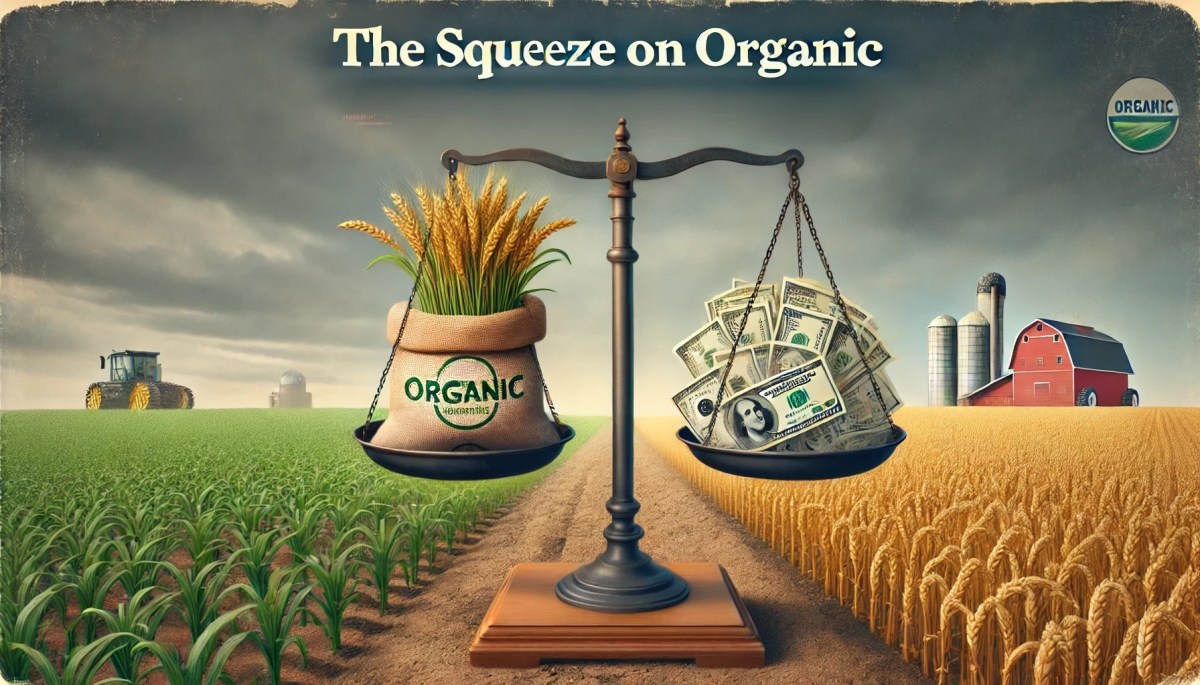
Recent reports indicate a significant downturn in the U.S. organic grain market, with profitability for organic corn, soybean, and wheat farmers reaching record lows. For the 2023-24 marketing year, the combined net returns for these three crops fell to just $42 per acre. The outlook for 2024-25 is even more concerning, with potential negative returns ranging from -$213 to -$277 per acre if current price and cost trends persist. This decline is primarily attributed to plummeting organic commodity prices, with organic soy, corn, and wheat prices down 38-42% from their recent peaks.
The profitability squeeze is particularly severe for organic farmers compared to their conventional counterparts. While both sectors face rising production costs and increased global competition, organic producers are experiencing a “double whammy” of higher costs and lower prices relative to pre-2021 baselines. Conventional grain prices, though down from recent highs, still exceed cost increases when compared to the 2016-2021 period. In contrast, organic corn prices have fallen below historic baselines while production costs have increased. This trend threatens the traditionally higher net returns of organic corn and soybean farming, which have outperformed conventional returns by $12 to $485 per acre over the past eight years.
The declining profitability of organic grain farming raises concerns about farmer retention and the future of organic agriculture in the U.S. It’s estimated that there has been a 5% decrease in the number of organic farmers in 2024 compared to the previous year. Some farmers are considering switching to more profitable organic crops or even reverting to conventional farming. This situation poses a significant challenge to the organic industry and could potentially impact the environmental benefits associated with organic farming practices, including improved water quality and soil health.
Sources include:
Argus Media. “Shrinking profitability of organic farming.” Argus AgriMarkets Organic and Non-GMO service, November 2024.
Grow Well Consulting. “Is the profitability plunge in U.S. organic actually worse than corrections happening in conventional?” October 28, 2024.
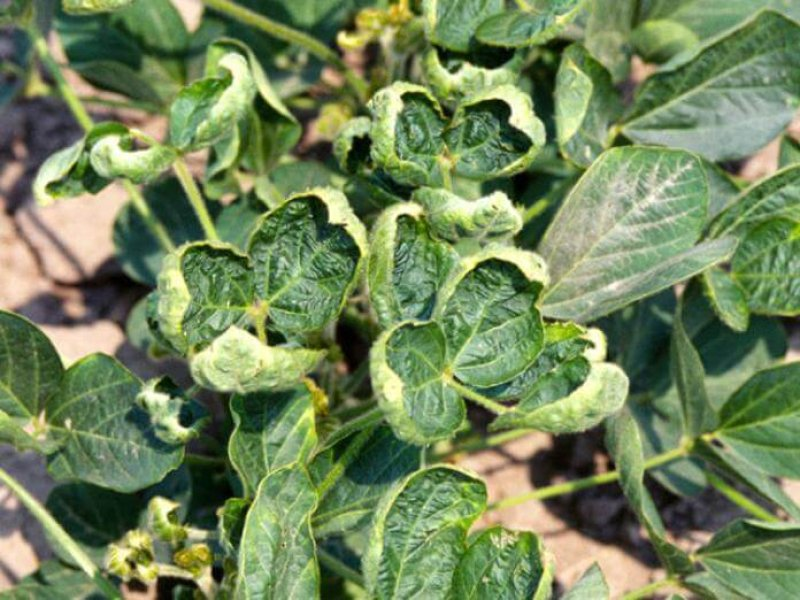
Dicamba, a commonly used herbicide in conventional farming, has long been a point of contention, particularly in regions where organic crops are grown alongside conventional fields. In 2024, the persistence of dicamba drift has become increasingly problematic for organic farmers in West Texas, affecting a range of sensitive crops, particularly cotton and peanuts.
To understand the scale of this issue, I recently conducted a poll targeting 204 organic farmers from Seminole to areas just north of Lubbock. The poll, sent out by email, specifically asked if they had observed dicamba drift on their sensitive crops this year. With a response rate of 27.5% (56 responses), the results are indicative of a widespread concern.
Poll Results: Dicamba Drift on Sensitive Crops
In this poll, farmers were asked a straightforward question: “Have you seen dicamba drift on sensitive crops in 2024?” The results revealed the following breakdown:
50% reported observing dicamba drift on their crops.
44% stated they had not observed drift.
5% mentioned “maybe” they had observed some drift damage.
The responses reflect a troubling level of dicamba exposure, with half of the respondents directly witnessing the impact of drift. While dicamba is designed to target specific weeds, the herbicide’s tendency to volatilize and drift into neighboring fields has made it difficult for organic farmers to avoid its effects, especially in the South Plains.
Impact on Crop Yields
Several farmers shared the tangible impacts dicamba drift has had on their yields. One farmer, who has been practicing organic farming for over three decades, described this year as the “worst dicamba drift in years.” He noted that his soybean yield was cut in half, with probable yield reductions in cotton as well. This problem was bad enough that his comments to me questioned whether it was worth it to keep farming!
The Broader Implications for Organic Farming
The prevalence of dicamba drift has significant ramifications for organic producers in Texas. Yield reductions not only threaten the economic viability of these farmers but also jeopardize their certification status, as organic crops must remain free of prohibited substances. Dicamba drift challenges their ability to meet these requirements, complicating the already demanding task of managing organic systems in a predominantly conventional farming region.
This is just for Awareness
The findings from this poll underscore the need for better management practices to prevent dicamba drift. Organic farmers have invested years into building sustainable systems that meet organic standards, yet their efforts can be undermined by the unintended consequences of a herbicide application on a nearby conventional farm.
Moving forward, it is essential to foster a dialogue between organic and conventional farmers, to find solutions that protect organic crops from unintended herbicide exposure. Additionally, increased awareness and education about the volatility of dicamba and its potential effects on neighboring fields could be critical steps in mitigating drift.
With dicamba products currently off the market, there is growing concern about whether they will be approved for use again in future years. The uncertainty surrounding future approvals adds an additional layer of stress for organic farmers, who are already grappling with the fallout of dicamba drift. Better and more effective safeguards are crucial if dicamba is to return, to ensure that organic farming can continue to thrive without fear of “chemical trespass” on neighboring farms.
What’s Next – FieldWatch offers help
In response to these ongoing challenges posed by any pesticide drift or accidental pesticide application, the Texas Department of Agriculture (TDA) is collaborating with FieldWatch to implement a mapping registry in 2025. This program aims to enhance communication between specialty crop producers, beekeepers, and pesticide applicators, thereby mitigating the risks associated with pesticide drift.
FieldWatch is a non-profit organization that offers free, voluntary mapping tools designed to promote awareness of sensitive sites. By registering their fields, vineyards, orchards and apiaries, producers and beekeepers can inform applicators of locations that require caution during pesticide application. This proactive approach fosters cooperation and helps protect vulnerable crops from unintended exposure.
Texas A&M AgriLife Extension Service will oversee the data management for FieldWatch in Texas, with your Extension Organic Specialist (myself!), serving as the data manager. This collaboration ensures that the registry is maintained with accurate and up-to-date information, facilitating effective communication among all stakeholders.
The introduction of FieldWatch in Texas is a significant step toward protecting organic and specialty crops from pesticide drift. By participating in this registry, farmers can contribute to better use and application of pesticides, ultimately supporting the sustainability of all agriculture in the region.
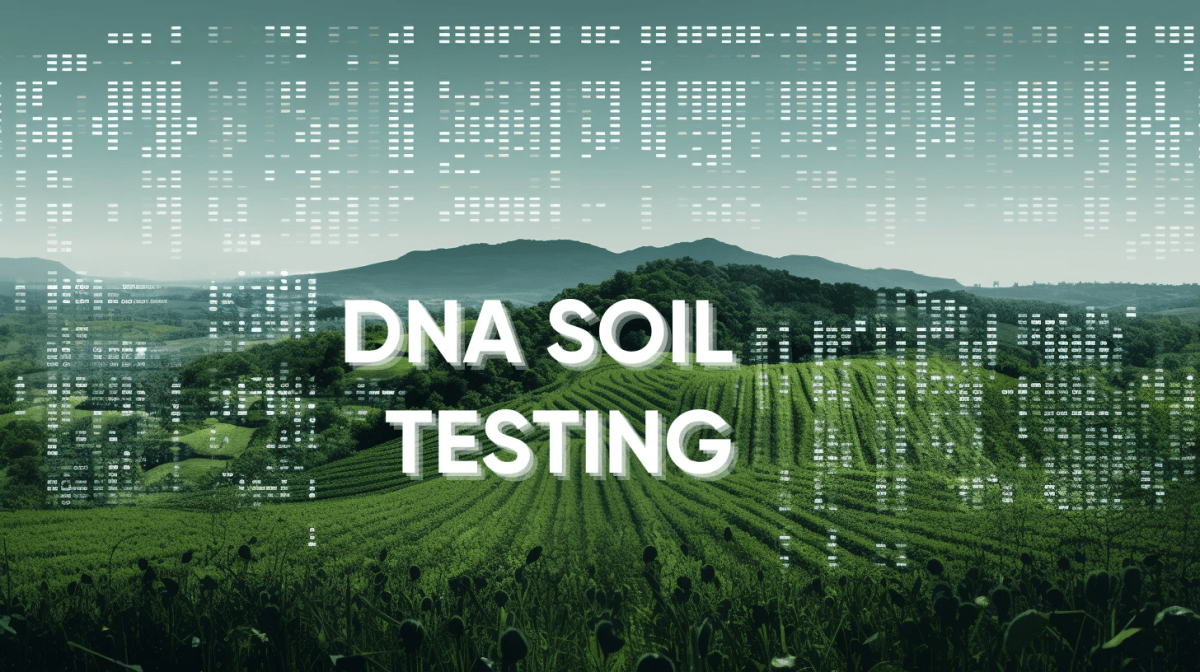
Picture – RhizeBio.com (Decoding Nutrient Availability with DNA Soil Testing for Agriculture)
In recent years, scientific advances in DNA sequencing have allowed us to delve deeper into the hidden world of soil microbiomes—complex ecosystems of bacteria, fungi, and other microorganisms that play a crucial role in soil health. For certified organic farms, where soil vitality is central to crop productivity, DNA testing has become a powerful tool to track the rejuvenation of soil microbial life. Here are several case studies and research examples showing how organic practices can bring “dead” or degraded soils back to life, backed by peer-reviewed studies and long-term trials.
1. Rodale Institute’s Farming Systems Trial (FST)
The Rodale Institute’s Farming Systems Trial (FST) in Pennsylvania, one of the longest-running studies of its kind, has provided compelling evidence on how organic practices restore microbial life in soils. Comparing conventional and organic farming systems, the trial found that organic soils had higher microbial diversity and biomass, which supported better nutrient cycling, drought resilience, and overall soil health. This microbial community improvement was observed within just a few years of organic management.
Seufert, V., Ramankutty, N., & Foley, J. A. (2012). Comparing the yields of organic and conventional agriculture. Nature, 485(7397), 229-232. doi:10.1038/nature11069
2. University of California, Davis – Russell Ranch Sustainable Agriculture Facility
At the Russell Ranch Sustainable Agriculture Facility, part of UC Davis, researchers compared organic and conventional farming systems to understand their impact on soil health. DNA sequencing revealed that organic plots contained a significantly higher abundance of beneficial microbes, such as Actinobacteria and Proteobacteria, which are essential for decomposing organic matter and supplying nutrients to plants. Improvements in microbial diversity were observed within three years, showing how quickly organic management can enhance soil life.
Supporting Study: Bowles, T. M., Acosta-Martínez, V., Calderón, F., & Jackson, L. E. (2014). Soil enzyme activities, microbial communities, and carbon and nitrogen availability in organic agroecosystems across an intensively managed agricultural landscape. Soil Biology and Biochemistry, 68, 252-262. doi:10.1016/j.soilbio.2013.10.004
University of California, Davis. Russell Ranch Sustainable Agriculture Facility. Retrieved from: https://russellranch.ucdavis.edu
3. USDA-ARS Study on Organic Transition in Salinas Valley, California
In California’s Salinas Valley, a USDA-ARS study focused on soil health during the transition from conventional to organic practices. DNA analysis was used to track microbial changes over time, showing that organic practices led to increased populations of beneficial organisms like Pseudomonas (known for disease suppression) and mycorrhizal fungi (which assist in nutrient uptake). Even heavily degraded fields showed signs of microbial recovery within three to five years under organic management.
The graph below illustrates how microbial diversity increased over several years under organic management, similar to what was observed in the USDA-ARS study in the Salinas Valley.
Supporting Study: Schmidt, J. E., Gaudin, A. C. M., & Scow, K. M. (2018). Cover cropping and no-till increase diversity and symbiotrophratios of soil fungal communities. Soil Biology and Biochemistry, 129, 99-109. doi:10.1016/j.soilbio.2018.10.010
USDA Agricultural Research Service (ARS). Organic Agriculture Research and Extension Initiative (OREI). Retrieved from: https://www.ars.usda.gov
4. The DOK Trial in Switzerland (FiBL – Research Institute of Organic Agriculture)
The DOK trial in Switzerland, a long-term study by the Research Institute of Organic Agriculture (FiBL), compares biodynamic, organic, and conventional systems. DNA sequencing and microbial analysis have shown that the organic and biodynamic plots consistently feature higher microbial diversity and functionality. Within the first few years, these systems already showed greater resilience and microbial activity compared to conventional plots, highlighting the role of organic practices in fostering a healthy, living soil ecosystem.
Supporting Study: Mäder, P., Fließbach, A., Dubois, D., Gunst, L., Fried, P., & Niggli, U. (2002). Soil fertility and biodiversity in organic farming. Science, 296(5573), 1694-1697. doi:10.1126/science.1071148
FiBL – Research Institute of Organic Agriculture. DOK Trial: Long-Term Farming Systems Comparison in Switzerland. Retrieved from: https://www.fibl.org
5. Organic Almond and Grape Vineyards in California
In California, several almond and grape vineyards that transitioned to organic practices have used DNA analysis to monitor soil microbial changes. Within a few years, they reported a rise in beneficial mycorrhizal fungi and reduced pathogen levels, signaling a healthier, more resilient soil system. DNA sequencing tracked these positive shifts, confirming that organic management can replace harmful microbes with beneficial ones in soil over time.
Supporting Study: Steenwerth, K. L., & Belina, K. M. (2008). Cover crops enhance soil organic matter, carbon dynamics and microbiological function in a vineyard agroecosystem. Applied Soil Ecology, 40(2), 359-369. doi:10.1016/j.apsoil.2008.06.006
Hannula, S. E., & van Veen, J. A. (2016). The role of AM fungi in organic agriculture. Applied Soil Ecology, 96, 64-72. doi:10.1016/j.apsoil.2015.05.011
The Role of DNA Analysis in Understanding Soil Revival
DNA analysis has been a game-changer in soil science, allowing researchers to observe the specific microbial changes that occur when fields transition from conventional to organic management. By tracking shifts in microbial diversity and function, DNA testing provides clear, measurable evidence of how organic practices promote a healthy, balanced soil microbiome.
These studies illustrate that soil health restoration is achievable within a relatively short time under organic practices. While soils subjected to long-term conventional management may initially appear “dead” or lacking in microbial diversity, the examples above demonstrate that organic farming can foster microbial resilience and diversity, creating a foundation for sustainable, productive agriculture.
Organic farming practices have been shown to significantly improve soil health and microbial diversity compared to conventional farming methods. This article on recent DNA studies provides compelling evidence for the benefits of organic practices on soil ecosystems (eOrganic, 2023).
Increased Microbial Diversity and Abundance
Organic farming leads to greater microbial diversity and abundance in soils. Research in the Netherlands found that organically managed soils had higher numbers and more diverse populations of beneficial soil organisms compared to conventionally managed soils (Hartmann et al., 2015). Similar results were observed in banana plantation soils in Taiwan, with organic soils showing greater microbial diversity (Lehman et al., 2015). This increased microbial diversity is crucial for soil health, as it improves nutrient cycling, water retention, and disease suppression.
Enhanced Bacterial Communities
DNA studies reveal specific changes in soil bacterial communities under organic management. Organic systems show higher abundance of beneficial bacterial phyla like Acidobacteria, Firmicutes, Nitrospirae, and Rokubacteria (Hartmann et al., 2015). These bacterial groups correlate with improved soil biochemical properties and increased crop yields in organic systems (Lehman et al., 2015).
Improved Fungal Associations
Organic practices foster beneficial fungal relationships in the soil. Arbuscular mycorrhizal fungi (AMF) colonization is higher in organic soils (Hannula & van Veen, 2016). AMF extend plant root systems, improving water and nutrient uptake, especially in challenging conditions like drought or high soil salinity.
Soil Organic Matter and Carbon Sequestration
Organic farming significantly increases soil organic matter content. The National Soil Project found organic soils averaged 8.33% organic matter content versus 7.37% in conventional soils (National Soil Project). Organic soils showed higher levels of sequestered carbon (4.1% vs 2.85%) and a greater percentage of organic matter in stable forms (57.3% vs 45%). This increased organic matter improves soil structure, water retention, and carbon sequestration potential.
Nitrogen Fixation and Nutrient Cycling
Organic practices enhance natural nutrient cycling processes. Research suggests organic soybean plants may develop more extensive fine root systems and nitrogen-fixing nodules compared to conventional crops (Lehman et al., 2015). The diverse microbial communities in organic soils contribute to more efficient nutrient cycling and availability for plants (Hartmann et al., 2015).
Soil Enzyme Activity
Organic management boosts soil enzymatic activity. Higher levels of alkaline phosphatase and β-glucosidase activity are observed in organic systems (Bowles et al., 2014). These enzymes play crucial roles in organic matter decomposition and nutrient release.
In conclusion, DNA studies provide strong evidence that organic farming practices revitalize soil health by fostering diverse and abundant microbial communities, improving soil structure, enhancing nutrient cycling, and increasing carbon sequestration. These benefits create a more resilient and sustainable agricultural ecosystem.
Sources for Further Reading:
Hartmann, M., Frey, B., Mayer, J., Mäder, P., & Widmer, F. (2015). Distinct soil microbial diversity under long-term organic and conventional farming. The ISME Journal, 9(5), 1177-1194. doi:10.1038/ismej.2014.210
Lehman, R. M., Cambardella, C. A., Stott, D. E., Acosta-Martínez, V., Manter, D. K., Buyer, J. S., … & Halvorson, J. J. (2015). Understanding and enhancing soil biological health: The solution for reversing soil degradation. Sustainability, 7(1), 988-1027. doi:10.3390/su7010988
These resources provide additional insights into how soil biology supports agriculture and the role of organic practices in enhancing microbial diversity.
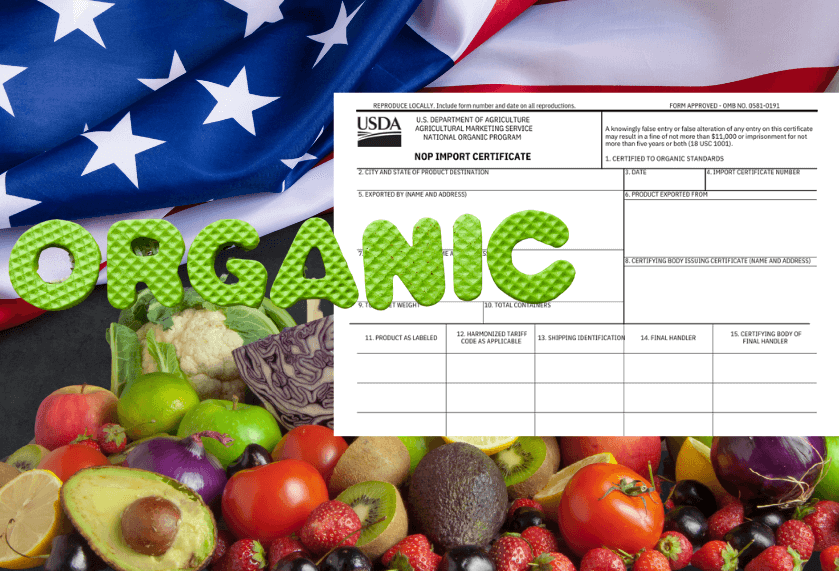
In recent years, the organic food industry has undergone dramatic growth, becoming a nearly $200 billion global market and projected to exceed $500 billion by 2032. This explosive growth has brought significant benefits but also intensified the challenges of maintaining organic integrity across international borders. With increasing incidents of organic fraud, particularly involving imports, the USDA has introduced stringent new regulations to combat these threats. However, these changes have had significant consequences—both intended and unintended—affecting organic farmers, importers, and ultimately the consumers who rely on the organic label.
Organic Fraud and the Need for Regulatory Change
As the organic industry expanded, so did the instances of fraud. Products labeled as organic but failing to meet standards, such as genetically modified (GM) contamination or falsely certified imports, began to compromise the integrity of the organic market. Reports of fraudulent organic certifications from regions like the Black Sea and India have been on the rise, drawing concern from both regulatory bodies and farmers who follow rigorous organic practices (Dieterle, 2024).
One recent case highlighted these challenges: a consignment of Pakistani organic Basmati rice was found to contain traces of GM elements, a discovery that could be traced back to hybrid seeds imported from China. This contamination threatened consumer confidence, particularly in the European market, where expectations for organic integrity are stringent (The Hindu Businessline, 2024). For U.S. farmers who work tirelessly to uphold organic standards, such incidents cast a shadow over the entire industry, making it crucial for regulators to act.
To address these growing concerns, the USDA implemented the Strengthening Organic Enforcement (SOE) rules in 2023, which took effect in March 2024. These rules are designed to enhance traceability and certification requirements across the organic supply chain. Unlike the previous system, which focused mainly on organic producers and farms, the SOE rules mandate certification for every entity that handles organic products—from farms to distributors, importers, and even transporters (Dieterle, 2024).
The SOE rules have already begun to make an impact. According to the Organic and Non-GMO Report, six months into enforcement, 85% of imported organic goods were compliant with new certification standards. This has helped weed out fraudulent products, particularly those originating from China that were previously imported under false certificates. Companies like Axiom Foods, which specializes in organic rice protein, have seen fraudulent competitors exit the market due to their inability to meet the new standards (Organic and Non-GMO Report, 2024).
The Impact on Wine Importers
While the intention behind the SOE rules is to strengthen the organic supply chain, it has also created significant challenges for certain sectors. The global wine industry, for instance, has faced a compliance crisis under the new rules. Not only must the grapes and the wine itself be certified organic, but now importers and any logistics companies involved must also acquire organic certification. This expansion of certification requirements has caused confusion and increased administrative burdens, particularly for smaller importers who lack the resources to quickly adapt to the new regulations (Dieterle, 2024).
For many wine importers, the lack of direct communication from the USDA about these new requirements added to the confusion. Many only learned of the new rules through frantic messages from their partners or logistics companies. Despite these difficulties, the USDA has made it clear that non-compliance could result in significant fines, pushing smaller players to either comply, pull products off shelves, or drop the organic label—even if the wine was legitimately produced according to organic standards (Dieterle, 2024). Texas organic grape growers can only benefit from these issues and hopefully gain new, long lasting market agreements for their grapes.
Market Shifts and Organic Farmer Concerns
For U.S. organic farmers, the influx of imports—many of which have been under scrutiny for failing to meet proper organic standards—poses a direct threat to their livelihood. Fraudulent organic imports not only dilute the market but can also drive down prices, making it harder for genuinely organic products to compete. With the introduction of the SOE rules, the USDA aims to bring greater transparency to the organic supply chain, restoring confidence in the organic label and, ideally, leveling the playing field for farmers who adhere to the high standards required for certification.
Axiom Foods, for example, saw increased demand for their organic rice protein as a result of stricter enforcement. Food and beverage manufacturers now need to be more diligent in sourcing certified organic ingredients, which has created new opportunities for compliant suppliers from Texas or elsewhere (Organic and Non-GMO Report, 2024).
US Farmers Hope SOE Will Stem the Tide of Cheap Organic Imports
While the SOE rules are making strides in preventing fraud and restoring consumer trust, the implementation challenges highlight the difficulties of regulating a rapidly growing industry that crosses international borders. For now, U.S. organic farmers hope that the strengthened regulations will ultimately reduce fraudulent imports, allowing their genuine products to stand out in an increasingly crowded market.
For the farmers who uphold organic principles, these efforts represent both a challenge and an opportunity. The challenge lies in navigating a complex global marketplace, but the opportunity exists to set a higher standard for organic integrity, benefiting both producers and consumers. As we look ahead, finding ways to support smaller players in the organic market while ensuring compliance remains a critical issue for policymakers and industry leaders alike.
Sources:
The Hindu Businessline. (2024). China may have been the source of GMO rice in Pakistan organic Basmati consignment.
Dieterle, C. J. (2024). New USDA Organic Rules Put Wine Importers in a Bind. Reason.com.
Organic and Non-GMO Report. (2024). New USDA organic fraud rules are working, says organic rice protein supplier. October 2024.
In case you didn’t know: Texas has impressive diversity in its organic agricultural production. The organic crops grown in Texas encompass staple commodities such as peanuts, cotton, corn, wheat, sorghum, alfalfa, rice, hay, grass, and soybeans. Beyond these staples, Texas farmers cultivate a wide array of vegetables, including lettuce, spinach, onions, tomatoes, peppers, kale, radishes, garlic, and microgreens. The state’s organic fruit production features watermelons, strawberries, blueberries, and various citrus fruits like grapefruits and oranges. Additionally, a variety of herbs such as basil, cilantro, dill, parsley, and other spices are grown organically. Texas also supports the cultivation of flowers, transplants, and specialty crops like mushrooms, aloe vera, and cacti.
Complementing its crop production, Texas’s organic agriculture sector includes a growing livestock industry. Organic farmers in the state produce milk and from milk lots of other dairy products like butter and cheese. There is a growing demand for dairy products nationwide and Texas leads in organic dairy.
Texans also raise organic chickens, turkeys, and cattle, supplying organic beef, poultry, and eggs to consumers. Moreover, Texas organic producers’ market organic beef and dairy replacement livestock, which are sold to organic operations both within the state and across the country. This extensive range of organic crops and livestock products demonstrates Texas’s rich and diverse organic agriculture sector, solidifying its position as a leader in organic farming.
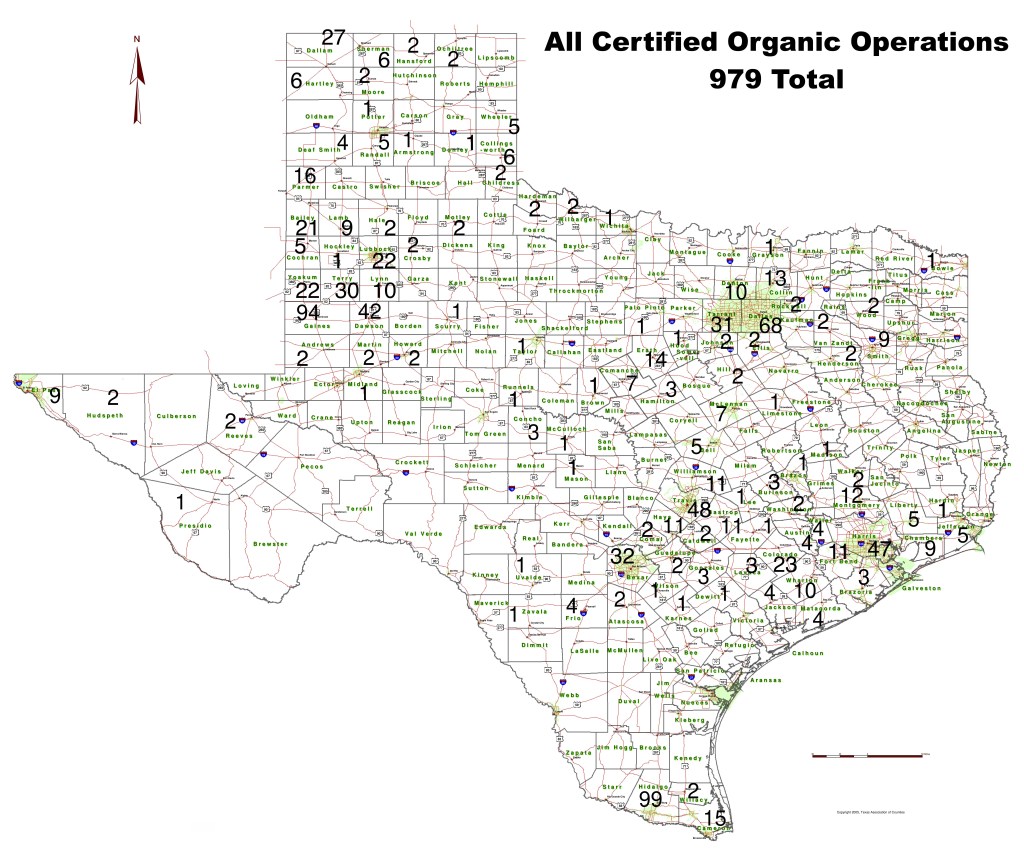
So, what does a typical organic producer in Texas look like? Well this producer is probably located in one of 5 organic “hot spots” in Texas – the High Plains from Amarillo north and doing dairy, grain or silage crops; or maybe the South Plains from Lubbock south to Andrews growing peanuts, cotton or wheat; or possibly in the Central Texas area bounded by Comanche and Waco south to Austin, and growing forage crops for more dairy producers or small acreage vegetables; or maybe in the Gulf Coast area from Beaumont to El Campo growing organic rice; or this organic producer is possibly in the Rio Grande Valley right up against the Mexico border growing citrus and vegetables. With over 576,000 acres certified organic they are scattered across a big state. And they aren’t small either with the average sized organic farm being 1,249 acres. Even the median (right in the middle of the list) acreage at 370 acres is considered large for most states’ organic programs – everything is bigger in Texas!















 Texas A&M AgriLife Organic