Avian Influenza H5N1 Hits Dairy Herds Hard: What the New Study Reveals

A recent study in Nature Communications1 investigates the impact of highly pathogenic avian influenza (HPAI) H5N1 on dairy cattle—highlighting concerning health and economic consequences that warrant attention in organic and conventional dairy farming alike.

What Happened on the Farm

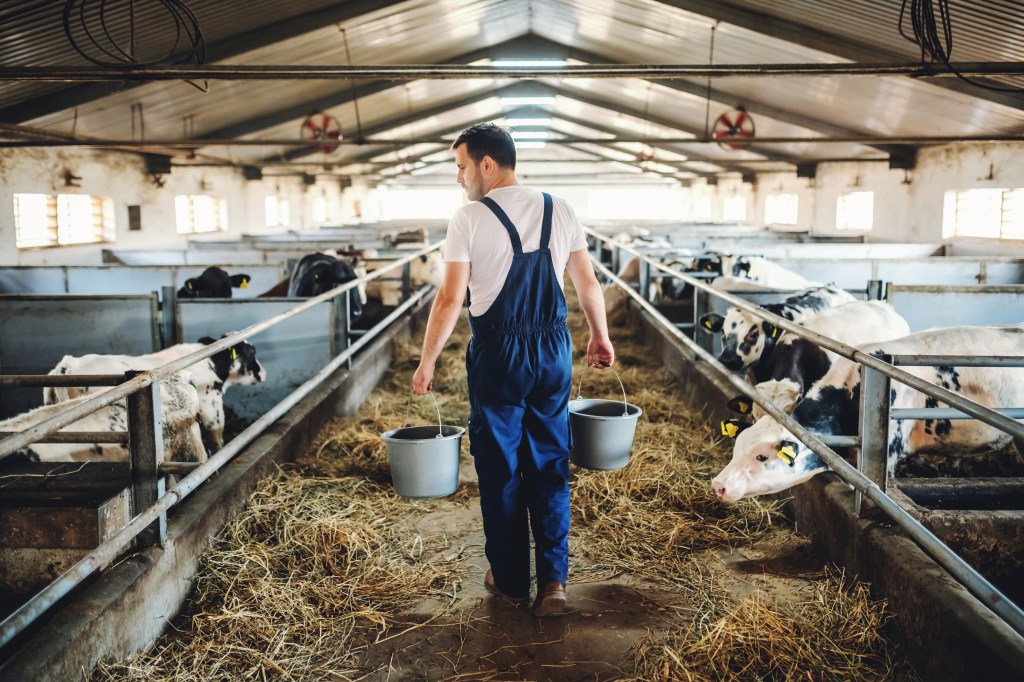
  • Researchers examined a 3,876‑cow dairy herd in Ohio affected by H5N1 in Spring 2024.
  • About 20% of cows showed clinical signs—such as fever, reduced feeding, and mastitis, leading to a dramatic milk loss lasting around 7 days, with many cows quarantined.

Substantial Milk Production Declines

  • Clinically infected cows experienced a steep drop: from ~77 lbs./day to ~24 lbs./day, persisting at reduced levels for up to 60 days after diagnosis.
  • Over 60 days, milk output per cow fell by nearly ~2,000 lbs., a huge hit to productivity.

Hidden Infections: Subclinical Cases Are Common

  • Serum tests on 637 cows found 89% had been exposed to H5N1.
  • Among these, around 76% never showed clinical signs, maintaining normal milk yields despite infection.
  • This suggests widespread but often unnoticed infection—highlighting the need for proactive monitoring.

Economic Impact: Nearly $1,000 Loss per Cow

  • Clinical infection led to an estimated $950 loss per cow, accounting for lost milk, culling, and replacement costs.
  • The total for this one herd was a staggering ~$737,500.

Why This Matters

  • Extended milk loss even after cows recover points to lasting damage—likely from virus replication in mammary tissue causing severe mastitis.
  • Subclinical infection prevalence underscores the importance of surveillance and early detection tools (e.g., monitoring rumination and milk yield trends).
  • Risk factors: cows in mid-to-late lactation and higher-parity animals were most affected.
  • Transmission during milking is suspected—pointing to milking hygiene and protocols as possible control points.

From the Field: Cornell’s Perspective

Cornell University highlighted in Phys.org2 that pasteurization kills the virus, so consumer milk remains safe. However, at the farm level, the outbreak is an economic crisis—on par with the large losses seen in poultry, though less government support exists for dairy.

Take‑Home Messages for Farmers

  1. Vigilant monitoring: Falling rumination or milk yield—especially during HPAI outbreaks—may signal infection before symptoms appear.
  2. Review milking biosecurity: Strengthen cleaning protocols between cows to reduce spread.
  3. Prepare economically: Understand that even a few cases can cascade into massive financial losses.
  4. Surveillance matters: Regular serology can detect infections early in both lactating and dry cows.

Start Early Protecting Organic Dairy Replacements

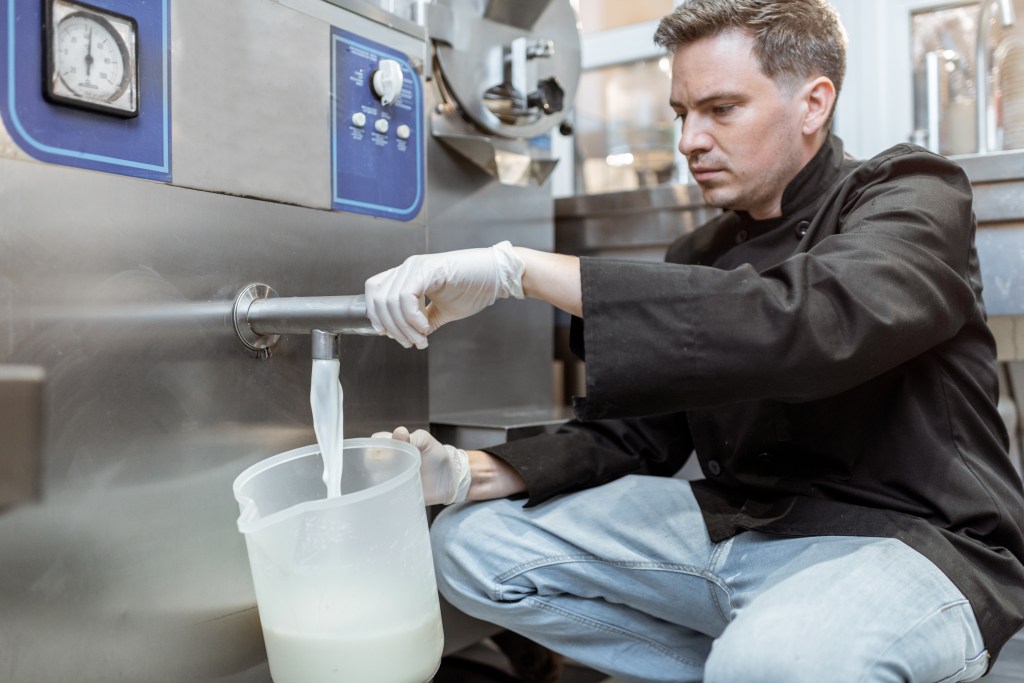
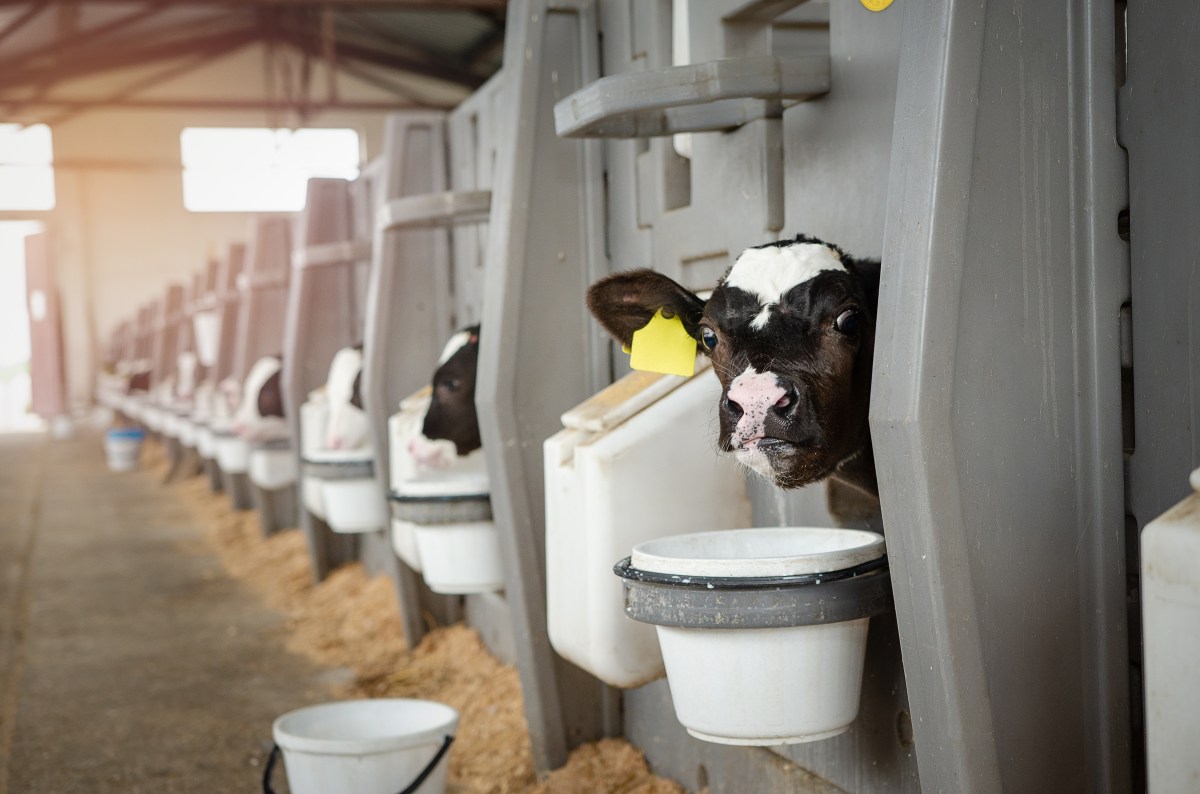
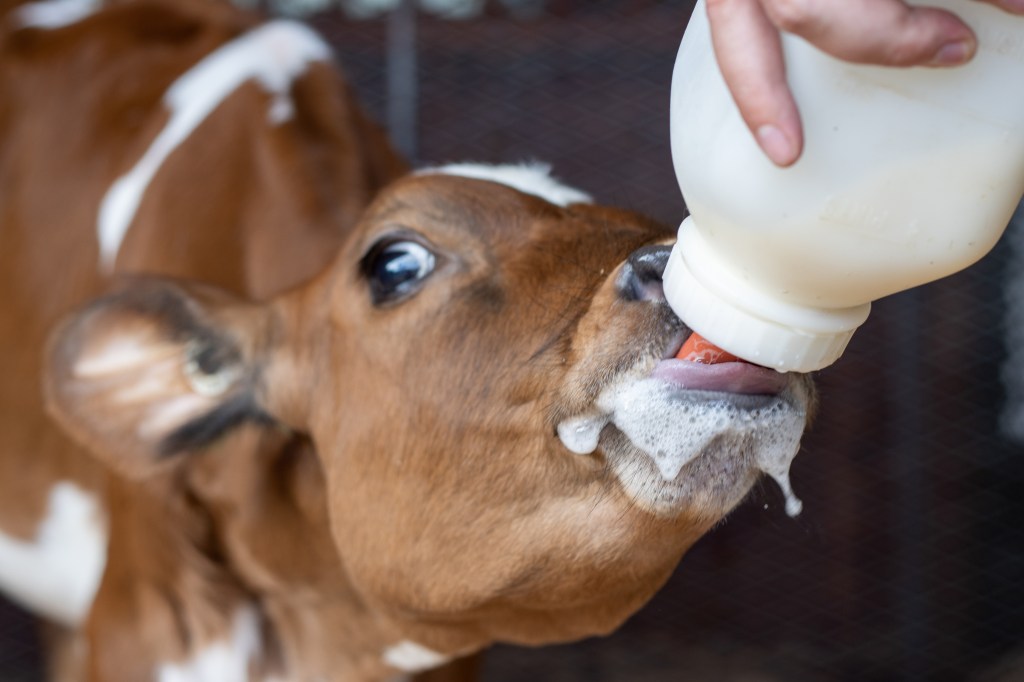
To help protect calves from H5N1 infection through contaminated waste milk, organic producers have a practical tool: citric acid acidification. I wrote about this simple, NOP-compliant method can inactivate the virus and reduce bacterial pathogens without the need for pasteurization. To learn how to implement this low-cost strategy on your farm, read my full article here: A New Organic Tool Against H5N1 in Calves: Citric Acid in Waste Milk.
Resources & References

  1. The impact of highly pathogenic avian influenza H5N1 virus infection on dairy cows, Peña‑Mosca et al., Nature Communications, 2025 ↩︎
  2. Avian flu has major economic costs for dairy industry. (2025, July 15). Phys.org. Retrieved July 17, 2025, from Phys.org agriculture news section ↩︎

A New Organic Tool Against H5N1 in Calves: Citric Acid in Waste Milk

As organic dairy producers, you do a lot with less—less antibiotics, less synthetic inputs, and often less infrastructure than our conventional neighbors. But you are no less committed to calf health and biosecurity. And now, with the emergence of the H5N1 avian influenza strain in dairy cattle, we all are facing a new challenge that demands creative, organic-compliant solutions.

I read about a possible treatment for organic dairy producers in an article written by Maureen Hanson in the May/June Bovine Veterinarian1. A very practical tool we have at our disposal is citric acid powder—an affordable, National Organic Program (NOP)-allowed substance that can be used to acidify waste milk and protect our calves from pathogens, including the H5N1 virus.

The Problem: Infected Milk Transmits H5N1

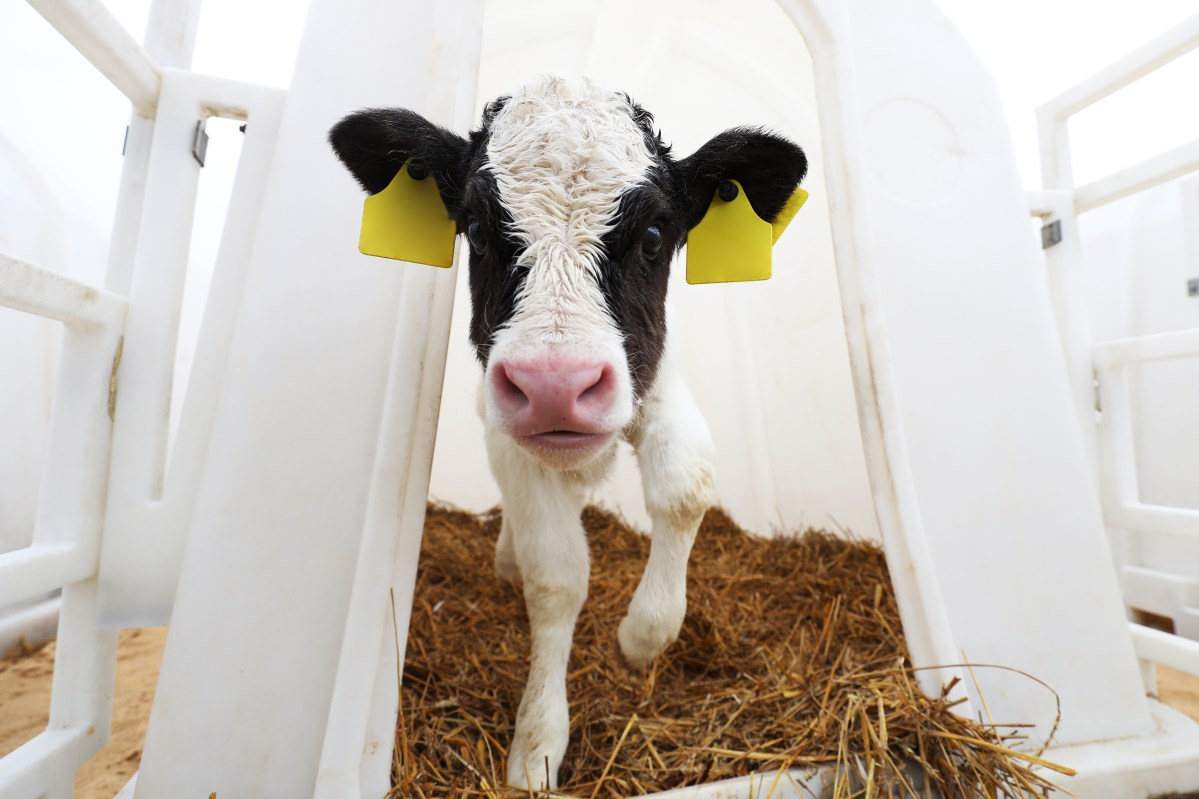
USDA researchers have confirmed that H5N1 is shed in the milk of infected cows—even up to two weeks before those cows show any signs of illness. In a controlled study, Holstein calves fed raw milk from infected cows contracted the virus within days. Although symptoms were mild—fever, nasal discharge, lethargy—the virus was confirmed in lung, lymph, and tonsil tissue. All calves had to be euthanized for analysis.

What does this mean for organic dairy farmers? If we’re feeding raw, unpasteurized waste milk—especially from cows not yet showing symptoms—we may be unknowingly exposing our calves to a highly contagious virus.

The Challenge: Most Organic Farms Don’t Pasteurize Waste Milk

Pasteurizers are expensive, and many small to mid-sized organic dairies don’t have them. In fact, even fewer than 50% of large-scale dairies pasteurize their waste milk. So what’s the alternative?

The Solution: Citric Acid Powder – Affordable, Organic, and Proven

Researchers at UC Davis have confirmed that acidifying waste milk with citric acid to a pH of 4.1–4.2 completely inactivated the H5N1 virus—and it did so within six hours in controlled lab trials2. This method worked not just on typical waste milk, but also on colostrum and milk from treated cows—broadening its relevance for real-world dairy operations.

For organic producers without access to pasteurization equipment, this presents an ideal alternative:

  • Application Rate: 6 grams of food-grade citric acid per liter of milk (be sure to test milk pH after adding)
  • Target pH: 4.1
  • Effectiveness: Deactivates H5N1 and reduces other pathogens (see below)
  • Cost: ~10 cents per liter (this depends on the rate and cost to purchase)
  • Time Required: Six hours contact time before feeding

Citric acid is approved under the USDA National Organic Program and is easy to source, store, and apply. It requires no heat, no specialized equipment, and is safe for both calves and farm workers.

Citric acid powder sometimes called “lemon salt”

UC Davis researchers concluded that acidification is a practical, sustainable, and accessible tool to prevent the spread of H5N1 and other harmful microbes in preweaned calves. Compared to more complex systems like lactoperoxidase activation, citric acid stood out as the most straightforward and consistently effective method. UC Davis researchers are planning to conduct more tests but so far this treatment looks to be a way to prevent future infections.

Why This Works for Organic Producers

Citric acid is permitted under the USDA National Organic Program for this kind of use. It’s also widely available, easy to store, and can be scaled up or down depending on how much milk you’re feeding.

In organic systems, where animal health starts with prevention and careful management, this method offers a simple and economically viable tool for protecting calf health and stopping the spread of disease without compromising organic integrity. Be sure to source “feed grade” or “food grade” with the organic seal to ensure it is the right product and can be used in organic feeds.

Beyond H5N1: Broader Pathogen Control

Acidifying milk doesn’t just stop H5N1. It helps reduce bacterial loads in general—particularly Salmonella, E. coli, and Mycoplasma—which can all challenge young calves. In other words, citric acid is a broad-spectrum line of defense, not just a response to a single threat for waste milk fed to calves.

Final Thought: Protecting Calves in Beef-on-Dairy Programs

In today’s dairy world—organic or not—many producers are using sexed semen to retain replacement heifers and breeding the rest of the herd to beef sires. The resulting calves often leave the dairy within a few days as part of beef-on-dairy programs, where they are raised off-site for beef markets.

That means the responsibility for disease prevention starts on the dairy, even if the calf doesn’t stay there long. If calves receive waste milk contaminated with H5N1 in those first critical days, they could carry the virus into the next phase of production—putting entire systems at risk.

By acidifying your waste milk with citric acid, you can cost-effectively reduce that risk from day one. It’s a low-cost, NOP-compliant biosecurity step that protects animal health, supports the beef-on-dairy market, and upholds the integrity of your organic operation.

As always, I need to remind certified organic producers to check with their certifiers before making any changes to their Organic System Plan and check with your veterinarian who develops your herd health plan.

We have the tools. Let’s use them wisely.


  1. Inspired by: “Calf Milk Poses H5N1 Risk, Too” by Maureen Hanson – Bovine Veterinarian, May/June 2025
    https://www.bovinevetonline.com ↩︎
  2. Crossley, B.M., Pereira, R.V., Rejmanek, D., Miramontes, C., & Gallardo, R.A. (2025). Acidification of raw waste milk with citric acid inactivates highly pathogenic avian influenza virus (H5N1): An alternative to pasteurization for dairy calves. Journal of Dairy Science, 108(5), 3456–3465. doi:10.3168/jds.2025-00051 https://www.ucdavis.edu/news/killing-h5n1-waste-milk-alternative-pasteurization ↩︎

Launching a New Chapter in Alfalfa Water Research

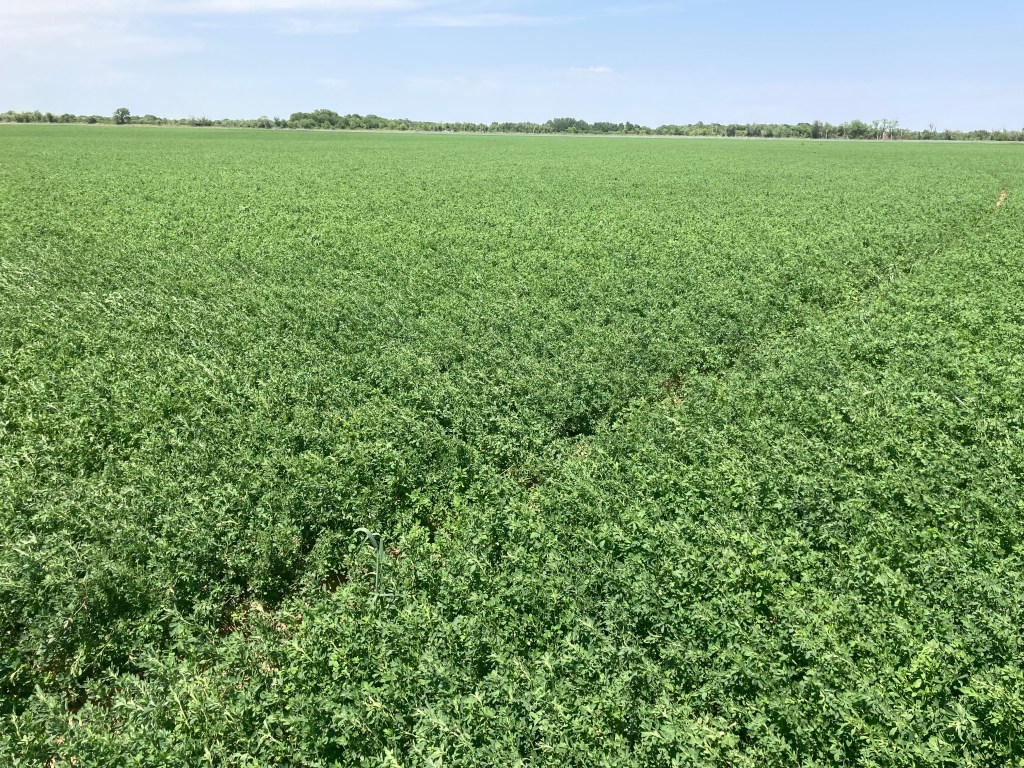
Yme Bosma 55-acre alfalfa field near Rising Star, Texas

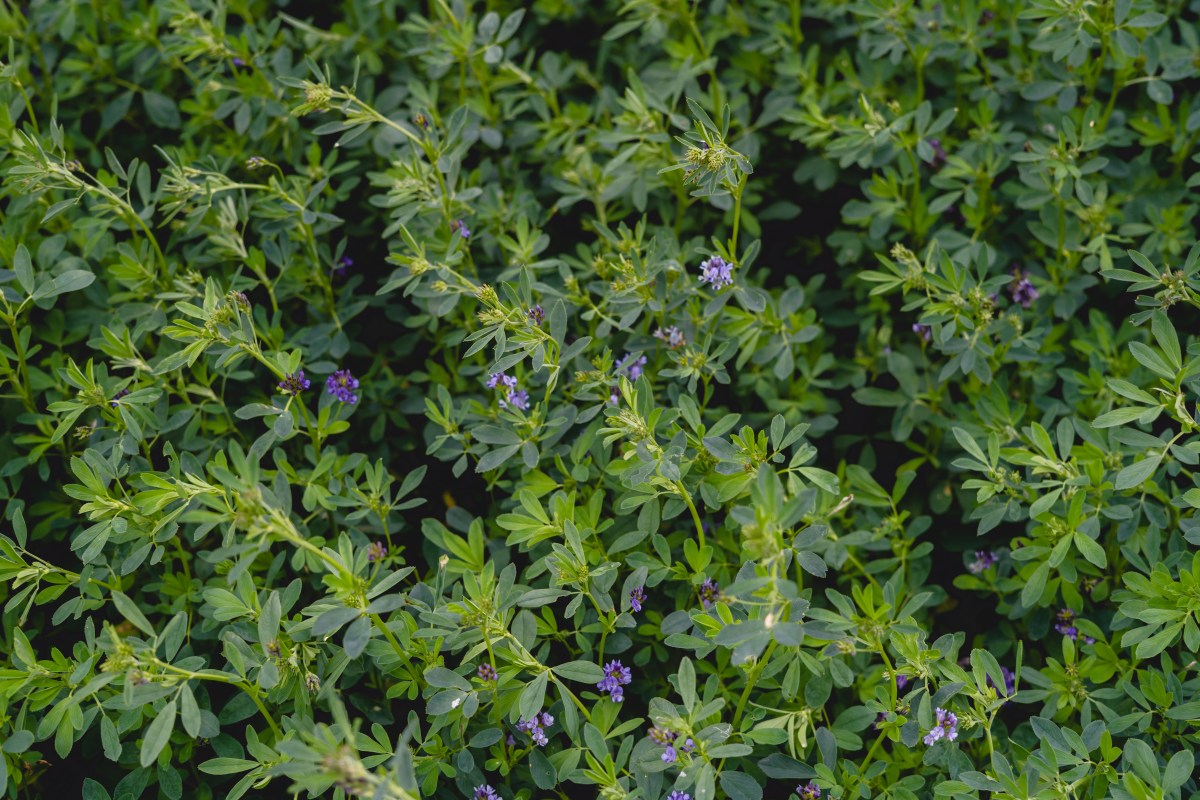
In the heart of Central Texas, just outside May, we’ve begun an exciting research collaboration with Yme Bosma Dairy—a family-run dairy that relies on homegrown forage to feed their high-producing herd. This project centers on a 55-acre alfalfa field managed under a center pivot irrigation system, and our goal is straightforward but critical: improve the way we grow and water alfalfa in drought-prone environments like ours.

Why Focus on Alfalfa and Water?

Alfalfa is a high-value, nutrient-rich forage crop widely used in dairy systems, especially organic dairies. But it’s also water-intensive, and in regions like Central Texas or even Texas in general, where every drop counts, managing water wisely isn’t optional—it’s essential.

We’re not just asking “How much water is used?”—we’re digging deeper:

  • Can we grow more forage with less water?
  • Can we use in-field sensors and aerial data to guide irrigation decisions?
  • Can we improve the crop coefficient (Kc) used in scheduling tools, making them more accurate for this region?

Field Setup: A Unique Design for Real-World Impact

Pierce Center Pivot with app-based control

The project field is irrigated by a Pierce center pivot, managed by Dyson Irrigation using app-based controls. What makes this setup unique is how we’ve divided the field. Rather than square or rectangular plots, we’ve created 10-degree radial swaths that fan out from the center of the pivot pad—like slices of a pie. Each wedge can be irrigated differently by adjusting the pivot’s speed, allowing us to simulate a range of water conditions all within one field.

These swaths have been geolocated precisely, so we know exactly where each biosample or soil moisture sensor reading comes from. Though the field layout map is a great visual aid, our true experimental plots are mapped in GIS with accurate GPS coordinates for each treatment zone.

This project includes a lot of folks but is coordinated by the Digital Agriculture Group out of the Texas A&M AgriLife Research and Extension Center in Corpus Christi – Digital Agriculture. The group is led by Dr. Mahendra Bhandari and his team of researchers and students, all very hard workers!

Tools and Technology: Ground to Sky

What makes this project especially powerful is the technology behind it. We’ve installed three-foot-long soil moisture sensors (Goanna Ag) in each plot to monitor how deeply water penetrates and how long it stays available to the plant. These in-situ sensors give us real-time feedback at the root zone—a critical layer for alfalfa, especially in hot summer months.

In addition to ground sensors, we’re collecting UAS (drone) imagery every 15–20 days, paired with high-resolution satellite imagery. These tools will help us develop:

A GPS receiver to geolocate the different areas for monitoring.

  • Evapotranspiration maps showing water use across the field
  • Biomass prediction models based on imagery
  • Real-time irrigation scheduling tools using soil moisture and crop stage

All of this data funnels into decision-support models like SEBAL (Surface Energy Balance Algorithm for Land) and artificial neural networks, which help us simulate and optimize irrigation in silage alfalfa production.

Yme Bosma alfalfa ready to cut. The field is cut, wilted for a few hours and then chopped for silage.

What We Hope to Deliver

This is just the beginning. Over the next growing seasons, we aim to provide:

  • A better understanding of alfalfa water use and crop coefficients in Central Texas
  • New irrigation scheduling recommendations tailored for silage production
  • Biomass yield maps and stress indicators derived from aerial data
  • Practical insights for dairies and forage growers seeking to optimize yield while conserving water

This project is part of a broader effort to make alfalfa a more drought-resilient crop, and we’re excited to share what we learn with farmers, agronomists, and researchers across Texas and beyond.

This research is supported by the National Institute of Food and Agriculture, U.S. Department of Agriculture award number 2023-70005-41080 (Drought Resilient Alfalfa Production (D-RAP) Using Digital Agriculture and Machine Learning) with a joint collaboration between Kansas State University and Texas A&M AgriLife Research and Extension.

Stay tuned—we’ll be posting updates after each harvest, including images, early data trends, and insights from the field.

Oregano Essential Oil: A Natural Solution for Boosting Health and Performance in Organic Livestock

In organic livestock production, finding effective natural alternatives to synthetic inputs is both a challenge and an opportunity. Recently, I came across two compelling articles in Bovine Veterinarian magazine that shed light on the potential of essential oils—particularly oregano oil—as substitutes for synthetic feed additives like ionophores. The November/December 2024 edition featured Maureen Hanson’s article, “OREGANO: Not Just for Pizza Anymore,” which explored oregano essential oil as a natural alternative.1 Similarly, the March/April 2025 issue included Hanson’s follow-up piece, “Hello Essential Oils and Goodbye Ionophores?2 These articles highlighted emerging research suggesting essential oils could be a potential livestock production enhancement and when you get two articles on the same subject you begin to notice!

Why Replace Ionophores?

Ionophores are antimicrobial compounds commonly used in conventional livestock production to manipulate rumen microbial populations. For example, monensin—a widely used ionophore—improves feed efficiency and daily weight gains by promoting favorable rumen fermentation. However, ionophores are prohibited in organic systems due to their synthetic nature and concerns about antibiotic resistance. Consumer demand for cleaner food has also prompted scrutiny of ionophore use in several countries.

For organic producers, this presents a challenge: how can we maintain or improve herd performance and health without compromising organic standards or animal welfare? This is where essential oils are gaining attention as viable alternatives.

Essential Oils Show Promise in Cattle

A recent study led by Dr. Jaymelynn Farney at Kansas State University3 evaluated the use of essential oils in stocker cattle diets. In this trial, 281 steers were divided into two groups: one group received minerals with an ionophore (monensin), while the other received minerals containing a proprietary blend of essential oils—including garlic, oregano, cinnamon, lemongrass, and capsaicin.

The results were strikingly similar:

  • Cattle fed essential oils gained an average of 2.13 pounds per day over 90 days.
  • Cattle fed ionophores gained 2.15 pounds per day.
  • Mineral intake and total weight gain were nearly identical between groups.

Interestingly, the essential oil mix was slightly less expensive than the ionophore mix. While no significant differences in cattle behavior were observed, Farney noted a mild increase in heart rate among cattle fed essential oils—a potential indication of vasodilation (increased blood flow), which is a known effect of certain essential oils.

Oregano – Origanum vulgare, also known as wild marjoram

Improving Calf Health with Oregano Oil

On the dairy side, a study conducted at Aristotle University in Greece4 investigated the use of oregano essential oil to combat diarrhea in newborn Holstein calves. Neonatal diarrhea is a common issue for dairy producers, especially those adhering to organic standards that restrict antibiotic use.

In this study:

  • Calves treated with a daily oregano oil drench for their first 10 days of life experienced fewer days with diarrhea.
  • Treated calves had lower overall diarrhea severity and shorter illness duration.
  • The need for antibiotics and supportive therapies was significantly reduced.

These findings are particularly relevant for organic dairy producers who often face challenges maintaining calf health without relying on conventional medications.

Practical Takeaways

So that you can get a general idea of the approximate amounts these studies are using when feeding oregano essential oil.

For Dairy Cows

Recommended dosage is 15 ml/day/cow for 28 days.

  • Product Price: A quart (946 ml) of Orego-Stim Liquid costs $35.
  • Daily Cost per Cow: 15 ml/946 ml × 35 = $0.550 per day per cow.
  • Total Cow Cost – 28 Days Treatment × $0.550/day = $15.54 per cow

For Dairy Calves

  • Product Price: A quart (946 ml) of Orego-Stim Liquid costs $35
  • Maintenance Dosage: 2 ml/day/calf mixed into milk until weaning.
  • Extra Support Dosage: 10 ml/day/calf for 10 days, followed by 2 ml/day/calf until weaning.

Daily Cost per Calf

  • Maintenance: 2 ml/946 ml × $35 =$0.074 per day per calf
  • Extra Support: 10 ml/946 ml × $35 = $0.37 per day per calf

Total Cost for Weaning Period (56 days)

  • Extra Support Dosage: 10 days at $0.370/day = $3.70
  • Maintenance Dosage: Remaining 46 days at $0.074/day = $3.40
  • Total Cost: $3.70 + $3.40 = $7.10 per calf      

Replacing Monensin with Oregano in Grower Diets

Another study by researchers in China5 examined oregano essential oil as a replacement for monensin in grower diets for weaned Holstein bulls over a 240-day trial. Bulls fed oregano oil achieved weight gains comparable to those fed monensin. However, when both oregano oil and monensin were administered together, performance decreased—suggesting an antagonistic interaction between these two compounds.

This finding underscores the importance of using oregano oil as a standalone tool rather than combining it with synthetic additives (monensin).

Why This Matters for Organic Producers

These studies offer promising insights into how essential oils can support health and productivity in organic livestock systems. Specifically:

  • Essential oils naturally promote rumen fermentation.
  • They help reduce disease pressure, such as calf diarrhea.
  • They align with consumer preferences for natural products.
  • When derived from non-synthetic sources, they comply with USDA organic regulations.

Additionally, the Kansas State trial demonstrated that essential oils can be cost-effective compared to conventional feed additives like ionophores. However, it’s important to note that outcomes may vary depending on factors such as livestock species, diet composition, management practices, and sourcing of essential oils.

Considerations Before Adopting Essential Oils

While these findings are encouraging, producers should approach essential oils with careful consideration:

  • Efficacy: Results may vary depending on formulation quality and livestock conditions.
  • Cost: Although some trials suggest cost savings, market variability could affect affordability.
  • Regulatory Compliance: Ensure that any essential oils used meet USDA organic certification requirements.
  • Potential Risks: High doses or improper formulations could lead to toxicity or unintended interactions with other feed components.

Further research is needed to fully understand how essential oils perform across diverse production systems, but these results do hold promise!

Where to Learn More

If you’re interested in experimenting with essential oils in your operation, here are a few extra resources:

  • Calsamiglia et al., 2007. “Essential oils as modifiers of rumen microbial fermentation.” Journal of Dairy Science.6
  • Greathead, 2003. “Plants and plant extracts for improving animal productivity.” Proceedings of the Nutrition Society.7

References:

  1. Hanson, Maureen. “Oregano: Not Just for Pizza Anymore.” Bovine Veterinarian, November/December 2024. ↩︎
  2. Hanson, Maureen. “Hello Essential Oils and Goodbye Ionophores?” Bovine Veterinarian, March/April 2025. ↩︎
  3. Farney, J.K., et al. (2025). “Effects on Stocker Steer Performance While Consuming Essential Oil or Ionophore Minerals.” Kansas Agricultural Experiment Station Research Reports, Vol. 11: Iss. 1. ↩︎
  4. Katsoulos, P.D., et al. (2017). “Evaluation of the in-field efficacy of oregano essential oil administration on the control of neonatal diarrhea syndrome in calves.” Research in Veterinary Science, 115:478-483. ↩︎
  5. Wu, J., et al. (2020). “Dietary supplementation with oregano essential oil and monensin in combination is antagonistic to growth performance of yearling Holstein bulls.” Journal of Dairy Science, 103(9):8119-8129. ↩︎
  6. Calsamiglia et al., (2007). “Essential oils as modifiers of rumen microbial fermentation.” Journal of Dairy Science ↩︎
  7. Greathead, (2003). “Plants and plant extracts for improving animal productivity.” Proceedings of the Nutrition Society. ↩︎

Personality Plus: Building Resilient Organic Dairy Cows from Day One

I take the Bovine Veterinarian Magazine and appearing in the March/April 2025 edition (picture below) was this interesting article on dairy calf personality by Maureen Hanson. The article rang all kinds of “bells” for me because organic dairy production requires more than just certified feed and pasture. It demands a different kind of cow—one that can thrive with lower intervention, recover from stress without antibiotics, and mature into a productive milking animal under the constraints and values of organic systems. Maureen Hanson wrote her article based on a 2024 peer-reviewed study from the University of Kentucky (Journal of Dairy Science, https://doi.org/10.3168/jds.2023-24257)1 and this study offers a compelling new tool for organic dairy production: personality-based calf selection.

Bovine Veterinarian – March/April 2025

Calf Personality Predicts Future Performance

In the study, 49 Holstein calves were assessed using a series of behavioral tests designed to evaluate their responses to novelty and stress. Through principal component analysis of their behavior, researchers identified three personality traits:

  • Fearful: slower to approach novelty, more time spent being alert but not engaging
  • Active: higher movement across all tests, more physical exploration
  • Explorative: more interaction with objects and environment, less time inactive

These traits were then statistically correlated with detailed data from automatic calf feeders and wearable accelerometers tracking feeding behavior and activity. The results were striking:

  • Active calves consumed more starter grain, reached intake benchmarks earlier, and had significantly higher average daily gain (ADG) across all periods.
  • Explorative calves, surprisingly, had lower starter intake and lower ADG specifically during the weaning period.
  • Fearful calves showed no consistent associations with feed intake or growth but were clearly slower to engage with novel environments—a potential early marker for stress sensitivity.

Implications for Organic Dairy: Observation is Prevention

Organic systems are built on the foundation of preventive health, yet many dairy owners and managers are disconnected from the earliest stages of calf development. Calf rearing is often delegated to extremely capable managers but often few of the decision-makers (probably you since you are reading this) spend the time to observe how calves respond to their first illness, their first separation, or their first group housing experience.

This study confirms that those early responses matter. Calves that are more active adapt better to weaning and start feeding more quickly, leading to stronger growth and rumen development—two key goals in organic dairy management. Explorative behavior, meanwhile, may suggest curiosity but could signal greater sensitivity to changes, especially during stressful transitions.

You Can’t Manage What You Don’t Observe

The beauty of this research is that it doesn’t require high-tech tools to be useful. Yes, wearable accelerometers and automated feeders give precise measurements, but a skilled observer can spot:

  • Calves that hesitate or vocalize excessively when encountering new objects or people
  • Calves that walk their pens often versus those that stand still
  • Calves that seek out grain early versus those that delay

Even 20 minutes per pen per day, using a simple observation sheet for behavior categories like “explores new object,” “approaches person,” or “walks pen,” could help identify high-potential calves for organic dairy production systems.

A Call to Action for Organic Dairy

Early-life behavior should become part of calf selection and culling decisions in organic systems. Just as we select against structural flaws or poor production genetics, we should begin identifying calves whose temperament makes them a poor fit for organic environments. Resilience (something of extreme importance in organic dairying) is not just physical; it is behavioral.

These steps can help producers:

  • Reduce calfhood mortality and illness
  • Improve long-term health and lifetime milk production
  • Target breeding decisions for greater resilience
  • Stay within the boundaries of organic treatment rules

The goal isn’t just healthier calves. It’s to create a herd that is biologically compatible with organic practices. Personality is not just a curiosity. It’s a management tool. And for organic dairy, it might be one of the most important ones we haven’t been using.

Appendix: Early-Life Calf Behavior Observation Checklist

Use this tool I developed during the first 10–14 days of life (or whatever fits your operation) to assess each calf’s temperament and adaptability. Score each behavior during structured (regular) observation sessions or low-stress test scenarios (not when moving to a new pen!). Click: Calf Behavior Tool

Observation CategoryBehavior DescriptionScoring Notes
Novelty ApproachTime to approach a new object (e.g., colored bucket, ball) placed in pen1 = avoids; 2 = cautious/slow; 3 = approaches/touches; 4 = immediate interest
Response to HumanReaction when person enters pen or stands nearby1 = flees or hides; 2 = freezes; 3 = moves away calmly; 4 = approaches or investigates
Pen MovementGeneral movement over 10 minutes1 = mostly stationary; 2 = some walking; 3 = walks frequently; 4 = constant movement
Play BehaviorJumps, kicks, head butts, or frolics1 = none; 2 = rare; 3 = moderate; 4 = frequent
VocalizationsCalf vocalizes when alone or during change (e.g., feeding or handling)1 = silent; 2 = occasional; 3 = frequent; 4 = constant/loud
Feeder InterestTime to discover starter grain or milk feeder1 = delayed; 2 = average; 3 = quick; 4 = immediate curiosity

Score each calf twice during the observation window to account for variability. Calves with consistently high scores in movement, feeding curiosity, and play behavior may be more biologically suited to organic dairy systems. Those with consistently low or fearful responses may require extra care—or may be poor candidates for organic retention.

  1. Woodrum Setser, D., Proudfoot, K., Costa, J.H.C., Marchant-Forde, R.M., Bewley, J.M., & Cantor, M.C. (2024). Individuality of calves: Linking personality traits to feeding and activity daily patterns measured by precision livestock technology. Journal of Dairy Science, 107(5), 4512–4527. https://doi.org/10.3168/jds.2023-24257 ↩︎

Organic Dairy Feeding Trial

Dr. Sushil Paudyal is Assistant Professor of Dairy Science at Texas A&M and an outstanding dairy researcher.  Dr. Paudyal has a great interest in both nutrition and health issues in dairy cows, but he also likes to study these kinds of interactions in organic dairy cows. Sushil and I have been teaming up over the past couple of years on a few projects and we are starting one this fall (October 2024) that is very interesting. 

In partnership with Kent Nutrition Group, we’re conducting a feeding trial involving a Humic Acid Substance, specifically Menefeed MFG 150, with pens of lactating organic dairy cows. We’ll compare a group that receives Menefeed MFG 150 to a non-fed group and then switch the groups for another phase of the study. This “crossover” design will help us better understand how the supplement impacts these animals.

Our focus will be on three main areas:

  1. Milk Yield and Composition: We’ll monitor how Menefeed MFG 150 affects both the quantity of milk produced and its quality, including components like fat and protein content.
  2. Health Status: By analyzing blood serum tests, we aim to understand how this humic acid substance might influence cow health—looking at factors like immune function and overall vitality.
  3. Rumination and Milk Conductivity: Using sensors, we plan to track rumination time and milk conductivity, which can give insights into digestive efficiency and udder health.

Menefeed MFG 150 is OMRI-listed, meaning it meets the requirements for use in organic systems, which is crucial for our organic dairy trial. The humic substances used in Menefeed MFG 150 are derived from Freshwater Reed-Sedge Peat, a mined product that undergoes mechanical processing to become suitable for animal feeding.

What are humic substances?

Humic substances are organic compounds that come from the decomposition of plant and microbial materials. You may already be familiar with humic and fulvic acids from their use in improving soil health or as foliar plant sprays (link to humic and fulvic acid info for crops). These substances have been shown to have many beneficial properties, although their exact mechanisms can sometimes be mysterious. Research has shown mixed results—sometimes they provide a clear benefit, and other times they don’t—but the potential benefits keep us intrigued.

In dairy cows, recent studies suggest that humic substances like Menefeed MFG 150 may improve rumen fermentation, enhance nutrient utilization, and even support the immune system. If these effects prove true, and if we see an increase in milk production, this trial could lead to a win-win situation for organic dairy farmers, helping them achieve greater production while maintaining cow health.