The organic label is more than just a marketing term; it is a rigorous standard of quality that reflects sustainable and environmentally friendly practices across the agricultural sector. The USDA’s National Organic Program (NOP) is at the heart of this movement, ensuring that products labeled as organic meet stringent, federally regulated guidelines. This unified regulatory framework is crucial not just for maintaining the integrity of the organic label but also for investing in and supporting a diverse array of stakeholders involved in the organic supply chain—from farmers and researchers to retailers and consumers. Tools such as the USDA Organic Consumer Outreach Toolkit play a vital role in promoting these standards, ensuring that the value of organic products is clearly communicated and understood by the consumer but also by those outside looking in and examining the organic program family!
The Unified Regulatory Framework of Organic Agriculture
Organic agriculture operates under a comprehensive framework established by the NOP, which enforces consistency across the entire supply chain. This uniformity ensures that whether one is dealing with an organic dairy farm in Texas or a producer of organic vegetables in California, or a feed manufacturer in Illinois, all parties are held to the same high standards. This regulation not only supports the integrity of organic products but also helps streamline processes for stakeholders at all levels, including brokers, wholesalers, manufacturers, and retailers. The ability to trust in the label “organic” comes from this rigorous oversight and the commitment to upholding these standards universally.
Collaborative Efforts Across Stakeholders
One of the most remarkable aspects of the NOP’s structure is its collaborative nature, which fosters engagement across a broad spectrum of stakeholders. This collaboration includes:
Educational institutions and specialists: As an organic specialist with a land grant university, my role involves educating and guiding future and current farmers on best organic practices. Even specialists without organic in their title like agronomists, entomologists or plant pathologists contribute to organic knowledge and expertise. More and more these folks are finding ways to work with our natural plant and animal systems advancing organic agriculture.
University researchers are doing tremendous work and through their efforts organic ag is advancing faster and faster. I know, because of the many current organic grant projects just in Texas. Other research bodies, both public and private research, also are a part of this huge collaboration to advance organic agriculture from the farm all the way to the table.
Organizations and associations like the Organic Trade Association (OTA), The Organic Center (TOC), Organic Farm Research Foundation (OFRF) and many other non-profits work tirelessly to promote organic production practices and products, help foster collaborations, and advocate within the halls of government.
Certification entities and even certification inspectors all work together with growers and handlers to ensure that the system is protected from simple mistakes to outright fraud protecting a consumer based and backed program. They are not doing this just for themselves but for the grower and handler who needs the consumer to buy their products because they are certified organic.
Education and Outreach: Tools for Sustaining Organic Integrity
The USDA Organic Consumer Outreach Toolkit exemplifies the educational tools that are crucial for sustaining the integrity of the organic label. This toolkit is designed to educate stakeholders along the supply chain and inform consumers about what the organic label represents. Clear, consistent messaging helps to ensure that the organic label retains its value and significance in the marketplace. For instance, retail employees can use the toolkit to better explain the benefits of organic products to customers, reinforcing trust and understanding.
I will admit this is a tough one! We do not have the support systems and advisory services we need within the organic community. Extension organic specialists and county extension agents and even private advisors and consultants to provide ongoing support and guidance, have been in short supply – but it is improving. This continual knowledge exchange is vital for keeping up with the fast-changing organic systems research, the new and innovative products for organic production, the regulatory environment we work within and of course, any and all emerging trends in organic agriculture.
Traceability and Transparency: Building Consumer Trust
A cornerstone of the NOP’s approach is the emphasis on traceability and transparency. From farm to retail store, every step of the organic product’s journey is documented (and includes a certified entity), ensuring that the products consumers buy are genuinely organic. This traceability not only helps in enforcing compliance with organic standards but also builds consumer confidence in the organic label. According to a recent consumer survey conducted by the Organic Trade Association 88% of all consumers know about the organic label and are willing to pay more because of their trust in the label.
Conclusion
The USDA National Organic Program’s structured approach to regulating and promoting organic agriculture underpins the integrity and trust in the organic label. By fostering a unified and collaborative framework, the NOP ensures that organic standards are not just ideals but practical realities that benefit the environment, producers, and consumers alike. As we look to the future, your continued support and participation in this program will be crucial for advancing sustainable agricultural practices and increasing organic farming, manufacturing, retailing and consumption. How? By realizing you are part of an “organic family” that promotes you and your business along with every other part of the value chain (traceability means you get promoted) all the way to the consumer who picks up your product and knows you are part of that product.
I know that all these rules and regulations and the piles of paperwork get overwhelming but know that this helps the consumer to feel a part of your production and ultimately your farm. Here are a few examples or Case Studies of what things may look like in the future as we try to invite the consumer to be part of this value chain known as Organic Farming.
Some real-world examples of building consumer trust
Case Study 1: Carrefour and Blockchain
Overview: Carrefour, (big in Europe and the Middle East) a global retail giant, launched a blockchain-based traceability system for several products, including organic fruits and vegetables. The system allows consumers to scan a QR code on the product packaging to access detailed information about the production process.
Key Features:
Farm to Fork Information: Consumers can see details about where and how the organic produce was grown, including the farm’s location, the farming practices used, and the harvest date.
Transparency and Trust: By providing a clear view of the supply chain, Carrefour enhances consumer trust in their organic label.
Case Study 2: IBM Food Trust and Walmart
Overview: Walmart joined the IBM Food Trust, a blockchain-based system, to improve the traceability of its food products. The initiative initially focused on conventional products but has extended to organic products to ensure their integrity.
Key Features:
Enhanced Traceability: The system tracks every transaction from the supplier to the store, ensuring that organic standards are maintained at every step.
Rapid Response to Issues: If an issue arises, such as a contamination risk, Walmart can quickly trace the product back to its source and manage the situation effectively.
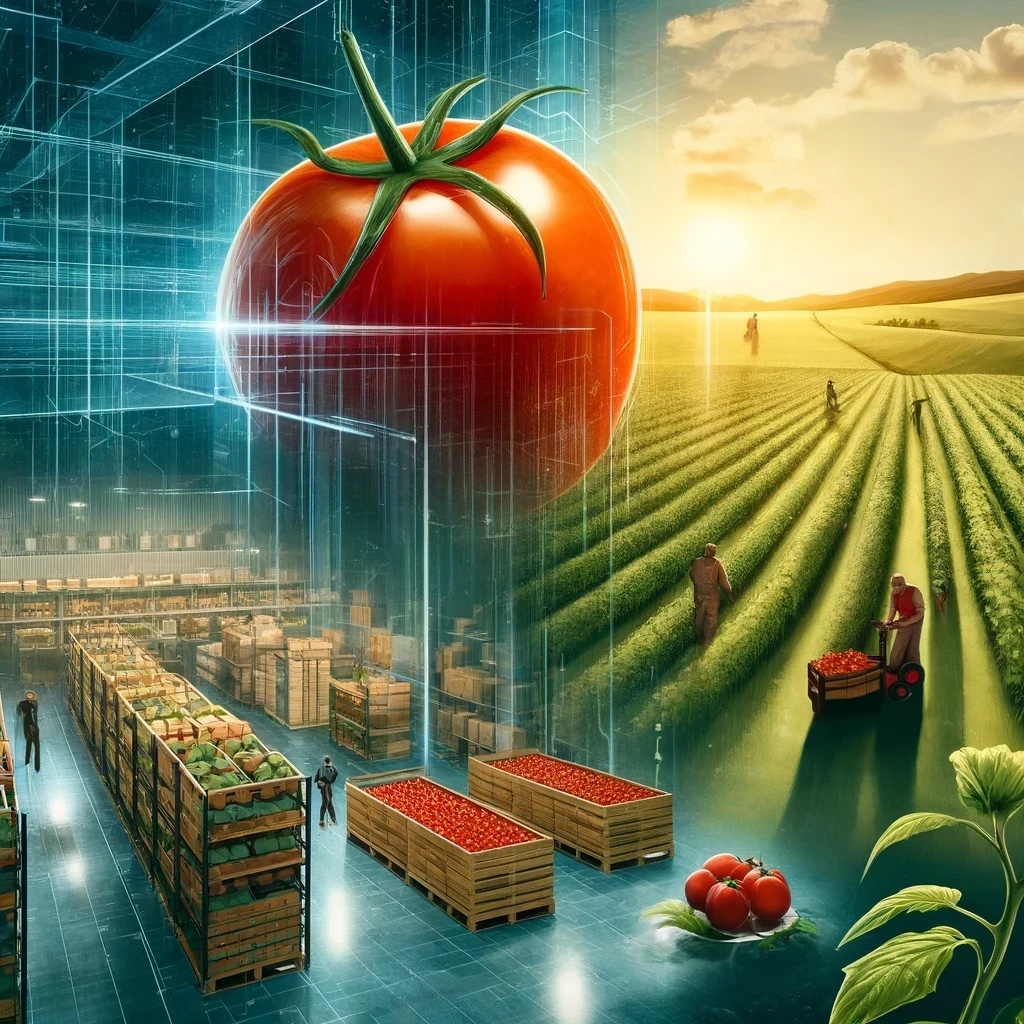
Case Study 3: Ripe.io and Tomato Traceability
Overview: Ripe.io uses blockchain technology to provide transparency in the tomato supply chain. Although not exclusively organic, the principles applied can directly benefit organic markets by detailing each step of a tomato’s journey from seed to supermarket.
Key Features:
Detailed Product Insights: Information on when and how tomatoes were planted, cared for, harvested, and transported are all recorded.
Consumer Feedback Integration: Consumers can provide feedback on the quality of the product, which can be used to improve farming practices.
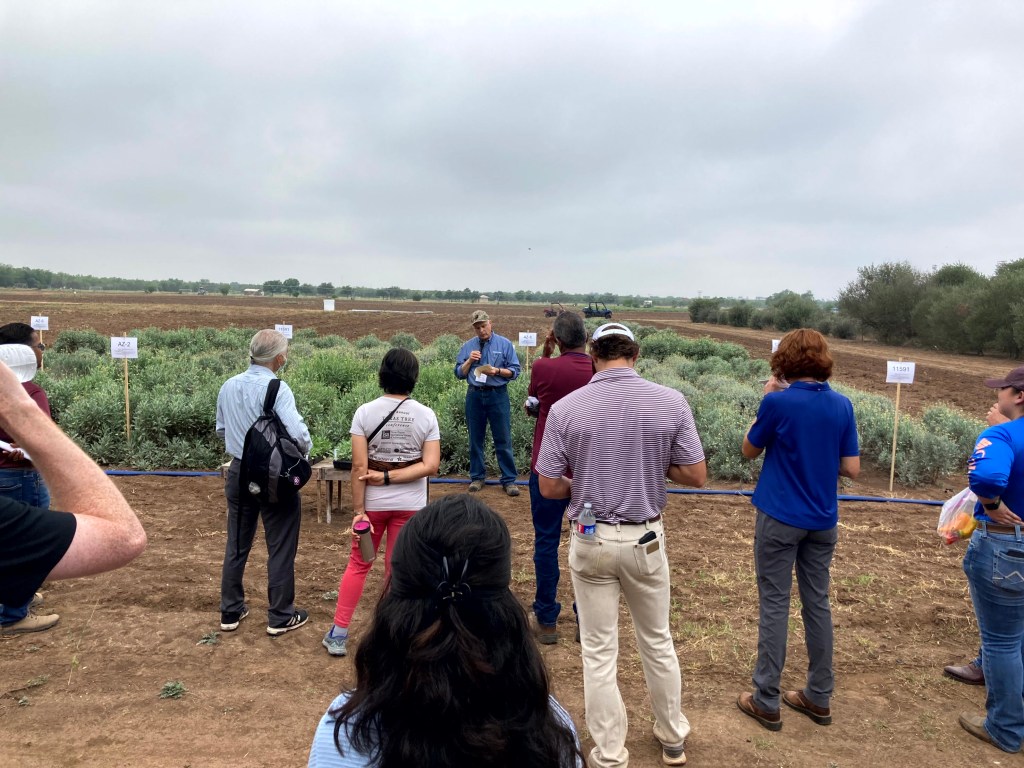
On May 2, 2024, I had the privilege of attending and speaking at the Texas A&M AgriLife Research and Extension Center in Uvalde – Vegetable Spring Field Day. The field day featured a morning walking tour of all the research going on at the center and one of the stops was extremely interesting and informative especially since it covered an area of agriculture I had never heard about. Del Craig with Bridgestone Company (maker of many brands of tires) was on hand to talk about their continued research into a plant called “Guayule,” and it was a fascinating introduction!
Guayule is a shrub native to the southwestern United States and northern Mexico. The correct spelling is Parthenium argentatum, and it’s indeed a source of natural rubber. Guayule is particularly interesting because it offers an alternative to the traditional rubber source, the Hevea brasiliensis tree, which is grown primarily in Southeast Asia.
Characteristics of Guayule
Habitat: Guayule thrives in semi-arid climates, making it well-suited for regions where few other economic crops can grow.
Appearance: It’s a woody perennial that can reach up to 3 feet in height. It has a silver-gray appearance due to its hairy leaves, which help minimize water loss.
Rubber Production: Unlike the rubber tree, guayule produces rubber biopolymers in its bark and roots rather than in its sap. This rubber is harvested by grinding the whole plant and using a solvent-extraction process. Del Craig explained that the whole plant is harvested like you would harvest hay and then taken to processing.
Environmental and Economic Benefits
Sustainability: Since guayule grows in semi-arid regions, it requires less water than traditional rubber crops, making it an environmentally friendly alternative.
Hypoallergenic Properties: The rubber from guayule does not contain the proteins responsible for latex allergies, making it safe for use in medical supplies like gloves and catheters.
Economic Potential: It offers economic benefits for arid and semi-arid regions, providing a viable crop option that can support local economies without the extensive use of irrigation.
Research and Applications
Research is ongoing into optimizing the cultivation and processing of guayule for rubber extraction. This includes genetic breeding for traits such as increased rubber yield and disease resistance.
Current applications of guayule rubber include tires, medical products, and even consumer goods like footwear and adhesives.
The Uvalde Center has been a good test site but Del explained on the tour that they are also establishing a project in the Rio Grande Valley and at the Lubbock Research and Extension Center. These multiple sites allow for lots of experimentation on varieties in different eco-zones.
Could it grow in the South Plains?
In the pursuit for sustainable agricultural solutions in regions like the South Plains of Texas with limited water resources, guayule could be a great alternative to consider. Native to arid environments and native to Texas, this drought-resistant shrub is ideally suited to the South Plains of Texas, where traditional water-intensive crops struggle. Mr. Craig told me personally that they are looking into the possibility of the Plains to Brownfield to Seminole area being ideal for production.
One of the most compelling attributes of guayule is its water efficiency. This plant thrives in semi-arid climates, utilizing very deep root systems that tap into lower soil moisture levels and leaves adapted to minimize water loss. These features allow guayule to sustain itself and produce economically valuable rubber with minimal irrigation, aligning perfectly with the water conservation needs of the South Plains.
Moreover, guayule is adaptable to various soil types, increasing its viability across different landscapes within the region. Its introduction could diversify agricultural practices, reduce economic risks from crop failures, and provide farmers with a new revenue stream through the production of biodegradable rubber products.
The environmental benefits of cultivating guayule are also noteworthy. By stabilizing soil and reducing erosion on marginal lands, it enhances soil health and supports the local ecosystem. Del Craig also commented that they have looked at the carbon sequestration ability of the plant and its deep and extensive root system makes it a winner. To fully integrate guayule into the South Plains, initiatives such as pilot projects to tailor cultivation techniques, local agronomic support, and the establishment of processing facilities are essential.
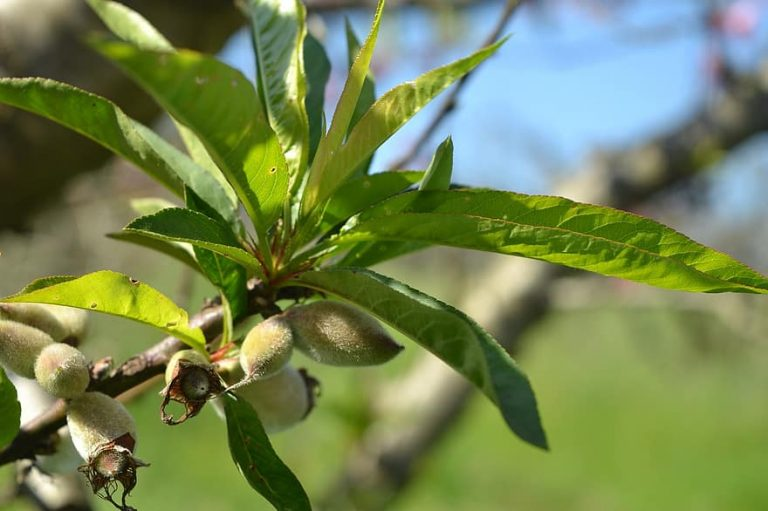
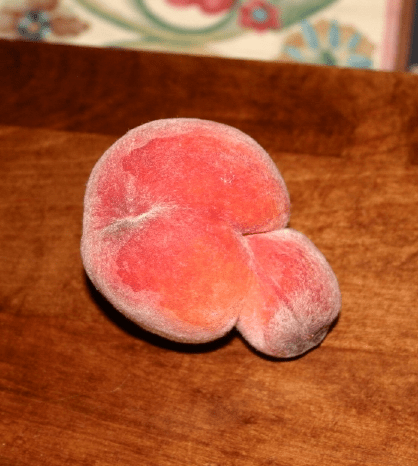
“Twinning” or “doubles” in peaches refers to the phenomenon where a single peach flower bud develops into two closely connected fruits. This occurrence is often related to the conditions experienced by the tree during the bud initiation phase of the previous year. I have been thinning my peach trees and I am seeing a large number of doubles and yet I still have plenty of fruit – so far! Several factors can contribute to the development of doubles in peach trees, with stress playing a significant role. Let’s explore these factors in more detail:
Temperature Fluctuations: Extreme temperature variations, especially during the critical period of bud differentiation, can cause abnormalities in the developing fruit. If cold temperatures follow a period of warm weather that initiated early bud development, the stress can lead to the formation of doubles.
Water Stress: Both excessive water and drought conditions can stress the tree and disrupt the normal development of fruit buds. Proper water management is crucial during the growing season to prevent such stress. I think this was a big part of the issue because we had very little rain and also hot temperatures last year.
Nutritional Stress: An imbalance in essential nutrients, particularly during the bud initiation and development stages, can lead to the formation of doubles. High nitrogen levels, for example, can promote excessive vegetative growth at the expense of normal fruit development, potentially causing abnormalities.
Genetic Factors: Some peach varieties are more prone to producing doubles than others. This genetic predisposition can be exacerbated by environmental stresses.
Pesticide or Herbicide Exposure: Certain chemicals, if applied improperly or at sensitive stages of development, can cause physiological stress to the trees, leading to abnormalities in fruit development. 2,4-D, a common lawn and pasture weed killer, can also act as a plant hormone and cause deformities.
Addressing these stress factors can help reduce the incidence of doubles in peach production. Careful management of orchard conditions, including temperature control where possible, appropriate watering, balanced nutrition, and cautious use of chemicals, can improve the overall health of the trees and reduce the occurrence of doubles. Selecting varieties less prone to this issue can also be a strategic decision for orchard management.
Larry Stein, Ph.D., AgriLife Extension horticulturist and professor in the Texas A&M College of Agriculture and Life SciencesDepartment of Horticultural Sciences and located at the Uvalde center is a very good friend and mentor. He spoke about both chill hours and peach doubles in a recent AgriLife News article. He said, “chill hours have been sufficient in the mid-to-low chill areas, but were marginal in the higher chill areas, with a lot of growers reporting “doubles” on plant blooms.”
“Doubles or multiple fruit come about as the result of stress during the flower initiation stage, which would have been May and June of 2023,” he said. “These doubles seem to be the consensus when talking to area producers, with some saying they are getting three and four fruit from a single bloom.”
According to Dr. Stein, irregular or inadequate watering has also been identified as a likely cause of fruit splitting and doubling.
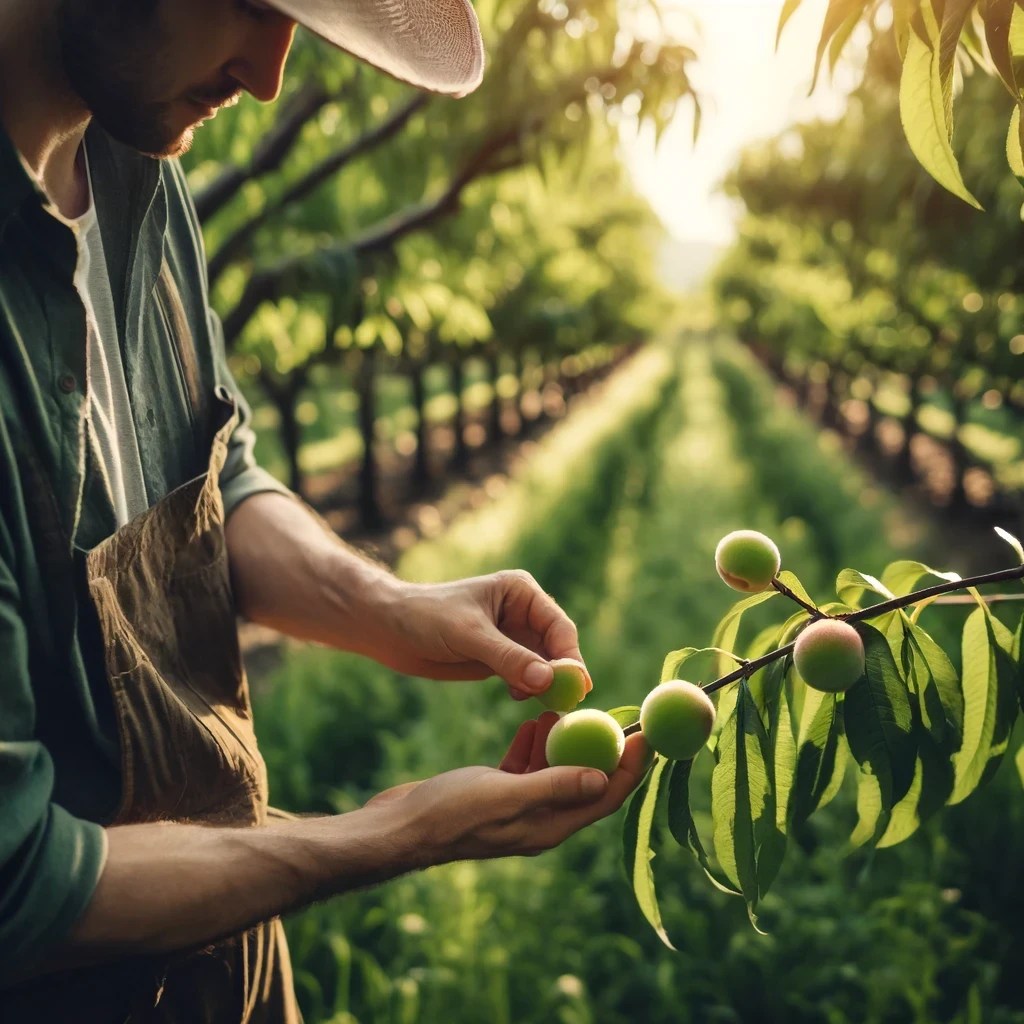
“Consumers usually consider conjoined fruits less visually appealing,” Stein said. “For producers, sometimes the extra piece of fruit is so small as to be insignificant and can be safely removed without harming the main fruit. To avoid the conjoined fruit, producers typically thin their fruit trees to get as many double or multiple fruits back to singles as possible.”
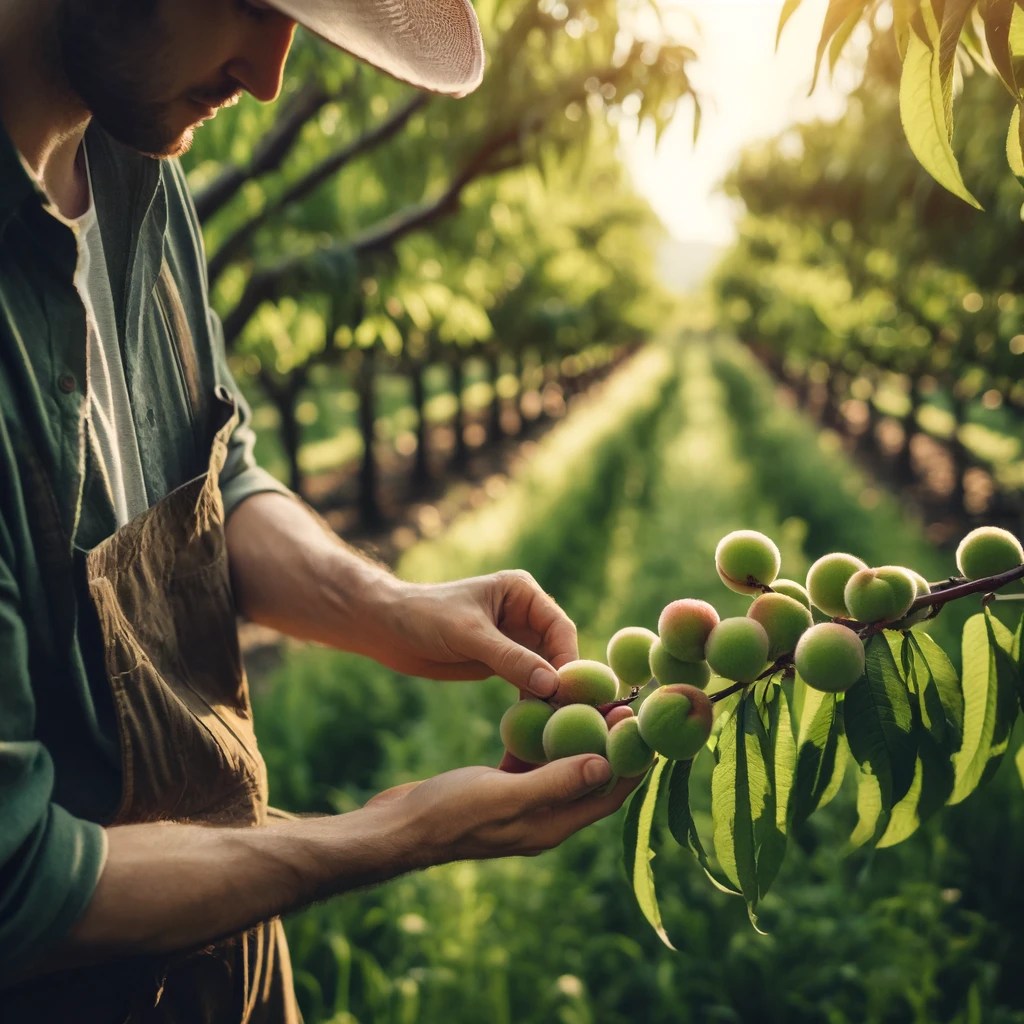
Typical tree fruit load before thinning! We must thin to a fruit every 4-6 inches.It’s hard to remove fruit especially since we don’t know what the weather will bring!
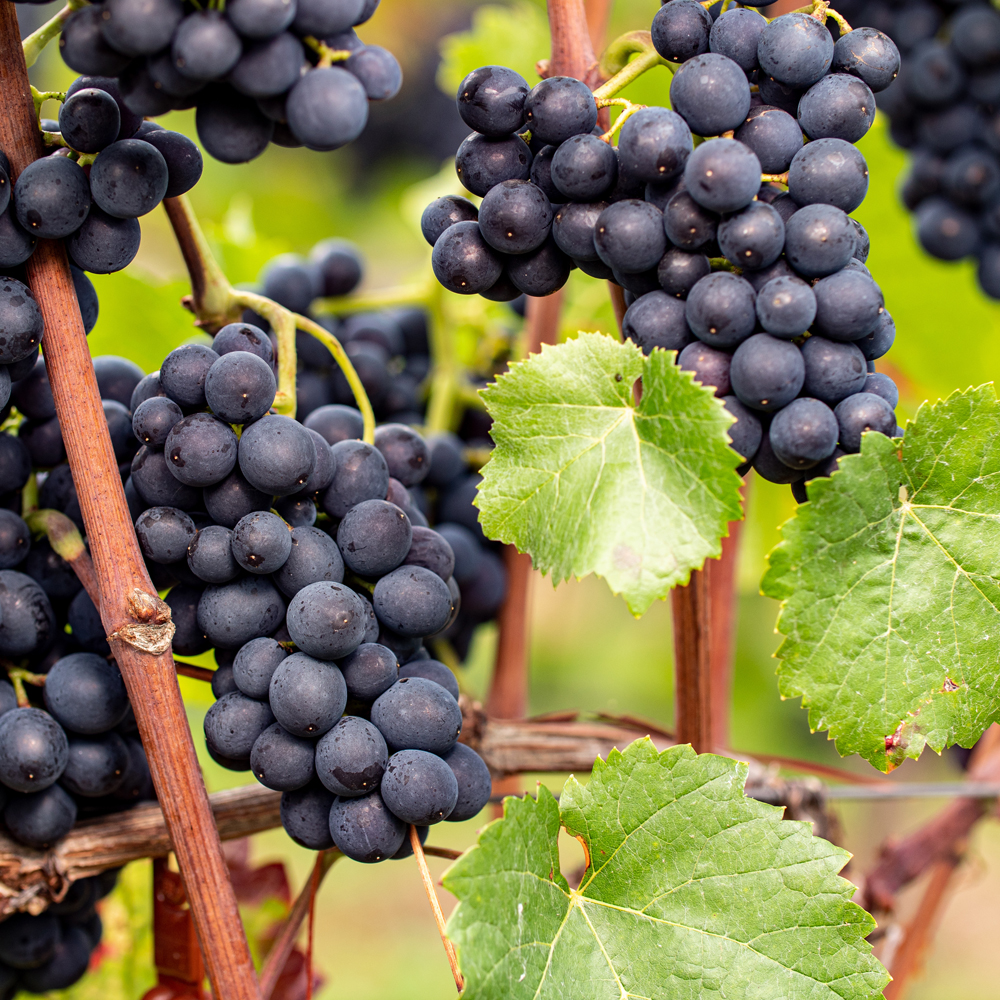
The global wine industry is witnessing a pivotal shift towards organic practices, a trend strongly reflected in the Lone Star State. Although Texas’s organic grape production is currently led by only 3 farmers cultivating over 200 acres, this growing segment is set to change the Texas wine landscape. This rise in organic viticulture, coupled with an increasing consumer interest in organic wines over the last decade, sets the stage for a deeper exploration of innovative solutions like Fungus Resistant Grape (FRG) varieties.
Why Organic? The Texas Perspective
In Texas, where the climate varies from the arid conditions of the High Plains to the humid Gulf Coast, viticulturists face a unique set of challenges. Disease pressure, particularly from fungal pathogens, is a significant concern that can compromise grape quality and yield. Herein lies the importance of FRG varieties, which offer hope for organic viticulture in Texas and similar environments. The adoption of these disease-resistant varieties can not only enhance the sustainability of vineyards but also align with the growing consumer demand for wines produced “environmentally friendly.” There is a tremendous amount of evidence that the organic label has a huge and growing recognition with consumers, and they are buying organic at an ever-increasing rate.
The Organic Wine Boom
Nationally and globally, the last decade has seen a marked increase in interest and sales of organic wines. Consumers are increasingly drawn to organic labels, not just for the perceived health benefits but also for their environmental impact. This shifting preference underscores the need for viticulture practices that prioritize ecological balance and sustainability. In Texas, where the wine industry is as dynamic as it is diverse, the integration of FRG varieties into organic viticulture holds the promise of meeting this demand while addressing the agronomic challenges of organic grape production.
Disease Resistance: A Game-Changer for Organic Viticulture
In past research FRG varieties such as Regent and many others have demonstrated remarkable resilience against fungal diseases that commonly afflict vineyards, reducing the reliance on fungicides and thus supporting organic farming principles (Pedneault and Provost, 2016). The most common Fungus-Resistant Grape (FRG) varieties grown and sold today include:
Regent
Regent: Developed in Germany, Regent is popular in cooler wine regions due to its resistance to both downy and powdery mildew. It produces red wines with deep color and robust flavors.
Marechal Foch: An early-ripening variety known for its resistance to several grape diseases, including downy mildew. It is used to make a range of wines from light reds to rich, full-bodied wines with dark fruit flavors.
Seyval Blanc: This variety is resistant to powdery mildew and is versatile in winemaking, used for producing everything from sparkling wines to well-balanced still whites.
Solaris: Bred in Sweden, Solaris is resistant to most fungal diseases and is suitable for organic viticulture. It produces aromatic white wines with high acidity and tropical fruit flavors.
Marquette: A cold-hardy variety developed by the University of Minnesota, Marquette is resistant to downy and powdery mildew and produces medium-bodied red wines with notes of cherry, blackberry, and spices.
Camminare Noir: developed by the University of California, Davis, as part of their breeding program for disease-resistant grapes, is a hybrid cross between a Vitis vinifera wine grape variety (94%) and American species known for their disease resistance. It is highly resistant to Pierces disease (PD), powdery mildew and downy mildew, making it particularly well-suited for regions where these fungal diseases are significant challenges.
Crimson Cabernet: developed by David and Ann Munson in Missouri, USA, is a hybrid of Norton (Vitis aestivalis, native to North America) and Cabernet Sauvignon. Bred specifically for cold climates, it offers excellent resistance to PD and to fungal diseases, including black rot and mildews. Norton contributes exceptional disease resistance and cold hardiness, while Cabernet Sauvignon imparts high wine quality and a recognizable flavor profile.
Paseante Noir: Produces wines similar to Pinot Noir, offering a light to medium body with delicate fruit flavors and good structure. It is resistant to Pierce’s Disease and moderately resistant to fungal diseases like powdery mildew. This variety is ideal for warmer regions with high PD pressure but performs well in less disease-prone areas too.
Errante Noir: Produces full-bodied red wines reminiscent of Syrah, with rich fruit flavors, good tannin structure, and aging potential. It combines strong resistance to Pierce’s Disease with moderate fungal resistance, making it an excellent option for growers in hot climates with heavy PD pressure.
Ambulo Blanc: White variety that resembles Sauvignon Blanc in its crisp acidity, citrus notes, and fresh aromatics. It offers high resistance to Pierce’s Disease and moderate fungal resistance, making it suitable for humid, warm regions where white grape production is challenging.
Caminante Blanc: Produces wines akin to Chardonnay, with balanced acidity and flavors of apple, pear, and subtle oak when barrel aged. It is highly resistant to Pierce’s Disease and moderately resistant to fungal pathogens, thriving in regions with significant PD pressure while supporting premium white wine production.
Regarding the use of FRG varieties in Texas, these varieties could translate to lower production costs, reduced environmental impact, and the potential for higher yields—key factors in the sustainability equation of organic viticulture. However, Texas’s diverse climate and the presence of various grape diseases make the state a potential area for adopting FRG varieties. The interest in sustainable and organic viticulture in Texas, along with the challenges posed by fungal diseases, suggest that FRG varieties could offer valuable solutions for Texan vineyards looking to reduce chemical inputs and manage disease more effectively.
Taste the Difference: The “Organoleptic” Advantage
Beyond the agronomic benefits, the organoleptic qualities (fancy word for a food or wine that stimulates our sense of taste or smell) of wines produced from FRG varieties offer a great argument for their adoption. Initial tastings and analyses reveal that these wines can compete with, if not exceed, the sensory profiles of wines made from traditional grape varieties (ones demanded now because they are considered superior). The promise of rich, complex flavors, coupled with the environmental benefits of organic viticulture, presents a compelling value proposition to consumers and wine “connoisseurs” alike. FRG varieties can change the industry for the better if allowed to by the very industry keeping them out!
Looking Ahead: Organic Viticulture in Texas
The growth of organic grape production in Texas, though in its early stages, is indicative of a broader trend towards sustainable viticulture practices. As the interest in organic wines continues to surge, the role of FRG varieties in enabling eco-friendly and economically viable grape production becomes increasingly significant. For Texas, a state known for its agricultural innovation and resilience, the adoption of FRG varieties and increase in organic viticulture could mean a significant change for the Texas wine industry—one that is sustainable, flavorful, and aligned with the increasing global shift towards organic production.
The trends surrounding Fungus-Resistant Grape (FRG) varieties reflect an intersection of sustainability, consumer preferences, and technological advancements. These trends are shaping the future of viticulture and winemaking, positioning FRG varieties as a pivotal innovation in the industry. Here are some key trends:
1. Increased Adoption in Organic Viticulture
FRG varieties are gaining traction among organic vineyards due to their inherent resistance to common fungal diseases, which reduces the need for synthetic chemical treatments.
2. Consumer Awareness and Acceptance
There’s a growing awareness among consumers about the environmental and health impacts of pesticide use in agriculture. As a result, wines produced from FRG varieties are increasingly seen as a healthier and more sustainable option. However, consumer acceptance varies, with a large segment of the market very cautious about genetically modified organisms (GMOs). FRG varieties are mostly being developed through traditional breeding methods rather than genetic engineering making them attractive to organic growers and consumers.
3. Technological Advancements in Breeding
Advances in breeding technologies, including genetic mapping and marker-assisted selection (these are approved organic practices), have significantly improved the quality and disease resistance of FRG varieties. These technological advancements enable the development of new varieties that retain the desired sensory qualities of traditional Vitis vinifera grapes while incorporating disease resistance from other grape species.
4. Regulatory and Policy Shifts
Changes in regulations and policies are influencing the adoption of FRG varieties. Some European regions are recognizing the benefits of these grapes in reducing chemical inputs and are adjusting regulations to support their use. Additionally, there’s a push for clearer labeling practices to inform consumers about the sustainable attributes of wines made from FRG varieties, especially organically produced FRG varieties!
5. Economic and Environmental Sustainability
The economic benefits of adopting FRG varieties are becoming more apparent to growers, including reduced costs associated with disease management and potential for higher yields due to decreased disease pressure.
6. Focus on Quality and Sensory Profiles
Initially, concerns existed about the sensory qualities of wines made from FRG varieties. However, ongoing research and development efforts focus on breeding FRG varieties that produce high-quality wines, comparable to those made from traditional grape varieties. This includes optimizing viticultural practices and winemaking techniques to enhance the sensory profiles of FRG wines.
7. Collaborative Research and Development
There’s a trend towards collaborative efforts among research institutions, breeders, and the wine industry to develop and promote FRG varieties. These collaborations aim to pool resources and knowledge to address the challenges of climate change, disease pressure, and sustainability in viticulture.
In summary, the trends for FRG varieties are driven by a confluence of sustainability concerns, technological innovations, and evolving consumer preferences. These trends highlight the growing importance of FRG varieties in the future of sustainable winemaking and organic viticulture.
As we witness the expansion of organic viticulture in Texas, the future of wine production appears promising. With each vineyard turning to Fungus Resistant Grape varieties, we edge closer to a wine industry that is not only kinder to the planet but also offers wines of exceptional quality and taste. The path forward for Texas and the wine world at large is clear: embracing organic practices and the innovative potential of FRG varieties is not just a trend, but the future of sustainable viticulture.
Source: Pedneault, K., & Provost, C. (2016). Fungus Resistant Grape Varieties as a Suitable Alternative for Organic Wine Production: Benefits, Limits, and Challenges. Scientia Horticulturae, 208, 57-77.
Here is an article from Florida by way of resistant grape varieties from UC-Davis. It follows along the lines of my blog here.
Creating an adapted and sustainable organic farming system requires a comprehensive approach that encompasses both the selection and maintenance of crop varieties and an understanding of their interaction with the local environment and soil microbiome. This post aims to guide organic growers in developing a resilient agricultural practice by focusing on crop variety adaptation, seed saving, and leveraging the soil microbiome. In the realm of organic agriculture, the selection of seeds is a critical decision that influences not only the immediate productivity and health of the farm but also its long-term sustainability and economic viability. But before we dive into selecting seeds let’s talk about the organic standard for plantings seeds.
205.204 Seeds and planting stock practice standard – Organic Rules
(a) The producer must use organically grown seeds, annual seedlings, and planting stock: Except, That,
(1) Nonorganically produced, untreated seeds and planting stock may be used to produce an organic crop when an equivalent organically produced variety is not commercially available: Except, That, organically produced seed must be used for the production of edible sprouts;
(2) Nonorganically produced seeds and planting stock that have been treated with a substance included on the National List of synthetic substances allowed for use in organic crop production may be used to produce an organic crop when an equivalent organically produced or untreated variety is not commercially available;
(3) Nonorganically produced annual seedlings may be used to produce an organic crop when a temporary variance has been granted in accordance with § 205.290(a)(2);
(4) Nonorganically produced planting stock to be used to produce a perennial crop may be sold, labeled, or represented as organically produced only after the planting stock has been maintained under a system of organic management for a period of no less than 1 year; and
(5) Seeds, annual seedlings, and planting stock treated with prohibited substances may be used to produce an organic crop when the application of the materials is a requirement of Federal or State phytosanitary regulations.
Boiled down these rules mean you need to use only organically sourced seeds if at all possible. If there are not organic seeds available for the crop you want to plant or the organic varieties available are not adapted to your area, then you can select nonorganically produced seed varieties provided they are not treated of if they are treated the seed treatment is on the list of approved organic substances.
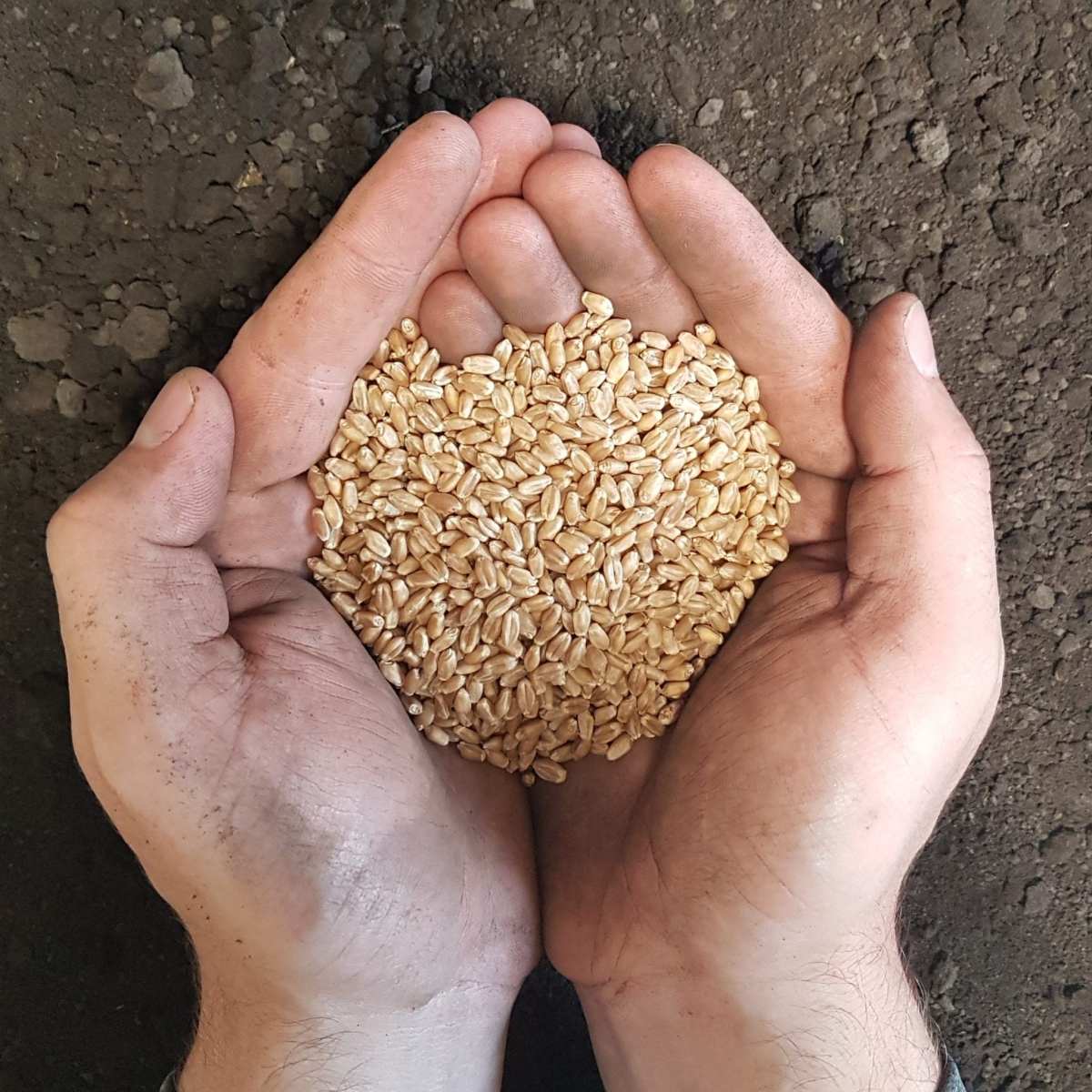
If you meet all the rules, then organic farmers are faced with the choice between 1. hybrid seeds, which dominate much of conventional and organic farming due to their high yield and disease resistance, 2. open-source seeds, which are freely available for use without intellectual property restrictions, and 3. traditional on-farm seed saving practices.
Hybrid seeds
Hybrid seeds created through the crossbreeding of two different parent plants, offer consistency and performance but require farmers to purchase new seeds each season, leading to increased costs and dependency on seed producers. A farmer must purchase hybrid seeds each season because the unique characteristics of first-generation (F1) hybrids—such as improved yield, disease resistance, and uniformity—do not reliably pass on to the next generation. This means seeds saved from hybrid crops typically result in plants that vary widely in their traits, losing the specific advantages that hybrids are valued for. Thus, to maintain consistency and performance in their crops, farmers need to buy new hybrid seeds each year. There are tremendous benefits to buying hybrids each year not the least of which is the almost guaranteed consistency of germination, overall plant health and yield. But what about these other methods for buying planting seed?
Open-source seeds
Open-sourced seeds on the other hand, are part of a movement aimed at ensuring seeds remain a shared resource. These seeds can be saved, replanted, and shared by anyone, promoting agricultural diversity and resilience. This system stands in stark contrast to the patented seeds of the large GMO seed industry, providing an alternative that supports the principles of organic farming by enhancing biodiversity and reducing farmers’ reliance on purchased seeds. However, despite the potential benefits, the majority of organic farming still relies heavily on hybrid seeds due to their immediate productivity benefits.
Open-source seeds emerge from a collaborative, transparent process aimed at keeping seeds as a shared resource accessible to all, without the encumbrance of patents or restrictive intellectual property rights. This model allows for the free exchange, use, and modification of plant genetic materials, encouraging innovation and adaptation in agriculture. Here’s a closer look at how open-source seeds are developed and maintained:
Development Process
Breeding and Selection: The initial development of open-source seeds involves traditional breeding techniques where plants are selected based on desired traits such as resilience to pests or diseases, adaptability to local climate conditions, nutritional value, or yield. This process can be undertaken by individual farmers, researchers, or through collaborative efforts among a community of breeders and farmers.
Open-Source Pledge: Once a new variety is developed, it can be pledged as open-source. This means the breeder commits to making the genetic resources of that variety freely available under an agreement that prohibits patenting or applying any other form of intellectual property restriction that would limit its use or redistribution. The Open Source Seed Initiative (OSSI) https://osseeds.org/ is one of the organizations that facilitate this pledge, ensuring the seeds remain free for anyone to use, breed, and share.
Maintenance and Distribution
Seed Companies: While open-source seeds are free from intellectual property restrictions, they still require meticulous cultivation to maintain their genetic purity and desirable traits. Specialized seed companies and cooperatives play a crucial role in this, producing these seeds under controlled conditions to prevent cross-pollination with other varieties, ensuring the seeds remain “true to type” from one generation to the next.
Cleaning and Quality Control: These companies also undertake rigorous cleaning processes to remove weed seeds and other contaminants, ensuring that the seeds are of high quality and ready for planting. This includes both physical cleaning methods and sometimes treatments to enhance seed viability and health without altering their genetic makeup.
Community Engagement and Support: Beyond production, the distribution of open-source seeds often involves educational efforts to inform farmers about the benefits and practices of using and saving these seeds. This includes training on how to save seeds and select for desirable traits, thus empowering farmers to become active participants in the cultivation and improvement of open-source varieties.
Open-source seeds represent a collective effort to promote biodiversity, resilience, and sustainability in agriculture. Through the dedicated work of breeders, seed companies, and the broader farming community, these seeds are developed, maintained, and distributed with the goal of keeping plant genetic resources accessible and adaptable to the changing needs of farmers and ecosystems around the world. This approach not only supports ecological and economic sustainability but also fosters a sense of community and cooperation in the agricultural sector. For more information check out the Organic Seed Alliance.
The Practice of Seed Saving
The practice of seed saving, a cornerstone of traditional agriculture, allows farmers to select seeds from plants that have thrived in their specific growing conditions, leading to a gradual improvement of crop genetics tailored to local ecosystems. This practice supports biodiversity and ecological balance, key components of organic farming. If you have any interest at all in seed saving to have plants adapted to your own farm you will enjoy this little discussion about these benefits. Just click: Growing for Flavor and Health – April 2024, Acres U.S.A.
Saving seed on the farm indeed encapsulates a blend of potential benefits and challenges that require careful consideration. Let’s explore these aspects in detail:
Benefits
Cost Savings: One of the most immediate benefits of saving seeds is the reduction in costs associated with purchasing new seeds each season. This can be particularly advantageous for small-scale and resource-limited farmers.
Adaptation to Local Conditions: Over time, seeds saved from plants that thrive in the local environment can lead to the development of plant varieties that are better adapted to local conditions, including climate, soil, and pests.
Preservation of Genetic Diversity: Saving seeds from a variety of plants helps to maintain and even increase genetic diversity within crop populations. This diversity can be crucial for resilience to disease and changing environmental conditions.
Challenges
Germination Issues: One challenge with saved seeds is the potential for lower germination rates. Factors such as improper storage conditions, age of the seed, or damage during processing can affect viability. It requires meticulous management to maintain high germination rates from season to season.
Seed Cleaning Problems: Proper seed cleaning is crucial to remove debris, weed seeds, and diseased seeds, which can be labor-intensive and requires specific equipment. Without effective cleaning, the quality of saved seeds can be compromised, leading to reduced crop quality and yield.
Genetic Drift and Diversity: While genetic diversity is a benefit, managing it can also be a challenge. Without careful selection, genetic drift can occur over time, potentially leading to the loss of desired traits. Moreover, in the case of open-pollinated and especially cross-pollinated crops, there is the risk of unwanted crossbreeding, which can result in off-type plants that do not have the desired characteristics of the original variety.
Navigating the Challenges
To address these challenges, farmers engaged in seed saving can adopt several strategies:
Education and Training: Learning about best practices in seed selection, harvesting, cleaning, and storage can improve the quality and viability of saved seeds.
Investment in Equipment: While initial investments may be required for cleaning and storage equipment, these can pay off in the long term through improved seed quality and crop yields.
Community Networks: Participating in local or online farming communities can provide valuable support and knowledge sharing around seed-saving practices. Sharing seeds and experiences can help in managing genetic diversity and solving common problems.
Selective Breeding: Careful selection of plants for seed saving can help maintain or enhance desired traits, ensuring the continuity and improvement of crop varieties over time.
The interplay between these seed systems—hybrid, open-source, and saved seeds—presents organic farmers with a complex set of choices, each with its own set of benefits and challenges. Understanding these options is crucial for anyone looking to support sustainable, productive, and resilient organic farming operations.
The Importance of Crop Variety Selection in Organic Systems
Choosing crop varieties suited to organic systems is important and too little emphasis is placed on this today. These varieties need to be resilient—capable of withstanding pests and diseases without synthetic chemicals, adaptable to local environmental conditions, and efficient in their use of nutrients from organic inputs. Moreover, their ability to outcompete weeds and their synergy with organic crop rotations make them an important part of your organic program. Key traits for organic varieties include:
Disease and Pest Resistance: Natural resistance reduces the need for interventions.
Adaptability to Local Conditions: Varieties should thrive under local climate and soil conditions.
Competitiveness with Weeds: Rapid growth and canopy development can help suppress weeds.
Nutrient Use Efficiency: Varieties should efficiently utilize nutrients from organic matter.
Quality and Market Preference: High-quality crops meet consumer and market demands.
Synergy with Organic Crop Rotations: Varieties should complement organic rotations to enhance soil health and manage pests.
The only way to evaluate, know and understand these traits are acting in your area or on your farm is to talk to other organic growers and to experiment on your own farm.
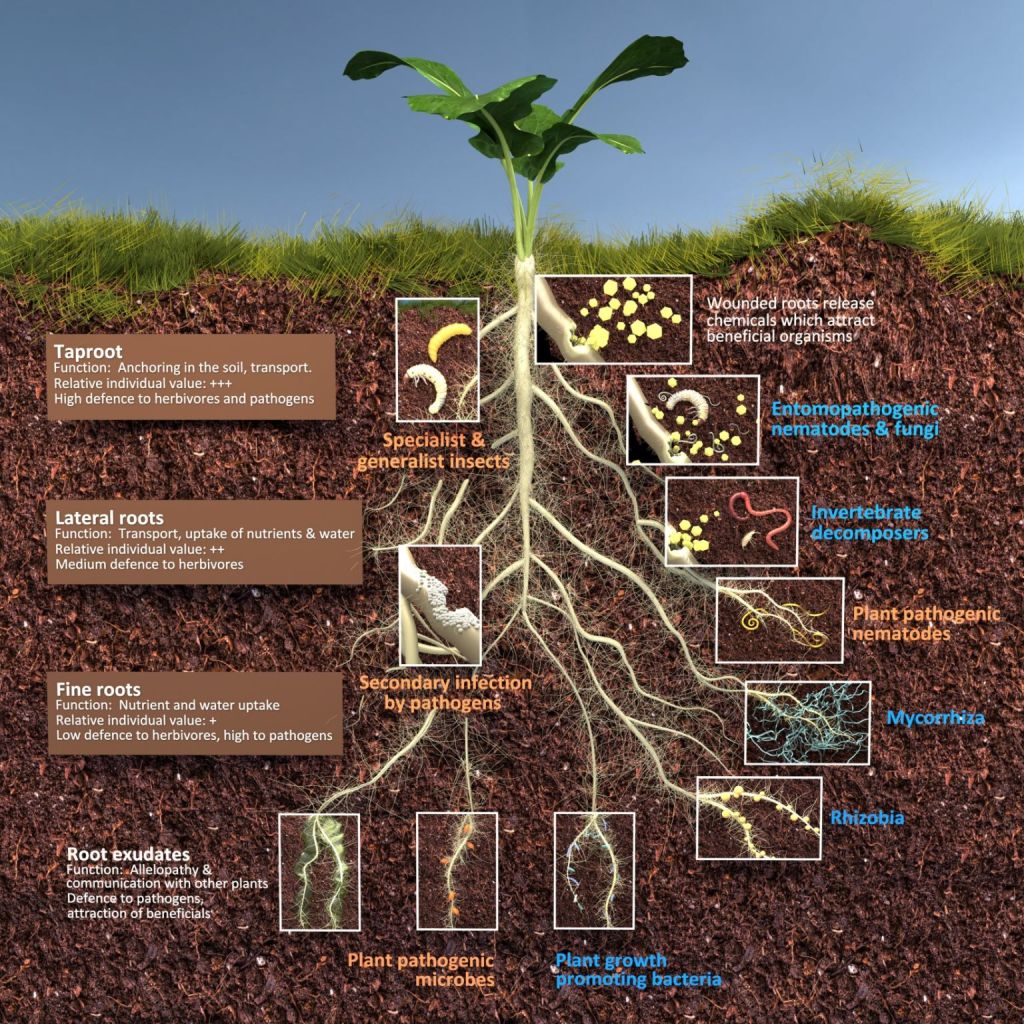
Enhancing Soil Microbiome Interactions
A healthy soil microbiome is vital for nutrient supply, disease resistance, and stress tolerance. Strategies to enhance this interaction include:
Selecting Microbiome-Friendly Varieties: Some plants are better at recruiting beneficial microbes. Selecting and breeding these varieties can enhance nutrient uptake and stress resilience. Knowing this may involve utilizing the “Haney Test” for measuring CO2 in soil to determine microbial activity and the PLFA test for knowing microbe diversity.
Soil Health Practices: Incorporating organic matter, reducing tillage, and using cover crops to support a diverse and active soil microbiome. Some varieties, especially open-pollinated varieties grown for multiple seasons in the same area become adapted to these practices.
Emphasis on Plant Root Interactions with Soil Microbiome
Understanding and Measurement: The ability of a plant to recruit and maintain a beneficial soil microbiome is pivotal for nutrient acquisition, disease suppression, and stress tolerance in organic systems. How do you know? These traits can be measured by some sophisticated tools:
Microbial Diversity and Abundance: Using DNA-based techniques (such as 16S and ITS rRNA gene sequencing) to identify and quantify the microbial communities associated with plant roots. This is how scientists are learning to characterize microbes specific to crops.
Plant Exudate Profile: Analyzing root exudates to understand the chemical compounds released by roots that attract beneficial microbes.
Microbial Activity: Measuring soil enzyme activities or microbial respiration rates as indicators of microbial activity and health around the root zone (Haney test and PLFA test).
Beneficial Associations: Quantifying specific beneficial associations, such as mycorrhizal colonization rates or the presence of nitrogen-fixing bacteria, through microscopy or molecular markers. (Some companies are now offering this service, but it is several $$ to use!)
Legal Considerations! Before you try being your own plant breeder be sure you know your seeds…..
Plant Variety Protection (PVP) Certificates
Plant Variety Protection (PVP) certificates are a form of intellectual property protection specifically designed for new varieties of seed- and tuber-propagated plants. Administered in the United States by the Plant Variety Protection Office (PVPO), part of the USDA, a PVP certificate grants breeders exclusive rights to their new plant varieties for a period of 20 years from the date of issuance (25 years for trees and vines). To qualify, a variety must be new, distinct, uniform, and stable.
One of the key features of the PVP system is the “farmer’s exemption,” which allows farmers to save seeds from PVP-protected plants for their own use in planting subsequent crops. However, they are not permitted to sell the saved seeds for planting purposes without the breeder’s permission. This exemption is crucial as it recognizes and preserves traditional farming practices while still providing incentives for breeders to develop new varieties.
Utility Patents
Utility patents, on the other hand, offer a broader scope of protection and can apply to any new and useful process, machine, manufacture, or composition of matter, or any new and useful improvement thereof. In the context of agriculture, utility patents can protect genetically modified organisms (GMOs), specific plant genes, methods of breeding, or methods of creating a plant with specific characteristics.
Utility patents on plants offer strong protection because they prevent others from making, using, selling, offering for sale, or importing the patented invention without authorization for up to 20 years from the filing date. Unlike PVP certificates, utility patents do not include a farmer’s exemption, meaning that even saving and replanting seeds from a patented plant can infringe on the patent holder’s rights.
Distinctions and Implications
The distinction between PVP and utility patents lies not only in the scope of what they protect but also in their implications for breeders, farmers, and the agricultural industry at large. PVP is specifically designed for plant varieties and includes provisions that balance the interests of breeders with traditional farming practices, such as seed saving. Utility patents provide a broader and stronger level of protection, including for biotechnological inventions, but also impose more stringent limitations on the use of patented materials.
Dr. Ronnie Levy, Extension Rice Specialist at LSU wrote this article for the April 2022 issue of Rice Farming Magazine. I clipped it out and thought, “this will come in handy someday!” I am putting this out there again because our organic rice producers are facing some real problems with weeds in rice including weedy rice, hemp sesbania, jointvetch and certainly weedy grasses.
Last year I was at Joe Broussard’s farm near Nome, looking at a rice field that was headed out and looking great. On the other side of the levy was a field choked with weeds – what was the difference? One was water-seeded rice, and the other was not. Joe had used water seeding and his flood to control weeds “the old-fashioned way!” So, read this article by Dr. Levy and think about it……
Rice Farming, April 2022. Dr. Ron Levy. “Most rice is drill-seeded in Louisiana — about 80% — but there is a renewed interest in water-seeding rice for weedy rice suppression (or many other weeds in organic systems).
The most common water-seeding method in Louisiana is the pinpoint flood system. After seeding, the field is drained briefly. The initial drain period is only long enough to allow the radicle to penetrate the soil (peg down) and anchor the seedling. A three- to five-day drain period is sufficient under normal conditions.
The field then is permanently flooded until rice nears maturity (an exception is midseason drainage to alleviate straighthead (physiological problem of rice) under certain conditions).
In this system, rice seedlings emerge through the floodwater. Seedlings must be above the water surface by at least the 3 to 4-leaf rice stage. Before this stage, seedlings normally have sufficient stored food and available oxygen to survive. Atmospheric oxygen and other gases are then necessary for the plant to grow and develop.
The pinpoint flood system is an excellent means of suppressing weedy rice emerging from seeds in the soil because oxygen necessary for weedy rice germination is not available as long as the field is maintained in a flooded (or saturated) condition. A continuous flood system, another water-seed system, is limited in Louisiana. Although similar to the pinpoint flood system, the field is never drained after seeding.
Regarding the water-seeded systems, a continuous flood system is normally best for red rice suppression, but rice stand establishment is most difficult. Even the most vigorous variety may have problems becoming established under this system. Inadequate stand establishment is a common problem in both systems.
Fertilization timing is the same for both the pinpoint and continuous flood systems. Phosphorus (P), potassium (K), sulfur (S) and zinc (Zn) fertilizers are applied preplant incorporated as in the dry-seeded system. Once the field is flooded, the soil should not be allowed to dry.
If the nitrogen requirement of a particular field is known, all nitrogen fertilizer can be incorporated prior to flooding and seeding or applied during the brief drain period in a pinpoint flood system. Additional N fertilizer can be applied at the beginning of reproductive growth between panicle initiation and panicle differentiation (2-millimeter panicle).
Water-seeding has been used in the past for weed control. Will water-seeding make a comeback to help with weedy rice suppression (or possibly for organic rice producers)?”
Another issue water-seeded rice may experience.
Rice Seed Midges – The larvae of these insects (Order Diptera, Family Chironomidae, Genera Tanytarsus and Chironomus) are aquatic and can be very abundant in rice fields. The adults are small, gnat-like flies that typically form inverted pyramidal mating swarms in the spring over stagnant or slow-moving water. Female flies lay eggs in ribbons on the water surface. The larvae hatch and move downward to the flooded substrate where they build protective “tubes” of silk, detritus, and mud. These brown, wavy “tubes” are easily observed on the mud surface of rice paddies. Occasionally, the larvae will exit the tubes and swim to the surface in a whiplike fashion, similar to that of mosquito larvae. Midge larvae can damage water-seeded (pinpoint or continuous flood) rice by feeding on the sprouts of submerged germinating rice seeds. Damage can retard seedling growth or kill seedlings; however, the window of vulnerability to midge attack is rather narrow (from seeding to when seedlings are about 3 inches long).
Control rice seed midge problems by dry seeding, then employing a delayed flood, or by draining water-seeded paddies soon after planting. Thus, a pinpoint flood should reduce the potential for rice seed midge damage relative to a continuous flood. For water-seeded rice, reduce rice seed midge problems by increasing the seeding rate and planting sprouted seed immediately after flooding.
Click on the above link to read a great article from California rice researchers about an experiment they did on Rice Seed Midge control and some of the most effective treatments are organic and soon to be OMRI approved.









 Texas A&M AgriLife Organic