Oregano Essential Oil: A Natural Solution for Boosting Health and Performance in Organic Livestock

In organic livestock production, finding effective natural alternatives to synthetic inputs is both a challenge and an opportunity. Recently, I came across two compelling articles in Bovine Veterinarian magazine that shed light on the potential of essential oils—particularly oregano oil—as substitutes for synthetic feed additives like ionophores. The November/December 2024 edition featured Maureen Hanson’s article, “OREGANO: Not Just for Pizza Anymore,” which explored oregano essential oil as a natural alternative.1 Similarly, the March/April 2025 issue included Hanson’s follow-up piece, “Hello Essential Oils and Goodbye Ionophores?2 These articles highlighted emerging research suggesting essential oils could be a potential livestock production enhancement and when you get two articles on the same subject you begin to notice!

Why Replace Ionophores?

Ionophores are antimicrobial compounds commonly used in conventional livestock production to manipulate rumen microbial populations. For example, monensin—a widely used ionophore—improves feed efficiency and daily weight gains by promoting favorable rumen fermentation. However, ionophores are prohibited in organic systems due to their synthetic nature and concerns about antibiotic resistance. Consumer demand for cleaner food has also prompted scrutiny of ionophore use in several countries.

For organic producers, this presents a challenge: how can we maintain or improve herd performance and health without compromising organic standards or animal welfare? This is where essential oils are gaining attention as viable alternatives.

Essential Oils Show Promise in Cattle

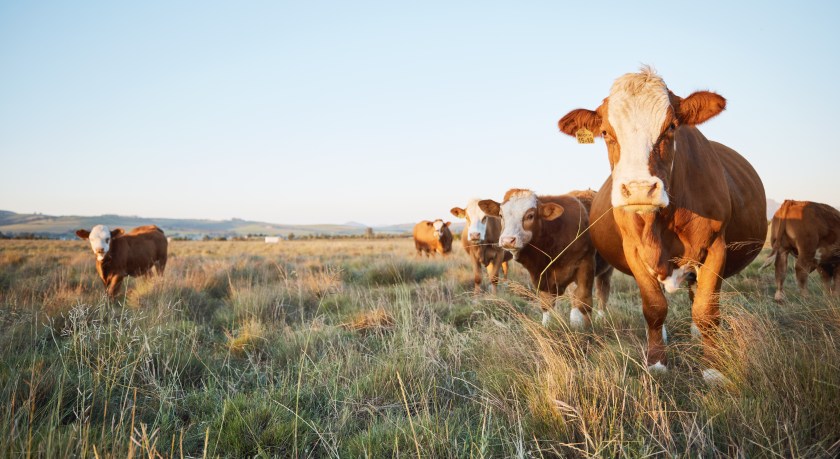
A recent study led by Dr. Jaymelynn Farney at Kansas State University3 evaluated the use of essential oils in stocker cattle diets. In this trial, 281 steers were divided into two groups: one group received minerals with an ionophore (monensin), while the other received minerals containing a proprietary blend of essential oils—including garlic, oregano, cinnamon, lemongrass, and capsaicin.

The results were strikingly similar:

  • Cattle fed essential oils gained an average of 2.13 pounds per day over 90 days.
  • Cattle fed ionophores gained 2.15 pounds per day.
  • Mineral intake and total weight gain were nearly identical between groups.

Interestingly, the essential oil mix was slightly less expensive than the ionophore mix. While no significant differences in cattle behavior were observed, Farney noted a mild increase in heart rate among cattle fed essential oils—a potential indication of vasodilation (increased blood flow), which is a known effect of certain essential oils.

Oregano – Origanum vulgare, also known as wild marjoram

Improving Calf Health with Oregano Oil

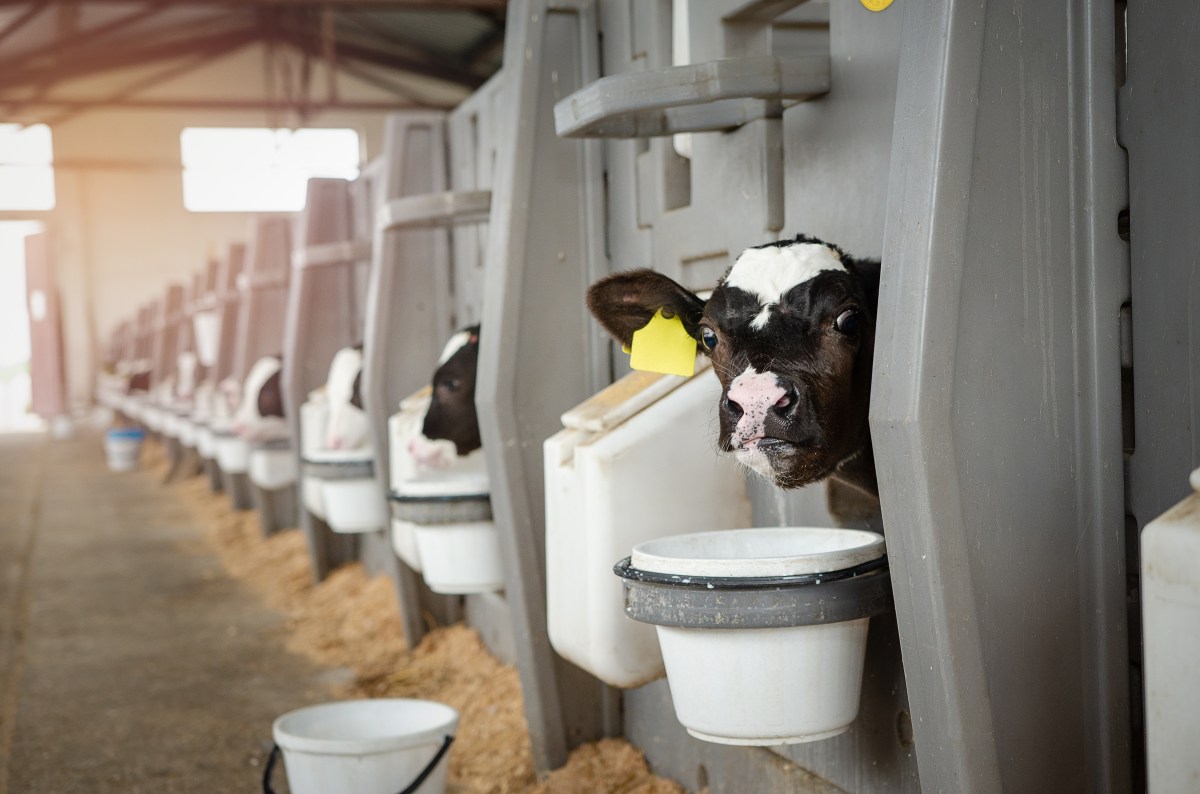
On the dairy side, a study conducted at Aristotle University in Greece4 investigated the use of oregano essential oil to combat diarrhea in newborn Holstein calves. Neonatal diarrhea is a common issue for dairy producers, especially those adhering to organic standards that restrict antibiotic use.

In this study:

  • Calves treated with a daily oregano oil drench for their first 10 days of life experienced fewer days with diarrhea.
  • Treated calves had lower overall diarrhea severity and shorter illness duration.
  • The need for antibiotics and supportive therapies was significantly reduced.

These findings are particularly relevant for organic dairy producers who often face challenges maintaining calf health without relying on conventional medications.

Practical Takeaways

So that you can get a general idea of the approximate amounts these studies are using when feeding oregano essential oil.

For Dairy Cows

Recommended dosage is 15 ml/day/cow for 28 days.

  • Product Price: A quart (946 ml) of Orego-Stim Liquid costs $35.
  • Daily Cost per Cow: 15 ml/946 ml × 35 = $0.550 per day per cow.
  • Total Cow Cost – 28 Days Treatment × $0.550/day = $15.54 per cow

For Dairy Calves

  • Product Price: A quart (946 ml) of Orego-Stim Liquid costs $35
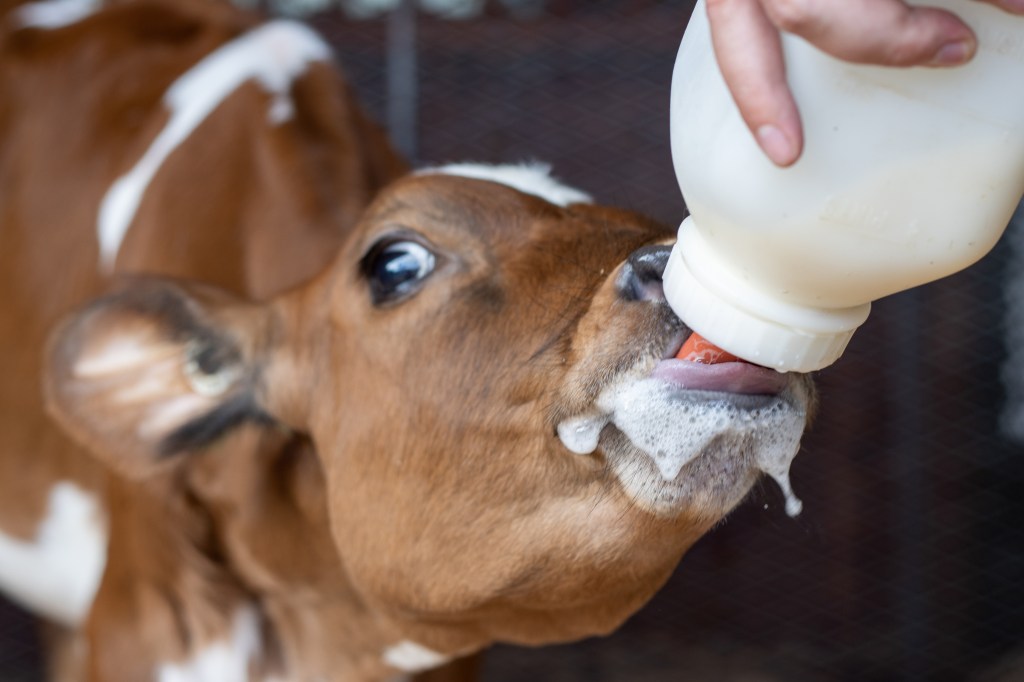
  • Maintenance Dosage: 2 ml/day/calf mixed into milk until weaning.
  • Extra Support Dosage: 10 ml/day/calf for 10 days, followed by 2 ml/day/calf until weaning.

Daily Cost per Calf

  • Maintenance: 2 ml/946 ml × $35 =$0.074 per day per calf
  • Extra Support: 10 ml/946 ml × $35 = $0.37 per day per calf

Total Cost for Weaning Period (56 days)

  • Extra Support Dosage: 10 days at $0.370/day = $3.70
  • Maintenance Dosage: Remaining 46 days at $0.074/day = $3.40
  • Total Cost: $3.70 + $3.40 = $7.10 per calf      

Replacing Monensin with Oregano in Grower Diets

Another study by researchers in China5 examined oregano essential oil as a replacement for monensin in grower diets for weaned Holstein bulls over a 240-day trial. Bulls fed oregano oil achieved weight gains comparable to those fed monensin. However, when both oregano oil and monensin were administered together, performance decreased—suggesting an antagonistic interaction between these two compounds.

This finding underscores the importance of using oregano oil as a standalone tool rather than combining it with synthetic additives (monensin).

Why This Matters for Organic Producers

These studies offer promising insights into how essential oils can support health and productivity in organic livestock systems. Specifically:

  • Essential oils naturally promote rumen fermentation.
  • They help reduce disease pressure, such as calf diarrhea.
  • They align with consumer preferences for natural products.
  • When derived from non-synthetic sources, they comply with USDA organic regulations.

Additionally, the Kansas State trial demonstrated that essential oils can be cost-effective compared to conventional feed additives like ionophores. However, it’s important to note that outcomes may vary depending on factors such as livestock species, diet composition, management practices, and sourcing of essential oils.

Considerations Before Adopting Essential Oils

While these findings are encouraging, producers should approach essential oils with careful consideration:

  • Efficacy: Results may vary depending on formulation quality and livestock conditions.
  • Cost: Although some trials suggest cost savings, market variability could affect affordability.
  • Regulatory Compliance: Ensure that any essential oils used meet USDA organic certification requirements.
  • Potential Risks: High doses or improper formulations could lead to toxicity or unintended interactions with other feed components.

Further research is needed to fully understand how essential oils perform across diverse production systems, but these results do hold promise!

Where to Learn More

If you’re interested in experimenting with essential oils in your operation, here are a few extra resources:

  • Calsamiglia et al., 2007. “Essential oils as modifiers of rumen microbial fermentation.” Journal of Dairy Science.6
  • Greathead, 2003. “Plants and plant extracts for improving animal productivity.” Proceedings of the Nutrition Society.7

References:

  1. Hanson, Maureen. “Oregano: Not Just for Pizza Anymore.” Bovine Veterinarian, November/December 2024. ↩︎
  2. Hanson, Maureen. “Hello Essential Oils and Goodbye Ionophores?” Bovine Veterinarian, March/April 2025. ↩︎
  3. Farney, J.K., et al. (2025). “Effects on Stocker Steer Performance While Consuming Essential Oil or Ionophore Minerals.” Kansas Agricultural Experiment Station Research Reports, Vol. 11: Iss. 1. ↩︎
  4. Katsoulos, P.D., et al. (2017). “Evaluation of the in-field efficacy of oregano essential oil administration on the control of neonatal diarrhea syndrome in calves.” Research in Veterinary Science, 115:478-483. ↩︎
  5. Wu, J., et al. (2020). “Dietary supplementation with oregano essential oil and monensin in combination is antagonistic to growth performance of yearling Holstein bulls.” Journal of Dairy Science, 103(9):8119-8129. ↩︎
  6. Calsamiglia et al., (2007). “Essential oils as modifiers of rumen microbial fermentation.” Journal of Dairy Science ↩︎
  7. Greathead, (2003). “Plants and plant extracts for improving animal productivity.” Proceedings of the Nutrition Society. ↩︎

What the Haney Test Revealed: Biological Benefits of Cover Crops in Action

Over the past few weeks, I’ve written about what cover crops like Sunn Hemp, Tepary Bean, and Cowpea leave behind in the soil and how their nutrient contributions stack up in standard soil tests. But it wasn’t until we looked at the Haney Soil Test results from March 2025 that we could truly see the biological influence each of these summer cover crops had on the soil. In this post, I’m sharing new insights drawn from those results and why I believe every grower should consider this test when evaluating cover crop performance.

Why the Haney Test?

Unlike standard chemical soil tests that only measure nutrient availability, the Haney Test adds a biological lens. It measures microbial respiration (CO₂-C), available organic nitrogen (Haney N), and gives an overall Soil Health Score. These indicators help us understand how biologically active the soil is and how much of the nutrients are likely to cycle into plant-available forms.

For organic and sustainable systems, this is vital. We’re not just feeding the crop—we’re feeding the soil.

All Plots Started Equal

Just to set the stage: all test plots had a rye cover crop terminated in early spring 2024 and were kept bare and weed-free through summer. The only difference among plots came when Sunn Hemp, Tepary Bean, or Cowpea was planted in August 2024. The check plot remained bare.

The Biological Winners and Stragglers

Here’s what the Haney Test results (click here to see reports) show:

  • Sunn Hemp had the highest CO₂-C (43.21 ppm), strong Haney N (74.74 lbs/ac), and the highest Soil Health Score (9.41). It fed the microbes and left behind a soil system ready to cycle nutrients. If you’re planting a high-demand crop like corn or grain sorghum, Sunn Hemp sets the table biologically.
  • Cowpea followed closely with a CO₂-C of 32.08 ppm, Haney N of 71.50 lbs/ac, and a Soil Health Score of 7.80. Reliable, balanced, and consistent—it’s a solid choice for improving soil function while conserving moisture and nutrients.
  • Tepary Bean, despite good forage quality and tissue N content (3.02%), showed low microbial activity (CO₂-C of 13.75 ppm) and the lowest Soil Health Score (6.43). It may decompose slower or produce compounds less favored by microbes. That’s not necessarily bad—it might serve longer-term fertility, but it’s not the best option for short-term nutrient release.
  • Check Plot (bare fallow) showed high mineral N (83.73 lbs/ac) and decent CO₂-C (37.14 ppm), but that’s misleading. There was no cover crop to feed soil life or cycle nutrients—just unutilized residuals from last year. Long term, this approach does not build soil health.
  • Click here to read a summary report – Summary of Soil Samples

What This Means for Growers

The biological boost from a cover crop can be measured and managed. Without the Haney Test, we’d only be guessing how much nitrogen or biological activity remains from cover cropping. We tell growers: don’t plant blind—use this test to make more informed fertility and management decisions.

Sunn Hemp again proved why it’s a leading summer cover crop for southern systems. Cowpea is a great second choice when water is limited or biological stimulation is still desired. Tepary Bean may have a role in longer rotations but isn’t the best for quick turnover systems.

Final Thought

We use cover crops for more than just erosion control. They’re engines of soil biology, nutrient cycling, and resilience. The Haney Test gives us a dashboard to read those engines.

If you’re not already using it, this is your sign: test for biology, not just chemistry.

Read more:

Personality Plus: Building Resilient Organic Dairy Cows from Day One

I take the Bovine Veterinarian Magazine and appearing in the March/April 2025 edition (picture below) was this interesting article on dairy calf personality by Maureen Hanson. The article rang all kinds of “bells” for me because organic dairy production requires more than just certified feed and pasture. It demands a different kind of cow—one that can thrive with lower intervention, recover from stress without antibiotics, and mature into a productive milking animal under the constraints and values of organic systems. Maureen Hanson wrote her article based on a 2024 peer-reviewed study from the University of Kentucky (Journal of Dairy Science, https://doi.org/10.3168/jds.2023-24257)1 and this study offers a compelling new tool for organic dairy production: personality-based calf selection.

Bovine Veterinarian – March/April 2025

Calf Personality Predicts Future Performance

In the study, 49 Holstein calves were assessed using a series of behavioral tests designed to evaluate their responses to novelty and stress. Through principal component analysis of their behavior, researchers identified three personality traits:

  • Fearful: slower to approach novelty, more time spent being alert but not engaging
  • Active: higher movement across all tests, more physical exploration
  • Explorative: more interaction with objects and environment, less time inactive

These traits were then statistically correlated with detailed data from automatic calf feeders and wearable accelerometers tracking feeding behavior and activity. The results were striking:

  • Active calves consumed more starter grain, reached intake benchmarks earlier, and had significantly higher average daily gain (ADG) across all periods.
  • Explorative calves, surprisingly, had lower starter intake and lower ADG specifically during the weaning period.
  • Fearful calves showed no consistent associations with feed intake or growth but were clearly slower to engage with novel environments—a potential early marker for stress sensitivity.

Implications for Organic Dairy: Observation is Prevention

Organic systems are built on the foundation of preventive health, yet many dairy owners and managers are disconnected from the earliest stages of calf development. Calf rearing is often delegated to extremely capable managers but often few of the decision-makers (probably you since you are reading this) spend the time to observe how calves respond to their first illness, their first separation, or their first group housing experience.

This study confirms that those early responses matter. Calves that are more active adapt better to weaning and start feeding more quickly, leading to stronger growth and rumen development—two key goals in organic dairy management. Explorative behavior, meanwhile, may suggest curiosity but could signal greater sensitivity to changes, especially during stressful transitions.

You Can’t Manage What You Don’t Observe

The beauty of this research is that it doesn’t require high-tech tools to be useful. Yes, wearable accelerometers and automated feeders give precise measurements, but a skilled observer can spot:

  • Calves that hesitate or vocalize excessively when encountering new objects or people
  • Calves that walk their pens often versus those that stand still
  • Calves that seek out grain early versus those that delay

Even 20 minutes per pen per day, using a simple observation sheet for behavior categories like “explores new object,” “approaches person,” or “walks pen,” could help identify high-potential calves for organic dairy production systems.

A Call to Action for Organic Dairy

Early-life behavior should become part of calf selection and culling decisions in organic systems. Just as we select against structural flaws or poor production genetics, we should begin identifying calves whose temperament makes them a poor fit for organic environments. Resilience (something of extreme importance in organic dairying) is not just physical; it is behavioral.

These steps can help producers:

  • Reduce calfhood mortality and illness
  • Improve long-term health and lifetime milk production
  • Target breeding decisions for greater resilience
  • Stay within the boundaries of organic treatment rules

The goal isn’t just healthier calves. It’s to create a herd that is biologically compatible with organic practices. Personality is not just a curiosity. It’s a management tool. And for organic dairy, it might be one of the most important ones we haven’t been using.

Appendix: Early-Life Calf Behavior Observation Checklist

Use this tool I developed during the first 10–14 days of life (or whatever fits your operation) to assess each calf’s temperament and adaptability. Score each behavior during structured (regular) observation sessions or low-stress test scenarios (not when moving to a new pen!). Click: Calf Behavior Tool

Observation CategoryBehavior DescriptionScoring Notes
Novelty ApproachTime to approach a new object (e.g., colored bucket, ball) placed in pen1 = avoids; 2 = cautious/slow; 3 = approaches/touches; 4 = immediate interest
Response to HumanReaction when person enters pen or stands nearby1 = flees or hides; 2 = freezes; 3 = moves away calmly; 4 = approaches or investigates
Pen MovementGeneral movement over 10 minutes1 = mostly stationary; 2 = some walking; 3 = walks frequently; 4 = constant movement
Play BehaviorJumps, kicks, head butts, or frolics1 = none; 2 = rare; 3 = moderate; 4 = frequent
VocalizationsCalf vocalizes when alone or during change (e.g., feeding or handling)1 = silent; 2 = occasional; 3 = frequent; 4 = constant/loud
Feeder InterestTime to discover starter grain or milk feeder1 = delayed; 2 = average; 3 = quick; 4 = immediate curiosity

Score each calf twice during the observation window to account for variability. Calves with consistently high scores in movement, feeding curiosity, and play behavior may be more biologically suited to organic dairy systems. Those with consistently low or fearful responses may require extra care—or may be poor candidates for organic retention.

  1. Woodrum Setser, D., Proudfoot, K., Costa, J.H.C., Marchant-Forde, R.M., Bewley, J.M., & Cantor, M.C. (2024). Individuality of calves: Linking personality traits to feeding and activity daily patterns measured by precision livestock technology. Journal of Dairy Science, 107(5), 4512–4527. https://doi.org/10.3168/jds.2023-24257 ↩︎

What Do Cover Crops Leave Behind? Comparing Sunn Hemp, Tepary Bean, and Cowpea

This past fall, we let our warm-season legumes—Sunn Hemp, Tepary Bean, and Cowpea—grow as long as the season allowed. Since we planted late, we hoped for a long fall, and thankfully we got one. Each crop reached full maturity, including seed set, about two weeks before a freeze finally stopped all aboveground growth. That’s when we collected the forage samples—at peak biomass and nutrient accumulation, just before decomposition began.

These samples, along with earlier soil tests from the same plots, gave us a snapshot of how each forage performed in terms of nutrient cycling and potential soil improvement.

Crude Protein: A Quick Look at Forage Quality

One of the easiest ways to relate cover crop nitrogen content to livestock feed value is by converting it to Crude Protein (CP) using the standard multiplier:

Crude Protein (%) = Nitrogen (%) × 6.25

CropNitrogen (%)Crude Protein (%)
Sunn Hemp3.0419.0
Tepary Bean3.0218.9
Cowpea2.6216.4

All three crops delivered respectable CP levels. Sunn Hemp and Tepary Bean were just under 19%, making them excellent options for grazing, hay, or green manure. Cowpea was slightly lower but still solid at 16.4%.

Nutrient Accumulation: What the Plants Took Up

These legumes not only fixed nitrogen—they also scavenged and stored other critical nutrients. Here’s a quick summary of key nutrients in the biomass at the time of harvest:

NutrientSunn HempTepary BeanCowpea
Phosphorus %0.210.170.15
Potassium %1.621.371.16
Calcium %1.251.410.94
Magnesium %0.470.350.27
Sulfur (ppm)2,4831,7661,603
Zinc (ppm)342116
Iron (ppm)5924368
Manganese302227
Copper1098
Boron241619

What Stood Out

  • Sunn Hemp was the most balanced nutrient accumulator, with strong numbers in phosphorus, potassium, magnesium, and trace minerals like zinc and boron. It had the highest sulfur and copper as well.
  • Tepary Bean stood out for iron, with 243 ppm in the tissue—much higher than the others.
  • Cowpea showed lower uptake in most nutrients but still delivered usable protein and respectable mineral content.

These Cover Crops Don’t Just Grow—They Mine the Subsoil and Feed the Topsoil

Our recent soil tests confirm this. For example:

  • Magnesium and calcium levels rose significantly under Cowpea, even though the forage tissue levels were lower than in Tepary Bean or Sunn Hemp. This suggests slow, steady mineralization of residues.
  • Sunn Hemp left higher sulfur, zinc, and boron levels in the plant tissue, and five months later, those nutrients are becoming more available in the soil, contributing to fertility for the next season.
  • Phosphorus availability dropped slightly, especially in Cowpea plots, indicating that some P may still be tied up in decomposing roots or surface residues—but will likely continue releasing over time.

This delayed but strategic nutrient release is one of the reasons we emphasize cover crops not only as temporary fixes, but as seasonal tools for long-term soil fertility.

Takeaways for Organic Producers

These results highlight how cover crops can build both soil and have forage value. Even after seed production, these legumes held onto good nutrient density. If you’re grazing, cutting for hay, or planning a green manure termination, these crops offer real value beyond just nitrogen fixation.

  • Sunn Hemp may be the best all-around soil builder.
  • Tepary Bean could be ideal where iron uptake is a priority.
  • Cowpea, while slightly behind in nutrient concentration, is still a useful, fast-growing legume that fits well in diverse rotations.

One of the lesser-appreciated benefits of warm-season legumes like Sunn Hemp, Tepary Bean, and Cowpea is their ability to act as biological nutrient pumps. With their deep and aggressive root systems, they draw up nutrients from deeper layers of the soil profile—nutrients that would otherwise remain unavailable to shallow-rooted crops.

What makes this process even more valuable is the timing of nutrient return. These plants don’t immediately release what they’ve gathered. Instead, after several months, the decaying plant material released those deep-stored nutrients onto the soil surface, right where the next crop can use them.

BMR Male-Sterile Sorghum Silage: A Smart Alternative for Dairy Producers

As the High Plains continues to face water scarcity, many dairies are exploring more drought-tolerant forages1. One promising option is brown midrib (BMR) male-sterile sorghum silage, which is now showing strong potential to partially replace corn silage in lactating cow diets. A recent feeding trial2 by Texas A&M specialists Dr. Juan Piñeiro and Douglas Duhatschek conducted at the Southwest Regional Dairy Center in Stephenville, Texas, reveals some key takeaways that dairy producers need to consider before spring planting.

Why Consider BMR Male-Sterile Sorghum?

Photo: SUG R BALE BMR – Hybrid Sweet Sorghum (Male Sterile) Arrow Seed Co., Nebraska

Unlike conventional sorghum, male-sterile types don’t form grain. Instead, they pack sugars into the stalks and leaves. This results in silage with:

  • Less starch but more water-soluble carbohydrates (WSC)—these sugars ferment well and help stabilize the silage.
  • No need for kernel processing, which can reduce harvest costs and time.
  • Higher crude protein (CP) and ash, compared to corn silage.

In this study, replacing 25% or 50% of corn silage with BMR male-sterile sorghum silage (while adjusting the diet to maintain similar nutrient levels) led to:

  • 11% more dry matter intake (DMI) on average,
  • Higher milk yield and energy-corrected milk (ECM), and
  • Improved total digestible intake of fiber and protein at the 25% replacement level.

What’s the Catch?

  • At 50% replacement, digestibility of starch, protein, and fiber was lower compared to a full corn silage diet. This was likely due to the switch from starch-rich corn silage to more dry ground corn, which digests differently in the rumen.
  • DMI dropped in the corn-only group, likely due to higher starch fermentation and heat from silage spoilage during feed-out. This highlights the practical importance of silage management.

Take-Home for Producers

If you’re in a region with limited irrigation or looking to diversify your silage crops, planting BMR male-sterile sorghum could be a great option, especially if you aim to replace around 25% of your corn silage. It offers water savings, improved intake, and sustained milk production—when paired with proper ration balancing.

Keep in mind:

  • Sorghum needs wilting and proper timing for harvest.
  • Balancing for rumen-available starch is key when increasing ground corn in the diet.
  • Avoid silage heating at feed-out—especially with higher starch silages.

As more data rolls in from real-world dairies using this silage, we’ll continue refining how to best use it. For now, this is a promising tool for those looking to stretch water, reduce costs, and maintain high-performing herds.

Footnotes

  1. Bean, B. (2025, March 25). Sorghum Silage: The Rising Star of Dairy Feed. Sorghum Checkoff. Retrieved from https://www.sorghumcheckoff.com/agronomy-insights/sorghum-silage-the-rising-star-of-dairy-feed/ ↩︎
  2. Duhatschek, D., Pilati, A.G., Mittelstadt, J.P., Isasi, J.C., Cabañas, J., Lee, A.M., et al. (2025). Effects of partially replacing corn silage with BMR male-sterile sorghum silage on dry matter intake, digestibility, and milk production in lactating dairy cows. Texas A&M University Dissertation, Department of Animal Science. ↩︎

GMO Testing in Organic Cotton: What Farmers Need to Know

Organic cotton farmers work hard to maintain their certification, ensuring that their crops are grown without synthetic chemicals, genetically modified organisms (GMOs), or prohibited inputs. Even when farmers follow organic practices to the letter, GMO contamination can still occur!

Let’s take a closer look at how GMO testing works, what the results mean, and why the final decision on certification can sometimes feel arbitrary.

GMO testing in Seed Cotton (raw cotton including fibers and seeds) is performed using real-time PCR analysis, a widely used method to detect genetic modification markers in cotton DNA. The gin will take samples of your seed cotton and submit those samples to their Global Organic Textile Standard (GOTS) Certifier. The GOTS Certifier will submit those samples to a lab, usually OMIC which will then run them for GMO presence. The results are then submitted back to the GOTS Certifier. Here are some things that are being investigated.

  • Standard Limit of Quantification (LOQ): 0.1% GMO content – This is the most commonly used threshold for accurately measuring contamination.
  • More Sensitive Tests: Some advanced labs claim they can detect levels as low as 0.01%, but I have not seen this as an industry-standard threshold for Seed Cotton testing. But you could see this from European labs!
  • Anything above a 0.1% is detectable and reported as such as you can tell from this test sheet with all the names removed!
  • This sample contains GMO markers including Bt toxin (Cry1Ab/Ac) and herbicide resistance (otp/mepsps).
  • p35S, pFMV, and tNOS confirm genetic modification.
  • Organic certifiers would likely reject this cotton since GMO elements were clearly detected.
  • If contamination was unintentional, an investigation might be needed to determine if the cotton can still qualify for certain supply chains.
MarkerDetected?GMO Trait Significance
SAH7 (Cotton Gene)✔ YesConfirms valid cotton DNA
Cry1Ab/Ac (Bt Toxin)1.44%Indicates Bt Cotton (Insect Resistance)
otp/mepsps (Glyphosate Resistance)0.47%Possible Roundup Ready Cotton (Herbicide Resistance)
p35S (CaMV Promoter)1.93%Common GMO activation switch
PAT (Glufosinate Resistance)Not DetectedNo Liberty Link herbicide resistance
pFMV (FMV Promoter)1.91%Used for GMO gene activation
tNOS (Terminator)3.27%Common GMO terminator sequence
GM Elements (General GMO Presence)✔ YesConfirms GMO modification detected

What happens when an organic cotton sample tests positive for GMOs? That really depends on a lot of different things, and this is where farmers can get frustrated. I have provided you with some sample test results but usually you won’t even see these results. At this point the GOTS Certifier for the Gin has your test results. This is a small list of what they do:

  • No intentional use of GMOs is allowed.
  • If contamination is detected, the GOTS certifier launches an investigation instead of outright rejection.
  • If the farmer can prove they used verified non-GMO seed and followed organic practices, then there is a strong possibility that they may still be approved.

The next step is for the GOTS Certifier to reach out to your Organic Certifier at the farm level. Because a “red flag” is now waving, your certifier is going to be looking at your Organic System Plan (OSP) with a fine-toothed comb! They will be looking at your cottonseed information, at your field and field locations, at every record you submitted to determine if there is anything that might have caused a “voluntary” versus “involuntary” contamination. You will probably know that something is up either by just a notice of an investigation or possibly a full-blown visit. Either way, they (your certifier) are trying to find out why the raw seed cotton is showing up with detectable levels of GMO.

Most of the time there is absolutely nothing you did to cause a detectable limit of GMO in your seed cotton. We might call this an “Act of God” because no one knows why it happens. The planting seed tested good, the field was good and there is no drift. No one knows what happened or why and so you get a clean bill of health. The system is designed with some flexibility because there can be an “Act of God” and to be honest I am glad to recognize that God is Sovereign even over cotton fields and cotton farmers!

On the other hand, it can sometimes be identified as a wrong bag of planting seed picked up, a wrong module or bale marking, or some other contamination issue along the way. Elevated levels of GMO in your raw seed cotton will throw up all kinds of red flags and could lead to a non-compliance, rejected organic cotton and a microscopic look at all other aspects of your organic operation! Let’s hope we don’t go there……

  • Test early and often. If you suspect contamination, conduct your own tests before sending cotton to market. Newsletter Article Page 2
  • Maintain strong records. Prove that you sourced verified non-GMO seed and followed organic protocols.
  • Work with a certifier who understands the realities of farming. Some certifiers are more flexible in their investigations than others or ask the right questions instead of just assuming you are wrong.
  • Improve segregation. Make sure that cotton stays separate at every stage, from harvesting to ginning.

Organic farmers face an uphill battle when it comes to avoiding GMO contamination. Even with perfect compliance, your cotton test results can find GMOs, and certification decisions often depend on factors beyond the farmer’s control. Don’t panic and be willing to go the extra mile to find out why. Your organic certifier has their neck on the line too as does your ginner and we all want you to succeed. As we are at the very start of a new crop year do all you can now to stay out of this “mess” later!