Developing Organic Varieties for Texas: Why It Matters

Texas organic agriculture is dominated by field crops, yet the number of certified organic varieties available to our growers remains very small (probably easier to say none!). Even when varieties are not genetically engineered (GE) and could theoretically fit organic systems, many are simply not adapted to Texas conditions—our heat, drought cycles, variable rainfall, soils, and intense pest pressure. I see this every year: organic producers are forced to choose between varieties bred for very different regions or varieties developed with conventional systems in mind. That gap limits yield stability, increases risk, and ultimately slows the growth of organic acreage in Texas.

What We Are Actively Developing

To address this, we are intentionally investing (money, time, resources) in organic-first variety development within Texas A&M AgriLife Research and Extension. A runner peanut, TAMRun OL 11, is currently in development under organic management and will be available, with the possibility of releasing two additional hybrid Spanish peanut varieties by the end of next year. We are also working on an organic barley that is moving toward release through the Texas Foundation Seed Service. In corn, we have two organic-adapted lines on track for potential release by the end of 2026. We are testing right now conventional wheat varieties for their development in organic systems with the hopes of licensing at least two outstanding performers. In addition, we are beginning an organic sorghum breeding program, expanding into a crop that is critically important for Texas organic grain systems. Beyond grains and oilseeds, we now have two new organic guar varieties and one new cowpea variety developed through Dr. Waltram Ravelombola’s organic breeding program at Texas A&M AgriLife Research in Vernon. At our Stephenville center we are working hard to develop and release some possible organic Sunn Hemp cover crop varieties and are working on faba bean – a winter high protein legume that can be used for the developing protein market and as a winter cover crop. Organic faba bean is in high demand!

Preparing for the Future of Organic Seed

One reason this work matters is forward-looking. There is growing discussion within organic agriculture—and at USDA NOP—around whether organic varieties may eventually be required (no longer strongly encouraged) in Organic System Plans (OSPs). At the same time, many working in the organic program are increasingly concerned about GE technologies embedded upstream in conventional variety development, so that GE could be hard to detect except in the final product which can mean loss of value. Developing varieties entirely within organic systems helps address both issues. It gives producers confidence in the integrity of their seed and positions Texas organic agriculture to respond proactively rather than reactively to future regulatory or market changes.

Dr. Wenwei Xu, Texas A&M AgriLife Corn Breeder. Dr. Xu is a great friend and colleague working on variety development without gene editing. These are high yielding, very resilient, disease and insect tolerant, and developed in Texas! Wenwei and other Texas A&M AgriLife Breeders are committed to organic variety development.

Why This Is a Long-Term Investment

Breeding organic varieties can be slower, expensive (costs are going down fortunately), and demanding—but it is foundational. A good organic variety reduces the need for inputs, tolerates stress, competes better with weeds, and works with biological systems rather than against them. My goal is simple: when a Texas organic grower asks, “What variety should I plant?” I want the answer to be locally adapted, organically developed, and readily available. We are not there yet—but these efforts are a big step in that direction. And yes, this approach makes sense if we are serious about the long-term resilience, integrity, and growth of organic agriculture in Texas.

Breeding Better Organic Wheat: Traits That Matter for Organic and Regenerative Farms

As organic acreage grows across Texas and the U.S., it’s time we ask an important question: What traits do organic and regenerative wheat producers actually need in a variety?

The answer isn’t just about yield—it’s about resilience, efficiency, and the ability to thrive without synthetic inputs. Whether you’re an organic farmer relying on compost and cover crops or a regenerative grower working to build soil carbon and ecological health, wheat varieties bred for conventional systems often fall short. Here’s a breakdown of some critical traits we should prioritize in organic wheat variety development—and why they matter.

1. Strong Coleoptile and Deep Emergence

In dryland and low-input systems, farmers often plant deeper to chase moisture and to enable mechanical weed control like a rotary hoe. That practice demands wheat with a longer, stronger coleoptile—the protective sheath that helps the shoot push through soil. Many modern semi-dwarf wheats can’t make that journey from 2 to 3 inches deep. Instead, we need varieties with alternative dwarfing genes (like Rht8) or taller, lodging-resistant lines that emerge powerfully and uniformly even under crusted or variable moisture conditions.

Why it matters: Deep emergence helps ensure a strong start under tough conditions—especially important in organic systems where chemical seed treatments and quick-acting herbicides aren’t an option.

2. Broad-Spectrum Disease Resistance

Organic growers don’t have many options to clean up a bad wheat infection. That’s why durable, multi-pathogen resistance is a non-negotiable trait in organic wheat breeding. We need lines that can hold up against stripe rust, leaf rust, stem rust, Fusarium head blight, and barley yellow dwarf virus—especially in diverse rotations that include organic corn or sorghum.

Why it matters: Disease pressure isn’t just about yield—it also affects food safety (mycotoxins) and grain marketability. Genetic resistance is the organic grower’s best line of defense.

3. Microbiome-Friendly Roots and Efficient Nutrient Use

One of the quiet revolutions in organic systems is how we manage fertility through biology—not bags of synthetic nitrogen. The root-microbe relationship is central to that. We need wheat that partners well with beneficial microbes like mycorrhizal fungi and plant-growth-promoting rhizobacteria (PGPRs), especially for phosphorus and nitrogen uptake.

Traits like deep, fibrous root systems, high root exudation of sugars, enhanced nitrate transporter activity, and better nitrogen remobilization during grain fill could help wheat thrive in compost- and cover crop-based fertility systems.

Why it matters: Better nutrient use efficiency means stronger growth, better yields, and lower costs—without synthetic inputs.

4. Early Vigor and Weed Suppression

Weeds remain one of the most stubborn and expensive challenges in organic wheat production. Varieties that germinate quickly, tiller early, and develop dense leaf canopies can choke out weeds before they become a problem. Even row spacing and planting patterns can influence early shading and weed pressure.

Why it matters: A wheat variety that can suppress weeds is like adding a layer of insurance to your management strategy. It’s also a cornerstone of regenerative systems that seek to reduce tillage and maintain ground cover.

5. Grain Quality That Meets Market Needs

Organic grain buyers are looking for more than just “certified organic” on the label. They want wheat that meets or exceeds conventional food-grade quality benchmarks: high protein, strong gluten, low DON (vomitoxin) levels, and even enhanced nutritional traits like zinc, selenium, or antioxidant levels.

There’s also room to breed for emerging markets—heritage wheats, lower-gluten lines for sensitive consumers, or varieties with higher polyphenol and mineral content.

Why it matters: Organic wheat that delivers consistent quality keeps buyers coming back—and supports a fair price for growers.

Building a Breeding Program That Serves Organic and Regenerative Agriculture

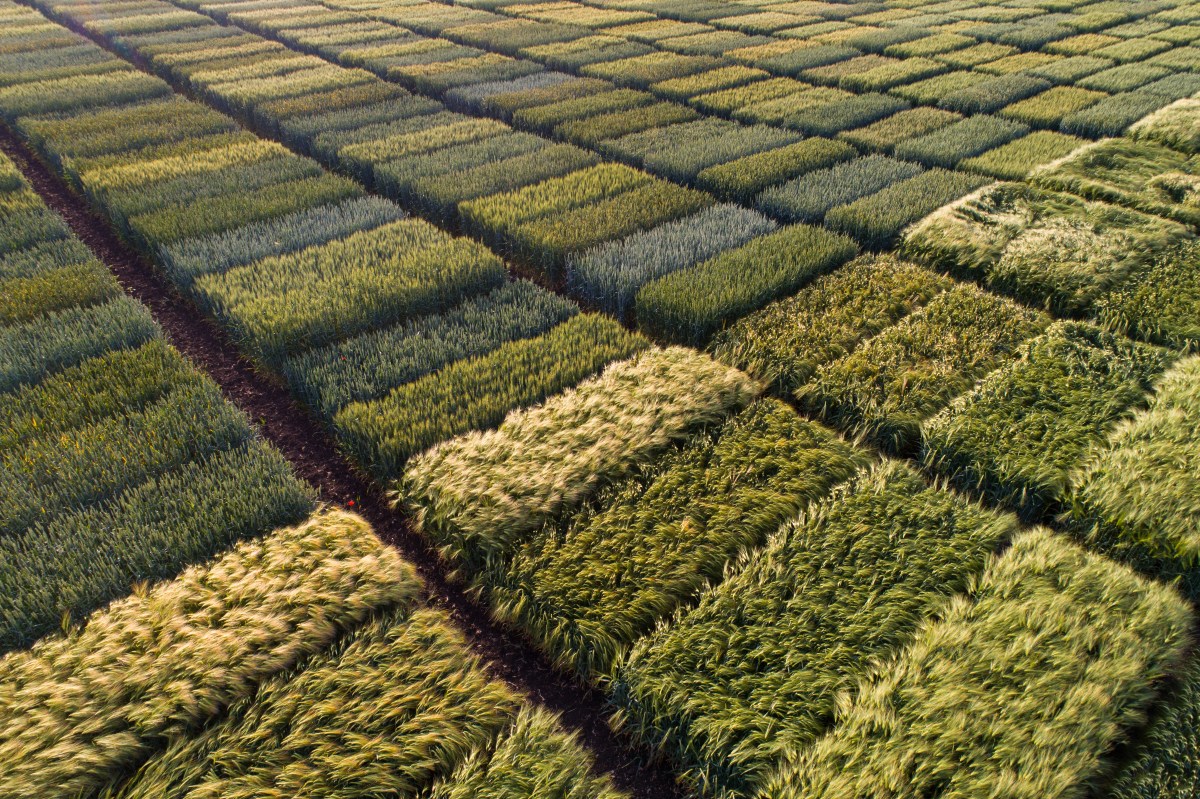
Organic and regenerative agriculture aren’t “alternative” anymore—they’re growing sectors with distinct needs. Yet most wheat breeding is still tailored to high-input systems. It’s time to run trials under organic conditions, invite organic advisors into the selection process, and actively pursue traits that benefit biologically based systems.

Breeding for organic systems isn’t just good for organic farmers. It’s good for all farmers looking to reduce inputs, build resilient cropping systems, and respond to environmental and consumer demands.