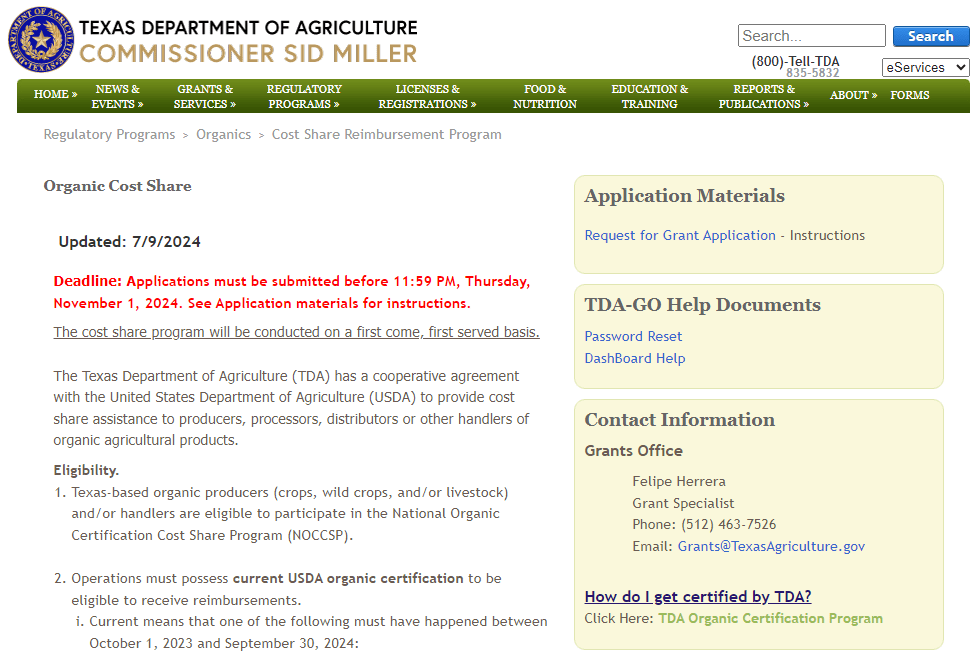
I got an email yesterday afternoon (July 10, 2024) from the Texas Department of Agriculture (TDA) that they had posted the information for the National Organic Cost Share program. You can go to the website here (TDA Cost Share Program) to get all the information you need including the application. This cost share allows you up to $750 towards your organic certification and the application is fairly easy to work through. The deadline is Thursday, November 1, 2024!
Payment Amount
Payments are limited to 75% of an individual producer’s certification costs, up to a maximum of $750 per certificate or category of certification, per year. Eligible operations may receive one reimbursement per year per certificate or certification scope (if one certificate includes multiple scope certifications). Each certificate may be reimbursed separately. Likewise, each category of certification may be reimbursed separately. Example with one certificate Scenario 1 Certificate cost -$1500 x75% = $1125, Cost Share = $750 (maximum) Scenario 2 Certificate cost – $630 x75% = $472.50, Cost Share = $472.50
Farm Service Agency is also taking applications, but I think you might find this a little easier to do.
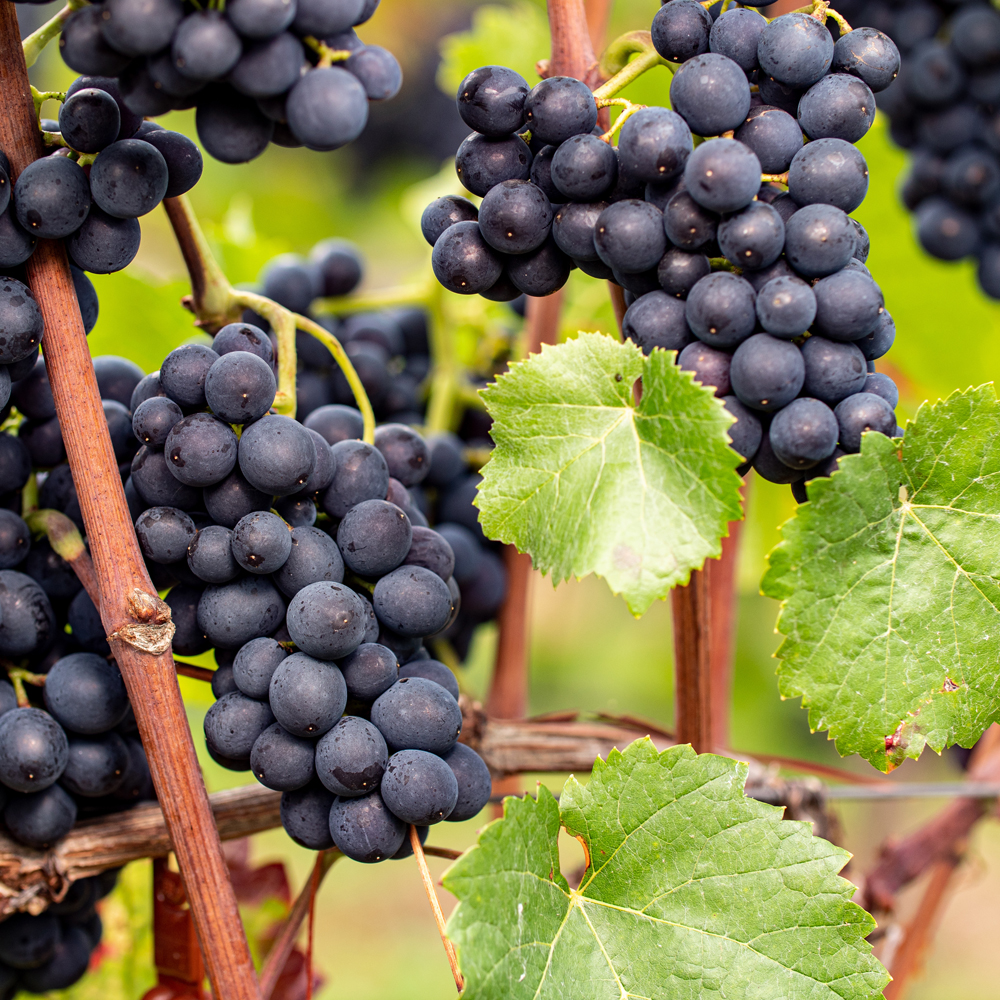
The global wine industry is witnessing a pivotal shift towards organic practices, a trend strongly reflected in the Lone Star State. Although Texas’s organic grape production is currently led by only 3 farmers cultivating over 200 acres, this growing segment is set to change the Texas wine landscape. This rise in organic viticulture, coupled with an increasing consumer interest in organic wines over the last decade, sets the stage for a deeper exploration of innovative solutions like Fungus Resistant Grape (FRG) varieties.
Why Organic? The Texas Perspective
In Texas, where the climate varies from the arid conditions of the High Plains to the humid Gulf Coast, viticulturists face a unique set of challenges. Disease pressure, particularly from fungal pathogens, is a significant concern that can compromise grape quality and yield. Herein lies the importance of FRG varieties, which offer hope for organic viticulture in Texas and similar environments. The adoption of these disease-resistant varieties can not only enhance the sustainability of vineyards but also align with the growing consumer demand for wines produced “environmentally friendly.” There is a tremendous amount of evidence that the organic label has a huge and growing recognition with consumers, and they are buying organic at an ever-increasing rate.
The Organic Wine Boom
Nationally and globally, the last decade has seen a marked increase in interest and sales of organic wines. Consumers are increasingly drawn to organic labels, not just for the perceived health benefits but also for their environmental impact. This shifting preference underscores the need for viticulture practices that prioritize ecological balance and sustainability. In Texas, where the wine industry is as dynamic as it is diverse, the integration of FRG varieties into organic viticulture holds the promise of meeting this demand while addressing the agronomic challenges of organic grape production.
Disease Resistance: A Game-Changer for Organic Viticulture
In past research FRG varieties such as Regent and many others have demonstrated remarkable resilience against fungal diseases that commonly afflict vineyards, reducing the reliance on fungicides and thus supporting organic farming principles (Pedneault and Provost, 2016). The most common Fungus-Resistant Grape (FRG) varieties grown and sold today include:
Regent
Regent: Developed in Germany, Regent is popular in cooler wine regions due to its resistance to both downy and powdery mildew. It produces red wines with deep color and robust flavors.
Marechal Foch: An early-ripening variety known for its resistance to several grape diseases, including downy mildew. It is used to make a range of wines from light reds to rich, full-bodied wines with dark fruit flavors.
Seyval Blanc: This variety is resistant to powdery mildew and is versatile in winemaking, used for producing everything from sparkling wines to well-balanced still whites.
Solaris: Bred in Sweden, Solaris is resistant to most fungal diseases and is suitable for organic viticulture. It produces aromatic white wines with high acidity and tropical fruit flavors.
Marquette: A cold-hardy variety developed by the University of Minnesota, Marquette is resistant to downy and powdery mildew and produces medium-bodied red wines with notes of cherry, blackberry, and spices.
Camminare Noir: developed by the University of California, Davis, as part of their breeding program for disease-resistant grapes, is a hybrid cross between a Vitis vinifera wine grape variety (94%) and American species known for their disease resistance. It is highly resistant to Pierces disease (PD), powdery mildew and downy mildew, making it particularly well-suited for regions where these fungal diseases are significant challenges.
Crimson Cabernet: developed by David and Ann Munson in Missouri, USA, is a hybrid of Norton (Vitis aestivalis, native to North America) and Cabernet Sauvignon. Bred specifically for cold climates, it offers excellent resistance to PD and to fungal diseases, including black rot and mildews. Norton contributes exceptional disease resistance and cold hardiness, while Cabernet Sauvignon imparts high wine quality and a recognizable flavor profile.
Paseante Noir: Produces wines similar to Pinot Noir, offering a light to medium body with delicate fruit flavors and good structure. It is resistant to Pierce’s Disease and moderately resistant to fungal diseases like powdery mildew. This variety is ideal for warmer regions with high PD pressure but performs well in less disease-prone areas too.
Errante Noir: Produces full-bodied red wines reminiscent of Syrah, with rich fruit flavors, good tannin structure, and aging potential. It combines strong resistance to Pierce’s Disease with moderate fungal resistance, making it an excellent option for growers in hot climates with heavy PD pressure.
Ambulo Blanc: White variety that resembles Sauvignon Blanc in its crisp acidity, citrus notes, and fresh aromatics. It offers high resistance to Pierce’s Disease and moderate fungal resistance, making it suitable for humid, warm regions where white grape production is challenging.
Caminante Blanc: Produces wines akin to Chardonnay, with balanced acidity and flavors of apple, pear, and subtle oak when barrel aged. It is highly resistant to Pierce’s Disease and moderately resistant to fungal pathogens, thriving in regions with significant PD pressure while supporting premium white wine production.
Regarding the use of FRG varieties in Texas, these varieties could translate to lower production costs, reduced environmental impact, and the potential for higher yields—key factors in the sustainability equation of organic viticulture. However, Texas’s diverse climate and the presence of various grape diseases make the state a potential area for adopting FRG varieties. The interest in sustainable and organic viticulture in Texas, along with the challenges posed by fungal diseases, suggest that FRG varieties could offer valuable solutions for Texan vineyards looking to reduce chemical inputs and manage disease more effectively.
Taste the Difference: The “Organoleptic” Advantage
Beyond the agronomic benefits, the organoleptic qualities (fancy word for a food or wine that stimulates our sense of taste or smell) of wines produced from FRG varieties offer a great argument for their adoption. Initial tastings and analyses reveal that these wines can compete with, if not exceed, the sensory profiles of wines made from traditional grape varieties (ones demanded now because they are considered superior). The promise of rich, complex flavors, coupled with the environmental benefits of organic viticulture, presents a compelling value proposition to consumers and wine “connoisseurs” alike. FRG varieties can change the industry for the better if allowed to by the very industry keeping them out!
Looking Ahead: Organic Viticulture in Texas
The growth of organic grape production in Texas, though in its early stages, is indicative of a broader trend towards sustainable viticulture practices. As the interest in organic wines continues to surge, the role of FRG varieties in enabling eco-friendly and economically viable grape production becomes increasingly significant. For Texas, a state known for its agricultural innovation and resilience, the adoption of FRG varieties and increase in organic viticulture could mean a significant change for the Texas wine industry—one that is sustainable, flavorful, and aligned with the increasing global shift towards organic production.
The trends surrounding Fungus-Resistant Grape (FRG) varieties reflect an intersection of sustainability, consumer preferences, and technological advancements. These trends are shaping the future of viticulture and winemaking, positioning FRG varieties as a pivotal innovation in the industry. Here are some key trends:
1. Increased Adoption in Organic Viticulture
FRG varieties are gaining traction among organic vineyards due to their inherent resistance to common fungal diseases, which reduces the need for synthetic chemical treatments.
2. Consumer Awareness and Acceptance
There’s a growing awareness among consumers about the environmental and health impacts of pesticide use in agriculture. As a result, wines produced from FRG varieties are increasingly seen as a healthier and more sustainable option. However, consumer acceptance varies, with a large segment of the market very cautious about genetically modified organisms (GMOs). FRG varieties are mostly being developed through traditional breeding methods rather than genetic engineering making them attractive to organic growers and consumers.
3. Technological Advancements in Breeding
Advances in breeding technologies, including genetic mapping and marker-assisted selection (these are approved organic practices), have significantly improved the quality and disease resistance of FRG varieties. These technological advancements enable the development of new varieties that retain the desired sensory qualities of traditional Vitis vinifera grapes while incorporating disease resistance from other grape species.
4. Regulatory and Policy Shifts
Changes in regulations and policies are influencing the adoption of FRG varieties. Some European regions are recognizing the benefits of these grapes in reducing chemical inputs and are adjusting regulations to support their use. Additionally, there’s a push for clearer labeling practices to inform consumers about the sustainable attributes of wines made from FRG varieties, especially organically produced FRG varieties!
5. Economic and Environmental Sustainability
The economic benefits of adopting FRG varieties are becoming more apparent to growers, including reduced costs associated with disease management and potential for higher yields due to decreased disease pressure.
6. Focus on Quality and Sensory Profiles
Initially, concerns existed about the sensory qualities of wines made from FRG varieties. However, ongoing research and development efforts focus on breeding FRG varieties that produce high-quality wines, comparable to those made from traditional grape varieties. This includes optimizing viticultural practices and winemaking techniques to enhance the sensory profiles of FRG wines.
7. Collaborative Research and Development
There’s a trend towards collaborative efforts among research institutions, breeders, and the wine industry to develop and promote FRG varieties. These collaborations aim to pool resources and knowledge to address the challenges of climate change, disease pressure, and sustainability in viticulture.
In summary, the trends for FRG varieties are driven by a confluence of sustainability concerns, technological innovations, and evolving consumer preferences. These trends highlight the growing importance of FRG varieties in the future of sustainable winemaking and organic viticulture.
As we witness the expansion of organic viticulture in Texas, the future of wine production appears promising. With each vineyard turning to Fungus Resistant Grape varieties, we edge closer to a wine industry that is not only kinder to the planet but also offers wines of exceptional quality and taste. The path forward for Texas and the wine world at large is clear: embracing organic practices and the innovative potential of FRG varieties is not just a trend, but the future of sustainable viticulture.
Source: Pedneault, K., & Provost, C. (2016). Fungus Resistant Grape Varieties as a Suitable Alternative for Organic Wine Production: Benefits, Limits, and Challenges. Scientia Horticulturae, 208, 57-77.
Here is an article from Florida by way of resistant grape varieties from UC-Davis. It follows along the lines of my blog here.
This blog is overly long because of the discussion of different biostimulants. Scroll through first and pick out parts you are interested in and to understand the overall theme.
The concept of biostimulants in agriculture has evolved over centuries, with ancient practices hinting at the use of natural substances to enhance plant growth. However, the modern understanding of biostimulants began in the early 20th century. The term “biostimulant” encompasses a diverse array of products, including microbial inoculants (the bacteria and fungi we use for pests or to help plants fight pests), humic and fulvic acids, seaweed extracts, and other naturally derived substances. These materials are known for their ability to enhance plant growth, health, and productivity, often by influencing various physiological processes.
Scientific Recognition
In the mid to late 20th century, as the scientific community began to understand plant physiology better, the interest in biostimulants increased. Studies started to explore the mechanisms by which these natural substances could influence plant growth, nutrient uptake, and stress tolerance. By the late 20th century, the use of biostimulants was increasingly recognized as a component of sustainable agriculture practices, complementing the use of synthetic fertilizers and pesticides.
Regulatory Path for Biostimulants
Early Regulation
Initially, biostimulants fell into a grey area in terms of regulation. They were not strictly categorized as fertilizers or pesticides, which led to a lack of clear regulatory guidelines. This ambiguity sometimes resulted in inconsistencies in quality and efficacy among products in the market.
Current Regulatory Landscape
As the market for biostimulants grew, the need for regulatory frameworks became apparent. In the European Union, for instance, biostimulants are being integrated into the existing fertilizing products regulation (EU) 2019/1009, which sets criteria for their placement in the market and ensures their safety and efficacy. In the United States, the Agricultural Improvement Act of 2018 (Farm Bill) included provisions that recognize the unique nature of plant biostimulants and initiated the process of establishing a formal definition and regulatory pathway.
The Plant Biostimulant Act of 2023 is introduced
This bill excludes plant biostimulants (i.e., a substance, micro-organism, or mixture thereof that supports a plant’s natural processes independently of the biostimulant’s nutrient content) from regulation under the Federal Insecticide, Fungicide, and Rodenticide Act. The bill also requires the Department of Agriculture to study the types of plant biostimulants and practices of plant biostimulant use that best achieve certain results, such as increasing organic matter content. This has been introduced into both the Senate and House and has bipartisan support. Unfortunately, it is on hold because of the Farm Bill discussions and vote.
Research and Development of Biostimulants Worldwide
Overview
Research and development (R&D) in the field of biostimulants is a rapidly evolving area, driven by the growing need for sustainable agricultural practices. Biostimulants are recognized for their potential to enhance plant growth, increase crop yield, and improve plant resilience against stressors such as drought, salinity, and extreme temperatures. The global focus on biostimulant R&D reflects a shift towards eco-friendly and efficient farming techniques.
Key Areas of Research
Mechanism of Action: Understanding how biostimulants work at the molecular and cellular levels is crucial. Research is focused on identifying the active components in biostimulants and how they interact with plant physiology, including nutrient uptake, hormone regulation, and stress response.
New Product Development: Researchers are exploring various natural sources like algae, beneficial microbes, and plant extracts to develop new biostimulant products. There is also an interest in synthesizing novel compounds that mimic the action of natural biostimulants.
Formulation Technology: Developing effective formulations that ensure the stability and bioavailability of biostimulant compounds is a key research area. This includes nano-formulations and encapsulation technologies that enhance the delivery and efficacy of biostimulants.
Synergistic Combinations: Combining biostimulants with other agricultural inputs, such as fertilizers and biopesticides, to achieve synergistic effects is an emerging field. This research aims to maximize crop yield and quality while minimizing environmental impact.
Soil Health and Microbiome Studies: Understanding the interaction between biostimulants and the soil microbiome is vital. Research in this area focuses on how biostimulants can influence soil microbial communities to benefit plant growth and soil health.
Global Research Initiatives
Europe: The European Union has been at the forefront in funding research projects on biostimulants, focusing on sustainability and efficacy. Projects under the Horizon 2020 program, for instance, aim to develop innovative biostimulant products and assess their impact on crop productivity and resilience.
United States: The USDA and various academic institutions are conducting extensive research on biostimulants. The focus is on both developing new biostimulant products and understanding their role in sustainable agriculture systems.
Asia: Countries like China and India are increasingly investing in biostimulant research, with a focus on developing products suited to local crop varieties and farming practices. The research often involves traditional knowledge and natural resources unique to the region.
Challenges in Research and Development
Standardization and Regulation: One of the main challenges is the lack of standardization in terms of what constitutes a biostimulant. This affects the regulation, efficacy testing, and market acceptance of new products.
Scalability and Cost-Effectiveness: Developing biostimulant products that are both effective at a large scale and cost-effective for farmers remains a challenge, especially in developing countries.
Environmental Impact Assessment: Understanding the long-term impacts of biostimulants on soil health and the wider ecosystem is essential but complex, requiring long-term studies.
Future Directions
Precision Agriculture Integration: Integrating biostimulants with precision agriculture technologies to optimize their application and efficacy is a promising future direction.
Tailored Solutions: Developing biostimulants tailored to specific crop needs, environmental conditions, and agricultural practices is likely to be a focus, especially with the advancement in genomics and plant science.
Global Collaboration: Enhanced global collaboration and knowledge sharing among researchers, industry players, and policymakers are crucial for advancing the field of biostimulants.
Different Types of Biostimulants
Humic and Fulvic Acids as Biostimulants in Agriculture
Overview
Humic and fulvic acids are natural organic compounds found in humus, the decomposed matter in soil. They are key components of soil organic matter and play a significant role in soil health and plant growth. As biostimulants, these substances have gained attention for their ability to improve soil properties, enhance nutrient uptake, and stimulate plant growth.
Composition and Origin
Humic Acids: Larger molecules that are soluble in alkaline solutions. They are formed through the microbial decomposition of plant and animal matter and are an integral part of the soil’s organic matter.
Fulvic Acids: Smaller molecules than humic acids and are soluble in water at all pH levels. They are more readily absorbed by plants due to their smaller size.
Key Functions in Agriculture
Soil Structure Improvement: Enhance soil structure, leading to better water retention, aeration, and tilth. This creates a more conducive environment for root growth and microbial activity.
Nutrient Availability: Chelate soil nutrients, making them more available to plants. They can increase the efficiency of nutrient uptake, particularly in the case of micronutrients.
Root Growth and Development: Stimulate root growth and branching, which enhances the plant’s ability to absorb water and nutrients.
Plant Metabolism and Stress Resistance: Influence various aspects of plant metabolism, leading to increased plant vigor and resistance to stress factors like drought, salinity, and extreme temperatures.
Enhancement of Microbial Activity: Promote the growth and activity of beneficial soil microorganisms, which play a crucial role in nutrient cycling and organic matter decomposition.
Application Methods
Soil Application: Incorporated into the soil directly or through irrigation systems.
Foliar Sprays: Applied directly to plant foliage, where they are absorbed through the leaves.
Benefits
Improved Plant Health and Yield: Plants treated with humic and fulvic acids often exhibit improved growth, higher yields, and better quality.
Environmental Sustainability: Contribute to sustainable agricultural practices by enhancing soil health and reducing the need for chemical fertilizers.
Enhanced Nutrient Use Efficiency: Reduce nutrient leaching and increase the effectiveness of fertilizers.
Considerations and Challenges
Source and Quality Variation: The effectiveness of humic and fulvic acids can vary significantly depending on their source and extraction method.
Compatibility with Other Agricultural Inputs: It’s important to consider their compatibility when used in conjunction with other fertilizers and biostimulants.
Research and Standardization: Ongoing research is needed to further understand their mechanisms of action and to standardize products for consistent agricultural use.
Conclusion
Humic and fulvic acids are valuable biostimulants in agriculture, offering a range of benefits for soil health and plant growth. Their natural origin and multifaceted action on plants and soils align well with the goals of sustainable and efficient agricultural practices. By enhancing nutrient availability, stimulating root development, and improving soil structure, these substances hold significant promise for improving agricultural productivity in an environmentally friendly manner.
Seaweed Extracts as Biostimulants in Agriculture
Overview
Seaweed extracts, derived mainly from marine algae, have been used as biostimulants in agriculture for decades. They are rich in a variety of bioactive compounds, including vitamins, minerals, amino acids, and plant hormones. These extracts have gained popularity for their ability to enhance plant growth, improve stress tolerance, and increase crop yields.
Composition
Macro and Micro Nutrients: Seaweed is a natural source of essential nutrients like nitrogen, phosphorus, potassium, calcium, magnesium, sulfur, and trace elements.
Plant Growth Regulators: Contains natural plant hormones such as auxins, cytokinins, and gibberellins, which are crucial for plant growth and development.
Amino Acids and Vitamins: Provide a range of amino acids and vitamins that serve as building blocks and cofactors in various metabolic processes in plants.
Biostimulant Compounds: Include complex polysaccharides such as alginates and carrageenans, which can improve soil structure and water retention.
Benefits in Agriculture
Enhanced Plant Growth and Development: The presence of natural growth hormones and nutrients promotes vigorous plant growth, root development, and higher yields.
Improved Stress Resistance: Enhance plant resilience against environmental stresses such as drought, salinity, and extreme temperatures.
Increased Nutrient Uptake and Efficiency: Improve the uptake and utilization of nutrients from the soil.
Soil Health Improvement: Polysaccharides in seaweed extracts can improve soil texture, aeration, and moisture retention, benefiting the overall soil ecosystem.
Boosting Natural Defense Mechanisms: Some compounds in seaweed extracts can trigger plants’ natural defense systems, increasing their resistance to pests and diseases.
Application Methods
Foliar Application: Spraying onto plant leaves for direct absorption of nutrients and active compounds.
Soil Application: Applied to the soil to benefit root systems and improve soil quality.
Types of Seaweed Used
Ascophyllum nodosum: Commonly used due to its rich composition of bioactive substances. Ascophyllum nodosum is widely used in agriculture as a source of natural fertilizers and biostimulants. It is rich in nutrients such as potassium, nitrogen, and micronutrients, as well as growth-promoting compounds like alginates, mannitol, and phytohormones.
Sargassum, Laminaria, and Fucus: Other types also used for their beneficial properties.
Challenges and Considerations
Quality and Concentration: The effectiveness of seaweed extracts can vary based on their quality, concentration, and the extraction process.
Application Timing and Rate: Determining the optimal application timing and rate is crucial for maximizing benefits.
Research and Standardization: Ongoing research is needed to understand the mechanisms of action fully and to standardize products for consistent results.
Conclusion
Seaweed extracts are a potent and versatile group of biostimulants in agriculture, offering a natural and sustainable way to enhance plant growth, improve crop resilience, and boost soil health. Their multi-faceted benefits, coupled with a growing interest in sustainable agricultural practices, make them an increasingly popular choice among farmers and agronomists. As research continues to advance, the use of seaweed extracts is expected to play a significant role in the future of agricultural biostimulants.
Protein Hydrolysates as Biostimulants in Agriculture
Definition
Protein hydrolysates are complex mixtures of polypeptides, oligopeptides, and amino acids that are derived from the hydrolysis of proteins. Hydrolysis is a chemical process in which a protein molecule is broken down into smaller peptide fragments and amino acids, facilitated by enzymes or acids.
Types of Protein Hydrolysates
Animal-Based: Derived from animal proteins such as casein, collagen, or fish proteins.
Plant-Based: Derived from plant protein sources like soy, wheat, and alfalfa.
Production Process
The production of protein hydrolysates involves breaking down proteins using either:
Enzymatic Hydrolysis: Using specific enzymes to cleave protein chains. This method is preferred as it allows for more control over the size and composition of the resulting peptides and is generally considered more environmentally friendly.
Acid or Alkaline Hydrolysis: Using acid or alkaline solutions to break down proteins. This method is less specific and can lead to the destruction of some amino acids.
Characteristics
Solubility: Highly soluble in water, making them suitable for various applications.
Nutritional Value: Rich in amino acids, which are the building blocks of proteins, essential for plant growth.
Functionality: The smaller peptides and amino acids can be readily absorbed and utilized by plants.
Applications in Agriculture as Biostimulants
Enhancing Plant Growth: Provide readily available amino acids and peptides for plant uptake, promoting growth.
Stress Tolerance: Help plants to mitigate stress from environmental factors like drought, salinity, and extreme temperatures.
Nutrient Uptake: Facilitate the uptake of nutrients from the soil, improving overall plant nutrition.
Soil Health: Contribute to soil fertility by providing organic nitrogen and stimulating beneficial microbial activity.
Benefits
Sustainable Alternative: Offer a more environmentally friendly alternative to traditional chemical fertilizers.
Efficiency: Improve the efficiency of nutrient use by plants.
Versatility: Suitable for a wide range of crops and agricultural systems.
Considerations
Quality and Composition: The effectiveness of protein hydrolysates can vary depending on their amino acid composition and the method of hydrolysis.
Regulatory Aspects: Subject to agricultural and food safety regulations, which can vary by region.
Conclusion
Protein hydrolysates, as biostimulants, represent an innovative approach in sustainable agriculture, contributing to enhanced plant growth and resilience. Their role in improving nutrient uptake and soil health, coupled with their environmental benefits, underscores their growing importance in modern agricultural practices.
Chitosan as Biostimulants in Agriculture
Overview
Chitosan, a natural biopolymer derived mainly from the exoskeletons of crustaceans such as crabs, shrimp, and lobsters, is gaining recognition as an effective biostimulant in agriculture. It is produced by deacetylating chitin, a major component of crustacean shells. As an agricultural biostimulant, chitosan offers various benefits for plant growth, yield enhancement, and disease resistance.
Properties and Mechanism of Action
Elicitor of Plant Defense Responses: Chitosan is known for its ability to elicit natural defense mechanisms in plants, making them more resistant to fungal pathogens and pests.
Enhancement of Plant Growth: It can stimulate seed germination, root development, and overall plant growth.
Improvement in Stress Tolerance: Chitosan helps plants withstand abiotic stresses such as drought, salinity, and heavy metal toxicity.
Promotion of Nutrient Uptake: It can enhance the efficiency of nutrient uptake from the soil, particularly micronutrients.
Applications in Agriculture
Seed Treatment: Coating seeds with chitosan can improve germination rates and seedling vigor.
Soil Amendment: Application to soil enhances soil health and stimulates beneficial microbial activity.
Foliar Spray: Spraying chitosan solutions on plant leaves can boost plant immunity and overall health.
Benefits
Disease and Pest Resistance: By inducing systemic resistance, chitosan reduces the need for chemical fungicides and pesticides.
Improved Crop Yield and Quality: Enhanced nutrient uptake and stress tolerance lead to better crop yield and quality.
Biodegradability and Environmental Safety: As a natural, biodegradable compound, chitosan is environmentally friendly and safe for use in organic farming.
Challenges and Considerations
Source and Purity: The effectiveness of chitosan as a biostimulant can vary depending on its source and degree of purification.
Regulatory Aspects: The use of chitosan in agriculture is subject to regulatory approvals, which can vary by region.
Application Strategies: Determining the optimal concentration, timing, and method of application is crucial for maximizing its effectiveness.
Research and Development
Ongoing research is focused on optimizing the use of chitosan as a biostimulant, including the development of chitosan-based nanoparticles for targeted delivery and enhanced efficacy.
Conclusion
Chitosan represents a promising, sustainable approach in agricultural biostimulants. Its multifaceted benefits, including enhanced plant growth, improved stress tolerance, and reduced reliance on chemical pesticides, align with the goals of sustainable and eco-friendly farming practices. As research continues to unfold its potential, chitosan is poised to play a significant role in the future of agriculture, particularly in the context of integrated pest management and organic farming.
Beneficial Microbial Inoculants (Mycorrhizae and Bacteria) as Biostimulants in Agriculture
Overview
Beneficial microbial inoculants, including mycorrhizal fungi and specific beneficial bacteria, are increasingly recognized as vital biostimulants in sustainable agriculture. These microorganisms form symbiotic relationships with plants, enhancing nutrient uptake, improving soil structure, and increasing plant resilience to stressors.
Mycorrhizae
Types: The two primary types are Arbuscular Mycorrhizal Fungi (AMF), which associate with the roots of most crop plants, and Ectomycorrhizal Fungi, which associate mainly with trees.
Function: Mycorrhizae extend the root system via their hyphal networks, significantly enhancing the plant’s ability to absorb water and nutrients, especially phosphorus and micronutrients.
Benefits: Increase nutrient and water uptake, improve soil structure, enhance resistance to pathogens and stressors like drought, and reduce the need for chemical fertilizers.
Beneficial Bacteria
Types: Includes rhizobia, which form nodules on legume roots and fix atmospheric nitrogen, and other genera like Azospirillum, Bacillus, and Pseudomonas, which promote plant growth through various mechanisms.
Function: These bacteria can fix nitrogen, solubilize phosphorus, produce plant growth-promoting hormones (like auxins and gibberellins), and induce systemic resistance against a range of plant pathogens.
Benefits: Enhance nutrient availability and uptake, promote growth, improve plant health and yield, and increase resilience to environmental stressors.
Application Methods
Seed Treatment: Coating seeds with microbial inoculants to ensure early colonization and benefit during critical growth stages.
Soil Application: Applied directly to the soil or through irrigation systems to colonize the root zone.
Foliar Sprays: Some microbial formulations can be applied as foliar sprays to enhance plant growth and induce systemic resistance.
Benefits in Agriculture
Enhanced Nutrient Uptake: Especially important for nutrients like nitrogen and phosphorus, leading to reduced fertilizer dependency.
Improved Soil Health: Microbial activity can improve soil structure, organic matter content, and overall soil fertility.
Increased Plant Resilience: Enhanced resistance to biotic and abiotic stressors, including pests, diseases, drought, and saline conditions.
Sustainable Farming Practices: Contribute to the sustainability of agricultural systems by reducing the need for chemical inputs and enhancing soil biodiversity.
Challenges and Considerations
Species-Specific Interactions: The effectiveness of microbial inoculants can be highly specific to the plant species and environmental conditions.
Quality and Viability: Ensuring the viability and effectiveness of microbial inoculants during storage and application.
Integration with Agricultural Practices: Effectiveness can be influenced by farming practices, soil type, and environmental conditions.
Future Perspectives
Advanced Formulations: Development of more robust, effective formulations and delivery systems.
Genetic and Metabolic Research: Understanding the genetic and metabolic pathways involved in microbe-plant interactions for more targeted applications.
Integration with Other Biostimulants: Synergistic use with other biostimulants and biofertilizers for holistic plant and soil health management.
Conclusion
Beneficial microbial inoculants, including mycorrhizae and bacteria, are crucial components of modern sustainable agriculture. They offer a natural, effective way to enhance plant growth, improve soil health, and reduce the environmental impact of farming practices. As the understanding of these microbial interactions advances, their role in agriculture is expected to expand, offering significant potential for improving crop productivity and sustainability.
Amino Acids and Peptides as Biostimulants in Agriculture
Overview
Amino acids and peptides, the building blocks of proteins, are emerging as significant biostimulants in agriculture. They are involved in various physiological and metabolic processes in plants and can be derived from plant or animal protein hydrolysis. Their use in agriculture promotes plant growth, enhances nutrient uptake, and improves stress tolerance.
Key Characteristics
Amino Acids: Organic compounds that form proteins. Essential amino acids, which plants cannot synthesize, are particularly important as biostimulants.
Peptides: Short chains of amino acids that can act as signaling molecules, influencing various plant growth processes.
Mechanism of Action
Growth Promotion: Some amino acids function as precursors to plant hormones, promoting growth and development.
Stress Response: Certain amino acids help plants cope with abiotic stress like drought, salinity, and extreme temperatures by acting as osmoprotectants or antioxidants.
Nutrient Uptake and Assimilation: Facilitate the uptake of nutrients, particularly nitrogen, and their assimilation into essential plant compounds.
Enhancing Photosynthesis: Some amino acids can influence chlorophyll concentration and photosynthetic activity.
Sources and Production
Hydrolyzed Protein: Produced by hydrolyzing plant or animal proteins. The method of hydrolysis (enzymatic, acid, or alkaline) can affect the composition and efficacy of the final product.
Biotechnological Production: Genetically modified microorganisms can be used to produce specific amino acids in large quantities. This is not approved for organic use and probably never will be. This can cause issues since a company may have both a conventional and organic product with similar names!
Applications in Agriculture
Foliar Application: Spraying amino acid or peptide solutions directly on plant leaves for quick absorption.
Soil Application: Applying to the soil to improve nutrient availability and root absorption.
Seed Treatment: Enhancing seed germination and early seedling growth.
Benefits
Enhanced Growth and Yield: Contribute to increased biomass, fruit set, and overall crop yield.
Improved Stress Tolerance: Equip plants to better withstand environmental and physiological stressors.
Nutrient Use Efficiency: Increase the efficiency of nutrient use, reducing the need for conventional fertilizers.
Soil Health: Beneficial for soil microbial activity and overall soil health.
Challenges and Considerations
Concentration and Formulation: Determining optimal concentrations and formulations for different crops and conditions.
Cost-Effectiveness: Balancing the cost of production and application with the benefits gained.
Environmental Impact: Assessing the long-term impact on soil and plant health.
Future Perspectives
Tailored Solutions: Developing specific amino acid and peptide formulations tailored to specific crop needs and environmental conditions.
Integrated Nutrient Management: Combining with other biostimulants and biofertilizers for a more holistic approach to plant nutrition.
Advanced Research: Further research into the specific roles of different amino acids and peptides in plant physiology and stress response.
Conclusion
Amino acids and peptides hold great promise as biostimulants in agriculture, offering a sustainable and effective means to enhance plant growth, improve crop yields, and increase stress resilience. Their integration into modern agricultural practices aligns well with the increasing focus on sustainability and efficiency in crop production.
Plant Extract-Based Biostimulants in Agriculture
Overview
Plant extract-based biostimulants are natural formulations derived from various plant tissues (leaves, roots, seeds, etc.) and are increasingly used in agriculture to enhance plant growth, yield, and resilience to stress. These biostimulants contain a complex mixture of bioactive compounds like phytohormones, vitamins, enzymes, flavonoids, and other secondary metabolites that positively influence plant physiological processes.
Composition and Active Compounds
Phytohormones: Natural plant hormones such as auxins, gibberellins, and cytokinins, which regulate plant growth and development.
Secondary Metabolites: Compounds like flavonoids, alkaloids, and terpenoids, which play roles in plant defense and stress tolerance.
Vitamins and Enzymes: Essential for various metabolic activities within plants.
Antioxidants: Protect plants from oxidative stress caused by environmental factors.
Mechanism of Action
Growth Stimulation: Phytohormones in plant extracts can promote cell division, elongation, and differentiation, enhancing overall plant growth.
Enhanced Nutrient Uptake: Improve the efficiency of nutrient absorption and utilization.
Stress Mitigation: Help plants to better withstand abiotic stresses like drought, salinity, and extreme temperatures.
Improved Crop Quality and Yield: Positively impact flowering, fruit set, and seed production, leading to higher yields and better quality produce.
Sources of Plant Extracts
Herbal Extracts: Extracts from plants like nettle, comfrey, and horsetail are popular due to their rich composition of growth-promoting substances.
Seaweed Extracts: Already established in agriculture for their biostimulant properties.
Other Plant Sources: Various other plants, each with unique compounds beneficial to plant growth and health.
Application Methods
Foliar Sprays: Direct application to the plant foliage for quick absorption.
Soil Application: Enhancing soil quality and root system development.
Seed Treatment: Boosting seed germination and early seedling vigor.
Benefits
Sustainable Agriculture: Offer a more natural and environmentally friendly approach to enhancing crop performance.
Reduced Chemical Use: Can reduce reliance on synthetic fertilizers and pesticides.
Broad-Spectrum Efficacy: Effective on a wide range of crops due to their complex and varied composition.
Challenges and Considerations
Consistency and Standardization: Ensuring consistency in the concentration and composition of active ingredients.
Research and Validation: Need for more scientific research to fully understand their mechanisms of action and to optimize their use.
Regulatory Aspects: Subject to agricultural regulations, which can vary by region.
Future Perspectives
Tailored Formulations: Developing customized extracts based on specific crop needs and environmental conditions.
Synergistic Combinations: Combining plant extracts with other biostimulants or biofertilizers for enhanced effects.
Advanced Extraction Techniques: Employing novel extraction methods to maximize the efficacy and purity of the biostimulants.
Conclusion
Plant extract-based biostimulants represent a growing segment in the field of sustainable agriculture, offering an eco-friendly alternative to enhance plant growth and resilience. Their diverse range of bioactive compounds makes them adaptable to various agricultural needs, paving the way for their increased use in enhancing crop productivity and sustainability.
It doesn’t take you long to figure out the hemp sesbania (Sesbania exaltata) is one of the toughest weed problems we have in organic rice. It is an annual plant, but it acts like a tree as you can see in the picture. It has a few other names, but the most common other name I have ever heard is “coffee weed.”
In a recent meeting with organic rice producers this particular weed became a huge topic of discussion (mostly cussing). This conversation got me to thinking about the possibility of some “bioherbicide” or even some beneficial insect or nematode that might be able to control this noxious weed.
The authors are at the USDA Stoneville, MS research station and do crops research but some of that research is on biological control of pests in crops. In this research they were looking at applying different rates of the fungus and at different weed plant heights. They looked at 3 concentrations of the fungus sprayed on weed plant heights of 4-8 inches, 8-16 inches, and 16-24 inches.
They did find that the best results were achieved when they used Silwet L-77, an OMRI approved surfactant, with the fungus mix. Overall, the fungus did best at the higher rate and on the youngest plants and control at that timing was 100%! That is phenomenal, but even the bigger plants had control levels around 90%.
Why don’t we have this fungus available to use? That is an excellent question and one I hope to find out soon. I am sure this research was put on the shelf because of changing rice herbicide strategies like Clearfield and the relatively small organic rice industry without much voice. But I think there is a growing interest in organic rice and as a result a growing interest in organic weed control in rice. More details are to follow!
Okay, maybe this picture is not exactly a beginner organic class but by the next newsletter it could be you in the picture. I just love the one young boy off to the left, he is the future organic farmer!!
Mark it on your calendar, the first “Beginner Organic Training” program will be held on Tuesday, October 18 starting a 1pm and going through 5 pm, Wednesday, October 19 in Georgetown, Texas. This “beginner” training program is really for anyone who has an interest in learning more about organic production, but it is certainly important and informational for those considering “the plunge” into certified organics.
Topics are being planned but include an overview of the Texas organic program, tour of a local organic nursery, soils and soil microbiome, cover crops for Texas, organic products & pest control, organic fertilizers, biostimulants and a compost tour, what’s involved in organic certification, beneficial insects in organic production and panel discussions. Speakers include Extension Specialists, Texas Dept. of Ag. Organic Program, Extension Agents, Organic Producers, and more.
We are working out the details for cost and a final agenda, but plans are to make it affordable, easy to participate, and fun to attend. Put it on your calendar with more to come! If you are interested don’t hesitate to contact Kate Whitney, Williamson County Extension Horticulturist at (512) 943-3300.
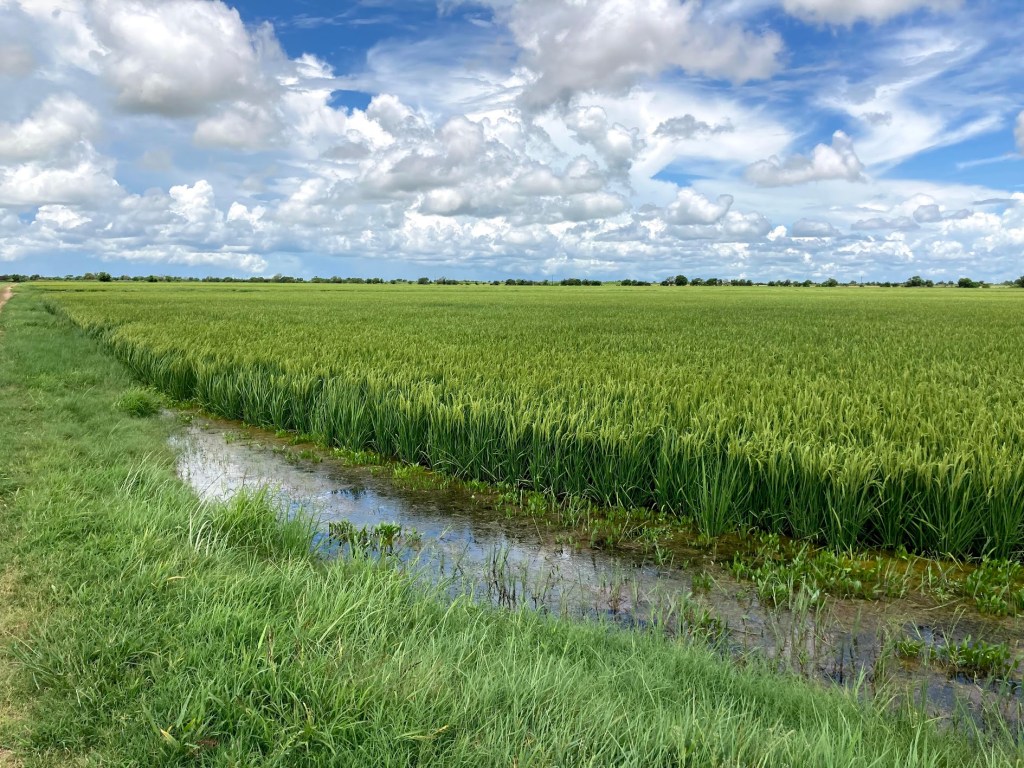
Texas organic rice acreage has steadily increased over the past decade, driven by increased market demand. Since 1995, organic rice acreage has increased in the U.S. by almost six-fold, with a majority of acreage being grown in the Southern U.S. The acreage in Texas alone reached more than 19,000 in 2022.
Texas has over 70 certified organic rice producers scattered from Beaumont to Victoria all along the Texas coast with a few just south of Houston – still! These producers sell to nearly a dozen different organic rice buyers and this rice makes its way into several Texas grocery chains.
What are the major issues facing organic rice producers? Fertility is a concern with almost every crop and rice is no exception. Using organic cover crops though can be a real benefit to rice producers supplying 60 to as much as 108 lbs of N to the subsequent rice crop. In rice these cover crops have to be incorporated early, as much as 4 weeks early, to prevent a strange condition known as straighthead. This extra time allows the cover crop to break down with little to no effect on the crop.
Another major issue is having good organic rice varieties. Fortunately we not only have great Texas A&M AgriLife rice breeders we also have an outstanding Rice Foundation Seed Program begun way back in the spring of 1941. As researchers develop new varieties, Foundation Seed makes those varieties available to rice farmers including organic rice farmers.
If you want to learn more about rice and the rice programs of Texas A&M Agrilife go to https://beaumont.tamu.edu. If you want to read the Texas Organic Rice Production Guidelines publication go to https://tinyurl.com/cdbz3fjd. And remember to eat Texas organic rice every chance you get!






 Texas A&M AgriLife Organic