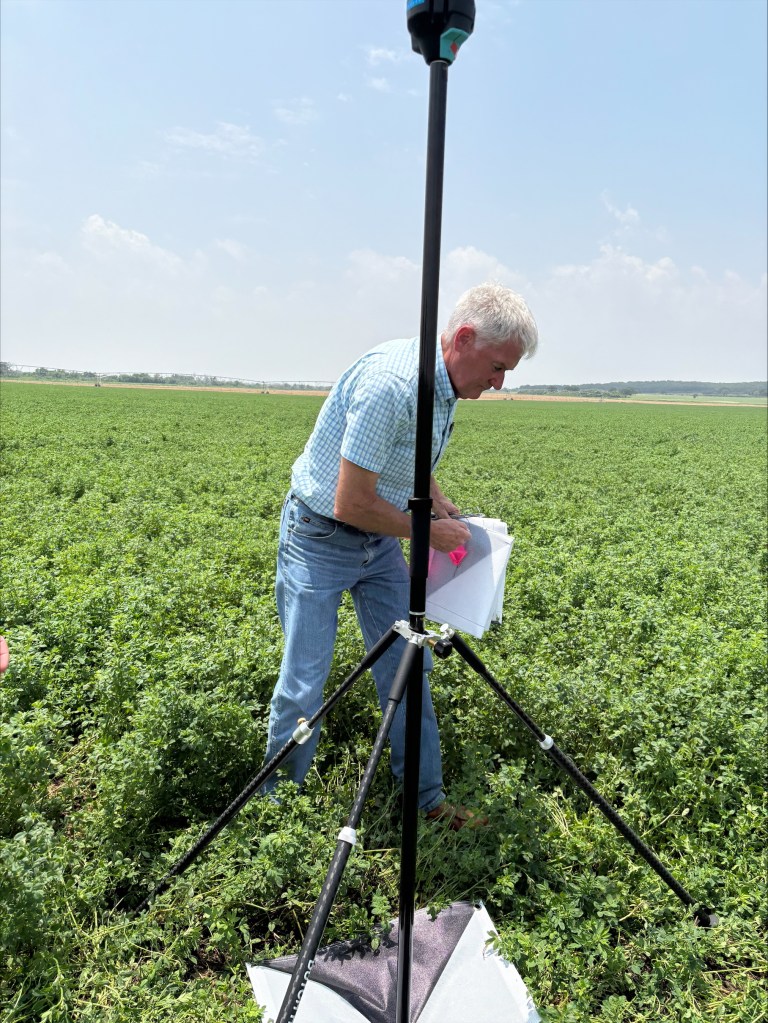
Irrigation study in a West Central Texas alfalfa field. Satellite and drone data combined with soil water sensors are being used to evaluate alfalfa water use. Photo Credit – Bob Whitney
Technical content last updated: October 27, 2026
This page is periodically updated as new Texas research, alfalfa varieties, organic production information, markets, and seed sources become available.
Table of Contents
Introduction
Alfalfa is one of the most productive and nutritionally valuable forage crops grown in Texas, but it is also one of the most management-intensive. As a deep-rooted perennial legume, alfalfa can produce high-quality forage through multiple harvests each year, fix atmospheric nitrogen through its association with nitrogen-fixing rhizobia, and remain productive for several years when properly established and managed. For organic producers, those advantages are especially important because alfalfa can provide both a high-value forage and a major source of biologically fixed nitrogen. At the same time, success depends on getting several things right from the beginning—site selection, variety choice, stand establishment, soil fertility, irrigation, harvest timing, and pest management.
Texas presents a wide range of environments for alfalfa production, from the irrigated High Plains and West Texas to Central Texas dairy regions and mixed forage systems farther east. Variety adaptation, fall dormancy, soil type, salinity, irrigation water, disease pressure, and intended use can differ substantially across these regions. For that reason, there is no single alfalfa variety or management program that fits every Texas farm.
Alfalfa also has a long history in Texas agriculture. USDA records show that Texas farmers were harvesting tens of thousands of acres of alfalfa by the early twentieth century, with acreage expanding substantially through the 1940s and 1950s. Texas harvested about 58,000 acres of alfalfa hay in 1919, more than 200,000 acres by 1950, and the 1954 Census of Agriculture reported more than 325,000 acres of alfalfa and alfalfa mixtures.1 2 Although Texas alfalfa acreage has declined substantially from those mid-century levels, the crop remains important where high-quality forage, irrigation, dairy production, and livestock feeding create a good fit.
That long history also shows that alfalfa has succeeded in Texas when variety adaptation, site selection, and management have matched the environment.
Is Alfalfa Right for This Field?
Before planting alfalfa, producers can learn a great deal about a field by combining aerial imagery with USDA soil information. Google Earth and Web Soil Survey tools can help identify soil types, estimated soil depth, pH, water-holding capacity, drainage characteristics, and other field differences that may influence alfalfa establishment and long-term productivity.3
These tools do not replace field observation or soil testing, but they provide an excellent starting point for identifying areas that may require closer investigation before planting.4
Soil depth and drainage
Alfalfa performs best on deep, well-drained soils because its taproot can explore several feet of soil when conditions allow. Shallow soils, hardpans, compacted layers, or prolonged saturation can restrict rooting and shorten stand life. Deep rooting is one of the characteristics that gives alfalfa much of its drought tolerance and water-use flexibility. Poor drainage also reduces root oxygen and favors root diseases, making waterlogged fields poor candidates for long-term alfalfa production.

Emily Green is demonstrating a 4-foot soil probe. This is a fiberglass rod and handle with a solid metal tip to measure depth to hardpans, dry soil, restrictive root layer, etc. Cost is about $60.
Soil pH
Alfalfa performs best near neutral pH to about 8.0 and is much less tolerant of strongly acid soils than many forage grasses. Lime, if needed, should be applied before planting because correcting soil acidity after establishment is difficult and surface applications move slowly into the root zone. At higher pH levels, salinity, sodicity, and micronutrient availability may become more important limitations than pH itself.
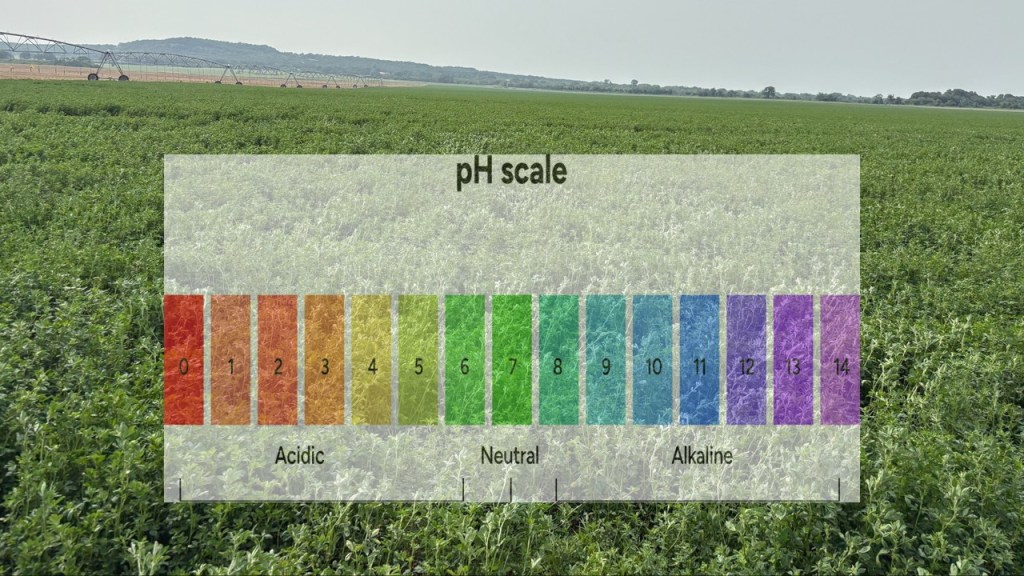
Soil pH is an often-overlooked issue but one that can have significant impact on alfalfa stands. Photo credit: Bob Whitney
Salinity
Salinity can reduce establishment and yield, especially in irrigated areas. Seedlings are generally more sensitive to salinity than established plants, making irrigation water quality and soil salt levels particularly important during establishment.
Cotton root rot history
Cotton root rot infected alfalfa field. Photo courtesy of Dr. David Drake, Extension IPM Specialist.
Cotton root rot is one of the most important site-selection concerns for alfalfa in Texas. Fields with a known history of cotton root rot/Texas root rot are poor candidates because the pathogen can kill plants rapidly and persist in soil for many years. The disease is especially associated with alkaline, calcareous soils and is generally absent from acidic soils, making it a particular concern in many Central and West Texas production areas.5
A field with shallow soil, poor drainage, severe compaction, unsuitable pH, excessive salinity, or a known history of Texas root rot may never become a productive long-term alfalfa field, regardless of variety or fertility program.
How Will the Alfalfa Be Used?
Before selecting a variety, seeding rate, or harvest schedule, the producer should first decide how the alfalfa will be used. Alfalfa grown for dairy-quality hay may be managed very differently from alfalfa intended for grazing, baleage, or a mixture with bermudagrass. Intended use affects variety selection, cutting interval, stand persistence, forage quality goals, and even how aggressively the crop can be harvested.
Hay production
Alfalfa is widely valued for hay because of its high protein concentration, digestibility, and ability to produce several cuttings in a growing season. The management challenge is balancing forage quality, yield, and stand persistence. Earlier harvest generally favors quality, while allowing more regrowth time usually increases yield and gives the plant more opportunity to rebuild root and crown reserves.
For organic producers, producing a dense, competitive stand is especially valuable because the crop itself becomes an important part of weed management. Harvest timing can also help suppress weeds before they produce seed.
Dairy forage
Alfalfa has particular value in dairy systems because it provides high-quality forage with substantial protein and digestible fiber. Organic dairies may have an additional incentive to produce alfalfa because purchased organic forage can carry substantial premiums and may not always be locally available.
Dairy production also places greater emphasis on forage quality than many other uses. Leaf retention, harvest maturity, fiber concentration, digestibility, ash contamination, and proper storage all influence the feeding value of the harvested crop. These topics will be discussed in greater detail later in this publication.
Grazing
Alfalfa can also be grazed, either as a pure stand or in mixtures with grasses. Grazing changes the management objective because persistence becomes particularly important. Varieties intended for grazing should tolerate repeated defoliation and traffic, while grazing management must provide enough recovery time for the plants to maintain crown and root reserves.
Bloat is also an important consideration when livestock graze alfalfa, especially when animals are introduced to lush, highly digestible stands.
Haylage and baleage
Alfalfa may be harvested as chopped silage or baleage when weather conditions make dry-hay production difficult or when producers want to reduce leaf loss during harvest. These systems allow forage to be harvested at higher moisture contents, but successful preservation depends on rapid exclusion of oxygen and good fermentation.
Alfalfa can be more difficult to ensile than many grasses because its relatively high buffering capacity resists the rapid decline in pH needed for stable fermentation. Proper moisture, packing or bale density, wrapping, and fermentation management therefore become especially important.
Alfalfa–grass mixtures
Alfalfa can also be grown with perennial grasses to combine the forage quality and nitrogen-fixing ability of a legume with the persistence and seasonal productivity of a grass. Grass–legume mixtures can reduce dependence on purchased nitrogen fertilizer and improve forage nutritive value compared with grass alone.
For organic systems, that combination may be particularly attractive because nitrogen fixed by alfalfa can enter the overall forage nutrient cycle through plant residues, root turnover, and, in grazed systems, manure and urine recycling, reducing dependence on imported nitrogen sources.
Alfalfa–bermudagrass systems
Alfalfa interseeded into bermudagrass deserves special attention in Texas. Bermudagrass is a productive and persistent warm-season forage, but it normally requires substantial nitrogen inputs for high production and forage quality. Interseeding alfalfa offers a way to introduce a high-quality legume without completely replacing the existing grass stand.
Research and Extension work from the southeastern United States helps explain why alfalfa can complement warm-season grass systems. Bermudagrass and other warm-season grasses produce abundant forage from late spring through summer but are much less productive during fall and winter. Alfalfa can help fill part of that seasonal forage gap while also increasing forage quality and contributing biologically fixed nitrogen.6
The management objective is not to eliminate bermudagrass or create a nearly pure alfalfa stand, but to maintain enough alfalfa in the mixture to improve forage quality and contribute biologically fixed nitrogen while retaining the productivity and persistence of the grass.
Harvest management is especially important. In a two-year study of Bulldog 805 and UF 2015-AP interseeded into Tifton 85 bermudagrass, 4- to 6-week cutting intervals generally favored alfalfa persistence and forage accumulation compared with a 2-week interval.7 This reinforces an important principle: successful alfalfa–bermudagrass production depends not only on choosing an adapted alfalfa variety but also on managing the mixture in a way that allows the alfalfa to recover between defoliations.
Rotation and soil-building value
Alfalfa also has value beyond the forage harvested from the field. Its perennial root system protects the soil, contributes organic residues belowground, and can improve soil structure. Because alfalfa fixes atmospheric nitrogen, it can also provide a nitrogen benefit to crops that follow it in rotation.8
For an organic farm, those rotational benefits can be substantial. However, a high-yielding alfalfa field also removes large quantities of nutrients in harvested forage, particularly potassium and phosphorus.9 Alfalfa should therefore be viewed as both a soil-building crop and a nutrient-exporting crop, depending on which part of the nutrient cycle is being considered.
Understanding and Choosing Alfalfa Varieties
Variety selection is one of the most important long-term decisions in alfalfa production because the choice affects yield potential, winter survival, stand persistence, disease and insect resistance, grazing tolerance, and forage quality. Unlike an annual crop, a poor variety choice may affect the field for several years.
For Texas producers, variety selection should begin with fall dormancy, then move to winter survival, pest resistance, intended use, and persistence.
Fall Dormancy
Fall dormancy describes how strongly an alfalfa variety responds to shorter days and cooler temperatures in the fall. It is rated from 1 to 11, with 1 being very dormant and 11 being very non-dormant. Lower-numbered varieties slow growth earlier in the fall and generally resume growth later in the spring. Higher-numbered varieties remain active later into fall, begin growth earlier in spring, and often regrow more rapidly following harvest.10
A useful way to think about the scale is:
| Fall dormancy rating | General classification |
|---|---|
| 1–2 | Very dormant |
| 3–4 | Dormant |
| 5 | Moderately dormant |
| 6–7 | Semi-dormant |
| 8–9 | Non-dormant |
| 10–11 | Very non-dormant |
The important point is that a higher fall dormancy number does not simply mean a “better” or higher-yielding alfalfa. Less-dormant varieties often have more opportunity for fall and spring growth and may support more harvests, but greater seasonal growth can sometimes come at the expense of winter survival or stand longevity. More dormant varieties may sacrifice some early or late-season growth but can persist longer where winter injury is a concern.11
Fall dormancy varies across Texas
Texas is too large for one fall dormancy recommendation. Texas A&M guidance illustrates the regional differences well. In the northern Panhandle and toward Clovis, FD 4–5 varieties have traditionally been recommended. Around Lubbock and the southeastern Panhandle, varieties around FD 6 or lower have been considered appropriate. Around Midland, FD 7 becomes reasonable, while FD 8 may fit parts of the Trans-Pecos.12
That pattern reflects a simple principle:
Moving north generally favors greater dormancy; moving south and west into warmer environments allows less-dormant varieties.
The same tradeoff applies farther east in Texas, although local winter temperatures, intended use, irrigation, disease pressure, and stand-life expectations all need to be considered.
Fall dormancy is not the same as winter survival
This distinction is important.
Historically, fall dormancy was often used as a rough indicator of winter hardiness because more dormant varieties tended to survive colder environments better. Modern breeding has weakened that relationship. A variety can have relatively active fall growth while still possessing good winter survival.
For that reason, producers should look at both the fall dormancy rating and the winter survival rating, rather than assuming one predicts the other. The National Alfalfa & Forage Alliance publishes both ratings, along with pest resistance, grazing tolerance, and other variety characteristics.13
What does this mean for an organic producer?
For organic production, fall dormancy influences more than yield. A variety that begins growth quickly and maintains a dense canopy may improve competition with weeds, while a slightly more dormant variety may provide greater stand persistence and reduce the frequency and cost of reestablishment.
The best choice therefore depends on the production goal:
maximum seasonal production, stand longevity, grazing tolerance, dairy-quality hay, or integration with a perennial grass.
For that reason, alfalfa varieties should not be selected solely by name. A better approach is to first define the fall dormancy range and trait package appropriate for the farm, then compare varieties within that group.
A Texas example
The distinction becomes clear when comparing two types we have already discussed.
A variety such as AFX 779, with a fall dormancy rating of 7, fits a relatively long growing season and intensive irrigated production system.14 By comparison, a more dormant FD 4–5 variety would generally sacrifice some seasonal growth but may offer greater persistence in colder parts of the Texas Panhandle.
Neither is inherently superior. They are designed for different environments and management objectives.
Winter Survival
Winter survival ratings are generally used to compare a variety’s ability to withstand freezing temperatures, crown injury, and other winter stresses. Lower winter-survival numbers indicate greater winter hardiness.15 Producers should therefore evaluate both fall dormancy and winter survival rather than assuming that a more dormant variety will always have better winter survival.
Fall dormancy describes how a variety responds to shortening days and cooler fall temperatures; winter survival describes how well the plant survives winter injury.
Modern breeding has weakened the historical relationship between these traits. Some varieties can maintain relatively active fall growth while still having good winter survival. That makes the winter-survival rating particularly useful when comparing varieties within the same fall-dormancy class.
For Texas, winter survival becomes increasingly important as production moves north. In the Panhandle and other colder production areas, inadequate winter survival can shorten stand life and reduce persistence. Farther south, winter injury is generally less limiting, while disease resistance, adaptation to local growing conditions, and stand persistence become increasingly important.
The Alfalfa Management Guide makes this regional distinction clearly: persistence in northern environments depends heavily on winterhardiness, while farther south persistence becomes increasingly dependent on disease resistance.16
For organic producers, winter survival matters because stand loss has consequences beyond lost yield. Reestablishment means another establishment period when weeds are more competitive, additional seed and field preparation costs, and possible complications from alfalfa autotoxicity. A variety that maintains a productive stand through winter stress may therefore have greater long-term value than one selected only for short-term yield potential.
Disease Resistance
Disease resistance should be a major part of alfalfa variety selection, particularly in organic production where preventive management is generally more valuable than trying to control a disease after it becomes established.
Texas A&M AgriLife plant pathologist Thomas Isakeit notes that the use of resistant varieties is the most commonly used strategy for controlling alfalfa diseases. He also emphasizes the value of choosing varieties adapted to the local climate, because reducing environmental stress can make plants less susceptible to infectious disease.17
That point is especially important in Texas because disease pressure differs greatly across the state. Some diseases that are important in other alfalfa-growing regions are relatively minor here, while Texas root rot, or cotton root rot, is a major concern in much of the state. Isakeit identifies it as the most important infectious disease of alfalfa in Texas because of its widespread distribution.18
Resistance ratings are available for several important alfalfa diseases, including bacterial wilt, Fusarium wilt, Phytophthora root rot, anthracnose, and other diseases commonly included in national variety ratings. Those ratings can be useful when comparing varieties, but they should be interpreted in the context of the diseases actually likely to occur on the farm.
For organic producers, this becomes a practical form of preventive pest management. A variety with appropriate disease resistance may maintain a denser stand, compete better with weeds, recover more consistently after harvest, and remain productive longer. Once a perennial alfalfa stand begins thinning from disease, there are relatively few corrective options that can fully restore its original productivity.
There is also an important limitation: genetic resistance cannot overcome a fundamentally unsuitable field. Texas root rot illustrates this clearly. The pathogen persists in soil for long periods, and fields with a known history of the disease should generally not be planted to alfalfa.19
For that reason, disease resistance should be considered together with field history, drainage, soil conditions, regional adaptation, and intended stand life, rather than treated as an isolated seed-trait rating.
Which Disease Ratings Matter Most?
Commercial alfalfa variety descriptions often list resistance ratings for several diseases. The goal is not necessarily to choose the variety with the longest list of resistance traits, but to select resistance that matches the diseases most likely to affect stand persistence in the intended production environment.
For Texas producers, the most useful ratings to watch are typically those for anthracnose, bacterial wilt, Fusarium wilt, Phytophthora root rot, and Aphanomyces root rot. Verticillium wilt resistance may also appear on variety descriptions, although that disease has not been documented as a major Texas problem. The Alfalfa Management Guide treats these diseases as important components of variety selection and stand persistence.20
Disease resistance becomes particularly important when the field environment favors infection. Poor drainage increases the importance of resistance to root diseases such as Phytophthora, while a history of chronic stand decline may justify closer attention to Fusarium wilt or other vascular diseases. In long-lived stands, bacterial wilt can also become important because symptoms often become more evident as stands age.21
Texas conditions also require some perspective. Isakeit notes that many alfalfa diseases important elsewhere either do not occur in Texas or cause relatively little loss here, while resistant varieties have already reduced the importance of some diseases.22 That means national disease ratings are useful, but they should not automatically be given equal weight in every Texas field.
One disease is different: Texas root rot is primarily a site-selection problem, not a variety-selection problem. A high disease-resistance package cannot make a field with a known history of cotton root rot a good alfalfa site. Texas A&M guidance is clear that fields with a history of the disease should not be planted to alfalfa.23
For an organic producer, the practical question is therefore:
Which disease resistance traits will help this stand remain productive in this field for the number of years I expect to keep it?
That keeps disease ratings tied to the real objective—stand persistence under local conditions—rather than treating resistance scores as a checklist.
Insect Resistance
Insect resistance can be an important part of alfalfa variety selection, although resistance is generally specific to particular pests. A variety described as having insect resistance should not be assumed to have protection from the full range of insects that may occur in an alfalfa field.
For Texas producers, aphid resistance is especially important. Texas A&M AgriLife Extension identifies four aphid species that feed on alfalfa in Texas: pea aphid, cowpea aphid, blue alfalfa aphid, and spotted alfalfa aphid. Resistant cultivars can help reduce damage from all four, although the level of protection differs among varieties and aphid species.24
Pea aphid is the most common aphid found in Texas alfalfa and clover, and AgriLife specifically notes that resistant cultivars can be very helpful in reducing damage. Resistant cultivars are also available for blue alfalfa aphid, can reduce cowpea aphid injury, and provide varying degrees of protection from spotted alfalfa aphid.25
For organic producers, these traits can be particularly valuable because genetic resistance provides protection without requiring an insecticide application. However, resistance does not eliminate the need for monitoring. Aphid populations can increase rapidly under favorable conditions, and natural enemies, weather, plant growth stage, and crop stress all influence whether an infestation becomes economically damaging. Texas A&M recommends scouting alfalfa fields throughout the growing season rather than relying on symptoms alone.26
Not all important Texas alfalfa insects can be managed through varietal resistance. Alfalfa weevil, blister beetles, foliage-feeding caterpillars, armyworms, webworms, and plant bugs generally require scouting and other management tactics. Harvest timing can itself be an important control tool. For example, Texas A&M notes that when alfalfa weevil populations reach treatment thresholds near harvest, early cutting may be an alternative to an insecticide application.27
Insect resistance can reduce pest pressure, but it does not replace scouting.
For organic alfalfa, varietal resistance should therefore be considered part of a broader integrated pest-management strategy that includes resistant varieties where available, regular scouting, economic thresholds, harvest timing, maintenance of vigorous stands, conservation of beneficial insects, and the use of insecticides allowed in organic production when treatment is necessary.
Grazing Tolerance and Persistence
Grazing tolerance and stand persistence are closely related, but they are not identical. Persistence describes the ability of an alfalfa stand to remain productive over time, while grazing tolerance refers more specifically to a plant’s ability to withstand repeated defoliation, hoof traffic, and the uneven removal of forage that occurs under grazing.
Both traits matter because alfalfa is a perennial crop. A variety that produces excellent first- and second-year yields but declines rapidly may not be the best choice for a producer who expects the stand to remain productive for several years. The Alfalfa Management Guide identifies persistence as one of the major factors influencing alfalfa profitability and notes that long-term stand performance is affected by winterhardiness, disease resistance, and local growing conditions.28
In a grazing system, the goal is not simply to produce forage—it is to keep enough healthy alfalfa plants in the stand to produce forage again.
For organic producers, persistence has additional value. A thinning stand creates more opportunity for weeds, reduces forage yield, and may force earlier reestablishment. Because alfalfa cannot simply be thickened by overseeding into an older stand due to autotoxicity and competition from established plants, maintaining a productive stand is often easier and less expensive than trying to repair one after it begins to decline.29
Grazing adds another layer of stress. Plants are not only defoliated, but may also be trampled, grazed unevenly, or repeatedly grazed before adequate recovery has occurred. Varieties intended for grazing systems should therefore be evaluated not only for yield but also for their ability to survive repeated defoliation and maintain crown and root reserves.
Grazing Tolerance
Alfalfa can be an excellent grazing crop, but grazing places a different type of stress on the plant than mechanical harvest. Animals remove forage unevenly, may graze some plants repeatedly, and can damage crowns through hoof traffic, especially when soils are wet. For that reason, varieties intended for grazing systems should be evaluated for their ability to tolerate repeated defoliation and maintain productive crowns over time.
Grazing-tolerant varieties are generally selected for traits that help plants survive frequent defoliation and physical stress. These may include lower or broader crowns, greater crown-bud development, and growth habits that allow plants to recover after grazing. The goal is not simply to maximize forage production in a single grazing period, but to maintain enough healthy plants to support repeated grazing over several seasons.
Management remains just as important as genetics. Even a variety with good grazing tolerance can decline if animals repeatedly graze regrowth before plants have rebuilt root and crown reserves. Rotational grazing, adequate recovery periods, and avoiding excessive grazing pressure during periods of drought, heat, or other stress are therefore central to maintaining the stand.
Grazing tolerance is not immunity to overgrazing; it is the ability of the plant to recover when grazing is managed appropriately.
For organic producers, grazing tolerance can have additional value because maintaining a dense, vigorous alfalfa population helps reduce opportunities for weed invasion and delays the need for stand reestablishment.
Stand Persistence
Stand persistence is the result of genetics, environment, and management working together over time. Winter survival, disease resistance, grazing tolerance, and adaptation establish part of the genetic foundation, but the productive life of the stand is also determined by how much stress the plants experience and how well they are allowed to recover.
Cutting or grazing frequency is especially important. Each defoliation removes much of the plant’s photosynthetic tissue, forcing alfalfa to draw on stored carbohydrates and proteins in the crown and roots to initiate regrowth. Adequate recovery time allows the plant to rebuild those reserves before the next harvest or grazing cycle. Repeated defoliation before recovery is complete can gradually weaken plants and shorten stand life.
Other stresses can compound the effects of frequent harvest. Drought, inadequate fertility, insects, disease, poor drainage, and stand age can all reduce a plant’s ability to recover. Older stands and stands that have already experienced significant stress are generally less able to tolerate an additional period of aggressive cutting or grazing than young, vigorous stands. The Alfalfa Management Guide similarly emphasizes that persistence reflects winterhardiness, disease resistance, and long-term stand performance rather than any single characteristic.30
Fall management illustrates this interaction particularly well. As alfalfa approaches winter dormancy, plants increasingly direct carbohydrates and proteins toward the crown and roots. Harvesting during this recovery period can reduce stored reserves if plants do not have sufficient growing time afterward to rebuild them. The important principle is not a fixed calendar date, but whether the plant has enough favorable growing conditions following defoliation to recover before growth stops.31
Stand persistence is not determined by one harvest or one stress event; it reflects the accumulated effects of genetics, environment, and management over the life of the stand.
For organic producers, maintaining persistence also contributes directly to weed management. As alfalfa plants are lost, sunlight, water, and nutrients become available to weeds that can occupy the openings in the canopy. A dense, vigorous stand is therefore both a forage-production asset and an important component of cultural weed suppression.
Organic Seed and Seed Selection
Variety selection and seed selection are related, but they are not the same decision. A producer may identify a variety with the desired fall dormancy, winter survival, disease resistance, insect resistance, grazing tolerance, and persistence characteristics, but the actual seed lot must also meet organic production requirements.
USDA organic regulations require certified producers to use organically produced seed when an equivalent organic variety is commercially available. If an equivalent organic variety is not commercially available in the appropriate form, quality, or quantity, nonorganic seed may be used, provided it meets the organic regulations and the producer documents the search for organic seed.32
For alfalfa, “equivalent” should be considered in agronomic terms. USDA guidance specifically recognizes characteristics such as regional adaptation, maturity, yield, disease and pest resistance, and other traits needed for the intended production system when determining whether an organic variety is equivalent.33 This is important in Texas because a producer should not be expected to substitute an organic seed variety that lacks the fall dormancy, persistence, pest resistance, or other characteristics necessary for the farm simply because organic seed of some alfalfa variety is available.
There are two additional requirements that are particularly important when buying alfalfa seed. Genetically engineered varieties are prohibited in organic production, and seed may not be treated with prohibited substances. Seed coatings, fungicides, inoculants, and other materials applied to the seed therefore need to be evaluated before purchase rather than after the seed arrives on the farm.34
Alfalfa Varieties Worth Evaluating for Texas Organic Production
Once the appropriate fall dormancy range has been identified, the next step is to compare varieties within that group. Texas producers have often relied heavily on seed-company recommendations, and those recommendations remain valuable because companies know which varieties are available and where they have performed well. However, variety selection can be strengthened by using a consistent set of agronomic criteria before choosing among commercial options.
The National Alfalfa & Forage Alliance publishes annual variety ratings that include fall dormancy, winter survival, disease resistance, insect resistance, grazing tolerance, standability, salt tolerance, and biotechnology traits.35 These ratings provide a useful starting point for comparing varieties from different companies on the same basis.
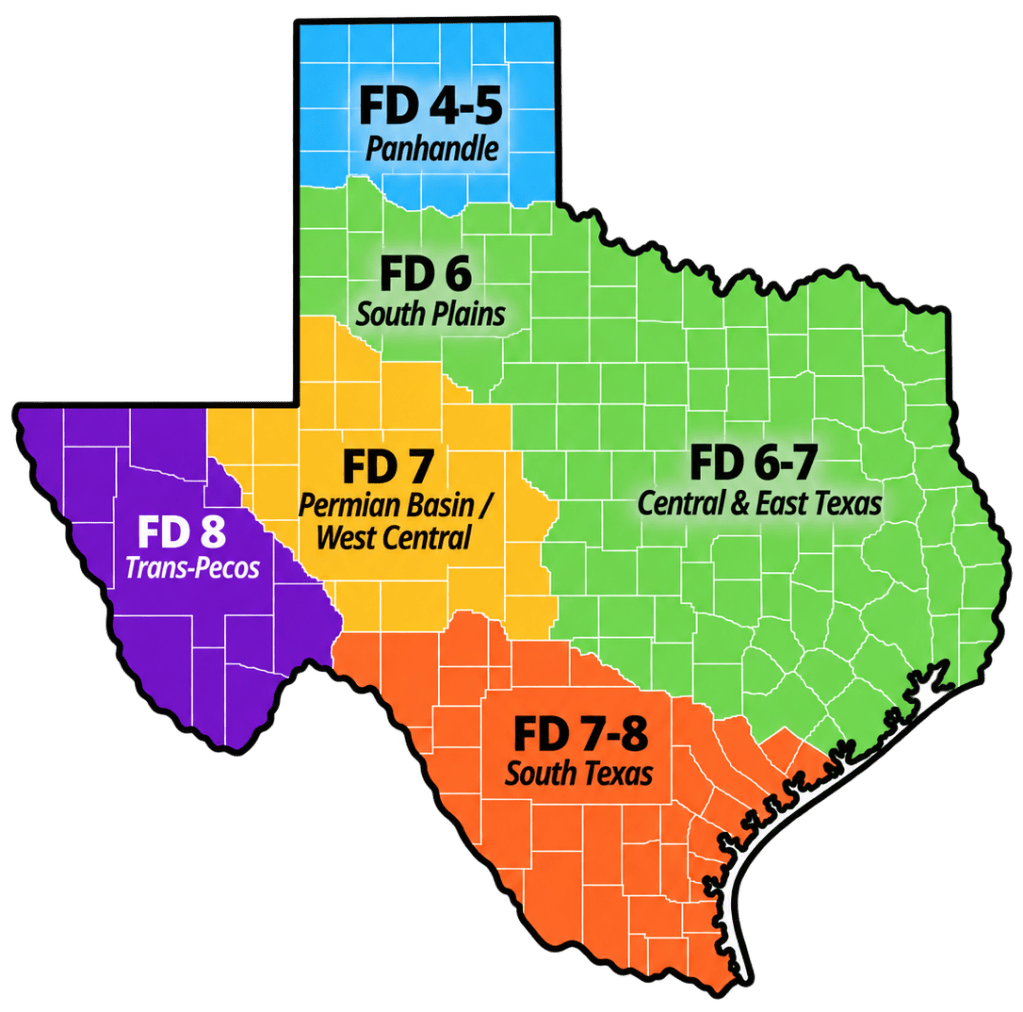
Alfalfa fall-dormancy map of Texas. FD boundaries are not absolute but simply provide a way to plan your alfalfa plantings. Image: Bob Whitney
The Texas fall-dormancy map shown above should be viewed as a screening tool rather than a rigid boundary map. It identifies a reasonable FD range to begin the search, but final selection should also reflect local winter temperatures, irrigation, soil salinity, intended use, disease and insect pressure, and expected stand life.
For Texas organic production, I would evaluate candidate varieties in roughly this order:
- Fall dormancy appropriate for the region. This narrows the field to varieties adapted to the expected length of the growing season and winter environment.
- Winter survival appropriate for the location. This becomes especially important in the Panhandle and other colder production areas.
- Strong disease resistance. Particular attention should be given to diseases likely to affect stand persistence under the farm’s soil and environmental conditions.
- Useful insect resistance. Aphid resistance can be particularly valuable in Texas organic production.
- Salt tolerance where irrigation water or soil salinity is a concern. This may deserve greater weight in West Texas and other irrigated environments.
- Grazing tolerance or standability when those traits match the intended use. A grazing dairy or livestock operation may place more emphasis on grazing tolerance, while a hay producer may give greater weight to standability and harvest performance.
- Regional performance data whenever available. University trials from Texas or environments similar to Texas should be given greater weight than performance from distant production regions.
- Seed availability and organic suitability. The final variety must also be obtainable in a seed lot that meets organic production requirements.
The NAFA ratings also help prevent one common mistake: assuming that all varieties within the same fall-dormancy group are essentially alike. Two FD 7 varieties, for example, may differ substantially in winter survival, disease resistance, aphid resistance, salt tolerance, or grazing characteristics. The FD rating tells us something important about seasonal growth behavior, but it does not describe the entire variety.
Candidate Alfalfa Varieties for Texas Organic Production
The following varieties were selected from the 2026 National Alfalfa & Forage Alliance variety ratings because their fall-dormancy classes align with the Texas screening regions discussed above and the NAFA listing does not identify them as Roundup Ready or HarvXtra entries. NAFA cautions that its ratings do not include every characteristic needed for variety selection and that inclusion does not constitute endorsement.
The varieties listed below are not identified by NAFA as Roundup Ready or HarvXtra varieties. Producers should still confirm the GMO status and treatment of the actual seed lot before purchase for organic production.
| Texas screening region | FD | Variety | Company | Why it is worth evaluating |
|---|---|---|---|---|
| Panhandle | 4 | DG 4120 | Dyna-Gro | Winter survival rating 1 and a broad high-resistance disease package; NAFA also lists germination-stage salt tolerance. |
| Panhandle | 4 | WL 349HQ | W-L Alfalfas | Winter survival 2, broad disease resistance, strong aphid ratings, and germination-stage salt tolerance. |
| Panhandle | 4 | AFX 439 | Alforex Seeds | Winter survival 1, broad disease resistance, several insect-resistance ratings, and germination-stage salt tolerance. |
| Panhandle / warmer Panhandle | 5 | GUNNER AA | Croplan | Winter survival 1 with an unusually broad disease and aphid resistance package; germination-stage salt tolerance is also listed. |
| Panhandle / warmer Panhandle | 5 | WL 377HQ | W-L Alfalfas | Broad disease and aphid resistance with germination-stage salt tolerance; useful candidate where persistence and pest resistance are priorities. |
| Panhandle / Southwest comparison | 5 | NuMex 501 | Mountain View | A new FD 5 entry in the 2026 ratings and therefore particularly interesting for evaluation in the southern High Plains and adjoining western environments. |
| South Plains | 6 | AFX 670 | Alforex Seeds | Strong disease-resistance profile, pea aphid resistance, root-knot nematode resistance, and germination-stage salt tolerance. |
| South Plains | 6 | HybriForce-3600 | Alforex Seeds | Broad disease, aphid, and nematode ratings; listed as a hybrid rather than an RRA or HarvXtra technology entry. |
| South Plains | 6 | WL 467HQ | W-L Alfalfas | Strong disease-resistance package, useful aphid resistance, nematode resistance, and germination-stage salt tolerance. |
| Permian Basin / West Central | 7 | AFX 779 | Alforex Seeds | FD 7 fits the target range already discussed for western and West Central Texas; NAFA lists aphid resistance and germination-stage salt tolerance. |
| Permian Basin / West Central | 7 | AmeriStand 618NT | America’s Alfalfa | Broad disease and aphid resistance with germination-stage salt tolerance; particularly interesting where persistence under multiple stresses is important. |
| Permian Basin / West Central | 7 | LG 7C300 | LG Seeds | Strong disease and aphid resistance package; worth comparing with AFX 779 and other FD 7 entries under Texas conditions. |
| Permian Basin / West Central | 7 | SW7408 | Millborn | Another non-GE FD 7 entry with useful disease and aphid ratings; adds genetic diversity to a Texas evaluation set. |
| Trans-Pecos / warmer West Texas | 8 | AmeriStand 803T | America’s Alfalfa | Useful disease, aphid, and nematode resistance ratings plus germination-stage salt tolerance. |
| Trans-Pecos / warmer West Texas | 8 | NuMex 801 | Mountain View | New FD 8 entry in the 2026 ratings; especially interesting for evaluation in warm, arid western environments. |
| Trans-Pecos / warmer West Texas | 8 | NuMex 802 | Mountain View | Another new FD 8 entry; NAFA lists germination-stage salt tolerance. |
| Trans-Pecos / South Texas | 8 | Sun Titan | Croplan | Strong Fusarium, Phytophthora, and aphid ratings with germination-stage salt tolerance. |
| Trans-Pecos / South Texas | 8 | SW8421S | Millborn | Particularly notable because NAFA lists forage-stage salt tolerance, which could be valuable under saline soil or irrigation-water conditions. |
| Trans-Pecos / South Texas | 8 | WL 538HQ | W-L Alfalfas | Broad disease and aphid resistance with germination-stage salt tolerance. |
These are varieties worth evaluating, not Texas A&M AgriLife variety recommendations. Inclusion is based primarily on fall dormancy and documented traits in the 2026 NAFA ratings. Texas or regionally comparable yield performance, seed availability, seed treatment, organic seed requirements, and the actual seed lot must still be evaluated before planting.
The purpose of this list is to establish a transparent starting point for Texas variety evaluation rather than relying solely on which varieties happen to be promoted or available from an individual seed company.
Planting and Establishment
Successful alfalfa establishment begins well before planting. In Texas, one of the most common reasons for poor stands is inadequate field preparation rather than poor seed or planting equipment. Alfalfa seed is small and seedlings are not well suited to emerging from deep placement, loose soil, cloddy seedbeds, or compacted profiles. A productive stand therefore begins by correcting restrictive soil layers, preparing a smooth and firm seedbed, controlling the final flush of weeds, planting shallowly, and packing the soil firmly around the seed.
Even with excellent field preparation, establishment can still fail. One farmer I worked with had done everything correctly, including double-packing the seedbed after planting. Shortly afterward, a heavy rain moved soil downslope before he could irrigate, carrying seed and surface soil into a lower portion of the field. In a situation like this, there may be little choice but to re-establish the field and hope the next planting has enough time for germination and early seedling growth before another heavy rainfall event.
Good preparation greatly improves the odds of success, but alfalfa establishment is still vulnerable during the first few days after planting!
Prepare the Field Before Planting
A good alfalfa seedbed should be smooth, firm, and free of major clods, but preparation begins deeper than the surface. If the field has a hardpan or other restrictive layer, ripping should be done before final seedbed preparation. Once alfalfa is established, deep tillage is no longer an option.
After ripping where needed, the field can be disked to break clods and begin leveling the surface. A field cultivator can then be used to further smooth the seedbed and reduce remaining clods. At that point, allowing the field to receive rainfall or irrigation helps settle the soil and creates the firm seedbed needed for shallow-seeded alfalfa.
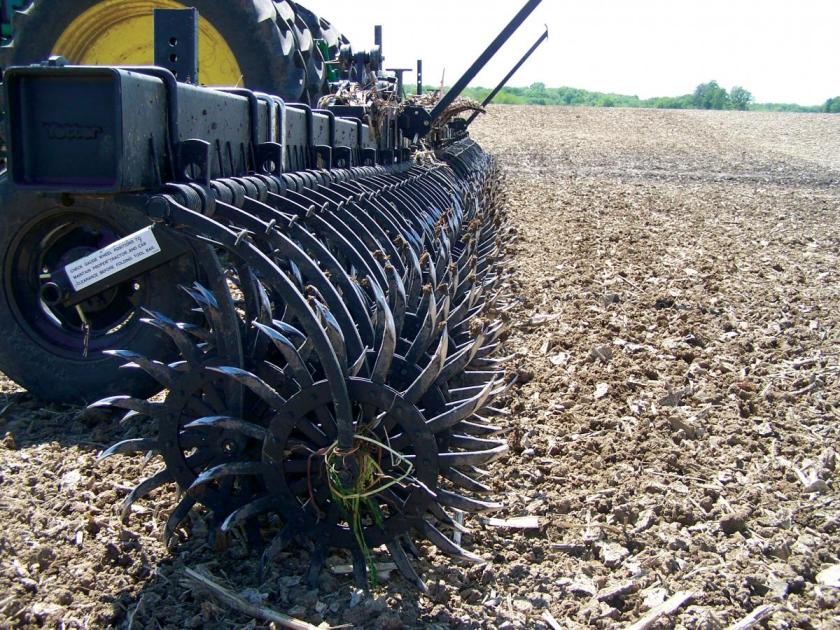
Where weeds emerge following this settling period, a shallow rotary-hoeing pass just before planting can remove the new flush while disturbing only the upper inch or so of soil. This creates a cleaner planting surface without completely loosening the seedbed again.
A good alfalfa seedbed is not simply smooth; it is firm enough to support shallow planting and good seed-to-soil contact.
Planting Depth and Seedbed Firmness
Alfalfa seed should be planted shallowly because the seed is small and the emerging seedling has limited energy reserves. In a properly prepared seedbed, a planting depth of about ¼ inch is usually ideal, with seed generally placed no deeper than ½ inch. Planting too deep is a common cause of poor emergence because seedlings may exhaust their reserves before reaching the soil surface.36
Seedbed firmness is closely tied to planting depth. In a loose seedbed, even a correctly adjusted drill or seeder may place seed too deeply as the openers sink into the soil. A firm seedbed helps maintain consistent shallow placement and improves seed-to-soil contact around the seed.
A practical test is to walk across the field before planting. A boot should leave only a shallow impression rather than sinking deeply into the soil. If the footprint is deep, the seedbed is probably still too loose for consistent alfalfa establishment.
Packing after planting is especially useful with small-seeded crops such as alfalfa. The goal is not to compact the soil into a hard surface, but to press soil firmly around the seed so moisture can move to the seed and germination can occur uniformly. A Brillion-type seeder accomplishes some of this packing during planting, but an additional packing pass may be useful where the soil remains loose. In my experience, a second packing pass can be worthwhile when field conditions allow.
For alfalfa, shallow seed in a firm seedbed is usually safer than deeper seed placed in loose soil.
Planting Equipment and Seeding Rate
Alfalfa can be established with several types of planting equipment, but the equipment must do three things consistently: meter the small seed accurately, place it shallowly, and provide good seed-to-soil contact. The best planter is therefore not simply the one available—it is the one that can maintain uniform shallow placement across the field.
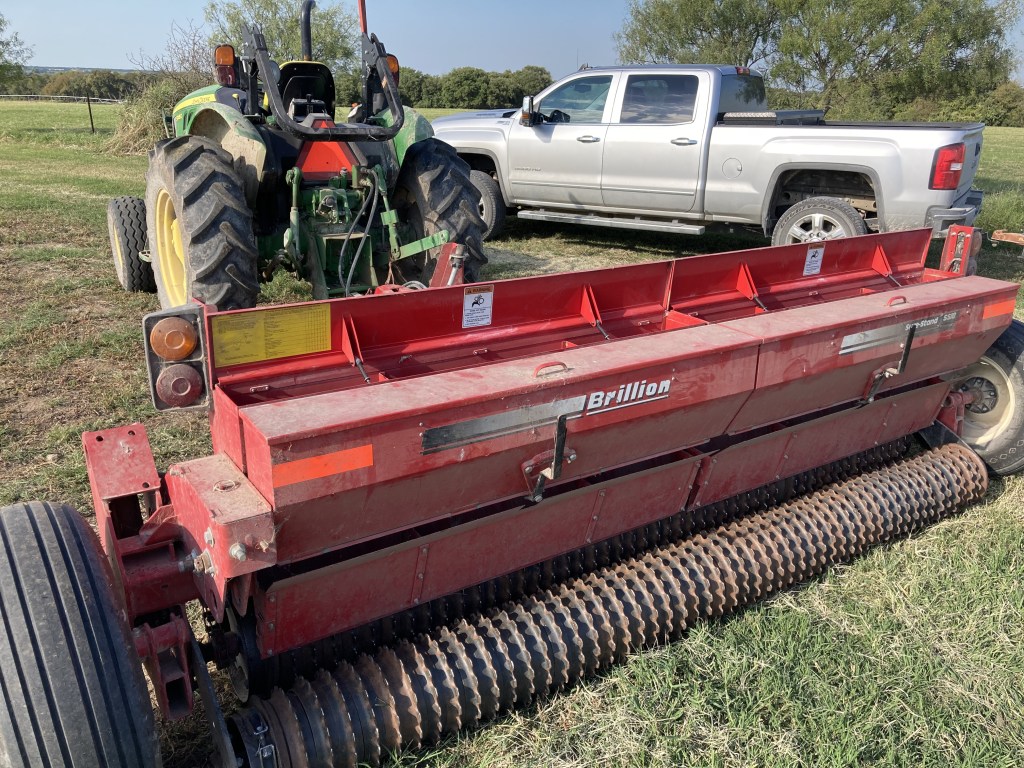
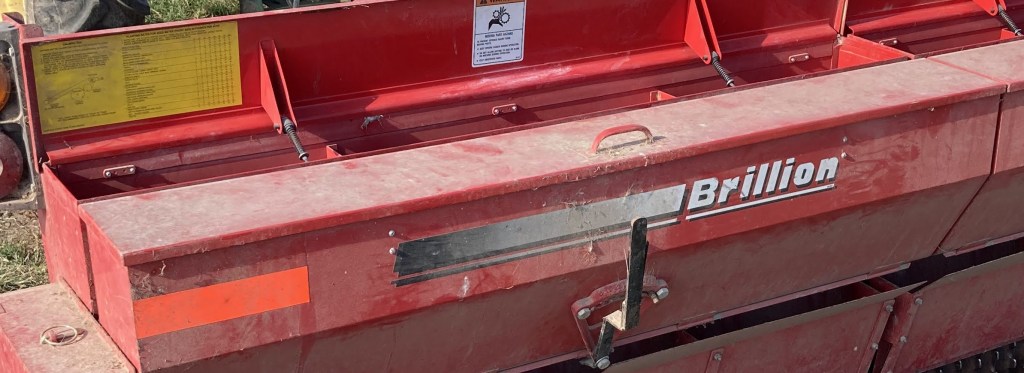
A Brillion-type seeder is well suited to prepared seedbeds because it combines seed placement with firming or packing. The front rollers help prepare and firm the surface, seed is dropped at shallow depth, and the rear rollers press the soil around the seed. This makes it a useful tool where the field has already been carefully prepared and leveled. We used this Brillion Seeder to plant a variety test of clovers and used the front boxes because we planted clovers but also alfalfa. In the picture you can see the back boxes which can be used depending on seed size but in particular fuzzy seeds.
A grain drill equipped with a small-seed box can also work well, particularly when depth is carefully controlled. The challenge is preventing the openers from placing alfalfa too deeply, especially in loose soil. Drill settings should be checked in the field rather than relying only on the numbered setting on the machine.
For planting into an existing bermudagrass sod, a no-till drill or other seeder capable of cutting through the sod and root mat is generally more appropriate. Adequate down pressure becomes important. In some situations, additional weight may be needed so the openers penetrate the sod while still keeping seed placement shallow. Press wheels or a separate packing pass should then provide firm seed-to-soil contact.
Regardless of equipment, calibration before planting is essential. Alfalfa seed size, coatings, and seed treatments can affect how much seed is delivered at a given setting, so the actual output should be checked rather than assumed.
For pure stands, seeding rates commonly fall in the range of roughly 15 to 20 pounds of seed per acre, although rates may vary with planting method, seedbed conditions, row spacing, seed coating, and intended use. Interseeding into bermudagrass or planting in wider rows may justify a different rate, so those situations should be considered separately rather than using one rate for every field.
Planting equipment does not compensate for a poor seedbed, but good equipment properly calibrated can preserve all the work that went into preparing one.
Moisture at Planting and Early Establishment
Alfalfa seed should be planted into a seedbed with enough moisture to support germination and early seedling growth. Because the seed is placed very shallowly, the surface soil can dry rapidly, especially under warm, windy Texas conditions. Once the seed absorbs water and germination begins, a prolonged dry period can kill seedlings before they become established.
Where irrigation is available, preplant irrigation can help settle the seedbed and provide moisture near the soil surface. After planting, light irrigations may be needed to keep the upper soil layer moist until seedlings develop deeper roots. The goal is to maintain moisture without saturating the soil or creating crusting that interferes with emergence.
Rainfall can help establish the stand, but heavy rainfall immediately after planting can also create problems. Soil movement, crusting, ponding, and seed displacement can all reduce stand uniformity, especially on sloping ground or freshly prepared soil.
The critical period begins when the seed starts to germinate. From that point until seedlings develop a functioning root system, the shallow seed zone must remain adequately moist.
Planting Date and Fall Establishment in Texas
Fall is generally the preferred time to establish alfalfa in Texas because temperatures are declining, summer weed competition is beginning to decrease, and seedlings can develop roots and crowns before the following summer. However, planting should be based on actual field and weather conditions rather than the calendar alone.
In many years, October provides a good establishment window across much of Texas. In unusually warm years, however, September and even early October may remain too hot for dependable establishment, particularly where nighttime temperatures stay high and the seedbed dries rapidly. The exceptionally hot September of 2026 illustrates this problem: much of Texas experienced temperatures well above normal, with triple-digit daytime temperatures persisting in several regions.
The objective is to plant after the most intense summer heat has broken but early enough for seedlings to produce several true leaves, establish a crown, and develop a substantial root system before prolonged winter conditions arrive. This window occurs earlier in the Panhandle and northern High Plains and progressively later moving south through Texas.
Planting date should follow the weather, not simply the calendar. The best fall planting window begins when summer heat has moderated but enough growing season remains for seedlings to establish before winter.
I would advise any farmer considering a new planting of alfalfa to check with other local farmers, your County Extension Agent or NRCS to see if they have recommendations for your area. If they don’t typically plant alfalfa, ask about the planting dates for any clovers which are very similar.
Establishing Alfalfa into Bermudagrass
Establishing alfalfa into an existing bermudagrass stand requires a different approach than planting into a prepared seedbed. The objective is not to eliminate the bermudagrass, but to take advantage of its seasonal slowdown in late fall so the alfalfa can establish with reduced competition.
In Central Texas, I generally prefer to remove the final bermudagrass cutting late in the fall, often October 15 – November 1, and then wait for cooler conditions before planting. A light frost is not necessarily a problem because the soil remains relatively warm, while the colder air temperatures substantially slow bermudagrass growth.
Adequate soil moisture is important because the seeding equipment must penetrate the sod and root mat while still placing alfalfa seed shallowly. A no-till drill or Brillion-type seeder can be used, and additional weight may be needed to help the openers or cutting units penetrate the bermudagrass sod. Having good soil moisture helps with cutting through the sod, penetrating the soil surface and ensuring good germination. After planting, I like to follow with a packer to improve seed-to-soil contact and the packing wheels on the planter are generally not enough if the sod is too thick.
The goal is not to kill the bermudagrass; it is to use the grass’s seasonal dormancy to give the alfalfa an establishment window.
Planting dates should be adjusted farther north or south in Texas so the bermudagrass has slowed sufficiently while the alfalfa still has enough favorable growing time to establish before prolonged winter stress.
Inoculation and Fertility
Alfalfa is a legume, so one of its major advantages is its ability to obtain much of its nitrogen through a symbiotic relationship with nitrogen-fixing bacteria. These bacteria infect the roots and form nodules where atmospheric nitrogen is converted into forms the plant can use. When nodulation is successful, a productive alfalfa stand can meet most of its nitrogen requirement biologically.
Inoculation
Alfalfa should be inoculated with the correct alfalfa rhizobium, particularly in fields where alfalfa or another compatible host has not been grown recently. The inoculant contains living bacteria, so handling and application matter.
Many commercial alfalfa seed lots are sold pre-inoculated or coated with inoculant, but producers should verify exactly what is on the seed rather than assume that inoculation has been adequately addressed. If fresh inoculant is being applied, it should be kept cool, protected from direct sunlight and drying, and used before the expiration date.
Commercial alfalfa inoculants are widely available in peat-based and pre-inoculant formulations. For example, Visjon Biologics markets Exceed inoculants specifically labeled for alfalfa and alfalfa/clover seed.37 Producers should match the inoculant to the legume species and verify that the specific product and formulation are acceptable for organic production before use.
For organic production, both the inoculant and any seed coating or adhesive should be acceptable for organic use.
Check the Nodules
Inoculation should not end when the seed goes into the ground. I like to pull several plants a few weeks after establishment and examine the roots.
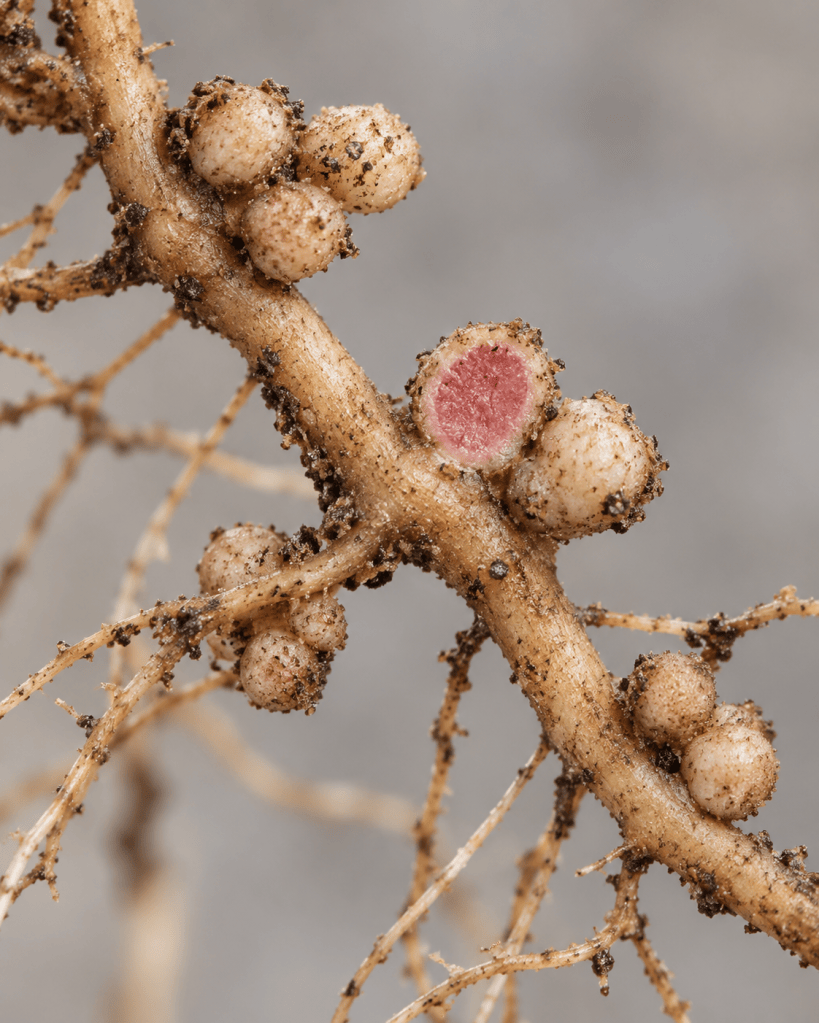
A successfully nodulated alfalfa plant should have nodules on the taproot and lateral roots. Cut several nodules open. Active nodules are normally pink to reddish inside, indicating that biological nitrogen fixation is occurring. Small white or pale nodules may be immature or ineffective.
Nitrogen Fertility
A well-nodulated alfalfa stand generally does not need substantial supplemental nitrogen. Adding large amounts of readily available nitrogen can reduce the plant’s reliance on biological nitrogen fixation without necessarily improving long-term stand performance.
For organic producers, that means alfalfa generally should not be managed like a grass hay crop receiving repeated applications of high-nitrogen manure or fertilizer. The goal is to maintain the soil conditions and nodulation needed for the crop to supply its own nitrogen.
Phosphorus, Potassium, Sulfur, and Other Nutrients Still Matter
Nitrogen fixation does not eliminate the need for balanced fertility. In fact, this is where alfalfa becomes especially demanding.
Because alfalfa is harvested repeatedly and large amounts of forage are removed from the field, substantial quantities of nutrients are exported from the field with every cutting. Potassium and phosphorus are especially important, both for yield and for maintaining a persistent stand. Sulfur, calcium, magnesium, boron, and other nutrients may also become limiting depending on the soil and production system.
For that reason, fertility should be based on soil testing and expected forage removal, not on the assumption that a nitrogen-fixing crop requires little fertility management.
For organic alfalfa, successful nodulation is only the beginning of the fertility program. The crop can largely supply its own nitrogen, but the other nutrients removed in every cutting must still be replaced as needed to maintain yield and stand persistence.
Alfalfa removes substantial quantities of nutrients in harvested forage. Across several commonly used nutrient-removal tables, each ton of alfalfa hay removes approximately 10–12 pounds of P₂O₅, about 50 pounds of K₂O, and about 5 pounds of sulfur. Actual removal varies with yield, forage nutrient concentration, soil conditions, and management.
Nitrogen fixation does not make alfalfa a low-fertility crop. Every ton of hay sold from the farm also exports large quantities of potassium, phosphorus, sulfur, and other nutrients.
| Alfalfa hay yield | Approx. P₂O₅ removed | Approx. K₂O removed |
|---|---|---|
| 2 tons/ac | 24 lb/ac | 100 lb/ac |
| 4 tons/ac | 48 lb/ac | 200 lb/ac |
| 6 tons/ac | 72 lb/ac | 300 lb/ac |
| 8 tons/ac | 96 lb/ac | 400 lb/ac |
One caution: nutrient removal is not the same thing as a fertilizer recommendation. Soil mineral supply, soil-test levels, manure history, irrigation water, and nutrient availability all affect how much must actually be applied. Nutrient-removal estimates are useful for understanding how much fertility leaves the field, but soil-test recommendations should determine how much nutrient actually needs to be replaced.
Irrigation and Water Management
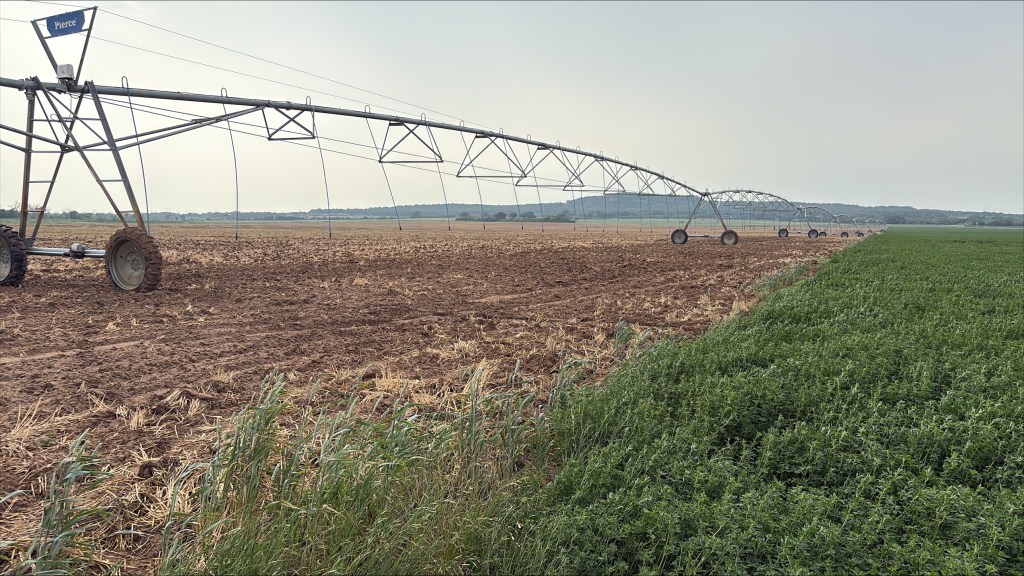
Water management is one of the major factors determining alfalfa yield and stand persistence in Texas. Alfalfa is capable of producing large amounts of forage, but that production requires substantial water. At the same time, its deep root system allows established plants to use stored soil moisture and tolerate periods of water deficit better than many shallower-rooted forage crops. Successful irrigation therefore depends not simply on applying more water, but on matching irrigation to soil water-holding capacity, rooting depth, weather conditions, crop growth stage, and harvest timing.
Rooting Depth and Stored Soil Water
One of alfalfa’s major advantages is its ability to develop a deep root system when soil conditions allow. Those roots can explore several feet of soil and use water stored below the surface, giving established alfalfa more flexibility during short periods between rainfall or irrigation than many shallower-rooted forage crops.
That advantage depends on the soil profile. Hardpans, compacted layers, shallow soils, poor drainage, or salinity can restrict rooting and reduce the volume of soil available to store and supply water. For that reason, rooting depth and soil water-holding capacity should be considered part of the irrigation system itself.
A deep, unrestricted soil profile can store substantial water between irrigation events, while a shallow or restrictive profile may require more frequent irrigation because the crop has access to a smaller reservoir.
The irrigation system applies water, but the soil profile determines how much of that water can be stored and used by the crop.
Irrigation Scheduling
Alfalfa irrigation should be scheduled according to soil moisture, weather, crop growth, rooting depth, and the water-holding capacity of the soil rather than by using a fixed number of days between irrigations. A sandy soil may require smaller, more frequent applications, while a deeper loam or clay loam can often store more water between irrigation events.
Evapotranspiration, or ET, can provide a useful estimate of crop water use, but ET should be considered together with field conditions. Soil-moisture sensors can show how much water remains in the root zone and whether irrigation is actually wetting the depth being used by the crop.
This is one of the reasons deep sensor placement is useful in alfalfa. A surface layer may appear dry while substantial water remains deeper in the profile, or the opposite may occur if irrigation is only wetting the upper portion of the soil. Monitoring several depths gives a better picture of how much water is available to the plant.
For center-pivot systems, irrigation scheduling should also consider the amount of water the pivot can physically apply during periods of high crop demand. During hot, windy weather, crop water use may exceed the amount that can be replaced in a single pass, making stored soil moisture especially important.
The objective is not to keep the soil continuously wet. The objective is to maintain enough plant-available water in the active root zone to support growth without creating prolonged saturation or unnecessary water loss.
Using Satellite and Field Data to Improve Irrigation Decisions
Recent Texas A&M AgriLife work in a producer alfalfa field near May, Texas, is evaluating whether satellite imagery and geospatial machine-learning models can help estimate alfalfa biomass and improve irrigation and harvest decisions. The project combines ground-truth biomass measurements with multitemporal PlanetScope imagery and vegetation indices to track crop growth through repeated harvest and regrowth cycles.
In the 2025 analysis, a Random Forest model produced the best biomass predictions among the models tested, with an R² of 0.79 and a mean absolute percentage error of 7.4%. The work demonstrates the potential to monitor crop growth at field scale without relying entirely on repeated manual biomass sampling.
The long-term goal is not simply to know how much water was applied, but to know how the crop is responding to that water across the field.
Soil Type Changes the Irrigation Requirement
Irrigation requirements can vary substantially within the same alfalfa field because soils differ in water-holding capacity, rooting depth, drainage, and the amount of water that is actually available to the crop. Two areas under the same center pivot may receive the same irrigation rate but respond differently because one soil can store more water than the other.
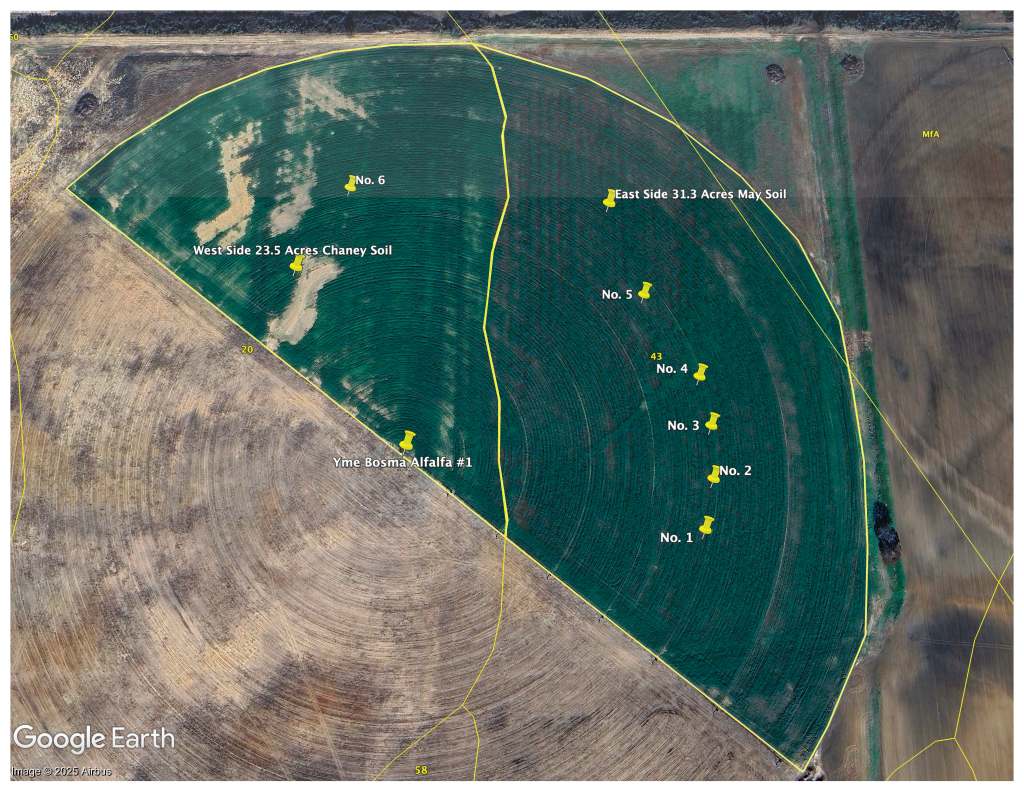
Our West Central Texas alfalfa field near May (picture above) provides a good example. The field contains both May and Chaney soils. Estimated root-zone water storage is about 7.4 inches in the May soil compared with about 6.5 inches in the Chaney soil. The May soil is also better drained and provides a somewhat larger buffer against summer drought. The Chaney soil has less available storage and a slightly greater modeled annual water deficit.
The same crop under the same pivot may not need irrigation at the same time everywhere in the field. Soil determines how much water can be stored between irrigation events and how quickly that reserve is depleted.
Irrigation Around Harvest
Irrigation and harvest timing need to be coordinated carefully in alfalfa. Applying too much water immediately before cutting can leave the soil too wet for harvest equipment, increase wheel-track damage, and slow hay drying. At the same time, allowing the crop to become severely water-stressed before harvest can reduce yield and slow regrowth after cutting.
The goal is to enter harvest with enough stored soil moisture to support the crop through cutting and early regrowth, while avoiding field conditions that are too wet for harvest equipment. On heavier soils, this may mean stopping irrigation several days before cutting. On lighter soils with lower water-holding capacity, the interval may need to be shorter. Most growers I know tend to get it really dry before harvest but hot summer temperatures, a big ready to harvest plant and soils with good water holding capacity can handle irrigation nearly up to harvest on some soils.
After harvest, irrigation should resume soon enough to support rapid regrowth, especially during hot Texas weather. The exact timing depends on soil type, rooting depth, weather, and how much water remains in the profile. Fields with deeper soils and greater water-holding capacity may have more flexibility, while shallow or coarse-textured soils may require irrigation sooner.
Heavy irrigation immediately after cutting is not always desirable, especially if the soil is already moist. The crop has temporarily lost most of its leaf area, so water use drops sharply until regrowth begins. Irrigation scheduling should therefore respond to both soil moisture and crop stage, not simply follow a fixed calendar.
Harvest temporarily reduces crop water use, but regrowth quickly restores demand. The best irrigation schedule provides enough stored moisture for recovery without creating saturated field conditions during harvest.
Deficit Irrigation and Drought
Alfalfa is a high-water-use crop, but established stands can tolerate temporary water deficits better than many shallower-rooted forage crops. Its deep root system allows plants to use stored soil moisture, and when water becomes limiting, growth slows before the stand necessarily dies. This gives producers some flexibility when irrigation water is limited.38
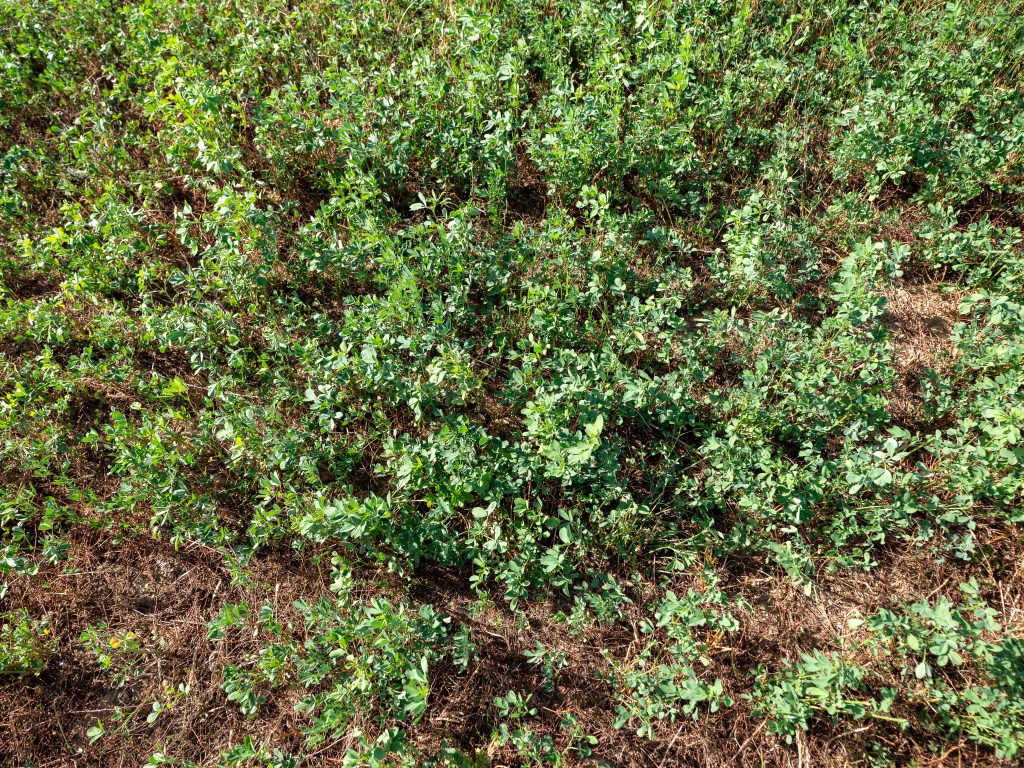
Alfalfa under drought stress. The stand remains alive, but growth has slowed substantially and forage production is limited until adequate moisture returns.
The important distinction is between survival and production. Alfalfa may survive a period of drought or reduced irrigation, but forage yield declines as water becomes limiting. A stand that remains green enough to recover later may still produce substantially less forage during the deficit period. In many cases, yield loss begins well before visible stand loss, so a field may appear to survive drought while still suffering substantial production losses.
Deficit irrigation therefore becomes a management decision rather than simply an irrigation failure. When water supplies are limited, producers may choose to reduce irrigation during part of the season, accept lower yield during that period, and preserve water for later regrowth or for other crops.
Established alfalfa can also enter a drought-induced period of reduced growth and then resume production when adequate moisture returns. The ability to recover depends on stand age, root health, soil depth, variety, fertility, previous harvest stress, and the severity and duration of the drought.
Deficit irrigation can save water, but it does not eliminate the yield cost of water stress. The management objective is to protect the stand and use limited water where it produces the greatest return.
For Texas producers, soil type again matters. A deep soil with high water-holding capacity provides a larger reserve during periods of reduced irrigation, while shallow or coarse-textured soils may reach damaging stress much sooner. This is one reason deficit-irrigation strategies should be developed field by field rather than applied uniformly across a farm. Prolonged or repeated severe drought can eventually weaken stands, reduce regrowth, and shorten stand life.
Water Quality and Salinity
Irrigation water quality can be just as important as irrigation quantity, particularly in West Texas and other areas where salts may accumulate in the soil. Alfalfa is moderately tolerant of salinity once established, but seedlings are more sensitive, so poor-quality irrigation water can create establishment problems before a mature stand develops.
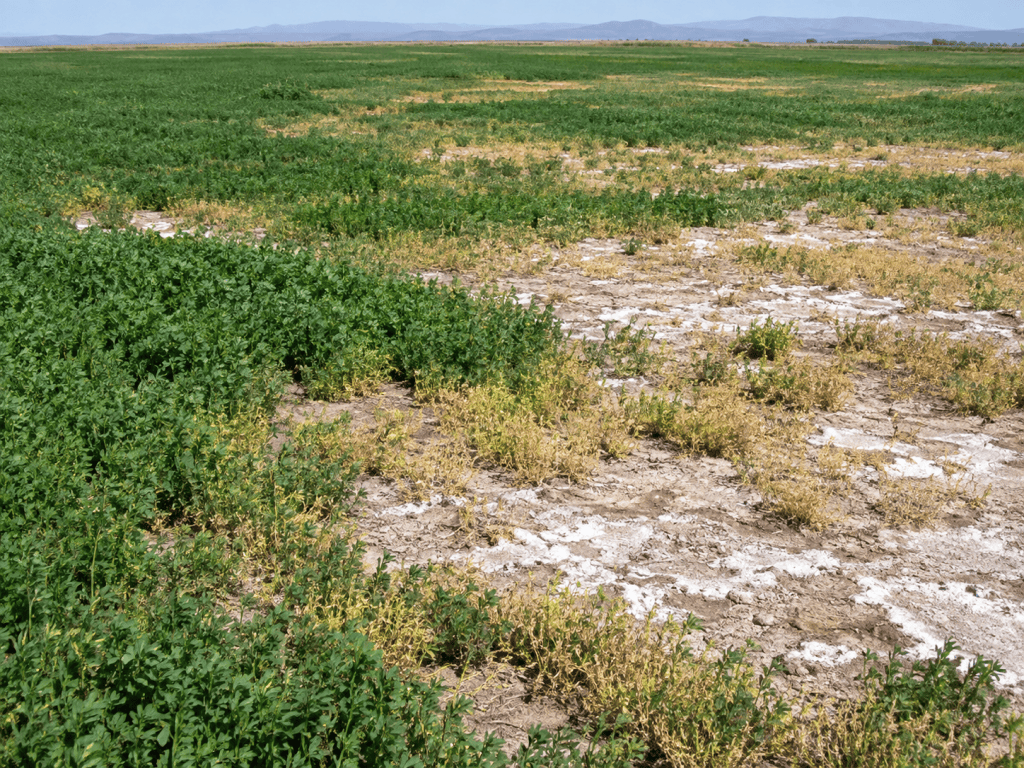
Salinity can reduce alfalfa growth, thin stands, and leave bare patches where salts accumulate near the soil surface. White salt deposits are visible in this affected area of the field.
Salinity affects plants by making it more difficult for roots to take up water, even when the soil appears moist. Over time, repeated irrigation can also concentrate salts in the root zone if enough water does not move below the active rooting depth.
For that reason, producers using irrigation water with elevated salinity should consider both water quality and soil drainage. A well-drained soil with adequate leaching may tolerate saline irrigation better than a poorly drained soil where salts accumulate near the surface.
Variety choice can also help. Some alfalfa varieties are specifically rated for salt tolerance, and those ratings may deserve greater emphasis where irrigation water or soil salinity is already a concern.
Salinity changes the meaning of “available water.” A soil can contain moisture and still be difficult for the plant to use if salt concentrations are high.
Test Irrigation Water Along with the Soil
Irrigation-water testing is relatively simple and can help explain problems that may not be obvious from a soil test alone. Texas A&M AgriLife’s Soil, Water and Forage Testing Laboratory accepts irrigation-water samples and evaluates characteristics such as conductivity, pH, sodium, calcium, magnesium, potassium, bicarbonate, sulfate, chloride, boron, nitrate-N, hardness, and sodium adsorption ratio (SAR).
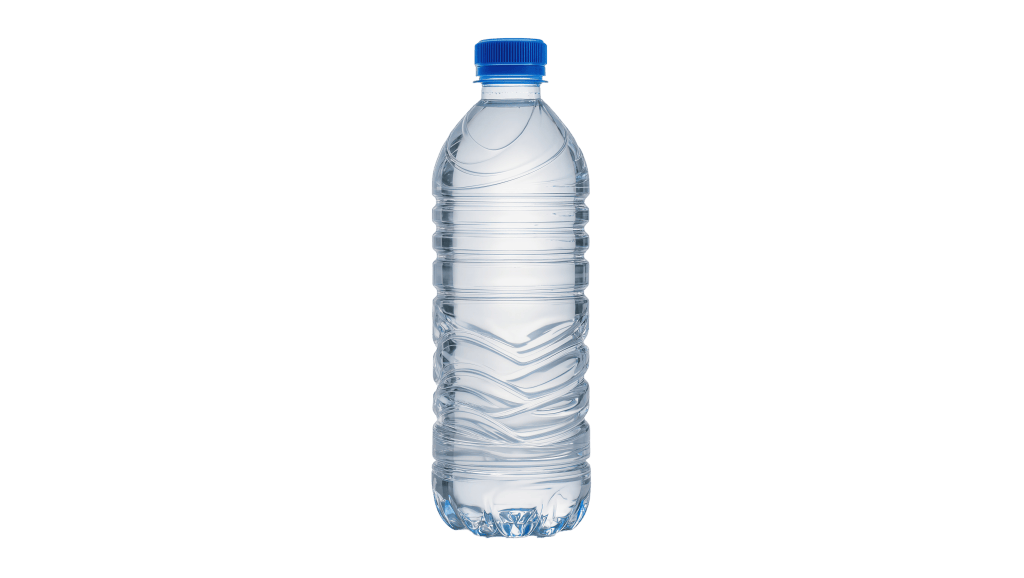
Collecting a sample does not require special equipment. The laboratory currently recommends a clean plastic bottle with a screw cap and at least 8 ounces of water. A common 16- to 20-ounce drinking-water bottle can be reused if it is rinsed three times with the water being sampled before filling. For well water, the pump should be allowed to run before the sample is collected so the sample represents the water being delivered from the well.
Water-test results are particularly useful when interpreted together with soil-test information. High salinity, sodium, bicarbonate, boron, or other constituents in irrigation water can gradually affect soil conditions, water availability, soil structure, and crop performance. Texas A&M guidance notes that increasing soluble salts can reduce the ability of plant roots to extract water from the soil and that sodium-related problems can damage soil structure.39
A soil test tells you what is already in the field; a water test helps explain what is being added every time the field is irrigated. Using the two together provides a much better basis for managing salinity and other water-quality problems.
Current forms, sample instructions, and payment information are available on the Texas A&M AgriLife Water Testing page. Texas A&M AgriLife Water Testing
Organic Weed Management
Weed management in organic alfalfa begins with establishment. A dense, vigorous alfalfa stand occupies space, captures sunlight, uses available soil moisture and nutrients, and leaves fewer resources for weeds. For that reason, many of the practices discussed earlier—good site selection, careful seedbed preparation, shallow planting, adequate fertility, proper irrigation, and choosing an adapted variety—are also important weed-management practices.
Weed control should begin before the alfalfa is planted. Where time and moisture allow, rainfall or irrigation can be used to stimulate a flush of weeds before planting. A shallow cultivation or rotary-hoeing pass can then remove those seedlings while disturbing as little of the prepared seedbed as possible. This stale-seedbed approach is particularly useful in organic production because it reduces the number of weeds emerging at the same time as the young alfalfa.
Do not be afraid to use a hay cutter or even a mower to knock back weeds and reset overall growth during establishment. Alfalfa can become very competitive once a stand is established, but faster-growing weeds may overtop and suppress young seedlings early in the season. A timely mowing can reduce weed height and competition, remove developing seedheads, and give the alfalfa an opportunity to regain light and resume growth. The objective is not to scalp the young alfalfa, but to use mowing as a temporary reset when weed growth is getting ahead of the developing stand.
The establishment period is usually when alfalfa is least able to compete.40 Small seedlings develop slowly compared with many annual weeds, and excessive competition for light and moisture can permanently reduce stand density. Once a good stand develops, repeated regrowth and canopy closure make alfalfa much more competitive with weeds.41
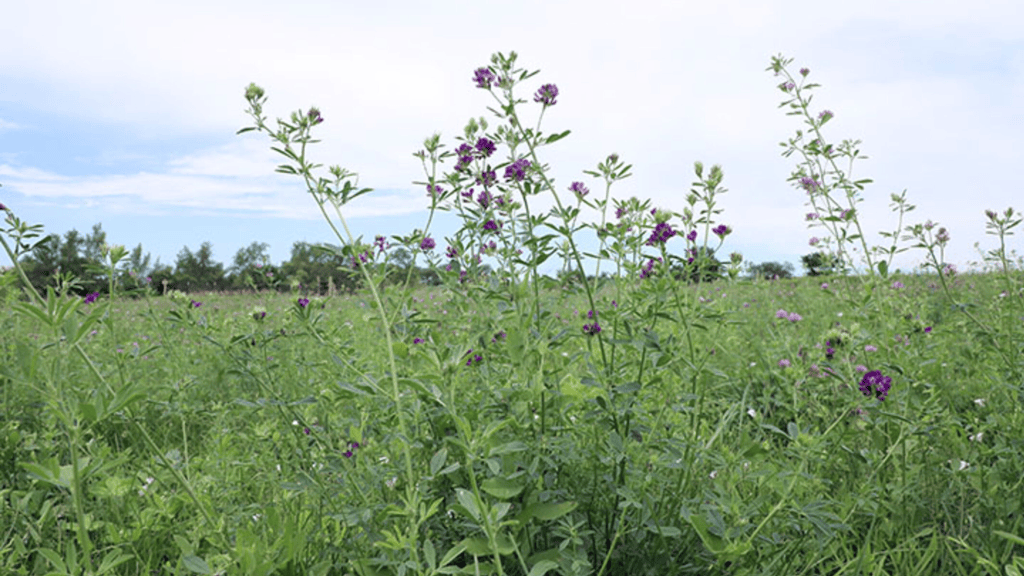
Harvest itself becomes an important weed-management tool. Timely cutting can prevent many weeds from producing seed and repeatedly removes the top growth of species that cannot tolerate frequent defoliation. Harvest timing should still be based primarily on alfalfa yield, forage quality, and plant recovery rather than chasing individual weeds, but mowing can substantially reduce weed reproduction over time.
Winter annual weeds can become particularly noticeable in older or thinning alfalfa stands. Species that germinate during fall or winter can occupy open spaces in the canopy and reduce the yield, quality, palatability, and drying characteristics of the first cutting. Their presence often says as much about the condition of the alfalfa stand as it does about the weed itself.
In established alfalfa, increasing weed pressure is often a symptom of declining stand density rather than simply a weed problem.
When weeds begin increasing rapidly, the producer should look beyond the weeds and ask why the alfalfa canopy is opening. Stand age, repeated close cutting, drought stress, inadequate potassium or other fertility, insects, disease, poor drainage, winter injury, and traffic can all reduce plant density and create space for weeds. Correcting the underlying stress may be more important than trying to control the weeds themselves.
Organic herbicides and other allowable products may have a role in limited situations, but they generally do not replace the cultural advantages of a vigorous perennial stand. In most organic alfalfa systems, the most dependable long-term weed-management strategy is to establish the stand well, maintain plant vigor, harvest on an appropriate schedule, and rotate the field when the alfalfa population has declined enough that weeds are beginning to dominate.
Insect Management
Alfalfa supports a wide range of insects, including both pests and beneficial species, so insect management should begin with regular scouting rather than assuming that every insect present requires control. Texas A&M AgriLife Extension identifies several important alfalfa pests in Texas, including aphids, alfalfa weevil, blister beetles, foliage-feeding caterpillars, armyworms, webworms, and plant bugs. The insects present, their abundance, and the amount of damage they cause can change rapidly with weather, crop growth, and time of year.
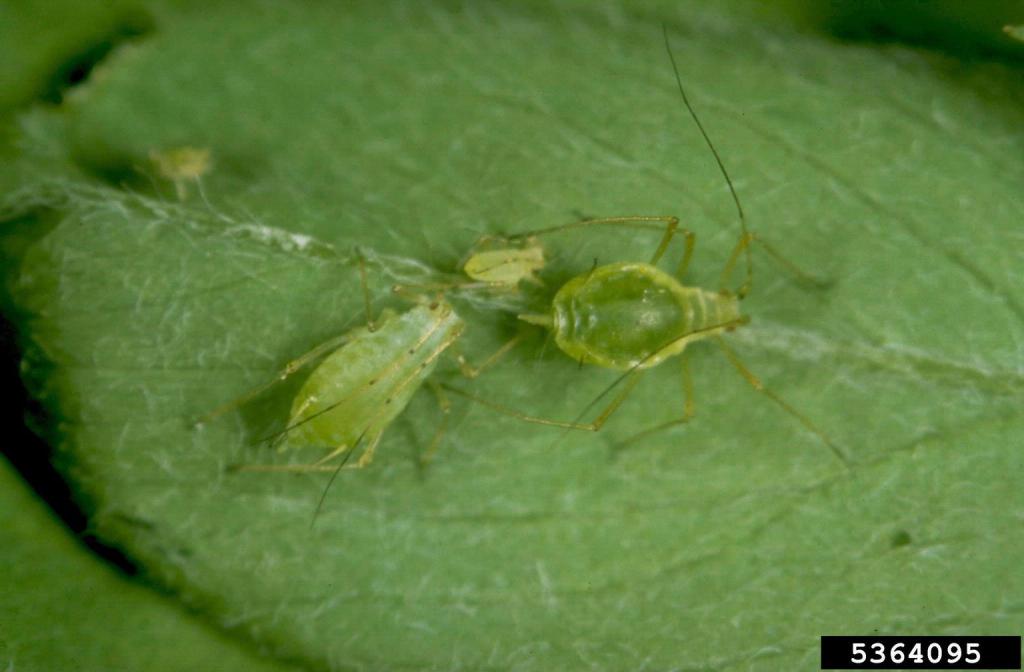
Pea aphid in alfalfa. Photo credit: Frank Peairs, Colorado State University, Bugwood.org
Aphids are among the most important insect pests of Texas alfalfa. Pea aphid is common, while blue alfalfa aphid, spotted alfalfa aphid, and cowpea aphid can also become damaging. Resistant varieties can reduce injury from some aphid species, but resistance does not eliminate the need to scout. Beneficial insects such as lady beetles, lacewings, parasitic wasps, and other predators often suppress aphid populations and should be considered before making a treatment decision.
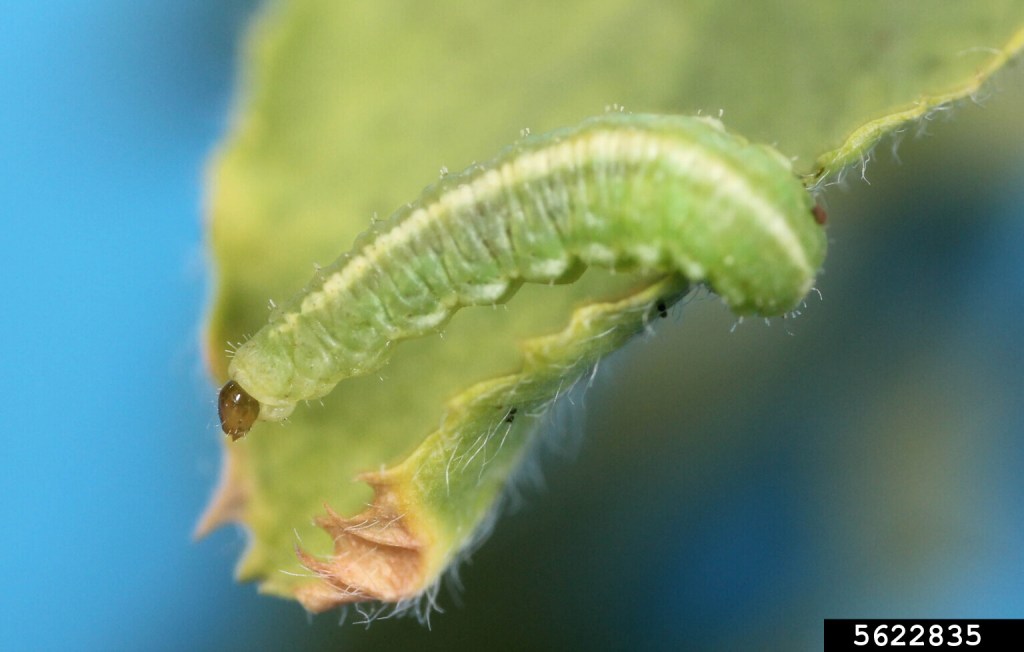
Alfalfa weevil larva. Photo Credit: Adam Sisson, Iowa State University, Bugwood.org
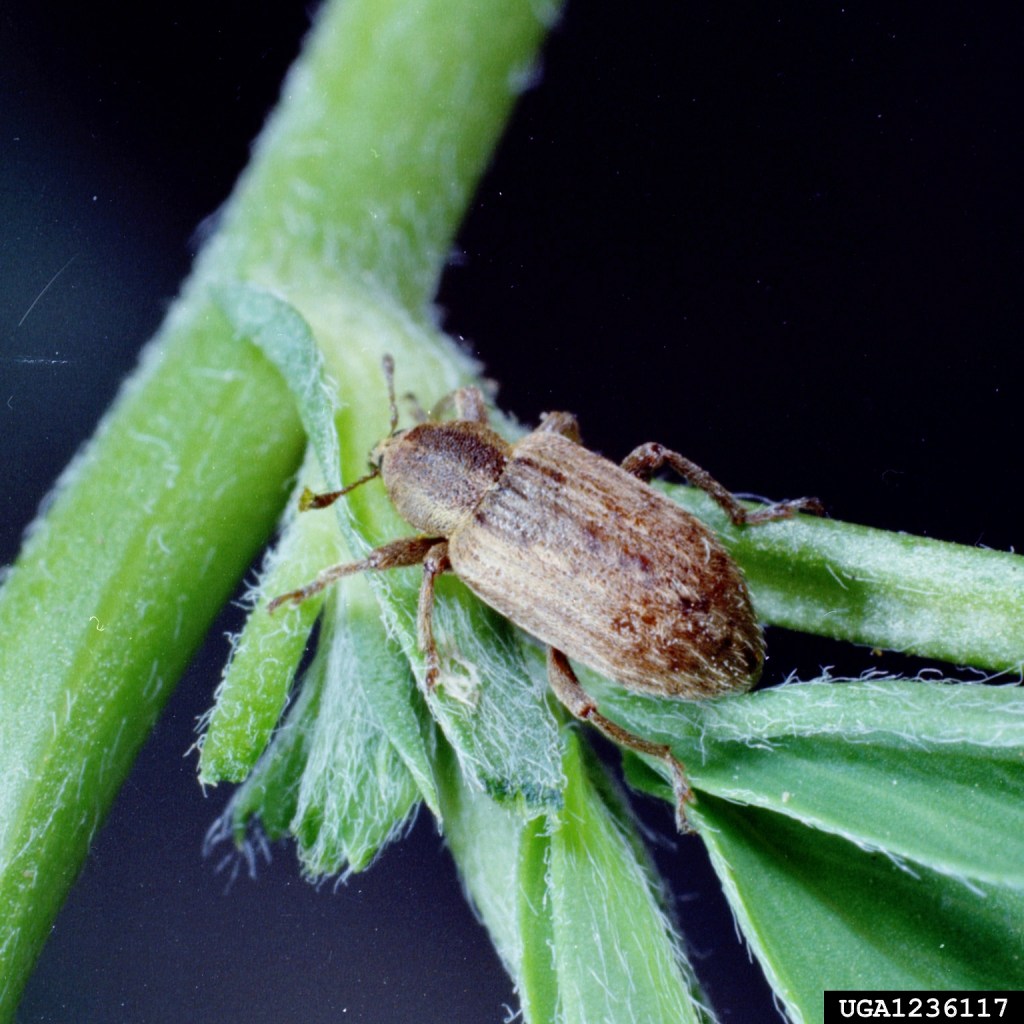
Alfalfa weevil adult. Photo credit: Clemson University – USDA Cooperative Extension Slide Series , Bugwood.org
Alfalfa weevil is another important pest, particularly during spring growth. Larvae feed on developing leaves and growing points and can reduce both yield and forage quality when populations become high. Scouting should begin before obvious field-wide injury appears. When damaging populations occur close to the normal harvest date, cutting the field early may sometimes provide an effective management option while also removing much of the larval food supply.
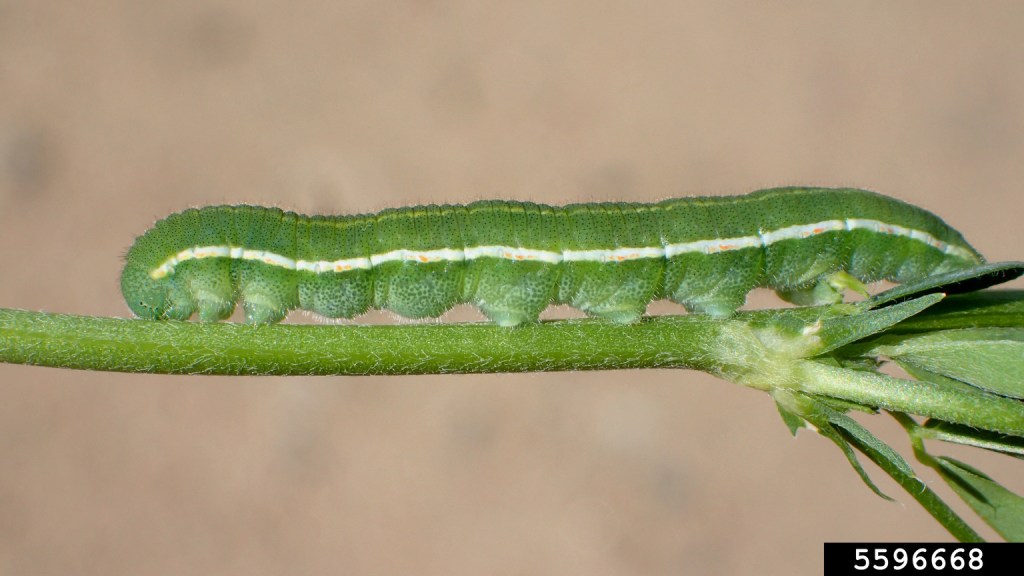
Alfalfa caterpillar. Photo credit: Whitney Cranshaw, Colorado State University, Bugwood.org
Caterpillars and armyworms can also damage alfalfa rapidly when populations increase. These insects may consume large amounts of foliage over a short period, so fields should be checked regularly during periods when moth flights or caterpillar activity are increasing. Webworms and other foliage feeders may also occur, although their importance varies from year to year.
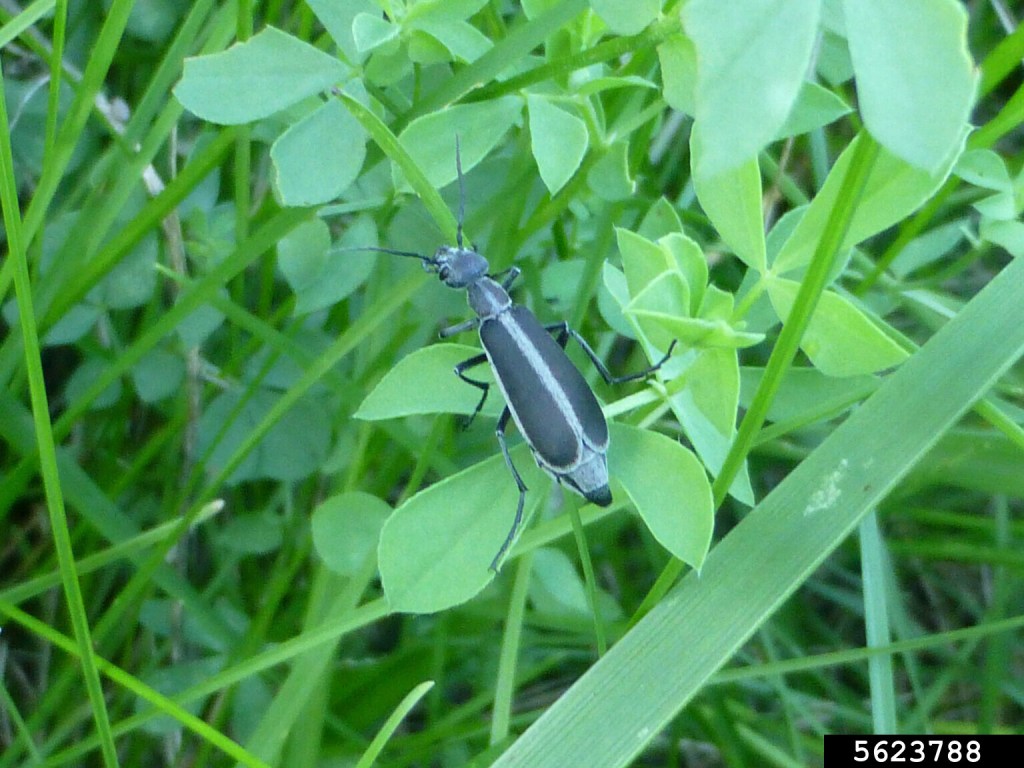
Blister beetle in alfalfa. Photo credit: Laura Iles, Iowa State University, Bugwood.org
Blister beetles require special attention because the concern is not simply loss of forage. Some blister beetle species contain cantharidin, a toxin that can remain in dead beetles after harvest and can be dangerous to livestock, particularly horses. Swarms should be avoided during harvest whenever possible, and fields should be checked carefully before cutting where blister beetles are known to occur.
The goal of insect management is not to eliminate every insect in the field. The goal is to protect yield and forage quality while conserving the beneficial insects that help keep pest populations below damaging levels.
For organic producers, harvest timing, resistant varieties, stand vigor, and conservation of beneficial insects become especially important management tools. When treatment is justified, only insecticides allowed in organic production should be considered, and product selection should be based on the specific pest, growth stage, expected effectiveness, effects on beneficial insects, harvest restrictions, and approval by the producer’s organic certifier.
Scouting remains the foundation of the program. A vigorous alfalfa stand can often tolerate some feeding without economic loss, while stressed or newly established stands may be more vulnerable. Treatment decisions should therefore be based on the pest population, crop condition, expected yield loss, beneficial-insect activity, and proximity to the next harvest rather than on the simple presence of insects.
For insect identification, scouting methods, and current Texas treatment thresholds, see Texas A&M AgriLife Extension Entomology’s Alfalfa Insects management guide. The guide includes photographs of important pests and beneficial insects, sweep-net and beat-bucket sampling methods, and treatment thresholds for major alfalfa insects.
If treatment is necessary, current products labeled for organic production can be found in the Texas A&M AgriLife Organic Materials/Products Lists. Product registrations and organic approval can change, so always confirm the current label and verify the product with your organic certifier before use.
Disease Management
Disease management in alfalfa begins with prevention. Once a perennial stand is established, there are relatively few ways to restore plants that have already been severely damaged by root, crown, or vascular diseases. Good drainage, an adapted variety, appropriate disease resistance, balanced fertility, proper irrigation, and avoiding unnecessary stress all help maintain healthy plants and reduce opportunities for disease to develop.
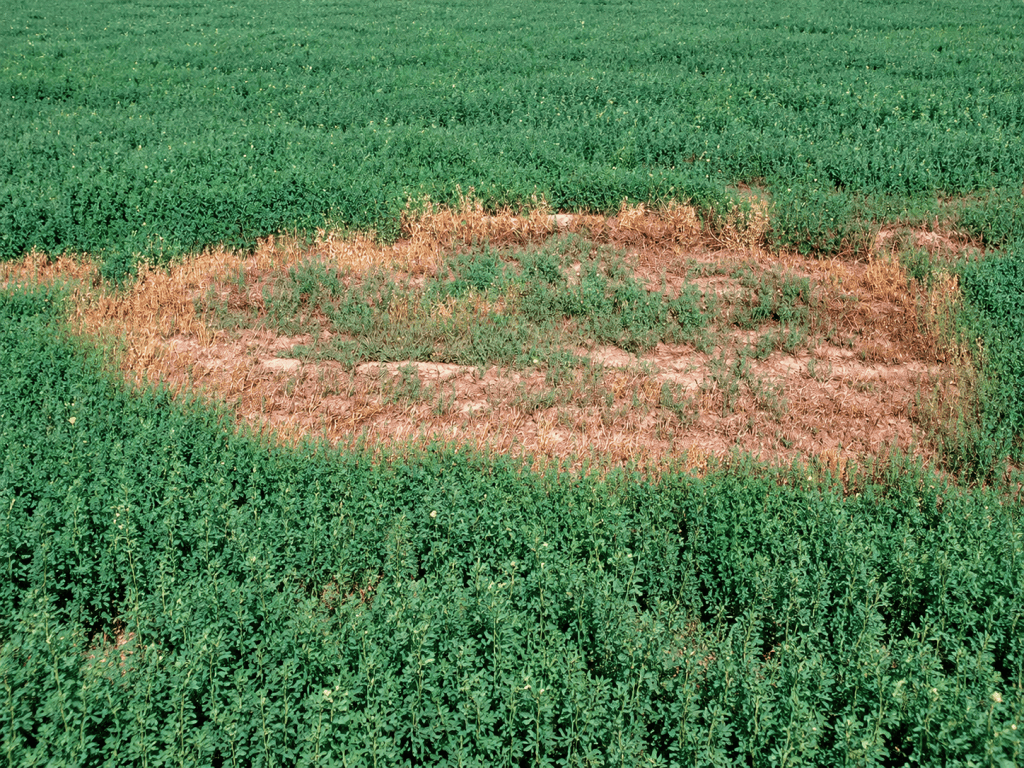
Texas root rot also known as cotton root rot in an alfalfa field. Photo: Texas A&M AgriLife Organic.
Texas root rot, also called cotton root rot, is the most important infectious disease of alfalfa in much of Texas. It is caused by Phymatotrichopsis omnivora and is particularly associated with alkaline, calcareous soils. Infected plants may wilt and die rapidly, often producing expanding areas of dead plants during warm weather. Because the pathogen can persist in soil for many years, a field with a known history of cotton root rot is generally a poor choice for alfalfa. Variety resistance should not be expected to overcome a severely infested site.42
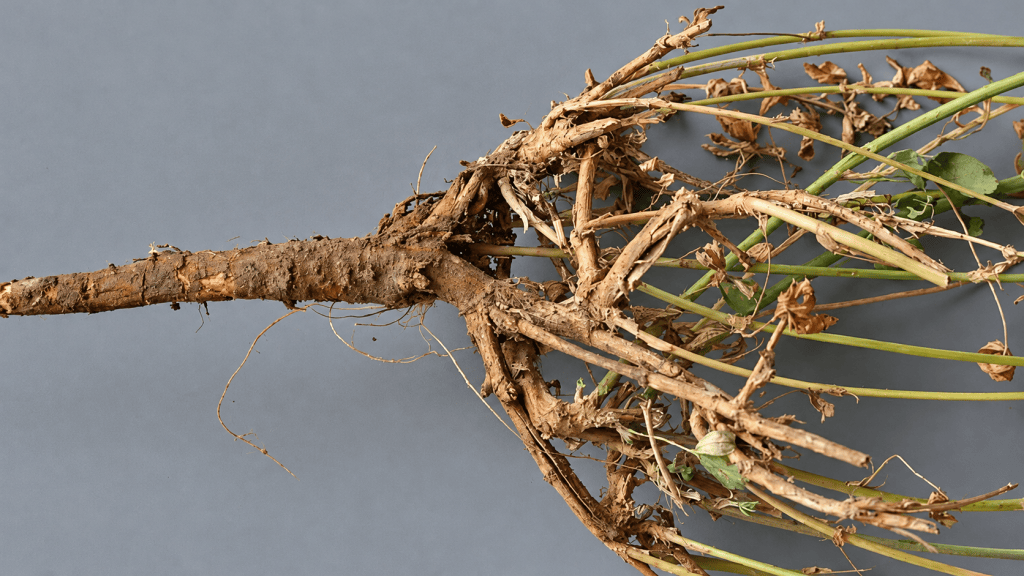
Cotton root rot infected alfalfa plant. Photo: Dr. Tom Isakeit, Texas A&M AgriLife Extension Service.
Root and crown diseases can also become important where soils remain wet or plants are repeatedly stressed. Phytophthora root rot is favored by saturated or poorly drained soils and can reduce root development, plant vigor, and stand persistence. Fusarium wilt and bacterial wilt can also contribute to gradual stand decline, particularly as stands age or experience repeated environmental stress. Resistant varieties remain one of the most practical tools for reducing losses from these diseases.43
Foliar diseases may appear during periods of humid weather, frequent rainfall, or dense canopy growth. Leaf spots and other foliar infections may reduce leaf retention and forage quality, particularly when disease develops before harvest. Timely cutting can sometimes interrupt disease development and remove infected foliage, but harvest decisions should still consider crop maturity, field conditions, and the ability of the stand to recover.
In alfalfa, disease problems often appear first as loss of stand vigor and persistence rather than as a single dramatic symptom.
When areas of a field begin thinning, the producer should look at the entire production environment rather than immediately assuming the problem is disease. Poor drainage, salinity, nutrient deficiency, drought, insect injury, compaction, and repeated close cutting can produce symptoms that resemble disease or make plants more susceptible to infection. Digging plants and examining crowns and roots can often provide more useful information than looking only at the foliage.
For organic producers, disease management therefore depends heavily on prevention: selecting an appropriate field, planting adapted and resistant varieties, maintaining good drainage and fertility, avoiding prolonged saturation, reducing unnecessary plant stress, and rotating out of alfalfa when stand decline becomes severe. When a biological, mineral, or other disease-control product is being considered, only materials allowed in organic production should be used, and the current label and organic status should be verified before application.
For photographs, symptom descriptions, and Texas-specific disease information, Texas A&M AgriLife Extension’s Alfalfa Diseases in Texas and Their Management is an excellent reference. Current products labeled for organic disease control can also be found through the Texas A&M AgriLife Organic Materials/Products Lists.
Harvest Management
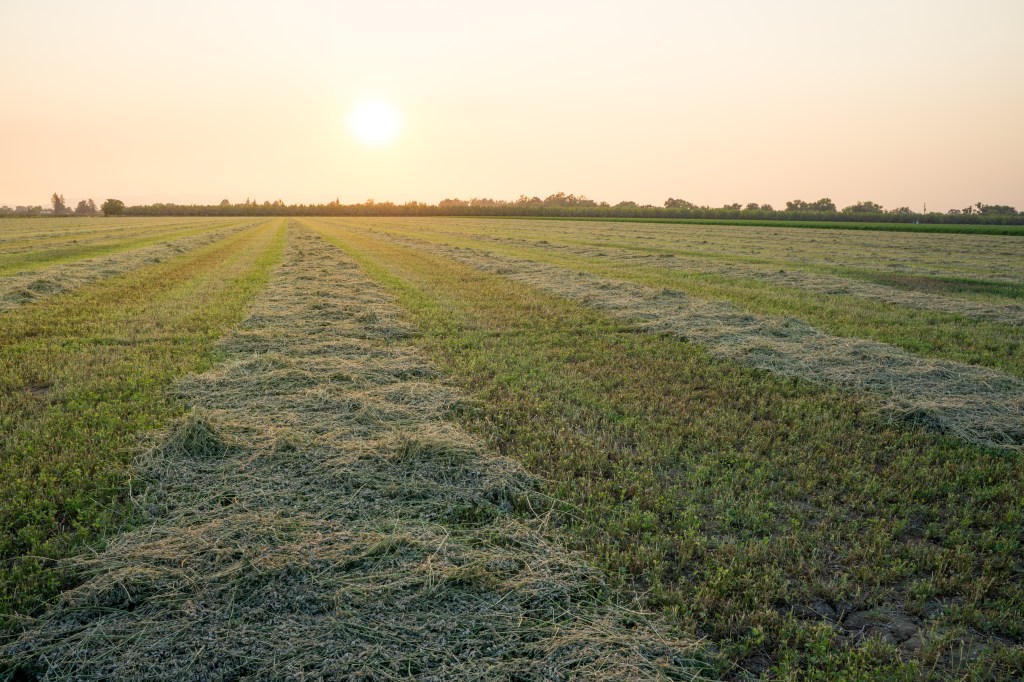
Harvest alfalfa field drying before raking and baling. Photo credit: Texas A&M AgriLife Organic
Harvest management determines much more than how much alfalfa is removed from the field. Cutting stage, interval between harvests, cutting height, weather conditions, and the timing of the final fall harvest all influence forage quality, total yield, stand persistence, and the ability of plants to recover for the next cutting.
Harvesting at the late-bud to early-bloom stage generally favors forage quality, while allowing the crop to advance farther into bloom usually increases yield and gives plants more time to replenish root and crown reserves. Repeatedly cutting very young alfalfa may produce excellent-quality forage but can gradually weaken the stand, while consistently waiting too long sacrifices forage quality. Harvest management therefore requires balancing the immediate value of the cutting with the long-term productivity of the stand. Texas A&M guidance similarly emphasizes harvesting at the proper growth stage while minimizing leaf loss during curing and handling.
Using Bloom Stage to Judge Harvest Timing
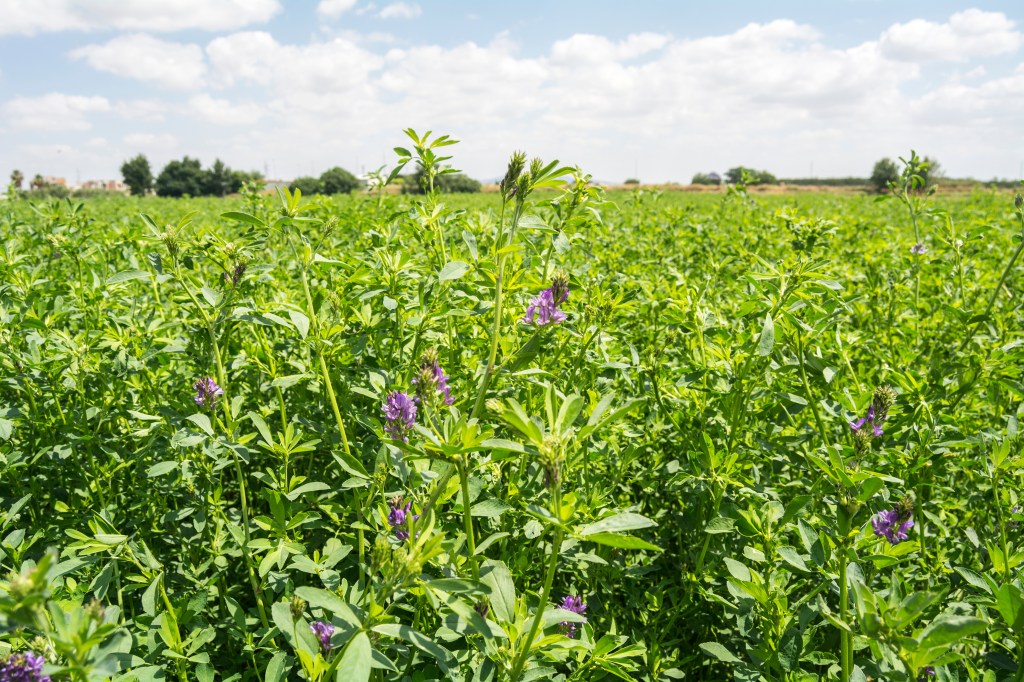
Alfalfa bloom is just happening here in this field. Photo credit: Texas A&M AgriLife Organic
Alfalfa maturity can be estimated by looking at the percentage of stems showing flowers. As the stand moves from vegetative growth into bud and bloom stages, forage yield generally increases while forage quality gradually declines because stems become more fibrous and the leaf-to-stem ratio decreases.
For high-quality hay, alfalfa is often harvested from the late-bud stage through about 10% bloom, depending on the intended market and how aggressively the producer wants to manage the stand. Waiting until 25% to 50% bloom generally gives plants more time to rebuild root and crown reserves and can favor stand persistence, but forage quality will be lower than at an earlier cutting.
Bloom stage gives the producer a practical field measure of maturity, but the best cutting time still depends on the balance among forage quality, yield, weather, and stand recovery.
A practical way to estimate bloom percentage is to walk several representative areas of the field and look at a group of stems rather than judging the field from the edge. If roughly one stem in ten has an open flower, the stand is about 10% bloom; if one-fourth to one-half of the stems are flowering, the stand is roughly 25% to 50% bloom.
A fixed calendar interval is convenient, but alfalfa growth rate changes with temperature, moisture, fertility, and season. During favorable spring conditions the crop may reach the desired stage quickly, while summer heat, drought, or cooler fall weather may slow development considerably. Harvest decisions should therefore consider plant maturity and recovery rather than relying only on the number of days since the previous cutting.
Allowing occasional longer recovery periods can be especially valuable where stands are harvested intensively. Research and Extension guidance from western alfalfa production systems recommends alternating shorter harvest intervals for high-quality forage with longer intervals that allow plants to replenish root reserves and maintain stand health.
Cutting Height and Leaf Retention
Cutting height affects both the amount of forage harvested and the plant’s ability to recover. Cutting too low may increase short-term yield slightly, but repeated very low cutting can remove crown buds and reduce the amount of stem and leaf tissue available to support rapid regrowth. A moderate cutting height protects the crown, reduces scalping on uneven ground, and helps maintain stand persistence.
Leaf retention is equally important because alfalfa leaves contain a large share of the crop’s protein and digestible nutrients. As hay dries, the stems retain moisture longer than the leaves. If the crop becomes too dry before raking or baling, leaves can shatter and be lost from the windrow. This reduces both harvested yield and forage quality.
Harvest equipment should therefore be adjusted to minimize unnecessary handling once the crop has dried. Raking when leaves still have some flexibility, avoiding excessive tedder or rake passes, and baling at the proper moisture can help conserve leaves.
The goal is not simply to remove as much plant material as possible. Good harvest management protects the crown below the cutter bar and protects the leaves after the crop is cut.
Soil contamination also deserves attention because it increases the ash content of alfalfa hay and lowers forage quality. Cutting too close to the ground, scalping uneven areas, or raking aggressively can increase ash content by pulling soil into the forage. Higher ash lowers the feeding value of the forage and may also indicate unnecessary wear on harvesting equipment.
Modern forage harvesting equipment can also increase the opportunity for soil contamination. Tedders, large rakes, mergers, choppers, and pickup attachments can move substantial amounts of forage across or very near the soil surface, particularly when operated aggressively or at high speed. Research with alfalfa has documented soil contamination approaching 8% of harvested forage weight in some situations.44 In addition to increasing ash content and diluting forage nutrients, soil contamination can interfere with silage fermentation by introducing additional minerals and soil microorganisms into a crop that already has a relatively high buffering capacity.45
Higher soil contamination may also reduce the nutritional value of the harvested forage and can introduce undesirable microorganisms or contaminants, making equipment adjustment and minimizing soil pickup important parts of forage-quality management.
For organic producers, careful harvest management has an additional benefit: maintaining a vigorous stand helps the alfalfa recover quickly, close the canopy, and continue competing with weeds after each cutting.
The Final Fall Harvest
The final harvest of the year deserves additional consideration because alfalfa uses stored carbohydrates and proteins in the crown and roots to initiate regrowth after cutting. If enough favorable growing conditions remain, new leaves can photosynthesize and rebuild those reserves. If plants begin regrowth but cold weather stops growth before reserves are restored, the stand may enter winter in a weakened condition.
This is why the final cutting should not be based on a calendar date alone. The important question is how much growing weather remains after harvest. In colder regions, recommendations are often expressed in accumulated growing degree days before a killing freeze rather than a fixed date. The same principle applies in Texas, although the timing varies greatly from the Panhandle to South Texas.
Our research plots provide a good example. A final harvest in late October may be reasonable under the conditions present at that location and in that particular year, but that date should not automatically be transferred to another part of Texas. Producers should consider current growth, soil moisture, previous cutting intensity, expected temperatures, stand age, and the amount of recovery likely before sustained winter conditions.
The final fall harvest is not simply about taking one more cutting. It is a decision about whether the value of that forage outweighs the risk of reducing plant reserves and stand persistence.
Forage Quality and Feeding Value
The feeding value of alfalfa is the end result of every management decision made before and during harvest. A high-quality variety cannot overcome severe drought stress, nutrient deficiency, insect damage, disease, excessive maturity, leaf loss, soil contamination, or poor storage. Conversely, a healthy stand harvested at the proper stage and handled carefully can produce forage with high protein, digestibility, and feeding value.
Alfalfa quality is especially sensitive to maturity because leaves and stems differ greatly in nutritive value. Leaves contain much of the plant’s protein and highly digestible nutrients, while stems become increasingly fibrous as the crop matures. As a result, later harvest generally increases yield but also increases fiber concentration and reduces digestibility.
This is why forage quality should be viewed as the final expression of the entire production system rather than as a laboratory number measured after baling.
Crude Protein, ADF, and NDF
Crude protein is one of the first numbers producers look at on an alfalfa forage analysis, but it should never be interpreted by itself. Protein concentration is influenced by plant maturity, leaf retention, fertility, weather, and harvest management. Younger, leafier alfalfa generally contains more crude protein than mature, stemmy forage.
Acid detergent fiber, or ADF, is closely associated with digestibility. As ADF increases, digestibility generally declines because the forage contains a greater proportion of less-digestible structural fiber. Neutral detergent fiber, or NDF, is related more closely to how much forage an animal can consume. Higher NDF generally means greater rumen fill and lower potential dry-matter intake.46
For that reason, two alfalfa hays with similar crude protein can still have very different feeding values if one contains more stem material, higher fiber, greater ash contamination, or has suffered substantial leaf loss.
Protein tells only part of the story. Fiber concentration, digestibility, leaf retention, and ash content help determine how much of that forage an animal can actually consume and use.
A long-standing rule of thumb for evaluating high-quality alfalfa is the 20–30–40 rule: approximately 20% or more crude protein, 30% or less ADF, and 40% or less NDF, expressed on a dry-matter basis. It is not a complete measure of forage quality, but it remains a useful field and laboratory benchmark because it combines protein concentration with two important measures of fiber.47
Today, forage evaluation goes beyond the 20–30–40 rule. Fiber digestibility, NDF digestibility, ash, Relative Feed Value (RFV), Relative Forage Quality (RFQ), and other measurements can better describe how much forage an animal can consume and how much energy it can obtain from that forage.
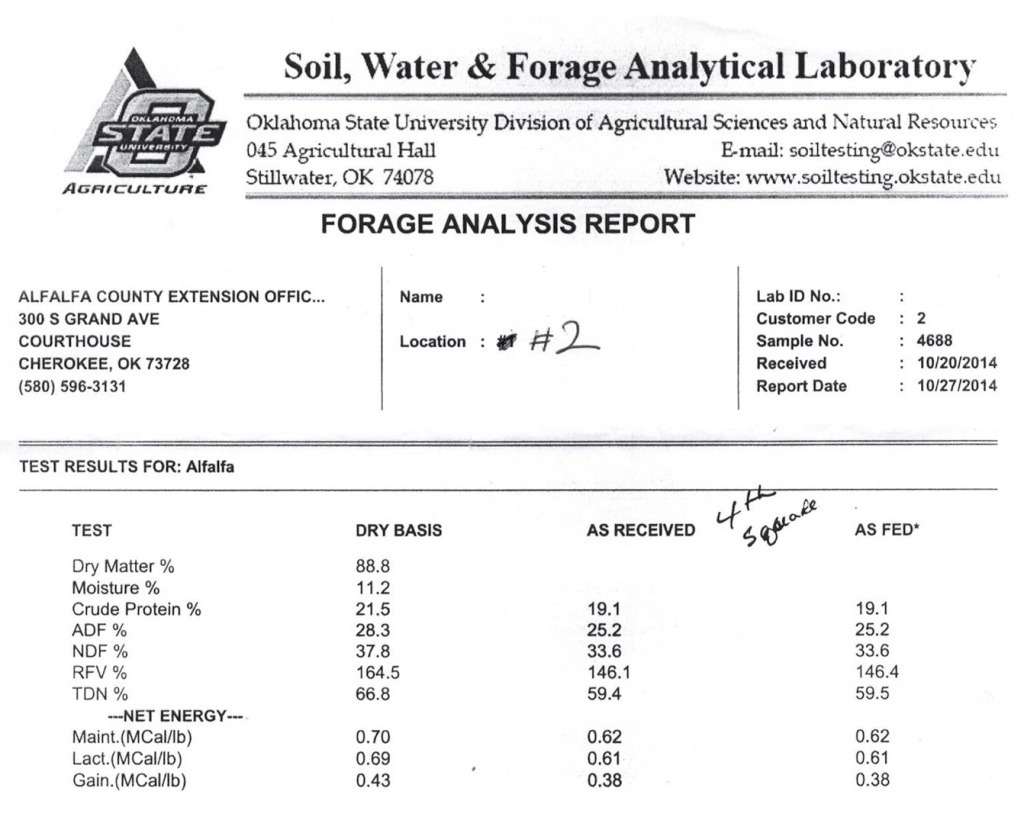
A sample from a second cutting of alfalfa hay. These results are not as extensive as some labs will run but do show how to use the rule of 20-30-40 when evaluating hay test results.
Relative Feed Value and Relative Forage Quality
Relative Feed Value, or RFV, has been used for many years as a simple way to compare alfalfa hay. It is calculated from ADF and NDF, so it combines an estimate of digestibility with an estimate of potential intake. An RFV of 100 is roughly equivalent to full-bloom alfalfa, while higher values indicate forage that is generally more digestible and potentially consumed in greater amounts.
RFV is useful, but it has limitations. Because it relies only on ADF and NDF, it does not account for differences in how digestible the fiber actually is. Two alfalfa hays can have similar NDF concentrations but very different rates and extents of fiber digestion in the rumen.
Relative Forage Quality, or RFQ, was developed to improve on RFV by incorporating NDF digestibility and a more complete estimate of energy and intake. For this reason, RFQ can provide a better estimate of forage quality when fiber digestibility differs among samples, especially when comparing forages with similar NDF concentrations.
RFV tells us how much fiber is present; RFQ goes a step farther by considering how digestible that fiber is.
Neither RFV nor RFQ should be used alone. Crude protein, ash, minerals, moisture, maturity, leaf retention, and the animal being fed all matter. These indexes are most useful as comparison tools when evaluating hay lots, setting quality targets, or discussing price.
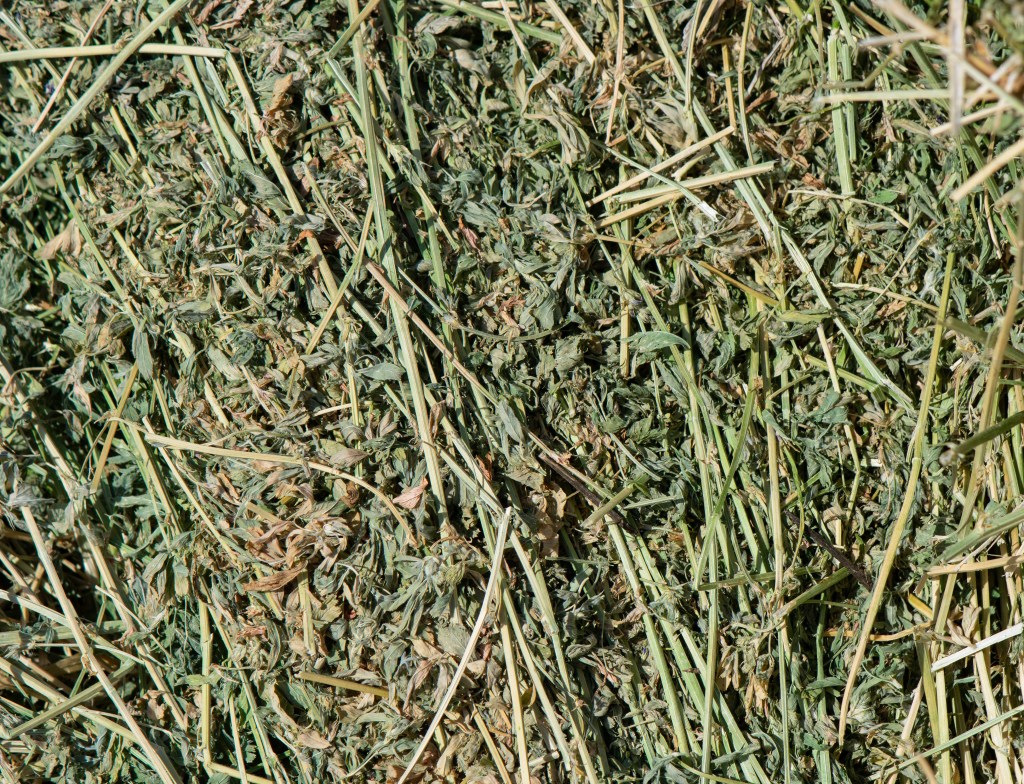
Forage Testing and What the Numbers Mean
A forage analysis is most useful when it helps answer a practical question: How much of this forage can an animal eat, how much nutrition will it provide, and what limitations need to be considered when building a ration? The report may contain many numbers, but a producer does not need to interpret every value independently to make good use of the information.
For hay, the first step is obtaining a representative sample. A single handful from one bale rarely represents an entire cutting or lot. Hay should be sampled with a forage probe from multiple bales and combined into one representative sample for the laboratory. Guidance from eOrganic recommends sampling approximately 15 to 20 bales when evaluating a hay lot.48 Results should generally be compared on a dry-matter basis, which removes differences caused simply by moisture content and allows more meaningful comparisons among forage samples. [eOrganic forage testing guidance]
Several values deserve particular attention:
Crude protein (CP) estimates the protein concentration of the forage. High-quality alfalfa commonly contains substantial crude protein, but protein alone does not determine feeding value. An animal must also be able to consume and digest enough of the forage to use that protein effectively.
Neutral detergent fiber (NDF) represents much of the structural fiber in the plant and is closely related to potential intake. As NDF increases, the forage generally occupies more space in the rumen and voluntary intake tends to decline.
Acid detergent fiber (ADF) represents the less-digestible portion of the plant cell wall and is associated with forage digestibility. As ADF increases, digestibility and energy value generally decline.
NDF digestibility (NDFD) helps explain why two forages with similar NDF values may perform differently in an animal. More digestible fiber moves through the rumen more readily and can support greater intake and energy availability.
Ash represents the total mineral content of the sample. Some ash is naturally present in the plant, but unusually high ash may indicate soil contamination during cutting, raking, merging, chopping, or pickup. High ash dilutes the organic nutrients in the forage and can reduce the amount of usable feed contained in each pound of dry matter.49
Moisture or dry matter is especially important for storage and ration formulation. Moisture influences whether hay stores safely and determines how much actual dry feed is contained in a pound of forage as-fed.
Relative Feed Value (RFV) and Relative Forage Quality (RFQ) summarize several forage characteristics into indexes that can help compare hay lots, but they should not replace the individual values on the report. A producer should still look at protein, fiber, digestibility, ash, moisture, and mineral information when evaluating the forage.
A forage analysis is not simply a scorecard for the hay. It is a tool for deciding how that forage can best be used in an animal-feeding program.
The intended animal also matters. A forage that may be excellent for a dry beef cow could be inadequate as the primary forage for a high-producing dairy cow. Likewise, extremely high-quality alfalfa may provide more protein and energy than some classes of livestock require. Forage quality therefore needs to be matched to the nutritional needs of the animals being fed.
Laboratory results are most valuable when they are used consistently. Sampling each cutting or hay lot allows producers to compare fields, harvest dates, varieties, weather conditions, and management practices over time. Those comparisons can reveal whether changes in maturity, irrigation, fertility, harvest handling, or soil contamination are improving or reducing forage quality.
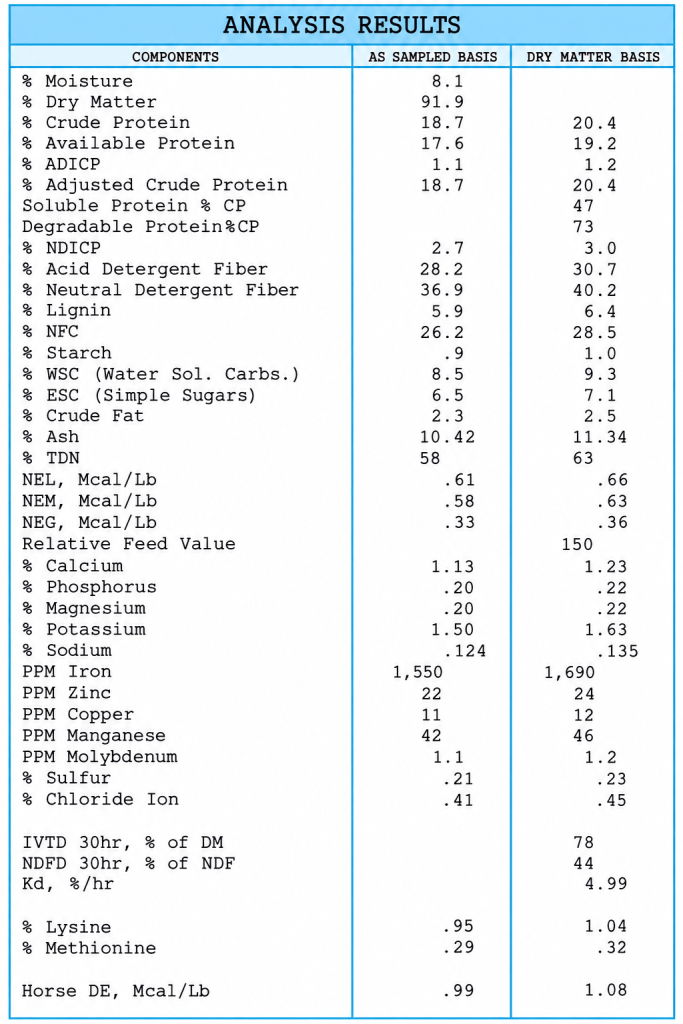
Example alfalfa forage analysis report showing the laboratory values commonly used to evaluate hay quality, digestibility, mineral content, and feeding value. This more comprehensive type of forage test is typically more expensive and is often used when formulating livestock rations.
Hay, Baleage, and Silage Management
The value of alfalfa can be preserved or lost very quickly after cutting. Once the crop is on the ground, the producer is managing moisture, leaf retention, respiration losses, weather risk, and storage conditions. The best harvest system is therefore the one that preserves as much of the harvested dry matter and feeding value as possible under the conditions present.
For dry hay, the challenge is to remove enough moisture for safe storage without allowing the crop to become so dry that leaves shatter during raking and baling. Alfalfa leaves dry faster than stems, so excessive field drying or aggressive handling can result in substantial leaf loss. Because the leaves contain much of the protein and digestible nutrients, visible leaf loss is also a forage-quality loss.
Weather often determines how aggressively hay can be managed. Wide swaths can speed drying by exposing more of the crop to sunlight and air movement, while conditioning can help stems dry more nearly at the same rate as leaves. Raking should generally be delayed until the crop has dried enough to move cleanly but still retains enough leaf moisture to reduce shatter.
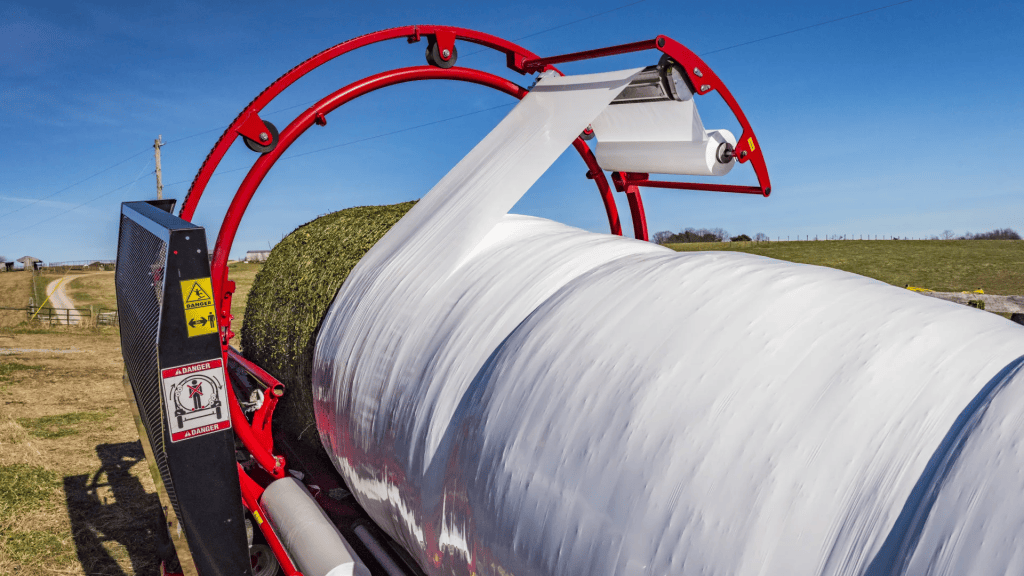
Alfalfa baleage is wrapped tightly quickly to seal out oxygen and aid in fermenation. Photo by Jimmy Henning, UK extension forage specialist.
Baleage provides another option where weather conditions make complete field drying difficult. The crop is baled at a higher moisture content and wrapped quickly to exclude oxygen so fermentation can preserve the forage. Baleage can reduce weather exposure and leaf loss compared with dry hay, but success depends on harvesting at the proper moisture, forming dense bales, wrapping promptly, and maintaining an airtight seal.
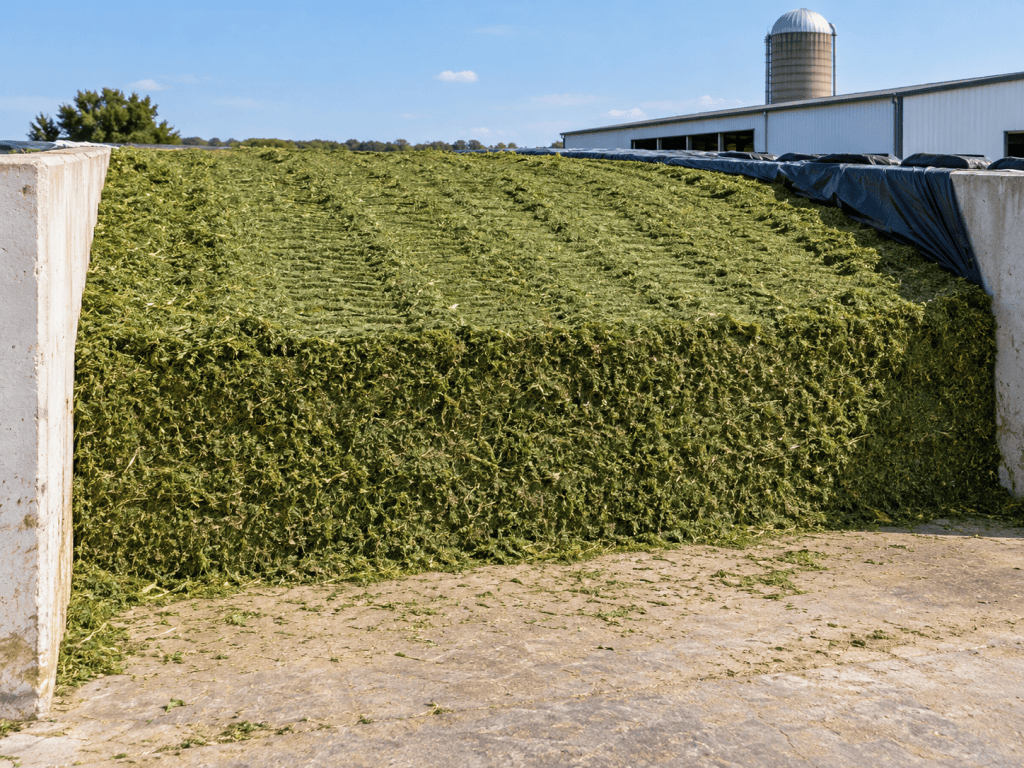
Alfalfa can also be harvested as chopped silage or haylage. This is common where large volumes of forage are needed for dairy or livestock feeding. Chopping allows rapid harvest and storage, but alfalfa can be more difficult to ensile than many grasses because it has a relatively high buffering capacity and often lower concentrations of readily fermentable sugars.50 Good moisture control, rapid filling, adequate packing, and exclusion of oxygen are therefore especially important.
Soil contamination becomes even more important in chopped forage and baleage because soil and manure can introduce undesirable microorganisms into the preserved forage.51 Low cutting heights, aggressive raking, mergers, pickup equipment, and high-speed harvesting can all increase the amount of soil entering the crop. Keeping equipment adjusted properly and minimizing unnecessary contact with the soil surface helps protect fermentation quality as well as reduce ash.
The objective after cutting is simple: preserve leaves, control moisture, keep soil out of the forage, and remove oxygen quickly when the crop is being stored as baleage or silage.
Storage management finishes the job. Dry hay should be protected from rainfall and ground moisture, while baleage and silage should be monitored for holes, damaged plastic, air infiltration, and heating. Losses that occur during storage reduce both the quantity and quality of forage eventually delivered to the animal.
Grazing Alfalfa
Alfalfa can be an excellent grazing crop because it combines high forage quality with strong regrowth potential. It can support rapid gains in growing cattle and provide high-quality forage for dairy animals, sheep, and other livestock. Grazing also reduces some of the machinery and drying costs associated with hay production. However, alfalfa must be managed differently when livestock become the harvesting system.
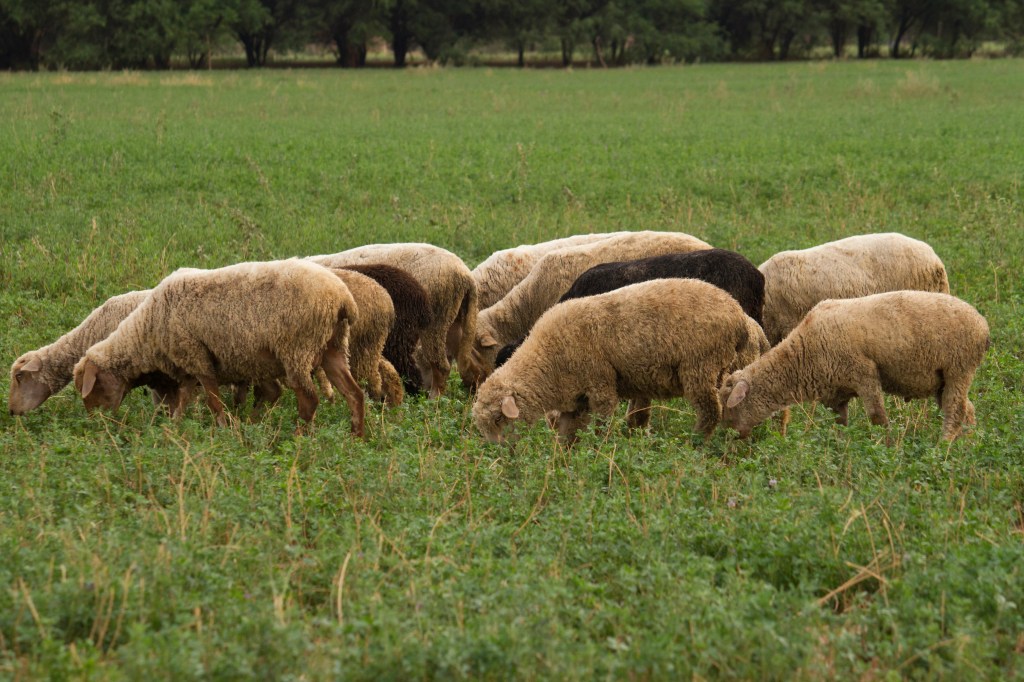
Any ruminant animal grazing alfalfa can be susceptible to bloat but that should not be a sole reason for not planting a grazing alfalfa. Photo credit: Texas A&M AgriLife Organic
The greatest concern is bloat. Alfalfa is a highly digestible legume, and under certain conditions rapid fermentation in the rumen can produce a stable foam that prevents normal release of gas. Bloat risk is often greatest when animals are turned hungry onto lush, immature alfalfa, especially when the forage is wet from dew, rain, or irrigation.
Risk can be reduced by introducing animals gradually, avoiding turnout when livestock are extremely hungry, and providing access to dry hay or grass before grazing lush alfalfa. Producers should also observe cattle closely when they are first introduced to a field or when growing conditions suddenly change.52
Alfalfa can be grazed successfully, but bloat prevention has to be part of the grazing plan before cattle enter the field.
Rotational grazing is generally better suited to alfalfa than continuous heavy grazing. Animals can be allowed to graze a paddock for a relatively short period and then moved so the plants have time to recover. Repeated grazing of new regrowth before plants rebuild leaf area and root reserves can weaken crowns, reduce stand density, and shorten stand life.
Grazing height also matters. Livestock should not be allowed to repeatedly graze plants extremely close to the crown. Leaving residual leaf area and protecting new crown shoots helps the plant resume growth more quickly after grazing.
The length of the recovery period should not be based only on the calendar. Recovery is faster during periods of favorable temperature, moisture, and fertility and slower during drought, heat stress, cool weather, or after heavy grazing. As with hay cutting, the important question is whether plants have had enough time to rebuild energy reserves before being harvested again.
Alfalfa can also be particularly useful when grown with grasses. Grass in the stand may reduce the amount of alfalfa consumed at any one time and can provide a more fibrous forage source alongside the legume. In Texas, alfalfa interseeded into bermudagrass is especially interesting because the two species differ in seasonal growth pattern. Alfalfa can contribute high-quality forage during cooler periods while bermudagrass becomes increasingly productive as temperatures rise, helping extend the grazing season and diversify forage availability.
Grazing management should therefore protect both the livestock and the stand. The goal is to use the high feeding value of alfalfa while controlling bloat risk, avoiding excessive grazing pressure, and allowing adequate recovery between grazing periods.
Stand Evaluation and When to Rotate Out of Alfalfa
Alfalfa stands do not usually fail all at once. Productivity often declines gradually as plants are lost to age, disease, insects, drought, traffic, poor drainage, nutrient stress, repeated close cutting, or winter injury.53 The field may still look green from a distance, but yield and forage quality can decline as the number of productive alfalfa plants decreases and weeds or grasses begin to occupy the open spaces.
For that reason, stand evaluation should focus on more than simply counting plants. Older alfalfa plants develop larger crowns and more stems, so a field with fewer mature plants may still remain productive if those plants are healthy and producing numerous vigorous stems.
Stem Density Is More Useful Than Plant Count
One of the most useful ways to evaluate an established alfalfa stand is to count the number of stems per square foot during active growth.54 Stem density provides a better indication of potential yield than plant population alone because it more directly reflects the amount of productive growth present in the field.
Counts should be taken at several representative locations across the field, avoiding unusual areas unless those areas are being evaluated separately. Place a square-foot frame on the ground and count all living alfalfa stems originating within the frame. Average the counts from several locations to estimate overall stand density.
As a general guide, stands with approximately 55 or more stems per square foot are usually considered capable of full production. Fields with roughly 40 to 55 stems per square foot may still be productive but should be watched closely. These values should be used as guidelines rather than absolute thresholds.When stem density falls below about 40 stems per square foot, yield potential is often reduced enough that renovation or rotation should be considered.55 These values should be used as guidelines rather than absolute thresholds.
A stand can still contain alfalfa plants and no longer be an economically productive alfalfa field. Stem density helps distinguish between the two.
Look at Stand Uniformity as Well as the Average
An average stem count can hide serious problems. A field may contain excellent alfalfa in one area and nearly bare ground in another because of soil differences, drainage, salinity, disease, irrigation patterns, or traffic.
Walk the entire field and look for thin areas, dead crowns, weak regrowth, weed invasion, irregular plant height, and differences in color or vigor. Mapping those areas mentally or with GPS can help determine whether the problem is localized and correctable or whether the entire stand is approaching the end of its productive life.
Open areas also create an opportunity for weeds and grasses to establish. Increasing weed pressure in an older alfalfa field is therefore often an indication that stand density has already declined rather than simply a separate weed-control problem.
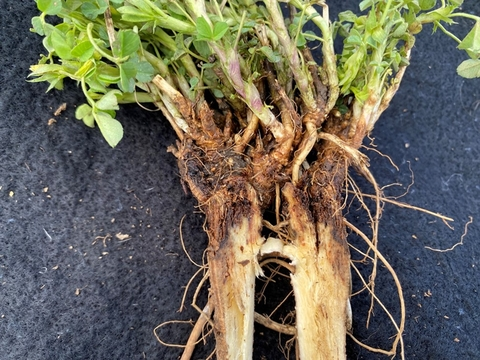
Alfalfa plant with multiple stems and significant crown and root discoloration due to winter injury. This plant is likely to become increasingly unproductive. If over half of plants in fields have this level of disease, productivity will be low. Consider rotation to another crop. Photo credit: “Assessing alfalfa winter injury,” University of Minnesota Extension.
Examine the Crowns and Roots
Stem counts show what is happening above ground, but crown and root condition can help explain why the stand is declining. Dig several plants from both healthy and weak areas and examine the crown and taproot.
Healthy crowns should be firm and capable of producing multiple vigorous shoots. Darkened, soft, rotted, split, or severely damaged crowns and roots may indicate disease, winter injury, traffic damage, or other stresses. A plant may still be alive but contribute little to future production if much of the crown has already been lost.
Know When to Rotate
There is no single stand age at which every alfalfa field should be terminated. Some stands remain productive for many years, while others decline much sooner because of disease, drought, soil limitations, harvest intensity, or other stresses.
The decision to rotate should be based on yield, stand density, stand uniformity, weed pressure, crown health, and the expected value of another production year. If the field continues to produce acceptable forage and responds well after harvest, keeping it another year may be justified. If yield continues to decline, weeds occupy an increasing portion of the stand, and surviving plants show poor vigor, rotation may be more profitable than trying to preserve a failing stand.
Rotation also allows the producer to take advantage of the nitrogen contributed by alfalfa and provides an opportunity to control perennial weeds, correct soil problems, and prepare the field for the next crop.
The objective is not to keep an alfalfa stand alive as long as possible. The objective is to keep it only as long as it remains productive and profitable.
Autotoxicity and Replanting Alfalfa
When an old alfalfa stand is terminated, it may seem logical to simply prepare the field and plant alfalfa again. Unfortunately, established alfalfa can make establishment of the next alfalfa crop more difficult through a phenomenon known as autotoxicity.
Mature alfalfa plants release compounds that can inhibit the germination, root development, and survival of new alfalfa seedlings. The effect is especially important in older, established stands. New seedlings may emerge and appear satisfactory at first, yet develop shortened or damaged root systems and never become fully productive. University of Minnesota Extension notes that autotoxicity can impair taproot development and ultimately reduce water and nutrient uptake.
Autotoxicity is one reason producers generally should not attempt to thicken an aging alfalfa stand by simply drilling additional alfalfa seed into it. Research summarized by University of Wisconsin found that new seedlings established close to existing mature plants had substantially reduced survival and yield.56 In practical terms, overseeding more alfalfa into a declining mature stand is usually unsuccessful.
A thin old alfalfa stand usually cannot be restored simply by planting more alfalfa into it.
The safest approach is usually to rotate the field to another crop before returning to alfalfa. A rotation crop provides time for old alfalfa residue to decompose and for autotoxic compounds in the soil to be degraded, diluted, or leached from the root zone. University of Wisconsin research has found that a rotation interval of at least one year has been effective in avoiding much of the autotoxic effect, although recommendations vary with environment and stand history.
The length of the needed rotation interval is not identical in every field. Autotoxic compounds tend to persist longer under cool, dry conditions and in heavier soils, while warm, moist conditions and microbial activity can speed their breakdown. Rainfall, irrigation, tillage, soil texture, the age and density of the former stand, and the amount of remaining plant residue can all influence the risk.
Failed new seedings are somewhat different. Young alfalfa stands generally produce less autotoxic material than older stands, so a recently planted stand that fails during its establishment year may sometimes be reseeded without the same degree of concern. Extension recommendations commonly distinguish these young failed seedings from established stands that have been in production for several years.
For an established Texas alfalfa field that has reached the end of its productive life, the most dependable strategy is usually to rotate to other crops rather than immediately planting alfalfa back into the same field. In many Texas production systems, that rotation may move from alfalfa to cotton followed by sorghum, then planted to wheat followed with a summer fallow and finally an alfalfa crop planted in the fall. The exact sequence will depend on region, irrigation, markets, soil type, and the crops normally grown on that farm.
This kind of rotation does more than reduce autotoxicity risk. It also gives the producer an opportunity to capture some of the nitrogen benefit from the former alfalfa stand, manage perennial weeds, break pest and disease cycles, and correct soil or fertility problems before establishing the next alfalfa stand. It is not unusual for a Texas organic farmer to rotate to cotton followed by sorghum or wheat followed by wheat and summer fallow with alfalfa planted in the fall.
When an established alfalfa stand is finished, rotation is usually a better investment than trying to force another alfalfa stand immediately back into the same field.
Economics and Marketing
Alfalfa can be one of the more valuable forage crops grown in Texas, but it is also a crop with significant establishment, irrigation, fertility, harvest, and storage costs. Profitability therefore depends on more than simply producing a high yield. The value of the forage, the cost of producing each ton, the number of productive years in the stand, and the market available to the producer all matter.
One of the first economic decisions occurs before planting. Alfalfa requires a substantial investment during establishment, and that investment is recovered over the productive life of the stand. A field that remains productive for several years spreads establishment costs over more tons of forage, while a stand that fails early can become very expensive on a per-ton basis.
Texas A&M AgriLife Extension Agricultural Economics publishes alfalfa enterprise budgets for several Texas regions and production systems. These budgets provide estimates for establishment, irrigation, machinery, harvest, operating costs, expected yield, and breakeven prices. They are useful starting points for producers developing their own cost estimates, but they should be adjusted for individual farms, current input prices, irrigation costs, equipment ownership, and expected yields. Organic producers will also need to substitute their own costs for organic seed, fertility sources, weed management, pest management, and other practices that differ from conventional production.
The important economic number is not simply the cost per acre. It is the cost of producing and delivering a ton of marketable forage.
Harvest expense deserves particular attention because alfalfa is normally harvested several times during a growing season. Cutting, conditioning, raking, baling, hauling, wrapping, chopping, and storage can represent a substantial portion of the annual production cost. Higher yields can reduce some costs on a per-ton basis, but poor weather, leaf loss, soil contamination, storage loss, or declining forage quality can reduce the value of those additional tons.
Irrigation can be another major cost in many Texas alfalfa systems. The economic return from an additional irrigation depends on the amount of additional forage produced, its quality and market value, and the cost of pumping and applying the water. For this reason, irrigation decisions should consider both crop water needs and the expected value of the additional production.
Quality Has Economic Value
Not every ton of alfalfa has the same value. Hay with high crude protein, lower fiber, good digestibility, high leaf retention, low ash, good color, and freedom from weeds or foreign material may command a premium compared with mature, weathered, stemmy, or contaminated forage.
This makes harvest timing an economic decision as well as an agronomic one. Delaying harvest may increase tons per acre, but it can also lower forage quality. Conversely, harvesting very early may produce excellent quality but reduce yield and potentially increase harvesting cost per ton. The most profitable harvest timing depends on the market being targeted.
Dairy-quality alfalfa may justify greater attention to maturity, leaf retention, ash, moisture, and laboratory analysis because relatively small differences in forage quality can influence ration value. Beef cattle, horses, sheep, and other livestock markets may place different values on forage characteristics, bale size, appearance, and packaging.
Know the Market Before Planting
Alfalfa is expensive to produce without a dependable market. Producers should identify potential buyers, preferred bale size or forage form, quality expectations, delivery requirements, and seasonal demand before establishing a large acreage.
Transportation is especially important because hay is bulky. A favorable hay price can quickly become less attractive when the forage must be hauled long distances. Producers located near dairies, feedyards, horse operations, livestock producers, or established hay markets may have an economic advantage over producers located farther from dependable buyers.
Organic alfalfa can have additional market opportunities, particularly with certified organic dairy and livestock operations, but the market is smaller and more specialized than the conventional hay market. Producers should not assume that organic certification automatically guarantees a premium. The buyer, forage quality, transportation distance, contract arrangements, and availability of competing forage all influence the price actually received.
A premium market is valuable only if the producer can consistently deliver the quality, quantity, and form of forage that market requires.
Alfalfa also has economic value beyond the hay or forage sold from the field. Its nitrogen fixation, deep rooting, soil improvement, and value in crop rotation can benefit the crops that follow it. Those benefits may not appear directly on an alfalfa enterprise budget, but they should be considered when evaluating the crop within the economics of the entire farming system.
For current Texas cost estimates, producers can consult the Texas A&M AgriLife Extension Agricultural Economics Alfalfa Budgets and then modify the appropriate regional budget to reflect their own farm, production system, organic inputs, irrigation costs, expected yields, and market.
Texas Organic Alfalfa Quick Reference
Successful organic alfalfa production depends on getting the major management decisions right from the beginning. Variety selection, field preparation, soil fertility, irrigation, harvest timing, pest management, and stand persistence all interact, and weakness in one part of the system can eventually reduce both yield and forage quality.
Before Planting
Choose a deep, well-drained field with suitable pH and low salinity risk. Avoid fields with a known history of Texas root rot or chronic drainage problems.
Select a variety with an appropriate fall dormancy rating, winter survival, and disease resistance package for the intended Texas production region.
Use organically compliant seed when required, verify seed availability early, and confirm any questions about seed status or inputs with the organic certifier.
Prepare a firm, smooth seedbed and correct compaction, fertility, drainage, and major weed problems before planting. Alfalfa seedlings are too small to compensate for poor field preparation.
Plant shallow—generally around ¼ inch and usually no deeper than ½ inch—and maintain good seed-to-soil contact.
Use the correct alfalfa rhizobium inoculant when needed and verify nodulation after establishment.
Maintain the Stand
Do not assume nitrogen fixation eliminates fertility needs. Alfalfa removes large quantities of potassium, phosphorus, sulfur, and other nutrients with every ton of hay harvested.
Use soil tests, plant condition, yield history, and irrigation-water analysis where appropriate to guide fertility management.
Manage irrigation according to soil water-holding capacity, rooting depth, crop demand, and field variability rather than simply applying water on a fixed calendar.
Maintain a dense, vigorous stand. Good stand density is one of the most effective long-term tools for suppressing weeds.
Scout regularly for aphids, alfalfa weevil, caterpillars, blister beetles, and other pests. Use resistant varieties, beneficial insects, harvest timing, and approved organic inputs when treatment is justified.
Watch for root and crown diseases, especially in fields with drainage problems or a history of Texas root rot.
Harvest for Both Yield and Quality
Harvest timing should balance yield, forage quality, weather risk, and plant recovery. Bloom stage remains a useful field indicator of maturity.
Protect the leaves. Much of alfalfa’s protein and highly digestible nutrients are concentrated in the leaf fraction.
Avoid cutting and raking so aggressively that soil is incorporated into the forage. Soil contamination raises ash and can reduce feeding value and interfere with fermentation.
Use forage testing to evaluate crude protein, ADF, NDF, fiber digestibility, ash, moisture, minerals, RFV, RFQ, and other values appropriate for the intended livestock market.
Remember the traditional 20–30–40 rule for high-quality alfalfa: approximately 20% or greater crude protein, 30% or less ADF, and 40% or less NDF on a dry-matter basis.
Hay, Baleage, Silage, and Grazing
Dry hay must be dried enough for safe storage without allowing excessive leaf shatter.
Baleage and silage require proper moisture, rapid exclusion of oxygen, good packing or wrapping, and protection from air infiltration.
When grazing alfalfa, bloat prevention must be part of the grazing plan. Do not turn hungry livestock directly onto lush alfalfa, and manage grazing so plants have adequate time to recover.
Alfalfa–grass mixtures, including alfalfa–bermudagrass systems, can provide complementary seasonal production and additional grazing flexibility.
Know When the Stand Is Finished
Evaluate older stands by stem density, stand uniformity, yield, weed pressure, crown condition, and root health rather than plant count alone.
As a general guide, approximately 55 or more stems per square foot indicates strong yield potential, while stands below about 40 stems per square foot often have enough yield loss to justify considering rotation. These are guidelines rather than absolute thresholds.
Do not expect to restore an old, thinning stand simply by planting more alfalfa into it. Autotoxicity can reduce establishment and root development of new seedlings.
When a mature stand reaches the end of its productive life, rotate to other crops before returning to alfalfa. In Texas, the rotation may include cotton, sorghum, wheat, a summer fallow period, and then a fall-planted alfalfa crop, depending on the production region and farming system.
Keep the Economics in View
Know the intended market before planting. Hay quality, bale size, transportation distance, irrigation cost, harvest expense, stand longevity, and market demand all influence profitability.
Use current Texas A&M AgriLife Extension enterprise budgets as a starting point, then substitute the actual costs and expected yields for the individual farm and organic production system.
Successful organic alfalfa production is not the result of one management practice. It is the result of maintaining a productive stand, preserving forage quality, and making timely decisions from planting through the final rotation out of the field.
References
- U.S. Department of Agriculture, Field Crops: Hay—By States, 1866–1953. ↩︎
- U.S. Department of Commerce, Bureau of the Census, 1954 Census of Agriculture: Texas. ↩︎
- Whitney, B. 2025. Using Google Earth and Web Soil Survey to Understand Your Fields. Texas A&M AgriLife Organic. June 30, 2025. ↩︎
- Whitney, B. 2025. Using Google Earth and Web Soil Survey to Understand Your Fields. Texas A&M AgriLife Organic. June 30, 2025. ↩︎
- Isakeit, Thomas. 2021. Alfalfa Diseases in Texas and Their Management. Texas A&M AgriLife Extension Service, PLPM-PU-091. ↩︎
- Missaoui, A. 2014. Alfalfa Production in the South. Presentation, 2014 Southeast Hay Convention, University of Georgia. ↩︎
- Harling, J., Rios, E., de Souza, C.H., Sollenberger, L.E., Dubeux, J.C., and Wallau, M. 2023. Defoliation management affects performance of alfalfa–bermudagrass mixtures in the southeastern United States. Agronomy Journal 115:1776–1786. https://doi.org/10.1002/agj2.21296 ↩︎
- Guerena, M., and Sullivan, P. 2003. Organic Alfalfa Production. National Center for Appropriate Technology (NCAT/ATTRA). ↩︎
- Trostle, C., and Siders, K. 2012. Small Acreage Alfalfa for West Texas. Texas A&M AgriLife Extension Service, E-598. ↩︎
- Trammell, M. 2026. Fall Dormancy and Winter Survival in Alfalfa. Oklahoma State University Extension, Cow-Calf Corner, August 24, 2026. ↩︎
- Trostle, C., and Siders, K. 2012. Small Acreage Alfalfa for West Texas. Texas A&M AgriLife Extension Service, E-598. ↩︎
- Trostle, C., and Siders, K. 2012. Small Acreage Alfalfa for West Texas. Texas A&M AgriLife Extension Service, E-598. ↩︎
- Hay & Forage Grower. 2025. 2026 NAFA Alfalfa Variety Ratings Now Available. December 1, 2025. ↩︎
- DLF. AFX 779. La Crosse Seed/Alforex Seeds product information. ↩︎
- Trammell, M. 2026. Fall Dormancy and Winter Survival in Alfalfa. Oklahoma State University Extension, Cow-Calf Corner, August 24, 2026. ↩︎
- Undersander, D., Cosgrove, D., Cullen, E., Grau, C., Rice, M.E., Renz, M., Sheaffer, C., Shewmaker, G., and Sulc, M. 2011. Alfalfa Management Guide. American Society of Agronomy, Crop Science Society of America, and Soil Science Society of America. ↩︎
- Isakeit, Thomas. 2021. Alfalfa Diseases in Texas and Their Management. Texas A&M AgriLife Extension Service, PLPM-PU-091. ↩︎
- Isakeit, Thomas. 2021. Alfalfa Diseases in Texas and Their Management. Texas A&M AgriLife Extension Service, PLPM-PU-091. ↩︎
- Isakeit, Thomas. 2021. Alfalfa Diseases in Texas and Their Management. Texas A&M AgriLife Extension Service, PLPM-PU-091. ↩︎
- Undersander, D., Cosgrove, D., Cullen, E., Grau, C., Rice, M.E., Renz, M., Sheaffer, C., Shewmaker, G., and Sulc, M. 2011. Alfalfa Management Guide. American Society of Agronomy, Crop Science Society of America, and Soil Science Society of America. ↩︎
- Undersander, D., Cosgrove, D., Cullen, E., Grau, C., Rice, M.E., Renz, M., Sheaffer, C., Shewmaker, G., and Sulc, M. 2011. Alfalfa Management Guide. American Society of Agronomy, Crop Science Society of America, and Soil Science Society of America. ↩︎
- Isakeit, Thomas. 2021. Alfalfa Diseases in Texas and Their Management. Texas A&M AgriLife Extension Service, PLPM-PU-091. ↩︎
- Isakeit, Thomas. 2021. Alfalfa Diseases in Texas and Their Management. Texas A&M AgriLife Extension Service, PLPM-PU-091. ↩︎
- Texas A&M AgriLife Extension Entomology. Alfalfa Insects. Managing Insect Pests of Texas Forage Crops. ↩︎
- Texas A&M AgriLife Extension Entomology. Alfalfa Insects. Managing Insect Pests of Texas Forage Crops. ↩︎
- Texas A&M AgriLife Extension Entomology. Alfalfa Insects. Managing Insect Pests of Texas Forage Crops. ↩︎
- Texas A&M AgriLife Extension Entomology. Alfalfa Insects. Managing Insect Pests of Texas Forage Crops. ↩︎
- Undersander, D., Cosgrove, D., Cullen, E., Grau, C., Rice, M.E., Renz, M., Sheaffer, C., Shewmaker, G., and Sulc, M. 2011. Alfalfa Management Guide. American Society of Agronomy, Crop Science Society of America, and Soil Science Society of America. ↩︎
- Undersander, D., Cosgrove, D., Cullen, E., Grau, C., Rice, M.E., Renz, M., Sheaffer, C., Shewmaker, G., and Sulc, M. 2011. Alfalfa Management Guide. American Society of Agronomy, Crop Science Society of America, and Soil Science Society of America. ↩︎
- Undersander, D., Cosgrove, D., Cullen, E., Grau, C., Rice, M.E., Renz, M., Sheaffer, C., Shewmaker, G., and Sulc, M. 2011. Alfalfa Management Guide. American Society of Agronomy, Crop Science Society of America, and Soil Science Society of America. ↩︎
- Rankin, M. 2026. September Alfalfa Cutting: Is It Risky? Hay & Forage Magazine. September 8, 2026. ↩︎
- USDA Agricultural Marketing Service. 5029: Seeds, Annual Seedlings, and Planting Stock in Organic Crop Production. National Organic Program Handbook. ↩︎
- USDA Agricultural Marketing Service. 5029: Seeds, Annual Seedlings, and Planting Stock in Organic Crop Production. National Organic Program Handbook. ↩︎
- USDA Agricultural Marketing Service. Seeds and Planting Stock Practice Standard. 7 CFR § 205.204. ↩︎
- National Alfalfa & Forage Alliance. 2026. Alfalfa Variety Ratings Searchable Database. ↩︎
- Undersander, D. Late Summer Alfalfa Seeding. University of Wisconsin–Madison Division of Extension, Crops and Soils Program. ↩︎
- Visjon Biologics. Forage Crops: Alfalfa & Sweet Clover Inoculants. Henrietta, Texas. ↩︎
- Orloff, S., Putnam, D., and Bali, K. 2015. Drought Strategies for Alfalfa. University of California Agriculture and Natural Resources, Publication 8522. ↩︎
- Provin, T. L., and J. L. Pitt. Description of Water Analysis Parameters. Texas Cooperative Extension, Soil and Crop Sciences Department, SCS-2002-10. Texas A&M AgriLife Extension Service ↩︎
- Beck, L., Marsalis, M., and Lauriault, L. Managing Weeds in Alfalfa. New Mexico State University Cooperative Extension Service, Guide A-325. ↩︎
- Canevari, W. M., Vargas, R. N., and Orloff, S. B. 2007. Weed Management in Alfalfa. In C. G. Summers and D. H. Putnam, eds., Irrigated Alfalfa Management for Mediterranean and Desert Zones, Chapter 8. University of California Agriculture and Natural Resources Publication 8294. ↩︎
- Isakeit, Thomas. 2021. Alfalfa Diseases in Texas and Their Management. Texas A&M AgriLife Extension Service, PLPM-PU-091. ↩︎
- Isakeit, Thomas. 2021. Alfalfa Diseases in Texas and Their Management. Texas A&M AgriLife Extension Service, PLPM-PU-091. ↩︎
- Jia, T.-T., Luo, Y., Wang, L., & Yu, Z. 2024. “Effect of soil contamination and additives on fermentative profile, microbial community and iron bioaccessibility of alfalfa silage.” Chemical and Biological Technologies in Agriculture 11. ↩︎
- Hodulikova, L., et al. 2016. “Effect of Soil Contamination of Fodder and Wilting on the Occurrence of Fungi and Mycotoxins in Alfalfa Silages.” Acta Universitatis Agriculturae et Silviculturae Mendelianae Brunensis 64:1529–1536. ↩︎
- Flack, S., and K. Hoffman. 2013. Managing Dairy Nutrition for the Organic Herd: Forage Testing and Interpreting Lab Analyses. eOrganic, Extension Foundation. ↩︎
- Zhang, H., and A. Rocateli. 2017. Forage Quality Interpretations. Oklahoma State University Extension, Fact Sheet PSS-2117. ↩︎
- Flack, S., and K. Hoffman. 2013. Managing Dairy Nutrition for the Organic Herd: Forage Testing and Interpreting Lab Analyses. eOrganic, Extension Foundation. ↩︎
- Jia, T.-T., Luo, Y., Wang, L., & Yu, Z. 2024. “Effect of soil contamination and additives on fermentative profile, microbial community and iron bioaccessibility of alfalfa silage.” Chemical and Biological Technologies in Agriculture 11. ↩︎
- Okoye, C. O., Wei, Z., Jiang, H., Wu, Y., Wang, Y., Gao, L., Li, X., and Jiang, J. 2023. “Metagenomics analysis reveals the performance of homo- and heterofermentative lactic acid bacteria in alfalfa silage fermentation, bacterial community, and functional profiles.” Journal of Animal Science 101: skad163. ↩︎
- Hodulikova, L., et al. 2016. “Effect of Soil Contamination of Fodder and Wilting on the Occurrence of Fungi and Mycotoxins in Alfalfa Silages.” Acta Universitatis Agriculturae et Silviculturae Mendelianae Brunensis 64:1529–1536. ↩︎
- Thomas, H. S. 2025. “Reducing Pasture Bloat Risk.” Hereford World, October 2025, pp. 72–74. American Hereford Association. ↩︎
- University of Minnesota Extension. Assessing Alfalfa Winter Injury. University of Minnesota Extension. ↩︎
- Penn State Extension. 2025. Alfalfa Injury: Continuation or Termination in Spring? Pennsylvania State University Extension. ↩︎
- Undersander, D., et al. Alfalfa Stand Assessment: Is This Stand Good Enough to Keep? University of Wisconsin Extension, A3620. ↩︎
- Jennings, J. Understanding Autotoxicity in Alfalfa. University of Wisconsin–Madison Division of Extension, Crops and Soils Program. ↩︎

Discover more from Texas A&M AgriLife Organic
Subscribe to get the latest posts sent to your email.


