One of the biggest limitations I continue to see in organic grain and dairy systems—especially here in Texas and across the southern region—is not just fertility or weed control. It is genetics. We simply do not have corn hybrids that are truly adapted to our heat, drought, and water-limited environments.
A new on-farm project as part of a Southern SARE grant is being led by Seth Fortenberry (New Deal Grain) is working directly on that problem. This work is supported through the Southern SARE program, which is designed to fund practical, on-farm research that can be quickly adopted by other farmers—making it a strong fit for advancing organic systems in our region.
What This Project Is About
This on-farm project is focused on building local hybrid corn seed production for organic systems. Instead of relying on seed developed and produced in the Midwest, the goal is to produce non-GMO hybrid seed right here in the South, under the same conditions farmers actually face.
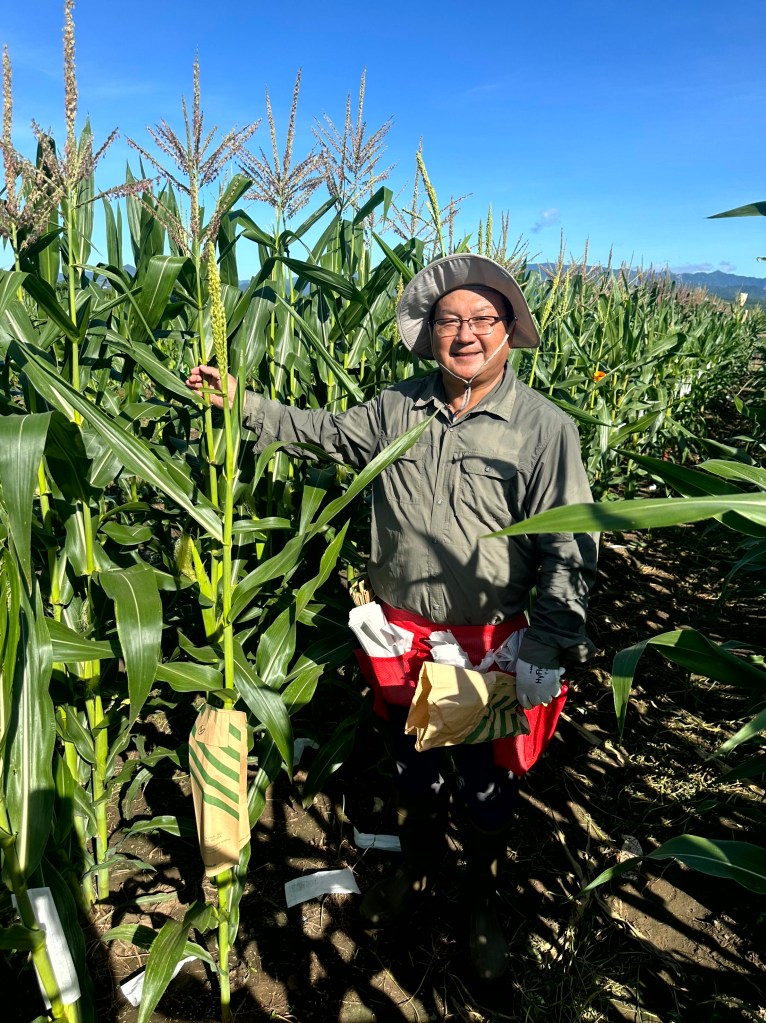
A key part of this project—and one I think is worth highlighting—is the direct connection to public plant breeding. The hybrids being used in this work, including TAMZ106 and TAMZ107, were developed by Dr. Wenwei Xu, Texas A&M AgriLife Research corn breeder in Lubbock. His program has focused heavily on stress tolerance—heat, drought, and disease—which is exactly what our organic systems require in this region.
Why This Matters to Organic Farmers
From my perspective, this is where things get interesting.
- Better adaptation – Hybrids developed by Dr. Xu are bred under Texas High Plains conditions, not Midwest environments
- Improved water use – Critical for anyone pulling from the Ogallala
- Stronger performance under stress – Organic systems don’t have “rescue tools,” so genetics matter more
- Public breeding impact – This project creates a direct pathway for AgriLife-developed genetics to reach organic farmers
- Local seed supply – Keeps value in our region and reduces dependence on outside companies
In simple terms, this project is trying to align genetics (G) with management (M) and environment (E)—something we know makes a big difference in organic systems.
What to Expect Moving Forward
This project is just getting started, but over the next two years we will be:
- Producing parent lines and hybrid seed under organic conditions
- Testing hybrids on working organic farms
- Hosting field days and sharing results
- Building toward a reliable regional seed supply
I will be involved on the Extension side—helping get information out, organizing field days, and making sure growers can see and evaluate this work in real conditions.
Final Thought
If we are serious about growing organic production in Texas and the southern region, we have to address seed. This project is a practical step in that direction—connecting public breeding with real-world organic production.
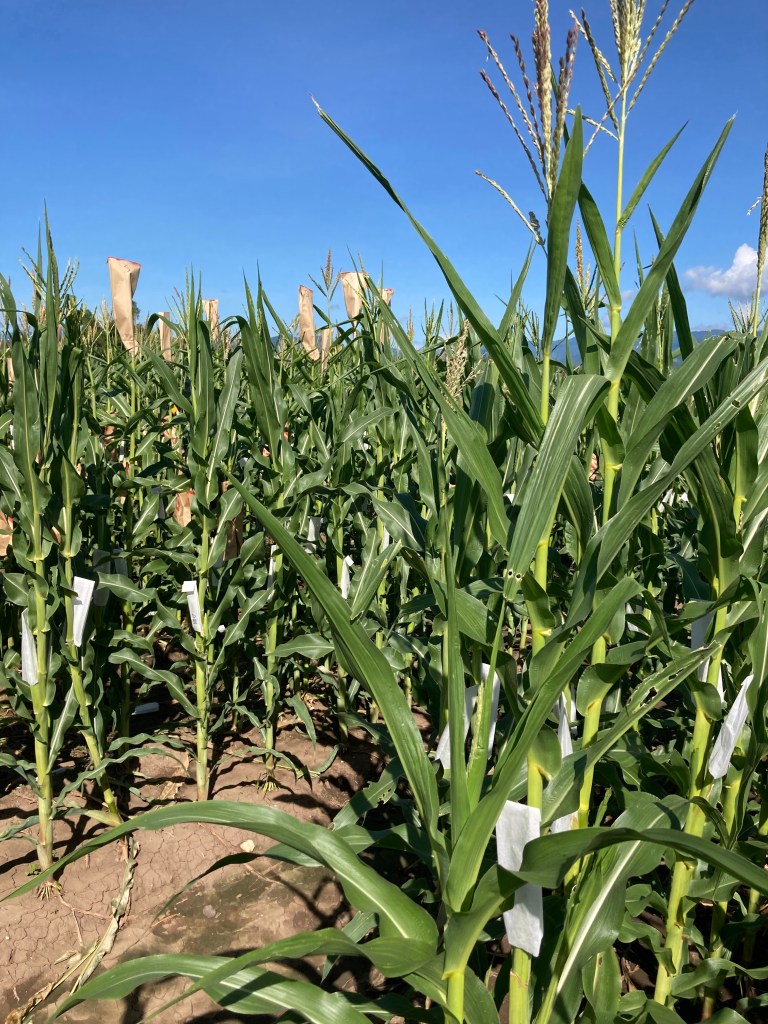
And I would add this—projects like this only work because of long-term investment in breeding programs like Dr. Xu’s. Without that foundation, we would not have the genetics to even begin this conversation.
More to come as we get into the field this season.
Discover more from Texas A&M AgriLife Organic
Subscribe to get the latest posts sent to your email.

 Texas A&M AgriLife Organic