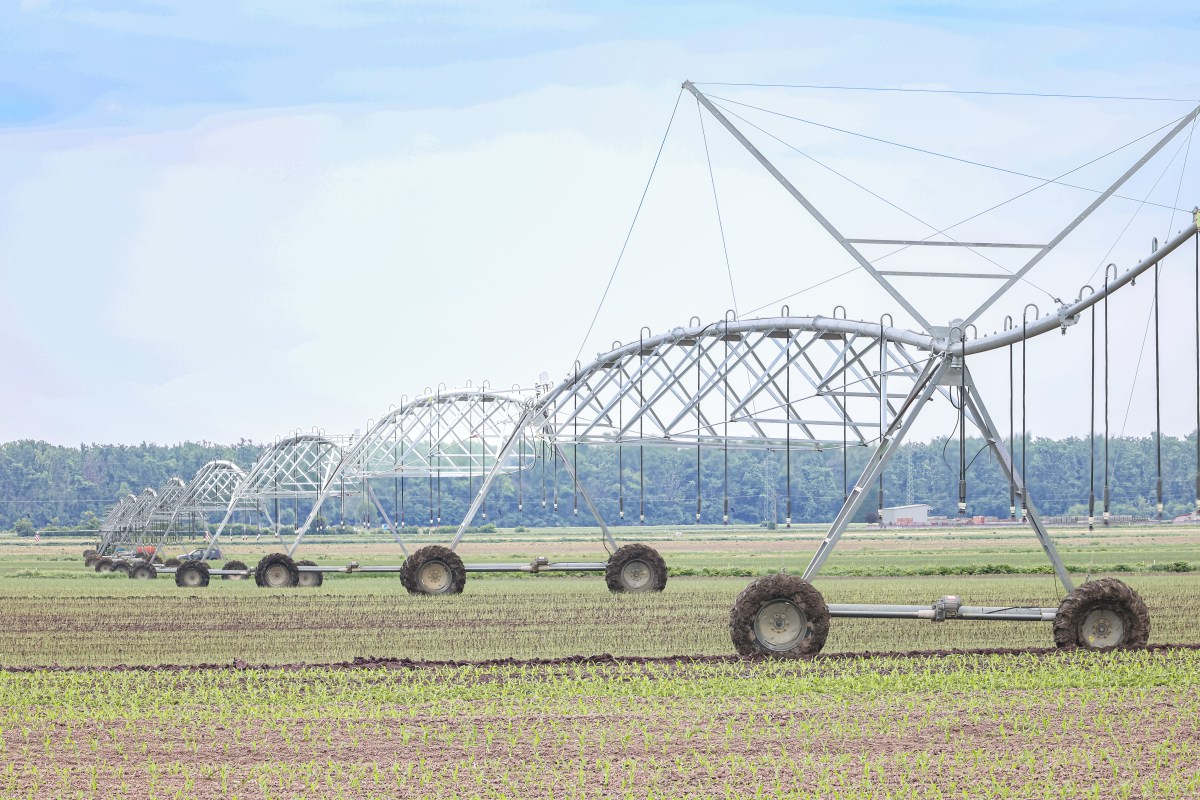
Across Texas, particularly in areas dependent on groundwater for irrigation, farmers are facing a difficult reality. Wells that once supplied adequate irrigation water may no longer produce the same volume. As groundwater levels decline, farmers must decide whether to reduce irrigated acreage, change crops, or adjust their production expectations.
But there is another consideration that farmers may be overlooking: Does the water available from your irrigation well support the yield expectations and irrigation practices under which your crop is insured?
This is becoming an increasingly important question for both farmers and crop insurance companies.
What Does Crop Insurance Expect from Irrigated Crops?
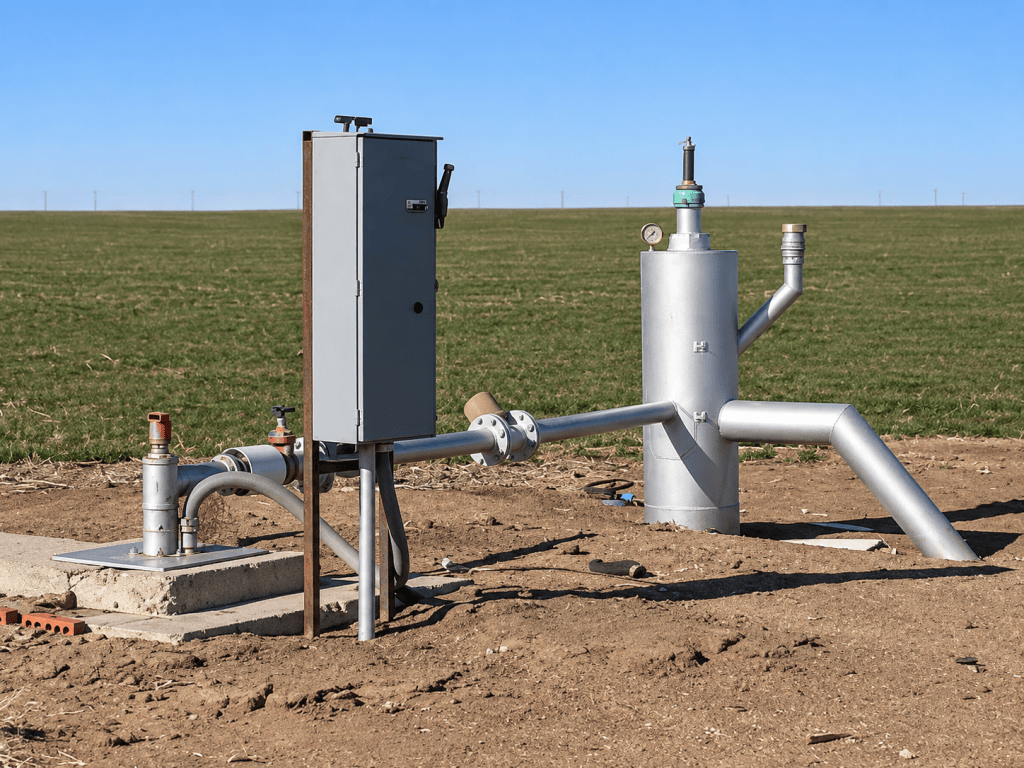
The USDA Risk Management Agency (RMA) administers the federal crop insurance program.1 Under its irrigated practice guidelines, farmers must have adequate irrigation facilities and a reasonable expectation of sufficient water to carry out a good irrigation practice when insurance coverage begins.
This does not mean RMA has established a specific number of inches of irrigation water that must be applied to every crop. Different crops have different water requirements, and those requirements change with environmental conditions, growth stages, and yield expectations.
Instead, RMA relies in part on established agricultural research and recognized production practices to help determine whether a farmer has adequate water to support the insured irrigated crop.
This is one reason Texas A&M AgriLife Extension specialists are regularly asked to provide research-based information on crop water requirements, irrigation capacity, and expected crop performance.
The important point is that farmers must have a reasonable expectation of adequate water to support the irrigated production practice they are insuring.
Let’s Look at a Simple Irrigation Example
Suppose a farmer has 750 acres under irrigation and a well producing 1,000 gallons per minute (GPM).
The farmer wants to apply 1 inch of irrigation water per acre each week.
Can that well supply enough water?
First, we know that 1 acre-inch of water equals approximately 27,154 gallons.
To apply 1 inch to 750 acres requires:
750 acres × 27,154 gallons = 20,365,500 gallons per week.
Now consider the amount of water the well can supply. Assuming the well operates continuously, 24 hours a day, seven days a week:
1,000 GPM × 60 minutes × 24 hours × 7 days = 10,080,000 gallons per week.
That is only about half the water required!
In fact, the well can supply only 0.495 inches per acre per week, even if it operates continuously and all the water reaches the field.
Actual irrigation application will be lower because of evaporation, wind drift, and other system losses. At 90% application efficiency, the amount reaching the crop would be approximately 0.445 inches per acre per week.
To supply a full 1 inch per acre each week across 750 acres would require approximately 2,020 GPM at 100% efficiency, or nearly 2,245 GPM at 90% efficiency.
The farmer may have irrigation equipment capable of covering 750 acres, but the well simply cannot supply the intended amount of water.
This is a water supply limitation, not an irrigation scheduling problem.
How Much Water Does a Crop Actually Need?
Crop water requirements depend on several factors, including the crop being grown, stage of development, weather conditions, soil moisture, and expected yield.
In February 2026, Texas A&M AgriLife Extension specialists Emi Kimura, Bob Whitney, and Chris Cobos developed a publication titled Peanut Irrigation Consideration to help address these questions.2
The publication identifies several important considerations for irrigated peanut production in Texas:
- Peanuts require approximately 25–35 inches of total water during the growing season, depending on growing conditions.
- Water requirements may reach approximately 2 inches per week during flowering, pegging, and early pod maturation.
- A recommended irrigation well capacity for peanut production is 5 GPM per acre.
- Research demonstrates a positive relationship between irrigation well capacity and peanut yield.
These are agronomic guidelines, not fixed crop insurance requirements. Total crop water demand includes water supplied through rainfall, stored soil moisture, and irrigation.
However, research-based recommendations provide an important basis for evaluating whether available irrigation water can reasonably support an expected crop yield.
For example, a well producing 1,000 GPM would supply the recommended 5 GPM per acre for approximately 200 acres of peanuts. Spreading the same water supply across 750 acres reduces available capacity to only 1.33 GPM per acre.
That difference can have substantial consequences for crop production, particularly during periods of high-water demand.
What Happens When Irrigation Wells Decline?
Consider a farmer whose well historically produced 1,500 GPM but now produces only 1,000 GPM.
If the farmer continues planting and insuring the same irrigated acreage without accounting for the declining water supply, there may be a significant difference between the water needed to support the insured production practice and the amount actually available.
The distinction becomes particularly important when evaluating crop losses.
There is a difference between a farmer who had adequate irrigation water when insurance coverage began but experienced an unexpected, insured water supply failure, and a farmer who already had insufficient water before planting.
RMA recognizes this distinction when determining whether acreage qualifies for an irrigated insurance practice.3
A farmer cannot necessarily expect crop insurance to compensate for yield losses caused by irrigation deficiencies that were known or reasonably foreseeable before the insurance period.
Depending on the circumstances and applicable policy provisions, acreage that does not qualify for an irrigated practice may need to be insured under another available practice.4
How Can Farmers Document Their Irrigation Water?
Irrigation records are becoming increasingly important, not only for water management but also for documenting production practices.
Farmers should maintain information that establishes both the capacity of their irrigation systems and the amount of water actually applied.
Useful records include:
- Well flow measurements: Periodic measurements of actual well output can document declining pumping capacity.
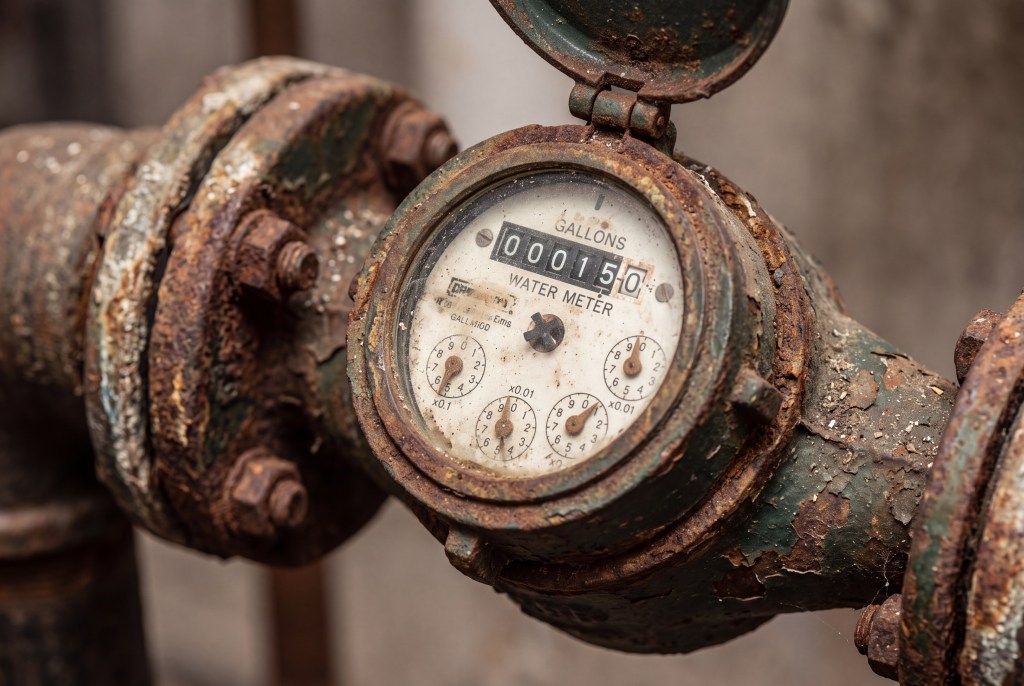
- Groundwater conservation district records: Where available, water meter readings and pumping reports may provide documentation of groundwater withdrawals.
- Electric utility records: Electrical consumption associated with irrigation pumps can help estimate pumping hours and water use when combined with appropriate pump performance information.
- Irrigation records: Dates, pumping hours, and estimated amounts applied help document irrigation management.
- Soil moisture and rainfall records: These help explain the relationship between irrigation water applied and the total water available to the crop.
Electrical consumption records alone do not directly measure gallons pumped. However, when properly calibrated to the pumping system, they can provide valuable supporting evidence.
These records can also help farmers identify declining irrigation capacity before the problem becomes a major production limitation.
Plan Your Irrigated Acreage Around the Water You Actually Have
One of the most important decisions an irrigated farmer makes is determining how many acres can be adequately irrigated with the available water supply.
Historically, a farmer may have successfully irrigated 750 acres with a particular well. However, if the well’s production has declined substantially, continuing to irrigate the same acreage may no longer be the best agronomic or economic decision.
Reducing irrigated acreage, changing crops, selecting varieties with different water requirements, or adjusting production practices may provide better opportunities for maintaining profitable production.
And these same decisions may affect the appropriate crop insurance practice and yield expectations.
Irrigation water requirements are not new, and neither are the basic RMA requirements for insuring irrigated crops. What is changing is the amount of groundwater available to many Texas farmers.
As we plan for the next crop year, we need to ask a simple question: Are we planting and insuring crops based on the irrigation water we once had, or the water we can reasonably expect to have today?
That question deserves an answer before planting begins.
References and Additional Information
- USDA Risk Management Agency. 2026. Document and Supplemental Standards Handbook, Exhibit 64, Irrigated Practice Guidelines. RMA Handbook. ↩︎
- Kimura, E., Whitney, B., and Cobos, C. 2026. Peanut Irrigation Consideration. SCSC-2026-05. Texas A&M AgriLife Extension Service, Department of Soil and Crop Sciences. ↩︎
- USDA Risk Management Agency. 2026. Loss Adjustment Manual Standards Handbook, Part 2, Section 201, Irrigated Practice. RMA Loss Adjustment Manual. ↩︎
- USDA Risk Management Agency. Crop Insurance and Drought-Damaged Crops. RMA Guidance. ↩︎

