Organic agriculture in Texas has changed considerably since I became the statewide Texas A&M AgriLife Extension Organic Specialist in 2021. What began as a new position has grown into a statewide program serving organic farmers, ranchers, handlers, businesses, researchers, educators, and those considering organic certification.
My work is centered on a fairly simple goal: help make organic agriculture practical, understandable, and successful for Texas producers and businesses.
What I Do
I work with certified organic operations as well as farmers and businesses that are considering organic certification. Much of my work involves helping people understand the USDA National Organic Program requirements and then figuring out how those requirements fit into a real farming or handling operation.
That can mean helping a producer think through an Organic System Plan, answering questions about allowed inputs, discussing crop rotations and fertility, helping locate organic seed, working through livestock requirements, or helping someone understand what a certifier is asking for.
Organic agriculture operates within a regulatory framework, but certification should support good farming rather than become the focus of the farm. One of my roles is helping producers understand the rules well enough that they can concentrate on producing a good crop, raising healthy livestock, and building a successful business.
Connecting Producers, Research, Extension, and Industry
Another important part of my job is connecting people.
A producer may have a question about a disease, insect, soil problem, crop variety, irrigation issue, or livestock concern that requires expertise beyond organic certification. In those situations, I work to connect that producer with Texas A&M AgriLife Extension specialists, researchers, plant breeders, soil scientists, entomologists, plant pathologists, economists, and others who can help.
At the same time, the questions organic farmers bring to us often identify important research needs.
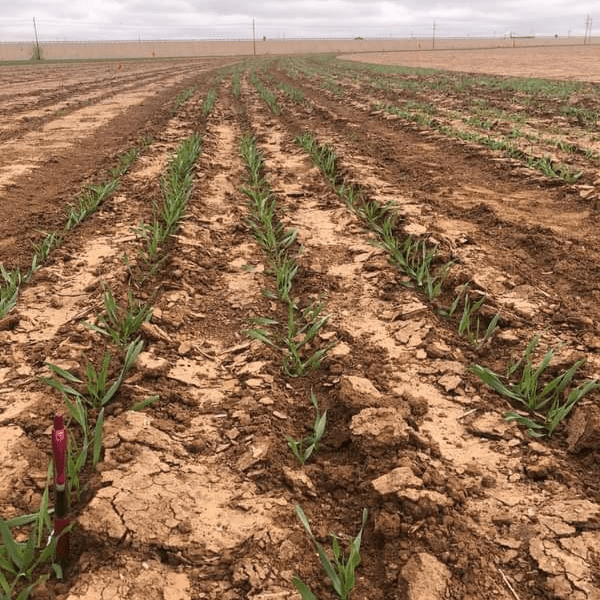
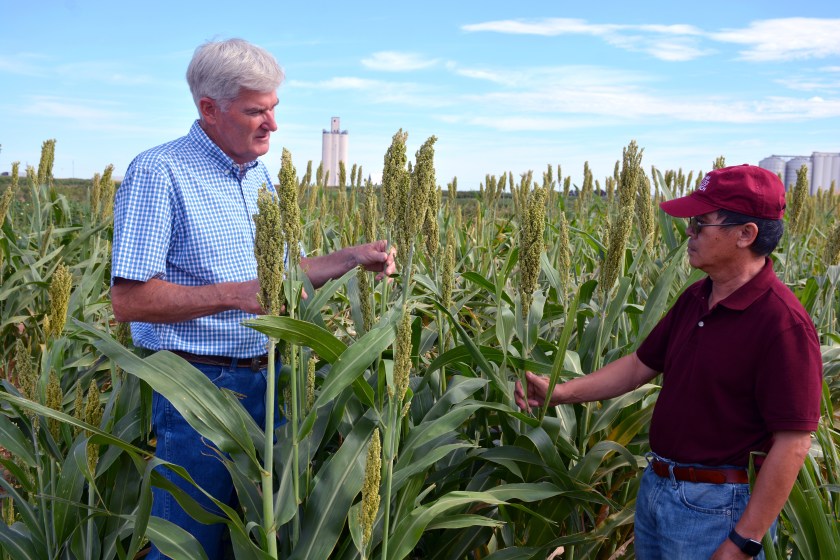
That has led to work involving organic cotton, sorghum, corn, wheat and other small grains, rice, peanuts, forage crops, cover crops, dairy production, soil health, variety testing, pest management, and organic seed systems. Increasingly, I am interested in research that does more than simply measure something. I want research to help answer the producer’s next question: What can I do with this information?
Certification and Organic Integrity
I also work with the Texas Department of Agriculture, organic certifiers, USDA, and others involved in organic certification and enforcement.
Organic is different from many agricultural labels because the word organic has a legal meaning. Producers and handlers using that label are operating within a federal regulatory system established by the USDA National Organic Program.
Part of my job is helping Texas operators understand that system while also communicating the practical concerns of farmers and businesses back to agencies, certifiers, researchers, and policymakers.
The credibility of organic agriculture ultimately depends upon consumer trust. That means organic standards have to be meaningful, enforceable, and workable for the people who are actually producing and handling organic products.
Production, Markets, and Opportunity
Certification alone does not make an organic farm successful.
Organic producers also need good agronomy, reliable seed, effective pest management, adequate fertility, appropriate equipment, dependable markets, good contracts, and buyers who value what they produce.
For that reason, my Extension work extends well beyond certification. I spend considerable time looking at organic markets, production costs, import competition, grain and cotton marketing, emerging crops, soil fertility, manure and compost availability, cover crops, variety development, and other issues that affect the economic viability of organic farms.
I also work with farmers who may not yet be certified organic but are interested in regenerative, sustainable, or biologically based production systems. Many of the practices we study—cover crops, crop rotations, soil health, biological pest management, and improved nutrient cycling—are useful whether or not a farm ultimately becomes certified organic.
Education and Information
A major part of Extension is simply getting useful information into people’s hands.
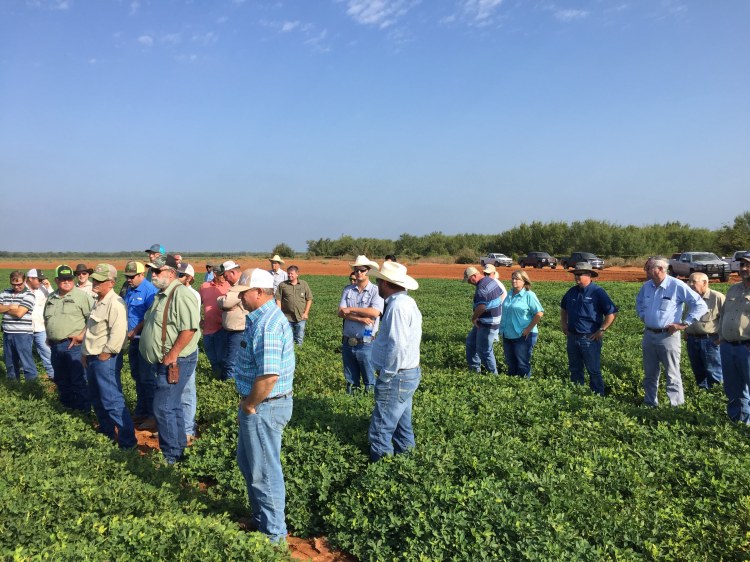
Through AgriLifeOrganic.org, newsletters, field days, producer meetings, research demonstrations, presentations, and individual conversations, I try to provide information that farmers and businesses can actually use.
I especially want this website to function as a growing organic agriculture reference library. Many of the questions I receive from one farmer are questions that ten other farmers are probably asking as well. When possible, I turn those questions into articles and resources that anyone can use.
Why Organic Agriculture Matters in Texas
I wrote when I first started this position that there was no reason a state with an agricultural industry as large and diverse as Texas could not also have a large and diverse organic agriculture sector.
I still believe that.
Texas has the land, climate, agricultural knowledge, research capacity, entrepreneurial farmers, processors, retailers, and consumers necessary to support a strong organic industry.
My goal is not simply to increase the number of certified acres. I want to help create an organic agricultural system in which Texas farm families can consistently and sustainably produce high-quality organic crops and livestock, earn a reasonable return for doing it, and supply Texas businesses with more of the organic products they need.
That requires production, certification, research, markets, and trust to work together.
How I Can Help
If you are a farmer, rancher, handler, processor, researcher, educator, business, or simply someone interested in organic agriculture, I would be glad to hear from you.
Questions are often where new Extension programs, research projects, field trials, and publications begin.
Bob Whitney
Regents Fellow & Extension Organic Specialist
Texas A&M AgriLife Extension Service
Email: bob.whitney@ag.tamu.edu
Cell: 979-571-2086
And please feel free to share AgriLifeOrganic.org with anyone interested in organic agriculture in Texas.