Every year, I am usually out checking small grain fields across Texas this time of year—from the High Plains down to South Texas—and one thing is always clear:
We are not all at the same stage, but we are usually at some sort of decision point.
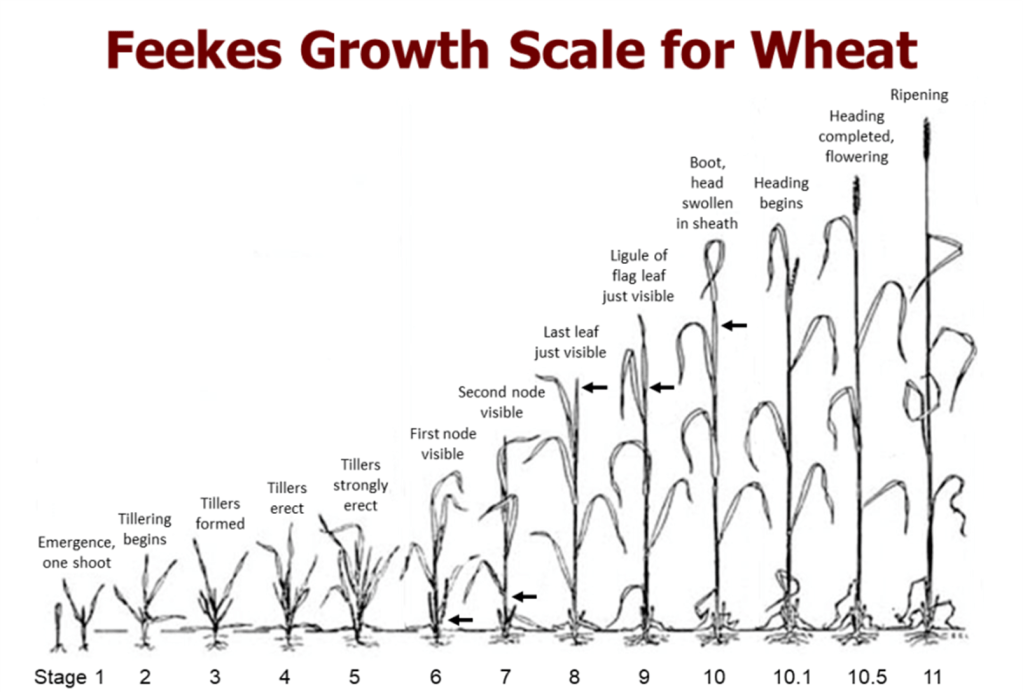
In the Upper Panhandle, small grains may just be reaching Feekes 5–6 (green-up to jointing).
In Central Texas, crops are often at Feekes 10 or boot to heading.
And in South Texas, many fields are already at pollination (Feekes 10.5 or even moving toward grain fill (Feekes 11).
Even with those differences, the key question remains the same:
What is the best use of this crop from here forward?
Why Growth Stage Still Matters—Even Across Regions
The decisions you make now are still tied closely to crop development, but the options available to you depend on where your crop sits today.
Here is how I think about it across Texas:
- Feekes 4–6 (Panhandle / later-planted wheat)
- Full flexibility: grazing, silage, grain, or cover crop
- Nitrogen decisions still influence yield potential
- Boot to Heading (Central Texas)
- Strong window for silage or grazing
- Grain is still viable, but management decisions are mostly set
- Pollination to Grain Fill (South Texas)
- Primary option becomes grain harvest
- Some late silage possible, but quality declines quickly and silage may not be possible after soft dough!
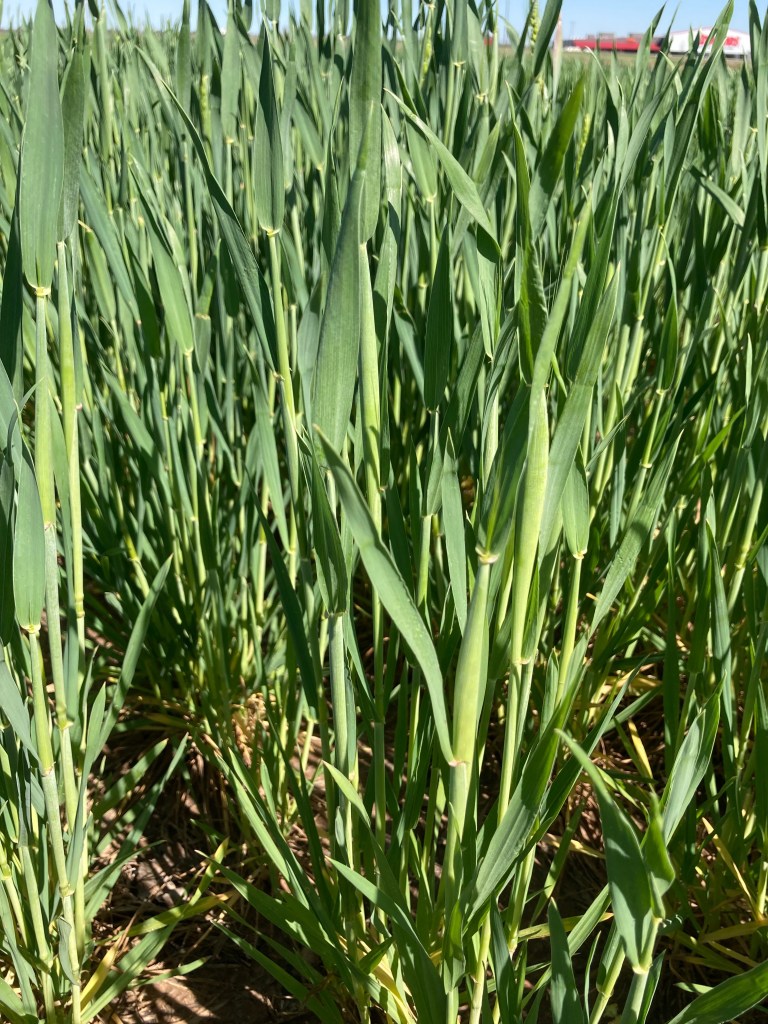
This variation is not a problem—it’s actually an opportunity. It means across Texas, producers can match their crop stage to the best economic use for their situation.
A More Useful Way to Think About It
Instead of asking:
“What stage is my wheat at?”
You should ask:
“Given where my crop is today, what are my realistic options—and what gives me the best return?”
Option 1: Keep It as a Cover Crop
In organic systems, soil is the driver of fertility. A small grain cover crop is one of the best tools we have to build or amend soil, add fertility and support microbe life.
What You Gain
- Soil protection from wind and rain
- Improved water infiltration through root channels
- Increased soil biology and organic matter
- Reduced weed pressure
Even moderate biomass (3,000 lb/acre) delivers measurable benefits:
| Cover Crop Biomass | Moderate Growth | Heavy Growth | ||
| Dry Matter Produced | 3,000 lb/acre | Return/Acre | 6,000 lb/acre | Return/Acre |
| Nitrogen Returned | 45–75 lb N | $28.80 – $48.00 | 90–150 lb N | $57.60 – $96.00 |
| Phosphorus Returned | 9–15 lb P₂O₅ | $8.37 – $13.95 | 18–30 lb P₂O₅ | $16.74 – $27.90 |
| Potassium Returned | 45–75 lb K₂O | $21.15 – $35.25 | 90–150 lb K₂O | $42.30 – $70.50 |
| Total Nutrient Value | $58 – $97 | $117 – $194 | ||
Heavy biomass can double that value to $117–$194 per acre.
Why This Matters
Think of this like putting money into a soil “savings account.” You may not cash it out immediately, but:
- Your next crop establishes better
- Water is used more efficiently
- Nutrient cycling improves
Over time, that compounds into more stable yields and lower input needs.
Option 2: Cut It for Silage
I see this becoming more important, especially with organic dairies looking for feed alternatives.
Timing Is Everything
- Boot to early head: ~15% crude protein
- Soft dough: higher yield, lower quality
But here’s the tradeoff:
- You give up 1/3 to 1/2 of total grain yield potential
Yield and Value
- Boot stage: 1.7–2.7 tons DM/acre
- Soft dough: 4.2–5.9 tons DM/acre
- Price: $40–$65/ton (32% DM basis)
Why It Can Work
- Generates cash flow earlier
- Saves soil moisture compared to full-season grain
- Opens the door for a second crop
I often think of silage as a “system decision” rather than a crop decision—it’s about fitting into a rotation.
Option 3: Graze It
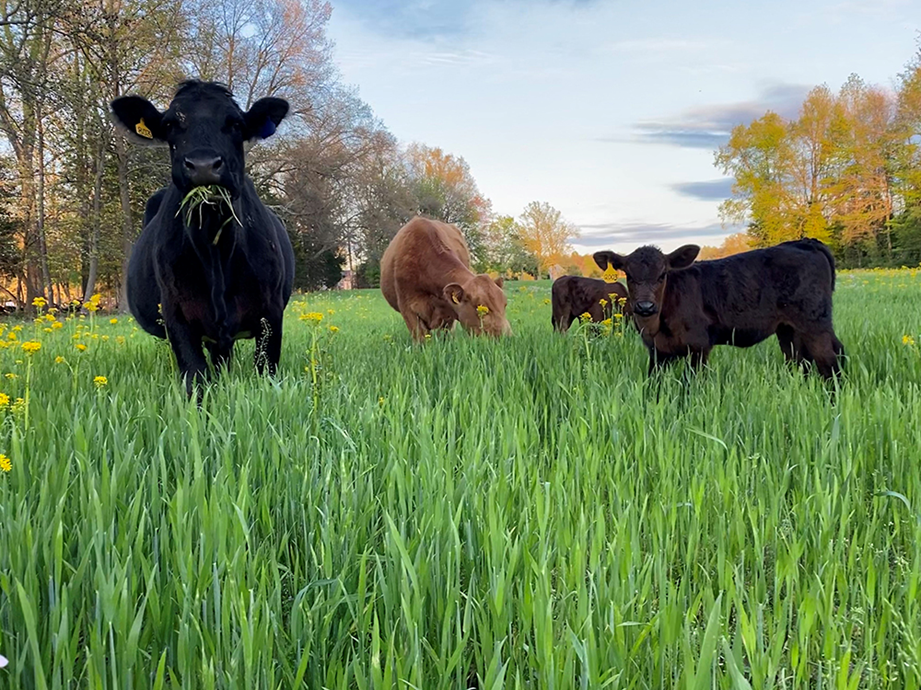
In many cases, grazing is the most profitable use of small grains.
Typical Returns
- 40¢–70¢ per lb of gain
- $18–$25 per head per month
Why It Works
You are converting forage directly into animal weight without:
- Harvest costs
- Hauling
- Storage losses
Key Considerations
- Stocking rate and timing
- Moisture and regrowth potential
- Whether you still want grain afterward
If you have livestock or access to them, this option deserves serious consideration. It often produces steady income with lower risk than grain.
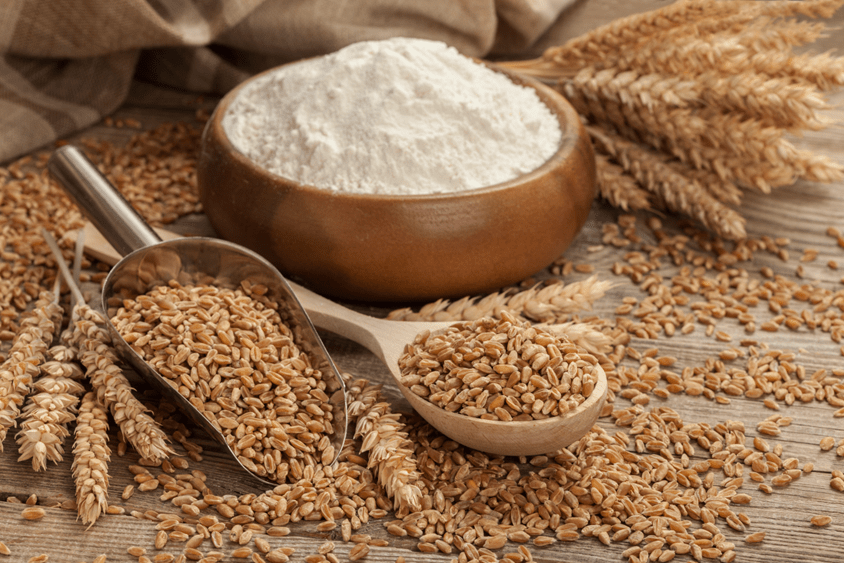
Option 4: Take It to Grain
There is renewed interest in:
- Organic wheat
- Ancient grains
- Barley, rye, and specialty markets
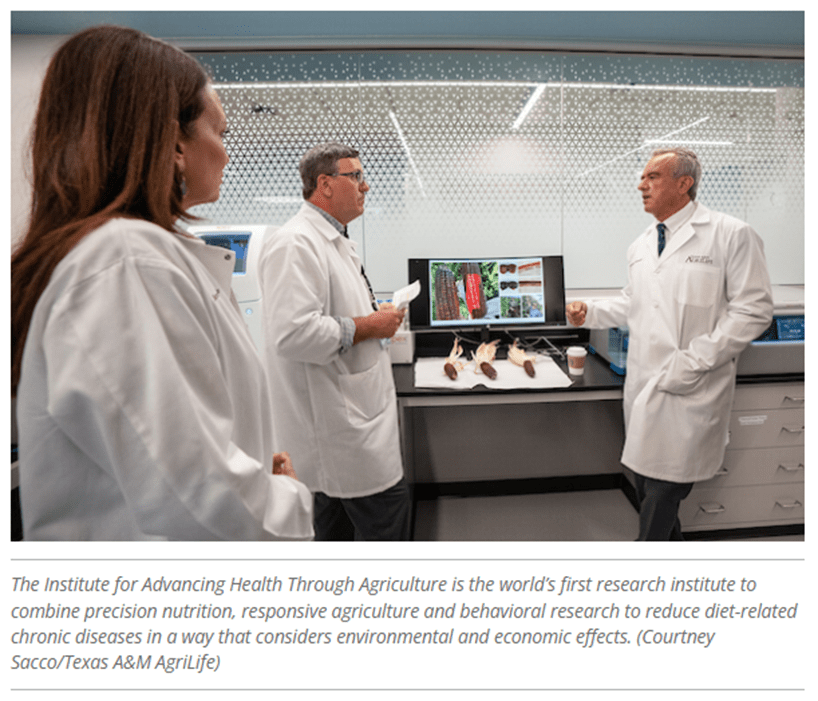
- High-nutrient or functional grains (like high anthocyanin lines)
What Buyers Are Looking For
- High protein
- Strong gluten (for baking)
- Low DON (vomitoxin)
- Consistent quality
There is also growing consumer interest in:
- Whole grain products
- Local milling
- Health-driven foods
Why This Matters
Grain gives you:
- The highest potential gross return
- Access to premium markets
But also:
- The highest risk
- The longest time to cash flow
- The greatest dependence on weather
Putting It All Together: How I Think Through the Decision
When I am in a producer field at any stage of growth, I usually think through these questions:
1. What is my moisture situation?
- Limited moisture → lean toward grazing or silage
- Good moisture → grain becomes more attractive
2. What markets do I have access to?
- Dairy nearby → silage
- Livestock → grazing
- Strong organic grain buyer → grain
3. What does my next crop need?
- Need soil improvement → cover crop
- Need time for planting → silage
- Need moisture conservation → cover crop or grazing
4. What have I already invested?
- High fertility investment → grain may justify it
- Low input system → cover crop or grazing may be better

Discover more from Texas A&M AgriLife Organic
Subscribe to get the latest posts sent to your email.

 Texas A&M AgriLife Organic