
As organic acreage grows across Texas and the U.S., it’s time we ask an important question: What traits do organic and regenerative wheat producers actually need in a variety?
The answer isn’t just about yield—it’s about resilience, efficiency, and the ability to thrive without synthetic inputs. Whether you’re an organic farmer relying on compost and cover crops or a regenerative grower working to build soil carbon and ecological health, wheat varieties bred for conventional systems often fall short. Here’s a breakdown of some critical traits we should prioritize in organic wheat variety development—and why they matter.

1. Strong Coleoptile and Deep Emergence
In dryland and low-input systems, farmers often plant deeper to chase moisture and to enable mechanical weed control like a rotary hoe. That practice demands wheat with a longer, stronger coleoptile—the protective sheath that helps the shoot push through soil. Many modern semi-dwarf wheats can’t make that journey from 2 to 3 inches deep. Instead, we need varieties with alternative dwarfing genes (like Rht8) or taller, lodging-resistant lines that emerge powerfully and uniformly even under crusted or variable moisture conditions.
Why it matters: Deep emergence helps ensure a strong start under tough conditions—especially important in organic systems where chemical seed treatments and quick-acting herbicides aren’t an option.
2. Broad-Spectrum Disease Resistance
Organic growers don’t have many options to clean up a bad wheat infection. That’s why durable, multi-pathogen resistance is a non-negotiable trait in organic wheat breeding. We need lines that can hold up against stripe rust, leaf rust, stem rust, Fusarium head blight, and barley yellow dwarf virus—especially in diverse rotations that include organic corn or sorghum.
Why it matters: Disease pressure isn’t just about yield—it also affects food safety (mycotoxins) and grain marketability. Genetic resistance is the organic grower’s best line of defense.
3. Microbiome-Friendly Roots and Efficient Nutrient Use
One of the quiet revolutions in organic systems is how we manage fertility through biology—not bags of synthetic nitrogen. The root-microbe relationship is central to that. We need wheat that partners well with beneficial microbes like mycorrhizal fungi and plant-growth-promoting rhizobacteria (PGPRs), especially for phosphorus and nitrogen uptake.
Traits like deep, fibrous root systems, high root exudation of sugars, enhanced nitrate transporter activity, and better nitrogen remobilization during grain fill could help wheat thrive in compost- and cover crop-based fertility systems.
Why it matters: Better nutrient use efficiency means stronger growth, better yields, and lower costs—without synthetic inputs.

4. Early Vigor and Weed Suppression
Weeds remain one of the most stubborn and expensive challenges in organic wheat production. Varieties that germinate quickly, tiller early, and develop dense leaf canopies can choke out weeds before they become a problem. Even row spacing and planting patterns can influence early shading and weed pressure.
Why it matters: A wheat variety that can suppress weeds is like adding a layer of insurance to your management strategy. It’s also a cornerstone of regenerative systems that seek to reduce tillage and maintain ground cover.
5. Grain Quality That Meets Market Needs
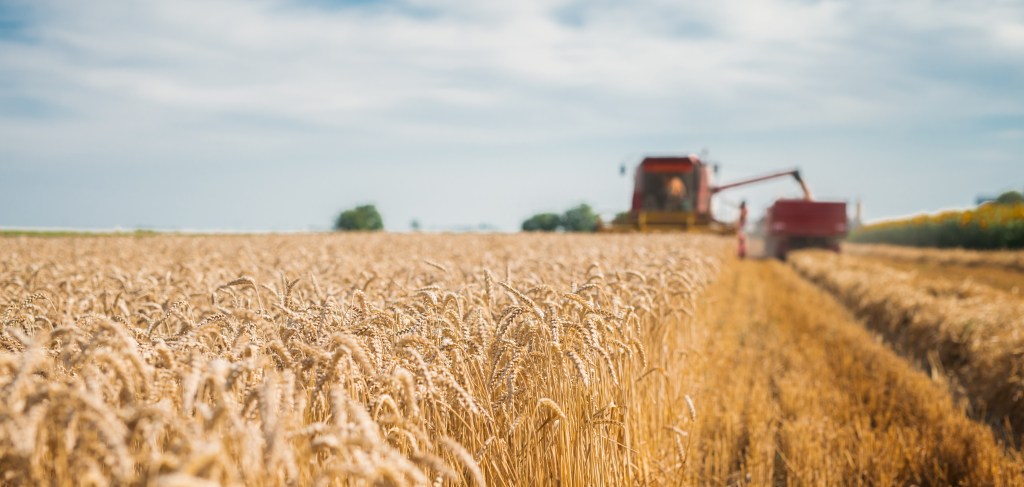
Organic grain buyers are looking for more than just “certified organic” on the label. They want wheat that meets or exceeds conventional food-grade quality benchmarks: high protein, strong gluten, low DON (vomitoxin) levels, and even enhanced nutritional traits like zinc, selenium, or antioxidant levels.
There’s also room to breed for emerging markets—heritage wheats, lower-gluten lines for sensitive consumers, or varieties with higher polyphenol and mineral content.
Why it matters: Organic wheat that delivers consistent quality keeps buyers coming back—and supports a fair price for growers.
Building a Breeding Program That Serves Organic and Regenerative Agriculture
Organic and regenerative agriculture aren’t “alternative” anymore—they’re growing sectors with distinct needs. Yet most wheat breeding is still tailored to high-input systems. It’s time to run trials under organic conditions, invite organic advisors into the selection process, and actively pursue traits that benefit biologically based systems.
Breeding for organic systems isn’t just good for organic farmers. It’s good for all farmers looking to reduce inputs, build resilient cropping systems, and respond to environmental and consumer demands.

Discover more from Texas A&M AgriLife Organic
Subscribe to get the latest posts sent to your email.

 Texas A&M AgriLife Organic