
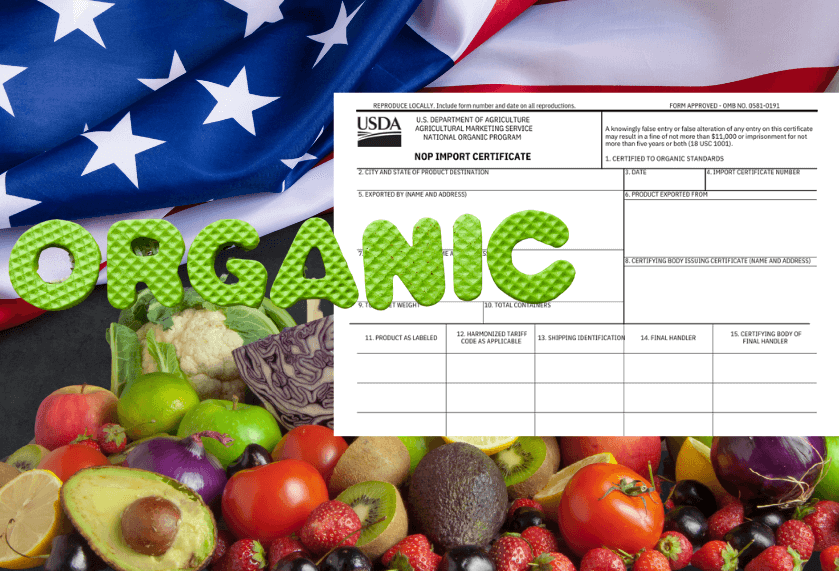
In recent years, the organic food industry has undergone dramatic growth, becoming a nearly $200 billion global market and projected to exceed $500 billion by 2032. This explosive growth has brought significant benefits but also intensified the challenges of maintaining organic integrity across international borders. With increasing incidents of organic fraud, particularly involving imports, the USDA has introduced stringent new regulations to combat these threats. However, these changes have had significant consequences—both intended and unintended—affecting organic farmers, importers, and ultimately the consumers who rely on the organic label.
Organic Fraud and the Need for Regulatory Change
As the organic industry expanded, so did the instances of fraud. Products labeled as organic but failing to meet standards, such as genetically modified (GM) contamination or falsely certified imports, began to compromise the integrity of the organic market. Reports of fraudulent organic certifications from regions like the Black Sea and India have been on the rise, drawing concern from both regulatory bodies and farmers who follow rigorous organic practices (Dieterle, 2024).
One recent case highlighted these challenges: a consignment of Pakistani organic Basmati rice was found to contain traces of GM elements, a discovery that could be traced back to hybrid seeds imported from China. This contamination threatened consumer confidence, particularly in the European market, where expectations for organic integrity are stringent (The Hindu Businessline, 2024). For U.S. farmers who work tirelessly to uphold organic standards, such incidents cast a shadow over the entire industry, making it crucial for regulators to act.
USDA’s Strengthening Organic Enforcement (SOE) Rules
To address these growing concerns, the USDA implemented the Strengthening Organic Enforcement (SOE) rules in 2023, which took effect in March 2024. These rules are designed to enhance traceability and certification requirements across the organic supply chain. Unlike the previous system, which focused mainly on organic producers and farms, the SOE rules mandate certification for every entity that handles organic products—from farms to distributors, importers, and even transporters (Dieterle, 2024).
The SOE rules have already begun to make an impact. According to the Organic and Non-GMO Report, six months into enforcement, 85% of imported organic goods were compliant with new certification standards. This has helped weed out fraudulent products, particularly those originating from China that were previously imported under false certificates. Companies like Axiom Foods, which specializes in organic rice protein, have seen fraudulent competitors exit the market due to their inability to meet the new standards (Organic and Non-GMO Report, 2024).
The Impact on Wine Importers
While the intention behind the SOE rules is to strengthen the organic supply chain, it has also created significant challenges for certain sectors. The global wine industry, for instance, has faced a compliance crisis under the new rules. Not only must the grapes and the wine itself be certified organic, but now importers and any logistics companies involved must also acquire organic certification. This expansion of certification requirements has caused confusion and increased administrative burdens, particularly for smaller importers who lack the resources to quickly adapt to the new regulations (Dieterle, 2024).
For many wine importers, the lack of direct communication from the USDA about these new requirements added to the confusion. Many only learned of the new rules through frantic messages from their partners or logistics companies. Despite these difficulties, the USDA has made it clear that non-compliance could result in significant fines, pushing smaller players to either comply, pull products off shelves, or drop the organic label—even if the wine was legitimately produced according to organic standards (Dieterle, 2024). Texas organic grape growers can only benefit from these issues and hopefully gain new, long lasting market agreements for their grapes.
Market Shifts and Organic Farmer Concerns
For U.S. organic farmers, the influx of imports—many of which have been under scrutiny for failing to meet proper organic standards—poses a direct threat to their livelihood. Fraudulent organic imports not only dilute the market but can also drive down prices, making it harder for genuinely organic products to compete. With the introduction of the SOE rules, the USDA aims to bring greater transparency to the organic supply chain, restoring confidence in the organic label and, ideally, leveling the playing field for farmers who adhere to the high standards required for certification.
Axiom Foods, for example, saw increased demand for their organic rice protein as a result of stricter enforcement. Food and beverage manufacturers now need to be more diligent in sourcing certified organic ingredients, which has created new opportunities for compliant suppliers from Texas or elsewhere (Organic and Non-GMO Report, 2024).
US Farmers Hope SOE Will Stem the Tide of Cheap Organic Imports
While the SOE rules are making strides in preventing fraud and restoring consumer trust, the implementation challenges highlight the difficulties of regulating a rapidly growing industry that crosses international borders. For now, U.S. organic farmers hope that the strengthened regulations will ultimately reduce fraudulent imports, allowing their genuine products to stand out in an increasingly crowded market.
For the farmers who uphold organic principles, these efforts represent both a challenge and an opportunity. The challenge lies in navigating a complex global marketplace, but the opportunity exists to set a higher standard for organic integrity, benefiting both producers and consumers. As we look ahead, finding ways to support smaller players in the organic market while ensuring compliance remains a critical issue for policymakers and industry leaders alike.
Sources:
- The Hindu Businessline. (2024). China may have been the source of GMO rice in Pakistan organic Basmati consignment.
- Dieterle, C. J. (2024). New USDA Organic Rules Put Wine Importers in a Bind. Reason.com.
- Organic and Non-GMO Report. (2024). New USDA organic fraud rules are working, says organic rice protein supplier. October 2024.

Discover more from Texas A&M AgriLife Organic
Subscribe to get the latest posts sent to your email.

 Texas A&M AgriLife Organic
We’re on the way
LikeLike
Sorry wrong place
And text. Hi! Trying to grow my blog. Follow for follow back? Sincerely, Mikayla Scotlynd Littrell (MetsMadness the blog)😄
LikeLike