In case you didn’t know: Texas has impressive diversity in its organic agricultural production. The organic crops grown in Texas encompass staple commodities such as peanuts, cotton, corn, wheat, sorghum, alfalfa, rice, hay, grass, and soybeans. Beyond these staples, Texas farmers cultivate a wide array of vegetables, including lettuce, spinach, onions, tomatoes, peppers, kale, radishes, garlic, and microgreens. The state’s organic fruit production features watermelons, strawberries, blueberries, and various citrus fruits like grapefruits and oranges. Additionally, a variety of herbs such as basil, cilantro, dill, parsley, and other spices are grown organically. Texas also supports the cultivation of flowers, transplants, and specialty crops like mushrooms, aloe vera, and cacti.
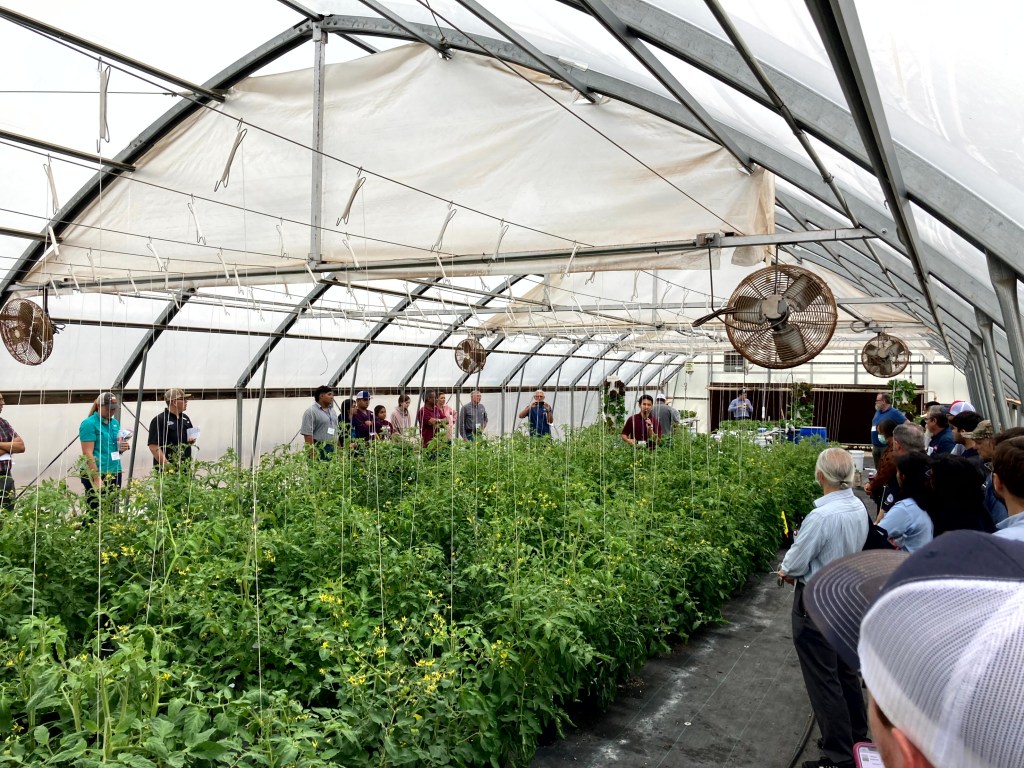
Complementing its crop production, Texas’s organic agriculture sector includes a growing livestock industry. Organic farmers in the state produce milk and from milk lots of other dairy products like butter and cheese. There is a growing demand for dairy products nationwide and Texas leads in organic dairy.

Texans also raise organic chickens, turkeys, and cattle, supplying organic beef, poultry, and eggs to consumers. Moreover, Texas organic producers’ market organic beef and dairy replacement livestock, which are sold to organic operations both within the state and across the country. This extensive range of organic crops and livestock products demonstrates Texas’s rich and diverse organic agriculture sector, solidifying its position as a leader in organic farming.

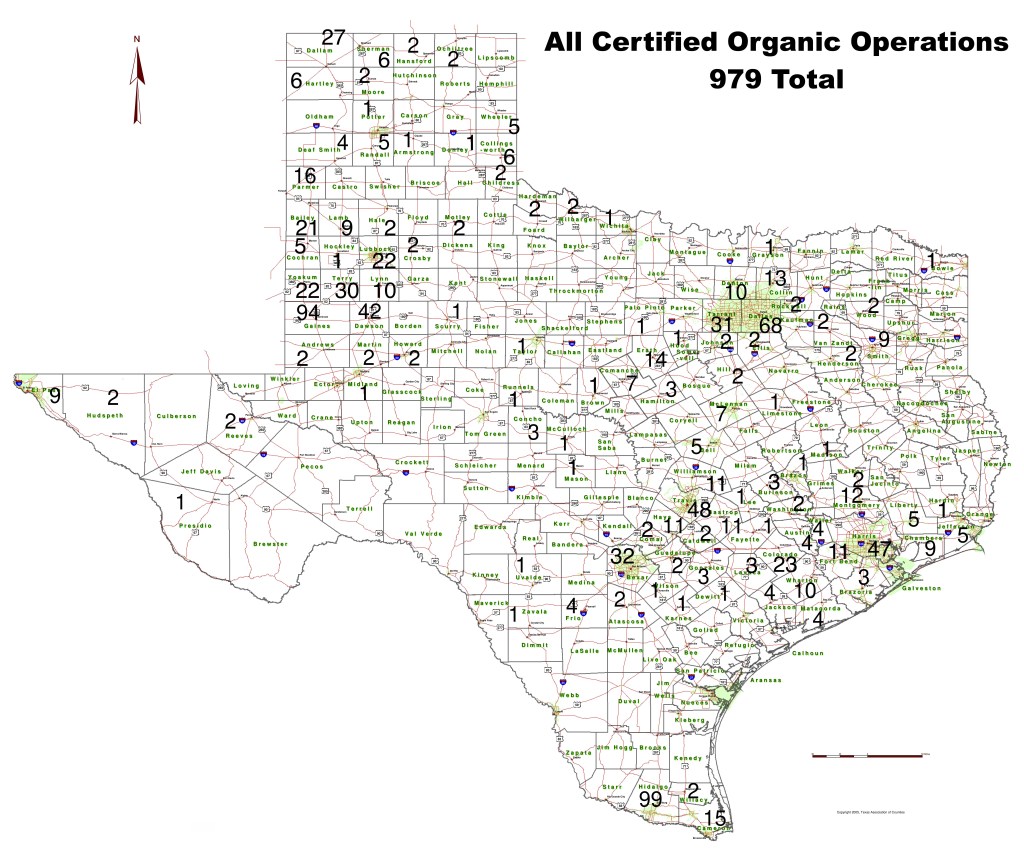
So, what does a typical organic producer in Texas look like? Well this producer is probably located in one of 5 organic “hot spots” in Texas – the High Plains from Amarillo north and doing dairy, grain or silage crops; or maybe the South Plains from Lubbock south to Andrews growing peanuts, cotton or wheat; or possibly in the Central Texas area bounded by Comanche and Waco south to Austin, and growing forage crops for more dairy producers or small acreage vegetables; or maybe in the Gulf Coast area from Beaumont to El Campo growing organic rice; or this organic producer is possibly in the Rio Grande Valley right up against the Mexico border growing citrus and vegetables. With over 576,000 acres certified organic they are scattered across a big state. And they aren’t small either with the average sized organic farm being 1,249 acres. Even the median (right in the middle of the list) acreage at 370 acres is considered large for most states’ organic programs – everything is bigger in Texas!

Discover more from Texas A&M AgriLife Organic
Subscribe to get the latest posts sent to your email.

 Texas A&M AgriLife Organic