
Cover crops play a pivotal role in sustainable agriculture by enhancing soil health, managing pests and diseases, and improving overall crop yield resilience. Cover crops can be any non-harvested crop used primarily to protect soil from erosion during off-season periods, provide actively growing roots to extract and stabilize nutrients that might be otherwise vulnerable to leaching or volatile loss, and increase levels of SOM to promote soil physical properties and C sequestration. Cover crops have other values to farmers, as some crops can also be harvested for forage or seed or to diversify the cropping system
to suppress diseases, obtain other crop rotation benefits, improve off-season access to fields, or extract water during wet periods.
As a source of additional C delivered to soil during non-cash-crop growing periods (e.g., in fall and winter in many temperate regions), cover crops are particularly effective in supplying soil microorganisms with readily available carbon sources from both root exudates during growth and C-rich crop residues upon termination. Several studies have found greater soil organic carbon sequestration with implementation of cover crops (Poeplau and Don, 2015).
Often combined with no-tillage, management of cropland with cover cropping can enhance soil organic C sequestration due to addition of organic materials growing directly on land rather than imported from another location.
Just click a topic below to scroll down!
- Sorghum Sudangrass
- Sunn Hemp
- Cowpea
- Winter Cover Crops
- Cereal Rye
- Mustards
- Vetch
- Wheat (Triticum spp.)
- Oats (Avena sativa)
- Barley (Hordeum vulgare)
- Triticale (× Triticosecale)
- Daikon Radish or Tillage Radish
- Purple Top Turnip
- Other Resources (just click a title)
Sorghum Sudangrass

In the summer we plant sorghum sudangrass (top picture) for weed control because it has an allelopathic effect on weeds (click that link to read about it) and it shades any weeds coming on later. It is a vigorous and versatile cover crop that stands out for its exceptional contribution to soil health and weed suppression. Its rapid growth and dense canopy make it highly effective at outcompeting weeds, thus reducing the reliance on herbicides. This competitive growth habit is instrumental in shading out weeds, significantly lowering weed biomass and seed bank potential in the soil. Beyond weed control, sorghum sudangrass excels in improving soil structure and health. Its deep and extensive root system breaks up compacted soil layers, enhancing soil porosity and aeration. This root action not only facilitates better water infiltration and storage but also promotes the activity of beneficial soil organisms by increasing organic matter and available nutrients in the soil profile. Just remember the allelopathic effect (preventing weeds or the crop growing) last for 10-14 days after soil incorporation!
The benefits of sudangrass extend to its role in adding organic matter to the soil when it is mowed and incorporated as green manure. This process means making sure the plant is in a 30-40:1 Carbon to Nitrogen ratio. The decomposition of sudangrass residue releases significant amounts of nutrients, especially nitrogen, which are then available for subsequent crops, thereby improving soil fertility. Additionally, sudangrass has been noted for its biofumigant properties, particularly when specific varieties are used. The breakdown of its tissues can release compounds that suppress soil-borne pathogens and nematodes, further promoting a healthy soil environment conducive to high-yielding crops. However, it’s important to manage sudangrass properly, as allowing it to reach maturity (beyond the 40:1 carbon to nitrogen ratio) can result in a tough, woody residue that is slower to decompose and might interfere with planting subsequent crops.
Sunn Hemp

Sunn hemp (picture above) is increasingly recognized for its substantial benefits as a cover crop, particularly in warm climates where it thrives. One of the key advantages of incorporating sunn hemp into crop rotations is its ability to rapidly accumulate biomass, which, when turned into the soil, significantly enhances soil organic matter. This increase in organic matter improves soil structure, water retention, and nutrient availability, leading to a more fertile and resilient soil ecosystem. Moreover, sunn hemp is an excellent nitrogen fixer, capturing atmospheric nitrogen and converting it into a form that subsequent crops can easily absorb. This natural fertilization process reduces the need for synthetic nitrogen inputs, lowering production costs and minimizing environmental impact.
However, while sunn hemp offers numerous benefits, there are also challenges associated with its cultivation. One potential issue is its allelopathic properties, which can inhibit the germination and growth of subsequent crops if not managed properly. This is due to compounds released by sunn hemp into the soil that can affect sensitive plants, or it can work to keep weeds out! Additionally, sunn hemp may pose a risk of becoming invasive if not carefully controlled. This risk underscores the importance of implementing appropriate management practices, such as timely mowing or incorporation into the soil before seed set, to prevent unwanted spread. Despite these challenges, the benefits of sunn hemp, particularly in terms of soil health enhancement and its role in sustainable agriculture practices, often outweigh the potential drawbacks, making it a valuable tool in the arsenal of organic farmers aiming for weed control and soil health benefits.
Good video about Sunn Hemp from Missouri research!
Cowpea

Cowpea (Vigna unguiculata) (picture above) serves as an excellent cover crop in a variety of agricultural systems, providing multiple benefits for soil health and weed management. Its ability to thrive in poor soil conditions, coupled with a relatively low requirement for water, makes cowpea a robust choice for enhancing soil fertility and structure, especially in regions prone to drought. As a leguminous plant, cowpea enriches the soil with nitrogen through symbiotic nitrogen fixation, a process where bacteria in cowpea roots convert atmospheric nitrogen into a form that plants can use. This natural fertilization boosts the nutrient content of the soil, reducing the need for synthetic fertilizers and thereby lowering agricultural input costs.
In terms of weed control, cowpea’s rapid growth and dense foliage provide an effective cover that suppresses weed emergence by significantly reducing light penetration to the soil surface, thus minimizing the growth opportunities for unwanted plants. The shading effect also helps in retaining soil moisture, further supporting the growth of the cowpea while inhibiting weed development (this effect is not nearly as effective because it is a shorter plant). Additionally, when cowpea is incorporated into the soil as green manure after its growth cycle, the organic matter added to the soil improves soil structure, enhances water retention, and stimulates the activity of beneficial microorganisms. However, it’s important to manage cowpea cover crops effectively to prevent them from becoming a weed themselves, as their vigorous growth can sometimes lead to challenges in controlling their spread if not timely mowed or incorporated into the soil. Overall, cowpea stands out as a versatile and beneficial cover crop, contributing to sustainable agricultural practices by improving soil health, enhancing nutrient availability, and providing effective weed suppression.
Winter Cover Crops
Winter cover is more difficult because we typically start to get land ready about the time our cover crops start to grow in February/March. Winter cover is almost always a small grain and most of the time we use a “combine run” wheat or oat since they are cheaper with a planting of turnips or daikon radish or both.
Cereal Rye

Cereal rye (not ryegrass), scientifically known as Secale cereale (pictured above), serves as an exceptional cover crop for a multitude of reasons, pivotal for enhancing agricultural sustainability and soil health. One of its foremost benefits is its robust root system, which significantly improves soil structure and enhances water infiltration. This characteristic is particularly valuable in preventing soil erosion and runoff, thus protecting water quality in the surrounding environment. Additionally, cereal rye’s ability to uptake residual nitrogen from the soil makes it an excellent tool for nutrient management, reducing the risk of nitrogen leaching into water bodies and thereby mitigating the environmental impact of nitrogen fertilizers.
Moreover, cereal rye acts as a natural weed suppressant due to its quick germination and fast growth, outcompeting weeds for light, nutrients, and space. The crop’s residue also provides a mulch that further suppresses weed growth and retains soil moisture, which is particularly beneficial in dryland farming systems. Furthermore, by providing a habitat for beneficial insects and microorganisms, cereal rye enhances biodiversity and contributes to the overall health of the agroecosystem.

This picture is from Carl Pepper near O’Donnell on the South Plains. It was planted last September into cotton plants. Seeding rate is 4.5 lbs. of Rye and 4.5 lbs. of Barley with 1 lb. of purple top turnips burned in the freeze. Holds the soil, uses very little if any moisture and is cheap to establish.
Short video of Roller Crimping a rye cover crop at pollination
Mustards

Using mustards as a cover crop is a practice rich in benefits for sustainable and organic agriculture. Mustards contribute significantly to soil health and pest management strategies without reliance on chemical inputs. They are known for their rapid growth, which quickly covers bare soil, reducing erosion and suppressing weed growth through competition. The deep rooting of mustards helps break up compacted soil layers, enhancing water infiltration and aeration for future crops. Perhaps most notably, mustards possess biofumigant properties; when incorporated into the soil, they release natural compounds that suppress a variety of soil-borne pathogens and pests (click here for a great project with mustard seed meal). This dual action of physical soil improvement and chemical pest suppression makes mustards an invaluable tool in the organic farmer’s toolkit, promoting a healthier, more productive soil ecosystem and paving the way for successful crop rotations.
“Caliente Rojo” mustard is a variety specifically bred for its biofumigation properties, which can play a significant role in organic agriculture, particularly in disease management and soil health improvement.
- Biofumigation Properties: “Caliente Rojo” mustard, when incorporated into the soil, releases isothiocyanates (ITCs), which are naturally occurring compounds found in Brassica plants. These compounds have been shown to suppress a wide range of soil-borne pathogens, including fungi, bacteria, nematodes, and some weed species.
- Soil Health Improvement: Beyond disease suppression, “Caliente Rojo” mustard contributes to soil health by adding organic matter, improving soil structure, and enhancing microbial activity. This leads to better water infiltration, aeration, and nutrient cycling in the soil.
- Growth Habit: It has a fast growth rate, which quickly provides ground cover, reducing soil erosion and weed growth. Its deep rooting system can also help in breaking up compacted layers of soil, improving root penetration for subsequent crops.
- Sowing: It is typically sown in the fall or early spring when the soil can be worked. The planting rate and spacing should be adjusted based on the specific goals (biofumigation, erosion control, etc.). Typical planting rate is 8 lbs./ac. but can be lower.
- Incorporation: For biofumigation, the mustard should be mowed or chopped and immediately incorporated into the soil while it is still fresh. This action releases the biofumigant compounds.
- Irrigation: After incorporation, irrigating the area can help in releasing the biofumigant compounds more effectively as they hydrolyze in the presence of water.
Vetch
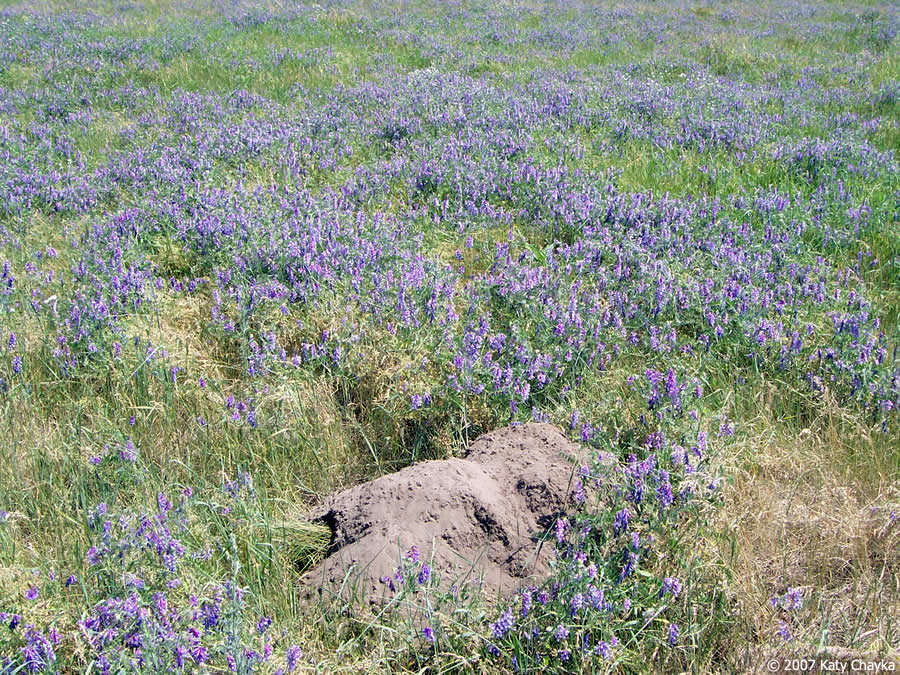
Common vetch (Vicia sativa) and hairy vetch (Vicia villosa) are leguminous cover crops celebrated for their multifaceted benefits in sustainable agriculture. These species excel in nitrogen fixation, a process where atmospheric nitrogen is converted into a form that plants can use, enriching the soil and reducing the need for synthetic fertilizers. This attribute makes them particularly valuable in crop rotations, especially preceding nutrient-demanding crops. Hairy vetch, with its robust growth and cold tolerance, is particularly noted for producing a significant amount of biomass, which can improve soil structure and organic matter content.
Both common and hairy vetch exhibit vigorous root systems that enhance soil health by increasing porosity and water infiltration, thereby reducing erosion and improving drought resilience. Their dense foliage serves as an excellent weed suppressant by outcompeting weed species for sunlight and nutrients, which can lead to reduced herbicide reliance. Upon termination, the biomass of these vetch species acts as a natural mulch, conserving soil moisture and further suppressing weed growth. Additionally, the flowers of vetch attract beneficial insects, including pollinators and predatory insects, which contribute to the biodiversity and resilience of agroecosystems.
Hairy vetch, in particular, stands out for its ability to thrive in a wide range of soil conditions and its notable winter hardiness, making it an excellent choice for cover cropping in cooler climates where other legumes might fail to establish or survive. Hairy vetch will produce more residue than common vetch 1/3 to 1/2 more. Common vetch does tend to reseed and establish easier in a pasture system compared to hairy vetch. When used in a no-till farming system, the decomposing vetch residue can release nitrogen slowly over time, closely matching the nutrient uptake patterns of subsequent crops. This synchrony minimizes nitrogen leaching and maximizes nutrient use efficiency, showcasing the role of vetch not only in enhancing soil fertility but also in promoting more sustainable and environmentally friendly farming practices.
Wheat (Triticum spp.)
- Advantages: Wheat is widely adaptable, with a deep root system that improves soil structure and enhances water infiltration. It’s excellent for erosion control and can be a good scavenger of residual soil nitrogen, reducing nitrate leaching. Wheat also serves as a decent biomass producer in cooler climates.
- Best For: Erosion control, nitrogen scavenging, and when a crop that can survive a wide range of conditions is needed.
Oats (Avena sativa)
- Advantages: Oats are fast-growing and establish quickly, providing rapid ground cover to outcompete weeds and reduce erosion. They produce significant biomass, which can improve soil organic matter. Oats also die off in freezing temperatures, which makes them easy to manage in the spring.
- Best For: Quick cover to outcompete weeds, adding organic matter to the soil, and as a winter-kill cover crop in regions with cold winters.
Barley (Hordeum vulgare)
- Advantages: Barley establishes quickly and can provide a good ground cover and weed suppression. It’s more drought-tolerant than oats and can be used in areas with lower water availability. Barley also contributes to soil health by adding biomass and improving soil structure.
- Best For: Fast establishment, drought-prone areas, and effective weed suppression.
Triticale (× Triticosecale)
- Advantages: Triticale, a wheat and rye hybrid, combines the best traits of both parents. It offers a robust root system, excellent biomass production, and good tolerance to both poor soil conditions and colder temperatures. Triticale is also notable for its nutrient scavenging ability and can be used to improve soil fertility.
- Best For: Biomass production, nutrient scavenging, and versatility in both cold and marginal soil conditions.
Daikon Radish or Tillage Radish
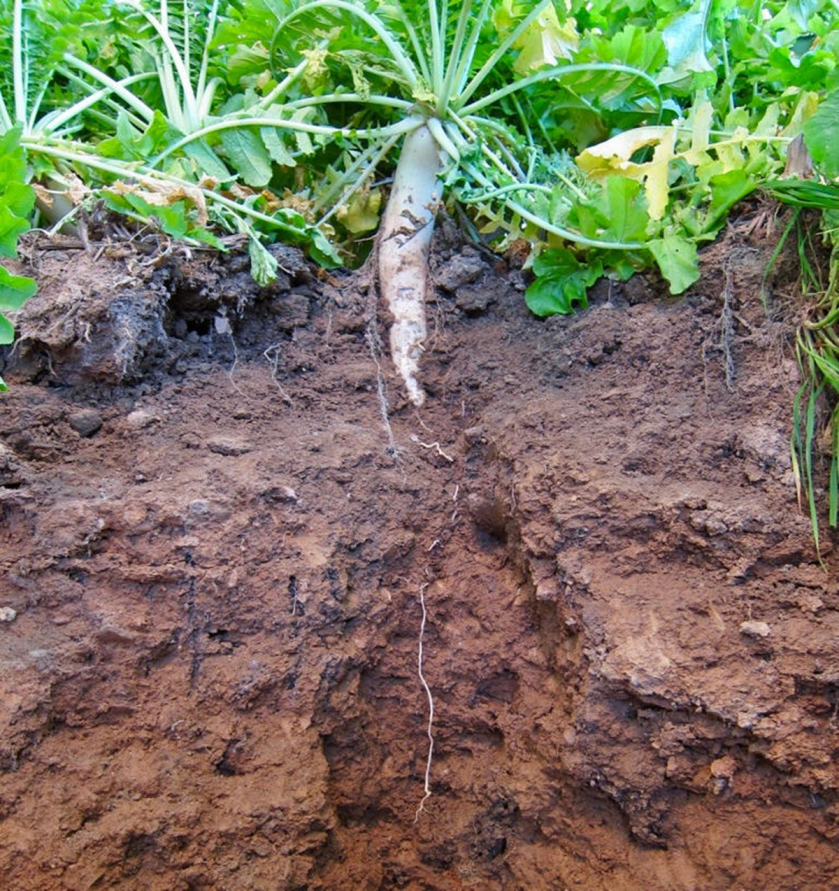
Daikon radish, often referred to as tillage radish, has gained popularity as a cover crop for its unique ability to improve soil structure and health through natural biotillage. Characterized by its rapid growth and large, penetrating taproot, tillage radish drills through compacted soil layers, creating channels that enhance air and water infiltration. This deep penetration also helps to break up hardpans, reducing the need for mechanical soil tillage, hence the name “tillage radish.”
One of the standout benefits of tillage radish is its capacity to capture excess nutrients from the soil profile. The deep roots absorb nitrogen and other nutrients, which are then stored in the plant’s tissue. When the radishes decompose in the spring, these nutrients are released back into the soil, becoming available for the next crop. This nutrient recycling can improve crop yields while reducing the risk of nutrient runoff into waterways, contributing to more sustainable farming practices.
Tillage radish also contributes to weed suppression. The rapid, dense canopy formation shades out weeds, reducing their ability to establish. This effect can carry over into the spring, providing a cleaner start for the next crop. Additionally, the decaying radish residue leaves behind significant organic matter, contributing to soil organic matter content and overall soil health. This organic matter feeds soil microorganisms, which play a critical role in maintaining soil fertility.
Moreover, the winter die-off of tillage radish eliminates the need for chemical or mechanical termination, simplifying spring field operations. This characteristic makes it an attractive option for farmers looking to reduce labor and input costs associated with cover crop management. The holes left by the decomposing radishes can also improve soil aeration and provide pathways for the roots of subsequent crops, potentially enhancing root development and access to deep soil nutrients.
Purple Top Turnip

Purple top turnip is a cover crop that has been used for years in Texas. The seed is relatively cheap, serves as winter grazing if needed, grows fast and adds lots of organic matter. It is known for its rapid growth and adaptability to a wide range of soil types, this cover crop is an excellent choice for farmers looking to enhance soil structure, suppress weeds, and improve nutrient cycling within their farming systems. The large, leafy greens of the purple top turnip create a dense canopy that can quickly cover the ground, effectively suppressing weed growth by outcompeting weeds for sunlight and nutrients.
Other Resources (just click a title)
- Cover Crops in South Plains Cotton – Not possible or is it?
- Why Sudan Grass is a Smart Choice in Yuma?
- Organic Cover Crop article about the beneficial effects of cover crops.
- Can cover crops control weeds and save water too?
- Organic Research Winner – Using Planting Patterns to Control Weeds in Wheat
- Cover crops and no-till management for organic systems. Rodale Institute
- Managing Cover Crops Profitably. SARE Publication
- Soil Biology: Cover Crops and Disease Suppression
- Allelopathy – What is it, what has it, and how do we use it?

Discover more from Texas A&M AgriLife Organic
Subscribe to get the latest posts sent to your email.

 Texas A&M AgriLife Organic
20 thoughts on “Best Cover Crops for Weed Control and Fertility”