Organic Growth vs. Conventional
The organic market continues to show steady growth, even under the same economic pressures affecting all of agriculture.
According to a recent report by the Organic Trade Association 1, U.S. organic sales reached $76.6 billion in 2025, increasing by 6.8%, while the overall food market grew at approximately 3.4% . Organic food alone grew even faster, at 6.9% compared to 2.3% for total food sales . This marks another year in which organic has outperformed the broader marketplace.
This pattern is important. Organic growth is not limited to a single year or driven by short-term factors. It reflects a sustained trend of consumer demand that has continued through inflationary periods, supply chain disruptions, and broader uncertainty in food markets.
At the same time, organic has reached a level of maturity within the food system. With more than 6% penetration into total U.S. food sales, organic products are no longer confined to specialty markets. They are now part of routine purchasing behavior for a significant portion of consumers.
This combination—continued growth alongside market maturity—creates a different type of market environment than in earlier years of organic expansion. Growth is still occurring, but it is not evenly distributed. Demand is increasing at the consumer level, while returns at the farm level do not always reflect that increase.
This disconnect suggests that the primary constraint is not whether consumers are purchasing organic products, but how effectively production is aligned with growing categories, functional supply chains, and market channels that return value to the producer.
Another important consideration is that organic products now compete directly with conventional products within the same retail space. Despite this competition—and despite typically higher prices—organic continues to grow at a faster rate. This indicates that consumer purchasing decisions are being driven by factors beyond price alone, including perceived health benefits, ingredient transparency, and trust in certification.
Consumers Are Buying “Health”—Not Just “Organic”
One of the clearest shifts in the organic market is not just how much consumers are buying, but why they are buying it. Organic is no longer functioning only as a production label. It is increasingly being interpreted by consumers as a health-related choice 2. Across recent data, consumers consistently prioritize attributes such as absence of synthetic chemicals, no added hormones or antibiotics, fewer additives and more recognizable ingredients. These are often referred to as “free-from” characteristics. While these attributes are not unique to organic certification, organic is still the most comprehensive and trusted system that delivers all of them under one standard.
At the same time, consumers continue to demonstrate a willingness to pay a premium for organic products, particularly in the United States. That willingness is not being driven simply by branding or marketing. It is tied to a broader shift in how food is viewed. The concept of “food as medicine” has moved from niche discussion into mainstream thinking. Consumers are increasingly making purchasing decisions based on perceived impacts to personal health, long-term wellness, and dietary quality. Organic is no longer competing solely as a production system. It is competing within a broader set of health-related claims, including non-GMO, antibiotic-free, hormone-free, natural, and regenerative.
In this environment, organic retains an advantage because it encompasses many of these attributes within a single certification. However, it also faces increased competition from more narrowly defined claims that may be easier for consumers to interpret. As a result, organic’s value is increasingly tied to how well it is understood and communicated as a complete system, rather than just one attribute among many.
Protein and Nutrient Density Are Driving Growth
One of the more consistent signals in the organic market right now is where growth is actually occurring. It is not evenly spread across all categories. Instead, it is concentrated in products that are closely tied to protein and nutrient density.
Several of the fastest-growing categories reflect this clearly:
- Eggs increased by 22.4%
- Meat, poultry, and seafood increased by 22.5%
- Yogurt increased by 16.6%
These are not minor categories. These are core food groups, and their growth suggests a shift in how consumers are thinking about food overall.
What Is Driving This Shift: This trend aligns with broader changes in consumer behavior. There is increasing emphasis on:
- foods that are nutrient-dense rather than calorie-dense
- adequate protein intake
- satiety and sustained energy
Functional Foods and the Broader Trend
This shift also connects to the growth of what are often called functional foods—products that offer added benefits beyond basic nutrition.
Yogurt (16.6% increase) is a good example, where growth is tied not only to protein, but also to digestive health. Similar trends are showing up in beverages and snacks that are positioned around energy, recovery, or overall wellness.
Implications for Texas Agriculture:
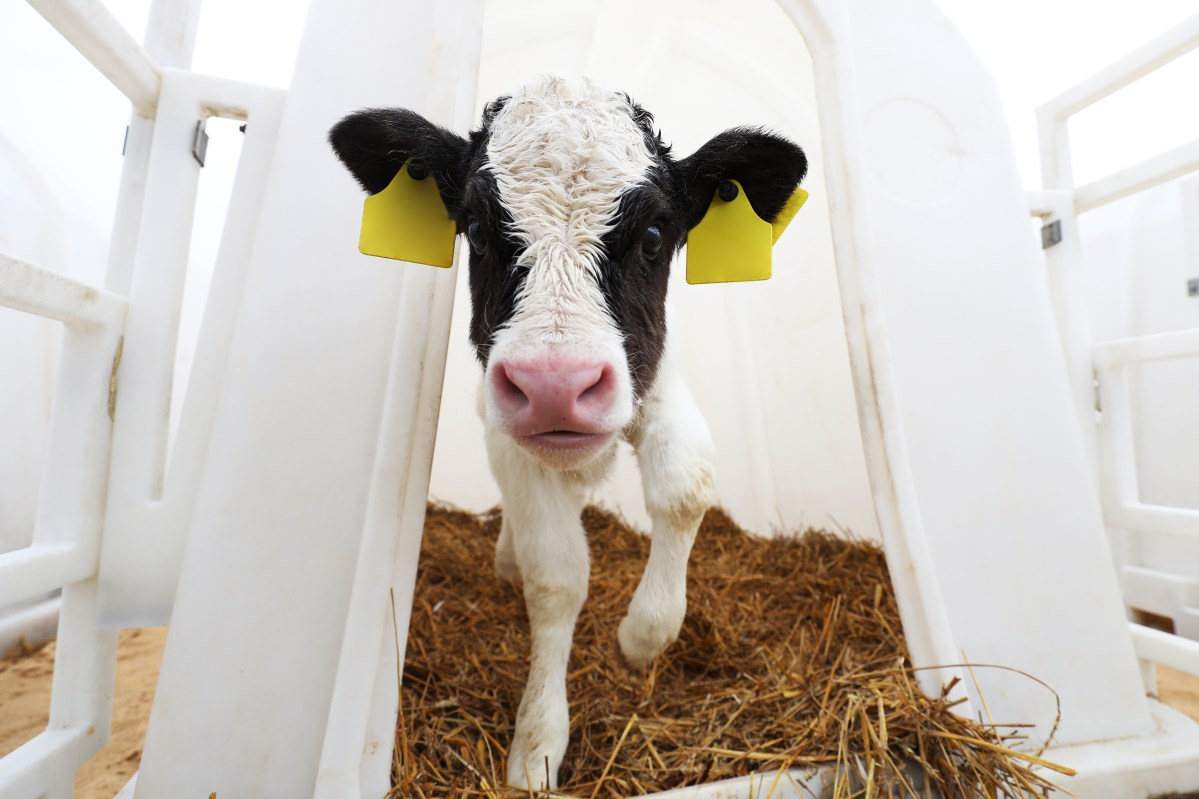
This focus on protein and nutrition connects directly to several production systems in Texas. Organic sorghum plays a role through dairy feed, linking grain production to milk and yogurt markets. Organic peanuts and other legumes fit into plant-based protein demand, especially as consumers shift toward simpler, whole foods. At the same time, organic beef demand is growing rapidly, but a significant portion is being supplied through imports . This suggests strong demand, but limited domestic supply.
Plant-Based Is Changing (Important for Legumes)
Another shift worth noting is how the plant-based category itself is evolving.
Some of the earlier growth in plant-based foods was driven by highly processed alternatives. That segment is now slowing, with products like meat substitutes declining by about –5.5%. At the same time, simpler foods such as dried beans, fruits, and vegetables are increasing, with dried products growing by 13.6% .
This is a meaningful change. Consumers are not moving away from plant-based foods—they are moving toward foods that are less processed and more recognizable.
Implications for Texas: This aligns well with crops that are already adapted to Texas systems. Cowpeas, fava beans, dry beans, peanuts, and even some of the ancient grains fit naturally into this trend. These crops have traditionally been viewed as secondary or rotational options, but they may begin to carry more direct market value as demand shifts toward whole-food protein sources.
Imports Are Filling Key Gaps (Hidden but Critical Story)
One of the more important signals in the current organic market is not just what is growing, but where that growth is being supplied from. Organic beef, for example, showed very strong growth in 2025 3, but much of that increase is being supported by imports rather than domestic production . This points to a structural issue within organic and certainly within Texas organic. Demand is growing but domestic supply has not kept pace.
What This Suggests: When imports are filling a growing category, it typically means one or more of the following production is limited or slow to expand, processing or infrastructure is limited or non-existent, supply chains are better developed elsewhere in the world, or in this case, it is likely a combination of all three.
Implications for Texas: For Texas producers, this raises a practical question. If the market is growing, but imports are filling that growth, where is the opportunity being missed locally?
Texas has land resources, livestock systems, and experience in beef production. But capturing organic market share requires more than production alone. It depends on finishing systems, certified processing, and consistent market access. (There is work in progress, just click here to read what!)
The USDA Organic Seal Still Matters—A Lot
As more labels and claims enter the marketplace, one of the consistent findings is that organic certification remains one of the most trusted standards available. In the United States, about 74% of consumers report trust in the USDA Organic label . That level of trust is higher than most individual claims such as “natural,” “non-GMO,” or “antibiotic-free,” which tend to address only one aspect of production. At the same time, the number of competing claims has increased significantly. Consumers are now faced with a wide range of labels that emphasize single attributes (e.g., non-GMO) or specific practices (No Additives) or marketing-driven terms (Natural). This creates confusion!
This creates a situation where organic competes against simpler messages while offering a more comprehensive value. If that value is not clearly communicated, organic can be treated as just one option among many, rather than the most complete standard. Organic continues to hold the strongest position as a trusted standard, but its value depends on how clearly that standard is understood and communicated in the marketplace.
Millennials and Gen Z Are Driving the Market
Another consistent trend in the organic market is who is making the purchasing decisions. Millennials remain the primary drivers of organic purchases, with strong influence also coming from Gen Z consumers . These groups are not only buying organic—they are shaping how food is evaluated more broadly.
What This Suggests: These younger consumers tend to place higher value on sustainability, transparency in production (they might even like to know how you farm), and alignment with personal values. They are also more likely to seek out information, compare products, and respond to how a product is presented—not just what it is. This changes how products compete in the marketplace.
Conclusion:
These trends point to a consistent conclusion. Organic demand is present and continuing to grow, but that growth is becoming more selective. It is increasingly tied to health, nutrition, and clearly defined value in the marketplace.
For Texas producers, the opportunity remains strong, but capturing that opportunity will depend on how production aligns with these shifting demands and how effectively products move through the system from field to consumer.
References
- Organic Trade Association (OTA). 2026. Organic Market Report 2026. Organic Trade Association, Washington, DC.
- Organic Trade Association (OTA). 2026. Consumer Perception of USDA Organic and Competing Label Claims in North America. Organic Trade Association, Washington, DC.
- Organic Trade Association. 2025. U.S. Organic Marketplace Achieved Significant Growth in 2025 (Press Release).
https://ota.com/news/press-releases



 Texas A&M AgriLife Organic