
As organic dairy producers, you do a lot with less—less antibiotics, less synthetic inputs, and often less infrastructure than our conventional neighbors. But you are no less committed to calf health and biosecurity. And now, with the emergence of the H5N1 avian influenza strain in dairy cattle, we all are facing a new challenge that demands creative, organic-compliant solutions.
I read about a possible treatment for organic dairy producers in an article written by Maureen Hanson in the May/June Bovine Veterinarian1. A very practical tool we have at our disposal is citric acid powder—an affordable, National Organic Program (NOP)-allowed substance that can be used to acidify waste milk and protect our calves from pathogens, including the H5N1 virus.
The Problem: Infected Milk Transmits H5N1
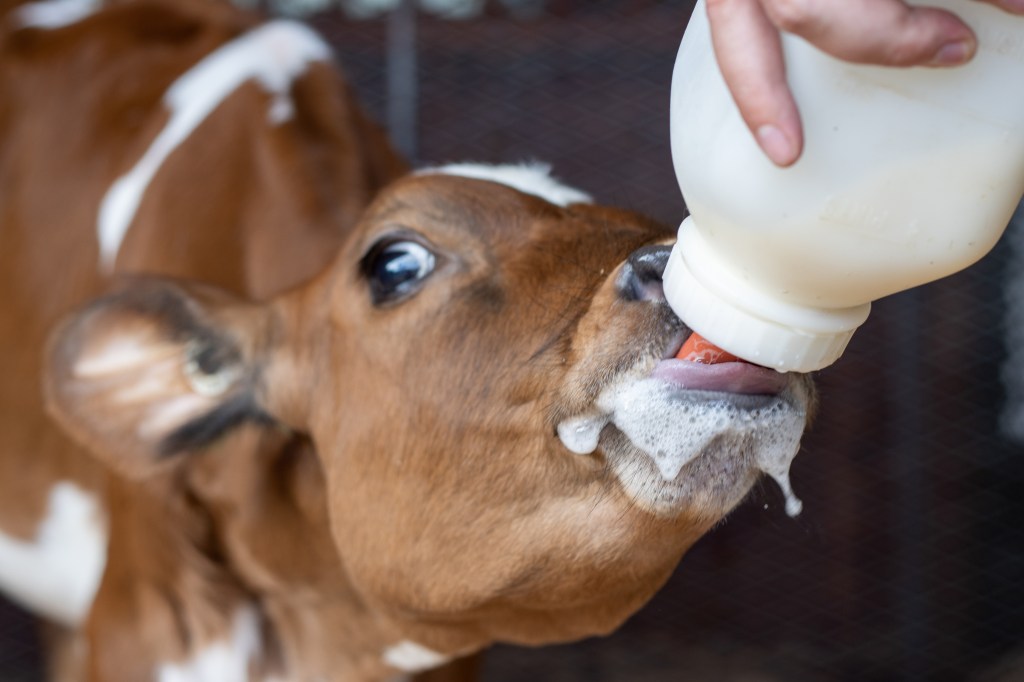
USDA researchers have confirmed that H5N1 is shed in the milk of infected cows—even up to two weeks before those cows show any signs of illness. In a controlled study, Holstein calves fed raw milk from infected cows contracted the virus within days. Although symptoms were mild—fever, nasal discharge, lethargy—the virus was confirmed in lung, lymph, and tonsil tissue. All calves had to be euthanized for analysis.
What does this mean for organic dairy farmers? If we’re feeding raw, unpasteurized waste milk—especially from cows not yet showing symptoms—we may be unknowingly exposing our calves to a highly contagious virus.
The Challenge: Most Organic Farms Don’t Pasteurize Waste Milk
Pasteurizers are expensive, and many small to mid-sized organic dairies don’t have them. In fact, even fewer than 50% of large-scale dairies pasteurize their waste milk. So what’s the alternative?
The Solution: Citric Acid Powder – Affordable, Organic, and Proven
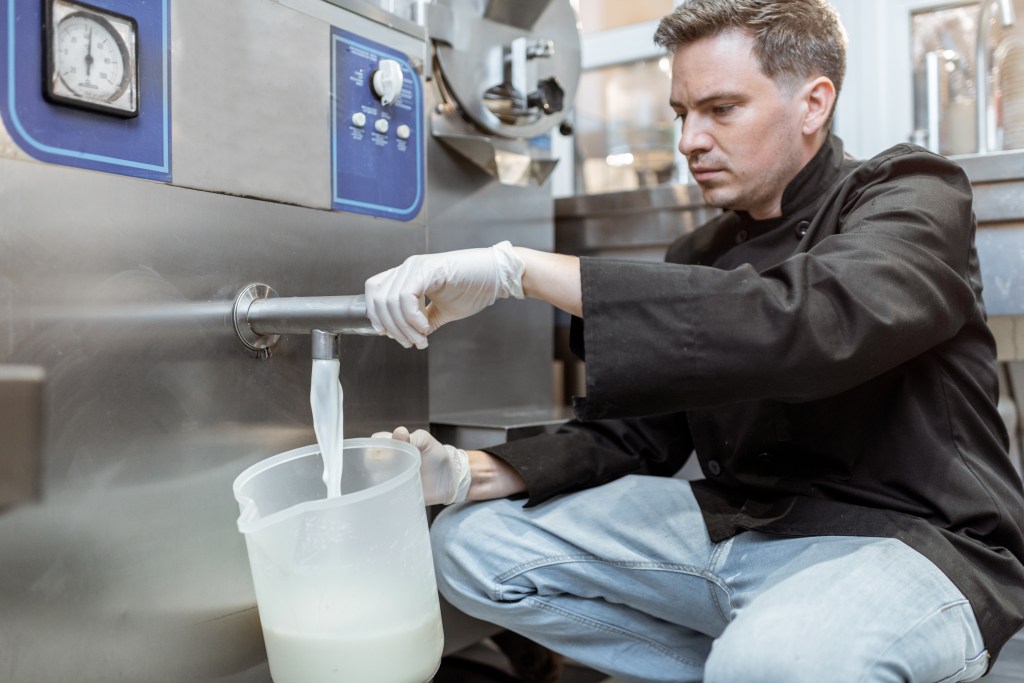
Researchers at UC Davis have confirmed that acidifying waste milk with citric acid to a pH of 4.1–4.2 completely inactivated the H5N1 virus—and it did so within six hours in controlled lab trials2. This method worked not just on typical waste milk, but also on colostrum and milk from treated cows—broadening its relevance for real-world dairy operations.
For organic producers without access to pasteurization equipment, this presents an ideal alternative:
- Application Rate: 6 grams of food-grade citric acid per liter of milk (be sure to test milk pH after adding)
- Target pH: 4.1
- Effectiveness: Deactivates H5N1 and reduces other pathogens (see below)
- Cost: ~10 cents per liter (this depends on the rate and cost to purchase)
- Time Required: Six hours contact time before feeding
Citric acid is approved under the USDA National Organic Program and is easy to source, store, and apply. It requires no heat, no specialized equipment, and is safe for both calves and farm workers.

Citric acid powder sometimes called “lemon salt”
UC Davis researchers concluded that acidification is a practical, sustainable, and accessible tool to prevent the spread of H5N1 and other harmful microbes in preweaned calves. Compared to more complex systems like lactoperoxidase activation, citric acid stood out as the most straightforward and consistently effective method. UC Davis researchers are planning to conduct more tests but so far this treatment looks to be a way to prevent future infections.
Why This Works for Organic Producers
Citric acid is permitted under the USDA National Organic Program for this kind of use. It’s also widely available, easy to store, and can be scaled up or down depending on how much milk you’re feeding.
In organic systems, where animal health starts with prevention and careful management, this method offers a simple and economically viable tool for protecting calf health and stopping the spread of disease without compromising organic integrity. Be sure to source “feed grade” or “food grade” with the organic seal to ensure it is the right product and can be used in organic feeds.
Beyond H5N1: Broader Pathogen Control
Acidifying milk doesn’t just stop H5N1. It helps reduce bacterial loads in general—particularly Salmonella, E. coli, and Mycoplasma—which can all challenge young calves. In other words, citric acid is a broad-spectrum line of defense, not just a response to a single threat for waste milk fed to calves.
Final Thought: Protecting Calves in Beef-on-Dairy Programs
In today’s dairy world—organic or not—many producers are using sexed semen to retain replacement heifers and breeding the rest of the herd to beef sires. The resulting calves often leave the dairy within a few days as part of beef-on-dairy programs, where they are raised off-site for beef markets.
That means the responsibility for disease prevention starts on the dairy, even if the calf doesn’t stay there long. If calves receive waste milk contaminated with H5N1 in those first critical days, they could carry the virus into the next phase of production—putting entire systems at risk.
By acidifying your waste milk with citric acid, you can cost-effectively reduce that risk from day one. It’s a low-cost, NOP-compliant biosecurity step that protects animal health, supports the beef-on-dairy market, and upholds the integrity of your organic operation.
As always, I need to remind certified organic producers to check with their certifiers before making any changes to their Organic System Plan and check with your veterinarian who develops your herd health plan.
We have the tools. Let’s use them wisely.
- Inspired by: “Calf Milk Poses H5N1 Risk, Too” by Maureen Hanson – Bovine Veterinarian, May/June 2025
https://www.bovinevetonline.com ↩︎ - Crossley, B.M., Pereira, R.V., Rejmanek, D., Miramontes, C., & Gallardo, R.A. (2025). Acidification of raw waste milk with citric acid inactivates highly pathogenic avian influenza virus (H5N1): An alternative to pasteurization for dairy calves. Journal of Dairy Science, 108(5), 3456–3465. doi:10.3168/jds.2025-00051 https://www.ucdavis.edu/news/killing-h5n1-waste-milk-alternative-pasteurization ↩︎

Discover more from Texas A&M AgriLife Organic
Subscribe to get the latest posts sent to your email.


