
It doesn’t take long for spider mites to attack tomatoes and attack with a passion as the weather gets hotter. I usually get a lot of calls this time of year about tomatoes that are turning yellow, and, in most cases, it is spider mites that are the culprit.

Notice the dark spots on either side, hence the name.
The two spotted spider mite is responsible for a lot of our tomato problems. They are very small at 1/32 of an inch or less. If you turn over a tomato leaf you will see the webbing characteristic of spider mites and if you look closer, you may see the actual mite moving around. Spider mites overwinter as adults and even continue to breed on host plants in mild winters. Spider mite adults lay a clear to yellow egg suspended in a fine web of silk. 6-legged nymphs emerge from the eggs and go through 2 molts before they emerge as 8-legged adults. A generation can last from 5 to 20 days depending on the temperature, the hotter the quicker. When the host plant begins to decline, the mites spin silk threads and use these strands to “fly” or “balloon” in wind to disperse to other plants. This is how they get to your tomatoes in the first place. Under ideal conditions (hot, dry weather, lack of natural enemies, and well-fertilized plants), mite populations can increase 10-fold per week!
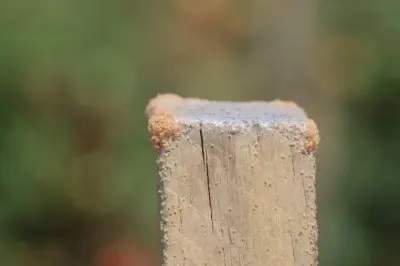
Spider mites on a tomato stake about to spin a silk thread and take off!
Scouting is essential to control. If you see spider mites early you can wash them off with hard streams of water or use an insecticidal soap. Sulphur has long been used as a preventative for mites as well as a fungicide for diseases. Garlic and other botanicals have been promoted, but my experience has not been good. Organic products that have a good track record are Certis Biologicals – BoteGHA, PFR-97, Sil-Matrix, DES-X and Trilogy. Pro Farm – Grandevo and Venerate. Spinosad made by several companies can be effective. There are a whole host of botanical oils from garlic to thyme to peppermint and can be a preventative or good in light infestations. Another option is beneficial insect releases like Phytoseiulus persimilis or Neoseiulus cucumeris beneficial mites which are known to be very effective.

Severe spider mite infestation – pull out the plant!
Unfortunately, most gardeners do not notice infestations until they are severe, and control by then is difficult. I like to recommend that gardeners remove the plants that are somewhat infested. This may seem drastic but letting populations explode doesn’t seem healthy either.
Lastly let me add that spider mites love plants that are stressed, especially from water. I was recently running a greenhouse experiment with tomatoes and marigolds. I had many pots of each, and I had inadvertently left some of both plants almost outside the area that was sprinkler watered. This meant that 2 tomato plants and 2 marigold plants were getting just enough water to live but not much else. I then went on vacation for a few days and when I came back the only spider mite infested plants were those stressed for water. I have seen this in fields over and over again, water stress brings on insect stress! Tomato plants can use 1.5 gallons of water every day and most gardeners only water once a week.
Discover more from Texas A&M AgriLife Organic
Subscribe to get the latest posts sent to your email.

 Texas A&M AgriLife Organic
To control Spider Mites on Tomatoes BIOSHOT & CINNACAR are excellent biological products as good as the Certis biologicals but with the difference that they have a much competitive price!!!
LikeLike