
The global wine industry is witnessing a pivotal shift towards organic practices, a trend strongly reflected in the Lone Star State. Although Texas’s organic grape production is currently led by only 3 farmers cultivating over 200 acres, this growing segment is set to change the Texas wine landscape. This rise in organic viticulture, coupled with an increasing consumer interest in organic wines over the last decade, sets the stage for a deeper exploration of innovative solutions like Fungus Resistant Grape (FRG) varieties.
Why Organic? The Texas Perspective
In Texas, where the climate varies from the arid conditions of the High Plains to the humid Gulf Coast, viticulturists face a unique set of challenges. Disease pressure, particularly from fungal pathogens, is a significant concern that can compromise grape quality and yield. Herein lies the importance of FRG varieties, which offer hope for organic viticulture in Texas and similar environments. The adoption of these disease-resistant varieties can not only enhance the sustainability of vineyards but also align with the growing consumer demand for wines produced “environmentally friendly.” There is a tremendous amount of evidence that the organic label has a huge and growing recognition with consumers, and they are buying organic at an ever-increasing rate.
The Organic Wine Boom
Nationally and globally, the last decade has seen a marked increase in interest and sales of organic wines. Consumers are increasingly drawn to organic labels, not just for the perceived health benefits but also for their environmental impact. This shifting preference underscores the need for viticulture practices that prioritize ecological balance and sustainability. In Texas, where the wine industry is as dynamic as it is diverse, the integration of FRG varieties into organic viticulture holds the promise of meeting this demand while addressing the agronomic challenges of organic grape production.
Disease Resistance: A Game-Changer for Organic Viticulture
In past research FRG varieties such as Regent and many others have demonstrated remarkable resilience against fungal diseases that commonly afflict vineyards, reducing the reliance on fungicides and thus supporting organic farming principles (Pedneault and Provost, 2016). The most common Fungus-Resistant Grape (FRG) varieties grown and sold today include:
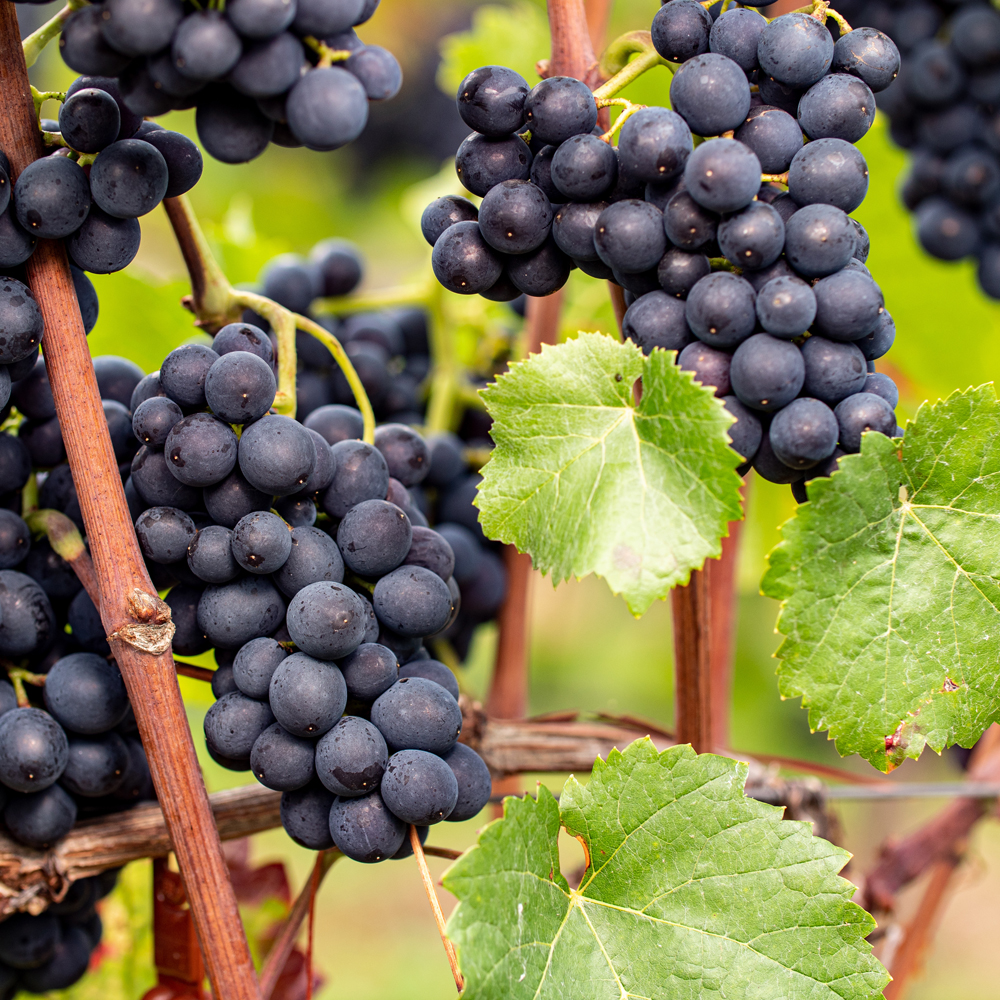
Regent
- Regent: Developed in Germany, Regent is popular in cooler wine regions due to its resistance to both downy and powdery mildew. It produces red wines with deep color and robust flavors.
- Marechal Foch: An early-ripening variety known for its resistance to several grape diseases, including downy mildew. It is used to make a range of wines from light reds to rich, full-bodied wines with dark fruit flavors.
- Seyval Blanc: This variety is resistant to powdery mildew and is versatile in winemaking, used for producing everything from sparkling wines to well-balanced still whites.
- Solaris: Bred in Sweden, Solaris is resistant to most fungal diseases and is suitable for organic viticulture. It produces aromatic white wines with high acidity and tropical fruit flavors.
- Marquette: A cold-hardy variety developed by the University of Minnesota, Marquette is resistant to downy and powdery mildew and produces medium-bodied red wines with notes of cherry, blackberry, and spices.
- Camminare Noir: developed by the University of California, Davis, as part of their breeding program for disease-resistant grapes, is a hybrid cross between a Vitis vinifera wine grape variety (94%) and American species known for their disease resistance. It is highly resistant to Pierces disease (PD), powdery mildew and downy mildew, making it particularly well-suited for regions where these fungal diseases are significant challenges.
- Crimson Cabernet: developed by David and Ann Munson in Missouri, USA, is a hybrid of Norton (Vitis aestivalis, native to North America) and Cabernet Sauvignon. Bred specifically for cold climates, it offers excellent resistance to PD and to fungal diseases, including black rot and mildews. Norton contributes exceptional disease resistance and cold hardiness, while Cabernet Sauvignon imparts high wine quality and a recognizable flavor profile.
- Paseante Noir: Produces wines similar to Pinot Noir, offering a light to medium body with delicate fruit flavors and good structure. It is resistant to Pierce’s Disease and moderately resistant to fungal diseases like powdery mildew. This variety is ideal for warmer regions with high PD pressure but performs well in less disease-prone areas too.
- Errante Noir: Produces full-bodied red wines reminiscent of Syrah, with rich fruit flavors, good tannin structure, and aging potential. It combines strong resistance to Pierce’s Disease with moderate fungal resistance, making it an excellent option for growers in hot climates with heavy PD pressure.
- Ambulo Blanc: White variety that resembles Sauvignon Blanc in its crisp acidity, citrus notes, and fresh aromatics. It offers high resistance to Pierce’s Disease and moderate fungal resistance, making it suitable for humid, warm regions where white grape production is challenging.
- Caminante Blanc: Produces wines akin to Chardonnay, with balanced acidity and flavors of apple, pear, and subtle oak when barrel aged. It is highly resistant to Pierce’s Disease and moderately resistant to fungal pathogens, thriving in regions with significant PD pressure while supporting premium white wine production.
Regarding the use of FRG varieties in Texas, these varieties could translate to lower production costs, reduced environmental impact, and the potential for higher yields—key factors in the sustainability equation of organic viticulture. However, Texas’s diverse climate and the presence of various grape diseases make the state a potential area for adopting FRG varieties. The interest in sustainable and organic viticulture in Texas, along with the challenges posed by fungal diseases, suggest that FRG varieties could offer valuable solutions for Texan vineyards looking to reduce chemical inputs and manage disease more effectively.
Taste the Difference: The “Organoleptic” Advantage
Beyond the agronomic benefits, the organoleptic qualities (fancy word for a food or wine that stimulates our sense of taste or smell) of wines produced from FRG varieties offer a great argument for their adoption. Initial tastings and analyses reveal that these wines can compete with, if not exceed, the sensory profiles of wines made from traditional grape varieties (ones demanded now because they are considered superior). The promise of rich, complex flavors, coupled with the environmental benefits of organic viticulture, presents a compelling value proposition to consumers and wine “connoisseurs” alike. FRG varieties can change the industry for the better if allowed to by the very industry keeping them out!
Looking Ahead: Organic Viticulture in Texas
The growth of organic grape production in Texas, though in its early stages, is indicative of a broader trend towards sustainable viticulture practices. As the interest in organic wines continues to surge, the role of FRG varieties in enabling eco-friendly and economically viable grape production becomes increasingly significant. For Texas, a state known for its agricultural innovation and resilience, the adoption of FRG varieties and increase in organic viticulture could mean a significant change for the Texas wine industry—one that is sustainable, flavorful, and aligned with the increasing global shift towards organic production.
The trends surrounding Fungus-Resistant Grape (FRG) varieties reflect an intersection of sustainability, consumer preferences, and technological advancements. These trends are shaping the future of viticulture and winemaking, positioning FRG varieties as a pivotal innovation in the industry. Here are some key trends:
1. Increased Adoption in Organic Viticulture
FRG varieties are gaining traction among organic vineyards due to their inherent resistance to common fungal diseases, which reduces the need for synthetic chemical treatments.
2. Consumer Awareness and Acceptance
There’s a growing awareness among consumers about the environmental and health impacts of pesticide use in agriculture. As a result, wines produced from FRG varieties are increasingly seen as a healthier and more sustainable option. However, consumer acceptance varies, with a large segment of the market very cautious about genetically modified organisms (GMOs). FRG varieties are mostly being developed through traditional breeding methods rather than genetic engineering making them attractive to organic growers and consumers.
3. Technological Advancements in Breeding
Advances in breeding technologies, including genetic mapping and marker-assisted selection (these are approved organic practices), have significantly improved the quality and disease resistance of FRG varieties. These technological advancements enable the development of new varieties that retain the desired sensory qualities of traditional Vitis vinifera grapes while incorporating disease resistance from other grape species.
4. Regulatory and Policy Shifts
Changes in regulations and policies are influencing the adoption of FRG varieties. Some European regions are recognizing the benefits of these grapes in reducing chemical inputs and are adjusting regulations to support their use. Additionally, there’s a push for clearer labeling practices to inform consumers about the sustainable attributes of wines made from FRG varieties, especially organically produced FRG varieties!
5. Economic and Environmental Sustainability
The economic benefits of adopting FRG varieties are becoming more apparent to growers, including reduced costs associated with disease management and potential for higher yields due to decreased disease pressure.
6. Focus on Quality and Sensory Profiles
Initially, concerns existed about the sensory qualities of wines made from FRG varieties. However, ongoing research and development efforts focus on breeding FRG varieties that produce high-quality wines, comparable to those made from traditional grape varieties. This includes optimizing viticultural practices and winemaking techniques to enhance the sensory profiles of FRG wines.
7. Collaborative Research and Development
There’s a trend towards collaborative efforts among research institutions, breeders, and the wine industry to develop and promote FRG varieties. These collaborations aim to pool resources and knowledge to address the challenges of climate change, disease pressure, and sustainability in viticulture.
In summary, the trends for FRG varieties are driven by a confluence of sustainability concerns, technological innovations, and evolving consumer preferences. These trends highlight the growing importance of FRG varieties in the future of sustainable winemaking and organic viticulture.
As we witness the expansion of organic viticulture in Texas, the future of wine production appears promising. With each vineyard turning to Fungus Resistant Grape varieties, we edge closer to a wine industry that is not only kinder to the planet but also offers wines of exceptional quality and taste. The path forward for Texas and the wine world at large is clear: embracing organic practices and the innovative potential of FRG varieties is not just a trend, but the future of sustainable viticulture.
Source: Pedneault, K., & Provost, C. (2016). Fungus Resistant Grape Varieties as a Suitable Alternative for Organic Wine Production: Benefits, Limits, and Challenges. Scientia Horticulturae, 208, 57-77.
Here is an article from Florida by way of resistant grape varieties from UC-Davis. It follows along the lines of my blog here.
Disease-resistant wine grapes could be boon for Florida’s viticulture
Resources for Organic (click to view)
- Building Soils for Better Crops
- Soil Balancing Basics for Organic Farming
- Biostimulants – The Next New Frontier for Ag
- Best Cover Crops for Weed Control and Fertility
- What is the True Cost of Compost (or Manure) in 2024
- Composts and Herbicides Don’t Mix
- Managing Soil Biology for Organic Farming
- The Economics of Transitioning to Certified Organic Farming
- Farming with Soil Life
- Managing Soil Biology for Organic Farming
- Soil Balancing Basics for Organic Farming
- The Economics of Transitioning to Certified Organic Farming

 Texas A&M AgriLife Organic