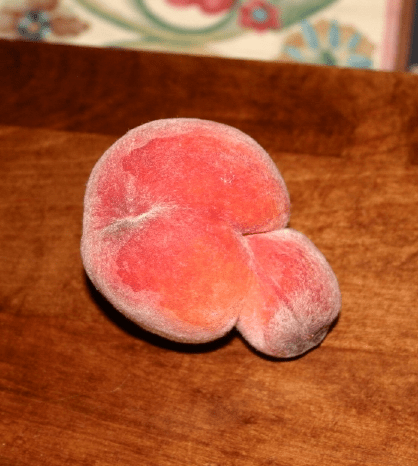
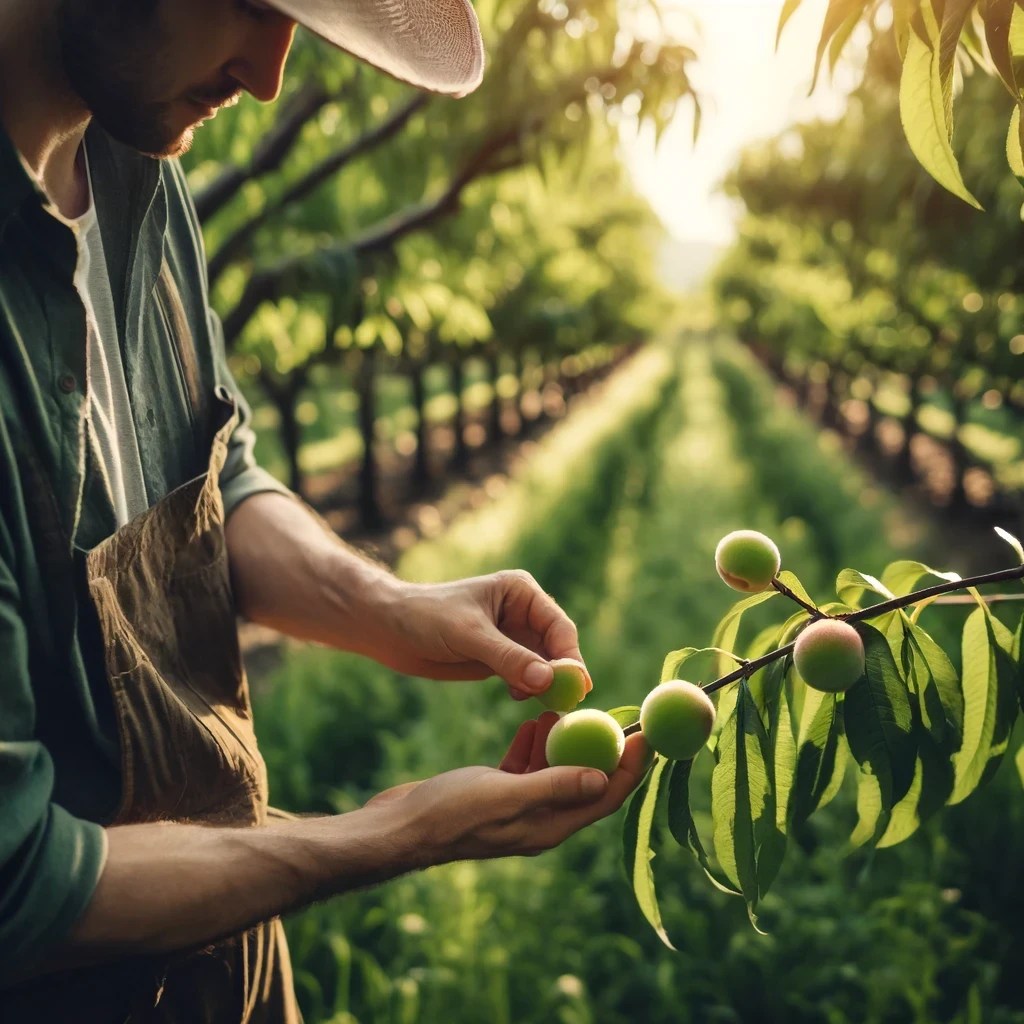
“Twinning” or “doubles” in peaches refers to the phenomenon where a single peach flower bud develops into two closely connected fruits. This occurrence is often related to the conditions experienced by the tree during the bud initiation phase of the previous year. I have been thinning my peach trees and I am seeing a large number of doubles and yet I still have plenty of fruit – so far! Several factors can contribute to the development of doubles in peach trees, with stress playing a significant role. Let’s explore these factors in more detail:
- Temperature Fluctuations: Extreme temperature variations, especially during the critical period of bud differentiation, can cause abnormalities in the developing fruit. If cold temperatures follow a period of warm weather that initiated early bud development, the stress can lead to the formation of doubles.
- Water Stress: Both excessive water and drought conditions can stress the tree and disrupt the normal development of fruit buds. Proper water management is crucial during the growing season to prevent such stress. I think this was a big part of the issue because we had very little rain and also hot temperatures last year.
- Nutritional Stress: An imbalance in essential nutrients, particularly during the bud initiation and development stages, can lead to the formation of doubles. High nitrogen levels, for example, can promote excessive vegetative growth at the expense of normal fruit development, potentially causing abnormalities.
- Genetic Factors: Some peach varieties are more prone to producing doubles than others. This genetic predisposition can be exacerbated by environmental stresses.
- Pesticide or Herbicide Exposure: Certain chemicals, if applied improperly or at sensitive stages of development, can cause physiological stress to the trees, leading to abnormalities in fruit development. 2,4-D, a common lawn and pasture weed killer, can also act as a plant hormone and cause deformities.
Addressing these stress factors can help reduce the incidence of doubles in peach production. Careful management of orchard conditions, including temperature control where possible, appropriate watering, balanced nutrition, and cautious use of chemicals, can improve the overall health of the trees and reduce the occurrence of doubles. Selecting varieties less prone to this issue can also be a strategic decision for orchard management.
Larry Stein, Ph.D., AgriLife Extension horticulturist and professor in the Texas A&M College of Agriculture and Life Sciences Department of Horticultural Sciences and located at the Uvalde center is a very good friend and mentor. He spoke about both chill hours and peach doubles in a recent AgriLife News article. He said, “chill hours have been sufficient in the mid-to-low chill areas, but were marginal in the higher chill areas, with a lot of growers reporting “doubles” on plant blooms.”
“Doubles or multiple fruit come about as the result of stress during the flower initiation stage, which would have been May and June of 2023,” he said. “These doubles seem to be the consensus when talking to area producers, with some saying they are getting three and four fruit from a single bloom.”
According to Dr. Stein, irregular or inadequate watering has also been identified as a likely cause of fruit splitting and doubling.
“Consumers usually consider conjoined fruits less visually appealing,” Stein said. “For producers, sometimes the extra piece of fruit is so small as to be insignificant and can be safely removed without harming the main fruit. To avoid the conjoined fruit, producers typically thin their fruit trees to get as many double or multiple fruits back to singles as possible.”
 Texas A&M AgriLife Organic