
New Organic Cowpea ‘TAMC 101’: A Cover Crop and Forage Option for Southern Farms

by Dr. Waltram Ravelombola1
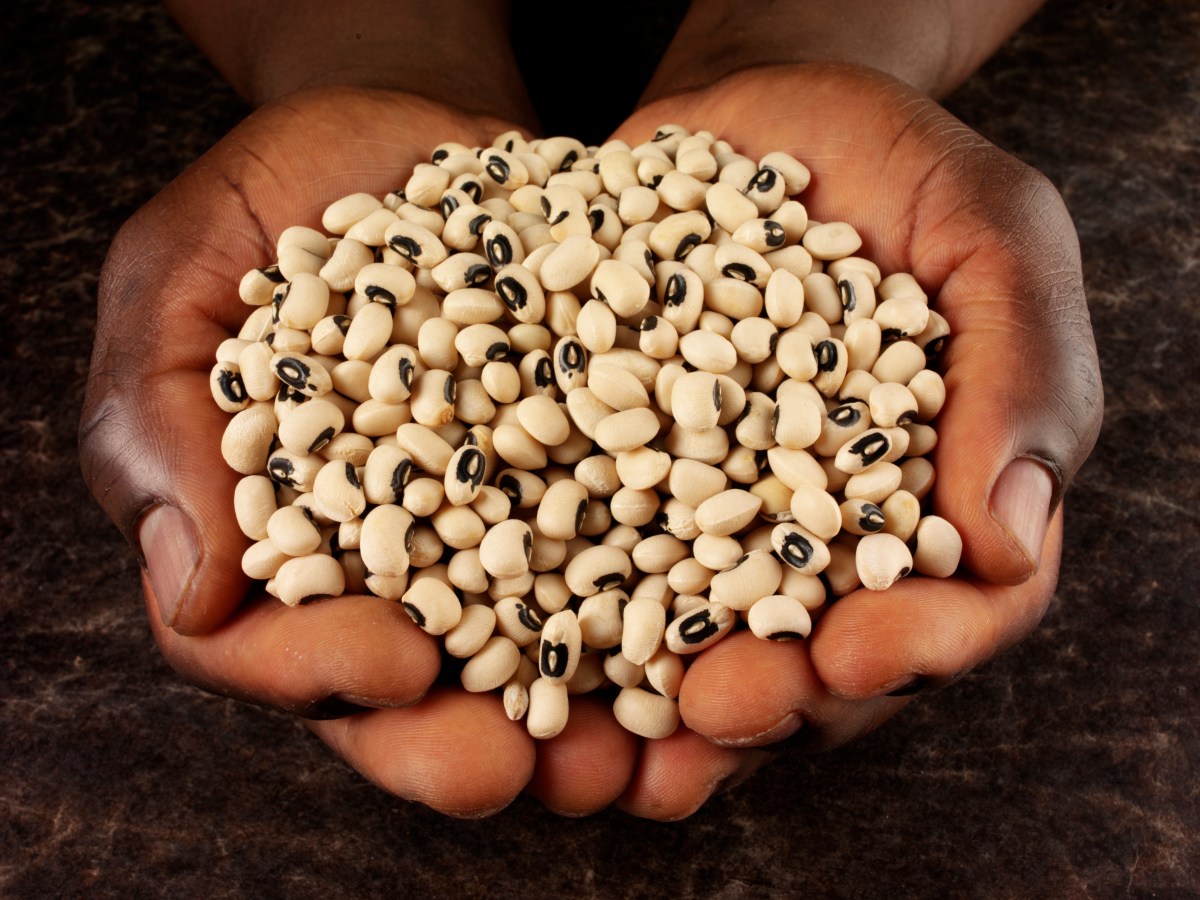
Texas A&M AgriLife has released a new organic cowpea variety called ‘TAMC 101’, developed specifically for farms across the southern United States that are working to build soil health in hot, dry conditions.2 Cowpeas have always been a dependable summer legume in our region, sprouting with very little moisture and growing through the intense heat that shuts down many other cover crops. What makes this variety stand out is that it was bred and selected entirely under organic management, meaning it performed well without synthetic nitrogen, without chemical weed control, and under real dryland field pressure. That alone makes it unusual—and useful—for organic and regenerative growers.

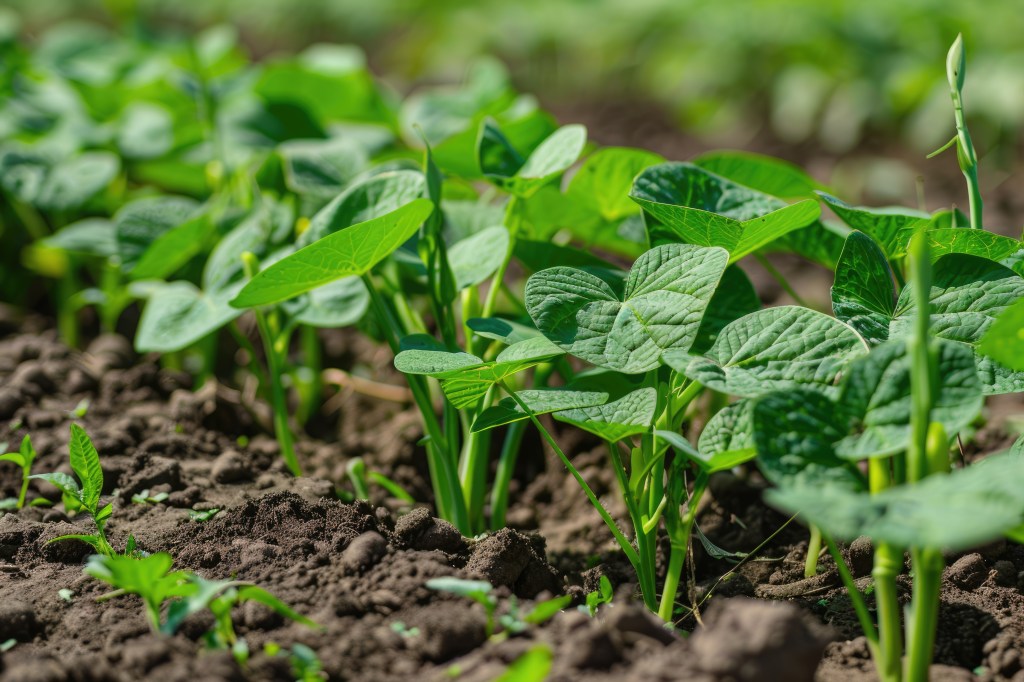
The story of ‘TAMC 101’ began with PI 293587, a highly variable cowpea line introduced in 1963. Breeders noticed one plant that produced noticeably more biomass than anything around it. That single plant became the foundation of this new variety. All seed increases took place in organic plots at the Vernon Research Station, and the result is a cowpea that spreads quickly, shades soil early and helps suppress weeds in systems where herbicides aren’t an option. The plants form a semi prostrate canopy with medium-green leaves, strong stems, and purple flowers—a combination that creates a full, dense stand that covers ground faster than the popular ‘Iron & Clay’ check variety.

Biomass of Organic TAMC 101 Cowpea

Across three years of trials in Vernon and Lubbock from 2021 to 2023, ‘TAMC 101’ consistently produced more biomass than the check. Its average dry matter yield was 3,850 lb/acre, compared with 3,485 lb/acre for ‘Iron & Clay’ cowpea, and in every single environment the new variety came out ahead. That extra biomass matters for weed shading, soil organic matter, and forage harvest. Nitrogen accumulation followed the same pattern. ‘TAMC 101’ averaged 74 lb N/acre, compared with 70 lb N/acre for the check, giving organic producers a dependable warm-season legume to help cycle nutrients naturally and reduce the strain on soil fertility. For growers who integrate grazing, forage quality was comparable to existing cowpea options, with crude protein averaging 22.1%, making it a solid late-summer protein boost for livestock.

What growers can appreciate most about this cowpea is how naturally it fits into real organic production. It doesn’t require high inputs, handles dry sowing well, and won’t drain soil moisture the way some summer covers can. Termination is also simple—one hard freeze ends it—which is a valuable feature for farms trying to avoid multiple tillage passes going into fall crops. For mixed crop-livestock operations, the dual-purpose role adds more value: the same cover crop that builds nitrogen can also provide emergency summer forage. In many parts of Texas, especially after wheat or oats come off, growers have a wide, hot window where they need something that can establish with little moisture and leave the soil better than it found it. This variety fits that window well.

Farmers often want a low-risk way to add summer cover crops into their system without sacrificing moisture or increasing weed pressure. ‘TAMC 101’ was developed with those realities in mind. Whether it’s planted after a small-grain harvest, used as a quick forage, or integrated into organic rotations for corn, sorghum, or vegetables, this cowpea gives producers a simple, reliable tool for improving soil health during the hottest part of the year.

For growers and seed producers interested in seed availability, licensing inquiries are directed to Dr. Richard Vierling, richard.vierling@ag.tamu.edu, Texas A&M AgriLife Foundation Seed in Vernon.

  1. Dr. Waltram Ravelombola, Assistant Professor, Texas A&M AgriLife Research. https://vernon.tamu.edu/people/ravelombola-ph-d-waltram/ ↩︎
  2. Ravelombola, W., Manley, A., & Cason, J. (2025). ‘TAMC 101’: New organic cover crop and forage cowpea for the southern United States. HortScience, 60(12), 2308–2309. https://doi.org/10.21273/HORTSCI18972-25 ↩︎
What Do Cover Crops Leave Behind? Comparing Sunn Hemp, Tepary Bean, and Cowpea

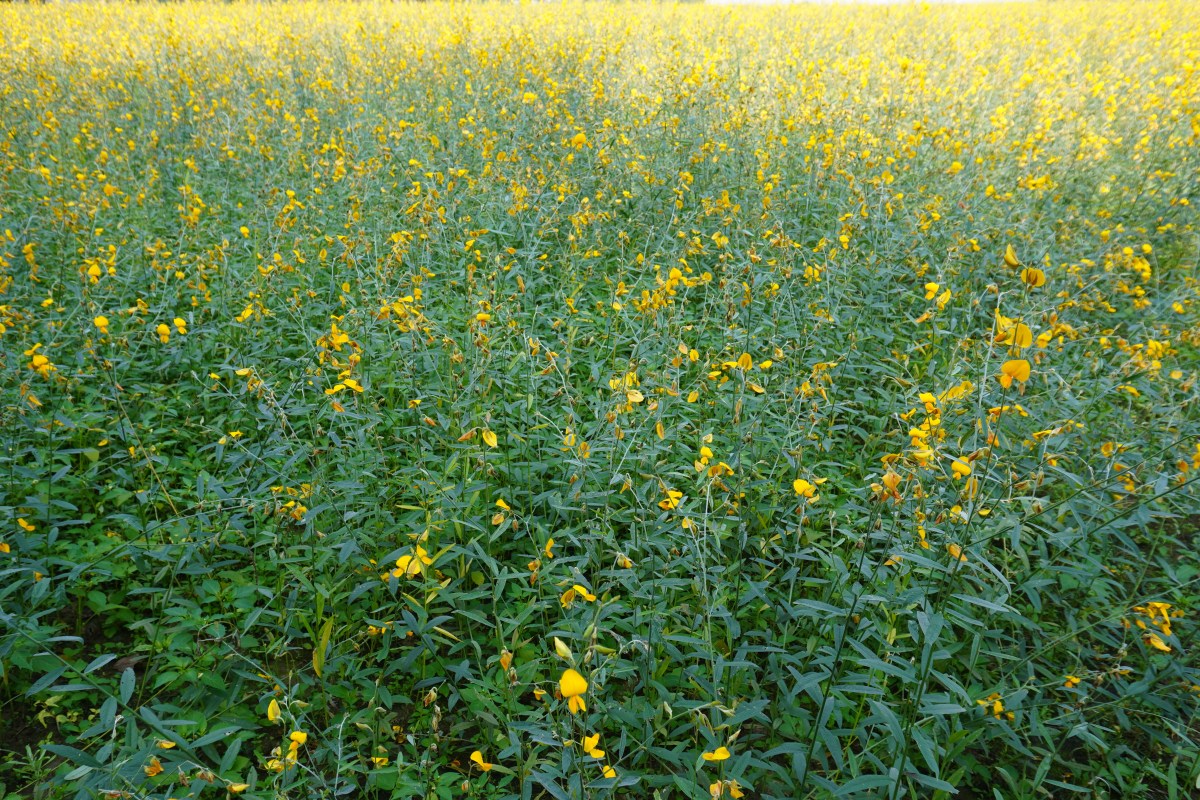
This past fall, we let our warm-season legumes—Sunn Hemp, Tepary Bean, and Cowpea—grow as long as the season allowed. Since we planted late, we hoped for a long fall, and thankfully we got one. Each crop reached full maturity, including seed set, about two weeks before a freeze finally stopped all aboveground growth. That’s when we collected the forage samples—at peak biomass and nutrient accumulation, just before decomposition began.

These samples, along with earlier soil tests from the same plots, gave us a snapshot of how each forage performed in terms of nutrient cycling and potential soil improvement.

Crude Protein: A Quick Look at Forage Quality

One of the easiest ways to relate cover crop nitrogen content to livestock feed value is by converting it to Crude Protein (CP) using the standard multiplier:

Crude Protein (%) = Nitrogen (%) × 6.25

CropNitrogen (%)Crude Protein (%)
Sunn Hemp3.0419.0
Tepary Bean3.0218.9
Cowpea2.6216.4

All three crops delivered respectable CP levels. Sunn Hemp and Tepary Bean were just under 19%, making them excellent options for grazing, hay, or green manure. Cowpea was slightly lower but still solid at 16.4%.

Nutrient Accumulation: What the Plants Took Up

These legumes not only fixed nitrogen—they also scavenged and stored other critical nutrients. Here’s a quick summary of key nutrients in the biomass at the time of harvest:

NutrientSunn HempTepary BeanCowpea
Phosphorus %0.210.170.15
Potassium %1.621.371.16
Calcium %1.251.410.94
Magnesium %0.470.350.27
Sulfur (ppm)2,4831,7661,603
Zinc (ppm)342116
Iron (ppm)5924368
Manganese302227
Copper1098
Boron241619

What Stood Out

  • Sunn Hemp was the most balanced nutrient accumulator, with strong numbers in phosphorus, potassium, magnesium, and trace minerals like zinc and boron. It had the highest sulfur and copper as well.
  • Tepary Bean stood out for iron, with 243 ppm in the tissue—much higher than the others.
  • Cowpea showed lower uptake in most nutrients but still delivered usable protein and respectable mineral content.

These Cover Crops Don’t Just Grow—They Mine the Subsoil and Feed the Topsoil

Our recent soil tests confirm this. For example:

  • Magnesium and calcium levels rose significantly under Cowpea, even though the forage tissue levels were lower than in Tepary Bean or Sunn Hemp. This suggests slow, steady mineralization of residues.
  • Sunn Hemp left higher sulfur, zinc, and boron levels in the plant tissue, and five months later, those nutrients are becoming more available in the soil, contributing to fertility for the next season.
  • Phosphorus availability dropped slightly, especially in Cowpea plots, indicating that some P may still be tied up in decomposing roots or surface residues—but will likely continue releasing over time.

This delayed but strategic nutrient release is one of the reasons we emphasize cover crops not only as temporary fixes, but as seasonal tools for long-term soil fertility.

Takeaways for Organic Producers

These results highlight how cover crops can build both soil and have forage value. Even after seed production, these legumes held onto good nutrient density. If you’re grazing, cutting for hay, or planning a green manure termination, these crops offer real value beyond just nitrogen fixation.

  • Sunn Hemp may be the best all-around soil builder.
  • Tepary Bean could be ideal where iron uptake is a priority.
  • Cowpea, while slightly behind in nutrient concentration, is still a useful, fast-growing legume that fits well in diverse rotations.

One of the lesser-appreciated benefits of warm-season legumes like Sunn Hemp, Tepary Bean, and Cowpea is their ability to act as biological nutrient pumps. With their deep and aggressive root systems, they draw up nutrients from deeper layers of the soil profile—nutrients that would otherwise remain unavailable to shallow-rooted crops.

What makes this process even more valuable is the timing of nutrient return. These plants don’t immediately release what they’ve gathered. Instead, after several months, the decaying plant material released those deep-stored nutrients onto the soil surface, right where the next crop can use them.