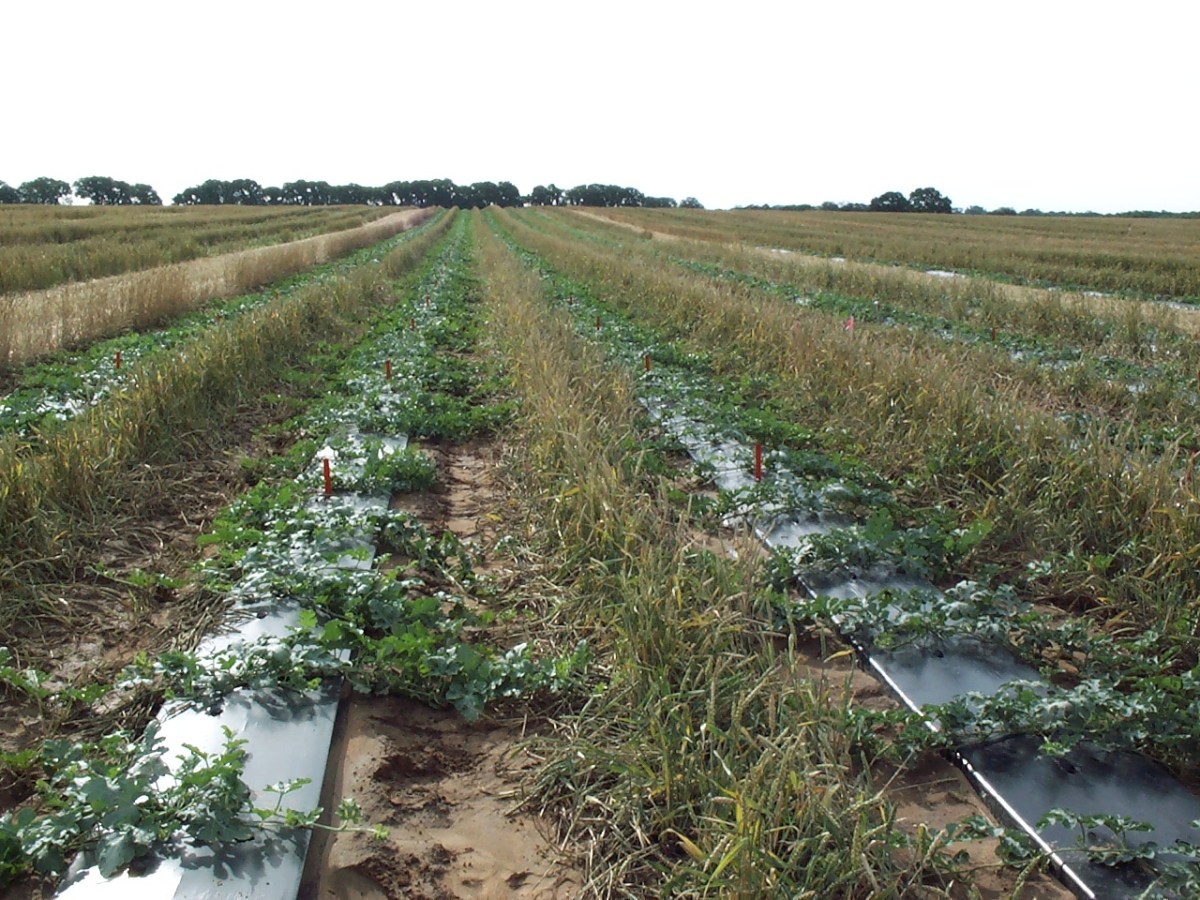
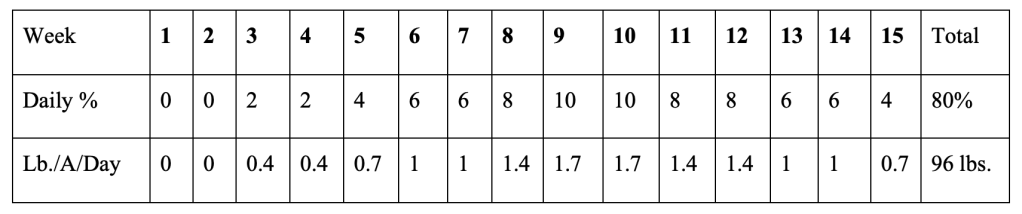
There are all kinds of ways and amounts to fertilize melons and each of you has their own “special mix” that works just right for you. Even though each producer does it differently there is some interesting information about amounts based on growth that might be useful. Dr. Don Maynard, University of Florida edited the Watermelon Production Guide for Florida for years and in it he listed a fertigation schedule for a seeded and plastic mulched watermelon crop. I am asked occasionally how much nitrogen I should be applying, and the answer is “it depends.” I use the number 120#’s as the total N that you will probably apply in the season minus what you’ve already put out, say 40#’s which leaves 80#’s to apply in 8 weeks or 10#’s per week. This is simple, but it doesn’t consider that sometimes the plants need more nitrogen than at other times. Dr. Maynard includes this schedule which considers the plant’s needs.
This chart assumes that you will apply 120#’s of total N and that 20% or 24 lbs. of N was already put down as a starter N before planting. Assuming it takes 15 weeks from planting a seed to final harvest then you just follow along with each week applying the amount of N recommended per day for seven days then go to the next week. They recommend applying N through the drip each day but not many producers do that so just use the chart to calculate how much N you need and when you need it. He also adds that if you are using transplants then start on week 3 just shortly after you set out the plants.
So, what this means is that by week 8 you should have applied 28% of the fertilizer plus the 20% you put down as starter or 48% of the 120#’s. In week 8 you would apply 1.4 lbs. of N per acre per day or 14#’s of liquid 10% (1 gallon is 10.5 lbs.) per acre per day or 98#’s per week which is about 9.33 gallons per week per acre of liquid 10%. Just remember that we are talking pounds of actual nitrogen, but no nitrogen source is pure but is a percentage. Divide the pounds of N needed by the percentage to get amount of fertilizer to apply. 1.4/0.10 = 14#’s. Now an acre is a physical planted acre with plants having about 24 square feet per plant. Reminder: in organic you may want to adjust the schedule earlier, but the principal is that melons need lots of N right before and just after they start sizing melons.
You can see that in weeks 9 and 10 the plants are really using nitrogen and after that the plants begin to concentrate on making fruit instead of plant growth, so nitrogen is used less. Those big plants also have stored nitrogen in the leaves which they can use for maintenance and fruit giving you a safety net. We see the same kind of response in most field crops like corn where we would put most of the nitrogen out before tasseling to insure it is available when the ears are made.
How do you do a fertilizing schedule like this in Organic Production? There are several companies that make fertilizers approved for organic production that can supply lots of somewhat readily available nitrogen. As an example, Nature Safe has a pelleted 11-1-0 for organic production and Ferticell has Active 13-2-2, Ferticell has an Explorer Liquid 10-0-0 and an Explorer 16-0-0. I am sure there are many other companies that sell products like these that will add to your fertilizer needs beyond what you get from using high quality compost.
Always check your soil and your compost for nutrient content before you buy and apply these high nitrogen organic fertilizers. As always, I do recommend you check with your certifier before adding any amendments or soil fertilizers.
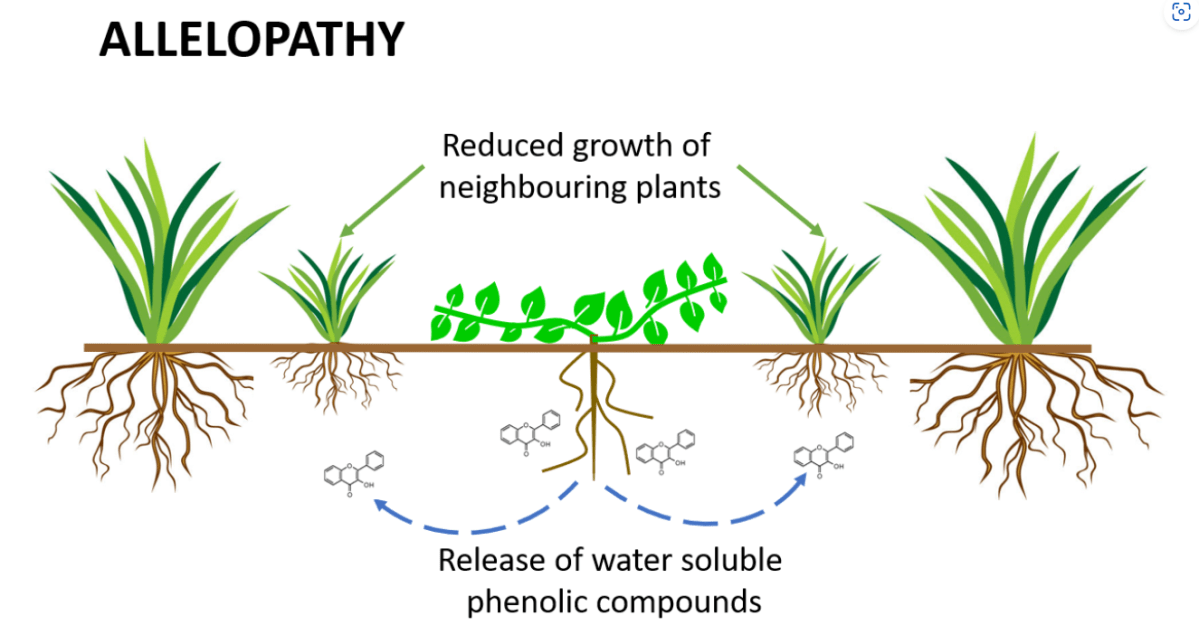
Have you ever wondered how some plants manage to thrive while others struggle to survive nearby? The answer lies in a fascinating biological phenomenon called allelopathy. It’s all about how certain plants release chemicals, known as allelochemicals, into their environment, impacting the growth and survival of neighboring organisms, especially other plants. This effect can be both a growth inhibitor and stimulator, but it’s more commonly associated with inhibition. For those in organic agriculture, understanding these interactions is crucial for managing weeds, optimizing crop rotation, and fostering sustainable practices.
Key Allelopathic Plants and Their Astonishing Effects
1. Black Walnut (Juglans nigra): A well-researched allelopathic plant, it secretes juglone, a compound toxic to many plant species, hindering their seed germination and growth. It’s particularly tough on plants like tomatoes, potatoes, and alfalfa.
2. Sunflower (Helianthus annuus): This bright beauty contains chemicals that can suppress the growth of nearby weeds, giving it an edge in reducing weed competition in crops.
3. Rye (Secale cereale): A champion in the allelopathic world, especially when used as a cover crop. Rye releases chemicals that effectively suppress weed germination and growth.
4. Sorghum (Sorghum bicolor): Known for producing sorgoleone, this substance hampers the growth of neighboring plants, making it a natural weed inhibitor in some agricultural systems.
5. Eucalyptus species: Not just known for their koala-attracting leaves, these trees contain compounds that can inhibit the growth of understory plants, affecting their seed germination and growth.
The Science Behind Allelopathy: Mechanisms and Implications
– Chemical Release: Plants can release allelochemicals through various means like leaching, root exudation, volatilization, or decomposition of plant residues.
– Effect on Soil Microbiome: These chemicals can alter the soil microbiome, impacting nutrient cycling and availability.
– Agricultural Implications: Grasping the concept of allelopathy aids in developing strategies for crop rotation, intercropping systems, and organic weed management, especially crucial in organic agriculture where chemical herbicides are avoided.
In Summary
The study of allelopathy opens doors to developing sustainable organic agricultural practices. By leveraging the natural inhibitory effects of certain plants, we can manage weeds and enhance crop production in an eco-friendly way. However, it’s crucial to balance these benefits against potential negative impacts on desired plants (our normal field crops) and in your typical rotation plan and broader organic system plan.
The Reasons Rye Makes a Great Cover Crop
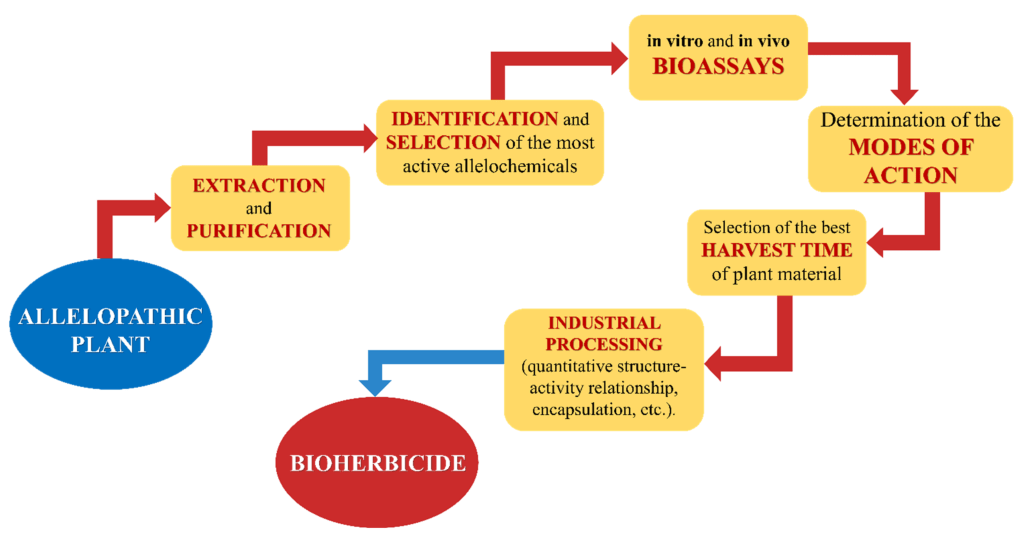
Significant research has delved into the specific compounds in rye (Secale cereale) that contribute to its allelopathic properties. The focus has been on identifying and understanding these compounds, their release into the environment, and their action mechanisms.
Key Allelochemicals in Rye: Nature’s Weed Suppressants
1. Benzoxazinoids (BXDs): The primary allelochemicals in rye, like DIBOA, are known for their potent allelopathic effects. They inhibit the germination and growth of competing plants.
2. Phenolic Acids: Rye also produces various phenolic acids, such as ferulic, p-coumaric, and vanillic acids, contributing to its allelopathic effects, particularly in inhibiting weed growth.
Research and Mechanisms: Unraveling the Mystery
Laboratory and Field Studies: Both controlled laboratory experiments and field trials are crucial in understanding the practical implications of these compounds on weed suppression and crop productivity.
Mechanisms of Action: BXDs and phenolic acids in rye can affect cell division, root elongation, and nutrient uptake in target plants, disrupting their hormonal balance and interfering with key metabolic pathways.
Future Research Directions: Maximizing Benefits, Minimizing Drawbacks
Ongoing research focuses on understanding the environmental factors affecting the release and activity of these allelochemicals and developing cropping systems that maximize the benefits of rye’s allelopathy. The allelopathic properties of rye, primarily due to benzoxazinoids and phenolic acids, offer valuable opportunities for natural weed suppression in agriculture.
Rye’s Allelopathic Effects on Established Weed Root Growth
The allelopathic effects of rye extend beyond inhibiting weed seed germination to also affecting the root growth of established weed plants. This characteristic enhances its value in weed management strategies but requires careful consideration of various agronomic and environmental factors for optimal effectiveness.
Impact on Established Weed Root Growth
1. Inhibition of Root Elongation: Allelochemicals in rye can inhibit root elongation in weed plants, reducing their ability to absorb nutrients and water effectively.
2. Disruption of Root Development: These compounds can interfere with the normal development of roots in weed plants, leading to reduced root mass and altered architecture.
3. Impact on Root Hair Formation: Allelochemicals can also affect the formation of root hairs, critical for nutrient and water uptake.
Mechanisms of Allelopathic Interference
– Chemical Interference: Allelochemicals from rye can directly affect cellular processes in weed roots.
– Altered Soil Microbiology: Rye’s allelochemicals can change the soil microbial community, impacting nutrient availability or increasing the susceptibility of weeds to soil pathogens.
In Summary
Rye’s allelopathic properties offer a fascinating and valuable tool for natural weed management in agriculture. However, its application requires a nuanced understanding of its interactions with the soil, plants, and environmental conditions. As we continue to explore and understand the secret powers of plants like rye, we open up new possibilities for sustainable and effective agricultural practices, especially for Texas Organic Farmers.
This blog is overly long because of the discussion of different biostimulants. Scroll through first and pick out parts you are interested in and to understand the overall theme.
The concept of biostimulants in agriculture has evolved over centuries, with ancient practices hinting at the use of natural substances to enhance plant growth. However, the modern understanding of biostimulants began in the early 20th century. The term “biostimulant” encompasses a diverse array of products, including microbial inoculants (the bacteria and fungi we use for pests or to help plants fight pests), humic and fulvic acids, seaweed extracts, and other naturally derived substances. These materials are known for their ability to enhance plant growth, health, and productivity, often by influencing various physiological processes.
Scientific Recognition
In the mid to late 20th century, as the scientific community began to understand plant physiology better, the interest in biostimulants increased. Studies started to explore the mechanisms by which these natural substances could influence plant growth, nutrient uptake, and stress tolerance. By the late 20th century, the use of biostimulants was increasingly recognized as a component of sustainable agriculture practices, complementing the use of synthetic fertilizers and pesticides.
Regulatory Path for Biostimulants
Early Regulation
Initially, biostimulants fell into a grey area in terms of regulation. They were not strictly categorized as fertilizers or pesticides, which led to a lack of clear regulatory guidelines. This ambiguity sometimes resulted in inconsistencies in quality and efficacy among products in the market.
Current Regulatory Landscape
As the market for biostimulants grew, the need for regulatory frameworks became apparent. In the European Union, for instance, biostimulants are being integrated into the existing fertilizing products regulation (EU) 2019/1009, which sets criteria for their placement in the market and ensures their safety and efficacy. In the United States, the Agricultural Improvement Act of 2018 (Farm Bill) included provisions that recognize the unique nature of plant biostimulants and initiated the process of establishing a formal definition and regulatory pathway.
The Plant Biostimulant Act of 2023 is introduced
This bill excludes plant biostimulants (i.e., a substance, micro-organism, or mixture thereof that supports a plant’s natural processes independently of the biostimulant’s nutrient content) from regulation under the Federal Insecticide, Fungicide, and Rodenticide Act. The bill also requires the Department of Agriculture to study the types of plant biostimulants and practices of plant biostimulant use that best achieve certain results, such as increasing organic matter content. This has been introduced into both the Senate and House and has bipartisan support. Unfortunately, it is on hold because of the Farm Bill discussions and vote.
Research and Development of Biostimulants Worldwide
Overview
Research and development (R&D) in the field of biostimulants is a rapidly evolving area, driven by the growing need for sustainable agricultural practices. Biostimulants are recognized for their potential to enhance plant growth, increase crop yield, and improve plant resilience against stressors such as drought, salinity, and extreme temperatures. The global focus on biostimulant R&D reflects a shift towards eco-friendly and efficient farming techniques.
Key Areas of Research
Mechanism of Action: Understanding how biostimulants work at the molecular and cellular levels is crucial. Research is focused on identifying the active components in biostimulants and how they interact with plant physiology, including nutrient uptake, hormone regulation, and stress response.
New Product Development: Researchers are exploring various natural sources like algae, beneficial microbes, and plant extracts to develop new biostimulant products. There is also an interest in synthesizing novel compounds that mimic the action of natural biostimulants.
Formulation Technology: Developing effective formulations that ensure the stability and bioavailability of biostimulant compounds is a key research area. This includes nano-formulations and encapsulation technologies that enhance the delivery and efficacy of biostimulants.
Synergistic Combinations: Combining biostimulants with other agricultural inputs, such as fertilizers and biopesticides, to achieve synergistic effects is an emerging field. This research aims to maximize crop yield and quality while minimizing environmental impact.
Soil Health and Microbiome Studies: Understanding the interaction between biostimulants and the soil microbiome is vital. Research in this area focuses on how biostimulants can influence soil microbial communities to benefit plant growth and soil health.
Global Research Initiatives
Europe: The European Union has been at the forefront in funding research projects on biostimulants, focusing on sustainability and efficacy. Projects under the Horizon 2020 program, for instance, aim to develop innovative biostimulant products and assess their impact on crop productivity and resilience.
United States: The USDA and various academic institutions are conducting extensive research on biostimulants. The focus is on both developing new biostimulant products and understanding their role in sustainable agriculture systems.
Asia: Countries like China and India are increasingly investing in biostimulant research, with a focus on developing products suited to local crop varieties and farming practices. The research often involves traditional knowledge and natural resources unique to the region.
Challenges in Research and Development
Standardization and Regulation: One of the main challenges is the lack of standardization in terms of what constitutes a biostimulant. This affects the regulation, efficacy testing, and market acceptance of new products.
Scalability and Cost-Effectiveness: Developing biostimulant products that are both effective at a large scale and cost-effective for farmers remains a challenge, especially in developing countries.
Environmental Impact Assessment: Understanding the long-term impacts of biostimulants on soil health and the wider ecosystem is essential but complex, requiring long-term studies.
Future Directions
Precision Agriculture Integration: Integrating biostimulants with precision agriculture technologies to optimize their application and efficacy is a promising future direction.
Tailored Solutions: Developing biostimulants tailored to specific crop needs, environmental conditions, and agricultural practices is likely to be a focus, especially with the advancement in genomics and plant science.
Global Collaboration: Enhanced global collaboration and knowledge sharing among researchers, industry players, and policymakers are crucial for advancing the field of biostimulants.
Different Types of Biostimulants
Humic and Fulvic Acids as Biostimulants in Agriculture
Overview
Humic and fulvic acids are natural organic compounds found in humus, the decomposed matter in soil. They are key components of soil organic matter and play a significant role in soil health and plant growth. As biostimulants, these substances have gained attention for their ability to improve soil properties, enhance nutrient uptake, and stimulate plant growth.
Composition and Origin
Humic Acids: Larger molecules that are soluble in alkaline solutions. They are formed through the microbial decomposition of plant and animal matter and are an integral part of the soil’s organic matter.
Fulvic Acids: Smaller molecules than humic acids and are soluble in water at all pH levels. They are more readily absorbed by plants due to their smaller size.
Key Functions in Agriculture
Soil Structure Improvement: Enhance soil structure, leading to better water retention, aeration, and tilth. This creates a more conducive environment for root growth and microbial activity.
Nutrient Availability: Chelate soil nutrients, making them more available to plants. They can increase the efficiency of nutrient uptake, particularly in the case of micronutrients.
Root Growth and Development: Stimulate root growth and branching, which enhances the plant’s ability to absorb water and nutrients.
Plant Metabolism and Stress Resistance: Influence various aspects of plant metabolism, leading to increased plant vigor and resistance to stress factors like drought, salinity, and extreme temperatures.
Enhancement of Microbial Activity: Promote the growth and activity of beneficial soil microorganisms, which play a crucial role in nutrient cycling and organic matter decomposition.
Application Methods
Soil Application: Incorporated into the soil directly or through irrigation systems.
Foliar Sprays: Applied directly to plant foliage, where they are absorbed through the leaves.
Benefits
Improved Plant Health and Yield: Plants treated with humic and fulvic acids often exhibit improved growth, higher yields, and better quality.
Environmental Sustainability: Contribute to sustainable agricultural practices by enhancing soil health and reducing the need for chemical fertilizers.
Enhanced Nutrient Use Efficiency: Reduce nutrient leaching and increase the effectiveness of fertilizers.
Considerations and Challenges
Source and Quality Variation: The effectiveness of humic and fulvic acids can vary significantly depending on their source and extraction method.
Compatibility with Other Agricultural Inputs: It’s important to consider their compatibility when used in conjunction with other fertilizers and biostimulants.
Research and Standardization: Ongoing research is needed to further understand their mechanisms of action and to standardize products for consistent agricultural use.
Conclusion
Humic and fulvic acids are valuable biostimulants in agriculture, offering a range of benefits for soil health and plant growth. Their natural origin and multifaceted action on plants and soils align well with the goals of sustainable and efficient agricultural practices. By enhancing nutrient availability, stimulating root development, and improving soil structure, these substances hold significant promise for improving agricultural productivity in an environmentally friendly manner.
Seaweed Extracts as Biostimulants in Agriculture
Overview
Seaweed extracts, derived mainly from marine algae, have been used as biostimulants in agriculture for decades. They are rich in a variety of bioactive compounds, including vitamins, minerals, amino acids, and plant hormones. These extracts have gained popularity for their ability to enhance plant growth, improve stress tolerance, and increase crop yields.
Composition
Macro and Micro Nutrients: Seaweed is a natural source of essential nutrients like nitrogen, phosphorus, potassium, calcium, magnesium, sulfur, and trace elements.
Plant Growth Regulators: Contains natural plant hormones such as auxins, cytokinins, and gibberellins, which are crucial for plant growth and development.
Amino Acids and Vitamins: Provide a range of amino acids and vitamins that serve as building blocks and cofactors in various metabolic processes in plants.
Biostimulant Compounds: Include complex polysaccharides such as alginates and carrageenans, which can improve soil structure and water retention.
Benefits in Agriculture
Enhanced Plant Growth and Development: The presence of natural growth hormones and nutrients promotes vigorous plant growth, root development, and higher yields.
Improved Stress Resistance: Enhance plant resilience against environmental stresses such as drought, salinity, and extreme temperatures.
Increased Nutrient Uptake and Efficiency: Improve the uptake and utilization of nutrients from the soil.
Soil Health Improvement: Polysaccharides in seaweed extracts can improve soil texture, aeration, and moisture retention, benefiting the overall soil ecosystem.
Boosting Natural Defense Mechanisms: Some compounds in seaweed extracts can trigger plants’ natural defense systems, increasing their resistance to pests and diseases.
Application Methods
Foliar Application: Spraying onto plant leaves for direct absorption of nutrients and active compounds.
Soil Application: Applied to the soil to benefit root systems and improve soil quality.
Types of Seaweed Used
Ascophyllum nodosum: Commonly used due to its rich composition of bioactive substances. Ascophyllum nodosum is widely used in agriculture as a source of natural fertilizers and biostimulants. It is rich in nutrients such as potassium, nitrogen, and micronutrients, as well as growth-promoting compounds like alginates, mannitol, and phytohormones.
Sargassum, Laminaria, and Fucus: Other types also used for their beneficial properties.
Challenges and Considerations
Quality and Concentration: The effectiveness of seaweed extracts can vary based on their quality, concentration, and the extraction process.
Application Timing and Rate: Determining the optimal application timing and rate is crucial for maximizing benefits.
Research and Standardization: Ongoing research is needed to understand the mechanisms of action fully and to standardize products for consistent results.
Conclusion
Seaweed extracts are a potent and versatile group of biostimulants in agriculture, offering a natural and sustainable way to enhance plant growth, improve crop resilience, and boost soil health. Their multi-faceted benefits, coupled with a growing interest in sustainable agricultural practices, make them an increasingly popular choice among farmers and agronomists. As research continues to advance, the use of seaweed extracts is expected to play a significant role in the future of agricultural biostimulants.
Protein Hydrolysates as Biostimulants in Agriculture
Definition
Protein hydrolysates are complex mixtures of polypeptides, oligopeptides, and amino acids that are derived from the hydrolysis of proteins. Hydrolysis is a chemical process in which a protein molecule is broken down into smaller peptide fragments and amino acids, facilitated by enzymes or acids.
Types of Protein Hydrolysates
Animal-Based: Derived from animal proteins such as casein, collagen, or fish proteins.
Plant-Based: Derived from plant protein sources like soy, wheat, and alfalfa.
Production Process
The production of protein hydrolysates involves breaking down proteins using either:
Enzymatic Hydrolysis: Using specific enzymes to cleave protein chains. This method is preferred as it allows for more control over the size and composition of the resulting peptides and is generally considered more environmentally friendly.
Acid or Alkaline Hydrolysis: Using acid or alkaline solutions to break down proteins. This method is less specific and can lead to the destruction of some amino acids.
Characteristics
Solubility: Highly soluble in water, making them suitable for various applications.
Nutritional Value: Rich in amino acids, which are the building blocks of proteins, essential for plant growth.
Functionality: The smaller peptides and amino acids can be readily absorbed and utilized by plants.
Applications in Agriculture as Biostimulants
Enhancing Plant Growth: Provide readily available amino acids and peptides for plant uptake, promoting growth.
Stress Tolerance: Help plants to mitigate stress from environmental factors like drought, salinity, and extreme temperatures.
Nutrient Uptake: Facilitate the uptake of nutrients from the soil, improving overall plant nutrition.
Soil Health: Contribute to soil fertility by providing organic nitrogen and stimulating beneficial microbial activity.
Benefits
Sustainable Alternative: Offer a more environmentally friendly alternative to traditional chemical fertilizers.
Efficiency: Improve the efficiency of nutrient use by plants.
Versatility: Suitable for a wide range of crops and agricultural systems.
Considerations
Quality and Composition: The effectiveness of protein hydrolysates can vary depending on their amino acid composition and the method of hydrolysis.
Regulatory Aspects: Subject to agricultural and food safety regulations, which can vary by region.
Conclusion
Protein hydrolysates, as biostimulants, represent an innovative approach in sustainable agriculture, contributing to enhanced plant growth and resilience. Their role in improving nutrient uptake and soil health, coupled with their environmental benefits, underscores their growing importance in modern agricultural practices.
Chitosan as Biostimulants in Agriculture
Overview
Chitosan, a natural biopolymer derived mainly from the exoskeletons of crustaceans such as crabs, shrimp, and lobsters, is gaining recognition as an effective biostimulant in agriculture. It is produced by deacetylating chitin, a major component of crustacean shells. As an agricultural biostimulant, chitosan offers various benefits for plant growth, yield enhancement, and disease resistance.
Properties and Mechanism of Action
Elicitor of Plant Defense Responses: Chitosan is known for its ability to elicit natural defense mechanisms in plants, making them more resistant to fungal pathogens and pests.
Enhancement of Plant Growth: It can stimulate seed germination, root development, and overall plant growth.
Improvement in Stress Tolerance: Chitosan helps plants withstand abiotic stresses such as drought, salinity, and heavy metal toxicity.
Promotion of Nutrient Uptake: It can enhance the efficiency of nutrient uptake from the soil, particularly micronutrients.
Applications in Agriculture
Seed Treatment: Coating seeds with chitosan can improve germination rates and seedling vigor.
Soil Amendment: Application to soil enhances soil health and stimulates beneficial microbial activity.
Foliar Spray: Spraying chitosan solutions on plant leaves can boost plant immunity and overall health.
Benefits
Disease and Pest Resistance: By inducing systemic resistance, chitosan reduces the need for chemical fungicides and pesticides.
Improved Crop Yield and Quality: Enhanced nutrient uptake and stress tolerance lead to better crop yield and quality.
Biodegradability and Environmental Safety: As a natural, biodegradable compound, chitosan is environmentally friendly and safe for use in organic farming.
Challenges and Considerations
Source and Purity: The effectiveness of chitosan as a biostimulant can vary depending on its source and degree of purification.
Regulatory Aspects: The use of chitosan in agriculture is subject to regulatory approvals, which can vary by region.
Application Strategies: Determining the optimal concentration, timing, and method of application is crucial for maximizing its effectiveness.
Research and Development
Ongoing research is focused on optimizing the use of chitosan as a biostimulant, including the development of chitosan-based nanoparticles for targeted delivery and enhanced efficacy.
Conclusion
Chitosan represents a promising, sustainable approach in agricultural biostimulants. Its multifaceted benefits, including enhanced plant growth, improved stress tolerance, and reduced reliance on chemical pesticides, align with the goals of sustainable and eco-friendly farming practices. As research continues to unfold its potential, chitosan is poised to play a significant role in the future of agriculture, particularly in the context of integrated pest management and organic farming.
Beneficial Microbial Inoculants (Mycorrhizae and Bacteria) as Biostimulants in Agriculture
Overview
Beneficial microbial inoculants, including mycorrhizal fungi and specific beneficial bacteria, are increasingly recognized as vital biostimulants in sustainable agriculture. These microorganisms form symbiotic relationships with plants, enhancing nutrient uptake, improving soil structure, and increasing plant resilience to stressors.
Mycorrhizae
Types: The two primary types are Arbuscular Mycorrhizal Fungi (AMF), which associate with the roots of most crop plants, and Ectomycorrhizal Fungi, which associate mainly with trees.
Function: Mycorrhizae extend the root system via their hyphal networks, significantly enhancing the plant’s ability to absorb water and nutrients, especially phosphorus and micronutrients.
Benefits: Increase nutrient and water uptake, improve soil structure, enhance resistance to pathogens and stressors like drought, and reduce the need for chemical fertilizers.
Beneficial Bacteria
Types: Includes rhizobia, which form nodules on legume roots and fix atmospheric nitrogen, and other genera like Azospirillum, Bacillus, and Pseudomonas, which promote plant growth through various mechanisms.
Function: These bacteria can fix nitrogen, solubilize phosphorus, produce plant growth-promoting hormones (like auxins and gibberellins), and induce systemic resistance against a range of plant pathogens.
Benefits: Enhance nutrient availability and uptake, promote growth, improve plant health and yield, and increase resilience to environmental stressors.
Application Methods
Seed Treatment: Coating seeds with microbial inoculants to ensure early colonization and benefit during critical growth stages.
Soil Application: Applied directly to the soil or through irrigation systems to colonize the root zone.
Foliar Sprays: Some microbial formulations can be applied as foliar sprays to enhance plant growth and induce systemic resistance.
Benefits in Agriculture
Enhanced Nutrient Uptake: Especially important for nutrients like nitrogen and phosphorus, leading to reduced fertilizer dependency.
Improved Soil Health: Microbial activity can improve soil structure, organic matter content, and overall soil fertility.
Increased Plant Resilience: Enhanced resistance to biotic and abiotic stressors, including pests, diseases, drought, and saline conditions.
Sustainable Farming Practices: Contribute to the sustainability of agricultural systems by reducing the need for chemical inputs and enhancing soil biodiversity.
Challenges and Considerations
Species-Specific Interactions: The effectiveness of microbial inoculants can be highly specific to the plant species and environmental conditions.
Quality and Viability: Ensuring the viability and effectiveness of microbial inoculants during storage and application.
Integration with Agricultural Practices: Effectiveness can be influenced by farming practices, soil type, and environmental conditions.
Future Perspectives
Advanced Formulations: Development of more robust, effective formulations and delivery systems.
Genetic and Metabolic Research: Understanding the genetic and metabolic pathways involved in microbe-plant interactions for more targeted applications.
Integration with Other Biostimulants: Synergistic use with other biostimulants and biofertilizers for holistic plant and soil health management.
Conclusion
Beneficial microbial inoculants, including mycorrhizae and bacteria, are crucial components of modern sustainable agriculture. They offer a natural, effective way to enhance plant growth, improve soil health, and reduce the environmental impact of farming practices. As the understanding of these microbial interactions advances, their role in agriculture is expected to expand, offering significant potential for improving crop productivity and sustainability.
Amino Acids and Peptides as Biostimulants in Agriculture
Overview
Amino acids and peptides, the building blocks of proteins, are emerging as significant biostimulants in agriculture. They are involved in various physiological and metabolic processes in plants and can be derived from plant or animal protein hydrolysis. Their use in agriculture promotes plant growth, enhances nutrient uptake, and improves stress tolerance.
Key Characteristics
Amino Acids: Organic compounds that form proteins. Essential amino acids, which plants cannot synthesize, are particularly important as biostimulants.
Peptides: Short chains of amino acids that can act as signaling molecules, influencing various plant growth processes.
Mechanism of Action
Growth Promotion: Some amino acids function as precursors to plant hormones, promoting growth and development.
Stress Response: Certain amino acids help plants cope with abiotic stress like drought, salinity, and extreme temperatures by acting as osmoprotectants or antioxidants.
Nutrient Uptake and Assimilation: Facilitate the uptake of nutrients, particularly nitrogen, and their assimilation into essential plant compounds.
Enhancing Photosynthesis: Some amino acids can influence chlorophyll concentration and photosynthetic activity.
Sources and Production
Hydrolyzed Protein: Produced by hydrolyzing plant or animal proteins. The method of hydrolysis (enzymatic, acid, or alkaline) can affect the composition and efficacy of the final product.
Biotechnological Production: Genetically modified microorganisms can be used to produce specific amino acids in large quantities. This is not approved for organic use and probably never will be. This can cause issues since a company may have both a conventional and organic product with similar names!
Applications in Agriculture
Foliar Application: Spraying amino acid or peptide solutions directly on plant leaves for quick absorption.
Soil Application: Applying to the soil to improve nutrient availability and root absorption.
Seed Treatment: Enhancing seed germination and early seedling growth.
Benefits
Enhanced Growth and Yield: Contribute to increased biomass, fruit set, and overall crop yield.
Improved Stress Tolerance: Equip plants to better withstand environmental and physiological stressors.
Nutrient Use Efficiency: Increase the efficiency of nutrient use, reducing the need for conventional fertilizers.
Soil Health: Beneficial for soil microbial activity and overall soil health.
Challenges and Considerations
Concentration and Formulation: Determining optimal concentrations and formulations for different crops and conditions.
Cost-Effectiveness: Balancing the cost of production and application with the benefits gained.
Environmental Impact: Assessing the long-term impact on soil and plant health.
Future Perspectives
Tailored Solutions: Developing specific amino acid and peptide formulations tailored to specific crop needs and environmental conditions.
Integrated Nutrient Management: Combining with other biostimulants and biofertilizers for a more holistic approach to plant nutrition.
Advanced Research: Further research into the specific roles of different amino acids and peptides in plant physiology and stress response.
Conclusion
Amino acids and peptides hold great promise as biostimulants in agriculture, offering a sustainable and effective means to enhance plant growth, improve crop yields, and increase stress resilience. Their integration into modern agricultural practices aligns well with the increasing focus on sustainability and efficiency in crop production.
Plant Extract-Based Biostimulants in Agriculture
Overview
Plant extract-based biostimulants are natural formulations derived from various plant tissues (leaves, roots, seeds, etc.) and are increasingly used in agriculture to enhance plant growth, yield, and resilience to stress. These biostimulants contain a complex mixture of bioactive compounds like phytohormones, vitamins, enzymes, flavonoids, and other secondary metabolites that positively influence plant physiological processes.
Composition and Active Compounds
Phytohormones: Natural plant hormones such as auxins, gibberellins, and cytokinins, which regulate plant growth and development.
Secondary Metabolites: Compounds like flavonoids, alkaloids, and terpenoids, which play roles in plant defense and stress tolerance.
Vitamins and Enzymes: Essential for various metabolic activities within plants.
Antioxidants: Protect plants from oxidative stress caused by environmental factors.
Mechanism of Action
Growth Stimulation: Phytohormones in plant extracts can promote cell division, elongation, and differentiation, enhancing overall plant growth.
Enhanced Nutrient Uptake: Improve the efficiency of nutrient absorption and utilization.
Stress Mitigation: Help plants to better withstand abiotic stresses like drought, salinity, and extreme temperatures.
Improved Crop Quality and Yield: Positively impact flowering, fruit set, and seed production, leading to higher yields and better quality produce.
Sources of Plant Extracts
Herbal Extracts: Extracts from plants like nettle, comfrey, and horsetail are popular due to their rich composition of growth-promoting substances.
Seaweed Extracts: Already established in agriculture for their biostimulant properties.
Other Plant Sources: Various other plants, each with unique compounds beneficial to plant growth and health.
Application Methods
Foliar Sprays: Direct application to the plant foliage for quick absorption.
Soil Application: Enhancing soil quality and root system development.
Seed Treatment: Boosting seed germination and early seedling vigor.
Benefits
Sustainable Agriculture: Offer a more natural and environmentally friendly approach to enhancing crop performance.
Reduced Chemical Use: Can reduce reliance on synthetic fertilizers and pesticides.
Broad-Spectrum Efficacy: Effective on a wide range of crops due to their complex and varied composition.
Challenges and Considerations
Consistency and Standardization: Ensuring consistency in the concentration and composition of active ingredients.
Research and Validation: Need for more scientific research to fully understand their mechanisms of action and to optimize their use.
Regulatory Aspects: Subject to agricultural regulations, which can vary by region.
Future Perspectives
Tailored Formulations: Developing customized extracts based on specific crop needs and environmental conditions.
Synergistic Combinations: Combining plant extracts with other biostimulants or biofertilizers for enhanced effects.
Advanced Extraction Techniques: Employing novel extraction methods to maximize the efficacy and purity of the biostimulants.
Conclusion
Plant extract-based biostimulants represent a growing segment in the field of sustainable agriculture, offering an eco-friendly alternative to enhance plant growth and resilience. Their diverse range of bioactive compounds makes them adaptable to various agricultural needs, paving the way for their increased use in enhancing crop productivity and sustainability.
Texas Agriculture Commissioner, Sid Miller and the Texas Department of Agriculture (TDA) Grants Office are pleased to announce the competitive solicitation for grant funds under the Resilient Food Systems Infrastructure (RFSI) Program.
TDA will accept applications for the RFSI Program for projects that support the expanded capacity for the aggregation, processing, manufacturing, storing, transporting, wholesaling, and distribution of locally and regionally produced food products including specialty crops, dairy, grains for human consumption, aquaculture, and other food products, excluding meat and poultry.
The RFSI Program is intended to improve upon, provide new, and/or create more diverse, local, and regional market options for locally or regionally produced food in Texas; as well as create more economic opportunities and resiliency for communities, especially in rural and/or underserved/distressed communities, allowing them to retain more of the value chain dollar.
Equipment-Only Grants: $10,0000 -$100,000 1 year to implement and complete.
Infrastructure Grants: $100,000 – $3 Million 3 years to implement and complete.
The RFSI Program also aims to:
Support development of value-added products available to consumers;
Support proposals that provide fair prices, fair wages and new and safe job opportunities that keep profits in rural communities; and
Increase diversity in processing options in terms of business model approaches, geography, and availability to underserved communities.
Eligibility
Applications will be accepted from the following individuals, organizations, and/or institutions:
Agricultural producers or processors or groups of producers/processors;
For-profit, small business, organizations operating middle-of-the-supply-chain activities that meet the Small Business Administration (SBA) size standard for federal contracting;
Local government & tribal government entities operating middle-of-the-supply-chain activities; and
Institutions such as schools, universities, or hospitals bringing producers together to establish cooperative or shared infrastructure or invest in equipment that will benefit multiple producers.
How to Apply
Details regarding the 2024 application instructions for each program can be found within the RFGAs on TDA’s website: Resilient Food Systems Infrastructure * (Please go to this website for more details, I found it very helpful!)
TDA will host a pre-application webinar for each program. The webinars will feature an overview of the program, an introduction to the TDA-GO online grants management system, and a Q&A Session.
RFSI – Infrastructure RFGA Webinar Wednesday, January 3, 2024, from 1:00 PM to 2:00 PM, click here to register.
RFSI – Equipment Only RFGA Webinar Thursday, January 4, 2024 from 1:00 PM to 2:00 PM, click here to register
Can’t make it, or missed it! Don’t worry, it will be recorded and posted on TDA’s website.
In a Review Article written for Renewable Agriculture and Food Systems, authors Kathleen Delate, Ben Heller and Jessia Shade looked at many issues related to organic cotton. This study started by surveying organic cotton producers and processors to document specific approaches and techniques used in organic cotton production and processing, the environmental impacts of those techniques and challenges facing organic cotton growers.
From this study and related to field bindweed, sixty percent of the respondent’s noted weeds as the most critical pest management issue and 90% cited weed management within the three highest-ranked constraints. Among the weeds cited within organic cotton fields were (in order of abundance): bindweed, pigweed, lakeweed, Johnson grass, morning glory, nutgrass and crabgrass.
The most abundant and most difficult to control in organic cotton fields is field bindweed. I regularly get taken to fields to investigate the growing problem and discuss control options. I am putting together this blog post to bring together all that I can find related to organic field bindweed control.
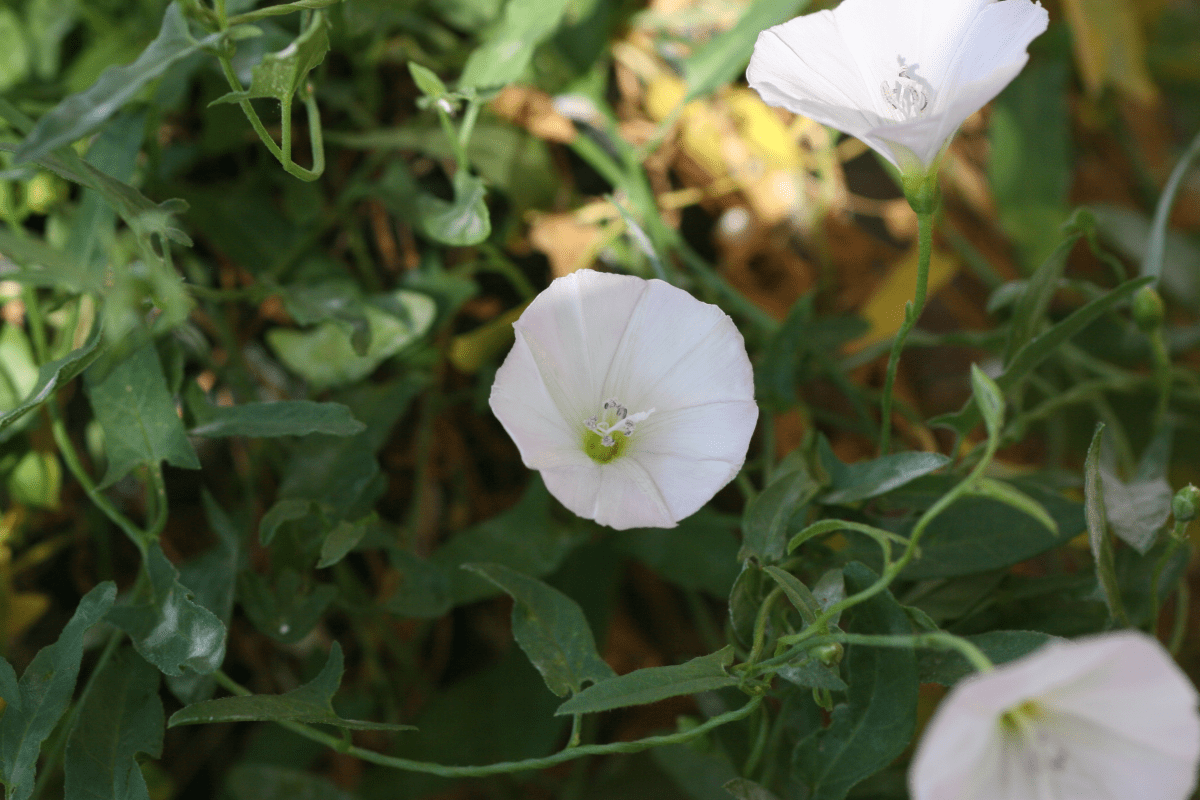
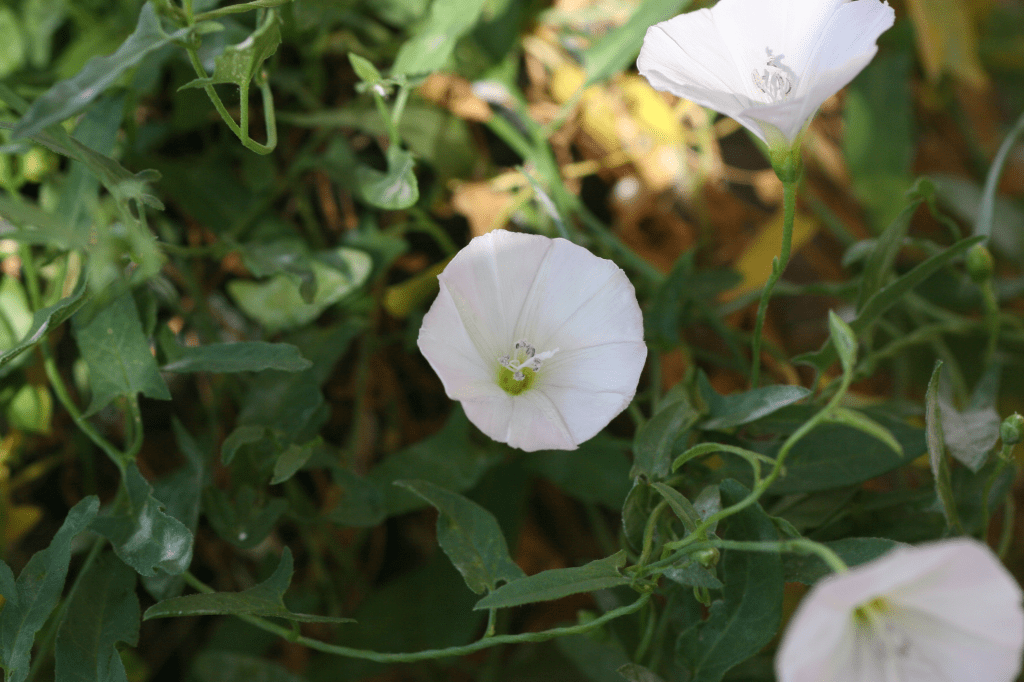
Field bindweed, scientifically known as Convolvulus arvensis, is a vine in the Convolvulaceae (morning glory) family. It is found growing in moist thickets, fields, lawns, agricultural fields, and disturbed areas. The plant is known for its tendency to grow in a messy trailing or twining manner, forming tangled dense mats. It is tolerant of poor soils and drought and prefers full sun. The plant is cold tolerant and easily outcompetes native plants, field crops, alfalfa, and even some grasses. The plant has arrowhead-shaped leaves that can be 1/2 to 2 inches long. The flowers are trumpet-shaped, 1–2.5 cm in diameter, white or pale pink. See Video #1 below for a great description and pictures.
Video #1. Great description of Field Bindweed
Field bindweed reproduces by seed and vegetatively from deep creeping roots and rhizomes. Most seeds fall near the parent plant, but some seeds may disperse to greater distances with water, agricultural activities, and animals. Seeds are hard coated and can survive ingestion by birds and other animals. Most seeds can imbibe water and germinate 10-15 days after pollination but, seed coats mature 15-30 days after pollination, and ~ 80% of seeds become impermeable to water (helping them survive). Impermeable seeds require scarification or degradation of the seed coat by microbial action to imbibe water and germinate. Seeds germinate throughout the growing season, but peak germination usually occurs mid-spring through early summer. Germination can occur under various temperature regimes, from 41o-104oF, but is highest and most rapid when temperatures fluctuate from 80o-90oF. A 3–6-week period of chilling to ~ 40oF appears to increase germination. Light is not required. A large portion of the seed bank remains dormant from year to year. Under field conditions, seed can survive for 20 years or more. A high percentage of seed under dry storage can survive for at least 50 years. Seed production is highly variable from year to year and even areas of a field. Dry, sunny conditions and calcareous (high pH with white rock) soils favor seed production. Frequent cultivation, rain, or heavy, wet soils can inhibit seed set. One plant can produce up to 500 seeds. In the field, young plants seldom produce seed the first season. Root starch reserves are highest from mid-summer through early fall, but then decline rapidly with conversion to sugars. Root carbohydrates are lowest in mid-spring before flowers develop. Maximum translocation of carbohydrates from shoots to roots occurs from the bud to full flower stages. Conditioned roots can survive temperatures as low 20oF. Most new shoots appear in early spring. Undisturbed patches can expand their radius up to 3o feet per year. Root fragments as small as 2 inches can generate new shoots.
Range of the Plant
Field bindweed is native to northern Africa, Europe, and Asia, where its distribution extends north to Siberia and south to Pakistan and Nepal. It has been introduced to North and South America, Australia, and New Zealand. It is widespread in the United States, except for some southern states. Let’s just say that it is all over Texas including the South Texas Winter Garden and Rio Grande Valley, the Blacklands of Central Texas, the Coastal Prairies, the Rolling Plains, South Plains and High Plains. I have seen very little in the sandy soils of East Texas which is a real blessing for them!
Invasiveness
Field bindweed is recognized as being invasive in North America. It is considered an invasive and noxious weed in 35 States, mostly in the west and Midwest from Michigan to California. It spreads by seeds, roots, and rhizomes and has an extensive root system making it very difficult to eradicate. Field bindweed is considered one of the most noxious weeds of agricultural fields throughout temperate regions of the world and is listed in Texas by the Texas Department of Agriculture as an invasive species.
Mechanical Control Methods
Mechanical methods include hand pulling seedling or young adult stage plants. Hoeing, tilling, or cultivation can be effective but need to be repeated every two weeks during the growing season. Mowing has not been an effective management tool and burning has limited effect. Deep, repeated cultivation has been shown to reduce field bindweed infestations. Intensive cultivation controls new seedlings and young plants but may spread roots and rhizomes and so has to be repeated often. Control can be obtained by tilling eight to twelve days after each emergence continuously throughout the growing season. If done frequently, this will starve the roots and rid the area of new seedlings. Tilling should be at least four inches deep. Planting fields in row crops and doing typical cultivation between rows is not sufficient for controlling field bindweed. In rows, plants can grow enough to cover the normal crop and certainly prohibit harvest.
Solarization
Soil solarization involves covering wet soil by moistening, rototilling, and then covering the infested soil with six mil clear plastic during the hottest, sunniest time of the year (for four to eight weeks) with sheets of clear plastic during the summer. This method can be useful only in areas with hot summers and in fallow fields. Soil solarization is not very satisfactory against established field bindweed but it has been shown to kill the seeds of the weed. To be most effective gardeners should remove the plastic and repeat the process of watering and tilling and reapplying the plastic. This ensures seeds in the soil germinate and that root pieces get exposed to heat.
Cover Crops
Cover crops can control field bindweed with competition by maintaining a healthy cover of thick tall plants. Summer cover crops like sorghum sudangrass, millet, and sunn hemp are all tall, rapidly growing species to get ahead of the field bindweed and shade it out. Field bindweed requires full sun to grow and reproduce. Without proper photosynthesis, the root storage of carbohydrates is depleted, and the plant shrinks in size. Depending on the amount and extent of field bindweed will determine the number of years that cover crops must be planted to reduce or eliminate field bindweed. Growing tall cover crops each summer and using winter grain crops as the primary field crop is a good rotation for suppressing field bindweed.
“The competitive ability of alfalfa with perennial cropland weeds has been well-documented (Meiss et al., 2010; Tautges et al., 2017a; Favrelière et al., 2020), but in this paper we show that it can be used successfully for weed management in organic cropping systems. Integrating an alfalfa phase into conventional small grain cropping system can suppress perennial weeds better than continuous cereal crops (Ominski et al., 1999). In organic systems specifically, Grosse et al. (2021) demonstrated that the choice of a perennial alfalfa-grass crop rotation was the most important factor for managing perennial weeds. Our results suggest that incorporating competitive perennial crops, particularly alfalfa, can effectively prevent the growth of C. arvensis populations.” I would have not suggested alfalfa as a crop to help control field bindweed, but their research is a little overwhelming in results!!
Grazing Animals
I have used livestock to help control field bindweed in numerous fields. You have to keep them on it and graze heavily, but I know it works. Grazing by sheep, cattle, hogs, and chickens will suppress aboveground growth and thereby help deplete storage reserves in the roots. Sheep, cattle, goats, and hogs will eat the leaves, stems, and may expose roots and crowns. Intensive grazing, allowing for regrowth, intensive grazing, allowing regrowth, etc. will help to deplete carbohydrate root storage, keep the plant from seeding and eventually eliminate a majority of the plants. Ruminant animals in particular seem to like field bindweed and will favor it even over legumes in the same pasture. I have seen dairy heifers kept in a 70-acre bindweed infested former corn field planted to small grain just wipe out bindweed in one season. It started back the next year from seed but a repeat with the heifers took out the seedlings. Grazing works!
Biocontrols
There are two insects that are used in the Great Plains: the bindweed moth (Tyta luctuosa) was released in Arizona, Iowa, Missouri, Oklahoma, and Texas and the bindweed gall mite (Aceria malherbae) was released in Texas, but I have not been able to find out where in Texas. It is not in the fields I have looked at but maybe you can look at all the pictures in the blogs and find it in your fields.
Aceria malherbae, the field bindweed mite, is a common biological control agent for the control of field bindweed. Mites cause galling of leaves and reduce flowering of field bindweed. This mite does prefer dry, arid soils and seems to be difficult to impossible to establish in high humidity. Mites can be collected from fields where it is established and moved to new infested fields. Video #2 below is an excellent discussion of both starting an insectary for future establishment and how to move the mites around. Video #3 below is just a neat video showing mites feeding. Also, you can click on this website from New Mexico about the Gall Mite and see the video and lots of great pictures. Really Good Site about the Gall Mite Here is a publication with a good description of releasing mites. Releasing Gall Mites
Video #2. Establishing a population of Gall Mites for Field Bindweed.
Video #3. Great pictures of the Gall Mite feeding.
The use of Tyta luctuosa (click here for an image), a moth in the family Noctuidae, as a biological control agent for field bindweed is currently under research. The majority of the damage to field bindweed comes from the larval stages of T. luctuosa (click here for an image) feeding on the leaves and flowers of the plant. The problem with this caterpillar is that it is hard to get number high enough to keep the field bindweed eaten down after they move through a field. They are not aggressive like armyworms!
There has been some research on a fungus to infect field bindweed and as a disease to cause the plant to die. Phomopsis convolvulus spores and fungal parts are mixed with water to spray the field bindweed plant with some success. The plants need to be young to see the greatest effect, but repeated applications did reduce the population upwards of 80%. (past blog story on this fungus) Probably even better they took a Phomopsis convolvulus granular formulation and applied it to the soil and then incorporated the granular formulation into the soil. This incorporation reduced above ground biomass 90-100%. So far, I have not found a source for the fungus to even experiment on a field, but it is a work in progress!
Here is a brand new one with the title – “Signal, Not Poison—Screening Mint Essential Oils for Weed Control Leads to Horsemint“
This research project is from Europe but is very interesting. Here is a link to the study results. Horsemint Oil for Weeds
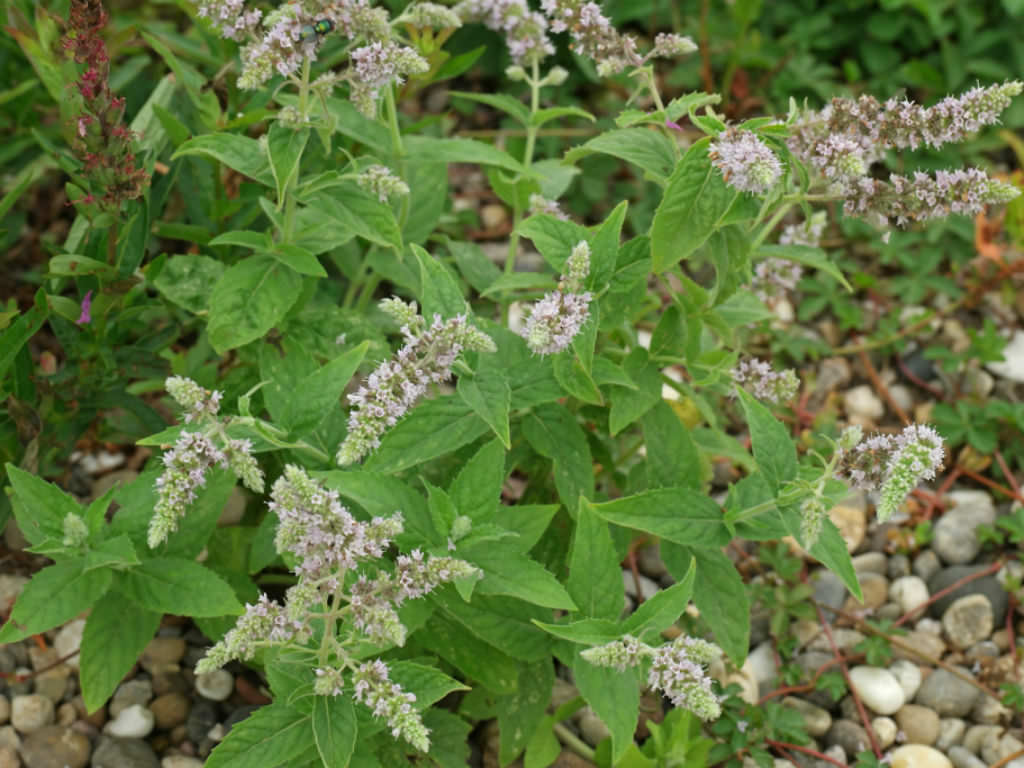
Weed control tries to suppress competitors for a crop and often relies on differential intoxication, making use of differences in uptake, development, or metabolism. We explored the possibility of using natural signals to shift competition in favor of the crop. Using the competitive horsemint (Mentha longifolia) as a paradigm, we showed that essential oils from certain mint species suppress the seedling development of different target species in a specific and efficient manner. The specificity concerned both the donor and the receptor. We demonstrated further that the effect of horsemint oil was specific for actin filaments, and not for microtubules. Since the elimination of actin will impair auxin transport, which is essential for root regeneration in vegetatively propagating weeds, we tested the efficacy of horsemint essential oil in combination with a slow-release carrier against field bindweed (Convolvulus arvensis), a pertinent weed in organic cereal production. We observed that the development of this weed can be specifically blocked, especially if the carrier is worked into the soil. We propose that allelopathic interactions, often relying on manipulative chemical signaling, harbor significant potential for organic weed control.
Horsemint (Mentha longifolia)
Soil Fertility and Soil Testing? “When Weeds Talk”
Jay McCaman is the author of “When Weeds Talk,” one of the most popular books of all time on Acres USA website. “When Weeds Talk” provides a comprehensive list of weeds and the soil conditions that enable those weeds to grow. Jay amassed almost 20,000 note cards cataloging research that’s been done to uncover the weed soil connection. In his book he has information on field bindweed and has observed that this weed is worse in fields with low calcium, low phosphorus, high potassium, high magnesium and probably low manganese. His recommendation is to try correcting these problems in the soil first to take away the good growing conditions for field bindweed. Anybody tried this? Let me know.
Conclusion
Field bindweed is a persistent and invasive weed that poses significant challenges for control and management. While mechanical methods and grazing can provide some level of control, they are often not sufficient on their own. Biocontrols like Aceria malherbae show promise, but more research is needed to fully understand and utilize how to use them in Texas. I am also interested in the fungus for field bindweed control and have seen fungi work on other weeds very effectively. This fungus is found just about everywhere but we need to grow it and get high numbers to make it work. Despite these challenges, ongoing research and integrated management strategies continue to provide new insights and tools for managing this resilient weed in Texas organic crops.
Lastly, you could look at field bindweed as just a new crop to harvest with lots of potential benefits to you and to the consumer. This lady is looking on the positive side of this “cancer” of fields and noting field bindweed’s potential to cure cancer!
I learned early on in my career and on my own farm how important it is to use the right adjuvants in a spray tank. Not using an adjuvant (in most cases) can mean control or not control depending on the product you are using. Also, a good adjuvant can mean the difference between being able to spray or not if the weather is almost too bad to spray.
So, what is an adjuvant. The website I have in the picture from eOrganic is full of information and says, “It is a relatively broad term referring to substances that are added to pesticides or nutrient solutions for the purpose of improving their mixing, application, or effectiveness. Some product formulations already contain one or multiple adjuvants, while other adjuvants can be purchased to add into tank mixes before application.”I encourage you to click on this link and check out the article.
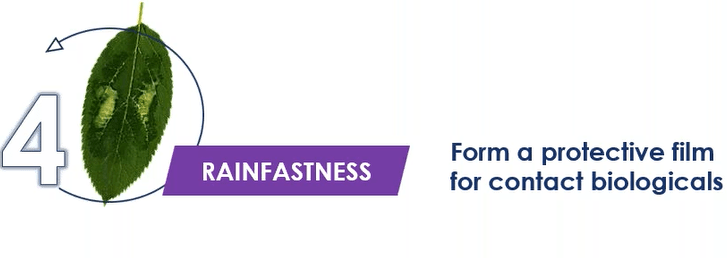
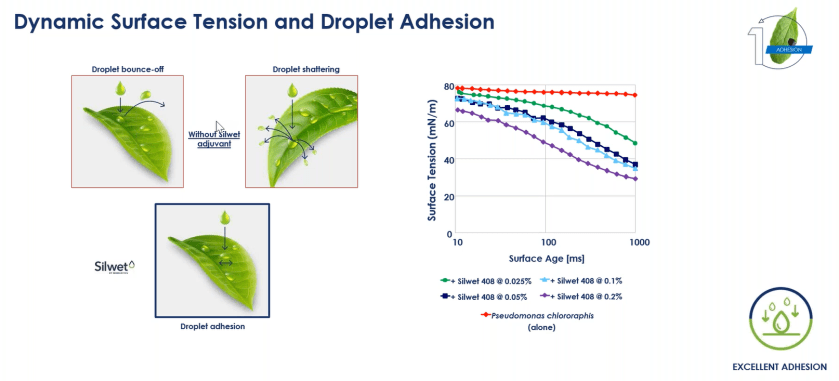
Recently I participated in a great webinar put on by Momentive who make the Silwet L-77 Organosilicon Surfactant used for many years and one that has been approved organic. They are developing some new products that are especially adapted to organic agriculture and have OMRI approval. They are also developing adjuvants that work in drones and help lower the total spray volume down and help to use less actual product per acre. Here is a slide deck from a webinar put on by Momentive. I took screenshots of the presentation, and you can go to the end and see QR codes to see more presentations. Or I think this link will work but it is on their own website. Link to Presentation. I was particularly impressed with how much better these new adjuvants can both spread across the leaf but also penetrate the leaf, slides 6-8, and resistance to wash off slide 9. I also think they provide protection to the live organism just sprayed on the leaf by coating the organism.
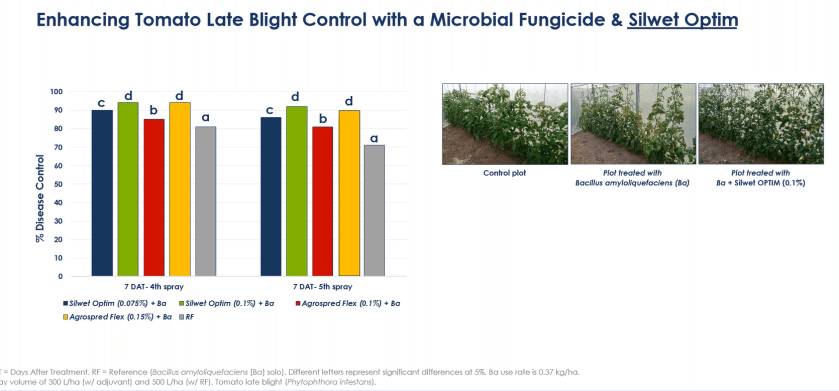
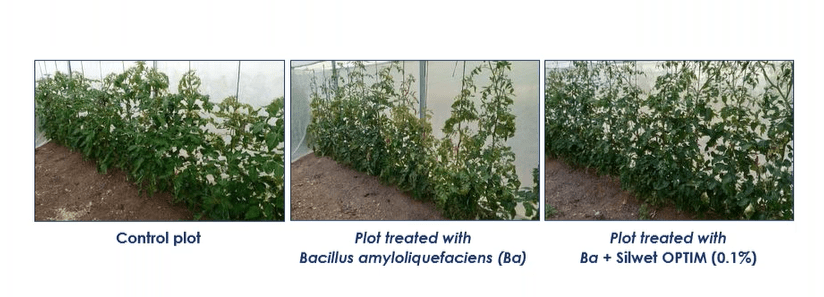
The next question, is it compatible with a living organism? In slide 10 you see the tests they did with different fungi and bacteria to determine if they are compatible, and you can see the red squares, some are not! In slide 11 you see a treatments that include a control, a Bacillus amyloliquefaciens (example-Double Nickel, Certis Bio) used alone, and Bacillus amyloliquefaciens used with Silwet Optim.
I am not showing you this so will buy Momentive products, there are many good companies and adjuvants out there. But I am showing you this to get you interested in buying and using quality adjuvants to make sure these expensive organic products you buy to grow organic do the job they are designed to do.
Here is a brochure for Momentive highlighting their products for both organic and conventional agriculture. Exciting new science! Click this link to download: Momentive Brochure



















 Texas A&M AgriLife Organic