Blog Posts

Texas Organic Export Market Potential

Spring of 2022, the Texas Department of Agriculture (TDA) put out a call for applications for the Agricultural Development: Agricultural Commodity Export Support (ACES) Pilot Program for Texas commodity agricultural trade organizations, agricultural cooperatives, and agricultural commodity or producer organizations that are interested in conducting export activities to further expand the international market presence of Texas agricultural commodities.

The TDA Organic Advisory Board and the board’s diverse membership is a great sounding board especially for new ideas. My discussions with Board members help me to know that there was a possible export market for organic produce but there really wasn’t much of an idea of where to begin. I reached out to Dante Galeazzi, Executive Director of Texas International Produce Association (TIPA) to see if they might be interested in partnering with us (Texas A&M AgriLife and CNAS) to submit a grant to do this investigation. Dante is a very positive person and is super to work with, so of course the answer was yes!

I work with a couple of outstanding economists in Dr. Luis Ribera and Landyn Young and they took the challenge to help put the grant together with Dante and TIPA and it was funded by the Texas Department of Agriculture. The overall purpose of this grant project with TIPA was to evaluate the export potential of selected Texas organic commodities and the proposal included these top objectives.

Objective 1. Identify the top five Texas organic fruits and/or vegetables with the largest potential for the export markets.

Objective 2. Conduct a market study of selected Texas organic commodities using secondary data available from the U.S. government and from other countries’ governmental sources. 

Objective 3.  Identify top three or four markets for selected Texas commodities

Objective 4. Analyze export trends from US/Texas and main competitors looking for opportunities to access and/or expand market share for the selected Texas organic commodities.

Objective 5. Identify and analyze general border measures and trade barriers such as SPS requirements, product form, TBTs such as packaging/labeling requirements, and import tariffs, among others to evaluate the competitiveness of selected Texas commodities.

Objective 6.  Develop recommendations on how Texas can increase access to foreign market and/or increase market share.

Fast forward to this summer and the work has been done! I am quite impressed with their work and happy to share it with you. Below are the publications developed by Dr. Ribera and Landyn Young on these crops with the most potential in the organic export markets. Please take a look at the markets and the potential and let us know your thoughts!

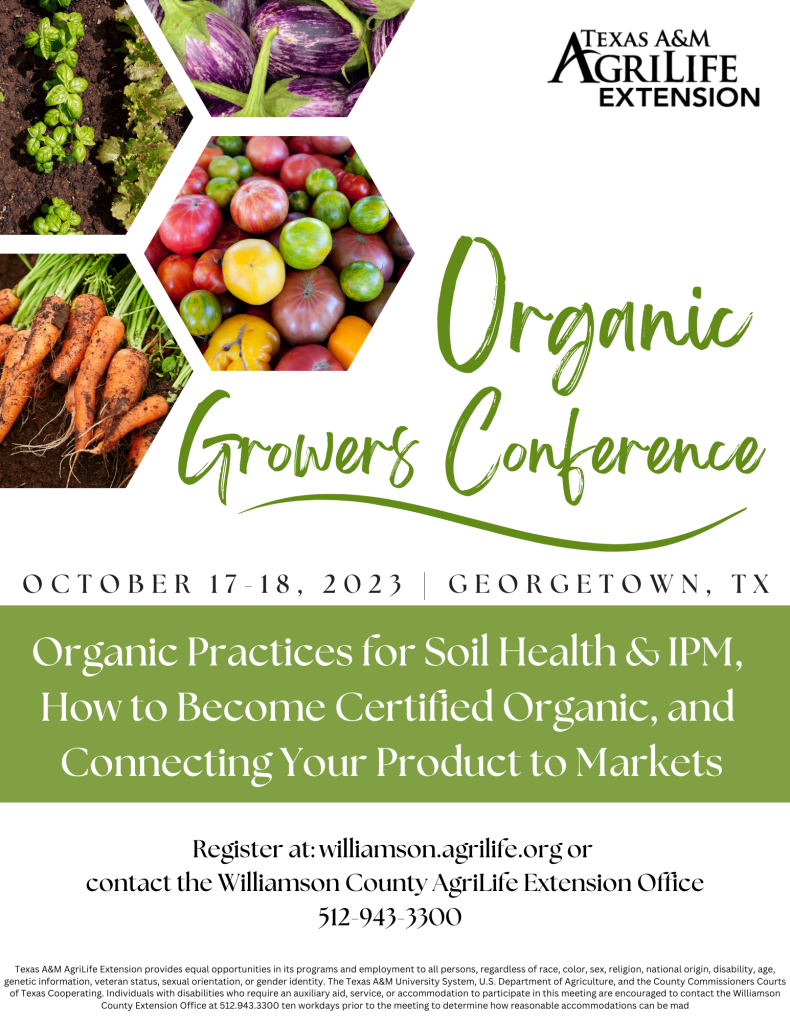
2nd Organic Growers Conference in Georgetown Texas

If you missed last year’s event, you missed a super program and a great start for what should be a long tradition! But don’t miss the 2nd one or you will be really behind with your organic program!!

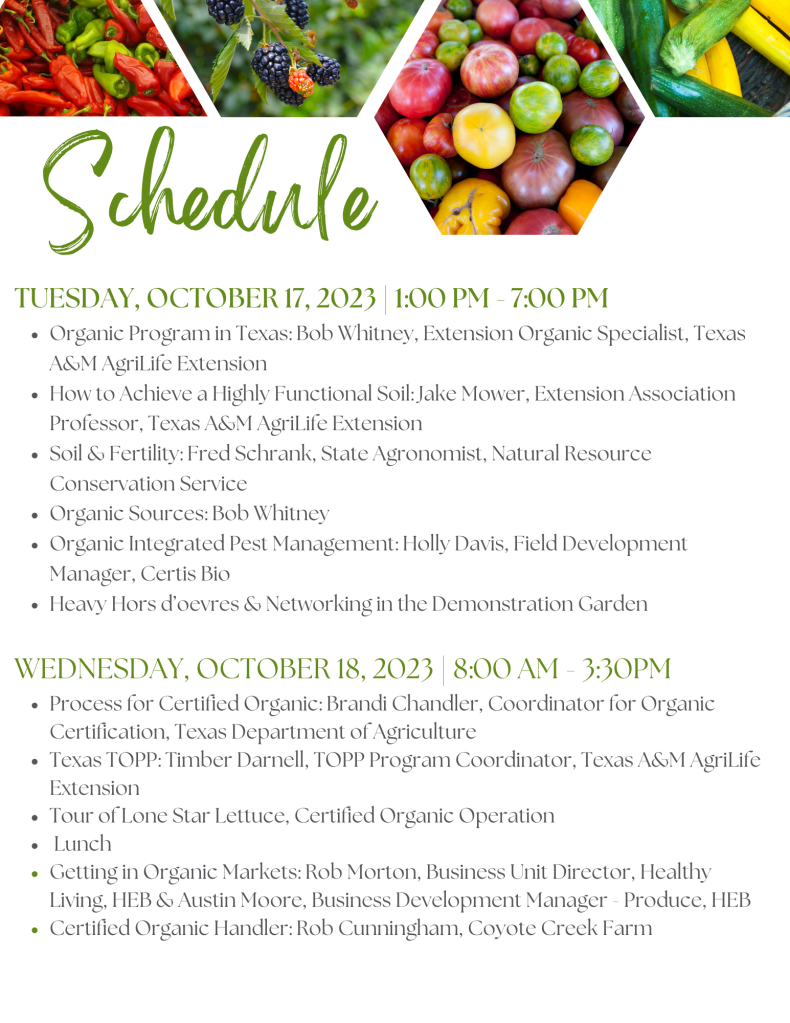
The 2nd Organic Growers Conference hosted by the Williamson County Extension Office in Georgetown, Texas, will be held on Tuesday, October 17 through Wednesday, October 18. Registration is only $50 per participant and includes two meals and all materials.

We are really excited to have HEB Organic Produce Buyer and an Organic Handler on the afternoon program held on Wednesday, October 18. If you are pressed for time and can’t attend the entire program, then try and make this afternoon program. You will be sure to learn a lot about markets and how to get a foot in the door.

For more information or to early register call the Extension Office at (512) 943-3300 or email Kate Hajda, Extension Agent – Horticulture at kate.hajda@ag.tamu.edu or to register go here: Organic Grower Conference Registration

Organic is Worth It!

This is a great article about organic produce sales from the Organic Produce Network and Category Partners. Click here to read the entire article Organic Produce Network News I only want to make you curious with a few points I thought were interesting!!

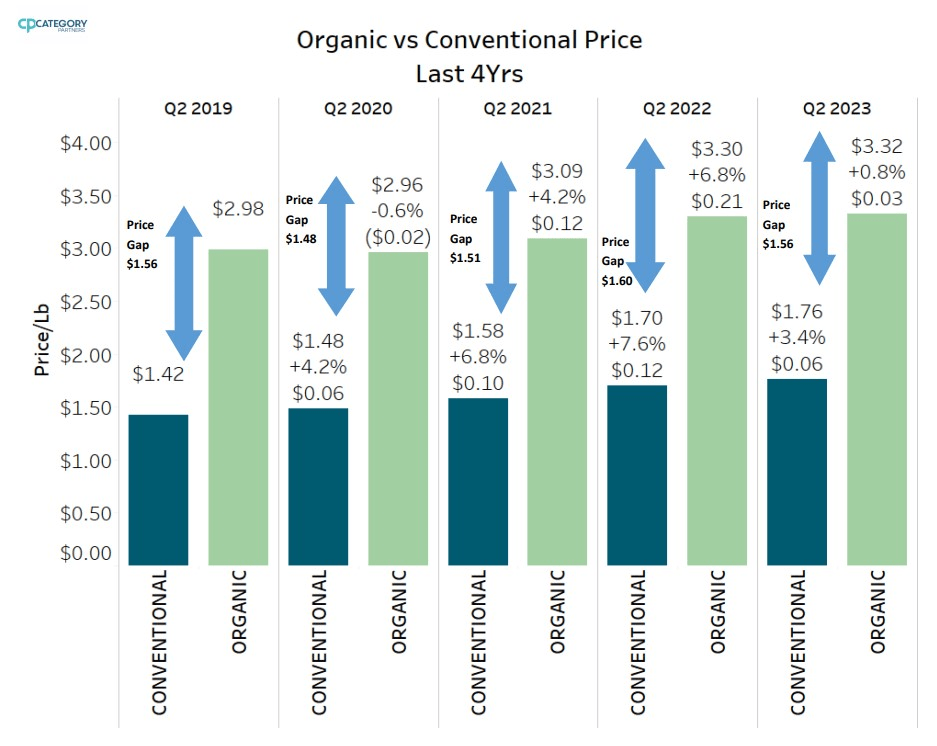
In the second quarter of 2023, sales of organic fresh produce increased by 1.5%. The total sales amount reached $2.4 billion. On the other hand, conventional produce sales grew by 2%, totaling $18.8 billion.

The latest report indicates a steady rise in produce prices due to inflation, but rest assured, the demand remains robust. It is noteworthy that organic prices have experienced a moderate increase compared to conventional prices, yet they have managed to outpace conventional prices by an impressive 88%, thereby ensuring sustained profitability within the organic produce sector.

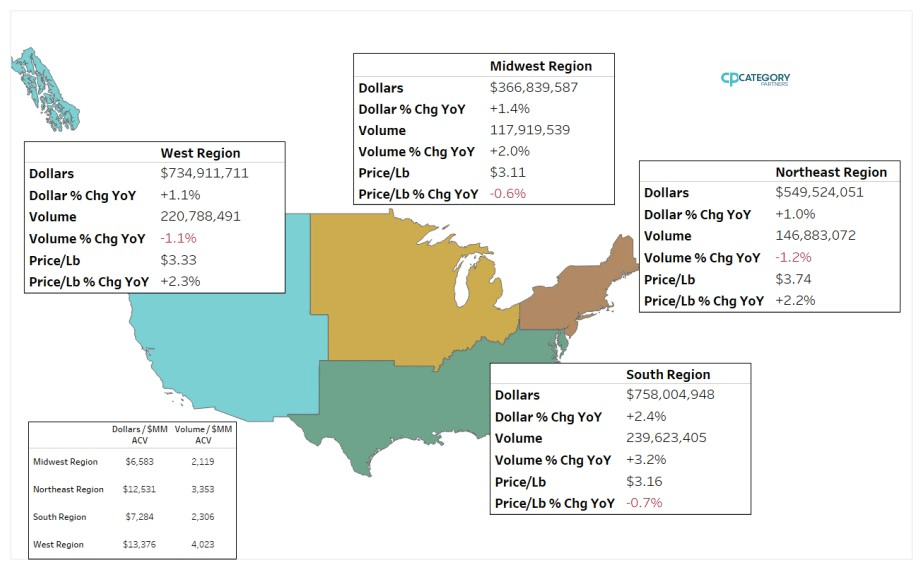
This chart showcased in the report unveils insights that demand a deeper analysis. One cannot overlook the remarkable 3.2% surge in sales volume, solidifying the South Region’s dominance in this area. These exceptional results strongly indicate a great future for Texas organic produce. Again, check out the full report, it is worth it – because Organic is Worth It!

New Organic Coordinator

Timber Darnell

The Extension Organic Program is extremely fortunate to be able to announce that Timber Darnell will be starting her new role as Organic Program Coordinator. Timber will take charge of planning and coordination the Texas Transition to Organic Partnership Program (TOPP). She will be the primary contact for new transitioning to organic growers and handlers. Timber is at our office in Stephenville and officially started Monday, August 14.

Timber is originally from Wyoming and is no stranger to the agriculture industry. Timber transplanted herself to Texas right after High School on a Rodeo Scholarship to Tarleton State University. There she competed in the events of Breakaway and Goat Tying all throughout her college career.

She is well known in the arena especially in the event of Goat Tying. Timber has traveled all over the Western United States teaching children how to goat tie. Rodeo has brought many skills to add to her toolbox from an athlete, to coaching, traveling to Africa, and a lifelong love for the agriculture industry. Timber has loved it all. Her legacy remains in the arena, but as for now Timber is excited to focus on her new career.

Timber has two degrees from Tarleton, recently graduating with her Master of Agriculture Consumer Resources with a concentration of leadership. Timber is excited to be joining our team.

Hi-A Corn Varieties, a Game Changer?

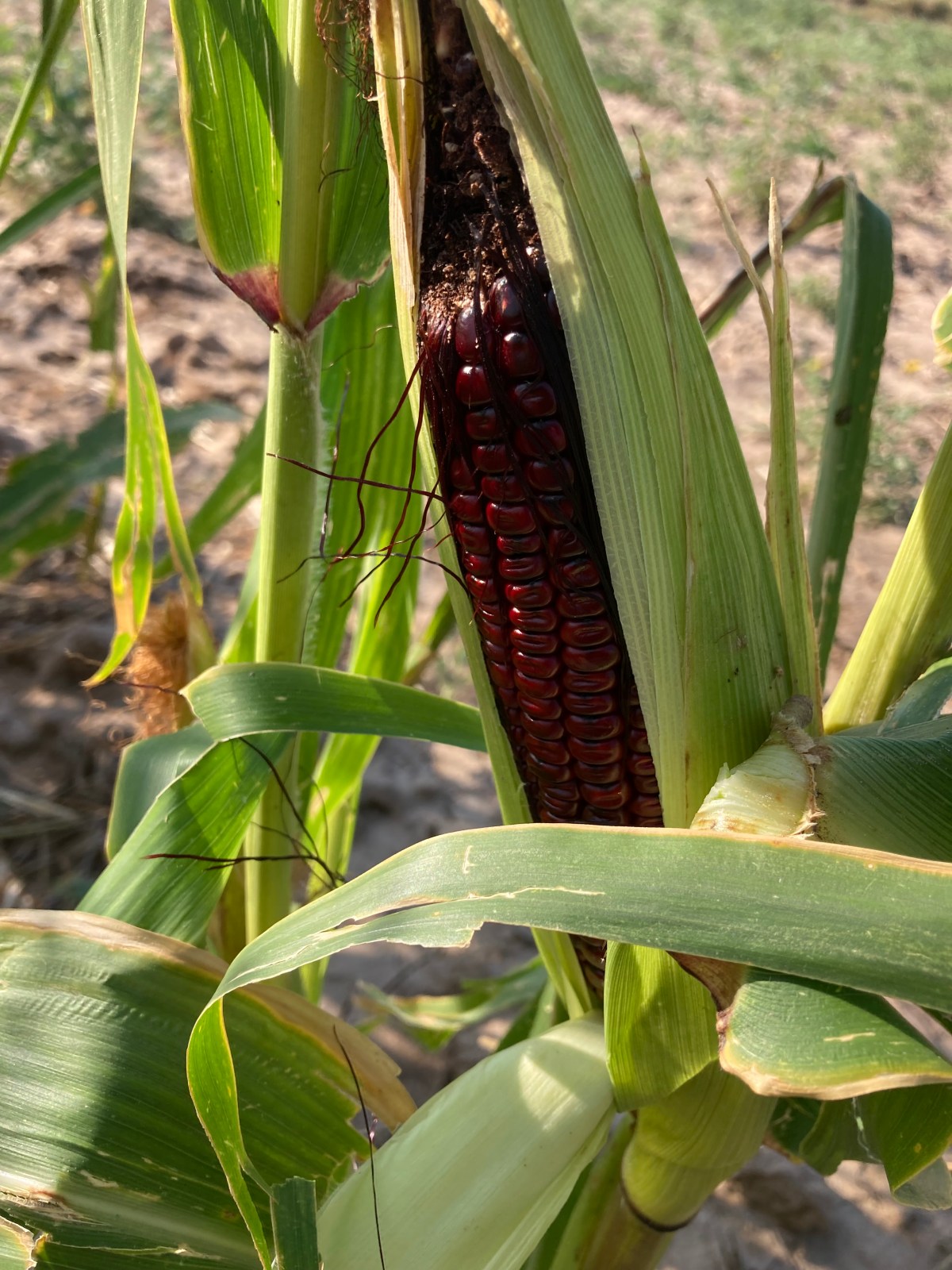
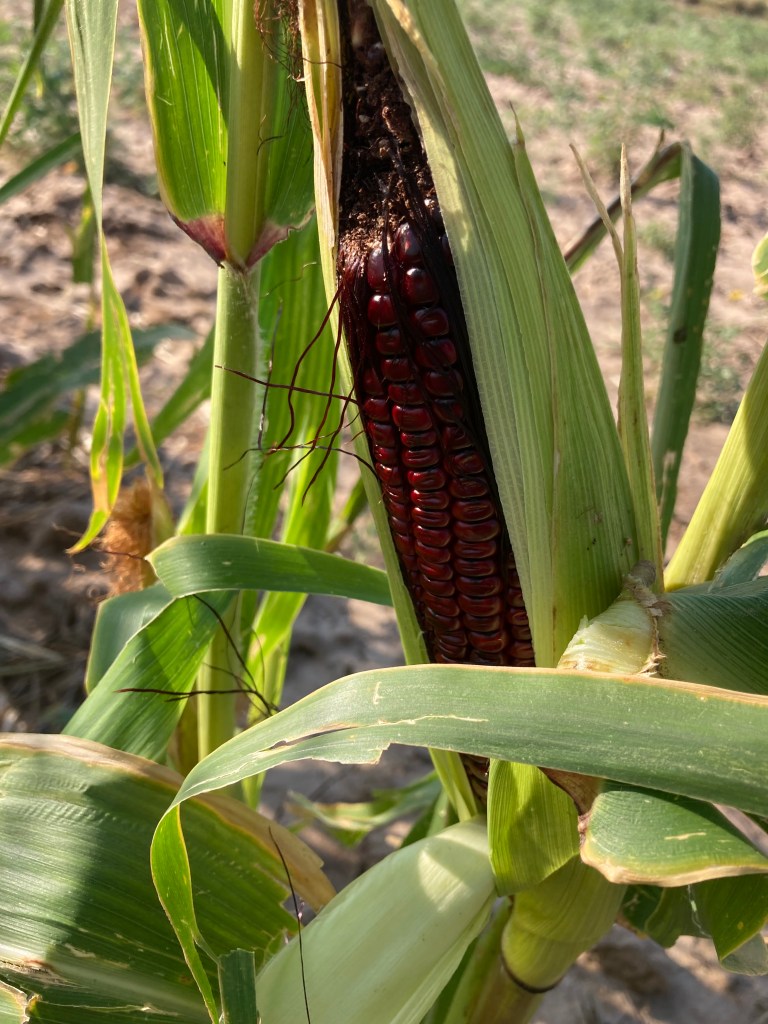
What is Hi-A Corn? These Hi-A corn hybrids are non-GMO and are a new type of corn that contains high-anthocyanin and high-antioxidant content (Hi-A corn) in their kernels, stalks, and other plant tissues. Hi-A corn kernels are tender and sweeter than field corn but contain less sugar than sweet corn. The Hi-A corn hybrids TAMZ102 and TAMZ104 were developed and selected for adaptation to the environments in southern United States by Texas A&M AgriLife Research Corn Breeder Dr. Wenwei Xu in Lubbock and even newer varieties are being developed this year. Being non-GMO, they can be used in both conventional and organic crop systems, and they are earworm and disease tolerant and/or resistant.

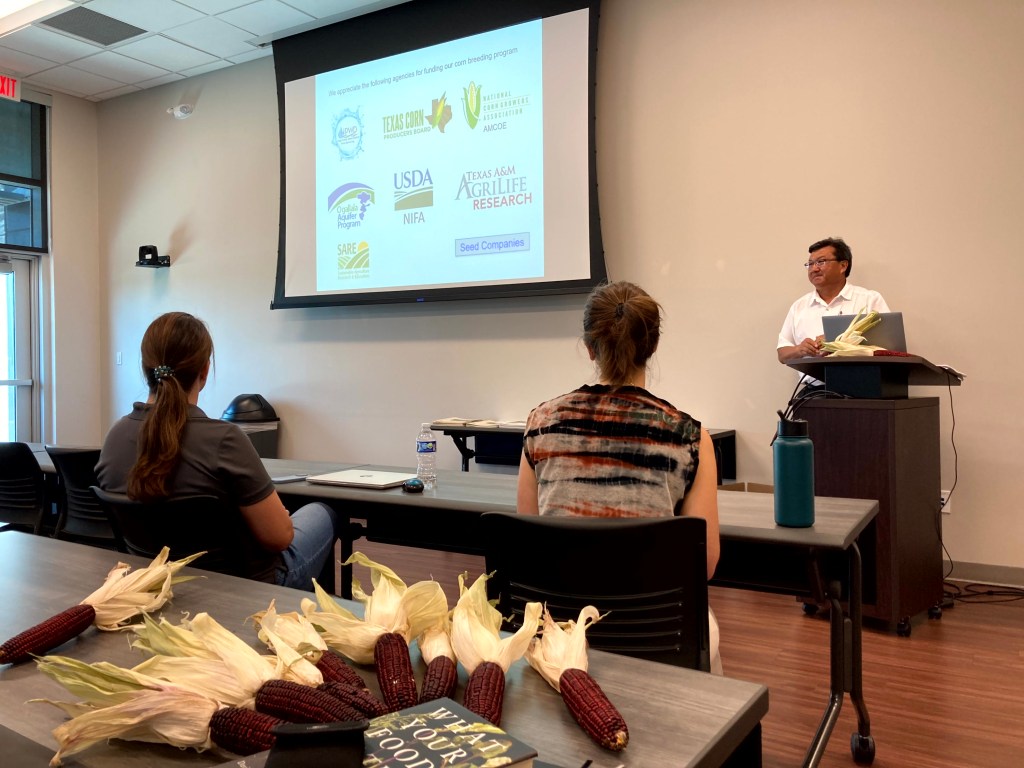
A big thanks to the Texas Corn Producers for their long-standing support of Texas A&M AgriLife Research corn breeding programs and helping to initiate the Hi-A corn project. Also, thanks to Southern SARE for funding this 2023-24 Hi-A Corn Producer Education Program. A huge shoutout to our cooperators Juan & Shakera Raygoza in the RGV at Edinburg and to Brant and Kate Hajda in Granger for being super cooperators and growing out these test varieties.

Why Hi-A?  Breeders are looking for ways to introduce animal and human health benefits into the foods we eat without sacrificing grain quality.  In an organic animal feeding system, Hi-A corn could be beneficial both as a grain and as a silage, preventing inflammation from low levels of disease.  We are experimenting with these varieties in several locations and have had Extension meetings where folks even got to eat some fresh ears. Fresh ears of the Hi-A corn still in the husks are ready to eat after being cooked in a microwave oven for 5-minutes.  I love it and it’s healthy too!

Temperature Extremes Can Affect Plant Varieties

An article in The Guardian entitled, “Night-time heat is killing crops. Scientists are rushing to find resilient plants” That should scare most of us but not all is lost! Yes, we are seeing “climate change” but we are adapting and doing it very well.

Temperature is considered a primary factor affecting the rate of plant development, and I think every farmer knows that.  Every year we are seeing extremes in daytime temperatures but more importantly we are seeing a tightening of the difference between daytime and nighttime temperatures.  It does not cool off as quickly or as much at night so that the spread between day and night is smaller such that the average temperature is higher. 

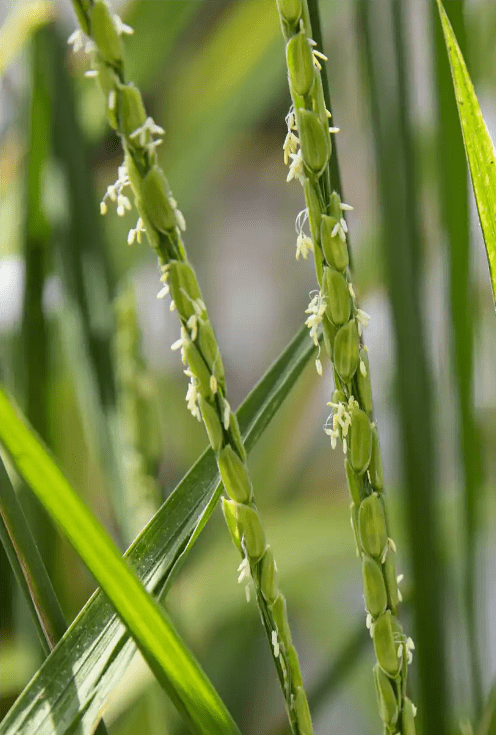
What does this mean?  First it can mean that varieties are not as productive as they once were.  In rice, breeders are working on new rice varieties that can handle higher temperatures both day and night. We are working on the same thing in corn varieties.  If you notice that grain fill is different, blanks are more prominent or yields are down it could be temperature, even nighttime temperatures!

This summer has seen 105-degree daytime temperatures but instead of cooling off to 75 degrees at night there have been many nights where the low was only 84 degrees and that only before dawn. Want to know if this is causing problems, just look at the trees. They are fast turning brown or just dropping leaves and there is still a lot of summer to go!

Temperatures, Rainfall, Soil Moisture, Soil Temperatures

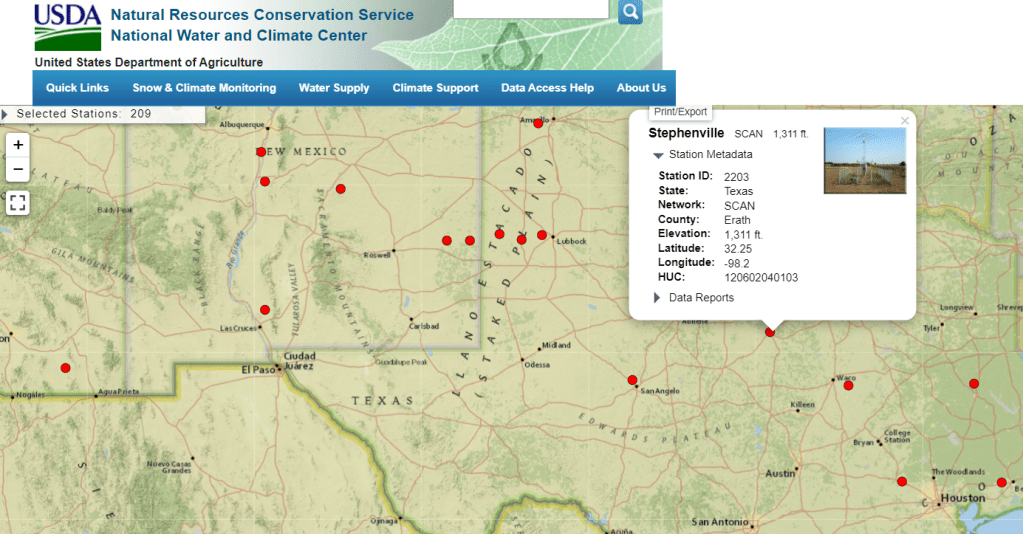
You might not realize it, but there is a lot of information available to you through the NRCS weather stations located in many parts of the state.  There is information on these sites which can be useful for planning, planting, or scheduling field operations.

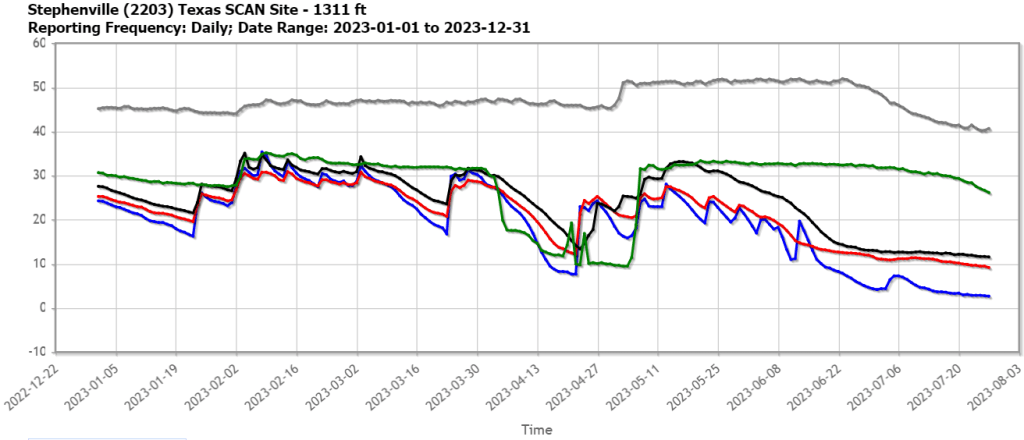
               The above chart is just one example of many available on these sites.  This is for Stephenville and shows the soil moisture from January to August 2023.

The lines show the different soil moistures at different depths and for some reason the 20” (grey) is not working.  But notice the rains in late winter bring up all moisture levels but especially the 40” depth and it stayed at 30% moisture until recently.  Just drive around Central Texas and you can see we are burning up.  It is amazing what 60+ days of hot temperatures and no rain can do!

How do you get to a station close by? Just go here: https://tinyurl.com/34c7a8hv You will be at the NRCS Texas Dashboard and click on the SCAN tab. Once in the SCAN tab you will see the map like the one above and then click on a red dot for the weather station and pick Data Reports. Simple and yet lots of good information.