The introduction of a Common Organic System Plan, or Common OSP, is an important step toward greater consistency within the National Organic Program. Certified organic operations are all working under the same federal organic regulations, but they have often been required to describe their farms, handling systems, materials, and recordkeeping practices on forms that differ substantially from one certifier to another.
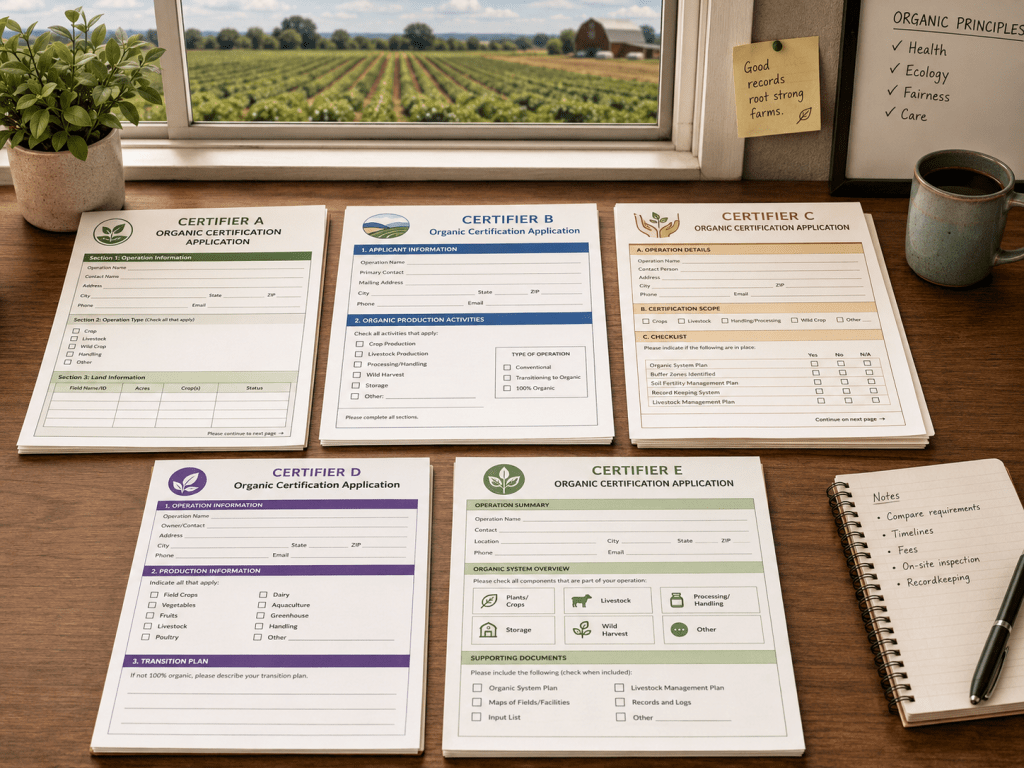
Right now, a person new to organic has to pick a certifier first and get their version of an OSP before I or other educators can even talk about how to use an OSP. A common format can reduce that unnecessary variation by creating a standard way to organize the information every certifier needs. It may also improve portability by allowing an operation to maintain one working OSP that can be updated over time and, when necessary, more easily submitted to another certifier without rebuilding the entire plan in a different format. A common complaint I hear is, “I would change certifiers but relearning and reworking all the forms is a mountain I don’t want to climb!”
A Common OSP can also make education and technical assistance much more effective. Extension educators, mentors, consultants, and farmer organizations can teach producers how an OSP works using one nationally recognized structure rather than trying to explain several certifier-specific systems. Certified operations interested in using the Common OSP should begin by asking their certifier whether it is accepted for new applications, annual updates, or transfers, and whether any supplemental forms are required. Producers should also ask whether the certifier will accept the Common OSP as the primary plan or require the same information to be entered again into a separate portal. I know that CCOF is not planning to use the new forms or recognize them for their clients since they say their forms save time. Many other certifiers will provide an option to their clients.
This new OSP is simply labeled as Version No. 1 and being the first it will probably be changed or updated over time.
Fortunately, No. 1 has started a conversation that will help determine whether a Common OSP truly reduces paperwork and gives the producer greater ownership of the document that describes how the organic operation maintains compliance.
I encourage you to take a look at the new No. 1 Common OSP. Below is the link to the USDA Website where you can download everything you need.

Discover more from Texas A&M AgriLife Organic
Subscribe to get the latest posts sent to your email.


